
Tree Trimming After a Breezy Week: Why Timing Matters for Antelope Valley Homeowners
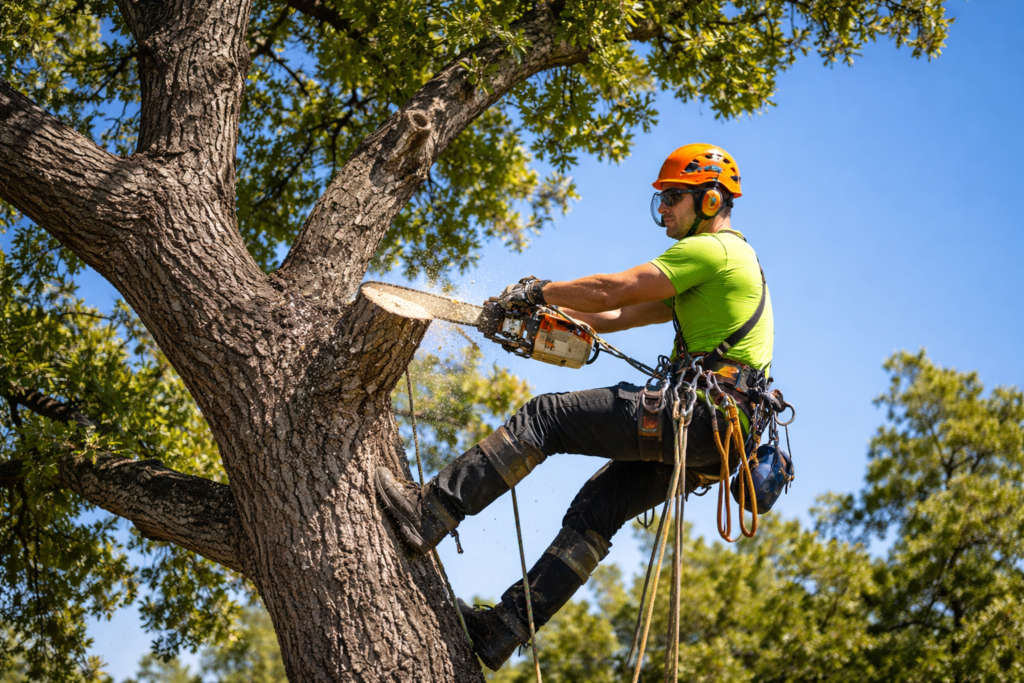
The Antelope Valley is famous for its persistent spring winds. After a week of 35 mph gusts rattling your windows, you might step outside and notice your trees looking a little worse for wear—perhaps a few hanging branches or a canopy that looks dangerously thick. With elevated fire weather risks following these wind events, the timing of your tree trimming after wind antelope valley is critical. Here is why you need to schedule your post-wind pruning now. Tree trimming after wind Antelope Valley is essential after a week of strong 35 mph gusts that can weaken branches, damage canopies, and create serious safety hazards for homeowners. Removing “Widowmakers” The most immediate concern after a windstorm is broken branches that are caught in the canopy. Arborists call these “widowmakers” for a reason. They can fall at any moment, even on a perfectly calm day, threatening anyone walking underneath. A professional inspection will identify and safely remove these hidden hazards. Reducing the Sail Effect If your trees swayed violently during the recent winds, their canopies might be too dense. A thick canopy acts like a sail on a boat, catching the wind and putting immense strain on the trunk and root system. Strategic thinning by an ISA-Certified Arborist allows wind to pass *through* the branches rather than pushing against them, dramatically reducing the risk of uprooting in the next storm. Fire Season Preparation In the high desert, wind events dry out the vegetation rapidly, leading to Red Flag Warnings and elevated fire risks. Trimming your trees now is a vital part of creating defensible space around your home. Removing dead wood, lifting the canopy away from the ground (to prevent ground fires from climbing into the trees), and clearing branches away from your roof are essential safety measures. Why Proper Pruning Matters Never hire a “door-knocker” to simply hack off the top of your tree (a practice called “topping”). Topping ruins the structural integrity of the tree and causes rapid, weak regrowth that is even more susceptible to wind damage. At Tip Top Arborists, we use science-based pruning techniques that enhance the health, beauty, and safety of your landscape. Don’t wait for the next windstorm to test your trees. Call Tip Top Arborists today for a free trimming estimate. Request A Quote Tell us about your tree care needs and our team will follow up with a detailed estimate and recommended solutions. Select Ad SourceFacebookGoogleInternet SearchReferralTruck SignsWebsiteYelp Submit Get In Touch Tip Top Arborists, Inc. tip_top_arborists
How to Prepare Your Trees for Fire Season in Palmdale, CA
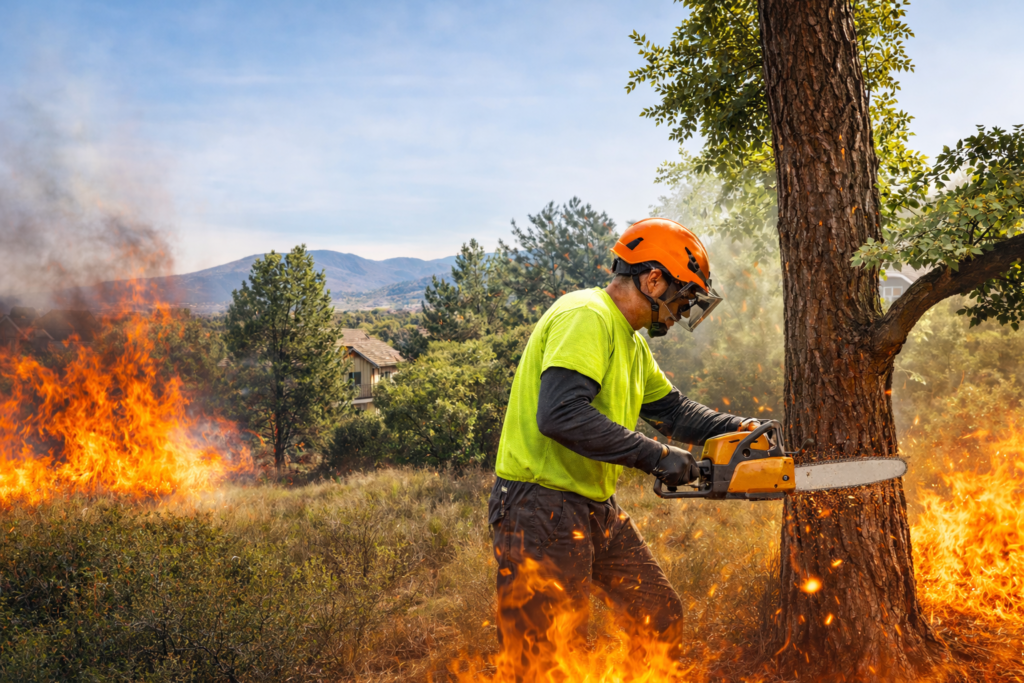
With recent active fires in Los Angeles County and elevated fire risks across the region, homeowners in Palmdale, CA, must take proactive steps to protect their properties. Creating defensible space is not just a recommendation; it is a necessity for living safely in the Antelope Valley. One of the most critical aspects of this preparation is proper tree care and maintenance. Understanding Defensible Space in Palmdale Defensible space is the buffer you create between a building on your property and the grass, trees, shrubs, or any wildland area that surrounds it. This space is essential to slow or halt the spread of wildfire to your home. It protects your house from catching fire—either from direct flame contact or radiant heat. Defensible space is also crucial for the protection of the firefighters defending your home. Prepare Your Trees for Fire Season in Palmdale CA, where high winds and dry conditions are common, maintaining this space requires year-round attention, but spring is the most critical time to prepare. The goal is to reduce the fuel load around your home, and trees are a significant part of that equation. Key Tree Trimming and Pruning Strategies Proper tree trimming is your first line of defense. When a fire approaches, it often travels along the ground before climbing into the tree canopy—a process known as “laddering.” By removing lower branches, you can prevent ground fires from reaching the upper parts of the tree. 1. Create Vertical Clearance It is vital to remove all branches within six feet of the ground. For taller trees, you may need to trim even higher. This vertical clearance disrupts the path of a fire, making it much harder for flames to climb from grass or shrubs into the tree canopy. 2. Maintain Horizontal Spacing Trees should not be planted too closely together, especially near your home. If you have a dense cluster of trees, consider thinning the canopy or removing select trees to create horizontal spacing. This spacing prevents fire from easily jumping from one tree crown to the next. 3. Clear Roof and Chimney Areas Any branches overhanging your roof or within ten feet of your chimney must be removed. Falling embers can easily ignite dead leaves or needles that accumulate on your roof or in your gutters. Keeping this area clear is a fundamental safety measure. Removing Dead and Dying Trees Dead trees are essentially standing firewood. They ignite quickly and burn intensely, posing a severe threat to your property and neighboring homes. Identifying and removing dead or dying trees before fire season peaks is a critical safety step. Look for signs of decline, such as extensive deadwood, lack of leaves during the growing season, or severe pest infestations. In Palmdale, trees that are heavily damaged by drought or disease are prime candidates for removal. Do not wait until the height of summer to address these hazards. Professional tree removal services can safely dismantle and remove these risks from your property. Stump Grinding for Complete Fire Safety Many homeowners overlook the danger posed by old tree stumps. A dry, decaying stump is highly combustible and can smolder for days, potentially reigniting a fire long after the main front has passed. Stump grinding is an effective way to eliminate this hidden hazard. By grinding the stump below the soil line, you remove the concentrated fuel source. The resulting wood chips can be spread thinly as mulch, which retains soil moisture and is less likely to catch fire than a solid, dry stump. The Importance of Professional Arborist Consultation Preparing your trees for fire season is not a simple DIY project. Improper pruning can harm the tree, making it more susceptible to disease and pests, which ironically increases its fire risk over time. An ISA-Certified Arborist understands the specific needs of trees in the Antelope Valley. They can assess your property, identify high-risk trees, and develop a comprehensive plan to improve your defensible space while maintaining the health and beauty of your landscape. They know how to prune for safety without compromising the tree’s structural integrity. External Links CAL FIREhttps://www.readyforwildfire.org Los Angeles County Fire Departmenthttps://fire.lacounty.gov NFPAhttps://www.nfpa.org Take Action Now The time to prepare for fire season is before the smoke is in the air. By taking proactive steps today, you can significantly reduce the wildfire risk to your Palmdale home. Focus on creating defensible space, maintaining vertical and horizontal clearance, and removing dead or hazardous trees. For expert assistance in securing your property, contact Tip Top Arborists. With over 50 years of experience serving the Antelope Valley, our team is ready to help you prepare your trees for a safe fire season. Call us today at (661) 245-0250 to schedule a consultation. Contact Page → https://tiptoparborists.com/contact Request A Quote Tell us about your tree care needs and our team will follow up with a detailed estimate and recommended solutions. Select Ad SourceFacebookGoogleInternet SearchReferralTruck SignsWebsiteYelp Submit Get In Touch Tip Top Arborists, Inc. tip_top_arborists