
The Benefits of Professional Stump Grinding: Why Tip Top Arborists Should Be Your Go-To
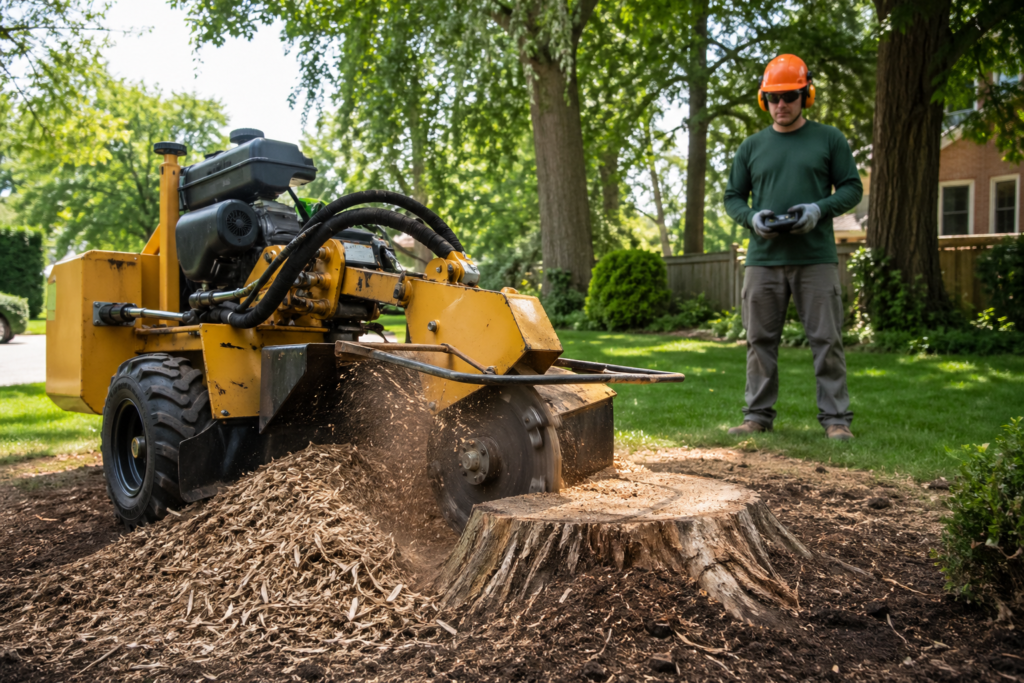
When a tree is removed from your property, the job is not always finished once the stump remains. Tree stumps can be more than just an eyesore. They can pose hazards, attract pests, and limit your landscaping options. That is why professional stump grinding from Tip Top Arborists is a smart investment for any homeowner or property manager.That is why professional stump grinding from Tip Top Arborists is a smart investment.. What Is Stump Grinding? Professional stump grinding is the process of using specialized equipment…Stump grinding is the process of using specialized equipment to grind tree stumps down to below ground level. This allows the area to be restored and reused effectively. Unlike digging out a stump by hand, stump grinding is quicker, cleaner, and less disruptive to your yard. The Top Benefits of Professional Stump Grinding Improved Safety Leftover tree stumps cause tripping hazards, especially in yards where children or elderly family members spend time. Rough edges and roots can lead to accidents and injuries. By grinding stumps down, Tip Top Arborists helps keep your property safe for everyone. Enhanced Curb Appeal A stump can detract from the overall look of your lawn or garden. It is a constant visual reminder of a removed tree, giving the yard an unfinished appearance. Stump grinding removes the stump entirely, creating a smooth surface that blends seamlessly with the surrounding landscape. Pest Prevention Stumps can attract unwanted pests such as termites, ants, and beetles. These insects often use decaying wood as a habitat and may eventually spread to healthy plants or even your home. Professional stump grinding eliminates this risk by removing the decaying wood source. Space for New Growth or Projects Grinding down stumps frees up space for new landscaping projects. Whether you want to plant grass, install a patio, or build a garden bed, a stump-free area gives you more options. Tip Top Arborists ensures the stump is reduced safely and efficiently to prepare your yard for its next purpose. Environmental Benefits Unlike digging out stumps, which can disturb soil and nearby plant roots, stump grinding is more environmentally friendly. It preserves the soil structure while recycling the wood chips back into the earth where they can break down naturally. INTERNAL LINKS Homeowners looking for professional tree trimming can visithttps://tiptoparborists.com/tree-trimming-palmdale-ca/ for full service details.If you’re located in the area, explore local services here:https://tiptoparborists.com/palmdale/ Need expert advice? Request a free estimate today:https://tiptoparborists.com/contact-us/ EXTERNAL LINKS International Society of Arboriculturehttps://www.isa-arbor.com/ Tree Care Industry Associationhttps://www.tcia.org/ USDA Forest Servicehttps://www.fs.usda.gov/ Why Choose Tip Top Arborists for Stump Grinding? At Tip Top Arborists, we combine expert knowledge with state-of-the-art grinding equipment to deliver thorough and clean results every time. Our trained professionals assess each job carefully to minimize disruption and complete the work efficiently. We understand how important your outdoor space is to you. That is why we provide reliable services designed to improve the safety, beauty, and usability of your property. Get Started Today Don’t let unwanted stumps spoil your yard or cause hazards. Contact Tip Top Arborists for professional stump grinding that offers lasting benefits. Our team is ready to help you reclaim your yard and enjoy a safer, cleaner landscape. Call us today or visit our website to schedule a consultation. By investing in professional stump grinding, you are choosing a safer, more attractive yard and opening possibilities for your outdoor living space. Trust Tip Top Arborists to get the job done right every time. From tree removal to professional stump grinding, Tip Top Arborists delivers reliable solutions to keep your yard safe and clean. Contact us at [(661) 942-5501] or visit https://tiptoparborists.com/ for expert assistance. Request A Quote Tell us about your tree care needs and our team will follow up with a detailed estimate and recommended solutions. Select Ad SourceFacebookGoogleInternet SearchReferralTruck SignsWebsiteYelp Submit Get In Touch Tip Top Arborists, Inc. tip_top_arborists
How to Prepare Your Trees for Winter: Expert Tips from Tip Top Arborists
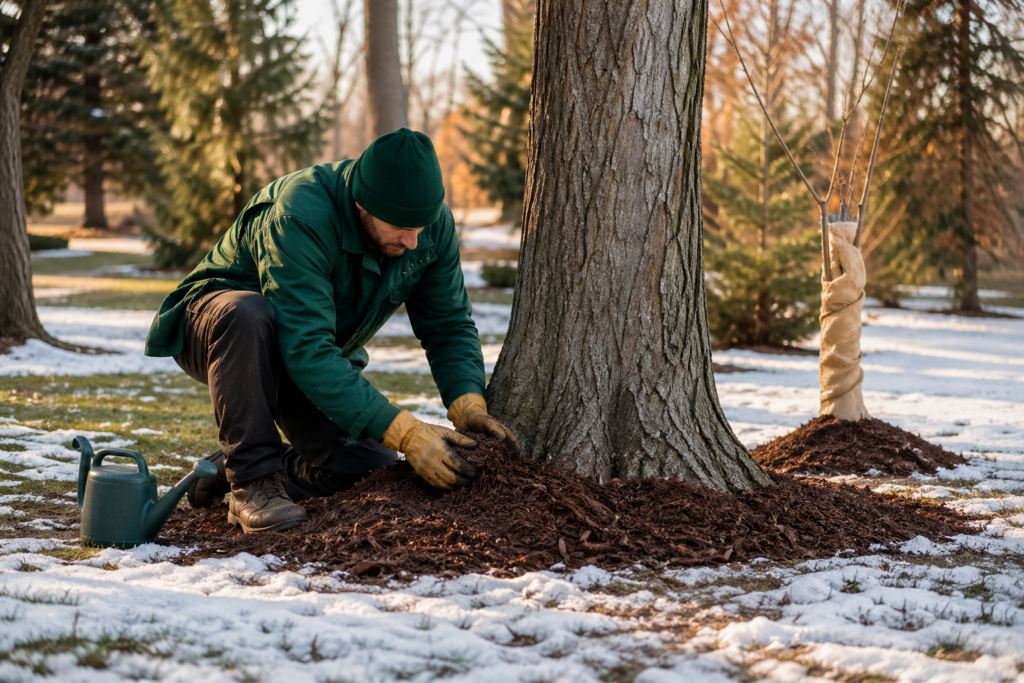
Learning how to prepare trees for winter is essential to protect them from cold damage.As winter approaches, your trees need extra care to stay healthy and strong during the cold months. Proper winter preparation can prevent damage caused by harsh weather, pests, and diseases. At Tip Top Arborists, we understand the importance of protecting your trees and want to share expert advice on how to prepare your trees for winter.These steps will help you easily prepare trees for winter and avoid damage. How to Prepare Trees for Winter: Expert Tips… How to Prepare Trees for Winter Properly Winter can be tough on trees. Freezing temperatures, heavy snow, and ice can cause branches to break or bark to split. Additionally, some pests become more active in dormant trees, while fungal diseases may take hold. Preparing your trees for these challenges reduces the risk of damage and promotes a healthy spring growth. Inspect Your Trees Thoroughly Start by giving your trees a detailed inspection. Look for weak or dead branches that might not survive winter storms. These branches often break off and cause more damage to the tree or surrounding property. Removing them now with proper pruning improves tree structure and safety. Prune Appropriately Winter is an excellent time to prune most deciduous trees because they are dormant and easier to assess without leaves. Removing damaged or overcrowded branches improves airflow and reduces the chance of disease. Remember to use clean, sharp tools and make clean cuts to support tree health. Mulch Around the Base Applying a layer of mulch around the base of your trees offers several benefits. Mulch helps insulate roots from freezing temperatures, retains soil moisture, and reduces weed competition. Use organic mulch like wood chips or shredded bark, and spread it evenly in a 2 to 4-inch layer while keeping it a few inches away from the trunk to prevent rot.Mulching is an effective way to prepare trees for winter and protect roots. Water Well Before the Ground Freezes Even in colder months, your trees require moisture. Dry soil combined with freezing temperatures can harm roots. Water your trees deeply a few days before the first expected freeze. This hydrates the roots and helps trees better tolerate winter stress. Protect Young or Vulnerable Trees Young trees or those with thin bark are more vulnerable to winter injury. Consider wrapping their trunks with tree wrap or using protective guards to shield against sunscald and frost cracks. Keep wraps loosely fitted and remove them in early spring to avoid trapping moisture and pests. Avoid Salt Damage If you use salt-based de-icers nearby, be cautious as salt can damage tree roots and foliage. Opt for less harmful alternatives like calcium magnesium acetate, or create a barrier with mulch to protect roots from salt runoff. INTERNAL LINKS Homeowners looking for professional tree trimming can visithttps://tiptoparborists.com/tree-trimming-palmdale-ca/ for full service details.If you’re located in the area, explore local services here:https://tiptoparborists.com/palmdale/ Need expert advice? Request a free estimate today:https://tiptoparborists.com/contact-us/ EXTERNAL LINKS International Society of Arboriculturehttps://www.isa-arbor.com/ Tree Care Industry Associationhttps://www.tcia.org/ USDA Forest Servicehttps://www.fs.usda.gov/ Trust Tip Top Arborists for Winter Tree Care To successfully prepare trees for winter, follow these expert tips…Preparing your trees for winter may seem simple, but proper techniques make all the difference. If you need professional assistance with pruning, inspection, or winterizing your trees, the experts at Tip Top Arborists are here to help. Contact us today for a consultation to keep your trees healthy year-round. Taking these steps now will ensure your trees emerge from winter ready to grow and thrive. Remember, a little preparation goes a long way in protecting your investment and enhancing the beauty of your landscape. From pruning to winter tree preparation, Tip Top Arborists delivers reliable, professional care to keep your trees healthy year-round. Contact us at [(661) 942-5501] or visit https://tiptoparborists.com/ for professional assistance.Contact Tip Top Arborists to help you prepare trees for winter professionally. Request A Quote Tell us about your tree care needs and our team will follow up with a detailed estimate and recommended solutions. Select Ad SourceFacebookGoogleInternet SearchReferralTruck SignsWebsiteYelp Submit Get In Touch Tip Top Arborists, Inc. tip_top_arborists
The Importance of Deep Root Fertilization for Healthy Trees
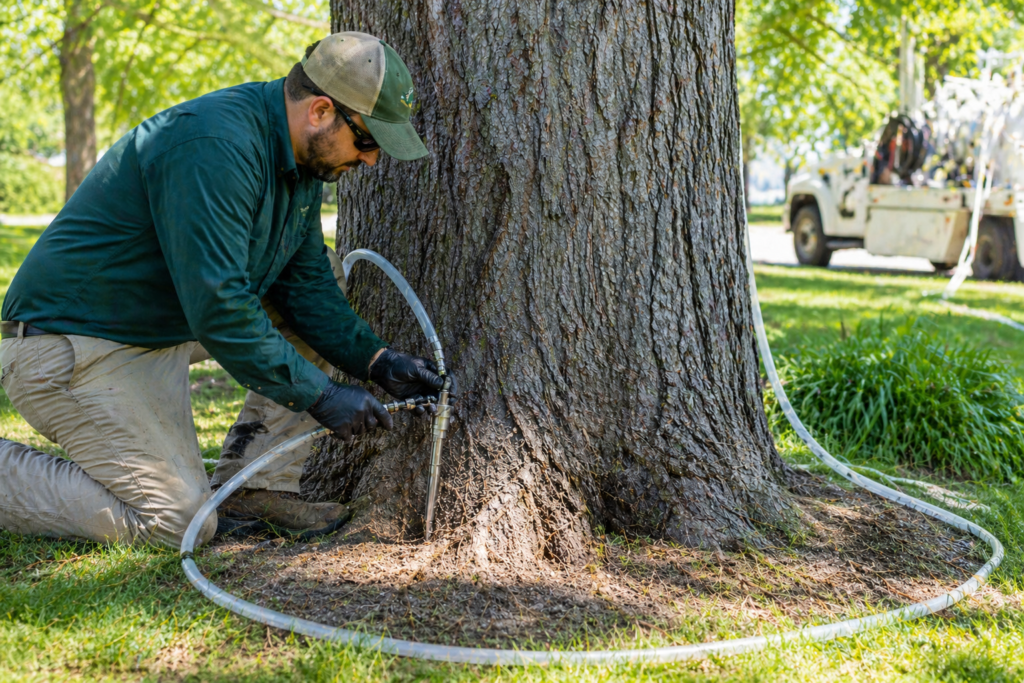
One of the most effective methods is deep root fertilization. At Tip Top Arborists, we understand that maintaining the health of your trees is crucial for a beautiful and vibrant landscape. One of the most effective ways to ensure your trees thrive is through deep root fertilization. This specialized method delivers nutrients directly to the root zone where they are needed most. Let’s explore why deep root fertilization is essential and how it benefits your trees. What Is Deep Root Fertilization? Deep root fertilization involves injecting a nutrient-rich solution directly into the soil near the tree’s root zone. Unlike traditional surface fertilization, this method bypasses the topsoil and carries nutrients deep into the roots. This process helps trees absorb essential nutrients more efficiently, promoting stronger growth and improved resilience. Why Traditional Fertilization May Not Be Enough Surface fertilization often faces challenges such as nutrient runoff, evaporation, or competition with grass and weeds. These factors limit how much fertilizer actually reaches the tree roots. Shallow application can result in nutrient depletion or uneven distribution, reducing the effectiveness of your fertilization efforts. Deep root fertilization overcomes these hurdles by targeting nutrients where they are most accessible to the tree. Benefits of Deep Root Fertilization Enhanced Nutrient AbsorptionNutrients injected deep into the root zone are absorbed directly by the fine feeder roots. This targeted approach allows trees to receive a balanced supply of nitrogen, phosphorus, potassium, and other vital elements. Improved Tree Health and GrowthA steady nutrient supply supports essential physiological processes, helping trees develop stronger roots, fuller canopies, and better resistance to diseases and pests. Healthy trees are also better equipped to withstand environmental stresses such as drought and extreme temperatures. Efficient Use of FertilizersBy delivering nutrients straight to the root zone, deep root fertilization reduces waste and environmental impact. The method minimizes runoff and leaching, promoting sustainable fertilization practices that protect surrounding soil and waterways. Corrects Nutrient Deficiencies QuicklyDeep root fertilization can address specific nutrient shortages in the soil. If your trees show signs of yellowing leaves or slow growth, this method can provide a timely boost directly where it is needed. INTERNAL LINKS Homeowners looking for professional tree trimming can visithttps://tiptoparborists.com/tree-trimming-palmdale-ca/ for full service details.If you’re located in the area, explore local services here:https://tiptoparborists.com/palmdale/ Need expert advice? Request a free estimate today:https://tiptoparborists.com/contact-us/ EXTERNAL LINKS International Society of Arboriculturehttps://www.isa-arbor.com/ Tree Care Industry Associationhttps://www.tcia.org/ USDA Forest Servicehttps://www.fs.usda.gov/ When to Consider Deep Root Fertilization Deep root fertilization is ideal for trees experiencing nutrient stress, declining health, or growing in compacted or poor-quality soils. It is also beneficial as a preventative measure for mature trees to maintain optimal health year-round. Seasonal application, particularly in early spring or late fall, can maximize nutrient uptake and promote strong growth cycles. Trust Tip Top Arborists for Expert Tree Care Our team at Tip Top Arborists specializes in customized deep root fertilization services tailored to your tree’s specific needs. We combine expert knowledge with advanced equipment to deliver nutrients precisely and safely. Regular deep root fertilization, combined with comprehensive tree care, will keep your landscape thriving for years to come. By integrating deep root fertilization into your tree care routine, you take a proactive step toward nurturing stronger, healthier trees that add lasting value to your property. At Tip Top Arborists, we are committed to helping you achieve the best results for your landscape. Call [(661) 942-5501] or visit our website https://tiptoparborists.com/ today to learn how deep root fertilization can enhance the health and beauty of your trees. Request A Quote Tell us about your tree care needs and our team will follow up with a detailed estimate and recommended solutions. Select Ad SourceFacebookGoogleInternet SearchReferralTruck SignsWebsiteYelp Submit Get In Touch Tip Top Arborists, Inc. tip_top_arborists
Why You Should Never Top a Tree: Expert Advice from Tip Top Arborists
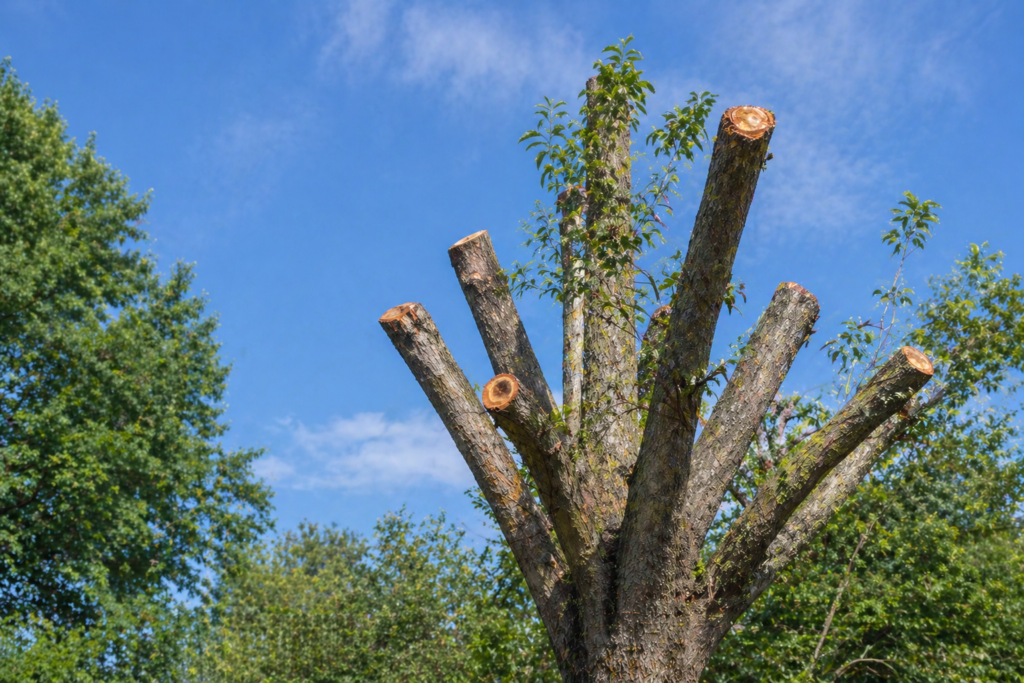
Many homeowners don’t realize that tree topping is harmful practice can cause serious long-term damage to trees. When it comes to maintaining healthy trees, topping is a practice that should be avoided at all costs. Although it might seem like a quick solution to reduce the size of an overgrown tree or improve visibility, tree topping does far more harm than good. At Tip Top Arborists, we want to share why topping is a harmful practice and offer better alternatives for tree care. Why Tree Topping Is Harmful for Trees Tree topping is the drastic cutting back of large branches to stubs or lateral branches that are not large enough to assume the terminal role. Some people call it “heading,” “tipping,” or “hat-racking.” This method is often done to quickly reduce tree height or spread, but it is not a proper pruning technique.This is why experts consider tree topping is harmful rather than a proper pruning method. The Problems with Topping Trees Weak New GrowthAfter topping, trees respond by producing a dense cluster of fast-growing shoots from the cut points. These shoots are weakly attached and prone to breaking during storms. This increases the risk of falling branches, which can be dangerous for people and property.One major reason why tree topping is harmful is because it leads to weak and unstable new growth. Increased Risk of Disease and PestsLarge cuts made during topping create open wounds that do not heal properly. These wounds become entry points for diseases and pests, weakening the tree. The loss of a healthy canopy reduces the tree’s ability to photosynthesize, making it more vulnerable overall. The large wounds created prove that tree topping is harmful increases the risk of disease and pest infestation. Loss of Natural Shape and BeautyTopping removes the tree’s natural form and beauty. Instead of a full canopy, you end up with a distorted tree that looks sparse, unhealthy, and unattractive. This can reduce the landscape’s curb appeal and property value.Another reason tree topping is harmful is that it destroys the tree’s natural beauty and structure. Shortened LifespanRepeated topping stresses trees severely, often leading to decline and death. The energy used to produce new shoots leaves less for root growth and structural development. Over time, this can shorten the tree’s lifespan. Safe and Effective Tree Care Alternatives Instead of using tree topping is harmful methods, consider safer pruning alternatives. Crown Thinning: Selective removal of smaller branches throughout the canopy to allow light to penetrate and air to circulate. This reduces weight and wind resistance safely. Crown Reduction: Properly cutting back branches to lateral, well-developed branches to reduce tree size while maintaining natural form. Regular Pruning: Routine maintenance pruning helps keep your tree healthy and balanced without drastic cuts. INTERNAL LINKS Homeowners looking for professional tree trimming can visithttps://tiptoparborists.com/tree-trimming-palmdale-ca/ for full service details.If you’re located in the area, explore local services here:https://tiptoparborists.com/palmdale/ Need expert advice? Request a free estimate today:https://tiptoparborists.com/contact-us/ EXTERNAL LINKS International Society of Arboriculturehttps://www.isa-arbor.com/ Tree Care Industry Associationhttps://www.tcia.org/ USDA Forest Servicehttps://www.fs.usda.gov/ Trust the Experts at Tip Top Arborists Proper pruning and tree care require knowledge and experience. The experts at Tip Top Arborists are trained in industry standards and certified arboriculture best practices. We can assess your trees and provide safe, effective solutions tailored to your landscape needs. Final Thoughts In conclusion, tree topping is harmful practice should always be avoided for long-term tree health.Topping trees may look like a quick fix, but it leads to long-term problems and hazards. Protect the health, safety, and beauty of your trees by avoiding topping and choosing professional arborist services. Contact Tip Top Arborists today to schedule a consultation and keep your trees thriving for years to come. Tip Top ArboristsProfessional Tree Care You Can TrustCall us at [(661) 942-5501] or visit https://tiptoparborists.com/ for expert advice and services. Request A Quote Tell us about your tree care needs and our team will follow up with a detailed estimate and recommended solutions. Select Ad SourceFacebookGoogleInternet SearchReferralTruck SignsWebsiteYelp Submit Get In Touch Tip Top Arborists, Inc. tip_top_arborists
How to Protect Trees During Landscaping Projects | Tip Top Arborists
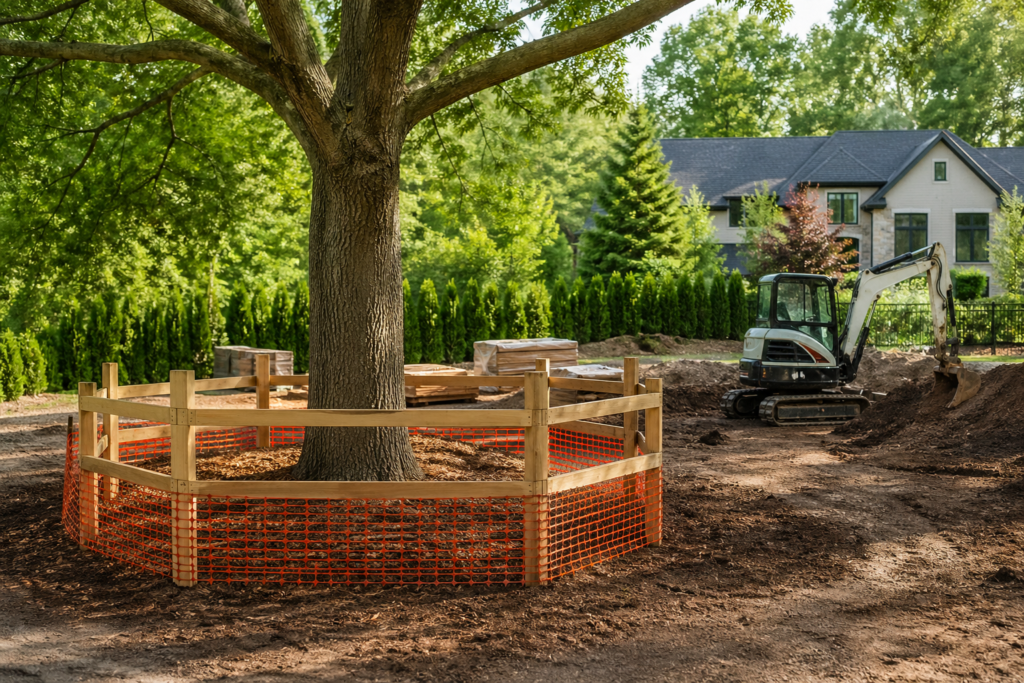
“Understanding how to protect trees during landscaping projects is essential for maintaining tree health.”Landscaping can dramatically enhance the beauty and value of your property. However, without proper precautions, construction and landscaping activities can harm your trees. At Tip Top Arborists, we understand the importance of protecting your trees during landscaping projects. Healthy trees add shade, curb appeal, and ecological benefits. Here are expert tips on how to safeguard your trees while making your outdoor space remarkable. 1. Plan Ahead and Identify Trees to Protect Before starting any landscaping work, take time to evaluate your property’s trees. Identify which trees should remain untouched and prioritize their protection. Mapping your trees on your project plan helps contractors avoid accidental damage. Consulting a certified arborist at Tip Top Arborists before beginning the project ensures you have professional guidance tailored to your site.Proper planning is the first step to protect trees during landscaping projects effectively. 2. Establish Tree Protection Zones One of the most effective ways to protect your trees is by creating a tree protection zone (TPZ) around each tree. A TPZ is a designated area around the tree’s drip line, which is the outer edge of the canopy where rain drips off. This area contains the roots essential for water and nutrient absorption. Mark this zone clearly with fencing or signage to keep heavy machinery, storage materials, and foot traffic out of the sensitive root zone.Creating a TPZ is a proven method to protect trees during landscaping projects from root damage. 3. Avoid Soil Compaction Soil compaction around the base of a tree can damage roots and reduce oxygen availability. Heavy equipment and foot traffic can compact soil, leading to poor tree health or even death. Use mulch to cover exposed soil within the TPZ to retain moisture and minimize compaction. If construction vehicles must pass nearby, use plywood or protective mats to distribute weight evenly. 4. Protect Tree Trunks and Branches Physical damage to trunks and branches from equipment can cause wounds that become entry points for pests and diseases. Protect tree trunks with sturdy barriers or padding, especially when machinery operates in close proximity. Avoid storing construction materials near trees to prevent accidental crushing of limbs and bark.Physical barriers are important to protect trees during landscaping projects from injury. 5. Monitor Tree Health Throughout the Project Consistent monitoring during landscaping work is crucial. Look for signs of stress such as wilting leaves, discoloration, or broken branches. Early detection allows prompt action to prevent long-term damage. If problems arise, consult Tip Top Arborists for expert evaluation and treatment recommendations.Regular monitoring helps protect trees during landscaping projects from long-term damage. 6. Review Post-Project Tree Care After completing landscaping, continue caring for your trees. Water newly disturbed trees deeply and regularly, especially during dry periods. Applying mulch around the base of the tree retains moisture and regulates soil temperature. Pruning damaged branches helps reduce stress and promotes healthy growth.Ongoing care is necessary to protect trees during landscaping projects even after work is complete. INTERNAL LINKS Homeowners looking for professional tree trimming can visithttps://tiptoparborists.com/tree-trimming-palmdale-ca/ for full service details.If you’re located in the area, explore local services here:https://tiptoparborists.com/palmdale/ Need expert advice? Request a free estimate today:https://tiptoparborists.com/contact-us/ EXTERNAL LINKS International Society of Arboriculturehttps://www.isa-arbor.com/ Tree Care Industry Associationhttps://www.tcia.org/ USDA Forest Servicehttps://www.fs.usda.gov/ Conclusion Protecting your trees during landscaping projects requires thoughtful planning and ongoing care. At Tip Top Arborists, we are committed to helping you maintain the health and beauty of your trees throughout every stage of your project. Contact us for professional advice and services to ensure your trees remain a thriving asset to your property. By following these expert tips, you will create a safe environment for your trees while enhancing your outdoor space. Healthy trees are a valuable investment in your home’s future and the natural environment.Following these tips will help you protect trees during landscaping projects successfully. Tip Top ArboristsExpert Tree Care Services | Tree Protection | Arborist ConsultationsCall [(661) 942-5501] or visit our website https://tiptoparborists.com/ to learn more. Request A Quote Tell us about your tree care needs and our team will follow up with a detailed estimate and recommended solutions. Select Ad SourceFacebookGoogleInternet SearchReferralTruck SignsWebsiteYelp Submit Get In Touch Tip Top Arborists, Inc. tip_top_arborists
Understanding Tree Diseases in the Antelope Valley: A Guide from Tip Top Arborists
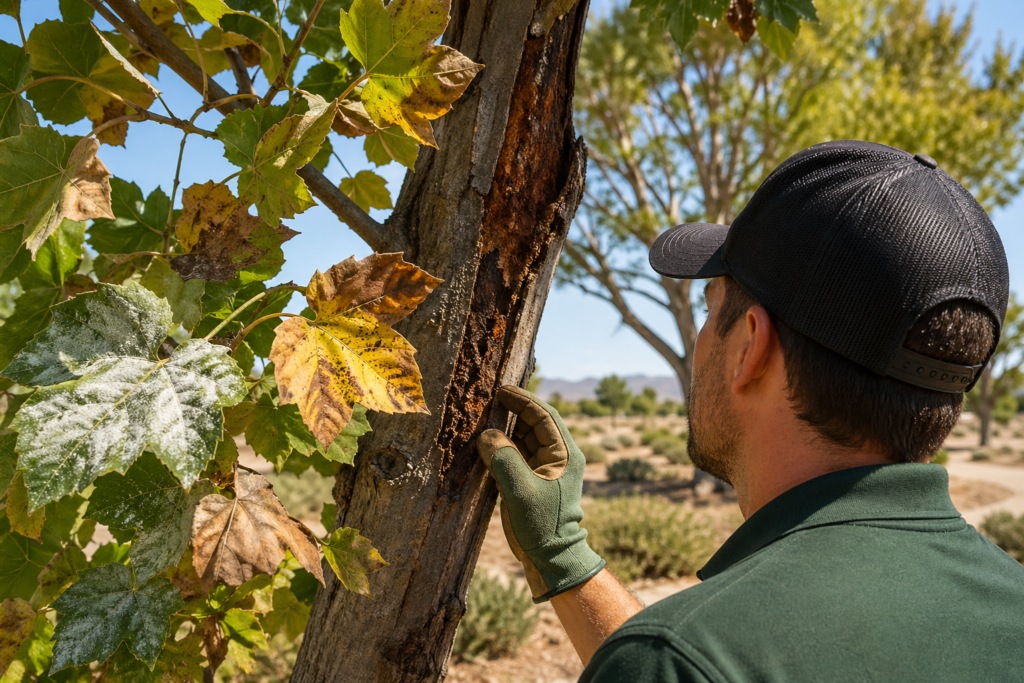
The Antelope Valley’s unique climate and soil conditions create an environment where trees can thrive but also face specific challenges.Understanding Tree Diseases in Antelope Valley is essential for maintaining healthy trees.At Tip Top Arborists, we understand how important healthy trees are for your property’s beauty and value. That is why we want to share key insights on common Tree Diseases in Antelope Valley and how you can to protect your landscape from Tree Diseases in Antelope Valley. Common Tree Diseases in Antelope Valley Verticillium Wilt Verticillium wilt is a soil-borne fungal disease that affects a variety of trees in the region, such as maples, ash, and elm. The fungus invades the vascular system of the tree, blocking water and nutrient flow. Symptoms include wilting leaves, branch dieback, and sometimes death of the tree. Early detection is crucial since there is no cure, but managing stress and improving soil health can help. Oak Wilt Oak wilt targets oak trees and spreads quickly through interconnected root systems. Infected trees show leaf discoloration and premature leaf drop. Oak wilt can devastate local oak populations if left unchecked. Professional treatment and trenching to sever root connections are often necessary to control its spread. Canker Diseases Cankers are caused by fungi or bacteria that infect branches or trunks, leading to dead areas on the bark. They weaken trees structurally and allow other pests or pathogens to enter. Pruning infected limbs and sanitizing pruning tools reduce the risk of cankers spreading. Powdery Mildew Powdery mildew resembles white powder on leaves and is common during dry spells followed by humid nights, typical of Antelope Valley weather. While rarely fatal, it can reduce photosynthesis, impacting tree growth. Regular watering during dry months and proper spacing of trees for airflow can minimize powdery mildew development. How to Protect Your Trees Preventing tree diseases in Antelope Valley starts with proper care and maintenance… Regular Inspection: Routine checkups help catch diseases in early stages. Look for unusual leaf discoloration, wilting, or bark abnormalities. Proper Watering: Both overwatering and underwatering can stress trees and make them more vulnerable to disease. Use deep, infrequent watering to encourage strong roots. Soil Health: Healthy soil supports continuous tree growth and resilience. Mulch around the base to retain moisture and add nutrients. Pruning: Remove dead or diseased branches promptly to prevent the spread of infection. Use clean, sharp tools to avoid further damage. Professional Help: When diseases are suspected, consulting with an expert arborist ensures correct diagnosis and treatment options. INTERNAL LINKS Homeowners looking for professional tree trimming can visithttps://tiptoparborists.com/tree-trimming-palmdale-ca/ for full service details.If you’re located in the area, explore local services here:https://tiptoparborists.com/palmdale/ Need expert advice? Request a free estimate today:https://tiptoparborists.com/contact-us/ EXTERNAL LINKS International Society of Arboriculturehttps://www.isa-arbor.com/ Tree Care Industry Associationhttps://www.tcia.org/ USDA Forest Servicehttps://www.fs.usda.gov/ Why Choose Tip Top Arborists? Understanding and managing tree diseases in Antelope Valley is key to long-term tree health.At Tip Top Arborists, we specialize in diagnosing and treating tree diseases native to the Antelope Valley climate. Our trained team uses environmentally responsible methods tailored to each tree’s needs. Protect your investment and keep your landscape vibrant by calling us for an evaluation.We specialize in treating tree diseases in Antelope Valley with expert solutions. Healthy trees contribute to a beautiful, sustainable environment. Understanding tree diseases and their management is the first step in long-term care. For more expert advice on tree health or to schedule an inspection, contact Tip Top Arborists today. Tip Top Arborists is your trusted partner for diagnosing and treating tree diseases in the Antelope Valley and providing expert tree care. From wilting leaves and fungal infections to severe tree decline, our skilled team delivers effective solutions to restore tree health and protect your landscape. Call [(661) 942-5501] or visit https://tiptoparborists.com/ to get professional help and keep your trees thriving today. Request A Quote Tell us about your tree care needs and our team will follow up with a detailed estimate and recommended solutions. Select Ad SourceFacebookGoogleInternet SearchReferralTruck SignsWebsiteYelp Submit Get In Touch Tip Top Arborists, Inc. tip_top_arborists