
How to Manage Drought Stress in Mature Trees in Lancaster and Palmdale CA
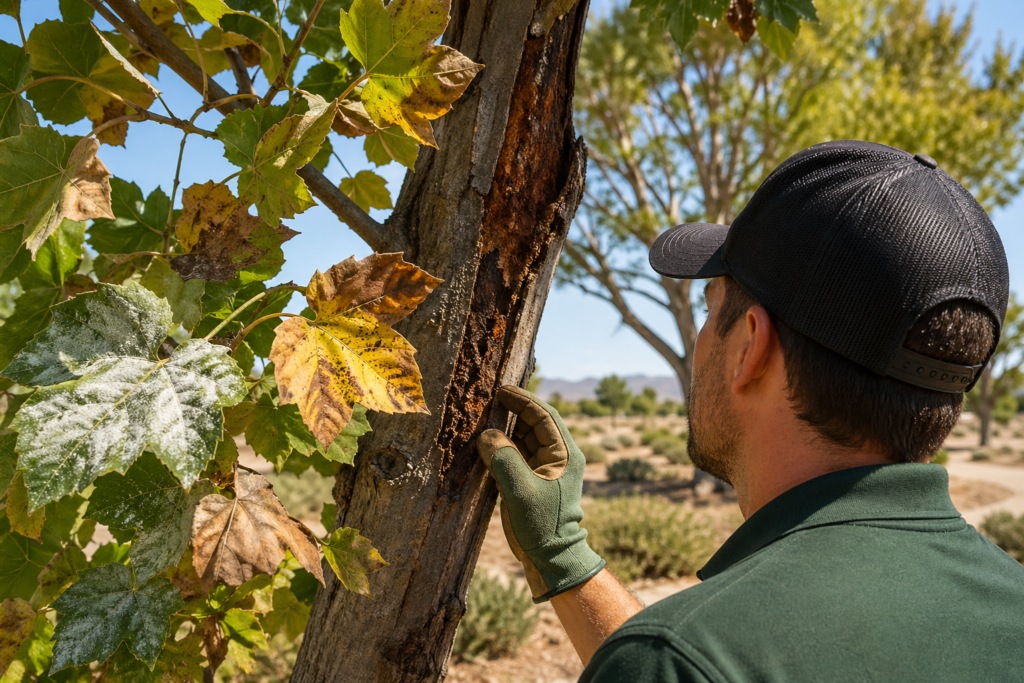
Droughts in Lancaster and Palmdale, CA, are becoming more frequent and intense, severely affecting mature trees. These trees are critical to our local environment, offering shade, beauty, and improved air quality. However, when water becomes scarce, mature trees can suffer from drought stress, leading to weakened health or even death. If you are noticing dry leaves or brittle branches on your established trees, you are not alone and there are effective ways to manage this problem. Many property owners are worried their trees won’t make it through the dry season. The problem is that without proper care, mature trees enter a cycle of dehydration, vulnerability to pests, and reduced growth. The good news is that proactive steps can help your trees survive and thrive despite limited water. This blog post explains how to manage drought stress in mature trees specifically tailored for the environment of Lancaster and Palmdale, CA. What Are the Signs of Drought Stress in Mature Trees? Recognizing drought stress early is essential. You might see leaves that are wilting, curling, or turning yellow or brown on your mature trees. Some branches may start to die back or become brittle. In some cases, you might notice slower growth or shedding leaves in the middle of the growing season. These signs are all tree signals telling you they need help. According to the U.S. Forest Service, drought stress weakens trees and makes them more susceptible to disease and insect attacks. This means that acting fast can save your mature trees from long-term damage. If you notice any of these symptoms, it is best to consult a tree care professional to evaluate the tree’s health and recommend treatments. How Often Should You Water Mature Trees During Drought? The best way to manage drought stress largely depends on proper watering techniques. Mature trees in Lancaster and Palmdale should typically receive deep watering every two to four weeks during extended dry periods. This is because shallow watering encourages roots to grow near the surface, which makes the tree more vulnerable to future droughts. A good rule of thumb is to provide about 10 gallons of water for every inch of trunk diameter. For example, a mature tree with a 12-inch diameter needs around 120 gallons of water per watering session. It can be helpful to use a slow drip system or deep root watering to ensure water reaches the deep roots where it is needed most. Additionally, watering in the early morning is best because it reduces evaporation and allows water to soak deeply into the soil. What Soil Practices Help Mature Trees Conserve Water? Improving soil moisture retention is key to reducing drought stress. Mulching is one of the simplest and most effective practices. A 3 to 4-inch layer of organic mulch such as wood chips or shredded bark around the base of the tree helps keep soil cool and moist. It also reduces evaporation, controls weeds that compete for water, and adds nutrients as the mulch breaks down. Avoid piling mulch directly against the tree trunk as this can cause decay and invite pests. Instead, keep a few inches of space between the trunk and mulch. Another helpful practice is aerating the soil if it has become compacted. Compacted soil prevents water from penetrating deeply and limits oxygen available to roots. Using an aerator or consulting with professionals about soil conditioning can enhance water absorption and reduce drought impact. Can Pruning Help Reduce Drought Stress in Mature Trees? Pruning can play a role in managing drought stress but it must be done carefully. Removing dead or weak branches helps the tree focus its limited resources on healthy parts. It also improves air circulation which can reduce disease risk during dry conditions. However, excessive pruning is harmful because it forces the tree to grow new shoots that need water and energy, increasing stress. The goal is to perform light pruning focused on removing damaged wood. It’s best to have an arborist from Tip Top Arborists assess the pruning needs during drought, especially in Lancaster and Palmdale. Proper pruning strategies tailored to the local environment can help your tree conserve precious moisture. How Does Tree Health Impact Drought Resistance? Healthy, well-maintained trees withstand drought better than those weakened by pests, diseases, or nutrient deficiencies. Ensuring your mature trees have proper fertilization balanced for local soil conditions helps maintain strong root systems. Regular inspections by experts, like those at Tip Top Arborists, can catch early signs of stress or infestation. Treating these problems quickly increases the tree’s ability to survive dry spells. In Lancaster and Palmdale, where drought stress is common, maintaining the vitality of your trees through preventative care is critical. Healthy trees invest energy in root growth, increasing their ability to find water deep in the soil. When Should You Consult Professional Arborists? If your mature trees show persistent signs of drought stress despite your care, it’s time to call in the experts. Tip Top Arborists offers specialized services in the Antelope Valley region, including Lancaster and Palmdale, focusing on drought management, deep root watering, soil treatments, and pruning. Professional arborists use tools like moisture meters and soil testing to analyze your tree’s condition and recommend a custom care plan. Handling drought stress early with expert assistance can save mature trees that might otherwise decline. Additionally, during extended drought conditions, arborists can provide emergency treatments and advice on water conservation practices specific to your property. How Will Drought Affect Urban Trees Long-Term? Research shows that drought frequency in California has increased over the past decades, posing serious risks to urban forests. According to a study by the California Department of Forestry and Fire Protection, prolonged drought years have led to widespread tree mortality in some regions, reducing tree cover by up to 25% in urban areas (Cal FIRE, 2020). In Lancaster and Palmdale, this trend means mature trees are more vulnerable, impacting shade, air quality, and property values. Managing drought stress is not just a matter of tree health but