
Seasonal Tree Pruning: What to Do in Early Summer in the Antelope Valley
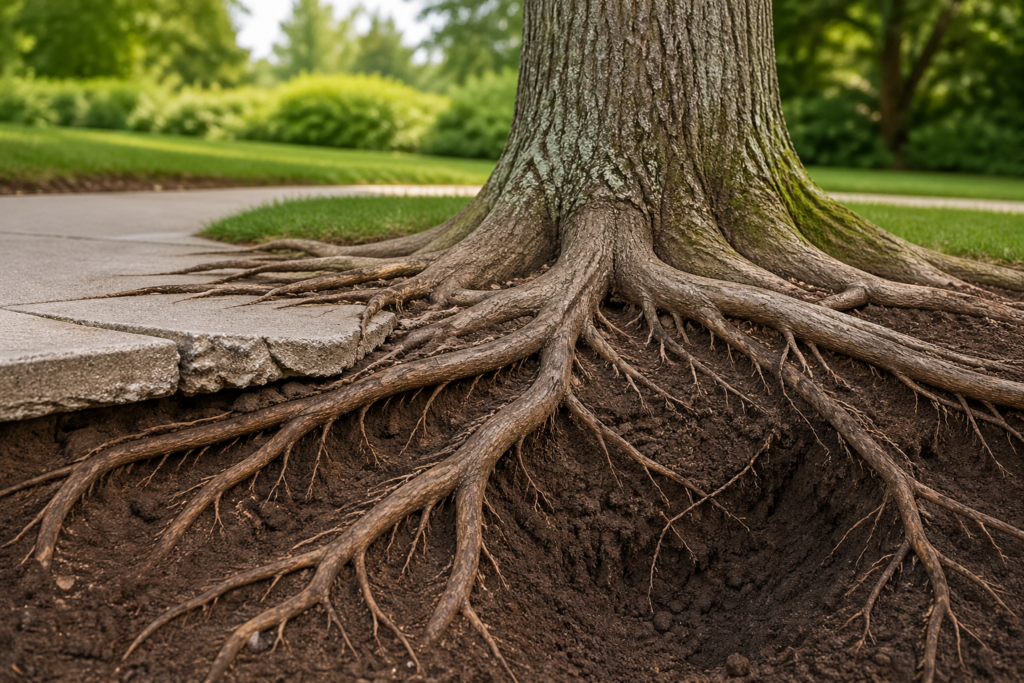
Trees bring beauty, shade, and character to the landscapes of the Antelope Valley. However, without proper care, they can suffer from disease, poor growth, or become a safety hazard. Many homeowners and property managers struggle to know when and how to prune their trees effectively, especially during seasonal changes. Understanding the right time and techniques for tree pruning can prevent damage and promote healthy growth. Early summer is a critical period for pruning in the Antelope Valley, yet it often gets overlooked or misunderstood. If done incorrectly, pruning can stress your trees or lead to issues down the line. This guide will explain everything you need to know about seasonal tree pruning in early summer, helping you keep your trees healthy and beautiful throughout the year. Why Is Early Summer Important for Tree Pruning in Antelope Valley? What Happens to Trees in Early Summer? Early summer marks a time when trees are actively growing in the Antelope Valley. During this phase, they focus energy on new leaf and branch growth. Pruning at this time removes unwanted or damaged branches so the tree can direct resources toward healthy parts. Proper pruning reduces the risk of disease and improves the shape and structure of your trees. Cutting branches in early summer can be less harmful compared to late summer or autumn because the tree’s growth hormones help seal wounds faster. It’s important to know exactly which branches to trim and how much to cut to avoid unnecessary stress. Who Should Prune Their Trees in Early Summer? Homeowners, landscapers, and property caretakers in the Antelope Valley should consider seasonal pruning. Trees that are overcrowded or have broken, dead, or diseased branches particularly benefit from this pruning time. Early summer is also good for fruit trees to improve sunlight penetration, which boosts fruit quality and yield. However, if you have young or newly planted trees, it is usually better to delay heavy pruning until the tree has established a strong root system. Consulting a professional arborist like Tip Top Arborists can help ensure your pruning schedule fits your specific tree species and landscape needs. How to Properly Prune Trees in Early Summer What Tools Do You Need for Early Summer Pruning? Having the right tools is crucial for effective pruning. Use sharp hand pruners for small branches and loppers or pruning saws for thicker limbs. Clean your tools with rubbing alcohol before and after pruning to reduce the spread of tree diseases. Safety equipment such as gloves, safety glasses, and sturdy footwear are essential to prevent injury. If you plan to prune taller trees, consider professional help from Tip Top Arborists to handle the work safely and expertly. What Are the Best Pruning Techniques for Early Summer? Start by removing any dead, dying, or diseased branches. These branches are more prone to pests and can harm the overall tree health. Also, look for any crossing branches that rub against each other and cause wounds. Thin out crowded areas to allow sunlight and air to reach the canopy. Avoid cutting more than 25% of the total foliage in a single pruning session because this can shock the tree. Use clean, angled cuts just above the branch collar to encourage natural healing. Do not leave stubs, as these can invite decay and pests. When Should You Avoid Pruning in Early Summer? While early summer pruning has benefits, it is best not to prune during extreme heat waves common to the Antelope Valley. High temperatures can add stress to an already weakened tree after pruning cuts. Additionally, heavy pruning during this time can reduce the tree’s ability to photosynthesize, which is necessary for growth. If you notice signs of pest infestation or disease outbreak, hold off on pruning until those issues are controlled. Consult Tip Top Arborists for proper diagnosis and treatment to avoid worsening the problem. Benefits of Early Summer Pruning in the Antelope Valley How Does Seasonal Pruning Improve Tree Health? Pruning in early summer helps trees in the Antelope Valley grow stronger and healthier by removing damaged parts that consume energy. Removing crowded branches improves airflow, which helps prevent fungal infections and pest infestations. Well-maintained pruning also promotes vigorous new growth and fruit production in fruit trees. According to the International Society of Arboriculture, proper pruning reduces tree maintenance costs by up to 30% and extends tree life. Can Pruning Enhance Landscape Safety? Pruning removes weak or dangerous branches that could fall and cause injury or property damage. Early summer cuts can also prevent branches from interfering with power lines, walkways, or buildings. This proactive measure reduces emergency tree service calls after storms or strong winds common to the Antelope Valley. By scheduling seasonal pruning with Tip Top Arborists, you not only protect your property but also enhance curb appeal, adding value to your home or business. Frequently Asked Questions About Early Summer Tree Pruning in the Antelope Valley When is the best time to prune trees in the Antelope Valley? The best time to prune most trees in the Antelope Valley is during early summer after new growth has emerged but before the heat intensifies. Pruning during this time allows the tree to heal rapidly and channel energy efficiently. Tip Top Arborists can help you identify the ideal timing for your specific trees and landscape conditions. How much should I prune from my trees in early summer? Generally, you should not remove more than 25% of a tree’s foliage in a single pruning session. Excessive pruning can stress the tree and slow growth. Tip Top Arborists recommends a careful assessment of branch health and growth patterns to create a balanced pruning plan that promotes overall tree vitality in the Antelope Valley’s climate. Can I prune my fruit trees in early summer? Yes, early summer pruning is great for fruit trees in the Antelope Valley. It improves sunlight exposure and air circulation, which enhances fruit size and quality. However, avoid heavy pruning as fruit trees still need adequate leaves for photosynthesis. For best