
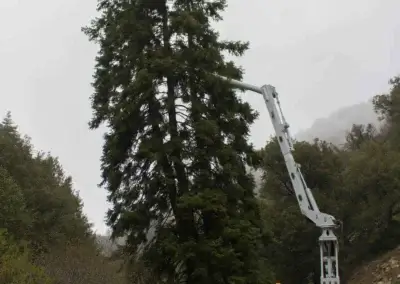
With the National Weather Service forecasting southwest winds of 15 to 25 mph and gusts up to 35 mph for the Antelope Valley this Monday, April 20, 2026, homeowners need to prepare. High winds are a common reality in our desert climate, but they pose a significant risk to mature trees, property, and power lines. Taking proactive steps now can prevent costly damage and keep your landscape safe.
At Tip Top Arborists, we have spent five decades helping residents in Lancaster, Palmdale, and the surrounding areas manage the unique challenges of high desert weather. Our ISA-certified arborists understand exactly how wind shear affects different species and what it takes to protect them. This guide covers essential strategies to secure your trees before the next wind event strikes.Steps to Protect Your Trees Before High Winds in Antelope Valley
Protect your trees before high winds in Antelope Valley is notorious for its intense, sustained winds. Unlike a brief thunderstorm, these winds can batter trees for hours or even days. This relentless pressure tests the structural integrity of every branch and root system on your property.
When wind speeds exceed 30 mph, the risk of limb failure increases dramatically. Trees with dense, unpruned canopies act like sails, catching the wind rather than letting it pass through. This “sail effect” places immense stress on the trunk and roots, potentially leading to uprooting or major trunk snapping. Furthermore, dead or diseased branches are easily dislodged, becoming dangerous projectiles that can damage roofs, vehicles, or nearby power lines.
Steps to Protect Your Trees Before High Winds in Antelope Valley.If a high wind advisory is in effect, you have a narrow window to secure your property. Here are the immediate actions you should take.
First, clear the surrounding area. Remove any lightweight patio furniture, potted plants, or garden tools that could be blown into your trees and cause secondary damage.
Second, perform a visual inspection from the ground. Look for obvious hazards like hanging, broken branches (often called “widow makers”) or large dead limbs. Do not attempt to remove large branches yourself, especially if they are near power lines. If you spot an immediate danger, call a professional arborist for an emergency assessment.
Third, check the soil around the base of your trees. If the ground is overly saturated from recent rains, the risk of uprooting is higher. While you cannot change the soil moisture instantly, knowing this risk helps you monitor the tree during the wind event. If you notice the soil heaving or cracking around the base, the tree may be failing.
The best defense against wind damage is a proactive, year-round tree care plan. A healthy tree is inherently more resilient to environmental stress.
Tree thinning is the most effective way to reduce the sail effect. An ISA-certified arborist will strategically remove select branches throughout the canopy. This allows wind to flow freely through the tree rather than pushing against a solid wall of foliage. Thinning also improves sunlight penetration and air circulation, which benefits the overall health of the tree. It is crucial that this is done correctly; improper pruning, such as “topping,” ruins the tree’s structure and makes it more susceptible to future wind damage.
If you are planting new trees in Lancaster or Palmdale, structural pruning in their early years is vital. This process encourages a strong central leader (the main trunk) and well-spaced, sturdy scaffold branches. Trees with a solid architectural foundation are far less likely to suffer catastrophic failure as they mature.
Diseased, decaying, or pest-infested trees are the first to fail in high winds. Conditions like root rot or internal trunk decay are often invisible to the untrained eye until it is too late. Scheduling an annual inspection with a certified arborist ensures that hidden hazards are identified and addressed before storm season begins.
Once the winds have died down and it is safe to go outside, carefully assess your property.
Look for hanging branches that did not fully detach. Check the trunk for new cracks or splits. Inspect the base of the tree for any signs of soil lifting or exposed roots, which indicate the tree has shifted and may be unstable.
If you find any damage, contact a professional tree service immediately. Do not try to clean up large, fallen limbs yourself, as they can be under immense tension and may snap unpredictably when cut. If a tree or branch has fallen on a power line, stay far away and call your utility company and emergency services right away.
Homeowners looking for professional tree trimming can visit
https://tiptoparborists.com/tree-trimming-palmdale-ca/ for full service details.
If you’re located in the area, explore local services here:
https://tiptoparborists.com/palmdale/
Need expert advice? Request a free estimate today:
https://tiptoparborists.com/contact-us/
When it comes to protecting your property from high winds, experience matters. Tip Top Arborists has been the undeniable first choice for tree care in the Antelope Valley since 1976. Our team of certified arborists uses industry-leading techniques to ensure your trees are beautiful, healthy, and structurally sound.
We do not just cut branches; we provide comprehensive tree care solutions tailored to the specific needs of our desert environment. From routine thinning to emergency storm response, we have the equipment and expertise to handle any job safely and efficiently.
Do not wait for the next windstorm to find out if your trees are safe. Contact Tip Top Arborists today at (661) 245-0250 to schedule a consultation and keep your property secure.
Tell us about your tree care needs and our team will follow up with a detailed estimate and recommended solutions.