
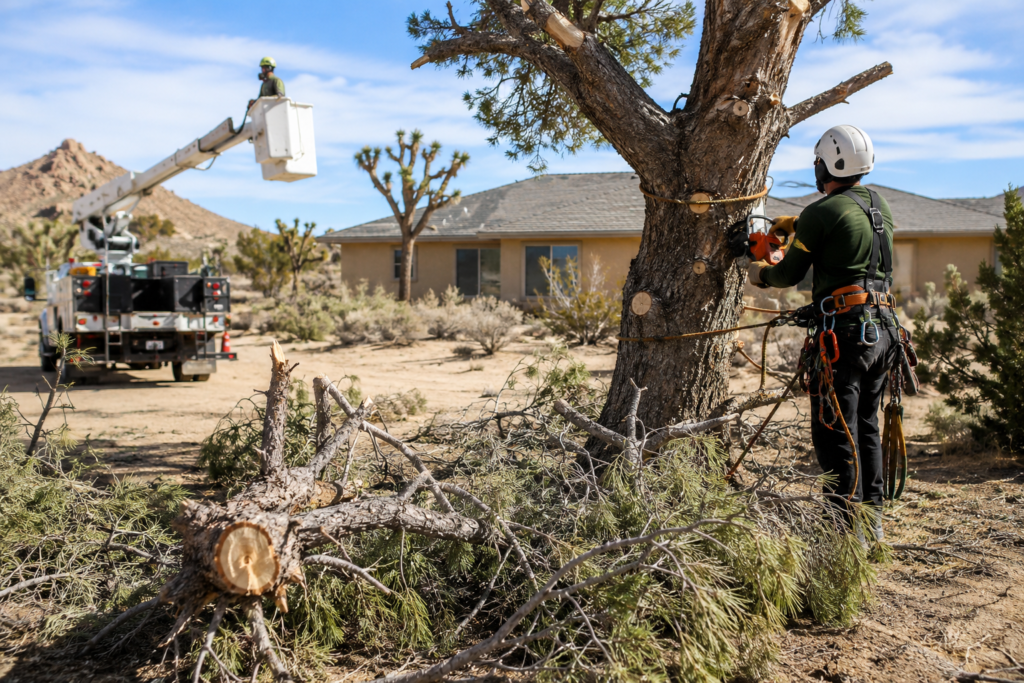
When a new building project starts nearby, it can be exciting. However, for the mature trees around the site, construction can mean serious trouble. Many Palmdale residents and businesses worry about how construction might damage the roots of their valuable trees. These roots keep trees stable, healthy, and alive. Without proper care, trees can suffer or even die, which is a loss for everyone. For those facing construction projects in Palmdale CA, understanding the risks and solutions around mature tree roots is essential.
Construction work puts stress on tree roots in many ways. Digging, soil compaction, and changes in water drainage are just a few threats. If you own property in Palmdale, knowing these impacts can help protect your trees during the building process. The good news is that experts like Tip Top Arborists can offer the support you need. We’ve put together this guide to explain how construction affects mature tree roots in Palmdale and what you can do to save your trees.
The roots of mature trees are mostly found in the upper 12-18 inches of soil. They spread far beyond the tree’s branches to absorb water and nutrients. When construction crews start digging footing holes, trenches, or utility lines, they often cut through these critical roots without realizing it. This root damage can severely weaken a tree’s ability to survive.
In addition to being cut or broken, roots can be injured by soil compaction. Heavy equipment like bulldozers compress the soil, making it difficult for roots to get the air and water they need. Compacted soil can reduce root growth and lead to long-term decline. Similarly, changing water drainage patterns during construction can either flood roots or deprive them of moisture.
According to a study by the International Society of Arboriculture, up to 40% of tree root systems can be damaged in typical urban construction projects if no protective measures are taken (ISA, 2021). This statistic helps us understand the scale of risk that construction poses to mature trees in Palmdale and other urban areas.
Mature trees provide extensive benefits, especially in desert communities like Palmdale. Their roots stabilize the soil and reduce erosion, which is critical in an area prone to dry conditions and wind. The roots also help recharge groundwater, supporting the overall health of the local ecosystem. Losing mature trees can lead to poorer air quality, increased temperatures, and reduced property values.
Preserving mature tree roots means preserving these benefits. Since these roots often extend beyond the tree canopy, it is important for Palmdale builders and property owners to identify and protect the entire root zone during construction. Mature trees cannot quickly replace lost roots like younger trees do, so damage is usually permanent or long-lasting.
After a construction project finishes, it may take months or even years before the effects on trees become clear. Some common signs of root damage include thinning leaf canopy, premature leaf drop, dieback of branches, and overall reduced vigor. Palmdale residents may also notice more pests or diseases affecting trees weakened by root injury.
If you see these changes following nearby construction, it is important to call experienced arborists like Tip Top Arborists to assess the damage. Early treatment such as root pruning or soil aeration can sometimes help a stressed tree recover.
The best approach to protecting mature tree roots in Palmdale starts before construction begins. This means planning the project with trees in mind. Here are some key steps:
Consult with professionals to map out the root zones of all mature trees on site. This allows builders to avoid digging close to critical root areas. As a rule of thumb, the root protection zone should extend at least as far as the tree’s drip line, or the edge of its canopy.
Erecting protective fencing around root zones helps prevent accidental damage from heavy equipment or workers. Applying a thick layer of mulch can reduce soil compaction and preserve moisture for roots during construction.
Where digging is unavoidable, limiting the depth and area disturbed can protect more roots. Using lighter equipment or techniques such as air spading can minimize damage. It’s also crucial to prevent parking or storing materials on root zones.
Ongoing monitoring by arborists keeps track of tree health. Watering, fertilization, and pest control may be necessary if roots are stressed during building activities.
Tip Top Arborists offers expert consulting and on-site services specifically designed for conditions like those in Palmdale and the greater Antelope Valley area. Our team understands how to balance construction needs with tree protection to minimize root damage.
We provide detailed site evaluations, root zone mapping, and customized protection plans. After construction, we can help diagnose any root or canopy damage and create recovery treatments. With local knowledge and experience, Tip Top Arborists ensures your mature trees remain strong for years to come.
Trees in Palmdale face unique stressors due to the desert-like environment of the Antelope Valley. Limited rainfall, high temperatures, and poor soils already put pressure on root systems. Construction that disrupts root functions can tip the balance toward irreversible decline much faster here than in wetter climates.
Palmdale’s native and urban trees often have deep root systems adapted to dry conditions. Disturbing these roots can impair groundwater uptake, leading to drought stress and increased mortality risk. Understanding these local factors is why Tip Top Arborists tailor every construction support plan specifically to Antelope Valley conditions.
Damage risk depends on the tree species and root spread, but a general guideline is to keep construction activity outside the root protection zone. Tip Top Arborists recommends a radius at least equal to the tree’s drip line for mature trees in Palmdale and the Antelope Valley. This zone should be fenced off and undisturbed during building.
If you detect thinning foliage or branch dieback, contact Tip Top Arborists quickly. We can assess root and canopy health, recommend treatments, and develop irrigation or fertilization plans to support recovery. Early intervention improves outcomes for trees damaged by construction in Palmdale.
Tree roots have limited ability to regrow once severed, especially in mature specimens common around Palmdale. While some minor root cutting may be survivable, serious damage often weakens trees long-term. Tip Top Arborists advises minimizing root cutting and using protective barriers whenever possible.
Yes, compacted soil restricts air and water flow to roots, causing stress that can reduce growth and make trees more vulnerable to pests and diseases. Tip Top Arborists in the Antelope Valley recommend soil aeration and mulching to alleviate compaction during and after construction activities.
If you are planning construction near mature trees in Palmdale, contact Tip Top Arborists today. We can ensure your trees are protected through every phase of your project. Let us help preserve the natural beauty and benefits of your property for years to come.
Tell us about your tree care needs and our team will follow up with a detailed estimate and recommended solutions.