How to Get a Tree Removal Permit in Lancaster, CA
How to Get a Tree Removal Permit in Lancaster, CA Sometimes a tree just has to go. Maybe it’s sick, dangerously leaning, or standing in the way of that patio you’ve been dreaming about for years. Whatever the reason, if you’re in Lancaster, CA, you might need more than just a chainsaw and a Saturday morning. Depending on the tree and the situation, you could need a tree removal permit. Navigating the rules isn’t always as simple as you’d hope. Don’t worry though. We’re Tip Top Arborists, and this is what we do best. Whether your oak has outgrown its welcome or your pine has started doing its best Leaning Tower of Pisa impression, we’ll walk you through how to handle the paperwork (and the tree) the right way. Do You Even Need a Permit? Let’s start with the big question. Do you need a permit to remove a tree in Lancaster? Well, that depends. In Lancaster, tree removal regulations aim to protect both public safety and the environment. The city wants to make sure people aren’t cutting down heritage or protected trees without good reason. But they’re not trying to make life harder than it has to be. Generally speaking, here’s when you’ll likely need a permit: You’re removing a tree on commercial or multi-family property The tree is considered protected (based on species, size, or location) You’re in a designated zoning area that regulates tree removal You’re dealing with public trees (like trees near sidewalks or in parkways) If you’re working on your own private, single-family residential lot, and the tree isn’t protected or located in a regulated area, you might not need a permit at all. But when in doubt, ask the city or call someone like us. It’s better to check than get hit with a fine. Or worse, be told to replant a fully grown tree. Yikes. What Counts as a Protected Tree? Ah, the protected ones. These trees are the VIPs of the Lancaster landscape, usually big, beautiful, and environmentally valuable. Here’s what the City of Lancaster (or Los Angeles County, in some cases) tends to consider protected: Oak trees over a certain size Joshua Trees (these have state-level protections too) California native trees of a particular size or age Trees part of an approved landscape plan or urban development area The rules may vary slightly depending on your exact location in the Antelope Valley. But the main idea is: if a tree is large, native, or part of the city’s development plan, it might be protected. You can usually find out by referencing city zoning maps or giving the Planning Department a ring. How to Apply for a Tree Removal Permit in Lancaster Let’s get to the good part. What to do if you do need a permit? Here’s the step-by-step version, Tip Top style. 1. Gather Your Details Before you fill out anything, you’ll need a few key pieces of info: The location of the tree The type of tree (species, height, trunk diameter, etc.) Photos of the tree in question A brief explanation of why it needs to be removed A site plan or sketch if the tree is part of a development project This stuff helps the city decide if the removal is reasonable. If it’s dead, diseased, or causing damage, that’s often reason enough. If it’s just blocking your view, well, that might be a tougher sell. 2. Submit the Tree Removal Application You can get the permit application directly from the City of Lancaster Planning Division or access it online through the city’s official website. They’ve been working on making things more accessible, but there’s still a little red tape. Here’s where you send it: City of Lancaster – Planning Division44933 Fern AvenueLancaster, CA 93534(661) 723-6100cityoflancasterca.org Sometimes they’ll want you to submit the application in person. But they may also accept it via email. Call ahead or check the website to confirm. 3. Wait for Review (Be Patient, Kind Of) Once submitted, the city reviews your request. This can take anywhere from a few days to a couple of weeks. It depends on the complexity of the request and how backed up the Planning Department is. They might send someone to inspect the site or ask for more documentation. If the tree is protected or in a sensitive area, they may also consult with an arborist or city landscaper. 4. Approval or Denial If approved, you’ll receive a formal notice, usually with conditions. These could include: Replacing the tree with a new one (native trees preferred) Paying a mitigation fee Following special removal procedures If denied, you can usually appeal. Especially if the tree poses a safety risk or is causing property damage. 5. Get It Done the Right Way Permit in hand? Now it’s time to take that tree down. But before you start hacking away, make sure: You hire a licensed, insured tree service (like Tip Top Arborists) You follow any permit conditions You properly dispose of debris and stumps You replant if required We know it’s not the most glamorous part of homeownership. But doing it the right way keeps you legal, safe, and friendly with your neighbors and city officials. Common Mistakes People Make Skipping the permit: It’s tempting, especially if it’s your tree on your property. But if it’s protected or causes a neighborhood stir, you could face fines or forced replanting. Misidentifying the tree: Think it’s a scrub oak when it’s a protected valley oak? That mistake can cost you. Using unlicensed contractors: Besides being risky, it could also void your permit. Not checking zoning overlays: Some parts of Lancaster, especially new developments or conservation areas, have stricter rules. When You Definitely Need Help There are situations where calling a professional is less of a luxury and more of a necessity. These include: You’re not sure if the tree is protected You’ve already received a notice of violation The
Sunseekers: How Trees Follow Light in an Elegant Slow Dance
Sunseekers: How Trees Follow Light in an Elegant Slow Dance There’s a kind of quiet magic in how trees move. Not the kind you notice on a breezy afternoon, when leaves flutter and branches sway. No, this is slower. Quieter. A kind of gentle stretch that happens over days, weeks, even years. But if you pay attention, you’ll see it. A branch that used to point east now tilts just a little more toward the open sky. Trees follow the light. Always have. They’re sunseekers through and through. This natural movement is something scientists call phototropism. Don’t worry about the word. All it really means is growing toward the light. Trees, and lots of other plants, have a built-in instinct to reach for the sun. It’s how they survive. It’s how they grow strong, tall, and full of life. And you’ve probably seen it yourself, without even realizing. A tree planted too close to a wall that leans away from the shade. A sapling stretching across the yard like it’s trying to catch a glimpse of the sunset. Trees can’t exactly pack up and move to the sunny side of the garden, so they do the next best thing. They adjust. Slowly, subtly, with patience built into their very bark. New shoots angle outward. Branches bend bit by bit. Even whole trunks will shift over time if the light is stronger on one side. It’s not fast. It’s not flashy. But it works. If trees had a motto, it might be, “Just keep reaching.” What’s really going on inside is pretty fascinating. Trees have special cells in their growing tips that sense light. When one side of a branch is shaded, those cells send a message: grow faster over here. So the shady side starts to stretch, and the branch gently leans toward the sunniest spot it can find. It’s quiet teamwork, happening one cell at a time. And all this reaching isn’t just for show. Sunlight is how trees make their food. No sun, no energy. So when a tree shifts toward a patch of sky or bends to catch the light between two buildings, it’s not being dramatic. It’s doing what it needs to stay healthy. That lean is a survival move, a slow-motion strategy to get more of what it needs. Some trees are more obvious about their sun-chasing than others. Young trees, especially fast growers like poplars, birches, and some maples, are the most expressive. You’ll notice them leaning just days after planting if one side’s getting more light. Older trees still respond, but they take their time. It might be years before the change is visible, but the sun is always part of the conversation. You’ll also see this dance in yards where trees grow near fences, sheds, or buildings. Ever noticed one growing at a strange angle, almost like it’s reaching around a corner? That’s the tree solving a puzzle. It’s not broken. It’s just finding its best light. If you’re planting a new tree, you can help it make the most of the sunshine. Choose a spot that gets plenty of direct light. Most trees like at least six hours a day. And pay attention to the shadows that move across your yard. Fences, other trees, even the neighbor’s garage can cast a lot of shade. Trees will still grow in those spots, but they’ll lean or stretch to find the sun. You can give them a hand by spacing them out and keeping nearby shrubs trimmed. If you’ve got a tree that’s leaning a bit, don’t panic. A little lean is normal, especially in young trees still figuring things out. But if the lean looks sharp or the roots seem unsteady, you might want to stake it gently while it finds its footing. Think of it like giving your tree training wheels. Just something to keep it steady until it’s strong enough to stand tall on its own. You can also help by pruning carefully. Opening up crowded branches or trimming away nearby plants that block the light can make a big difference. Just a little more sun can help your tree grow straighter and stronger, all without forcing it to do anything unnatural. The best part of all this is the reminder that trees don’t rush. They take their time. They adjust without drama. They keep growing, even in tough spots, always in search of the next warm patch of sky. There’s something deeply comforting about that. No matter what’s in their way, trees keep reaching for the light, patiently, quietly, and with purpose. Maybe there’s a lesson in there for all of us. Did You Know? Trees bend toward light because cells on the shaded side grow faster, slowly guiding the branch or trunk in the right direction. Phototropism helps trees in forests compete for sunlight without crowding each other too much. Your houseplants do this too. That’s why they always seem to lean toward the window. FAQs About Sunseeker Trees What is phototropism in simple terms?It’s how trees and plants grow toward the light. Why do some trees grow sideways?They’re leaning toward the sun when something nearby is casting shade. Is it bad if my tree is leaning?Some lean is totally normal. But if it looks unstable or keeps tipping more, it might need a little support. Can I help my tree get more sun?Absolutely. Prune nearby shade-makers, pick sunny planting spots, and keep an eye on the light. Let the Sunshine In At Tip Top, we’ve helped a lot of trees find their light, and we’re happy to help yours too. Whether you’re planting, pruning, or just puzzled by a sideways sapling, give us a call. We’ll help your trees grow strong, steady, and always sunward. Have questions about the trees in your own yard? Tip Top Arborists is here to help you care for your living legends. Let our certified arborists provide expert guidance for a lifetime of healthy trees. Contact Us Today
Liability for Falling Trees or Branches: Who’s Responsible When Nature Takes a Swing?
Liability for Falling Trees or Branches: Who’s Responsible When Nature Takes a Swing? Picture this. You’re enjoying a quiet Lancaster afternoon when CRACK, your neighbor’s old sycamore drops a limb onto your fence. Or maybe it’s your pine tree that’s looking a little top-heavy, and you’re losing sleep every time the wind picks up. Who’s responsible when trees decide to cause trouble? It’s a question we hear a lot. “If a tree or branch falls and damages something, who pays for it?” The answer, like a gnarly root, isn’t always straight. But don’t worry, we’re here to untangle it for you. Let’s dig in. When Is a Tree Owner Liable for Damage? Here’s the short version. If a tree falls and damages property, liability usually depends on whether the tree owner was negligent. Negligent just means ignoring a problem that should’ve been handled. Like that obviously dying tree in your yard that’s been leaning for months. If you knew or should have known it was dangerous and did nothing about it, that’s on you. But if the tree was healthy and a freak storm knocked it over? That’s considered an Act of God. No one’s at fault, and typically, each homeowner handles damage to their own property through insurance. So here’s how it works: If the tree owner was negligent, they may be liable. If the tree was healthy and fell during a storm, it’s often not their fault. This is where tree liability laws and tree damage insurance claims come into play. Real-Life Example: The Leaning Giant Let’s say your neighbor has a eucalyptus tree with a noticeable lean, and it’s dropping dead limbs. You’ve mentioned it a few times. Then one night, a big branch crashes through your shed roof. In this case, your neighbor could be held liable. They were given notice, and the tree showed clear signs of being hazardous. That matters in a tree negligence lawsuit. On the flip side, if a healthy branch fell during a freak windstorm, your homeowner’s insurance will probably cover it. That’s part of the gray area when it comes to tree falls during storm liability. What Counts as Negligence in Tree Care? Negligence usually means ignoring something any reasonable person would address. Common warning signs include: Dead limbs or trees Visible rot, fungus, or pests Leaning trees or exposed roots Cracks in the trunk Overhanging branches that threaten homes or power lines Ignoring complaints from neighbors If any of these are present and no action is taken, and damage occurs, the homeowner liability for tree damage increases dramatically. This is why tree risk assessment liability is important. Having your trees inspected by professionals like us shows that you’re taking proactive care and helps protect you legally. What About Trees Near the Property Line? Ah yes, the infamous boundary tree disputes. If a tree straddles the property line, it’s legally considered shared. That means both neighbors have a say in major decisions, including pruning or removal. If a tree or branch from your neighbor’s yard crosses into your property, you’re usually allowed to trim it back to the line, as long as it doesn’t hurt the tree. This is where overhanging tree branches law applies. But if a falling branch from their tree damages your fence or home, it still comes down to whether they were negligent or not. Responsibility for trees on the property line can get messy, so we always suggest documenting concerns in writing. It helps protect you in case things turn litigious. Tree Falls on My Property. Who Pays? When a tree falls on your property, tree damage insurance claims often kick in. Whether it’s from your tree or someone else’s, start with your insurance provider. They’ll want: Photos of the damage The location of the tree Any communication with your neighbor If the tree was healthy, your insurer typically covers repairs. But if your neighbor’s tree was dead or hazardous and they ignored it, their insurance might be responsible. That’s where tree falls on neighbor’s house and tree roots damage neighbor’s property scenarios really matter. When in doubt, call us at Tip Top. We can assess the situation and document the condition of the tree before and after the fall. What If Someone Gets Hurt? Let’s say a tree branch falls on a car or worse, a person. If the tree owner knew there was a risk and did nothing, they could be liable for injuries or damages. This is where legal responsibility for fallen trees becomes a very serious matter. Injuries mean medical bills, lawsuits, and long-term costs. Again, this is why inspections and documentation are essential. They show that you were doing your part. What Happens in a Storm or Natural Disaster? If a tree falls due to a storm, earthquake, or high winds and there were no signs it was unsafe, then it’s usually no one’s fault. That’s called natural disaster tree damage liability, meaning nobody could have prevented it. Your insurance may still cover it, but it won’t go on someone else’s tab unless there was prior negligence involved. So if you’re wondering, “Tree falls in storm, who is at fault?” The answer is often, no one. What About Trees on City Property? Sometimes it’s not your neighbor’s tree. It’s a municipal one, a city-planted tree on the sidewalk or public median. In these cases, if a municipal tree falls, the city might be liable if they ignored previous complaints or failed to maintain it. You’d need to file a formal claim and provide proof that the issue was reported in advance. Otherwise, it may be chalked up as unavoidable. Can I Sue for Tree Damage? Yes, you can. But only if you can prove the tree owner was negligent. That’s the core of a tree negligence lawsuit. If you’re dealing with a serious property damage from trees legal issue, you might need to talk to an attorney. But start with documenting the damage, taking photos,
Dead Tree Removal- Dead Tree in Your Yard? Here’s Why You Can’t Wait
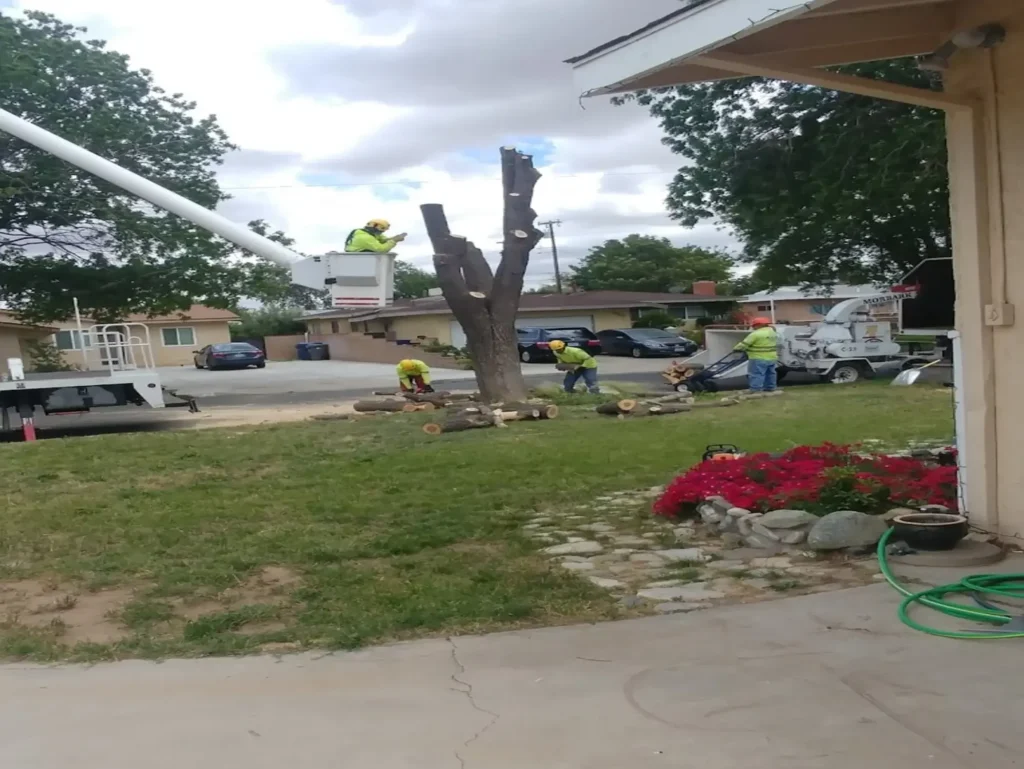
Dead Tree Removal-The Hidden Danger in Your Front Yard: Why That Dead Tree Can’t Wait When you look out your front window, what do you see? A strong shade tree? A patch of dry grass? Maybe a dying or already-dead tree that’s been sitting there longer than it should? If you’re nodding your head, this article is for you. At Tip Top Arborists, we’ve been in the tree care business long enough to know that a dead tree in the front yard is more than just an eyesore. It’s a liability — one that could cost you far more than you think. Let’s break down what’s really going on with that tree and why putting off its removal could be one of the most expensive decisions you make this year. What Happens When a Tree Dies? It doesn’t always look dramatic at first. A few dry branches, some patchy leaf growth. Maybe it’s been dropping bark or you’ve noticed more birds pecking away at soft spots. But over time, a dead tree loses its structural integrity — from the roots to the crown. Here’s what that means: Roots decay, and the tree becomes unstable in high winds or heavy rain. Branches dry out and snap, often without warning. Trunks become hollow, creating a domino effect of weakness. Pests move in, from termites to carpenter ants to powderpost beetles. Fungus spreads, often affecting nearby plants or even causing health issues in pets or people. At a glance, it might still look like a “tough old tree.” But under the bark, it’s a ticking time bomb. The Real Risk: What That Tree Could Cost You A dead or dying tree on your property might seem like “no big deal” until it’s suddenly a very big deal. Here’s a breakdown of what could go wrong — and how much it could cost: 1. Property Damage Dead trees don’t fall politely. They snap in storms, collapse onto cars, fences, roofs, sheds — and when they do, they can cause thousands of dollars in damage. We’ve seen a single branch bring down power lines, crush a new SUV, or knock a hole in a roof. Average cost of repair? Between $5,000 and $20,000, depending on the damage. 2. Injury or Legal Liability If that tree falls and injures a visitor, neighbor, delivery driver, or even a passing pedestrian, the situation moves from unfortunate to legally complicated — fast. Homeowners insurance may cover part of it, but if the tree was known to be dead or neglected, you could be on the hook. Especially if it crosses property lines or hits public infrastructure. 3. Decreased Property Value Curb appeal matters. A half-dead or decaying tree makes your home look neglected. It can affect real estate appraisals and make buyers nervous — especially if there’s visible damage or the tree threatens the driveway, porch, or windows. Signs Your Tree Might Be Dead (Or Close) Not sure if your tree is really dead? Here are signs to look for: No leaves during the growing season Bark peeling off in large sheets Brittle, dry limbs that snap easily Hollow-sounding trunk Fungal growth at the base Visible lean or soil heaving around the roots No new growth for two or more seasons If any of these match what you’re seeing — it’s time to get it checked. At Tip Top, we offer hazard assessments that give you clear answers before things get worse. Don’t Wait Until Storm Season- Dead Tree Removal Every year, we get a flood of emergency calls right after the first major storm. A gust of wind, some unexpected rain, and suddenly a tree that “looked fine yesterday” is lying across a roof or blocking a driveway. By then, it’s too late for prevention. Emergency removals are often more expensive. Crews may need to work at night, during active weather, or around active power lines. Costs go up. Stress goes up. And it didn’t have to happen. Removing a dead or dying tree during clear, calm weather is safer, easier, and significantly more affordable. The Tip Top Promise: Dead Tree Removal If you’ve got a front yard tree that’s on its last legs, Tip Top Arborists wants to help you out. Whether it’s completely lifeless or halfway there, we’ll inspect, confirm, and safely remove it before it becomes a liability. Call our office at 661-942-5501 and ask for Tom. He’ll get you scheduled, walk you through the estimate, and make sure everything is taken care of from permit to cleanup. What’s Included in Our Service? We don’t just “cut and go.” Our certified crews handle the job from start to finish, including: Site inspection and risk assessment Safe tree removal and limb lowering Stump grinding (optional but recommended) Cleanup of all debris Haul-away and recycling of wood waste We’re licensed, insured, and have been serving the Antelope Valley and surrounding areas for over 40 years. You’re in good hands. Final Thought: Don’t Gamble with Gravity A dead tree isn’t just “something to get to later.” It’s a hazard that grows more dangerous every day. And unlike a slow leak or a cracked tile, when this goes bad — it goes really bad. You wouldn’t ignore a broken brake light on your car. Don’t ignore the dead tree outside your front door. Let’s handle it now, before it costs you more than it should. Tip Top Tree Care: Straightforward, Safe, Reliable Ready to get that tree out of the way? We’re here to help — no pressure, no guesswork, no surprises. Call Tip Top Arborists today at 661-942-5501 Or visit www.tiptoparborists.com to schedule your removal or hazard inspection. Take care of that risk — before it takes care of your roof, fence, or insurance deductible.
What Trees Are Native to Lancaster, CA
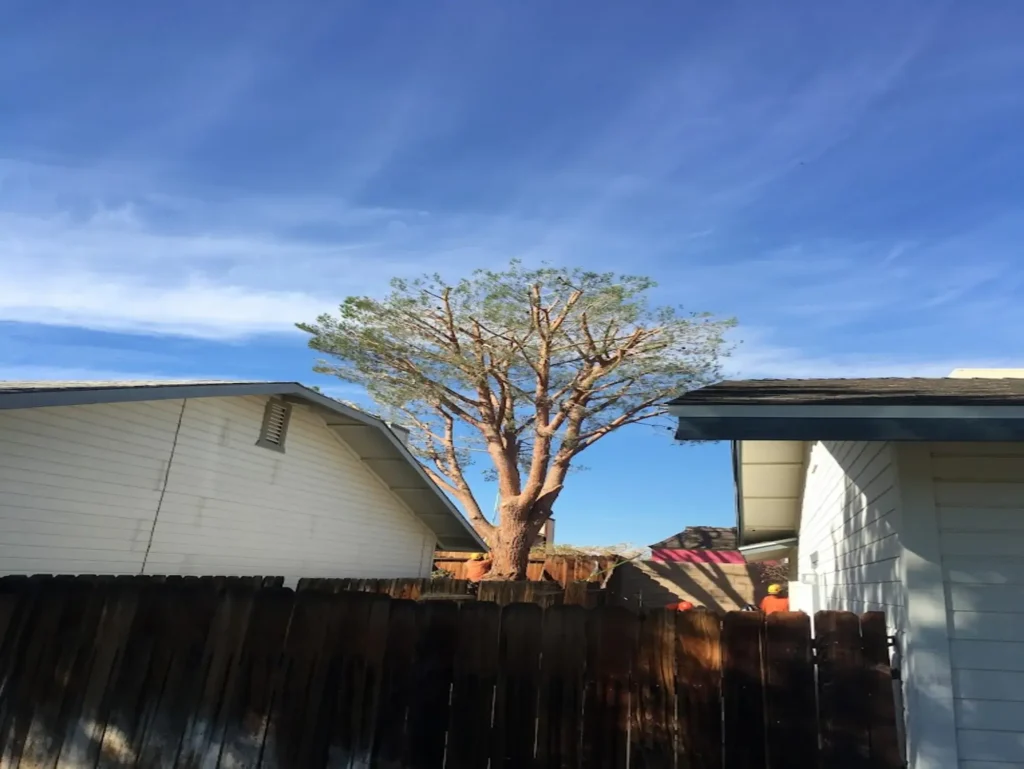
What Trees Are Native to Lancaster, CA Lancaster might not look like your average forested town, but don’t let the high desert vibes fool you. This place has trees with grit. Sure, you’ll spot a few palms or pines borrowed from other states, but some of the best trees around here are the ones that have always called the Antelope Valley home. Tough, beautiful, and built for the extremes. At Tip Top Arborists, we get asked all the time, “What trees actually belong here?” It’s a good question. Lancaster comes with a mix of long, dry summers, cold desert nights, and soil that doesn’t exactly roll out the red carpet for thirsty plants. Native trees are built for this. They know how to survive with less water, fewer resources, and a lot more patience. If you’re landscaping with purpose, or just trying not to fight nature at every turn, this guide’s for you. Let’s talk about the trees that really belong here and why they might just be the perfect fit for your yard. Why Native Trees Make Sense Before we get into the list, it helps to know why planting native even matters. For starters, they’re way less needy. These trees grew up in this soil and know how to handle the heat. That means less watering, less babysitting, and more peace of mind. They’re also better for wildlife. Local birds, bees, and beneficial bugs feel right at home. And since they’re not imported, you won’t be inviting a bunch of exotic pests along for the ride. Native trees also tend to have root systems that work with the land, not against it. That means fewer sidewalk cracks and less trouble near foundations. Basically, they’re team players. Native Trees That Thrive in Lancaster Western Joshua Tree (Yucca brevifolia)This one’s the local legend. Joshua Trees are a symbol of the Mojave Desert and a slow-growing staple around here. They’ve got twisted limbs, dramatic silhouettes, and serious staying power. Just know they’re protected. If you have one, it’s kind of a big deal. California Juniper (Juniperus californica)This low-maintenance evergreen brings silvery-blue needles and a hardy attitude. It doesn’t mind being trimmed and shaped, making it perfect for smaller yards that still want a little year-round greenery. Desert Willow (Chilopsis linearis)Not a real willow, but it sure acts like one. With long, graceful leaves and flowers that bloom all summer, this tree brings shade and beauty with barely any water. It’s also a magnet for hummingbirds and pollinators. California Fan Palm (Washingtonia filifera)The only palm truly native to California. It thrives in desert canyons and does great in sunny yards too. These guys are adapted to long dry seasons, so they don’t need much from you, just the occasional deep drink. Fremont Cottonwood (Populus fremontii)These trees love space and water. If you’ve got a seasonal stream or an irrigated zone, they grow fast and tall, with heart-shaped leaves that shimmer in the breeze. Great for shade, but not great for dry corners of your yard. Honey Mesquite (Prosopis glandulosa)With its feathered leaves, thorny limbs, and sweet yellow blooms, this desert native checks a lot of boxes. It gives you shade without hogging water, and its seed pods feed all sorts of desert wildlife. Screwbean Mesquite (Prosopis pubescens)Named for its corkscrew-shaped seed pods, this tree’s got a quirky charm. It’s just as drought-tolerant as its mesquite cousins but stays on the smaller side, making it great for tight spaces. Blue Palo Verde (Parkinsonia florida)Green bark, golden flowers, and a tough desert attitude. This small to medium tree stands out and doesn’t need much from you. It’ll light up your yard in spring and keep the bees happy too. Desert Ironwood (Olneya tesota)This one doesn’t get as much love, but it should. The wood is incredibly dense, the tree lives forever (well, almost), and it flowers in soft purples each spring. Quietly resilient, just like Lancaster itself. California Buckwheat (Eriogonum fasciculatum)Technically more of a shrub, but worth a mention. It’s low-growing, drought-hardy, and bursting with flowers that pollinators can’t resist. Great as a native groundcover or accent plant that won’t quit. How to Pick the Right Native Tree for Your Yard Start by asking what you want your tree to do. Shade the patio? Add a splash of color? Invite some wildlife? If you’re after quick-growing shade, Desert Willow or Fremont Cottonwood are your best bets.If flowers are more your thing, Blue Palo Verde and Desert Willow have you covered.For that sculptural, high-desert drama, nothing tops a Joshua Tree.Smaller space? Go with California Juniper or Buckwheat.Honestly, just about all of these trees are good for bees, birds, and balance in your yard. No matter what you plant, even native trees need a little help getting started. That first year matters most. Once they’re settled in, you can ease off the watering and enjoy the view. Native Trees vs. Non-Natives, Why It Matters Over Time We’re not saying non-native trees are all bad. Plenty of them can do just fine here with the right care. But let’s be real. Our summers aren’t getting cooler, and the wind isn’t letting up. Trees that are used to this kind of climate tend to bounce back better after stress, need fewer resources, and survive longer without turning into costly removal jobs down the road. It’s a long-term play. Native trees stick around for the seasons ahead without giving you a landscaping headache every time the weather changes. Plant It Right the First Time We’ve seen a lot of trees planted in the right yard but the wrong spot. Or worse, the wrong tree in the wrong yard entirely. A good species planted badly can become a problem fast. That’s why we always suggest getting a little expert input before you dig. When you work with Tip Top Arborists, we help you: Choose the right tree for your space, soil, and lifestyle Plant it properly from day one Set up a watering plan that works for our
Signs a Tree Needs to Be Removed in Lancaster, CA
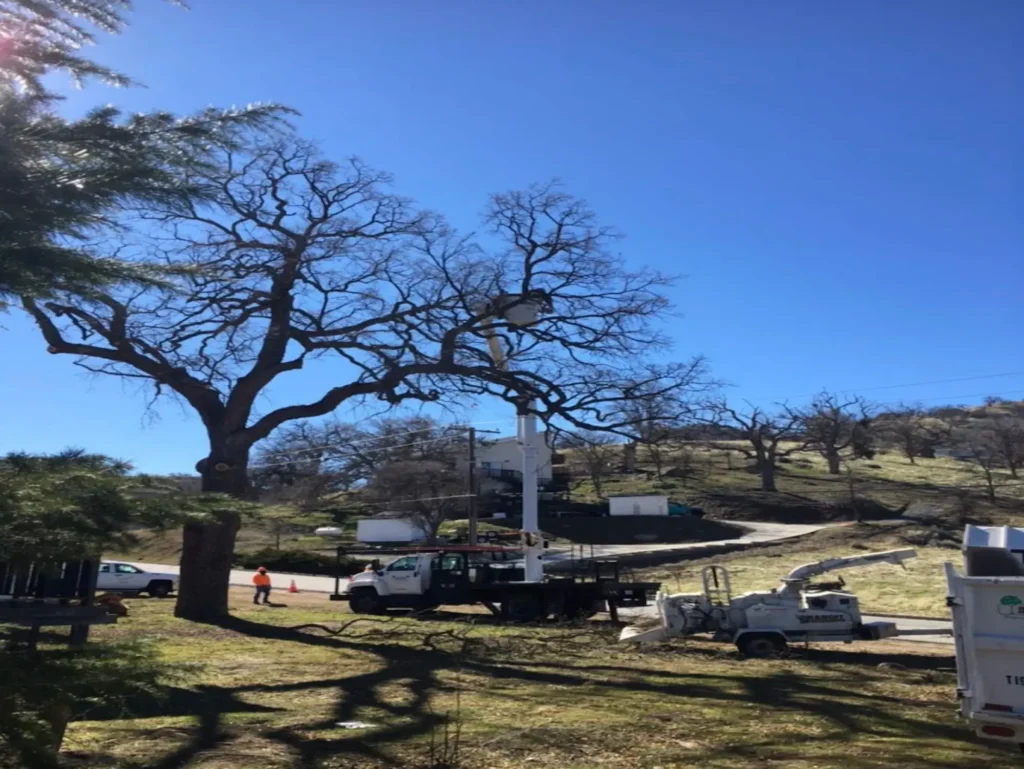
Signs a Tree Needs to Be Removed in Lancaster, CA We love trees. Really, we do. They give us shade, clean air, curb appeal, and a kind of calm that no patio chair can compete with. But every now and then, even the most beloved tree runs out of time. Whether it’s disease, storm damage, or just plain old age, there are moments when the safest and kindest thing you can do is let it go. Here in Lancaster, we get a lot of calls from folks wondering if that one tree in the corner is still hanging in there or if it’s time to part ways. And honestly, it’s not always obvious. Some trees put on a good show right up until they crash through the fence. Others look rough but are actually just fine. So how do you tell the difference? Let’s talk it through the Tip Top way: clear, honest, and like we’re chatting over the fence. The Top Signs a Tree Might Need to Go 1. It’s leaning more than it used toSome trees grow with a bit of tilt and live a full, happy life. But if your tree starts leaning suddenly, especially after a storm or heavy wind, that’s a red flag. Look at the soil around the base. If it’s cracked or pushed up on one side, your tree might be losing its grip underground. That’s not something to ignore. 2. The trunk is cracked, split, or hollowThink of the trunk like the spine of your tree. If it’s splitting down the middle, showing deep vertical cracks, or sounds hollow when you knock on it, that’s bad news. A hollow trunk might still be alive, but it’s not strong. And a cracked trunk? That’s a structural issue just waiting to go sideways. 3. Large branches are dropping with no warningA few twigs or leaves here and there are normal. But if you find heavy branches on the ground after a calm day, something’s up. Sudden limb drop often means internal decay. That’s especially dangerous if those branches are landing near your roof, sidewalk, or car. 4. There are mushrooms growing around the baseMushrooms might be charming in a storybook, but at the base of your tree, they spell trouble. Fungi like shelf mushrooms or conks usually show up when there’s rot inside the tree. They feed on dead wood. So if they’re there, it probably means something’s already dying. 5. The canopy is thinning or looks bareIf your tree’s upper branches are sparse or look brittle while other trees in your yard are full and leafy, something might be wrong. A slow, steady decline over a few seasons often means the tree is dying from the top down. That can come from drought stress, pests, or failing roots. 6. The roots are damaged or exposedRoots are out of sight, so it’s easy to forget about them. But they’re doing all the heavy lifting. If you see broken, rotting, or exposed roots, or if recent construction has cut through them, the tree might be in trouble. A damaged root system means a shaky foundation, and that’s one of the top causes of trees falling over unexpectedly. 7. It’s diseased or infested beyond savingSome issues can be treated. Others, not so much. If your tree is oozing sap, losing bark, covered in pests, or showing lots of dead patches, it might be too far gone. We’ll always check first to see if it can be saved, but sometimes removal is the safest and most practical option. 8. It’s growing too close to your house or power linesEven a healthy tree can be in the wrong place. If it’s crowding your home, scraping the roof, or reaching toward the power lines, that’s a concern. Roots can also lift driveways or damage pipes. If pruning can’t keep things safe, removal might be the best route. 9. A multi-trunk tree is splitting apartSome trees naturally grow with two or more trunks. That’s okay, until the spot where they join starts to split. That joint, called the crotch, is a natural weak point. If it’s starting to separate, it’s only a matter of time before something gives. 10. It made it through a storm, but barelyLancaster might not get hurricanes, but those desert winds can do real damage. If your tree is leaning, stripped, or badly broken after a storm, it may not bounce back. We can check it out and help you figure out whether it’s a keeper or if it’s time to let go. When You’re Not Sure, Call the Tree Doctor Removing a tree is a big decision. We don’t take it lightly, and neither should you. If you’re unsure, the best thing you can do is call in a pro. At Tip Top, we don’t show up with a chainsaw ready to go. We start with a proper evaluation. If we can treat or save your tree, we will. If it really needs to come down, we’ll explain the why and walk you through it, step by step. What Happens During a Removal? If removal turns out to be the right call, here’s how we do it: We inspect and confirm the tree isn’t safe to keep We prepare the area so your home and yard stay protected We rig and remove the tree carefully, section by section We can grind the stump if you’d like a clean finish We tidy everything up and haul away the mess No guessing, no damage, and no clean-up left for you. Just honest, careful work from your local tree pros. Saying goodbye to a tree is never easy. But sometimes, it’s the right move to keep your home, family, and other trees safe. If you’re unsure about a tree on your property, don’t play the guessing game. Need a second opinion or just want peace of mind? Give Tip Top Arborists a call. We’ve been keeping Lancaster’s trees in tip-top
Palm Tree Skinning Experts in Lancaster, CA | Tip Top Arborists
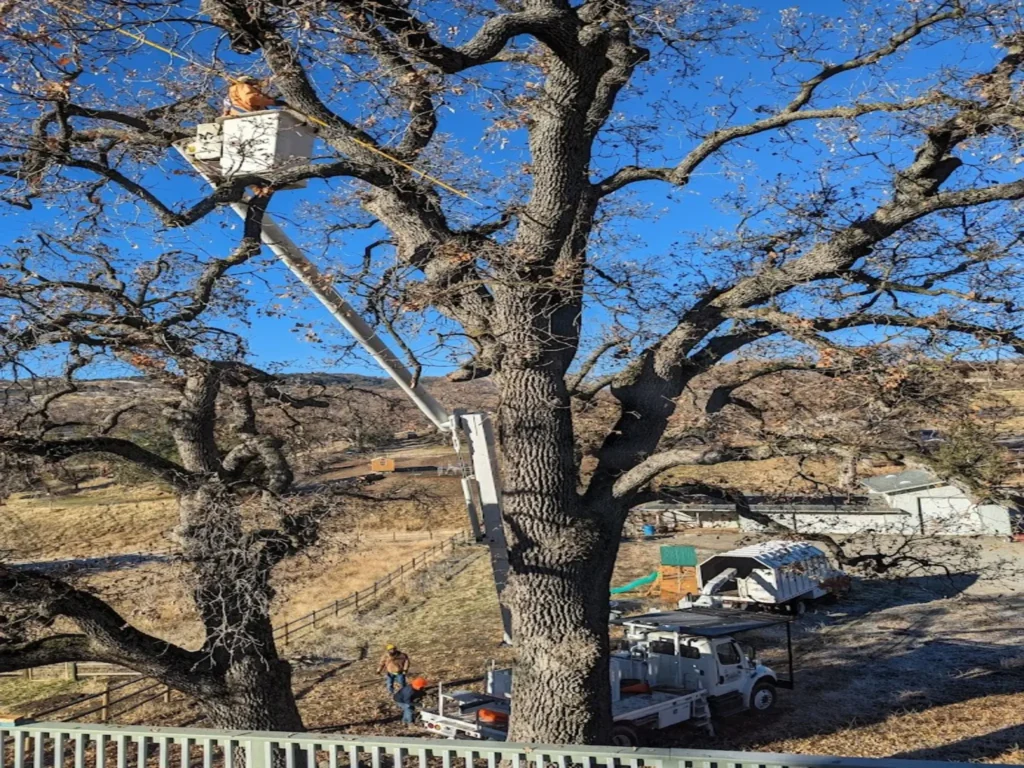
Palm Tree Skinning Experts in Lancaster, CA There’s a reason Lancaster locals call us when their palms start looking more like shaggy old mops than the desert royalty they’re meant to be. Palm trees are a classic part of Southern California living, but keeping them looking sharp takes more than a quick trim and a prayer. That’s where palm skinning comes in. It’s not just about keeping up appearances. It’s about safety, tree health, and making your whole property feel pulled together. Now if you’ve never heard of palm skinning, don’t worry. It’s not a spa treatment and we’re not using face scrubs. Palm tree skinning is the process of removing the dead fronds and dried-up leaf bases that cling to the trunk. These little guys are called boots, and they can hang around for years. Over time, they make your palm look tired and overgrown. But more than that, they can become a hazard if left unchecked. Why Skin a Palm Tree? We hear this question a lot. “Do I really need to do anything? Can’t I just let it be?” Technically, sure. But if you want your tree to be healthy and strong and not raining dead leaves on your car, skinning is a smart choice. Here’s why. They Look Better Clean palms make a big difference. They give your yard or property a neat, cared-for look, like someone’s paying attention. When we skin a palm, it’s like giving it a fresh haircut. Tidy. Clean. Ready for its close-up. They’re Safer Dead fronds don’t always fall on your schedule. One minute your tree looks peaceful, the next a heavy frond is crashing down from thirty feet. And those boots near the crown? Perfect hiding spots for pests. We’ve seen rats, snakes, and even scorpions make themselves right at home. Skinning clears that out fast. They’re Less of a Fire Risk Here in the Antelope Valley, dry weather is a fact of life. All that dead material is perfect fuel for fire. Removing it keeps your property safer, especially during wildfire season. They Stay Healthier Removing old material helps the tree focus its energy on new growth up top. Think of it like clearing leaves out of a gutter. Everything flows better when it’s not clogged with debris. How We Do It Right Skinning a palm the right way takes skill and the right tools. It’s not about stripping the tree bare. If you go too far, you risk hurting the tree, or even killing it. Our team knows exactly how much to remove and when to stop. Every cut is intentional. Every climb is done with care. We use rigging systems to climb safely and avoid damage. This isn’t something you want to tackle with a ladder from the garage. And we tailor every job to the tree species. The tall, skinny Mexican Fan Palm? That one needs regular skinning. The Canary Island Date Palm? It takes a bit more finesse. Even the smaller Queen and Mediterranean Fan Palms benefit from a good cleanup every now and then. When’s the Best Time? We like to time palm skinning around late spring or early summer. That’s when the trees are putting out new fronds, so we can clear away the old ones without stressing them out. Plus, it means your palms will look their best right when the BBQs and backyard parties start up. But hey, if your palm looks wild right now, don’t wait. We work year-round. Trees don’t follow calendars, and we don’t either. Just give us a call and we’ll take a look. What You’ll See After a Skinning A freshly skinned palm looks sharp. The trunk is smooth and even, tapering cleanly up to the crown. No drooping fronds. No layers of dry, dusty clutter. Just a tall, proud tree standing against the Lancaster sky. We often hear, “Wow, I didn’t know it could look that good.” And we love that. Because it means we’ve helped someone see their tree in a new light. Whether you’re sprucing up a home, managing an HOA, or keeping your business looking polished, well-skinned palms send the right message. Why Tip Top? Sure, anyone can buy a chainsaw. But not everyone knows what they’re doing. We’ve seen the damage that comes from rushed or careless work – scars on the trunk, injured crowns, entire trees lost to rot and disease. It’s not worth the risk. We’ve been caring for trees across Lancaster and the Antelope Valley for decades. We’re licensed, insured, and trained to handle palm trees the way they deserve. We follow ISA standards, use proper gear, and never leave a mess behind. That’s just who we are. Whether you’ve got a single palm in your front yard or a line of them down your driveway, we’ve got you covered. Your trees are in good hands. Did You Know? Palms don’t actually have bark. Their trunks are made up of tough, fibrous layers that need careful handling during skinning. In some island communities, palm boots were once used for everything from roofing to scrub brushes. The tallest palm species on Earth is the Quindío wax palm, which can grow over 200 feet high. Not something you’ll find in Lancaster, but hey – it’s a fun fact. Your palms deserve to look their best, and stay strong in the Lancaster sun. If yours need a little grooming, give you local arborists a call. We’ll make sure your trees stand out for the right reasons. Need a second opinion or just want peace of mind? Give Tip Top Arborists a call. We’ve been keeping Lancaster’s trees in tip-top shape since 1976. Book a Free Estimate | Explore Our Services
Affordable Tree Maintenance Plans for Homeowners | Tip Top Arborists
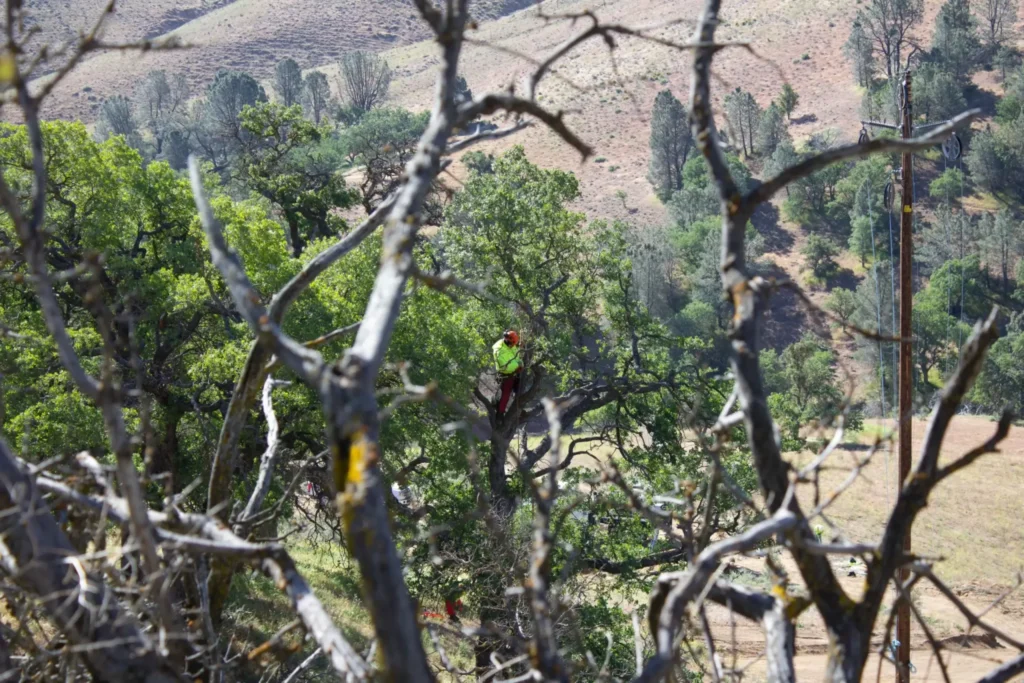
Affordable Tree Maintenance Plans for Homeowners We get it. Trees are beautiful. They’re shady in the best way, and they give your yard that “I’ve got my life together” kind of look. But taking care of them? That’s the part no one really brings up at the backyard barbecue. Pruning, trimming, clearing, inspecting, hauling away the mess, it adds up. And honestly, most folks don’t have the time, the tools, or the shoulder strength to deal with it all themselves. That’s where we come in. At Tip Top Arborists, we believe tree care shouldn’t cost an arm and a chain-sawed limb. That’s why we offer affordable tree maintenance plans built just for homeowners. Not for big businesses, not for city parks. Just everyday folks who want their trees to be healthy, safe, and looking great without making their wallet cry. Why a Tree Maintenance Plan Actually Matters Think about your car. You wouldn’t drive it for five years without changing the oil, right? Trees need that kind of regular attention too. A maintenance plan is like a wellness checkup for your yard. It helps catch little problems before they turn into big headaches. It keeps your trees growing strong, healthy, and headed in the right direction. Too many people wait until something goes wrong. A branch snaps. A root lifts the patio. A storm blows through and suddenly that lovely tree you bragged about is leaning a little too close to the living room window. A good maintenance plan helps you stay ahead of all that. It’s proactive, not reactive. That means fewer surprise bills, fewer middle-of-the-night worries, and a whole lot more peace of mind. What’s in a Tip Top Tree Maintenance Plan? Every yard is different. Every tree is its own character. So we don’t do cookie-cutter plans. We build them around your specific needs. But here’s what you can generally expect when you sign up: Annual Inspections: We’ll swing by once or twice a year to take a good look at your trees. We check for disease, pests, decay, weird growth patterns, and anything else that could spell trouble down the road. Early detection saves you stress and money. Routine Pruning: Strategic trimming helps your trees stay balanced, strong, and nice to look at. It also keeps limbs away from your roof, gutters, fence lines, and curious neighbors who don’t love surprises. Storm Prep and Cleanup: Before windy weather rolls in, we make sure your trees are in good shape—no risky limbs, no overgrowth that could snap in a breeze. And if a storm does hit, we already know your property, which makes cleanup quicker and easier. Tree Health Treatments: If a tree needs a little extra care, like fertilizer, pest control, or treatment for disease, we’re on it. No guesswork, no overdoing it, just the right dose of TLC. Debris Removal: We don’t leave a mess. After we prune or trim, we clean up and haul everything away so your yard looks like we were never there, except a whole lot better. Priority Scheduling: If something unexpected pops up mid-season, plan members move to the front of the line. No long waits, no hoops to jump through. And here’s the part we really want you to hear: we build the plan around your budget. Got just a couple of trees? Want help only in spring and fall? No problem. We’ll make it fit. It’s More Affordable Than You Think We know the words “maintenance plan” can sound fancy. Like something a country club might brag about. But that’s not our vibe. Our plans are built for real people—first-time homeowners, families, retirees, and anyone who just wants a nice yard without getting tangled in extension cords and frustration. Here’s the truth: regular tree care costs a whole lot less than emergency tree removal. A simple pruning job in the spring might be a couple hundred bucks. But if a tree falls on your deck during a storm? That’s going to sting. With a plan, you avoid big surprise expenses and spread out the cost over time. Plus, we offer flexible payment options. That means no panic when back-to-school season or the holidays roll around. Why Every Homeowner Should Think About Tree Maintenance Aside from the peace of mind and the fact that your trees will look like they belong on a postcard, here are a few more solid reasons to sign up: Home Value: Well-cared-for trees are a big win for curb appeal and can boost your property value. Appraisers notice them. So do buyers. Safety: Dead branches, cracked trunks, and leaning trees aren’t just ugly. They’re dangerous. We help deal with those risks before they turn into accidents. Insurance: Some homeowner insurance claims get denied if the damage came from a neglected tree. That’s a hard way to learn a lesson. A maintenance plan helps you stay covered. Shade and Savings: Healthy trees placed the right way can keep your home cooler in the summer. That means a lighter load on your A/C and a few extra bucks in your pocket. Every Tree Has Its Own Needs Your palm trees might need just a trim once a year. Your oaks could need thinning every couple of seasons. Fruit trees? Totally different schedule. That’s why we take the time to get to know your trees first. When we visit, we look at the species, the age, the size, where they’re planted, how much light they get, and what kind of stress they’re under. Then we create a plan that actually makes sense. Nothing copied from a random internet list. Just real solutions for real trees in real yards. It’s all about playing the long game. Healthy trees now mean fewer problems later. How It Works Step One: Schedule a Free Walkthrough We’ll come by, walk your property, look at your trees, and talk through any questions you’ve got. Step Two: Get a Custom Plan We’ll send you a personalized plan with clear options. You choose what
Echoes in the Bark: How Trees Record Their Histories
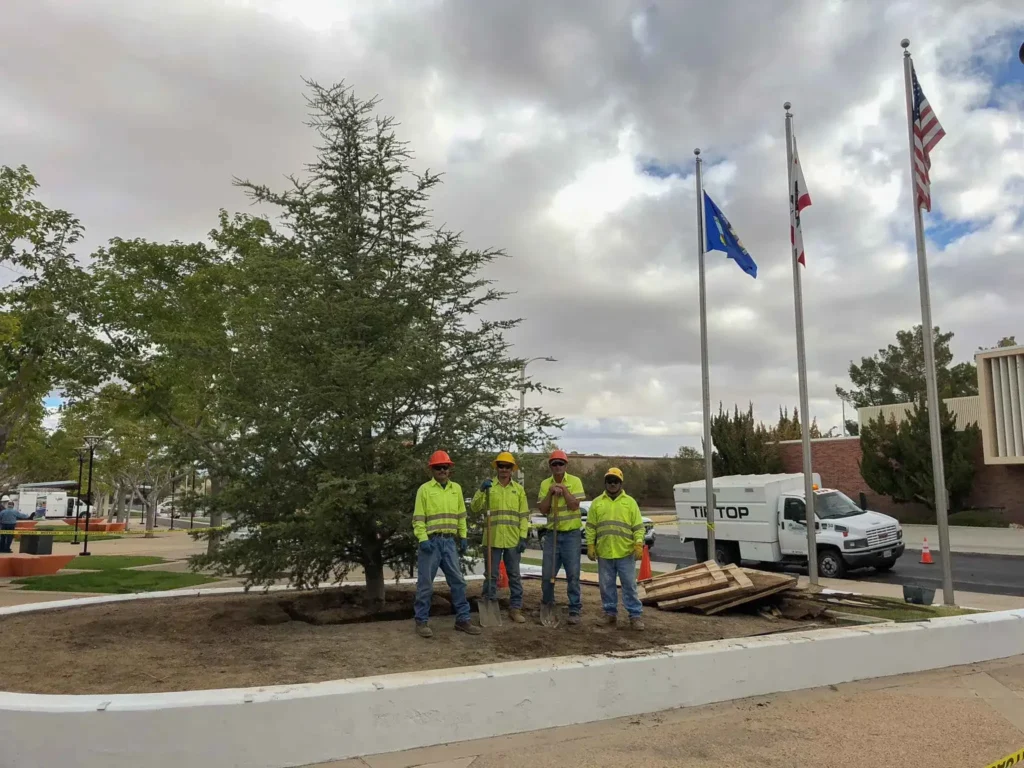
Echoes in the Bark – How Trees Record Their Histories : Leafy Library Series In a quiet forest, a breeze lifts through the canopy, brushing against rough bark and rustling leaves that whisper like old pages turning. You might think trees are silent, that they stand still and say nothing, but the truth is, trees are storytellers. You just have to learn how to listen. Their stories aren’t told in words, but in rings, scars, knots, and hollows. Their bark holds time like an old diary, keeping record of storms, droughts, lightning strikes, and even the footsteps of animals that brushed past in the night. Every tree, from the slender birch to the ancient oak, carries echoes of its own lived history in the texture of its trunk. If you’ve ever run your hand over a tree and felt a sudden stillness in yourself, you’ve already started to understand. Think of bark as a coat of armor, yes, but also as a scroll. It’s where the outer world and the tree’s inner life meet. Bark protects, but it also remembers. Every nick, blister, and bulge tells of something that happened. A dry summer. A beetle’s bite. A child’s carved initials now softened by time. The outer bark is made of dead tissue, but don’t let that fool you. It’s full of life’s traces. Beneath it, the phloem carries sugars made by sunlight. Deeper still, the xylem pushes water up from the roots. But it’s those outer layers we see, the cracked and curling surfaces, that hold the scars and stories of the years gone by. Nature is rarely still. Trees endure everything the world sends their way. When lightning strikes, it may leave a charred groove spiraling down the trunk. High winds can tear branches loose, splitting bark open and leaving behind jagged memories that take years to fade. Frost causes bark to crack with a sharp pop on cold winter nights. Fire may burn the lower trunk, leaving darkened rings that remain long after green shoots return. These aren’t just signs of damage. They are marks of endurance. Some trees are shaped to show their history. Fire-adapted species like the Ponderosa Pine carry thick bark that peels in puzzle-shaped plates, revealing bright orange patterns beneath. Each layer holds a record of survival. Not all wounds come from weather. Insects leave trails of their own, tiny passageways carved beneath the bark like secret messages. Bark beetles etch winding paths into the soft inner layers. Woodpeckers follow, tapping out rhythms as they search for larvae, leaving neat rows of holes like nature’s version of Morse code. Fungi appear in quiet, slow spreads. Cankers, swelling, sunken patches—these are symptoms of disease, but also signs of the tree responding, adjusting, learning how to live with what has taken hold. Some scars come from us. A swing once hung from a branch, and the rope left a deep belt around the trunk. Nails from a forgotten sign rust quietly inside the heartwood. Carved hearts and initials, once pressed in by curious fingers, remain long after the people have moved on. We don’t always mean harm, but our marks linger. Trees do not forget. Forests are slow keepers of memory. When a tree falls or is cut, its story continues inward. Each ring tells of a year lived. The width of a ring shows how the year went. A wide ring signals abundance—a generous spring and long summer. A narrow one tells of drought or struggle. Fires leave dark lines. Earthquakes shift the grain. Even the fall of a neighboring tree changes how new wood forms. Scientists call this dendrochronology. Through tree rings, we’ve charted floods, famines, volcanic eruptions, and entire civilizations. But you don’t need a lab to see what trees have witnessed. You only need time, curiosity, and quiet attention. Sometimes, the story lives not in the rings or the bark, but in the shape itself. A tree that leans slightly east may have grown reaching for the sun. A forked trunk might mean the top broke off long ago and the tree chose to grow again in two directions. A low branch that stretches out and dips close to the ground may have once held climbing children or shaded resting horses. Every tree grows toward the light, but the path it takes is its own. What may look like a flaw is often a quiet act of resilience. Take a walk in the woods and slow down. Each tree speaks, in its own way. A cracked trunk. A knot from a lost branch. A smooth patch worn down by deer or time. You don’t have to touch, or name, or explain. Just notice. Some trees have short stories. A young sapling with smooth bark. Others are epics. A grand old oak with bark like stone, each crevice holding years of sun, rain, and wind. In a fast-moving world, trees remind us of a slower rhythm. Not measured in calendars or clocks, but in seasons and scars. They teach us that pain leaves a mark, but healing does too. That growth doesn’t have to be straight to be strong. That memory can live in silence and still hold truth. For children, reading trees teaches patience. For adults, it brings us back to something older and quieter. And for all of us, it’s a reminder that history isn’t always in books. Sometimes it’s written in bark. So next time you walk past a tree, pause. Let your fingers rest against its trunk. Look closely. There’s a story there, waiting. Did You Know? Some trees can live over 5,000 years. The oldest known tree is a Bristlecone Pine in California, quietly recording the centuries. Tree rings from ancient logs have helped archaeologists date temples, ships, and even old climate shifts. Lightning strikes trees about 100 million times per year. Many trees survive, and their scars twist beautifully down the bark. FAQs About Dancing Trees Can trees really remember things? Trees don’t
Sprout’s Spiky Palm Tree Adventure
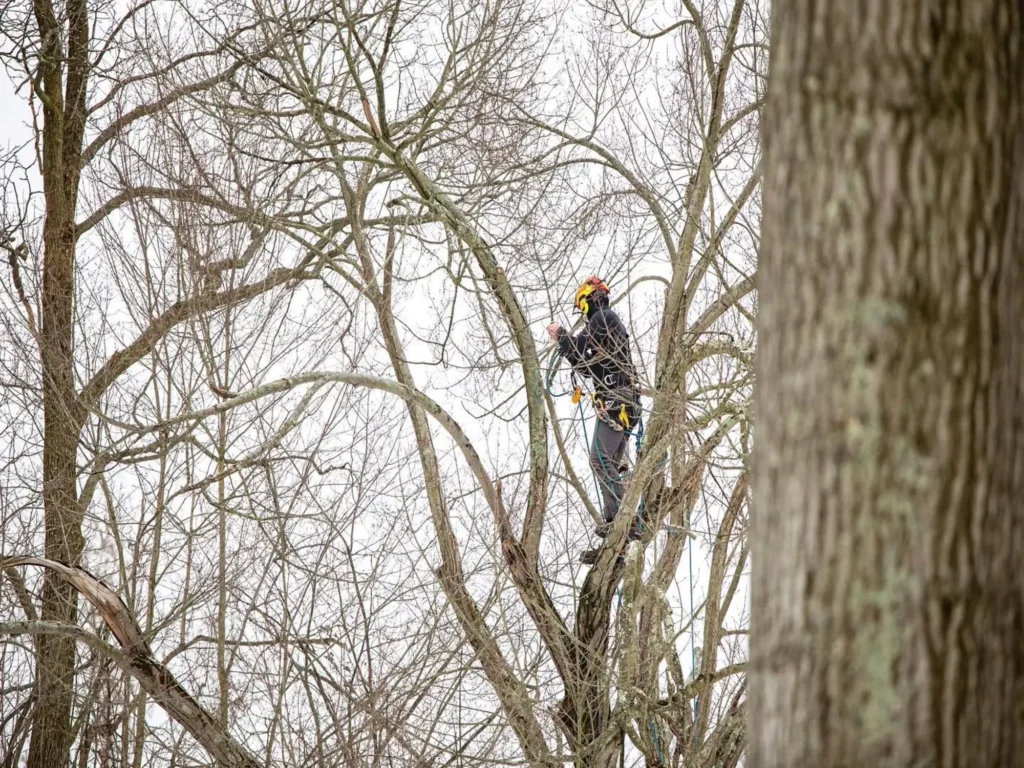
Sprout’s Spiky Palm Tree Adventure By: Tom Baal One sunny day in Lancaster, CA, Sprout was out exploring his neighborhood when he stumbled upon a spiky palm tree that caught his attention. The palm tree was tall and majestic, its leaves spreading out like a giant umbrella. But what was most fascinating to Sprout was the spiky trunk that looked like it had little arms reaching out to give hugs. As Sprout got closer, he noticed something strange at the base of the tree. It was a tiny nest with baby birds chirping loudly for their mama. Sprout watched in awe as the mama bird flew back to her nest, bringing food for her hungry babies. He knew he had to help somehow, so he ran home to get some breadcrumbs to feed the birds. Sprout sat under the palm tree, tossing breadcrumbs up to the nest, watching as the baby birds eagerly ate them up. As he sat there, he wondered why this particular tree had spiky leaves while others had smooth ones. He decided to do some research and found out that the spikes on the palm tree leaves actually help protect the tree from predators and harsh weather conditions. With this new knowledge, Sprout realized how important it was to care for trees and the environment. He made a promise to himself to always respect nature and do his part to protect it. From then on, he would often visit the spiky palm tree, checking on the mama bird and her babies, and even planting flowers around the base of the tree to attract more birds and insects. Sprout’s actions didn’t go unnoticed by his neighbors. They were inspired by his dedication to caring for the palm tree and started to pay more attention to the trees in their own yards and streets. Soon, the whole neighborhood was buzzing with excitement over tree care and conservation. Sprout’s spiky palm tree surprise had sparked a movement in his community, showing everyone that even the smallest act of kindness towards nature can make a big impact. And as he looked up at the palm tree, listening to the birds chirping happily, Sprout knew that he had made a difference in his own little corner of the world. So, the next time you see a tree in your neighborhood, take a moment to appreciate its beauty and think about how you can help care for it. Who knows, maybe you’ll discover a surprise of your own, just like Sprout did with his spiky palm tree. Keep your eyes and hearts open, and you’ll be amazed at the wonders that nature has in store for you. Scout Needs Your Help: Keep our Feathered Friends Safe! Hey there, young nature lovers! Scout here with an important message for all of you. As you explore your neighborhood and enjoy the beauty of nature, it’s crucial to remember to always respect and protect our wildlife. One thing to be especially mindful of is fallen bird nests. While it can be tempting to peek inside and see the baby birds up close, it’s important to remember that these nests are fragile homes for our feathered friends. Getting too close or touching the nest can disrupt the birds’ habitat and cause stress to the mama bird. So, here’s a simple task for you all: If you come across a fallen bird nest, please resist the urge to disturb it. Instead, admire it from a safe distance and appreciate the wonders of nature from afar. By showing respect for our wildlife, you are helping to create a safe and harmonious environment for all living creatures. Remember, every little action you take to protect nature makes a big difference. So let’s all work together to keep our feathered friends safe and happy. Thank you for being a responsible nature explorer, and keep up the great work in caring for our environment! Happy exploring, friends! Did You Know? What types of trees can you find in Lancaster, CA? In Lancaster, CA, you can find all kinds of trees, from tall palm trees to blooming flowers and fruit trees. How can I help baby birds like Sprout did in Lancaster, CA? You can help baby birds by providing food like breadcrumbs and planting flowers to attract more birds and insects to your neighborhood. Why do some palm trees have spiky leaves in Lancaster, CA? Palm trees in Lancaster, CA have spiky leaves to protect themselves from predators and harsh weather conditions. How can I care for trees in my own neighborhood in Lancaster, CA? You can care for trees in your neighborhood by watering them regularly, planting flowers around their base, and making sure to respect and protect their environment. Can small acts of kindness towards nature make a big impact in Lancaster, CA? Yes, small acts of kindness towards nature, like caring for trees and wildlife, can make a big impact in Lancaster, CA and inspire others to do the same. Tip Top Arborists Since 1976, Tip Top Arborists has been Southern California’s trusted partner in professional tree care. Based in Lancaster, CA, and surrounding areas—delivering expert tree trimming, removal, and maintenance services with safety, science, and integrity at the core. We’re not your average “guys with chainsaws.” We’re ISA Certified Arborists with deep industry knowledge, modern equipment, and a commitment to customer care that’s been passed down for nearly five decades. From storm damage cleanup to long-term tree health management, our team helps property owners protect their investment—and enhance their curb appeal—year-round. Experienced We have been in the industry for over 45 years. Choosing us means choosing proven experience and expertise. Insured Your safety is our highest priority. We are bonded and insured to protect you, your property, and our team. Licensed Our contractor’s license #821770 is current and active with the CSLB. Hiring us means hiring licensed tree experts. Recycling We are as committed to the environment as we are to our clients. We recycle 100%