
Twilight in the Treetops: Where Daylight Meets Forest Lore
Twilight in the Treetops: Where Daylight Meets Forest Lore There’s a moment each day when the forest sighs. It’s neither day nor night. The sun is folding itself away behind the hills, but the moon hasn’t quite stepped into its place. Between these changing guards of light lies twilight – a brief, golden hush that falls over the treetops like a secret. In that sliver of time, the woods seem to shimmer between realities, half-rooted in the world of sunlight, half-leaning into something older, quieter, and far more mysterious. Twilight in the treetops has always held power. Not the loud kind that rattles the sky, but a subtler magic. A soft-spoken enchantment. It is the hour of owls opening their golden eyes, of foxes testing the edge of shadow. And high above, in the green vaults of the forest, something ancient stirs. For as long as people have walked beneath trees, we’ve looked up at dusk and wondered: what do the trees know when the light fades? In Celtic lore, twilight was a time when the veil between worlds thinned. Trees like ash, yew, and oak were believed to be guardians of this threshold, their roots in this world and their crowns brushing the Otherworld. Standing beneath a grove at twilight wasn’t just poetic – it was an invitation to witness the world loosen its seams. If you listened closely, you might hear the songs of the Aos Sí or see the flicker of something just out of reach. In Japan, twilight hours are known as tasogare-doki, meaning “who is that?” time – a name that reflects how shapes become unfamiliar, identities blur, and even the ordinary becomes uncanny. It’s when trees cast long, bending shadows that look almost like they’re moving of their own will. That old pine outside your window? It seems a little taller now. A little closer. Stories told in twilight are softer, slower, but never less meaningful. Forest lore passed down through generations often comes wrapped in twilight: tales of dryads whispering from their bark-bound homes, spirits who slip between branches as the stars begin to blink open, and trees that move – just a little – when no one is looking. Children once feared and revered this hour. “Be home before the sun sets,” mothers would warn, not just for safety, but because the woods were said to wake in a different way at dusk. Not everything out there was meant to be seen in fading light. Some stories were for the trees alone. And the trees, as always, kept their counsel. Twilight is when the forest remembers. Not just the day just passed, but the centuries before it. The wars fought beneath its limbs. The lovers who carved their initials into trunks. The songs sung in reverence and the tears spilled in grief. The canopy overhead holds it all – like a cathedral of leaves where time bends and echoes softly. In these moments, birds grow quiet. Insects hum lower. Even the breeze seems to walk on tiptoe. Look up, and you’ll see the branches catching the last strands of sunlight like golden thread. Leaves don’t rustle – they converse. And what they say depends on where you are, and how deeply you’re willing to listen. In many Indigenous traditions, twilight is a sacred time of prayer and gratitude. A time to acknowledge the turning of the day, to speak to the trees and ancestors, to light a small fire and share silence with the land. In that warm in-between glow, everything feels held – by shadow, by branch, by memory. The treetops at twilight are full of symbols. The changing light represents transformation. The mingling of day and night shows us that opposites can coexist, that there is power in liminality. Trees at this hour become sentinels of change – still and grounded, yet bathed in flux. And perhaps that’s why we’re drawn to them as the sun begins to set. Perhaps we see ourselves in that moment: rooted in the now, but leaning toward what’s next. Just like the forest, we too exist in layers – light and dark, known and unknown, ancient and ever-becoming. Walk into a forest at twilight, and you’ll feel it. That hum beneath your feet. That breath on the back of your neck. That sudden awareness that you are not alone, and never were. It’s the feeling of being watched, not with malice, but with age-old patience. The feeling that the trees know your name, though you’ve never spoken it aloud. It is not frightening. Not really. It is awe. As night deepens, the treetops disappear into silhouette, their delicate filigree cut from the sky like lace. And still, they whisper – only now, their stories are older still. Now they speak of stars born in silence, of moons that have risen and fallen a thousand times over their bark. Now they speak of things we’ll never fully understand. We are guests in this hour. Honored ones, perhaps, but guests nonetheless. And it is a kindness to listen before we go. So stay a little longer the next time twilight finds you in the trees. Watch the way the light lingers on the highest leaves before slipping away. Listen for the hush between birdcall and cricket song. Let the stories of the forest rise up around you like mist. And know that while the world may turn, and the sun may set, the treetops will always be there – caught between light and shadow, telling their tales to anyone patient enough to hear. Did You Know? Twilight is when tree scents are strongest. As the air cools, trees release essential oils that are more easily detected by your senses—especially pine, cedar, and eucalyptus. Some cultures believe trees can speak more clearly at dusk. Celtic and Baltic folklore often mentions that twilight is when spirits of the forest and ancient trees are most willing to communicate with the living. Birdsong changes at twilight. Known as
The Tree Beyond Time: Arboreal Symbols in Dreams and Divination
The Tree Beyond Time: Arboreal Symbols in Dreams and Divination From the edge of dreamlight, where sleep and story entwine, rises the outline of a tree not rooted in soil, but in memory. Its trunk arches like the spine of thought, and its branches stretch out like questions, spiraling across the night. Some say it lives in every dream, cloaked in mist and meaning, waiting for the dreamer to pause beneath its crown and listen. This is the Tree Beyond Time. Not a single tree, not a species, not even a forest landmark. It is a symbol carried through centuries and psyches, a figure seen in trance and vision, inked on ancient oracles, whispered in riddles to diviners and poets alike. In the realms where logic softens and intuition grows wild, the tree appears as guide, as map, as memory. In dreams, it may appear impossibly tall, crowned with stars, or low and knotted with roots that clutch old secrets. Some dreamers walk beneath it as children, others climb it with wings, others kneel to press their ear to its bark, hoping to hear what came before language. This tree lives in us all, its roots tangled with symbols, its leaves rustling with quiet prophecy. Its trunk splits past, present, and future. Its branches are choices. Its fruit are revelations. In many traditions, the tree is not simply alive – it is awareness itself. The Norse spoke of Yggdrasil, the great world tree whose boughs held the nine realms and whose roots drank from wells of fate and knowledge. To touch its bark was to touch all of existence. In Kabbalistic mysticism, the Tree of Life is both map and mirror – a diagram of divine emanation and a guide for the soul’s return. In these systems and more, the tree becomes a ladder, a bridge, a spiral. Seers have long looked to trees in both waking and dreaming states. In divination, the leaves, the rings, even the fall of branches have held omen and insight. Some say if you dream of a tree struck by lightning, a transformation is coming. If the leaves are green and vibrant, growth is near. If the tree is dead but standing, there is something in your life that appears solid but no longer holds life. But even these interpretations are only part of the mystery. The Tree Beyond Time cannot be read like a chart. It is a living library, and each dreamer reads it differently. One may find comfort in its shade, another may fear the hollows of its core. One may see their ancestors in the bark, another their future child in the fruit. And still another may wake with the sensation of bark under their palms and no words to describe what they’ve seen. The diviner sits with cards, or stones, or windblown leaves, but often it is the tree they seek without knowing. The upright pillar that connects above and below. The spiral growth that echoes sacred geometry. The silent elder that speaks in symbol and echo. Even in modern dream psychology, trees often signal the self – how rooted we feel, how expansive we’ve grown, how strong or broken our internal structures are. The wind in their branches can echo our moods. Their hollow places might carry our losses. Their blossoms speak of our hopes. Sometimes, the dreamer becomes the tree. Limbs stretching in sleep, breath slowing into soil rhythm. Roots slipping past memory, down to the deep. Across cultures, trees have stood as oracles without speech. In Celtic lore, the ogham alphabet was carved from trees – each letter tied to a species and meaning. To write was to draw from the wood’s wisdom. In shamanic journeys, trees mark the axis between worlds, the doorway to spirit guides. In dreams, a tree may act not only as symbol, but as threshold. Sit at its base, and the scene may shift. Touch its leaves, and another vision may unfurl. These trees are patient. They do not force knowing. They invite. They wait. They offer glimpses rather than explanations. The Tree Beyond Time appears when you are ready to ask without demanding, to receive without needing to understand. It may not give answers, but it gives presence. And presence is sometimes the greatest divination of all. So tonight, if a tree appears in your dreams – whether old or blooming, burning or glowing – pause there. Let your fingers trail its bark. Let your breath slow to match its stillness. Let your spirit remember what your mind has forgotten. The tree does not speak in language, but in memory. It does not shout prophecy, it breathes it. And when you wake, you may not remember the tree, not fully. But you might carry its calm into the day. Its guidance into your walk. Its leaf into your pocket, though no one else can see it. And that will be enough. Did You Know? In dream interpretation, trees often reflect the state of your personal growth, family lineage, or spiritual development. The ancient Norse tree Yggdrasil connects all realms of existence — it’s a cosmic axis with creatures dwelling at every level. In some cultures, dreamers believe they can plant symbolic trees within dreams and revisit them across years. FAQs About Talking Trees What does it mean to dream of a tree losing its leaves?It often reflects change, letting go, or emotional release. It can also signal a transition period in your life. Are certain trees more spiritually symbolic than others?Yes. Oaks often represent wisdom, willpower, and endurance. Willows reflect emotion and healing. Ash trees are associated with transformation and connection between worlds. Can the same tree appear in multiple dreams?Absolutely. Many people report recurring dream trees — these often act as inner guides or evolving symbols connected to life changes. Have questions about the trees in your own yard? Tip Top Arborists is here to help you care for your living legends. Let our certified arborists provide
Trees That Time Forgot: A Journey Through Prehistoric Forests
Trees That Time Forgot: A Journey Through Prehistoric Forests Some trees don’t just grow tall. They hold time in their branches. They remember. You can feel it when you stand beneath them—the hush, the hush that stretches across epochs. These aren’t your everyday maples or magnolias. These are the trees that have seen worlds come and go. They are living fossils, quiet witnesses to a planet that has changed many times, and somehow, they are still here. Far away in a hidden canyon in Australia, a small group of strange pines was found not too long ago. Their bark looked like bubbling puzzle pieces, their limbs filled with fern-like leaves that seemed plucked from a dream. Scientists named them Wollemi pines, and they couldn’t believe their eyes. These trees were thought to have disappeared millions of years ago, known only from ancient fossils. And yet, there they were, swaying gently in the breeze like nothing had ever happened. The world had gone through ice and fire, but they had kept growing in their quiet corner. Then there’s the dawn redwood, which once blanketed vast stretches of the northern world before it vanished from sight. Thought extinct until the 1940s, it reappeared in a misty village in China, still shedding its needles each fall, still growing with calm elegance. Standing beneath one feels like standing at the edge of a story that never really ended. Its rust-colored canopy glows in the afternoon sun, softening the sky above with warmth and age. The ginkgo tree is another traveler from the deep past. Its fan-shaped leaves flutter like pages from an old book, and those pages haven’t changed much in over 200 million years. These trees saw the rise and fall of dinosaurs, and they’ve stood in temple courtyards for centuries. In Hiroshima, some even survived the unthinkable. Their bark was scorched, but new leaves emerged just months later. You don’t forget a tree like that. It teaches something without words—about resilience, about holding on, about beginning again even when the world seems lost. And long before any of these still-standing elders, there were giants with strange names and stranger forms. Ancient tree-like plants that weren’t quite trees as we know them now, but their roots made soil and their leaves created shade. They changed the land just by being there. They were the first to stretch upward and say, “Let’s try this.” And in doing so, they carved out the blueprint of what forests would someday become. These prehistoric trees matter not just because they are old, but because they are alive. They are nature’s memory. Their survival isn’t flashy. It’s quiet. They don’t demand attention, but they deserve it. They’ve seen mass extinctions, shifting continents, ice ages, and warming skies. And yet, they persist. Their leaves still catch the light. Their roots still hold the ground. They remind us that survival is often slow, and strength doesn’t always shout. The beautiful thing is that you can actually plant some of them in your own backyard. Ginkgo saplings grow gracefully and require little fuss. Dawn redwoods shoot up quickly, green and eager in the spring sun. And while Wollemi pines are protected and rare, you can still find them through special nurseries. Imagine tending to a tree whose ancestors watched the dinosaurs walk by. Imagine being part of its ongoing story. Next time you pass a tree that feels a little different, a little older in its spirit, take a moment. Maybe it’s a ginkgo rustling in the breeze or a redwood lifting its head above the rooftops. Maybe it’s a reminder that time isn’t only in clocks and calendars. Sometimes it’s standing still, wearing bark, and holding the sky. Did You Know? The Wollemi pine was thought extinct for over 90 million years until it was discovered in 1994 in a remote canyon in Australia. Fewer than 100 mature specimens exist in the wild. Ginkgo biloba is often called a “living fossil” because its leaf shape has barely changed since the time of the dinosaurs — over 200 million years ago. The dawn redwood is one of the few deciduous conifers in the world. Unlike most conifers, it drops its needles every fall in a fiery show of orange and rust. FAQs About Dancing Trees What exactly is a “living fossil” tree?A living fossil is a species that has remained virtually unchanged for millions of years and closely resembles its fossilized ancestors. These trees offer a glimpse into Earth’s prehistoric past and how life once thrived. Can I grow a prehistoric tree at home?Yes! Species like ginkgo trees and dawn redwoods are available at many nurseries and can thrive in a variety of climates. They’re surprisingly low-maintenance and make a meaningful addition to any garden. What makes the Wollemi pine so rare and special?The Wollemi pine is one of the rarest trees in the world. It was only known from fossils until its discovery in Australia in the 1990s. It reproduces both by seed and by sprouting new shoots, and it’s strictly protected due to its conservation status. Have questions about the trees in your own yard? Tip Top Arborists is here to help you care for your living legends. Let our certified arborists provide expert guidance for a lifetime of healthy trees. Contact Us Today
The Best Arborist in Lancaster, CA? Here’s Who Locals Trust With Their Trees
The Best Arborist in Lancaster, CA? Here’s Who Locals Trust With Their Trees Spring sunshine, dusty breezes, and a yard full of thirsty trees—that’s life in Lancaster, CA. Whether you’ve got a backyard citrus tree that’s seen better days or a 40-foot pine leaning a little too close to your garage, one thing’s for sure: you want the best arborist you can find. Someone who knows what they’re doing, shows up on time, and leaves your yard looking better than they found it. But how do you figure out who’s the best? And what does “best” really mean when it comes to tree care? Let’s break it down, the Tip Top way. What Makes an Arborist “the Best”? If you think tree work is just about chainsaws and ladders, think again. A great arborist is part scientist, part sculptor, part safety officer—and part neighbor. They know the biology behind a tree’s structure, the right way to shape a canopy, how to spot signs of disease, and how to do it all without turning your lawn into a war zone. Here’s what really makes someone stand out: 1. Certification & TrainingLook for ISA certification. It’s not just a badge—it means your arborist has studied tree health, pruning techniques, soil science, pest management, and safe practices. 2. Local ExperienceLancaster’s climate is no joke. It’s dry, windy, and hot, with very specific challenges. You want someone who knows how local trees behave, from drought-stressed pines to ornamental desert willows. 3. Safety FirstThe best arborists climb smart, use the right ropes, and follow safety protocols without cutting corners. If they show up in worn-out gear or a borrowed pickup, think twice. 4. A Clean Yard at the EndTop-tier tree care includes cleanup. Full stop. No one wants to spend the weekend raking branches after the pros leave. 5. Customer Service That Feels Like FamilyThe best arborists make you feel like you’re in good hands. They answer your questions, explain what they’re doing, and treat your trees (and your lawn) with respect. Why Lancaster Trees Need the Right Arborist You’ve probably seen it before—a beautiful yard brought down by one overgrown tree or a DIY trimming job gone sideways. Lancaster’s unique mix of wind, sun, and long dry seasons means trees here need specialized care. That’s especially true in spring. This is the season where trees are stretching out, pushing new growth, and preparing for the long haul through summer heat. If they’re trimmed incorrectly or neglected, they can become brittle, top-heavy, or susceptible to pests. That’s where a certified arborist comes in—not just to trim, but to guide the tree toward health and resilience. How Tip Top Arborists Became the Trusted Name in Lancaster There are a few names that come up when you ask locals about tree work, but Tip Top Arborists? That’s the one you’ll hear again and again. And we’re not just tooting our own horn—we’ve been serving the Antelope Valley since 1976. Here’s why Tip Top gets the nod as the best arborist in Lancaster: Local Roots, Decades DeepWe’ve been trimming, treating, and removing trees in this region for nearly 50 years. We’ve seen it all—from sandstorms knocking over old palms to backyard orchards needing a refresh. Our team knows Lancaster’s trees like the back of our gloves. Certified, Insured, and Always LearningEvery one of our arborists goes through continuous training. We don’t just stick with what we know—we keep up with the latest in arboriculture, rigging, soil health, and disease control. Clear CommunicationFrom your first estimate to the final rake of leaves, we keep you in the loop. No jargon, no confusion, no surprise fees. Full-Service CareWe don’t just trim trees. We do deep root fertilization, storm cleanup, cabling, removals, diagnostics, and yes, we always handle the debris. A Reputation You Can SeeYou don’t last this long in Lancaster without a trail of happy customers. Our reviews speak for themselves, and a lot of our business comes from word of mouth—and neighbors pointing over the fence saying, “Call Tip Top.” When to Call a Certified Arborist Not sure if it’s time? These signs mean your trees are due for professional care: Branches hanging over your roof, driveway, or neighbor’s yard Cracked limbs or heavy overgrowth after the rainy season Dead sections in the canopy Signs of disease like fungus, oozing sap, or sudden leaf loss That gut feeling that “something’s off” Even if your tree seems fine, a spring check-in can make a world of difference. It’s like taking your car in for a tune-up—it’s cheaper and safer than dealing with a breakdown later. What It’s Like Working With Tip Top From the moment you call, you’ll notice the difference. We treat every job with care, whether we’re trimming a single shade tree or managing a full commercial property. Here’s what you can expect: A friendly arborist visits your property for a free estimate We walk you through what your trees need and what it’ll cost We schedule at a time that works for you Our team shows up on time with professional gear We do the job right and clean up like we were never there You get healthy, beautiful trees and a safer yard Spring Is a Smart Time to Book Spring’s when your trees are waking up, pushing new growth, and recovering from winter. It’s also when minor problems can become major ones if left unchecked. And yes, this is also the time of year when Tip Top offers seasonal specials on trimming and health checkups. Get the work done early in the season and enjoy a safe, shady, and beautiful yard all summer long. Wrap-Up: Don’t Settle for “Good Enough” Tree Care If you’re looking for the best arborist in Lancaster, CA, don’t settle for a quick cut-and-run crew. Look for experience, certification, communication, and care. Look for someone who knows what they’re doing and treats your trees—and your property—with respect. Look for Tip
Do Tree Trimming Services Include Debris Removal in Lancaster, CA?
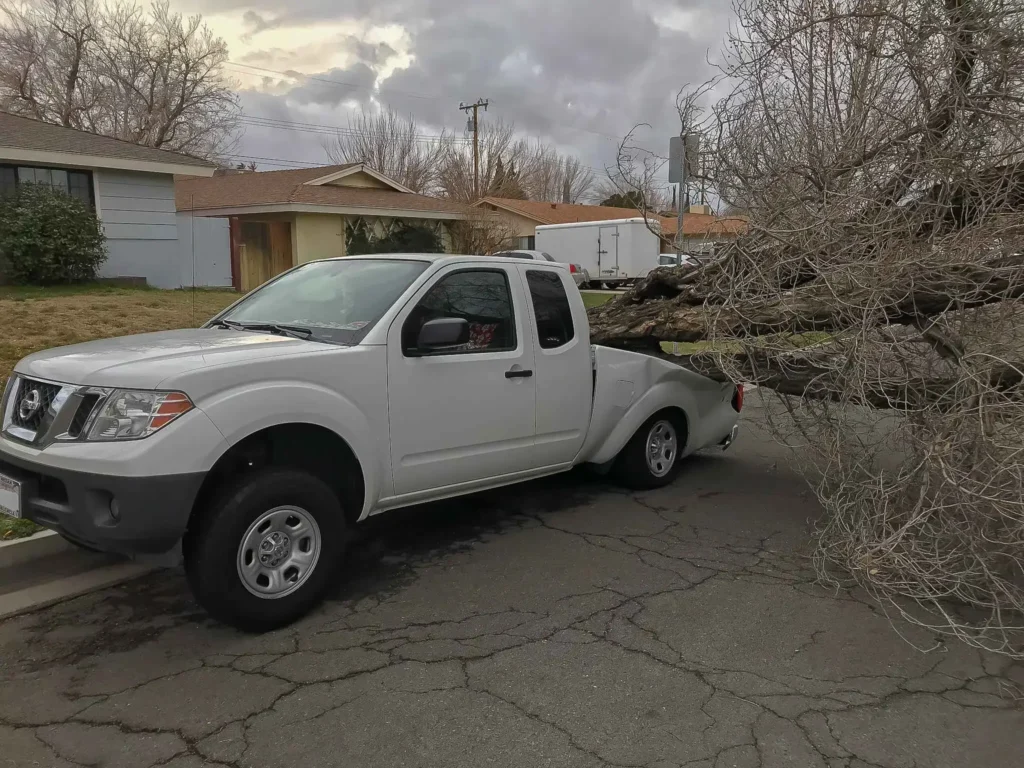
Do Tree Trimming Services Include Debris Removal in Lancaster, CA? You’ve finally scheduled that tree trimming appointment. The overgrowth is under control, the yard looks cleaner, and the sun is hitting just right again. But as you sip your well-earned iced tea and admire the shape of that old oak, one question sneaks in: “Wait, who’s cleaning all this up?” If you’re in Lancaster, CA, where tree care is part art and part survival (have you felt that summer sun?), you want to know what’s included in your tree trimming service before the sawdust settles. Let’s answer the big one right away. Yes, most professional tree trimming services in Lancaster include debris removal. But just like trees themselves, not all services are cut from the same branch. Some offer complete cleanup, while others leave you holding the rake. Let’s dig into what you should expect, what to double-check, and how Tip Top Arborists keeps your yard as tidy as your newly trimmed trees. What Exactly Is Tree Trimming? Before we get too far, let’s clear something up. Tree trimming isn’t just about snipping off a few twigs. It’s a crucial part of keeping your trees healthy, balanced, and safe, especially in a place like Lancaster where intense sun, wind, and drought can stress even the toughest species. Tree trimming usually includes: Removing dead, damaged, or diseased branches Thinning out overgrowth to allow for better air circulation Shaping for aesthetics and structural integrity Preventing hazards like limbs over power lines or rooftops It’s part maintenance, part safety, and part beautification. And when done right, it generates a lot of green waste. So, Does That Include Cleanup? In most cases, yes. Cleanup and debris removal are considered a standard part of any professional tree trimming job in Lancaster. Here’s what you can typically expect from a reputable tree care company: Branches and twigs hauled away Leaves and sawdust blown or raked Stump or trunk sections removed from the site Driveways and walkways cleaned and swept Some companies even go the extra mile and use wood chippers on-site to turn large limbs into mulch, which they can either take away or leave for you to use in your garden. (Nice touch, right?) At Tip Top Arborists, cleanup isn’t an afterthought. It’s part of the package. We believe your yard should look better after we leave than it did when we got there, not like a storm just passed through. When Debris Removal Might Not Be Included Now, let’s be real. Not every tree trimming service is created equal. Some budget-friendly or “weekend warrior” crews might charge less up front but skip out on post-trim cleanup or charge you extra for it. Here are a few scenarios where you might find yourself stuck with the mess: Low-cost or unlicensed contractors trying to cut corners DIY helpers who show up with a saw but no trailer City-run services or public trimming jobs that only cut what’s necessary Services booked with separate pricing that list debris removal as optional Always ask for a detailed estimate before booking. If the cleanup isn’t mentioned, assume it’s not included, or prepare to negotiate it into the job. What Kind of Debris Are We Talking About? After trimming even a modest-sized tree, the pile of leftover branches, bark, and sawdust can be pretty impressive. Here’s what typically gets generated: Small twigs and branches Larger limbs or trunk sections Leaves and foliage Bark shavings and sawdust Sometimes even bird nests (we always check for critters first) If you’re having multiple trees trimmed or a larger job done, expect a full trailer’s worth of green waste. And trust us, what looks like a couple branches on the tree ends up looking like a mini forest on the ground. What Happens to the Debris After It’s Hauled Off? In Lancaster, most tree care companies dispose of debris responsibly. That can mean: Taking it to a local green waste recycling center Turning it into mulch or compost Chipping it for use in landscaping or erosion control In some cases, delivering firewood from larger trunk sections (with permission) At Tip Top Arborists, we prioritize eco-friendly disposal. We don’t just dump it. We recycle, reuse, or repurpose whenever possible. It’s part of our commitment to sustainability and keeping Lancaster clean and green. What to Look for in a Tree Trimming Quote Before booking a tree trimming service, ask these questions: Is cleanup and debris removal included? Will you chip or haul the wood? Do you clean up walkways, lawns, and garden beds? Can I keep the mulch or firewood if I want? What happens to the waste after it leaves my property? A good company will be transparent. They’ll walk you through every part of the job, from cutting to cleanup. If the quote seems vague, ask for clarification. Tip Top’s Approach to Tree Trimming and Cleanup We’re not ones to leave a job half done. At Tip Top Arborists, cleanup is part of the deal, not an upsell. When we trim your trees, you can expect: All debris chipped and hauled or neatly stacked if you want to keep it Sidewalks and driveways blown clean Lawn raked and left tidy Garden beds protected and unharmed No trace of branches, sawdust, or tire tracks We treat your property like it’s our own. That means no shortcuts, no surprises, and no mess left behind. Why It Matters Think cleanup is a small thing? Think again. Here’s why debris removal is more than just a nice bonus: Safety: Piles of limbs can be tripping hazards or attract pests Curb appeal: Your property should look better after tree work, not worse Fire risk: In dry areas like Lancaster, leftover brush is a fire hazard City compliance: In some neighborhoods, leaving yard waste out can result in fines Peace of mind: No post-job chores for you means more time to enjoy your yard Cleanup is part of the
Sprout’s Thirsty Trees: Learning When and How to Water Just Right
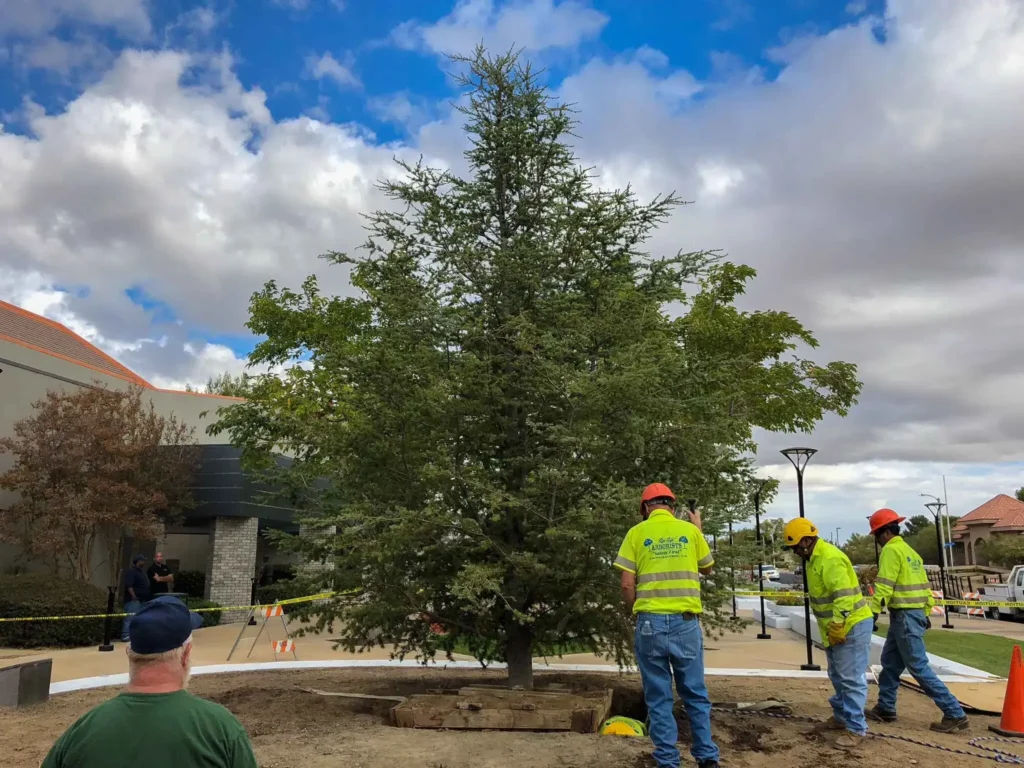
Sprout’s Thirsty Trees: Learning When and How to Water Just RightBy: Tom Baal In Lancaster, CA, watering your trees might seem straightforward. Just give them a good soak now and then, right? But if you’ve lived through one of our sizzling summers, you know there’s a little more to it than that. Trees aren’t like houseplants where you can set a reminder and call it good. They’re living parts of your landscape that need just the right amount of water, not too much, not too little, and that sweet spot depends on the season and the age of the tree. As Sprout pondered this question, he decided it was time to embark on a journey of discovery. With his trusty magnifying glass in hand, Sprout set out to find the answer. He wandered through the lush greenery of the park, stopping to observe the leaves and branches of the trees up close. Suddenly, he spotted something fascinating—a tiny droplet of water trickling down the bark of a tree. “Ah-ha!” exclaimed Sprout, as he realized how trees drink water. “Trees absorb water through their roots, which are like straws that suck up water from the ground. The water travels up the trunk of the tree to the leaves, where it is used for photosynthesis.” Excited by his newfound knowledge, Sprout couldn’t wait to share it with his friends at school. He organized a mini science experiment to demonstrate how trees drink water, using colored water and celery sticks to mimic the process. His friends were amazed at the simple yet magical way in which trees nourish themselves. After their experiment, Sprout and his friends decided to plant a tree in the school garden. They watered it regularly, ensuring it had enough moisture to thrive. As they watched the tree grow taller and stronger each day, they felt a sense of pride and accomplishment. Through his journey of discovery, Sprout learned the importance of caring for trees and appreciating the beauty they bring to the world. He realized that even the smallest act of kindness towards nature can make a big difference. And so, with a smile on his face, Sprout vowed to continue exploring the wonders of the natural world, one tree at a time. And with that, Sprout’s adventure came to an end, but his curiosity and love for nature would live on forever in his heart. Who knows what other mysteries and marvels he would uncover next? The world was full of possibilities, waiting to be explored by a young explorer like Sprout. Sprout’s Tree-Tastic Tip: Help Your Trees Stay Happy and Hydrated! Hi friends, it’s me, Sprout! I learned something super cool on my latest adventure – trees get thirsty just like we do! And guess what? You can help your trees stay strong and healthy by giving them the right amount of water. The next time you’re outside, take a look at the trees around your yard or your school. Are their leaves looking happy and green? Or are they a little droopy or dry? That might be their way of saying, “Hey, I need a drink!” Ask a grown-up if you can help water the trees, especially when the weather is hot and dry. Just like we use a cup to drink water, trees soak it up through their roots underground. Use a watering can or a hose and give the roots a nice, slow drink. Helping a tree grow is like helping a new friend. It takes time, care, and a little love. But every time you water a tree, you’re doing something amazing for the Earth – and that makes you a true Tree Hero! Let’s keep our world green, strong, and full of life, one tree at a time. Thanks for being such a great nature explorer. Keep growing, keep learning, and keep caring. Remember: Every tall tree starts with someone who cared enough to water it. Did You Know? What is an arborist? An arborist is a professional who specializes in the care and maintenance of trees. Why should I hire a certified arborist? Certified arborists have the knowledge and experience to provide safe, effective tree care. How do I know if my tree needs attention? Look for signs like dead branches, cracks in the trunk, or unusual leaf loss. Tip Top Arborists Since 1976, Tip Top Arborists has been Southern California’s trusted partner in professional tree care. Based in Lancaster, CA, and surrounding areas—delivering expert tree trimming, removal, and maintenance services with safety, science, and integrity at the core. We’re not your average “guys with chainsaws.” We’re ISA Certified Arborists with deep industry knowledge, modern equipment, and a commitment to customer care that’s been passed down for nearly five decades. From storm damage cleanup to long-term tree health management, our team helps property owners protect their investment—and enhance their curb appeal—year-round. Experienced We have been in the industry for over 45 years. Choosing us means choosing proven experience and expertise. Insured Your safety is our highest priority. We are bonded and insured to protect you, your property, and our team. Licensed Our contractor’s license #821770 is current and active with the CSLB. Hiring us means hiring licensed tree experts. Recycling We are as committed to the environment as we are to our clients. We recycle 100% of all wood and green waste. Hey Mom and Dad! Ready To Get Some Tree Work Done? Address: 44107 Yucca Ave Lancaster Ca. 93534 Phone: Toll-Free: (877) 380-0023 (California only), Local Tel: (661) 418-2690 (Antelope Valley), Local Tel: (661) 244-6964 (Santa Clarita Valley), Local Tel: (760) 330-5405 (Victor Valley) Business Hours: Monday to Friday from 7am to 4pm Why Your Neighbors Trust Tip Top Arborists
Can I Remove a Tree Near Power Lines in Lancaster, CA?
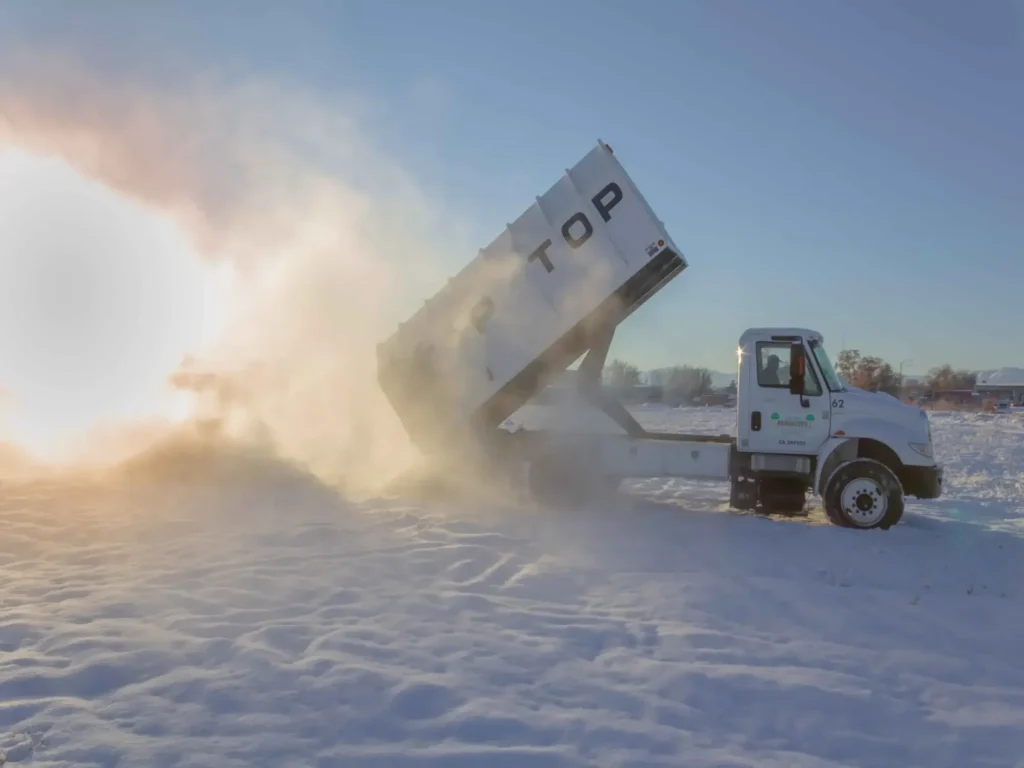
Can I Remove a Tree Near Power Lines in Lancaster, CA? tree growing too close to power lines can be a hazard waiting to happen. In Lancaster, CA, where summer winds and desert conditions can stress trees, managing branches near electrical lines is not only smart, it’s essential. But can you remove that risky tree yourself or hire someone? And what rules apply? Let’s unpack the safety, legal, and practical steps—all with a friendly Tip Top twist. Why Tree Removal Near Power Lines Matters 1. Safety FirstElectricity and trees don’t mix well. Branches touching power lines can cause fires, outages, and even electrocution. If that tree sways and makes contact during a windstorm, it could knock lines out, spark a blaze, or put your home at risk. 2. Legal ResponsibilitiesIn Lancaster, power line clearance isn’t just a good idea. Utility companies and the city have rules. If a tree near lines causes damage, you could face liability for repair costs or fines, even if the issue wasn’t entirely your fault. 3. Preventive Care Saves MoneyCutting back or removing a dangerous tree before it becomes a problem is usually less expensive than dealing with emergency removal, tree damage, or worse. Who’s Responsible for What? Property OwnerIf the tree is on your property, it’s your responsibility to keep it trimmed and away from power lines. You can’t simply let it grow unchecked or cut it down without permission. Utility Company (e.g., Southern California Edison)They maintain clearance around high-voltage lines on their right-of-way, but not trees on private property unless they threaten their equipment. Licensed ArboristsThese are the folks with the training, licensing, gear, and insurance to safely trim or remove trees near lines. They follow ANSI standards and coordinate with utilities when necessary. Can You Remove the Tree Yourself? Here’s the deal: DIY isn’t usually safeWorking near energized lines without training is extremely risky. A small mistake could be deadly. Local rules applyThe City of Lancaster and Southern California Edison require you to hire certified professionals for clearance work near live lines. It’s safer and smarter to hire a proYou’ll avoid liability, work delays, and danger that come with DIY in this situation. How to Professionally Remove a Tree Near Power Lines 1. Call a Certified ArboristThese days, that should mean someone who’s ISA certified, bonded, insured, and trained in utility line clearance. 2. They Assess the RiskThe arborist inspects the tree, its proximity to lines, and your property layout to make a safe work plan. 3. Permits and ApprovalsIf removal is required and the tree is protected or in a city regulated zone, your arborist helps secure the necessary city permits. 4. Coordinate with Utility CompaniesFor trees close to energized lines, arborists must contact SCE to schedule a utility disconnect or have line clearance supervision. 5. Remove or Trim the Tree SafelyUsing climbing gear, cranes, or other approved methods, the arborist removes the tree with minimal risk. If needed, limbs are dropped onto tarps for debris control. 6. Clean Up and RestoreStump is ground, debris is hauled away or chipped, and the site is left clean. Then, you get a safe, tidy yard and eliminated hazard. What the City of Lancaster Requires While guidelines may evolve, here’s what’s generally needed: Any tree removal near public infrastructure or protected trees usually needs a permit. If utility lines run across your property, the arborist’s removal plan must be approved by the City’s Planning or Public Works Department. Always check with Lancaster’s Planning Division at (661) 723-6100 before scheduling work. Common Questions & Quick Answers How close can a tree be to power lines?Utilities often require a minimum clearance, commonly 10 feet horizontally and several feet vertically, depending on the line voltage. What counts as a “protected” tree?Oaks, Joshua trees, mature native trees, or those tied to approved landscape plans. Removing these usually triggers permit rules. What if the tree is dead or dying?Even dead trees need permits if they’re near lines or protected. But the removal request is more likely to be approved quickly. Why Tip Top Arborists Is the Right Choice ● Experience and ExpertiseWe’ve been safely trimming, removing, and managing tricky trees since 1976. We know Lancaster, tree biology, equipment, safety standards, and electrical coordination. ● Certified and InsuredISA certified arborists, trained in utility clearance, with full bonding and insurance. We handle permits and safety protocols so you don’t have to. ● Utility CoordinationWe work directly with SCE and the City. That means scheduled service interruptions, supervised trimming, and no guesswork or hold-ups. ● Clean, Caring ServiceWe treat your property like our own. No mess. No fence damage. Just safe removal and a yard you can enjoy again. Cost Breakdown (Approximate) Assessment & consultation: Free to $150 depending on complexity Utility coordination and permits: $100 to $300 Tree removal near lines: $1,200 to $4,500 plus (depending on tree size, proximity to lines, and removal difficulty) Stump grinding and cleanup: Add $250 to $1,000 Tip Top Arborists offers transparent estimates and explains all costs upfront. Safety Is Non-Negotiable Our arborists use rubber protective gloves, insulated gear, and live-line tools. We climb with rigging lines, not hack away from ladders. We ground-check trees and coordinate with utilities to ensure lines are de-energized or protected. Debris is lowered safely, not dropped to damage structures or lines. Final Advice: Don’t Wait Until It’s Urgent Trees near power lines don’t wait for warnings. You don’t want to get a call after a branch has knocked out your power or worse. If you’re concerned, have an arborist check it out now. The cost of prevention is far less than emergency repairs or liability. Need a second opinion or just want peace of mind? Give Tip Top Arborists a call. We’ve been keeping Lancaster’s trees in tip-top shape since 1976. Book a Free Estimate | Explore Our Services
Why Are My Junipers Dying in Lancaster CA? 5 Signs form Our Certified Arborists.
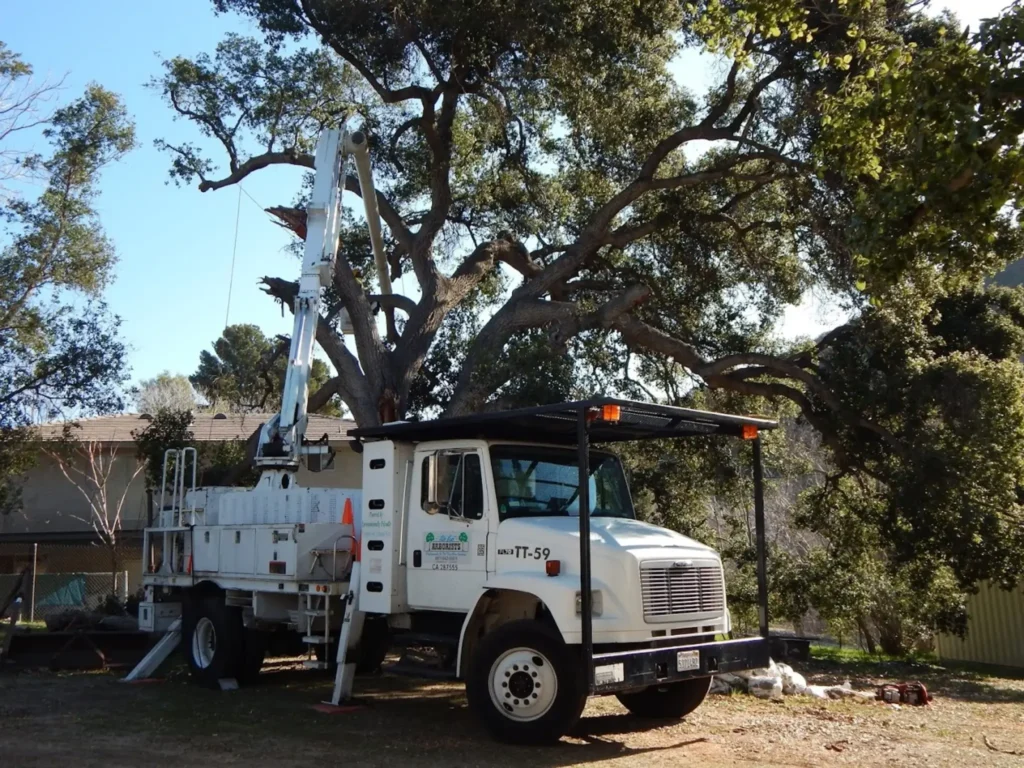
A Concerned Homeowner Writes In About Yellowing Taylor Junipers Reader Question: Hi! I had three Juniper Taylor trees planted by a local landscaping crew a little over a month ago. About a week after they went in, we got slammed with heavy rain. Now, all three are turning yellow from the bottom up , and it’s not just color, it’s crispy. We’ve also had temps in the 90s lately, and I can’t tell if I’m underwatering, overwatering, or if they’re just doomed. They came with a warranty, but I don’t want to replace them unless they’re truly gone. Any advice? Concerned in the Southern California Arborist’s Response: Why Are My Junipers Dying in Lancaster CA?- First of all, this is such a common situation , and you are 100% right to pause before replacing them. Trees are tough, but newly planted ones are going through major stress transitions. What you’re seeing may not be the end , it might just be a rough patch. Let’s break this down into what’s likely happening, what you can do, and how to tell if there’s still hope. What’s Likely Happening to Your Junipers 1. Root Stress from Saturated Soil When a young tree goes in the ground, its roots are still shallow and adjusting. Heavy rainfall right after planting can drown those new roots, especially in compacted or clay-rich soil. If the soil holds water like a sponge, oxygen can’t get in, and the roots start to suffocate. That leads to the early signs of decline: yellowing needles, then browning, usually starting at the base of the tree. Even if the surface soil dries out, the deeper soil near the root ball might still be holding moisture. In that case, the roots are still under water stress , not from lack of water, but from too much. 2. Heat Stress on Top of Root Stress When temps hit the 90s or higher, trees rely heavily on their root systems to pull in moisture and cool themselves. If your tree is already struggling underground, the top starts suffering fast. That crispy texture you’re seeing is often the foliage burning because it’s not getting what it needs from below. 3. Improper Planting Depth or Soil Conditions Another possible issue? The trees might have been planted too deep, or with the wrong kind of backfill. If the root flare is buried or the soil was compacted too tightly around the root ball, the roots won’t establish properly. Over time, this can cause stress symptoms that mimic water issues , even if you’re watering correctly. What You Can Do Right Now to avoid saying “Why Are My Junipers Dying in Lancaster CA?” You’re not helpless here. There are several easy, practical steps you can take today to diagnose the problem and give your junipers their best shot at recovering. 1. Check the Soil with a Simple Test Take a screwdriver, stake, or long stick, and push it down into the soil next to the base of the tree. If it slides in easily and feels wet or smells sour, you’re likely overwatered or dealing with poor drainage. If it’s hard, dry, or crumbly, it might be time to increase water frequency, or amend the soil to retain moisture better. This one test can save you guesswork. 2. Water Strategically, Not Constantly Many homeowners either overcompensate with water or hold back too much when trees start looking sick. Here’s the truth: junipers prefer deep, infrequent watering. That means giving them a good soak (10–15 gallons for young trees) about once every 5–7 days during hot weather. If the soil drains fast, you may need more frequent watering, but let the top few inches dry out before going again. Avoid shallow daily watering, it just wets the surface and encourages weak roots. 3. Mulch Smartly Apply a 2–3 inch ring of organic mulch (wood chips or bark work well), but keep it pulled back 2–3 inches from the trunk itself. This keeps the root zone cooler, improves moisture retention, and helps suppress weeds, without trapping moisture right against the trunk. A mulch “donut” is perfect. A mulch “volcano” can cause rot. 4. Hold Off on Fertilizer This is one of the most common mistakes: trying to “feed” a stressed tree. Fertilizer adds stress when the plant is already struggling, especially during hot weather. It forces the tree to try to grow when it really just needs to survive. Wait until the tree is stable (ideally next season) before applying any nutrients. 5. Trim Gently (Only What’s Truly Dead) Remove dead, brittle foliage that breaks easily. If it snaps and is brown all the way through, go ahead and prune. But be conservative. Anything that still has green, even pale green, can recover and still provide energy for the tree. Bonus Tip: Inspect the Planting Job Many issues start on day one. If you didn’t plant the tree yourself, take a moment to check the work. Dig around the base of one of the trees and make sure: You can see the root flare (where the trunk starts to widen). The root ball isn’t still in a burlap sack or wrapped in plastic. The roots aren’t girdled (circling tightly in the hole). The planting hole was at least twice the width of the root ball, not just the same size. If any of these look off, that could explain the symptoms. What Does Recovery Look Like? Here’s the truth: you’re not going to see immediate turnaround overnight. Trees, especially evergreens, are slow responders. It could take several weeks, even a couple of months, to see signs of improvement. What you do want to watch for: Fresh green growth at the tips of branches No further browning or dieback Upright posture and flexible branches New root anchoring (you’ll feel more resistance if you gently rock the tree) If things continue to decline even after consistent care, then it’s worth documenting with photos and talking to the installer about a warranty replacement.
Spring Tree Trimming Specials in Lancaster, CA
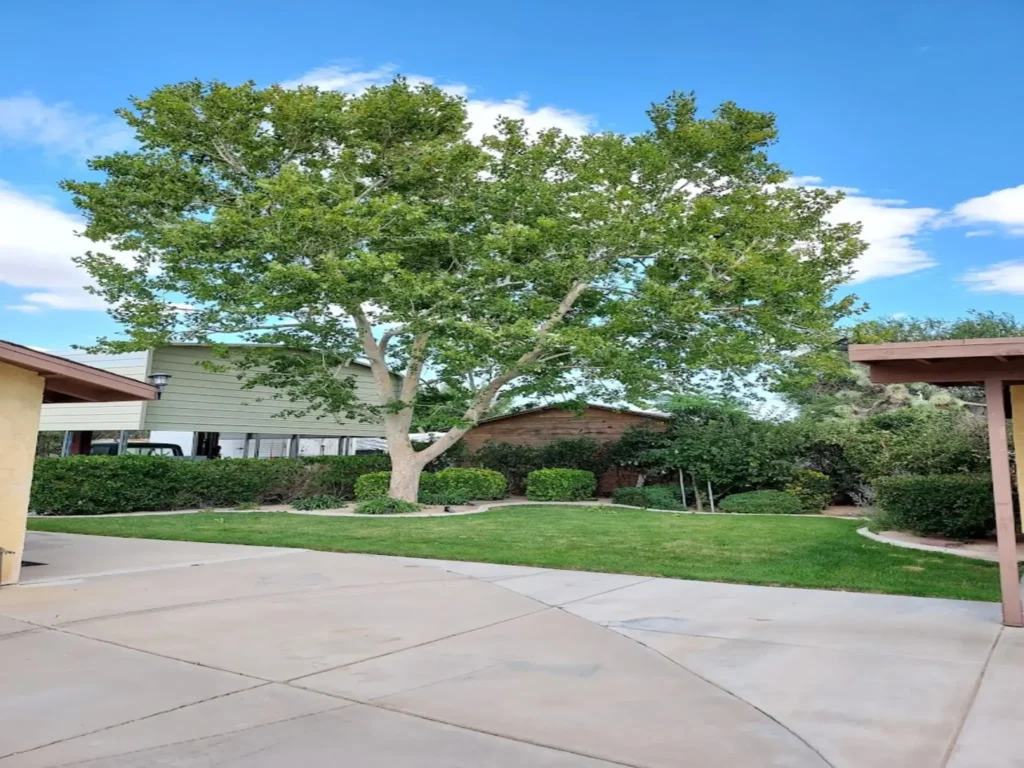
Spring Tree Trimming Specials in Lancaster, CA Spring is finally here, and with it comes the perfect chance to get your trees in tip-top shape. It doesn’t matter if you’re a seasoned arborist, a homeowner with a jungle for a backyard, or just someone who wants their landscape to look good, spring is prime time for tree trimming. In Lancaster, CA, there are some great seasonal specials going on that make professional tree care more affordable than ever. Let’s talk about why spring is such a smart time for trimming, what kind of deals are out there, and how you can make the most of this season’s growth spurt. Why Spring is the Best Time to Trim Your Trees Spring is a season of growth. After a long winter of dormancy, trees start waking up, sending out new buds and stretching their branches. This natural growth phase makes it the ideal moment for a proper trim. Healthy Growth When you trim trees in the spring, you’re helping them grow better. Removing dead or overgrown branches lets the tree put its energy into new shoots. That results in a healthier structure, a more balanced canopy, and better resistance to pests, wind, and harsh weather. Spring trimming encourages trees to grow fuller and stronger, and since the tree is already “awake,” it recovers faster from pruning. Disease Prevention Trimming now also helps prevent disease and pest problems. Removing weak or infected branches early can stop issues before they spread. A good spring trim is like a wellness check—it keeps your trees from needing more serious care later. And in a place like Lancaster, where summers can be dry and harsh, a healthy tree going into the season has a much better shot at thriving. Safety First Spring storms are no joke. If you’ve got weak, dead, or overextended branches, now’s the time to deal with them. Removing risky limbs helps prevent them from falling on your car, your roof, or worse. Regular trimming lowers the chance of surprise breakage, especially as wind picks up in the warmer months. A little effort now can save you a lot of damage (and dollars) later. Curb Appeal and Aesthetics Let’s be honest—trimming your trees just makes your place look better. Shaping them in spring gives you a clean canvas to enjoy all season long. Healthy, well-shaped trees bring symmetry, beauty, and a tidy feel to your yard. If you’re thinking of selling your home or just want to impress the neighbors, a properly trimmed tree adds instant value. What Spring Tree Trimming Specials Look Like in Lancaster Now that we’ve covered why you should trim in spring, let’s talk deals. In Lancaster, a lot of tree service companies run seasonal promotions to help homeowners get ahead of the game without draining their wallets. Discounted Trimming Rates Plenty of local arborists offer anywhere from 10% to 20% off their standard rates for spring trimming services. These deals are usually limited to the early part of the season, so it’s smart to schedule before the calendar fills up. Some companies even offer free consultations, so you can get an expert’s opinion on what your trees need without committing up front. It’s a win-win—you learn what to do, and if you decide to go ahead, you’ve already got a plan in place. Bundle Packages Some services in Lancaster are bundling tree trimming with other yard maintenance services, like lawn care or irrigation checkups. These packages offer great value and are perfect if your whole landscape needs a bit of TLC. Bundled services often include pruning, shaping, debris cleanup, and sometimes even a follow-up visit to make sure everything’s growing well. This is ideal for busy homeowners or folks managing larger properties. Health Checkups and Preventative Care Spring is also a great time to get a full health check on your trees. Many tree services are offering specials that combine trimming with diagnostics. Think of it like a physical for your landscape. These inspections might include soil testing, pest evaluations, and nutrient checks. That way, you’re not just trimming for looks, you’re setting your trees up for long-term success. Commercial Property Specials If you run a business or manage commercial properties in Lancaster, don’t miss the bulk discounts available this spring. Many services offer reduced rates for larger jobs, including office parks, rental properties, and retail spaces. Professional tree care creates a more inviting environment for customers and employees alike. Plus, regular trimming keeps your grounds safe and presentable, which is never a bad thing for your bottom line. How to Choose the Right Arborist Great deals are only great if the work is done right. Choosing the right arborist or tree service company makes all the difference. Here’s how to know you’re hiring someone you can trust. Check Their Credentials Make sure your arborist is certified and insured. Look for credentials from organizations like the International Society of Arboriculture (ISA). Proper training and certification mean the person trimming your trees understands how to do it safely and effectively. Insurance is a must, not just to protect their workers, but to make sure you’re covered in case anything goes sideways. Ask for References A solid tree service company should have happy customers. Don’t be afraid to ask for reviews or referrals from past clients. A quick phone call or scroll through online reviews can tell you a lot about how they treat their customers—and their trees. Experience with Local Conditions Lancaster has a unique climate, so it helps to hire someone who knows what local trees need. Whether you’re dealing with California sycamores, desert willows, or the occasional fruit tree, a local expert will be familiar with how each species responds to pruning in spring. Experience matters, especially when you want to get results that last. Prioritize Safety Ask about safety practices. Do they use proper ropes? Do they follow standard climbing procedures? Are they using modern, well-maintained equipment? As someone who’s been in the
Best Commercial Tree Services Lancaster CA – Certified Arborists
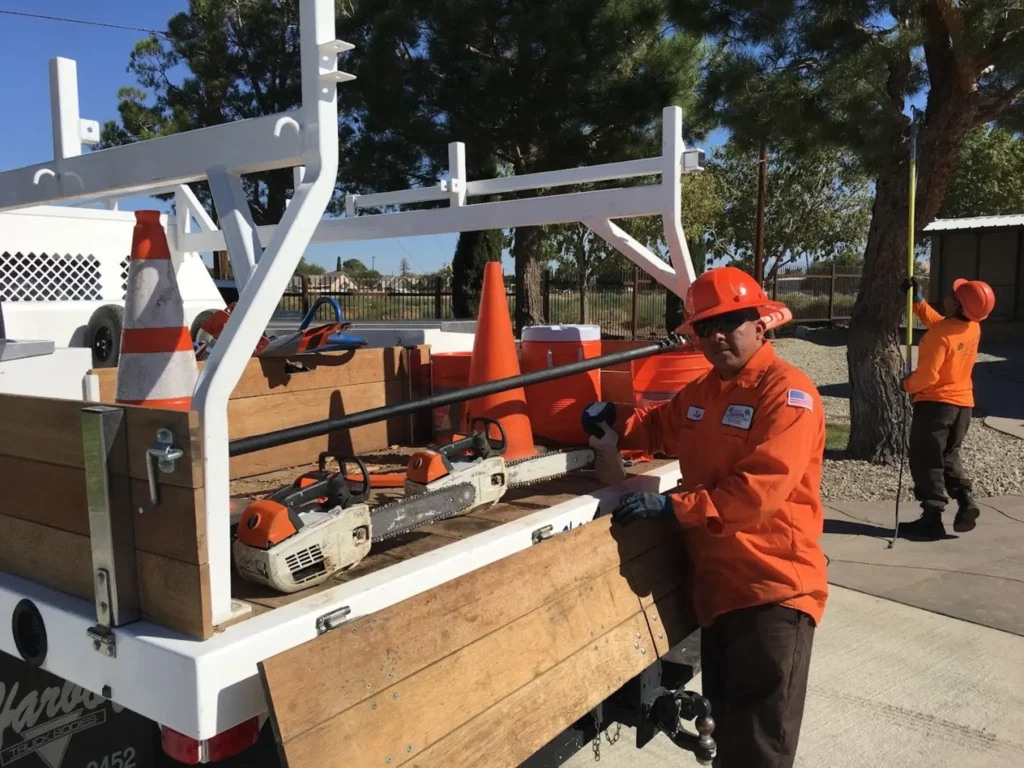
Explore the top commercial tree services in Lancaster, CA, with certified arborists ensuring safety, beauty, and long-term value for large properties.