
Sprout’s Tree Mission: Native Backyard Trees in Lancaster, CA
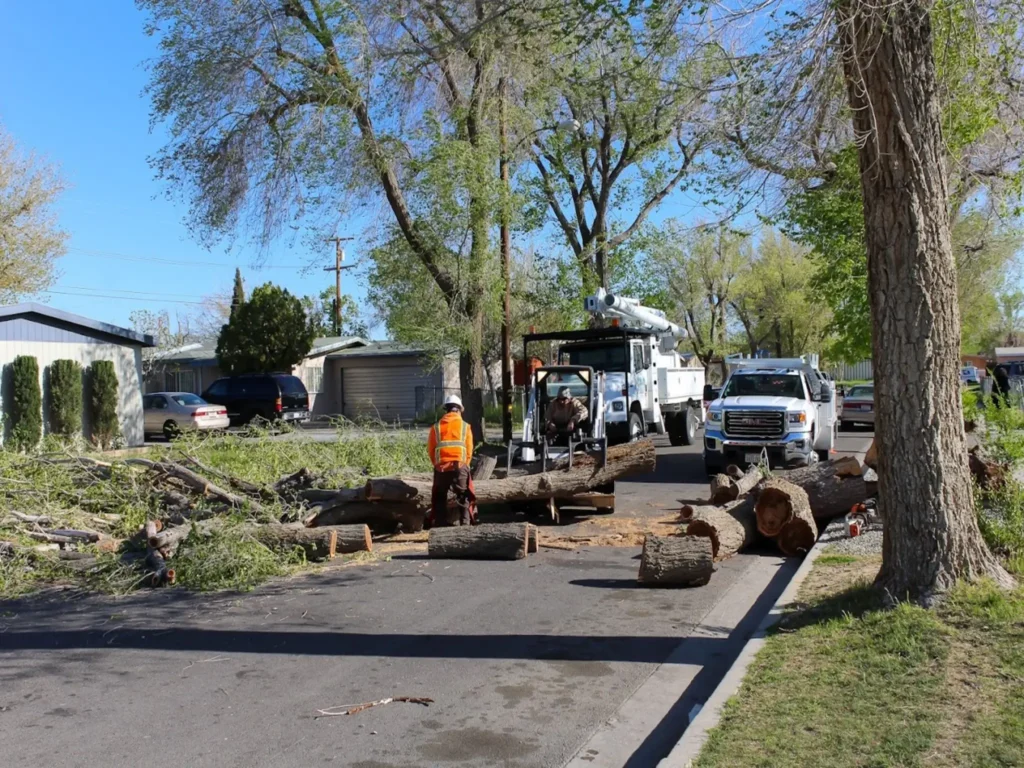
Sprout’s Backyard Tree Mission By: Tom Baal One sunny morning in Lancaster, CA, Sprout stepped outside with dirt on his knees and big plans in his heart. He’d been reading up on native trees and was now on a mission—to turn his backyard into a full-blown tree haven. “Native trees are the real MVPs,” Sprout said to his dog, Barkley, while sketching a map of his yard. “They know this land, and they don’t ask for much—just a little water, sunshine, and some respect.” What Makes Native Trees So Special? As Sprout explained to Barkley, native trees are built for Lancaster’s dry, sunny climate. They’ve spent thousands of years figuring out how to survive here—no fancy fertilizers or daily watering schedules required. “Unlike those thirsty non-native types,” Sprout said, “these trees don’t need a spa day to stay healthy.” Not only do they thrive in the local soil, but they’re also pros at saving water and cutting down on yard work. Win-win. The Wildlife Welcomes Them Sprout noticed that since planting a few native species, his yard had turned into a bird-and-bee buffet. “See that hummingbird, Barkley? He didn’t show up for the fake palm tree last summer,” Sprout said, pointing to the buzzing activity around his new Palo Verde. Native trees give local wildlife the shelter and snacks they’ve come to expect. That means more birds, more butterflies, and fewer bugs that bug you. Less Fuss, More Green “I like trees that know how to handle themselves,” Sprout said, tossing mulch around the base of a Western Sycamore. Native trees are tougher against pests and diseases, which means less need for sprays or treatments. That’s good news for Sprout’s family, the planet, and his Saturday mornings. Sprout’s Favorite Native Picks Not all trees are created equal. Some give shade, some add color, and some attract wildlife. Here are Sprout’s top three choices for Lancaster’s backyard champions: California Fan Palm – Tough, tall, and drought-tolerant. This one’s perfect if you want shade with style. Western Sycamore – It’s a beauty with a wide canopy and bark that peels in cool patterns. Great for a backyard retreat. Palo Verde – With green bark and bright yellow flowers, it looks like sunshine even in the shade. Plus, pollinators love it. Designing a Tree-Friendly Backyard Sprout didn’t stop at planting. He wanted a full eco-friendly setup, so he followed a few smart landscaping tips: Xeriscaping – That’s just a fancy word for planting stuff that doesn’t need much water. Group similar plants together, throw down mulch, and you’re already saving water. Shade the Smart Way – Sprout placed trees where their shade would help cool down the patio. He also built a simple pergola with his dad to stretch the shade even more. Use the Right Materials – Instead of concrete, he used gravel and mulch paths that let rain soak into the ground. “Permeable is powerful,” Sprout told Barkley, who promptly ran through the mulch trail like it was a racetrack. Keeping It Green and Clean Sprout’s mission didn’t stop with tree planting. He wanted to make sure his yard stayed healthy and helpful. Compost for the Win – Sprout turned veggie scraps and fallen leaves into garden gold. His trees loved the nutrient boost. Water Wisely – Drip irrigation and early morning watering kept things cool and efficient. “No sense watering the sidewalk,” Sprout reminded his neighbors. Bug Patrol – Instead of reaching for bug spray, Sprout encouraged ladybugs and lacewings to take care of the pests. Tree Tips for the Pros Sprout’s uncle is an arborist, and he gave Sprout the lowdown on how the pros do it right: Right Ropes – Strong, reliable ropes are key when planting or moving big trees. Safety always comes first. Safe Climbing – Regular gear checks and training make sure every job ends with high fives, not hospital visits. Teamwork – Clear communication and the right protective equipment help arborists plant and care for trees the Tip Top way. Sprout’s Backyard Wrap-Up In the end, Sprout looked over his freshly planted oasis with pride. The native trees were settling in, birds were chirping, and Barkley had found a new favorite napping spot in the shade. “You don’t need a jungle to make a difference,” Sprout said. “Just a little know-how, the right trees, and a shovel.” So, whether you’re a homeowner with big dreams or an arborist with big gear, take a page from Sprout’s book. Native trees, smart planning, and a little love can turn any backyard into a thriving, eco-friendly retreat. Did You Know? Native trees help recharge local groundwater by reducing runoff A mature tree can lower the surrounding air temperature by up to 10 degrees Xeriscaped yards can use up to 60 percent less water than traditional lawns Many native trees, like the Palo Verde, attract hummingbirds, bees, and butterflies, boosting pollination in your garden Composting can reduce household waste by up to 30 percent while feeding your soil naturally Tip Top Arborists Since 1976, Tip Top Arborists has been Southern California’s trusted partner in professional tree care. Based in Lancaster, CA, and surrounding areas—delivering expert tree trimming, removal, and maintenance services with safety, science, and integrity at the core. We’re not your average “guys with chainsaws.” We’re ISA Certified Arborists with deep industry knowledge, modern equipment, and a commitment to customer care that’s been passed down for nearly five decades. From storm damage cleanup to long-term tree health management, our team helps property owners protect their investment—and enhance their curb appeal—year-round. Experienced We have been in the industry for over 45 years. Choosing us means choosing proven experience and expertise. Insured Your safety is our highest priority. We are bonded and insured to protect you, your property, and our team. Licensed Our contractor’s license #821770 is current and active with the CSLB. Hiring us means hiring licensed tree experts. Recycling We are as committed to the environment as we
Best Tree Care Services Lancaster CA | Seasonal Experts
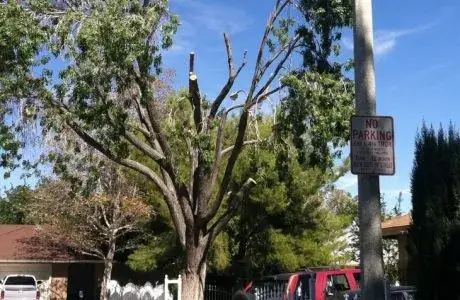
Looking for expert tree care services in Lancaster, CA? Explore seasonal pruning, trimming, and protection tips from certified arborists.
The Willow’s Weep: Exploring the Symbolism Behind Mourning Trees
The Willow’s Weep: Exploring the Symbolism Behind Mourning Trees There’s something about the weeping willow that catches your eye and tugs at your heart. Maybe it’s the way its branches hang low, almost like it’s sighing or lost in thought. This graceful tree, with its drooping limbs and delicate leaves, has earned the nickname “mourning tree” over the years, and it’s easy to see why. Its shape looks like it’s weeping, and that has inspired stories, art, and meaning for centuries. But the willow’s story is richer and warmer than just sadness. Weeping willows have been part of human life for thousands of years. You might picture them near peaceful ponds or along lazy riverbanks, their branches trailing in the water as if they’re whispering secrets to the breeze. That connection to water makes sense because willows love moist soil. They thrive near streams and lakes, soaking up the damp earth beneath them. But with a little care, they can live in other places too, as long as their roots don’t dry out. These trees are surprisingly tough once they get going, growing fast and filling out with a dramatic, elegant canopy. The mournful look of the willow has inspired many legends and symbols across cultures. People have long seen the tree as a sign of mourning or remembrance. In poetry and art, its weeping form often represents loss or sorrow, but also a gentle kind of hope. After all, the willow doesn’t just droop sadly, it sways and dances in the wind, showing a quiet strength beneath its delicate appearance. That mix of grace and resilience makes it feel like a friend who understands the tough times but still stands tall. Beyond symbolism, willows have practical uses that might surprise you. The bark of willow trees contains a natural compound called salicin, which is related to the ingredient in aspirin. Long before modern medicine, people chewed willow bark to ease aches and fevers. It’s a reminder that nature often holds the answers we need, quietly waiting in the background. Plus, the branches have been used for weaving baskets and making furniture, showing how these trees have been woven into human life in many ways. Willows are also a boon for wildlife. Birds love nesting in their branches, feeling safe and sheltered. Insects find refuge among the leaves, and all this life buzzing and chirping around the tree creates a small ecosystem right in your yard or park. If you want a spot that feels alive and connected to nature, planting a willow can help bring that magic. Taking care of a weeping willow is pretty straightforward but it does ask for some space and attention. Because they grow quickly and have wide-reaching roots, they aren’t the best fit for tiny yards or places where pipes and foundations are close by. But if you have room to let them stretch, willows can be show-stoppers. They’re not too fussy about soil but do need consistent moisture. If they start looking droopy or the leaves get dry, it’s usually a sign they need a drink. Pruning helps keep them neat and healthy, especially if you clear out dead branches before they become a problem. Regular check-ins are the best way to keep your willow happy and growing strong. The willow’s charm goes beyond its appearance and care needs. It’s a tree that invites you to pause and reflect. Sitting beneath its branches feels like stepping into a quiet world, away from the rush of everyday life. It’s no wonder so many people plant them near gardens, parks, or peaceful spots where people come to think and remember. The willow reminds us that it’s okay to feel all the feelings: grief, joy, hope, and that even when we’re hanging low, there’s strength in simply swaying with the wind. So, whether you’re thinking about adding a weeping willow to your yard or just admiring one from afar, remember that this tree carries stories far older than us. It’s a symbol of grace under pressure, of quiet resilience, and a gentle reminder that nature always finds a way to heal and grow. And if you ever spot one with branches dipping into a pond or casting soft shadows on a summer day, take a moment to appreciate that delicate dance, the willow’s own way of telling a story that’s both old and evergreen. Did You Know? Weeping willows are often used in memorial plantings because of their associations with grief and remembrance. The willow bark was historically used as a pain reliever, later inspiring modern aspirin Psalm 137 famously mentions hanging harps on willows by Babylon’s rivers, a symbol of mourning and longing FAQs About Dancing Trees Why is the weeping willow called a “mourning” tree?It’s mainly because of its drooping branches that look like they’re hanging down in sadness. Over time, people connected that graceful “weeping” shape with mourning and remembrance. Do weeping willows only grow near water?They love moist soil and often thrive near ponds, rivers, or lakes, but with regular watering, they can grow well in other spots too. Just keep the soil damp and they’ll be happy. Are weeping willows difficult to care for?Not really! They grow fast and are pretty hardy if you keep their roots wet and prune dead branches now and then. Just give them enough space, they have big roots. Have questions about the trees in your own yard? Tip Top Arborists is here to help you care for your living legends. Let our certified arborists provide expert guidance for a lifetime of healthy trees. Contact Us Today
Top Landscaping Design Ideas with Trees in Lancaster CA
Discover creative and sustainable landscaping design ideas using trees in Lancaster, CA. From shade and privacy to aesthetics and value—make your desert yard thrive beautifully.
Sprout’s Underground Adventure

Join Sprout on an underground adventure to uncover the secrets of tree roots! Dive into the hidden world beneath our feet and discover the amazing ways roots support and nourish the trees around us. Get ready to explore!
Unveiling the Enchantment of Magnolia Trees: Leafy Library Series
Unveiling the Enchantment of Magnolia Trees: Leafy Library Series Not all trees stay rooted in one spot, some of them actually move, albeit slowly. As we delve into the captivating world of trees through the Leafy Library series, we come across an array of peculiar tree facts, intriguing historical anecdotes about trees, and the profound ways in which trees influence our everyday lives. Each article in this series serves as a delightful fusion of curiosity and amazement, encouraging you to perceive trees in a fresh and enchanting light. In this particular exploration, we shine a spotlight on the majestic Magnolia tree—an emblem of beauty, resilience, and grace. Let’s unravel the enchantment that surrounds this extraordinary tree, which has captured the admiration of countless individuals across the globe. The Magnolia tree, renowned for its exquisite, fragrant flowers and lustrous green leaves, boasts a long and illustrious history dating back thousands of years. Originating from East Asia and the Americas, this tree has been held in high esteem by diverse cultures for its aesthetic appeal and symbolic significance. In Chinese culture, the magnolia is often linked with femininity and delicacy, while in American folklore, it represents nobility and endurance. One of the most fascinating aspects of the Magnolia tree is its remarkable adaptability and ability to thrive in a variety of environments. From the muggy swamps of the American South to the frosty peaks of East Asia, the Magnolia tree exhibits robust growth in diverse climates, underscoring its resilience and vitality. The flowers of the Magnolia tree are a true spectacle to behold. Large, flamboyant, and redolent, these blooms come in a spectrum of colors including white, pink, and purple, attracting bees, butterflies, and other pollinators. Apart from their visual allure, magnolia flowers have a history of traditional medicinal use due to their calming and anti-inflammatory properties. In terms of cultural importance, the Magnolia tree holds a special place in the hearts of many. In the Southern United States, magnolias frequently feature in literature, art, and music, embodying the elegance and charm of the region. The Magnolia tree is designated as the official state flower of Mississippi and Louisiana, further solidifying its significance in Southern heritage. Beyond its ornamental value and symbolic resonance, the Magnolia tree plays a crucial role in the ecosystem. Serving as a vital source of sustenance and protection for various creatures including birds and insects, the Magnolia tree promotes biodiversity and helps sustain the delicate equilibrium of nature. By fostering the growth and conservation of Magnolia trees, we can contribute to the well-being and continuity of our environment. In conclusion, the Magnolia tree stands as a testament to nature’s splendor, with its beauty, resilience, and cultural relevance captivating individuals worldwide. As we embark on a journey through the wondrous realm of trees within the Leafy Library series, let us revel in the allure of the Magnolia tree and the myriad gifts it bestows. Echoing the wise words of Ralph Waldo Emerson, “The creation of a thousand forests is within one acorn.” Let us cherish and safeguard these magnificent trees that enrich our world with their beauty and vitality. Should you ever find yourself in need of professional tree care assistance or seek guidance on planting and nurturing Magnolia trees, remember that Tip Top Arborists is at your service. Contact us today for all your tree care needs, and allow us to assist you in transforming your outdoor space into a verdant, vibrant sanctuary. Did You Know? Magnolia trees have been around for millions of years, with fossilized remains dating back over 95 million years, making them one of the oldest flowering plants on Earth. The Magnolia tree is named after French botanist Pierre Magnol, who played a significant role in the development of modern botanical classification systems in the 17th century. In traditional Chinese medicine, various parts of the Magnolia tree, including the bark and flowers, have been used to alleviate stress, anxiety, and menstrual cramps, showcasing its medicinal properties. FAQs About Dancing Trees Why are Magnolia trees admired?They’re loved for their stunning blooms, glossy leaves, and timeless symbolism. Where do Magnolia trees come from?They originate from East Asia and the Americas. What do Magnolias symbolize?They represent beauty, resilience, and femininity across cultures. Have questions about the trees in your own yard? Tip Top Arborists is here to help you care for your living legends. Let our certified arborists provide expert guidance for a lifetime of healthy trees. Contact Us Today
Affordable Bulk Tree Pruning Services Lancaster CA
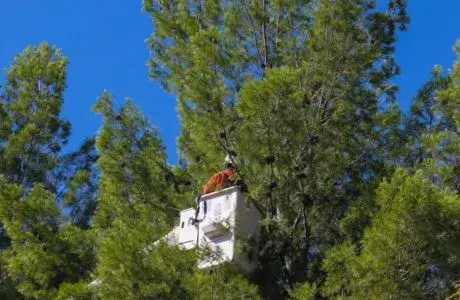
Bulk Tree Pruning for Apartment Complexes in Lancaster, CA Managing trees on apartment properties isn’t just about keeping things tidy. In a city like Lancaster, CA, with its mix of desert weather, seasonal winds, and plenty of foot traffic, it’s about keeping trees healthy, safe, and looking sharp. That’s where bulk tree pruning step in. For property managers and landlords, it’s a smart way to handle large-scale maintenance while protecting both residents and real estate. Let’s break down why bulk pruning matters and how it helps your apartment complex stay safe, attractive, and cost-effective. Why Tree Pruning Matters for Apartments Tree pruning does a lot more than clean up messy limbs. It’s essential for safety, tree health, and maintaining a beautiful landscape. Dead or overgrown branches can be a hazard, especially in high-traffic areas. For apartment complexes, where kids are playing, cars are parked, and people are constantly coming and going, even one falling limb could be a serious liability. Regular pruning clears out these risks before they become problems. It also helps trees breathe. With better air circulation and light exposure, trees grow stronger and more resistant to disease. Think of it as a wellness check for your landscape. Safer Property, Happier Tenants When your trees are well-maintained, your property sends a message. It says you care about safety, appearances, and the people who live there. That’s a big deal in a competitive rental market like Lancaster. Well-pruned trees can also reduce noise from nearby roads and help with privacy and shade. That makes your property feel more like a home, not just a place to crash. Plus, a neat and healthy landscape boosts curb appeal and property value, which helps attract and retain tenants. Why Bulk Pruning Saves Time and Money When you’ve got dozens of trees to maintain, trying to tackle them one at a time just doesn’t work. Bulk pruning services are built for apartment complexes, giving you one coordinated approach to care for everything at once. Here’s what you get when you go bulk: Efficiency – One team, one schedule, all your trees handled together. That means fewer service calls, less tenant disruption, and faster results. Better Rates – Tree companies often offer discounted pricing for large jobs. That makes bulk pruning a budget-friendly option. Consistent Look – Trees pruned at the same time have a uniform, polished appearance. It keeps the whole complex looking professional. Fewer Surprises – Regular maintenance helps prevent costly emergencies from broken limbs or diseased trees down the line. Why Professional Help Makes a Difference Bulk tree pruning isn’t a job for weekend handymen. It takes experienced professionals who know how to handle different tree species, manage height safely, and work efficiently in busy residential spaces. In Lancaster, CA, a qualified tree care team will know how to work with local trees and climate conditions. They’ll bring the right equipment, follow safety protocols, and make sure each cut supports long-term tree health. They’ll also identify potential issues early, which saves you from bigger problems later. When you hire pros, you’re not just buying a service, you’re investing in expertise and peace of mind. Planning for the Long Term A good tree service doesn’t just trim and leave. They’ll work with you to set up a regular schedule so you can budget and plan ahead. That means you won’t have to scramble when something goes wrong. Coordinating annual or seasonal pruning keeps your property in top shape. It also means fewer interruptions for tenants and better long-term outcomes for your trees. How to Choose the Right Tree Service in Lancaster Not all companies are created equal. Here’s what to look for when hiring a team to handle bulk tree work on apartment properties: Local Knowledge Choose a company that knows Lancaster’s climate and the types of trees that grow well here. They’ll be better equipped to recommend solutions that work long-term. Certified Arborists Look for companies with certified arborists on staff. They’re trained to care for trees using industry-best practices and science-backed methods. Good Reviews and Proven Results Check reviews from other property managers in the area. A team with consistent, positive feedback is more likely to deliver quality results. Proper Licensing and Insurance Make sure they’re fully licensed, insured, and compliant with local regulations. That protects both your trees and your liability. Custom Plans Avoid one-size-fits-all services. The best tree care providers will assess your specific property, species, and needs to create a plan that fits you. The Arborist Advantage Professional arborists do more than trim branches. They evaluate tree health, help design care schedules, and bring advanced skills like climbing with rope systems that allow them to work around buildings and other obstacles safely. Rope technique is especially important in tight spaces like apartment courtyards. A good arborist knows how to move efficiently without damaging property or disturbing tenants. Many arborists will also educate maintenance staff and property managers on basic tree care and warning signs. That way, your team can stay ahead of small issues before they turn into bigger ones. Invest in Smarter Tree Care When you schedule bulk tree pruning for your apartment complex in Lancaster, you’re making an investment in safety, beauty, and long-term value. You’re protecting your tenants, improving your curb appeal, and preventing costly damage — all in one move. Well-pruned trees aren’t just about looks. They’re about creating a cleaner, safer, more inviting place for people to live. And that’s what helps your property stand out. So, if it’s been a while since your last pruning session, don’t wait. Let a local team of professionals handle it all at once and keep your apartment complex looking and feeling Tip Top. Need a second opinion or just want peace of mind? Give Tip Top Arborists a call. We’ve been keeping Lancaster’s trees in tip-top shape since 1976. Book a Free Estimate | Explore Our Services
Trees for Antelope Valley: Thrive in Any Climate
Discover the best trees for Antelope Valley that thrive in high desert climates. Learn planting tips, tree care, and low-maintenance landscaping ideas.
24/7 Emergency Tree Services in Lancaster, CA

Who Offers 24/7 Emergency Tree Services in Lancaster, CA? Trees can surprise you when you least expect it. One minute they’re providing shade and curb appeal, the next they’re blocking your driveway or tilting toward your roof after a windstorm. And let’s face it, trees don’t care what time it is when they decide to come crashing down. That’s why having a reliable 24/7 emergency tree service on speed dial isn’t just smart, it’s essential. Whether it’s due to storms, old age, or just bad luck, tree emergencies can strike at any time. They bring more than just a mess – they bring safety risks, property damage, and major disruptions to your day. But with the right crew on call, you can stop the chaos before it spreads. We’re talking about experienced pros with the training and equipment to step in quickly and get things back to normal. Why 24/7 Tree Services Are a Lifesaver Emergencies rarely come with a heads-up. A sudden crack in the middle of the night, a big branch splitting off during a school pickup run, or a tree tipping dangerously close to your home – these aren’t things you want to wait on. The faster you act, the more damage you prevent, and the safer everyone stays. That’s where round-the-clock services shine. You call, they come. No waiting for office hours, no temporary fixes. Just quick, professional help when you need it most. And that kind of peace of mind? You can’t put a price on it. The Importance of Fast, Safe Response When a tree emergency happens, it’s not just about cleaning up the mess. It’s about knowing how to assess the situation safely. Professionals are trained to spot risks most of us wouldn’t notice – unstable limbs, power line hazards, root damage. They use the right tools and methods to take care of the issue without putting anyone (or anything) else in danger. Fast response also minimizes disruption. You’ve got enough on your plate without having to reroute traffic on your own property or block off an entire area for days. A reliable tree service gets in, gets it done, and helps you breathe easier. Tools of the Trade Let’s be clear: this is not a DIY moment. Emergency crews come prepared with serious equipment – think cranes, chippers, heavy-duty saws, rigging systems. These tools let them work faster and safer, especially when trees are large, awkwardly placed, or tangled with structures. More importantly, the people using those tools know exactly what they’re doing. They’re not just cutting and hauling – they’re problem solving on the fly, ensuring the job gets done right the first time. Top Companies in Lancaster Offering 24/7 Emergency Tree Services You’ve got options in Lancaster, and that’s a good thing. Here are three trusted names that local homeowners and businesses rely on when things get dicey: Lancaster Tree Care Experts Known for their responsiveness and skilled arborists, this team handles everything from storm cleanup to major tree removals. They’re available around the clock and come equipped with top-notch tools and training. Their customer-first approach means they don’t just show up – they listen, explain, and leave your property safer than they found it. That’s what makes them a staple in the Lancaster area. Green Leaf Tree Service Speed matters in an emergency, and Green Leaf delivers. Their 24/7 crew is always ready, and they know how to handle everything from toppled trunks to dangerously dangling limbs. What sets them apart is their commitment to long-term solutions. They’ll advise you on next steps, tree health, and how to avoid future headaches – all while keeping your property tidy and safe. All American Tree Service This locally trusted team is known for their thorough work and clear communication. Whether you’ve got a fallen tree on a fence or limbs brushing against your roof, they’ll take care of it quickly and carefully. They walk you through every step, offer fair pricing, and make sure you know exactly what’s going on. It’s emergency help with a neighborly touch. How to Choose the Right Emergency Tree Service Here’s what to look for before making the call: Certified Arborists: You want people who know trees – not just how to cut them down, but how to diagnose issues and protect your property. Certification shows training and professionalism. Real 24/7 Availability: Check that they’re truly on call. Emergencies don’t wait, and your service provider shouldn’t either. Equipment + Experience: The right tools matter. So does the experience to use them safely. Ask about their gear and how they approach different types of emergencies. Reputation: Read reviews, talk to neighbors, or check social media. A solid track record says a lot about how they’ll treat your situation. The Arborist Difference In tree emergencies, arborists do more than show up with a chainsaw. They read the situation – looking at structure, balance, disease, and decay. They know how to secure a tree without making things worse and how to prioritize safety without sacrificing your landscape. Arborists don’t just fix the issue in front of them – they look at the big picture. Will this tree recover? Is another one at risk? What’s the safest, most cost-effective path forward? That kind of insight saves money, time, and future stress. Planning for the Unexpected Let’s be honest: most folks don’t think about emergency tree services until they need them. But a little planning goes a long way. Save the number of a trusted service in your contacts. Walk your yard occasionally, looking for leaning trees, dead branches, or signs of root exposure. And know when to call for a professional opinion. You don’t have to be an expert – that’s what we’re here for. But being aware and prepared means you’ll be ready when the unexpected happens. Final Thoughts Tree trouble doesn’t follow a schedule, but you can. With reliable 24/7 emergency tree services in Lancaster, you’re never stuck facing the worst alone. Whether it’s a fallen
Top-Rated Arborist Services in Lancaster, CA
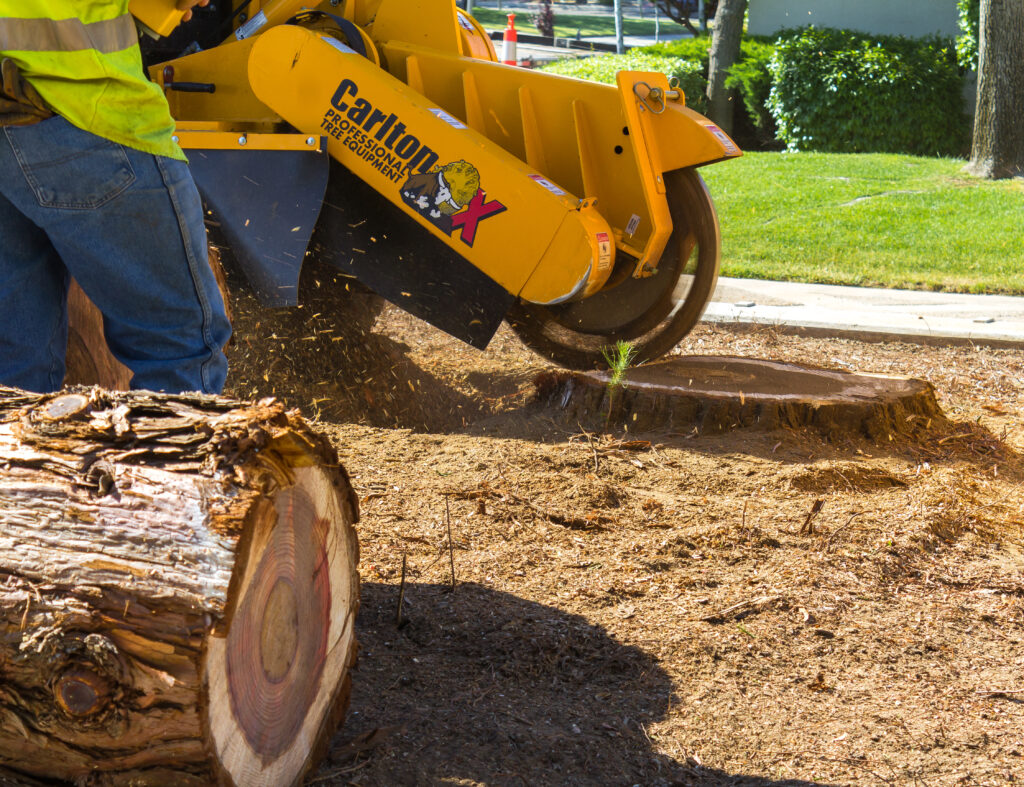
Best-Rated Local Arborist in Lancaster, CA When it comes to tree care, finding the best-rated local arborist in Lancaster, CA is key to keeping your yard beautiful and your trees healthy. Trees aren’t just part of your landscape, they’re living, growing parts of your home, and they deserve real care. Whether you need trimming, pruning, or removal, hiring a certified arborist means the job gets done safely and right. Let’s break down why that matters, what to look for, and how to find the right pro for the job. Why Hire a Certified Arborist? A certified arborist isn’t just someone who trims trees on weekends. These folks are trained, tested, and know tree care inside and out. They’ve studied tree biology, pruning, safety, diseases, pests, you name it. They bring real knowledge and experience to every job. Here’s why that matters for your trees: They can spot problems early, like stress, disease, or pests. They give solid advice on trimming, pruning, and soil care. They help your landscape stay healthy, season after season. Safety First, Always Let’s be honest, tree work isn’t exactly low-risk. Sharp tools, big branches, and heights don’t mix well without the right skills. Certified arborists are trained to work safely, with the right equipment, so you don’t have to worry. They’ve got: Specialized gear for safe climbing and cutting Training for emergency situations like unstable trees Experience handling tough jobs, even in tricky spots – check out our emergency tree service Using the Right Tools for the Job Good arborists don’t just show up with a ladder and a saw. They use professional-grade tools and know how to use them the right way. And they keep up with the latest tree care techniques, so your trees get the best care available. Why this matters: Using the wrong tools can damage your trees. The right gear makes work faster, safer, and cleaner. It protects your property from unnecessary mess or damage. Services Arborists Offer Whether you need a quick trim or a full removal, the best arborists in Lancaster, CA can handle it all. Here’s what they typically offer: Tree Trimming & Pruning Removes dead or weak branches Keeps trees healthy and shaped nicely Prevents falling branches during storms Tree Removal Safely takes down trees that are damaged or dangerous Stump grinding so your yard’s clean and ready for the next project Emergency Tree Services Fast response after storms Clears dangerous branches or fallen trees Helps prevent further property damage Tree Planting & Consultation Helps you choose the best trees to plant in spring (or anytime) Guides you on planting and long-term care Why Rope Matters (Yes, Really) If you’ve ever seen arborists at work, you know ropes are a big deal. Using the right kind of rope keeps everyone safe. Dynamic ropes: Slight stretch, great for climbing Static ropes: No stretch, ideal for lowering heavy branches And they don’t just grab any rope, they inspect them carefully before every job to avoid accidents. Real Talk from Real Experience I’ve been there, working on a tricky rigging job with a big, heavy branch overhead. Having the right rope made that job safe and smooth. Safety gear isn’t just “nice to have” it’s essential. Always choose quality over shortcuts. How to Find the Best Arborist in Lancaster, CA Now that you know what makes a great arborist, here’s how to find one: Check Reviews: Look online or ask neighbors for recommendations. Look for Certification: Make sure they’re certified by the International Society of Arboriculture (ISA). Compare Quotes: Talk to a few, ask questions, and trust the ones who explain things clearly. Let’s Keep Your Trees Tip Top Choosing the best-rated local arborist in Lancaster, CA isn’t just about your trees, it’s about protecting your home, your property, and your peace of mind. With a certified arborist on your side, you’ll have someone who knows how to keep your trees healthy, your yard looking great, and your weekends worry-free. Good trees deserve good care—and that’s exactly what we’re here for. Book a Free Estimate | Explore Our Services