
Sprout’s Tree-tastic Adventure: Nurturing Nature With Love
Embark on a magical journey with Sprout as he cools off under a trimmed palm tree. Join in on the fun as we explore how nature and love go hand in hand in this tree-tastic adventure! #nurturingnature #childrensblog
Storm Damage Tree Assessment & Removal in Lancaster CA
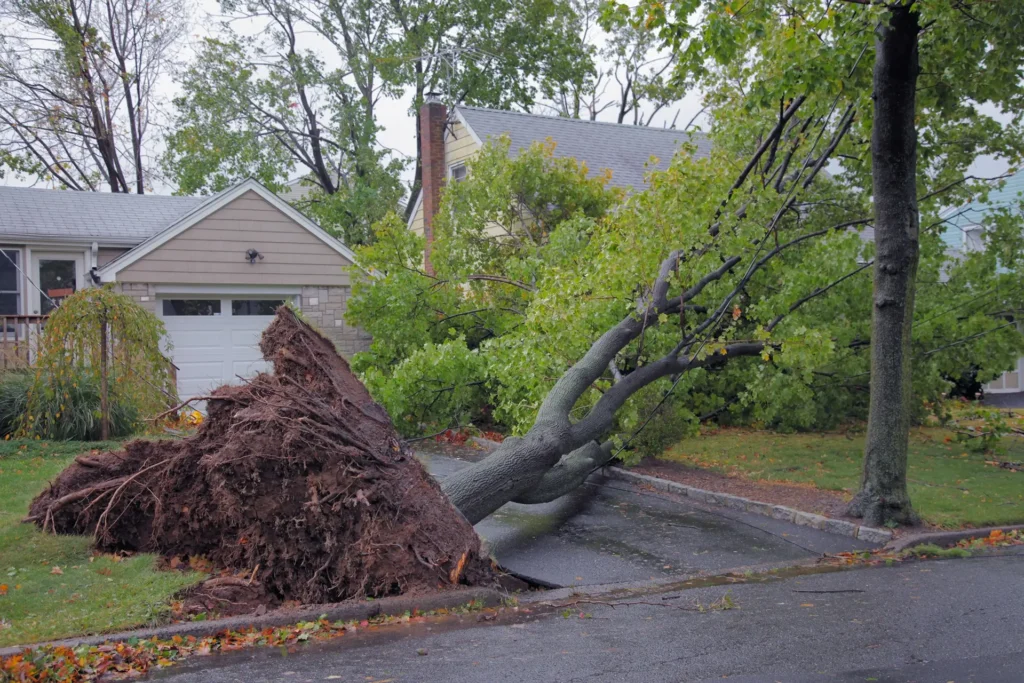
Storm Damage Tree Assessment in Lancaster, CA When the skies open up and the winds pick up, trees in Lancaster often take the hit. Broken branches, split trunks, even full uprootings—it’s not just messy, it can be dangerous too. That’s why storm damage tree assessment isn’t something to put off. It’s the first step in making your yard safe again, and figuring out what your trees need to bounce back—or be safely removed. Whether you’re a pro arborist, climbing instructor, or just someone who loves a well-kept yard, knowing how to assess storm damage is essential. We’re walking you through the signs, the steps, and the smart moves to make after the storm clears. Types of Storm Damage Storms don’t play favorites, and trees can take a beating in all kinds of ways: Broken Branches – Wind and weight snap branches, often leaving sharp, unsafe edges. Uprooted Trees – Wet soil and wind are a bad combo. Uprooted trees can take out fences, power lines, or worse. Split Trunks – A deep split can mean the whole tree’s unstable. Hanging Limbs – They might not fall right away, but they’re ticking time bombs. Spotting these issues early helps prevent accidents and bigger cleanups down the line. Why a Tree Risk Assessment Matters Doing a tree risk assessment isn’t just for looks. It’s about safety, savings, and making smart calls. Here’s why it counts: Safety – Cracked limbs or leaning trees can fall fast and hard. Insurance – You’ll need a detailed assessment to back up any storm-related claim. Preservation – Not every damaged tree needs to go. Some just need a little TLC. If you’re unsure, licensed emergency tree pros in Lancaster can help you figure it out quickly and safely. How to Assess Tree Damage After a Storm Step-by-Step Walkthrough Look Around – Do a walkaround and check for visible damage. Cracks, exposed roots, broken limbs—it all matters. Look Up – Use binoculars to spot issues high in the canopy. Hanging limbs aren’t always easy to see from the ground. Rate the Risk – Is the tree near your home, driveway, or power lines? The closer the risk, the faster you need to act. Document It – Take clear photos. Write down what you see. It’ll help with insurance and tracking next steps. Call a Pro – If the tree’s large or the damage is bad, bring in a certified arborist. They’ll know what to do next. Use the Right Gear If you’re climbing or rigging for cleanup, gear matters: Dynamic Ropes – Absorb shock, perfect for climbing. Static Ropes – Good for hauling or rigging big limbs Harness + Helmet – Safety always comes first. Your team should be trained and geared up before going up a tree. No exceptions. Emergency Tree Services in Action Sometimes, waiting isn’t an option. If a tree’s leaning, blocking access, or threatening to fall, you need emergency help: Cabling and Bracing – Helps stabilize weakened trunks or limbs. Selective Pruning – Removes dangerous sections while saving the tree if possible. Urgent Tree Removal – When it can’t be saved, swift removal keeps the site safe. A reliable tree service in Lancaster can handle these fast and professionally. Insurance Tips for Tree Damage Here’s what to keep in mind when dealing with coverage: Know Your Policy – Some cover full tree removal, others just the cleanup. Have Your Docs Ready – Reports, photos, even video can strengthen your claim. Use Approved Services – Some insurers want you to use certain vendors. Ask first. Working with a reputable local tree service helps ensure you meet all the requirements without delays. Best Practices for Tree Pros and Crews Safety First Train Often – Everyone on your crew should be up to date on gear, safety, and climbing. Always Assess First – Don’t just start sawing. Know the risks before you start. Use the Right Gear – No cutting corners when it comes to helmets, harnesses, and ropes. Keep Learning Stay Sharp – Attend workshops and events. Cert Up – Keep those certifications current. Learn from the Field – Every storm teaches something new. Final Thoughts Storms might be unpredictable, but your response doesn’t have to be. Whether you’re clearing a single tree or inspecting an entire property, proper storm damage assessment makes all the difference. At Tip Top Arborists, we’ve seen it all—and we’re here to help. From fast emergency calls to thoughtful risk assessments, we’re committed to keeping Lancaster safe and beautiful, one tree at a time. If a storm’s rolled through and you’re unsure what to do next, give us a call. We’ll walk the yard with you, check every branch, and help you figure out what’s next. Because your safety and your trees deserve nothing less. Need a second opinion or just want peace of mind? Give Tip Top Arborists a call. We’ve been keeping Lancaster’s trees in tip-top shape since 1976. Book a Free Estimate | Explore Our Tree Services
The Tree Trimmer of Lancaster: A Tale of Pruning Magic
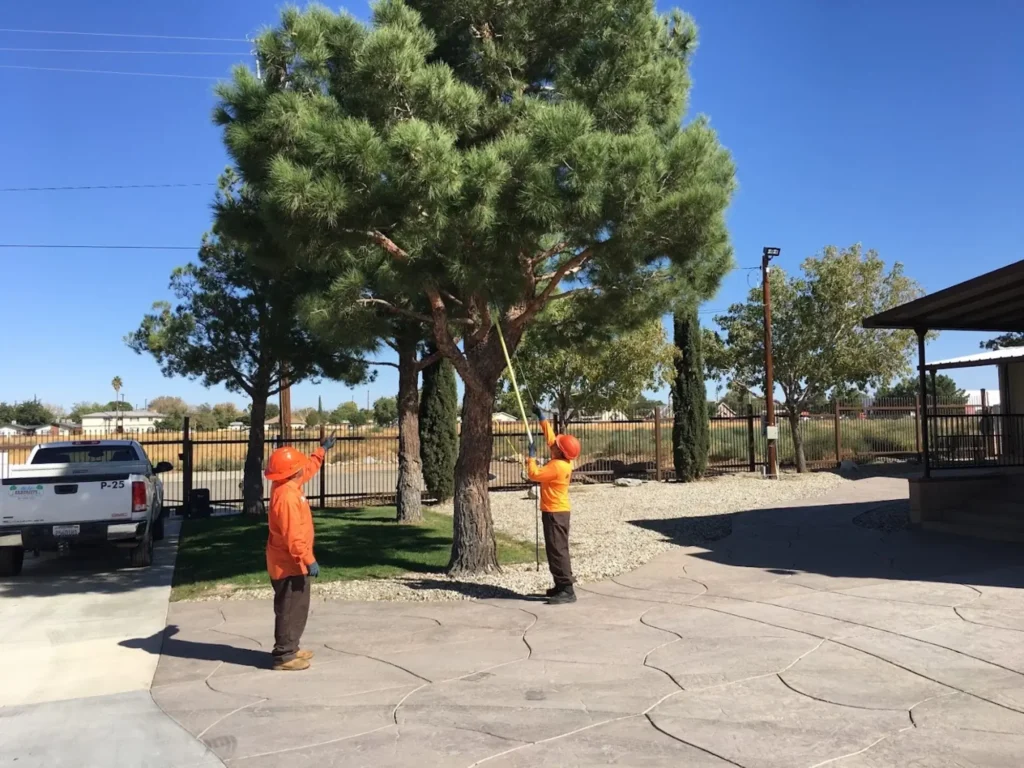
Unveil the secret world of tree trimming with Sprout, the magical Tree Trimmer of Lancaster! Join in the adventure as we explore why trees love haircuts, and unlock the mysteries of pruning magic together. Let’s dive in and discover the wonders of nature!
Unveiling the Stories of Famous Trees: Journey with Leafy Library
Unveiling the Stories of Famous Trees: Journey with Leafy Library In the heart of the forest, where time almost seems to freeze in its tracks, you’ll find yourself surrounded by trees that have borne witness to the ebb and flow of entire civilizations. These aren’t just any trees – they are the renowned ancient giants that hold within them the hidden tales of centuries gone by. Join us on a journey to unveil the extraordinary narratives that lie behind these majestic beings, from the towering sequoias of California to the revered oaks of Sherwood Forest. Our first destination transports us to the rugged mountains of California, where the resilient bristlecone pines cling to life amidst some of the harshest conditions this planet has to offer. These trees, some with an age exceeding 4,000 years, have withstood countless storms, droughts, and fires, steadfastly standing as silent sentinels of time. The twisted, gnarled branches of these magnificent trees speak volumes of resilience and endurance, evoking awe and wonder in all who gaze upon them. Venturing across the pond, our next stop takes us to the legendary Sherwood Forest, famed for being the abode of the iconic oaks that provided shelter to the legendary outlaw Robin Hood and his band of Merry Men. These ancient trees, with their colossal trunks and sprawling canopies, have come to symbolize freedom and justice, embodying the very essence of the forest itself. Walking amidst them, one can almost hear the whispers of bygone eras, the echoes of a distant past that refuses to fade from memory. Our adventure proceeds to the enchanting island of Madagascar, where the majestic baobab trees stand tall against the backdrop of a surreal landscape. These distinctive trees, with their stout trunks and expansive branches, have become emblems of resilience and strength in the face of adversity. According to local legends, the baobabs were planted upside down by the gods, their roots stretching towards the sky in a bold display of defiance. Finally, our expedition takes us to the land of the rising sun, where the fleeting beauty of cherry blossoms captivates hearts and minds every spring. These delicate trees, adorned with their ethereal pink blossoms, have long been held in high esteem in Japanese culture as symbols of renewal and rebirth. The annual cherry blossom festivals, known as hanami, draw visitors from all corners of the globe to witness the mesmerizing spectacle of nature’s ephemeral beauty. As we bid adieu to the famous trees that have captured our imaginations and stirred our souls, we’re reminded of the profound connection between humanity and the natural world. These ancient giants, with their silent wisdom and timeless presence, serve as poignant reminders of our place in the grand tapestry of life. Let us continue to cherish and safeguard these living legends, for they are the custodians of our past and the protectors of our future. Did You Know? Some bristlecone pines in California are over 4,000 years old, making them among the oldest living organisms on Earth. Sherwood Forest’s Major Oak is estimated to be around 800–1,000 years old and weighs over 23 tons! The baobab’s nickname is “the upside-down tree”—thanks to legends that say the gods planted it with its roots in the sky. FAQs About Dancing Trees What is the oldest tree in the world?The bristlecone pine in California’s White Mountains is over 4,800 years old. Why is Sherwood Forest so famous?It’s linked to the legend of Robin Hood and home to ancient oaks like the Major Oak. Are baobab trees really upside down?Not literally—but their branch structure makes them look like roots reaching skyward! Have questions about the trees in your own yard? Tip Top Arborists is here to help you care for your living legends. Let our certified arborists provide expert guidance for a lifetime of healthy trees. Contact Us Today
Desert Climate Tree Care Lancaster CA
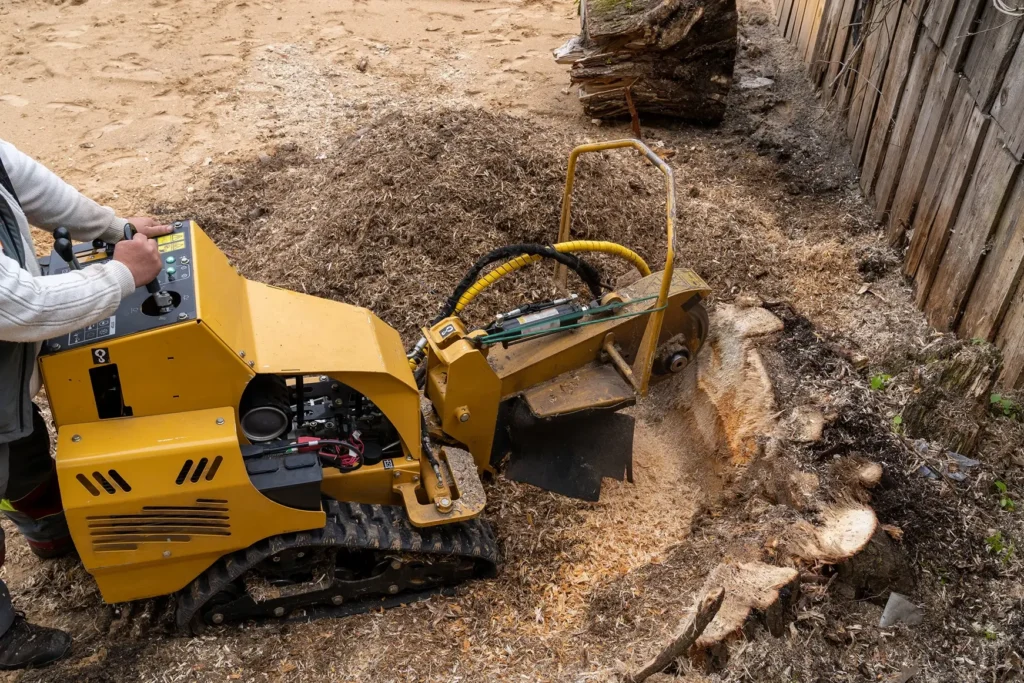
Desert Climate Tree Care Lancaster CA Living in Lancaster, CA, and wondering how to keep your trees healthy in the middle of a dry desert? You’re not alone. Folks out here know that tree care in arid places like the Antelope Valley takes a little extra know-how. The heat’s no joke, and neither is the lack of rain, but with the right game plan, your trees won’t just hang on, they’ll thrive. Let’s walk through some seasonal tree care tips to help your trees handle the wild desert weather. It all starts with knowing how the local climate affects tree health. The desert climate in Lancaster brings hot summers, mild winters, and almost no rain. Trees in this area need extra care to not just survive but actually flourish. Hot sun and dry winds pull moisture out of the soil fast, leaving trees thirsty and stressed. Knowing what your trees are up against helps you plan better. To keep trees healthy, you need to think smart about watering, soil, and picking the right trees for the job. Seasonal Tree Care Tips for Lancaster, CA Spring Preparation: As things start warming up, it’s time to get trees ready for summer. Start with a good inspection to catch any pests or disease early. Add compost or organic material to boost soil health and help the ground hold water better. Clearing weeds or grass around the tree’s base lets roots soak up more moisture and nutrients as the growing season kicks in. Summer Maintenance: In the heat of summer, a solid watering routine is key. Deep, infrequent watering works better than light, frequent watering. It trains roots to grow deeper, where the ground stays cooler and wetter. A nice, thick layer of mulch will keep that moisture where it belongs and shield roots from the worst of the heat. Watch closely for wilting or scorched leaves, and adjust care if needed. Fall Fertilization: Fall is prime time for giving your trees a boost before winter. Go with a slow-release fertilizer to feed trees steadily through the colder months. Doing a soil test now helps you spot what your trees might be missing. That way, by spring, they’ll have everything they need to grow strong. in the spring. Winter Pruning: Winter’s your chance to prune trees while they’re dormant. Removing dead or weak branches now cuts down on pest problems later and keeps the tree’s structure strong. Clean cuts with sharp tools are the way to go. And if you’re working on larger or older trees, it’s worth calling in a pro to make sure the job gets done right. Tree Watering Schedule for Desert Areas Watering trees in a desert climate can be tricky. Here are some key points to keep in mind: Early Morning or Late Evening: Always water early or late to beat evaporation. That way, the roots have time to soak it up before the heat rolls in. As the seasons change, tweak your schedule to match the weather and rainfall. Deep Watering: Go deep with your watering, once or twice a week. Shallow watering just encourages weak roots that won’t help during drought. If you can, use drip systems or soaker hoses to get the water right where it matters. Mulching: Mulch is your tree’s best friend. Spread a nice, thick layer around the base, but keep it a few inches from the trunk itself. It keeps the soil moist, evens out temperatures, and stops weeds from stealing water. Organic mulch, like bark or wood chips, breaks down slowly and feeds the soil as it goes. Protecting Your Trees from Drought Drought conditions are common in Lancaster, CA, but you can take steps to protect your trees: Select Drought-Resistant Trees: If you’re planting new trees, stick with ones that handle dry climates well. Favorites for Lancaster include Palo Verde, Mesquite, and Olive trees. These trees need less water and are naturally tougher against heat. Plus, native species help local wildlife feel right at home. Regular Health Assessments: Check on your trees regularly. Look for drooping leaves, brown edges, or early leaf drop, all signs of water stress. Finding problems early gives you a chance to fix them before they get worse. For larger properties, having an arborist do regular checkups is a smart move. Tree Fertilization and Deep Root Feeding Fertilizing trees in Lancaster, CA, is vital for maintaining their health and vigor: Balanced Nutrients: Choose fertilizers that include nitrogen, phosphorus, and potassium. These cover all the basics for growth, root health, and general strength. The right blend might change depending on your soil and what kind of trees you’ve got, so adjust as needed. Deep Root Feeding: This method gets nutrients straight to the roots where they can do the most good. It works especially well for older or more established trees. Deep feeding also helps break up compacted soil and encourages roots to spread. Fall or early spring is the perfect time to get this done. Trees That Thrive in the Antelope Valley Choosing the right trees for your landscape is crucial in a desert climate. Here are some arid climate trees that thrive in Lancaster, CA: Desert Willow: Known for its beautiful blossoms and drought resistance, the Desert Willow is an excellent choice for the Antelope Valley. Its ability to attract pollinators like bees and hummingbirds adds ecological value to your landscape. Desert Willows are also relatively low-maintenance, making them a practical choice for busy homeowners. Arizona Cypress: This evergreen tree is not only drought-tolerant but also provides year-round color and privacy. Arizona Cypress trees are well-suited to the desert climate and can serve as windbreaks or visual screens. Their aromatic foliage and attractive bark add aesthetic appeal, enhancing the overall landscape design. Western Redbud: With its vibrant spring blooms and adaptability to dry conditions, the Western Redbud is a favorite among local gardeners. This tree’s striking flowers provide early-season color, while its compact size makes it suitable for a variety of landscape settings. Western
Do I Need a Permit to Remove a Tree in Lancaster CA?

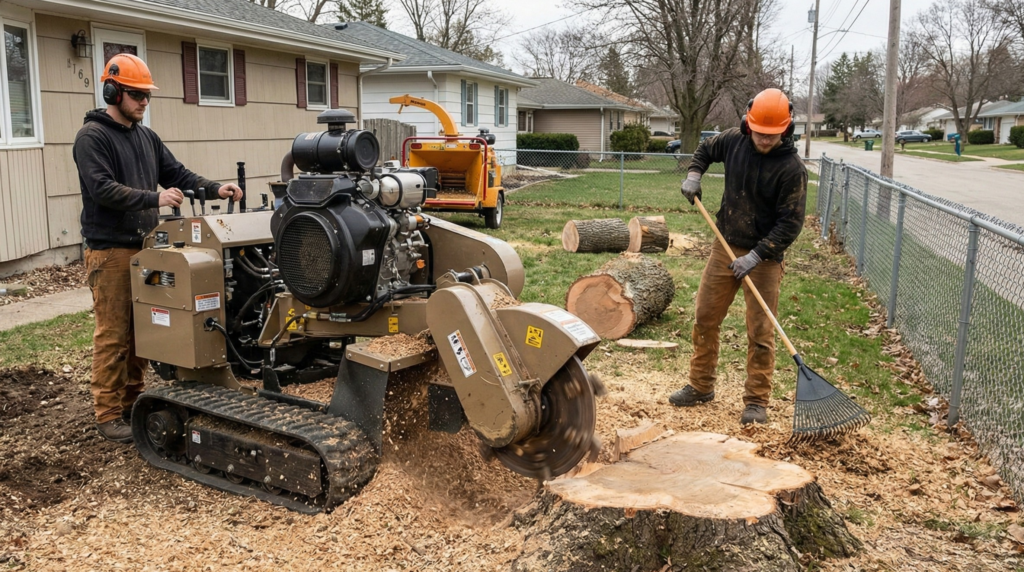
Tree Permits Lancaster Ca- Do I Need a Permit to Remove a Tree in Lancaster CA? Short answer? If you’re planning to remove a tree in Lancaster, CA, don’t rev up the chainsaw just yet. The City of Lancaster has specific rules in place to protect both property and nature. These aren’t just red tape—they’re designed to keep our neighborhoods beautiful, safe, and ecologically balanced. At Tip Top, we believe in doing things right the first time, so here’s what you need to know before making the first cut. Permits Aren’t Just Paperwork Tree removal permits are about more than city stamps and signatures. They help Lancaster monitor protected species, preserve shade and habitat, and make sure your removal doesn’t create safety or drainage issues down the line. If the tree is large, near a public space, or one of Lancaster’s protected species, you’ll need to file for a permit through the Planning Department. So, What’s the Process? Start by asking: does this tree actually need to go? Is it diseased? Damaging property? A safety risk? In many cases, pruning or bracing may be the better choice. When in doubt, call in a certified arborist for an assessment. If removal is necessary, contact the City of Lancaster to get up-to-date requirements. You’ll fill out a permit application, provide details about the tree, and explain why it needs to be removed. Fees and inspections may apply. The city will review your request and may visit the site before issuing approval. Only once that green light is given should removal begin. Why Bother? Here’s Why: Why Skipping the Permit Isn’t Worth the Risk Skipping the permit can mean big fines—and trust us, they’re not cheap. But the cost goes far beyond your wallet. Unpermitted tree removal can cause lasting damage to Lancaster’s local ecosystems, disrupt habitat for birds and wildlife, and even lower your property’s value in the eyes of future buyers. Lancaster’s permit system isn’t just red tape—it’s a safeguard. Many trees in the area are protected for a reason. Some are historic. Others serve as critical windbreaks, shade providers, or erosion control barriers. And let’s not forget the safety factor: trees near sidewalks, schools, or power lines need to be managed with extra care. The city’s ordinances are there to help homeowners make smart, responsible decisions—not to slow things down unnecessarily. Removing a tree without the proper paperwork might also lead to additional costs down the line. You could be forced to plant replacement trees, pay restoration fees, or deal with a stop-work order that delays your project altogether. And if the tree was part of a conservation effort or protected species list? You could be looking at a hefty citation and some very unhappy neighbors. We get it—permits sound like a hassle. But they’re there to protect more than just the tree. They help preserve neighborhood beauty, air quality, and long-term property values. For more on why tree protection matters—and the ripple effects of removing trees without planning—check out this excellent resource from the Arbor Day Foundation. When in doubt, ask the pros. At Tip Top Arborists, we’ll walk you through the permitting process and make sure your tree removal plan checks every box, legally and environmentally. A quick call today can save you a serious headache later. Power Lines? That’s a Whole Other Thing If your tree is near power lines, you’ll need to loop in your utility provider too. These situations require specialized removal methods to avoid serious danger. Call before you cut—it’s not just a best practice, it’s a safety must. Pro Tip: Work With Pros At Tip Top Arborists, we’re familiar with Lancaster’s regulations and can help you navigate the permit process smoothly. We handle the paperwork, coordinate inspections, and make sure your tree is removed safely and legally. Tree Permits Lancaster CA- The Takeaway Tree removal isn’t something you want to wing. Before you make any moves, check in with the City of Lancaster and talk with a licensed pro. With the right guidance, the process is smooth—and your property (and the planet) will thank you. Need help with a tree removal permit in Lancaster CA? Let Tip Top handle the red tape while you focus on the big picture. Give us a call today! Thinking About Tree Removal in Lancaster? Let’s Do It the Right Way. Before you make the cut, make sure you’re covered. At Tip Top Arborists, we help homeowners stay compliant, safe, and stress-free with every tree removal project. Need help navigating the permit process or deciding whether a tree really needs to go? Get the facts on our Lancaster tree removal services See if your tree qualifies for emergency tree removal Or schedule a consultation with a certified arborist Contact Tip Top Arborists today—your trusted local pros since 1976.
Learn About Trees With Sprout: Sprout’s Snacktime Tree Discovery
Embark on a delicious journey with Sprout as he uncovers the secrets of the tree world through snacks! Let’s explore the parts of a tree together in a fun and tasty way. Join us for a snacktime adventure like no other!
Expert Lancaster CA Tree Care Tips for Desert Climates
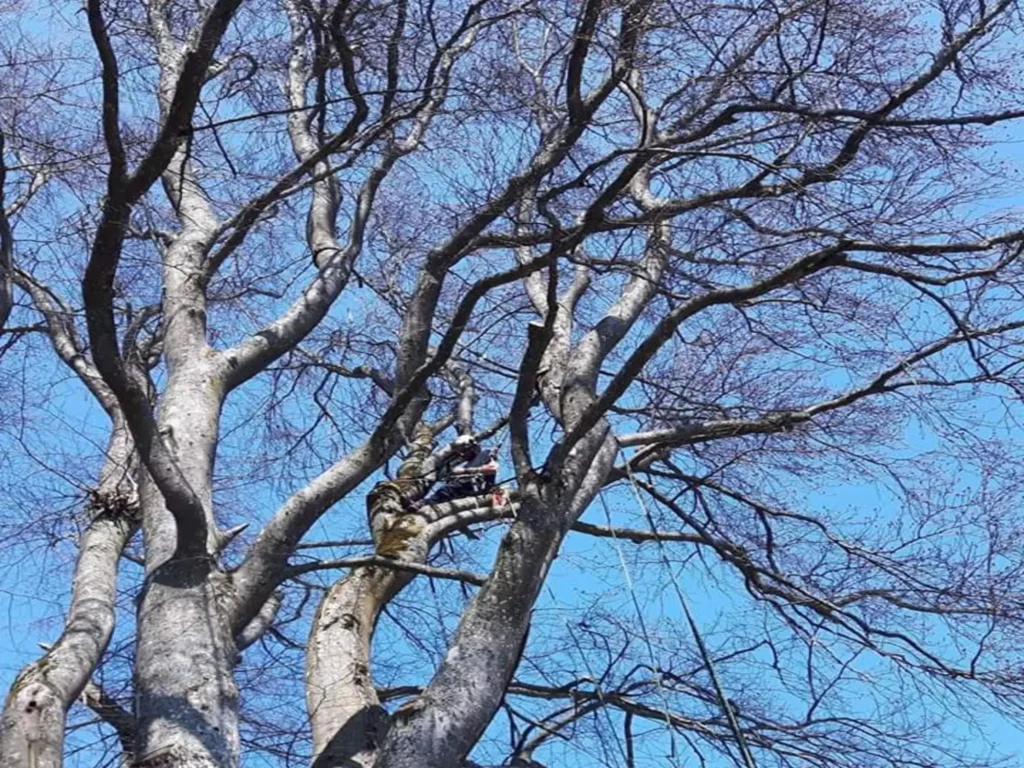
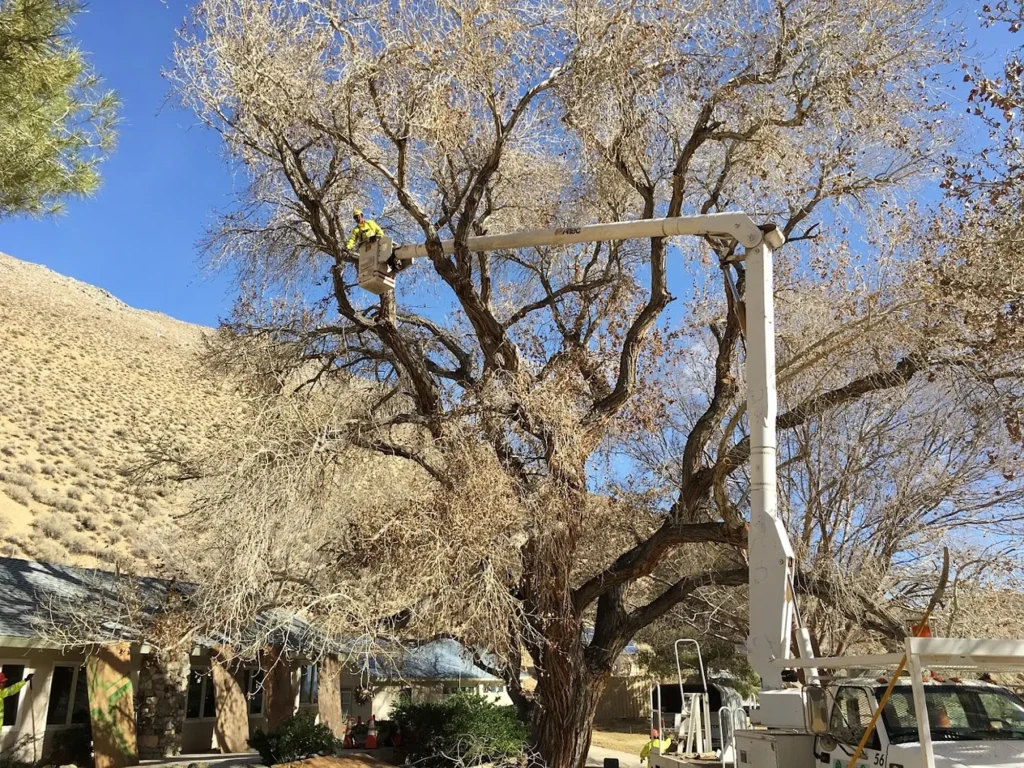
Why Trees in Lancaster, CA Need a Little Extra Love Living in Lancaster’s desert climate is no joke, especially if you’re a tree. Between blazing summers, chilly winters, and soil that’s more sandpit than sponge, it takes a little extra know-how to keep your trees healthy and happy around here. Whether you’re a proud homeowner or just tired of staring at that leaning pine out back, this one’s for you. Let’s talk about why trees in Lancaster, CA need special care, and what you can do to help them thrive in our one-of-a-kind environment. What Makes Lancaster Tough on Trees? Lancaster sits right in the middle of the Antelope Valley, which means dry, windy, and hot are basically the local weather forecast for nine months out of the year. We get very little rain, and when it does come, it’s usually not enough to make up for the months of drought that came before it. Add in some rocky, fast-draining soil, and you’ve got a recipe for thirsty trees that need more than just the occasional sprinkler pass to stay upright. Not All Trees Are Built for This The best thing you can do? Start with the right trees. Native species like the California Juniper, Palo Verde, and Joshua Tree are built tough. They’ve got deep roots, small leaves, and a natural ability to handle drought without giving up the fight. Picking trees that actually like it here makes everything easier. You’ll deal with fewer pests, use less water, and avoid a lot of stress for both you and your trees. Tree Care Isn’t One-Size-Fits-All, Especially Here Trees in Lancaster need year-round attention, but not the same kind every month. Here’s how to stay ahead of the curve. Spring: Fertilize smart. Our soil’s not exactly nutrient-rich, so a slow-release fertilizer helps trees wake up strong after winter. Mulch it up. A good mulch ring helps hold moisture where it counts, and keeps weeds from stealing the spotlight. Summer: Water deep, not often. Give trees a good soak, then let the soil dry out. It encourages roots to dig deep, which is great for drought defense. Watch for heat stress. Wilted or curling leaves? Might be time to bump up the watering schedule. Fall: Prune carefully. Take out dead or damaged limbs before winter storms make a mess of things. Refresh that mulch. It keeps roots cozy when the nights start to cool. Winter: Keep an eye out. Just because trees aren’t growing doesn’t mean they’re trouble-free. Water during dry spells and check for signs of stress. Inspect often. This is a great time for a certified arborist to take a closer look. How Much Water Is Enough? Short answer, it depends. But here’s a quick guide for Lancaster trees. Newly Planted Trees: Water every 7 to 10 days. Established Trees (2 to 5 years): Every 2 to 4 weeks, depending on the weather. Mature Trees: Once a month during dry spells. Always water slowly and deeply to train roots to grow down, not out. You’ll use less water in the long run, and your trees will thank you for it. Watch Out for Pests and Diseases Even in dry climates, bugs and fungi can still cause problems. Here are a few of the usual suspects. Aphids: Small and sneaky. They suck sap, curl leaves, and leave sticky stuff behind that can attract even more pests. Borers: These guys drill into wood and weaken the whole tree from the inside out. Fungal Root Rot: Usually caused by overwatering or poor drainage. If your tree looks sick and the soil’s soggy, this could be the issue. Spot something weird? Call us early. It’s easier, and cheaper, to treat problems before they spiral. Leave It to the Pros (That’s Us) Sure, you can drag out the hose and clip a few branches. But when it comes to diagnosing disease or removing 50-foot sweetgums leaning over your roof, it pays to call in someone with the gear, the training, and the insurance. At Tip Top Arborists, we: Offer honest assessments, with no upsells Know what works in Lancaster’s soil and climate Show up on time, clean up after ourselves, and treat your yard like it’s our own The Bottom Line Trees bring beauty, shade, and value to your Lancaster home, but they don’t thrive on neglect. With a little seasonal care and the right tree choices, you can enjoy a healthy, drought-tolerant landscape that lasts for years. Need a second opinion or just want peace of mind? Give Tip Top Arborists a call. We’ve been keeping Lancaster’s trees in tip-top shape since 1976. Book a Free Estimate | Explore Our Tree Services
The Tree Beyond Time | Trees in Dreams & Divination
The Tree Beyond Time: Arboreal Symbols in Dreams and Divination Some trees are not rooted in soil, but in memory. In the quiet landscape of dreams, they rise without warning – tall, luminous, older than stars. Their branches do not sway with wind, but with thought. Their roots twist through time, pulling secrets from the dark. These are not trees that grow. These are trees that reveal. In sleep, we do not walk forests the way we do by daylight. We float through groves spun from feeling, stitched from longing. And so when a tree appears, it is not decoration. It is message. It is symbol. It is mirror. To dream of a tree is to dream of yourself – not just the self you see in mirrors or names on paper, but the self buried deep, layered with lifetimes and silence. The self that knows how to grow without asking. That remembers before remembering began. Cultures across time have recognized the tree as a sacred bridge. Its trunk stands between earth and sky. Its branches reach for what is unseen. Its roots hold what is forgotten. In Norse cosmology, the great ash Yggdrasil connects all realms, visible and invisible. In Kabbalistic mysticism, the Tree of Life maps the path to divine understanding. In shamanic traditions, trees are climbed or descended in trance states to seek healing or truth. So it is in dreams. A tree in full leaf may speak of clarity. Of life unfolding as it should. A tree bare or burning may whisper of loss, transition, or truth too long buried. A tree you climb may be one you are ready to grow into. One you cannot reach may be one you fear. And sometimes, the tree is not for you at all – but for someone watching through your eyes, hoping you’ll notice the path it shades. Diviners often turn to trees not for answers, but for grounding. In tarot, the Hanged Man hangs not in punishment, but in patience, suspended from the living wood of insight. In rune casting, birch stands for beginnings, yew for death and rebirth, oak for strength unshakable. Even tea leaf readers have looked to shapes of branching limbs and falling leaves for signs. To dream beneath a tree is to enter the oldest form of prayer. Before temples, there were trunks. Before altars, roots. Before books, bark. And the messages given there were not written in ink, but in wind, light, and stillness. That language carries into dreams where words are clumsy, but symbols speak fluently. Some people report recurring dreams of the same tree – always in the same place, though the world around it may shift. These trees become companions, guides, even protectors. They may bear fruit that cannot be eaten, flowers that hum when touched, doors where bark should be. They may glow, or bleed, or whisper. Each vision carries meaning, layered and personal. Some trees sing of childhood, others call toward the future. Some cradle grief. Some burn through fear. And always, there is the feeling of being watched – not by something dangerous, but by something vast. The awareness of the tree itself. In dreams, trees are not passive. They are not background. They are participants. Witnesses. Sometimes, judges. To sit at the base of a tree in a dream is to agree to listen. To climb one is to seek perspective. To walk past one without noticing may mean you are not yet ready to see. And if a tree blocks your path? You are being told to pause, to reflect, to root before you reach. There are dreamers who keep journals not of their thoughts, but of their trees. Drawing their shapes. Naming their bark. Remembering the fruit. Over time, the trees shift. They show seasons even if time hasn’t passed. They offer answers no one else could give. One day they disappear – and often, that is the most powerful message of all. Tree symbolism also weaves through divination outside of sleep. Some read the patterns in fallen twigs or listen to the way a leaf turns in the hand. Others lie beneath trees in waking trance, waiting for visions drawn from flickering light and swaying shadow. There are practitioners who use tree oracle decks, each card a species with its own temperament and message. Ash for clarity. Cypress for sorrow. Elm for unseen help. The tree beyond time is not limited by ritual or religion. It belongs to every seeker, every dreamer, every wanderer who has ever leaned against bark and felt understood. It does not need a name. But if you give it one, it will answer. In your next dream, if you find yourself in a clearing with a single tree at its center – tall, silent, glowing faintly – approach it slowly. Lay your hand against its side. Close your eyes. Do not ask a question. Instead, listen for the one it asks you. Somewhere between breath and waking, you may remember what you’ve always known. Did You Know? The image of the World Tree appears in over 60 global mythologies, each representing a connection between heaven, earth, and the underworld. Some people experience lucid dreams where they return to the same tree over and over, often in times of stress or transition. Tree symbolism is central in Jungian dream interpretation, often representing the Self, the subconscious, or the process of individuation. FAQs About Talking Trees What does it mean if I see the same tree repeatedly in dreams?Repeated tree symbols often indicate an ongoing inner journey. The tree may reflect personal growth, spiritual questions, or subconscious guidance. Are there specific trees associated with certain meanings in dreamwork?Yes. For example, oak often symbolizes stability, birch renewal, willow grief, and apple temptation or wisdom. How can I incorporate tree imagery into divination?You can meditate under trees, draw or sketch trees after dreams, use tree-based oracle decks, or include wood and leaves in your altar or sacred space.
The Whispering Orchard: Fruit Trees in Legend and Spellwork
The Whispering Orchard: Fruit Trees in Legend and Spellwork In the hush of dusk, when the light leans long and the air still holds the day’s warmth, there is a sound you might not notice at first. It is softer than the wind, older than the fences, and deeper than the soil. It rises among the leaves of old fruit trees, those curved and quiet elders who’ve watched over fields longer than we’ve walked them. Some call it wind. Others call it memory. But in old tongues, it was once called spell-breath – the orchard’s way of whispering. There are groves said to remember your name. Not the one given at birth, but the one sung by birds when you laugh, the one carved into your bones when you dream near ripe branches. In those places, fruit trees do not just feed. They guide, they guard, and sometimes, they cast. The apple has carried magic in its skin for as long as stories have been told. In Celtic myth, it was the fruit of Avalon, the isle of the blessed, where no one aged and all wounds healed. A single bite could shift the veil, and many a seer chewed dried slices before speaking to the otherworld. In hedgecraft, apples are sliced sideways to reveal the pentacle star, the fivefold path hidden in flesh. Children who dared to whisper wishes into their cores were told to bury the seeds in silence and wait. If the tree grew, the wish would too. Plum trees were the scribes of ancient Asia, said to blossom even in winter to remind the world that beauty persists. In Chinese folklore, they are one of the “Three Friends of Winter” and stand for resilience, integrity, and the poetic soul. It’s said poets would rest beneath plum trees to listen for inspiration. Their fruit, small and sharp, was thought to contain fragments of forgotten poems – too sour for speech but perfect for spells that needed strength of heart. Pear trees bore the stories of love and loss in equal measure. In old Slavic weddings, a pear branch was placed above the door to bless the new union. But in some ghost tales, a lone pear tree marks where a widow buried her grief. To this day, some believe a pear left to rot under moonlight can draw out secrets, coaxing them from the shadows with sweet decay. In orchard witchcraft, planting a fruit tree was not merely an act of cultivation – it was a pact. You gave it soil, sun, and space. It gave you shelter, sweetness, and subtle counsel. Some practitioners still whisper to saplings on the night of a full moon, weaving spells of protection into their branches. To cut down a fruit tree without thanks or farewell was to invite misfortune, not from vengeance, but from imbalance. Orchards were once tended with both hands and hearts. Ribbons were tied to low branches to carry prayers. Leaves were gathered in autumn not for compost but for charms. Fruit was harvested under specific stars, and cider pressed with songs to ensure joy in the drinking. These were not superstitions. They were conversations – slow, reverent exchanges between the living and the rooted. There are tales of trees refusing to fruit unless spoken to kindly. A grandmother’s plum that blossomed only when she sang. A cursed orchard that grew bitter apples until a child slept beneath it every new moon. Stories not written down, but carried in weathered mouths and worn garden gloves. The kind of stories that only grow in soil rich with presence. Even now, in neglected corners, fruit trees remember. Forgotten orchards tucked behind barns or curled along fences continue to murmur their old truths. Some people feel pulled to them for no clear reason. They linger beneath branches heavy with fruit they won’t pick, simply standing still as though waiting for something – an answer, perhaps, or a name they once knew. Modern minds may dismiss the orchard’s murmur as wind or whimsy. But listen longer. Notice the hush before a fruit falls. The way leaves move even when the air doesn’t. The sudden feeling that you’re not alone, not entirely. It’s not fear. It’s reverence. It’s recognition. The trees are not watching, but remembering. And they remember everything. Did You Know? The pentagram inside an apple slice is a real natural formation – cutting an apple crosswise reveals five seed chambers arranged in a star shape. In Norse mythology, the goddess Iðunn guarded golden apples that kept the gods youthful. Without them, even immortals would age. Wassailing is an ancient orchard tradition where people sing to apple trees in winter to bless them and ensure a good harvest in the coming year. FAQs About Talking Trees Are fruit trees actually used in modern spellwork?Yes! Many modern practitioners use fruit trees in rituals for abundance, protection, love, and communication with the unseen. Is there any truth to trees responding to speech or song?While science hasn’t confirmed it fully, some studies suggest plants can respond to vibration, tone, and intention – supporting what folklore has long claimed. Why do certain trees appear in specific magical traditions?Trees often reflect the culture’s environment and beliefs. Apple trees are common in European lore, while plum and peach appear more in East Asian stories. Have questions about the trees in your own yard? Tip Top Arborists is here to help you care for your living legends. Let our certified arborists provide expert guidance for a lifetime of healthy trees. Contact Us Today