
Buying Gaffs for the First Time? Here’s What You Need to Know!
Buying Gaffs for the First Time? Here’s What You Need to Know! Buying Gaffs: Hey there, future tree climber! If you’re diving into the world of arboriculture or just looking to climb some trees for fun, you’ll want to get familiar with some essential gear. One of the biggest tools you’ll be using is the gaff. Trust me, the right gaffs can make a huge difference in how well you climb and, most importantly, how safe you stay up there. Now, picking out gaffs can feel a bit overwhelming, especially if you’re new to this whole scene. So let’s break it down and get you set up with the right info to make a smart purchase! What Are Gaffs, Anyway? So, gaffs (or climbing spikes, as some folks call them) are your best buds when it comes to climbing trees and poles. They’re those metal spikes attached to a strap that wraps around your leg and foot. When you climb, you stick those spikes into the tree bark for grip—kind of like a cactus sticking to the wall! Why Gaffs Are a Big Deal Why should you care about choosing the right gaffs? Well, let me tell you: Safety First: The right gaffs fit well and keep you from slipping. You definitely want to avoid any nasty falls, right? Climbing Efficiency: Good gaffs help you move quicker and more smoothly. They give you the grip you need to hop up those trees with confidence. Stay Comfortable: No one wants to be sore and miserable halfway up a tree! Well-designed gaffs keep you comfy, so you can focus on the climb. Remember, it’s not just about grabbing the first pair you see. You’ve got to think about what you really need based on where you’ll be climbing. Things to Think About When You’re Buying Gaffs 1. Pairing with Other Safety Gear Before you buy those gaffs, take a look at your other climbing gear—like your harness and ropes. Make sure everything works well together. The last thing you want is your gaffs getting in the way or causing some awkward movements when you’re up there. 2. Gaff Length and Shape Gaffs come in different lengths and shapes. Here’s a quick guide for you: Short Gaffs: Great for trees with thick bark. They dig in well and help prevent slips. Long Gaffs: Perfect for climbing on smooth surfaces or poles. They reach in deep for better stability. Pick the gaffs that suit the trees you’ll usually be climbing. Knowing your climbing environment makes a world of difference! 3. Material Matters- What to consider when buying gaffs Look for gaffs made from solid materials like steel or titanium. Steel is usually sturdier, while titanium is lighter and doesn’t rust as easily. If you’re planning on climbing a lot, go for quality—cheap gear can lead to disaster! 4. Fit and Comfort Make sure your gaffs fit snug without being too tight. Adjustable straps are key here. You don’t want blisters or soreness messing with your climb. Take the time to try on a few pairs and find one that feels just right. Trust me; your feet will thank you later! Where to Grab Some Gaffs When you’re ready to buy, here are a couple of options: 1. Local Arborist Shops Check out specialized stores that focus on arborist gear. The staff there usually know their stuff and can help you get the right fit. Plus, being able to try them on is a huge bonus! 2. Online Retailers There are plenty of websites with gaffs for sale. Just be sure to read the reviews before you hit that purchase button. You don’t want to end up with a dud! 3. Arborist Guides Grab an arborist equipment guide. These can really help you compare brands and learn what’s good on the market. They often feature tips that make your buying decision easier. Tips for Newbies If you’re just starting out, here are a few quick pieces of advice: Practice Makes Perfect Before you hit the trees, spend some time getting used to your gaffs. Find a safe spot to practice. The more comfortable you are with your gear, the better you’ll climb! Pay Attention to Technique Focus on your climbing technique. Balance is everything, so distribute your weight evenly. If you’re not careful, you might get fatigued or even slip. Watch experienced climbers or take some workshops to learn good habits early on. Don’t Forget Safety Make it a habit to check your gear before each climb. Ensure those gaffs are secure and in good shape. A safety checklist can keep you on track and help prevent accidents. A Little Personal Story Let me tell you—I’ve had my fair share of gaff mishaps. Early on, I bought a pair that just didn’t fit right for the type of climbing I was doing. It was a pain and made everything harder than it should have been! But once I got some advice and found a better fit, everything changed. My climbing became a lot smoother, and I felt way more secure. Bottom line? Picking the right gaffs is key. They’re not just about comfort; they’re about keeping you safe and enhancing your performance. Take your time, ask around, and make an informed choice. Wrap-Up: Get the Right Gaffs for You Choosing the right gaffs will set you on the path to a great climbing experience. Think about what you need in terms of safety and comfort, and don’t hesitate to consult pros or try on several models. Invest in good gaffs, and you’ll be all set to tackle whatever comes your way. Happy climbing, and remember to enjoy the view from up there! Stick With Tip Top – Your Climbing Ally At Tip Top Arborists, we’ve spent over 45 years helping climbers, crews, and property owners stay safe and work smart in the trees. Whether you’re troubleshooting gear, refining your technique, or just learning the ropes, we’re here to support your climb. Looking to go deeper? Explore our professional services: Need a second set of eyes? Book an Arborist Consultation before your next project. Clean up your site the right way with Stump Grinding Services. Keeping trees healthy starts from the top — learn about our expert Tree Pruning in Lancaster. We’re more than a tree care company — we’re a crew that climbs together. Stick with Tip Top. Work smarter. Climb safer.
Is Stump Removal Necessary After Tree Removal in Lancaster CA?
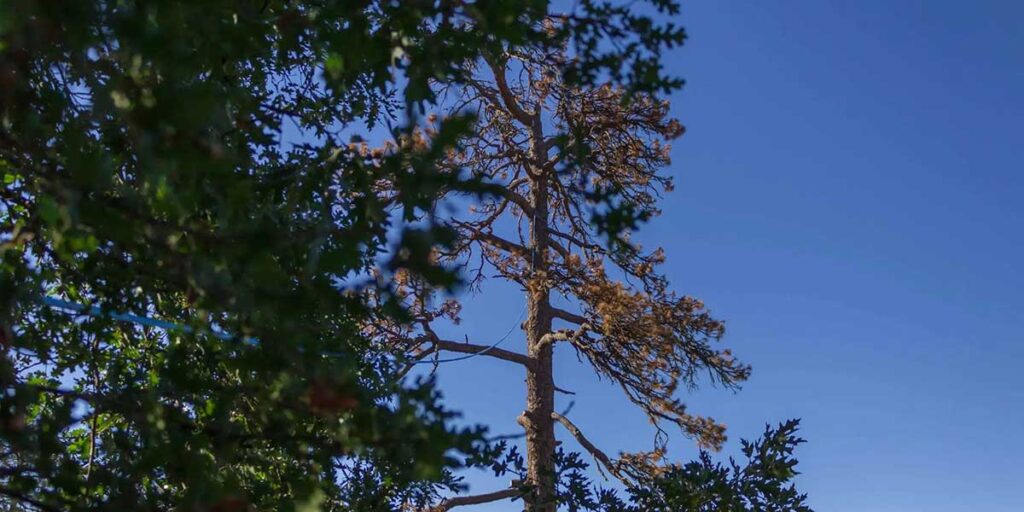
Not sure what to do with that leftover stump after tree removal? Discover whether stump removal is really necessary for your Lancaster, CA property—and learn the pros, cons, and expert tips from Tip Top Arborists.
The Whispering Orchard: Fruit Trees in Legend and Spellwork
The Whispering Orchard: Fruit Trees in Legend and Spellwork There are places in the woods where the light hesitates. Not because the canopy is too thick or the clouds too heavy, but because the trees are old enough to ask it to wait. Under their boughs, time does not pass the way it does elsewhere. It slows, softens, and sometimes forgets itself entirely. These are not groves you find on maps. They do not offer signs or welcome signs carved in wood. They appear only when the world allows, often by accident, often on days when you are walking without knowing why. You’ll take a turn you didn’t mean to, step off a trail without noticing, and suddenly the forest feels different. Quieter, but fuller. Not empty – listening. You are in the shade of the ancients. Here, the trees do not merely grow. They endure. Their bark is thick with memory. Their limbs arch like cathedrals. Moss creeps up their sides like whispered prayers. And beneath them, the ground holds secrets not buried but guarded. Some say these old trees are sentinels. Not watchers in the human sense, but holders of place. They stand at the edges of forgotten paths – the ones walked by pilgrims, hunters, midwives, and fugitives. Paths that once meant something to someone, and still do to the woods. Even when the world forgets, the forest remembers. There are stumps older than countries, roots that reach beyond the borders we draw. In some Scandinavian folklore, ancient trees are said to contain the spirits of ancestors who refused burial. Instead, they rooted themselves to the earth, becoming keepers of crossings, boundaries between now and then. To walk among them is to tread near the veil, thinner than bark, quieter than breath. In Celtic myth, the oak was not just a tree, but a portal. The druids called it duir, a word tied to both “door” and “truth.” Oaks that survived fire, lightning, and flood were considered oracles. If one blocked a path, the path was not meant to be taken. If one stood over water, the water was said to carry dreams. Other legends tell of sycamores that shift ever so slightly, rerouting paths in the forest to protect something – an herb that heals, a stone that sings, a grave not marked but sacred all the same. Travelers would walk for hours, convinced they were lost, only to find themselves in the same place again and again, as if the trees were guiding them in slow, deliberate circles. Even the ground under these trees feels different. Softer, not from lack of use, but from reverence. The forest creatures tread carefully here. So should we. Not out of fear, but respect. You do not walk quickly beneath an ancient. You walk slowly, listening for the sound of your own heartbeat echoing in leaf and lichen. Some believe the shade of these trees heals. Not with potions or bark scrapings, but simply by being. To sit against their trunks is to lean on something larger than time. To rest your hand on their roots is to touch something that remembers rain you’ll never see, birds you’ll never name, voices that once sang and no longer need to. People have come here to grieve, to pray, to ask questions they don’t have words for. And while the trees do not answer in sentences, they respond nonetheless. In stillness. In presence. In the shift of a breeze that feels like understanding. Paths lost to humans still run like veins beneath the undergrowth. Deer know them. So do foxes and fungi. And somewhere, deep beneath the soil, the roots of the ancients trace those routes like maps we no longer read. Some say that if you fall asleep beneath such a tree, you may dream of walking an old road, lined with lanterns or stone markers, led by a voice you do not know but trust completely. When you wake, the tree will seem different. Or you will. There is something sacred in what endures. In a world of rush and rot, these trees are still here. Not despite the years, but because of them. Their slowness is their strength. Their shade is not darkness, but protection – a pause from the weight of light, a softening of edges, a place to remember that we, too, are meant to grow slow and deep. So if ever you find yourself in a forest that feels older than language, where the wind speaks in hush and hush alone, stop. Look up. You may not know the path, but the path knows you. And beneath the shade of the ancients, that is enough. Did You Know? The Fortingall Yew in Scotland is estimated to be over 5,000 years old, possibly the oldest tree in Europe. In Japanese Shinto belief, ancient trees called shinboku are considered dwellings of spirits, and are often wrapped with sacred ropes known as shimenawa. Some ancient trees develop their own microclimates, altering temperature and humidity in their immediate surroundings, creating perfect habitats for rare species. FAQs About Talking Trees Can old trees really indicate lost or ancient paths?Yes. In many cultures, ancient trees were planted or preserved to mark sacred paths, burial grounds, or boundaries. Even today, tree lines often trace former roads or property divisions. How can you tell if a tree is ancient?Size isn’t the only clue – look for deeply furrowed bark, hollows, large root spreads, and signs of epiphytes (mosses, lichens, small plants). Many ancient trees also stand alone or near ruins. Why do some people say ancient trees feel “alive” or “aware”?The idea comes from both science and folklore. Trees respond to stimuli, remember droughts, and communicate with other plants. In many cultures, this behavior was interpreted as sentience. Have questions about the trees in your own yard? Tip Top Arborists is here to help you care for your living legends. Let our certified arborists provide expert guidance for a lifetime of
The Singing Saplings: Lore of Melodies Carried on Leaves
The Singing Saplings: Lore of Melodies Carried on Leaves There are stories older than language and softer than breath, woven through the branches of the youngest trees. The saplings, they say, are the first to listen and the last to forget. Before they become towering elders or fruit-bearing giants, they are singers – thin, green-throated voices trembling beneath morning dew, humming with something only the wild heart can hear. The breeze does not pass them by without pause. It plays, lingers, returns. There is something in the tender stretch of new leaves that catches wind like fingers on harp strings. And in that brief touch, in the pull and drift of breeze through blossom, melody is born – not composed, but remembered. You have to be very still to hear it. You have to listen like the trees do, with your whole body. Sit beside a sapling, and close your eyes. If the air is quiet and the ground not too trampled by boots and reason, you might just hear the beginning of a tune – half-forgotten, half-future. In the folk tales of Eastern Europe, young birch trees were said to carry the laughter of children lost to time. Each rustle of leaf was a giggle, a skipped stone, a chase through fields long gone. People would plant birch near homes to keep the sound of joy close by, and to protect the dwelling from sorrow too heavy for song. The Celts spoke of rowan saplings singing at twilight, their red berries glowing like scattered notes in an unplayed lullaby. A rowan tree planted by a midwife’s door was said to hum the first lullaby for every newborn who passed beneath it. Not all could hear it, of course, but the ones who did – often children, often dreamers – grew up with poetry stitched into their steps. In West African myth, the silk cotton sapling is a trickster’s harp. Spirits would sneak into the grove and pluck its long fibers like strings. Villagers nearby told stories of hearing music without a player, laughter in the roots, riddles carried on wind. To disturb such trees was to silence a conversation between worlds. And the old Japanese tales spoke gently of the ginkgo’s song. When ginkgo saplings first push through the soil, they are said to sing to the dead – soft greetings, low hums of remembrance. Some say the leaves hold on to the voices of ancestors and release them only at sunset. Those who walk by in golden hour sometimes turn, startled, certain someone called their name. Even in modern forests, the idea lingers. In Wales, there are musicians who won’t cut green wood from ash trees, not because it’s hard, but because “it sings when you do.” They speak of flute makers who swear some wood plays sweeter than others, and always, always, it’s the young trees that yield the truest tones. It is not just myth, some insist. There is science that leans toward magic. Trees communicate through vibrations – tiny, rhythmic pulses, too small for us but real nonetheless. Their roots click softly beneath the earth, sending signals, songs, alerts. Their leaves do hum under the right frequencies. Their trunks resonate like instruments when struck. If you ask the physicist, it’s a pattern. If you ask the poet, it’s a lullaby. Sometimes, old musicians walk into the woods and place their instruments at the feet of saplings. They don’t play. They listen. The breeze answers through the leaves, a cello’s sigh echoed in a willow’s sway. A piano’s longing drawn through aspen branches. Jazz, some say, is how trees talk to each other when no one’s watching. The idea of a singing sapling might sound impossible in the glare of fluorescent lights or the noise of traffic. But out in the forest, where the world softens and time loosens its grip, the impossible feels close, almost touchable. Maybe melody was born in the woods, long before instruments shaped it. Maybe every note is just a borrowed whisper from bark. Next time you walk among saplings, don’t just look. Stop. Tilt your head like a curious crow. Let the hush of the earth press gently against your ears. You might not hear a song. You might not hear anything. But you’ll feel something – an awareness, a softness, an invitation. And that, too, is part of the song. Did You Know? The term “bioacoustics” refers to the study of sound production in plants and animals – some researchers believe trees emit low-frequency sounds that carry information across forests. Certain Indigenous traditions view wind as a messenger – meaning trees, especially young ones, become instruments for spirit communication. Tree rings can sometimes reflect environmental rhythms like rainfall cycles and seasonal changes, offering another form of silent “recorded” music. FAQs About Talking Trees Can trees really make sound?Yes, although not always audible to the human ear. Trees emit vibrations through their roots, and their leaves and branches can produce tones when moved by wind or pressure. Why are saplings considered special in folklore?Saplings symbolize new beginnings, sensitivity, and receptivity. Many cultures see them as spiritually “open” and more likely to receive messages from unseen realms. Are there musical instruments made from trees with lore connections?Yes! Many flutes, lyres, and drums are traditionally made from specific tree species believed to hold spiritual or melodic properties, like elder, ash, or birch. Have questions about the trees in your own yard? Tip Top Arborists is here to help you care for your living legends. Let our certified arborists provide expert guidance for a lifetime of healthy trees. Contact Us Today
Essential Guide to Safe Tree Removal in Palmdale
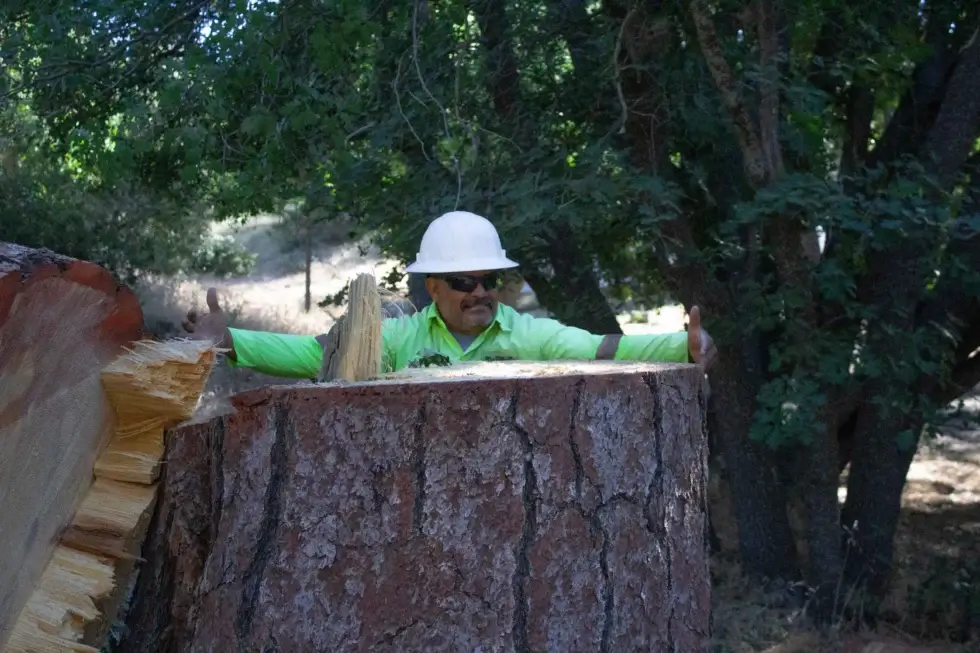
Ready to tackle that tree removal project in Palmdale? Unearth the essential guide to ensuring a safe and successful tree removal process. Learn how to keep your yard healthy and hazard-free without getting lost in the details. Get ready to become a tree removal pro!
Arborist Advice: Why Your Foot Ascender Jamming at the Bottom of the Rope
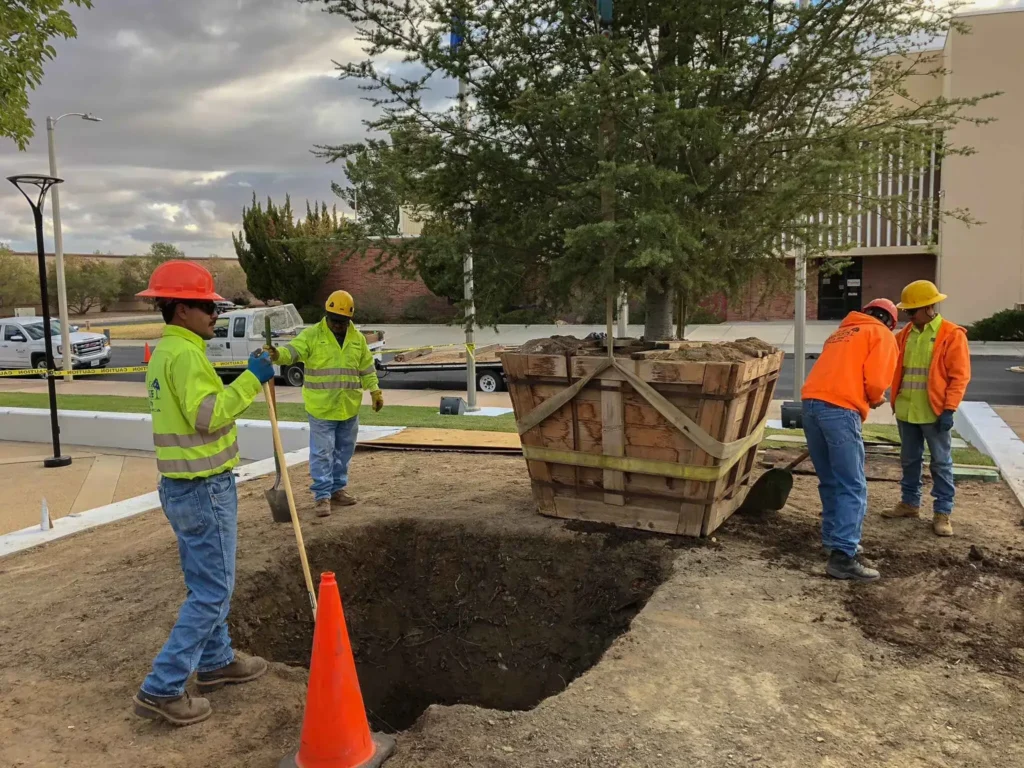
Why Your Foot Ascender Jams at the Bottom of the Rope Tired of your foot ascender jamming? Before diving into the problems, it’s important to understand what a foot ascender is and how it works. A foot ascender is a device used in rope climbing that allows climbers to ascend ropes efficiently. It attaches to your foot and grips the rope, providing upward movement with each step. This device is pivotal for single rope techniques (SRT) and is a favorite among arborists and climbers alike. The mechanics of the foot ascender involve a cam mechanism that grips the rope, preventing downward movement while allowing for upward progression. Foot ascenders are designed to make climbing less strenuous, distributing the effort required to ascend a rope across different muscle groups. This not only conserves energy but also enhances safety by ensuring consistent contact with the rope. Understanding the function and mechanics of your foot ascender is essential for troubleshooting any issues that may arise. Familiarity with its components and operation can significantly reduce the incidence of jams and other malfunctions. Common Reasons for Foot Ascender Jamming Misalignment with the Rope One of the most frequent causes of a foot ascender jam is misalignment with the rope. If the ascender isn’t positioned correctly, it can cause the rope to slip or get stuck. Misalignment often occurs when the ascender is not properly secured to the foot or when the rope is not correctly fed through the device. Such issues can arise from hurried gear setup or a lack of attention to detail. Solution: Always ensure your foot ascender is aligned properly with the rope. Before you start climbing, double-check the position and make sure the rope runs smoothly through the device. Taking a moment to verify the alignment can prevent potential jams and ensure a smoother ascent. Additionally, practicing proper setup techniques can make alignment a quick and habitual part of your climbing routine. Rope Conditions The condition of the rope plays a significant role in the functionality of the foot ascender. A rope that is too worn out, dirty, or wet can lead to jams. Dirt and debris can interfere with the ascender’s grip, while a wet rope can cause slippage, both of which are conditions that can exacerbate jamming issues. Solution: Regularly inspect your rope for wear and tear. Clean it when necessary and avoid using a wet or muddy rope, as these conditions can exacerbate jamming issues. Implementing a regular cleaning and maintenance routine for your ropes will help preserve their condition and extend their lifespan. Furthermore, storing ropes in a dry, clean environment can prevent unnecessary wear and degradation. Incorrect Foot Technique The way you use your foot ascender can also lead to jams. If your foot technique is off, it might cause the ascender to misbehave. Poor technique can result in uneven pressure on the ascender, increasing the likelihood of a jam. Solution: Practice proper foot ascender techniques. Focus on a smooth, steady motion when ascending, and avoid sudden jerks or irregular movements that could dislodge the rope. Regular training sessions and drills can help you master the correct footwork, ensuring a more efficient and safer ascent. Engaging in practice climbs with experienced climbers can also provide valuable feedback and improve your technique. Rope Access Troubleshooting When dealing with rope ascent gear failure, it’s important to have a systematic approach to troubleshooting. A methodical approach can quickly identify the root cause of the problem and facilitate an effective solution. Here are some steps you can take if your foot ascender gets stuck: Step 1: Inspect the Ascender Check the foot ascender for any visible damage or obstructions. Ensure that all moving parts are functioning as they should. Look for signs of wear or damage that could impair the device’s operation. Regular inspections can help you catch potential issues before they lead to a jam. Step 2: Examine the Rope Look for knots, frays, or other issues with the rope that might be causing the jam. Make sure the rope is feeding through the ascender smoothly. If any irregularities are found, address them immediately to prevent further complications. Consistent checks can prevent small issues from escalating into major problems during a climb. Step 3: Adjust and Realign Sometimes, simply adjusting the position of the foot ascender or realigning it with the rope can solve the problem. Make small adjustments and test the ascender to see if the issue persists. If the problem continues, it might be indicative of a deeper issue that requires more thorough investigation. Step 4: Seek Expert Help If you continue to experience foot ascender jamming problems, it may be beneficial to consult with a more experienced climber or a professional. They can provide insights and solutions that you might not have considered. Engaging with a community of climbers can offer support and shared experiences that can be invaluable in troubleshooting and prevention. Preventative Measures for Foot Ascender Problems Taking preventative measures can significantly reduce the likelihood of encountering foot ascender issues. Proactive maintenance and preparation can ensure that your equipment functions optimally when you need it most. Here are some tips to keep your gear in top shape: Regular Maintenance Clean Your Gear: Regularly clean both your rope and ascender to prevent the buildup of dirt and debris. A clean ascender is less likely to jam, and a clean rope provides a better grip. Lubricate Moving Parts: Keep the moving parts of your foot ascender well-lubricated to ensure smooth operation. Proper lubrication reduces friction and wear, enhancing the device’s longevity and performance. Invest in Quality Gear Not all foot ascenders are created equal. Investing in a quality foot ascender can make a huge difference in performance and reliability. High-quality gear is often more durable and designed to withstand the rigors of regular use. Researching and choosing the right equipment based on your specific climbing needs can prevent many common issues. Training and Practice Ensure you are trained in proper foot ascender techniques. Practice regularly
Discover the Dance of Trees: The Mysterious Movements of Nature’s Guardians

The Dance of Trees: Unveiling the Mysterious Movements of Nature’s Guardians In the serene depths of a forest, where the warm sunlight filters through the lush canopy above and the earthy aroma of damp soil hangs lightly in the air, it’s easy to imagine trees as steadfast pillars, unwavering guardians of nature’s grandeur. But what if I shared with you the surprising fact that not all trees remain firmly rooted in place? Some trees actually have the ability to move. Slowly. Yes, you read that correctly—there are trees in this world that possess the incredible skill to sway and shift, almost dancing to a beat only they can hear. Join me on a captivating journey into the enchanting realm of trees, where we’ll uncover intriguing facts about these mysterious movers, explore the cultural and symbolic significance of renowned trees, and delve into the ways trees can influence our emotions and the climate. The Movers and Shakers: The Fascinating World of Dancing Trees Imagine strolling through a grove of trees and catching sight, out of the corner of your eye, of a tree that appears to be… moving. Initially, it might seem like an illusion or a play of light, but upon closer observation, you’ll realize that the tree is indeed swaying, bending, almost dancing in its place. What you’re witnessing is the captivating phenomenon of tree movement, a rare yet real happening in the natural world. One of the most well-known dancing trees is the wind-brushed aspen (Populus tremuloides), also known as the quaking aspen. Found in North America, particularly in regions with cold winters and warm summers, the aspen stands out with its distinctive white bark and fluttering leaves that shimmer even in a gentle breeze. The secret behind the aspen’s enchanting movement lies in its flattened petioles, the slender stems that link the leaf blade to the stem. These flattened petioles enable the leaves to twist and turn with the wind, creating a mesmerizing display of nature’s choreography. However, the aspen is not alone in its dance. The baobab tree (Adansonia) from Africa and Madagascar boasts a stout, bottle-shaped trunk that can retain water to store crucial moisture during dry spells. When the baobab tree is lush with leaves, its branches resemble outstretched arms, as though reaching out to the sky. As the winds sweep across the savannah, the baobab gracefully sways and sways, embodying a dance born out of resilience and survival. Cultural Significance: The Revered Trees of Myth and Legend Throughout history, trees have held a special place in the hearts and minds of people worldwide. From the ancient groves of the Druids to the sacred forests of the Maya, trees have been revered as symbols of wisdom, fortitude, and connection to the natural world. Let’s explore some renowned trees with rich cultural and symbolic meanings: – The Bodhi Tree: Beneath the expansive canopy of the Bodhi Tree (Ficus religiosa) in Bodh Gaya, India, Siddhartha Gautama meditated and attained enlightenment, becoming the Buddha. Today, the Bodhi Tree stands as a potent symbol of spiritual awakening and inner peace for millions of Buddhists globally. – The Tree of Life: Featured in various mythologies and religions, the Tree of Life symbolizes the link between the physical and spiritual realms, the cycles of life and rebirth, and the everlasting essence of existence. Whether it’s the sacred fig tree of Hindu cosmology or the Yggdrasil of Norse mythology, the Tree of Life is a universal symbol of unity and resilience. – The Anne Frank Tree: Concealed behind the Secret Annex where Anne Frank and her family sought refuge during World War II stood a chestnut tree (Castanea sativa) that offered solace and hope to the young diarist. Anne wrote about the tree in her diary, likening it to a loyal friend who listened to her worries and aspirations. Although the Anne Frank Tree succumbed to disease in 2010, its message of resilience endures in the hearts of all who visit the Anne Frank House in Amsterdam. Impact on Mood and Climate: The Nurturing Influence of Trees Beyond their physical beauty and presence, trees profoundly affect our emotional well-being and the health of our planet. Research indicates that spending time in nature, whether walking through a forest or sitting beneath a leafy canopy, can alleviate stress, enhance immunity, and uplift mood. The concept of “forest bathing” or shinrin-yoku in Japanese emphasizes the therapeutic advantages of immersing oneself in nature and reconnecting with the natural world. In addition to their positive impact on human health, trees play a vital role in combatting climate change and preserving ecological harmony. Through photosynthesis, trees absorb carbon dioxide from the air and release oxygen, a crucial exchange that helps regulate the Earth’s climate. By planting more trees, safeguarding existing forests, and promoting sustainable forestry practices, we can combat deforestation, decrease greenhouse gas emissions, and create a healthier environment for future generations. As we meander through the verdant paths of the Tree of Life, it becomes evident that nature’s custodians are more than mere observers—they actively partake in the dance of life, moving to ancient and eternal rhythms. So the next time you find yourself near a tree, pause to listen to its silent melody, to sense the heartbeat of its roots delving deep into the earth. And remember, not all trees stand motionless. Some sway. Slowly. If you require assistance with caring for your trees, whether it involves pruning, trimming, or diagnosing any concerns they may have, feel free to contact Tip Top Arborists. Our team of experts is here to assist you and your cherished trees. Did You Know? The ability of some trees to move is attributed to their flexible petioles, which allow them to sway and dance in the wind, creating a mesmerizing display of nature’s choreography. The Baobab tree, known for its stout, bottle-shaped trunk, can store water in its trunk to survive dry spells. When lush with leaves, the Baobab tree gracefully sways in the wind, embodying resilience
Sprout’s Big Tree Adventure

Sprout’s Big Tree Adventure By: Tom Baal Once upon a time in Lancaster, CA, there lived a young boy named Sprout. Sprout loved helping out in his community, especially when it came to taking care of the trees in his neighborhood. One sunny day, as Sprout was watering the plants in his yard, he noticed something strange. There was a tree that was taller than all the others—it was reaching high up into the sky, almost touching the clouds! Sprout couldn’t believe his eyes. How did the tree get so tall? And why was it growing so big? As Sprout stared up at the towering tree, he couldn’t help but wonder how it had grown so tall. He decided to do some investigating and ask his teacher for some advice. His teacher explained that trees need sunlight, water, and nutrients from the soil to grow big and strong. The tree in Sprout’s yard must have had just the right conditions to reach such great heights. Armed with this newfound knowledge, Sprout set out to care for the tree in his yard even more diligently. He watered it regularly, made sure it had plenty of sunlight, and even added some compost to the soil to give it extra nutrients. Sprout learned that taking care of trees isn’t just about making them look pretty—it’s about helping them thrive and grow to their full potential. As the days went by, Sprout watched in amazement as the tree in his yard continued to grow taller and taller. He couldn’t believe how much it had grown since he first noticed it reaching for the sky. Sprout felt proud knowing that he had played a part in helping the tree grow so big and strong. After their experiment, Sprout and his friends decided to plant a tree in the school garden. They watered it regularly, ensuring it had enough moisture to thrive. As they watched the tree grow taller and stronger each day, they felt a sense of pride and accomplishment. Through his journey of discovery, Sprout learned the importance of caring for trees and appreciating the beauty they bring to the world. He realized that even the smallest act of kindness towards nature can make a big difference. And so, with a smile on his face, Sprout vowed to continue exploring the wonders of the natural world, one tree at a time. And with that, Sprout’s adventure came to an end, but his curiosity and love for nature would live on forever in his heart. Who knows what other mysteries and marvels he would uncover next? The world was full of possibilities, waiting to be explored by a young explorer like Sprout. Sprout Needs Your Help: Become a Tree Detective! Hey there, young nature lovers! Sprout here, with a special mission just for you. I need your help in becoming tree detectives to ensure the health and safety of our beloved trees. It’s a fun and easy task that anyone can do, so let’s get started! Your mission, should you choose to accept it, is to take a walk around your neighborhood and observe the trees around you. Look for any signs of damage, disease, or pests that might be harming the trees. If you notice anything out of the ordinary, like dead branches, holes in the trunk, or unusual spots on the leaves, make a note of it and let an adult or local arborist know. Remember, while it’s important to care for our trees, it’s also essential to stay safe. Avoid climbing trees, touching poison ivy, or picking fruit without permission. Always ask for help from an adult if you’re unsure about something you see on a tree. Let’s work together to keep our trees healthy and thriving! By becoming tree detectives, we can make a difference in our community and help protect our precious natural resources. So grab a notebook, put on your detective hat, and let’s embark on an adventure to keep our trees happy and healthy. Together, we can make a difference, one tree at a time. Happy sleuthing, young detectives! Remember: Every big tree starts with a little helper. Did You Know? How did Sprout notice the tall tree in his yard in Lancaster, CA? Sprout noticed the tall tree in his yard while he was watering the plants one sunny day. What did Sprout learn from his teacher about how trees grow in Lancaster, CA? Sprout learned that trees in Lancaster, CA need sunlight, water, and nutrients from the soil to grow big and strong. What did Sprout do to help the tree in his yard grow in Lancaster, CA? Sprout watered the tree regularly, ensured it had plenty of sunlight, and added compost to the soil for extra nutrients. How did the tree in Sprout’s yard in Lancaster, CA respond to his care and attention? The tree in Sprout’s yard in Lancaster, CA continued to grow taller and stronger with his care and attention. What did Sprout hope others in Lancaster, CA would do after his tree-tastic adventure? Sprout hoped that his story would inspire others in Lancaster, CA to take care of the trees in their own yards and neighborhoods. Tip Top Arborists Since 1976, Tip Top Arborists has been Southern California’s trusted partner in professional tree care. Based in Lancaster, CA, and surrounding areas—delivering expert tree trimming, removal, and maintenance services with safety, science, and integrity at the core. We’re not your average “guys with chainsaws.” We’re ISA Certified Arborists with deep industry knowledge, modern equipment, and a commitment to customer care that’s been passed down for nearly five decades. From storm damage cleanup to long-term tree health management, our team helps property owners protect their investment—and enhance their curb appeal—year-round. Experienced We have been in the industry for over 45 years. Choosing us means choosing proven experience and expertise. Insured Your safety is our highest priority. We are bonded and insured to protect you, your property, and our team. Licensed Our contractor’s
Fallen Tree Cleanup After Storm Damage
Fallen Tree Cleanup After Storm Damage When a big storm rolls through, one of the first things you’ll notice is the mess it leaves behind. Trees down, branches everywhere, and your once-tidy yard looking like nature threw a tantrum. Storms can turn peaceful properties into chaotic scenes, and fallen trees aren’t just an eyesore. They can be dangerous too. But with the right approach, and maybe the right crew, you can clean up safely and get things back to normal. Start with Safety Before you grab a rake or fire up the chainsaw, stop and look around. Storms can leave behind more than just a few twigs and leaves. Check for downed power lines, leaning trees, or large branches hanging overhead. If something looks risky, steer clear and call the professionals. And let’s not forget about pets or kids. They’re curious, but storm debris is no place for exploring. Keep them away until things are safe and secure. Spotting the Trouble Trees Once you’ve got a handle on the immediate hazards, it’s time to take a closer look at the trees themselves. Are any leaning strangely? Are there big cracks in the trunk? What about heavy branches that look like they’re just barely hanging on? These are signs the tree might be unstable, and they’re worth paying attention to. Trees that are near homes, fences, or power lines need extra caution. If anything feels off, this is where calling in a pro can save you time, money, and a whole lot of stress. Understanding the Damage Not all tree damage is equal. Some trees just lose a few limbs and shake it off. Others get split down the middle or pulled right out of the ground. That’s why your first real task is figuring out just how bad things are. Start by sorting the mess into three categories: Minor damage, like scattered branches or twigs Moderate damage, like broken limbs or partially damaged trees Severe damage, like trees that are uprooted, cracked, or leaning Older or unhealthy trees are usually hit the hardest. And sometimes, a tree that looks okay might be hiding deeper issues. If you’re unsure, an arborist can help figure out whether a tree can be saved or if it needs to go. Emergency Tree Removal: What to Do First If a tree has come down on your house, garage, or power line, that’s an emergency. Don’t try to handle it on your own. Call a licensed, insured tree removal service right away. Professionals have the right gear, experience, and know-how to take care of dangerous trees safely. They’ll assess the situation, come up with a plan, and remove the tree without making things worse. In emergencies, a fast response can make a big difference, especially if your driveway is blocked or if the structure’s been damaged. Take Photos, Then Take Action Before you clean up anything, grab your phone and snap some pictures. Photos are your best friend when it comes to insurance claims. Get wide shots, close-ups, and pictures from different angles. Don’t forget to photograph damage to buildings, fences, or vehicles. Write down what happened, when the storm hit, and any action you took right after. This kind of documentation helps insurance companies process your claim faster and more accurately. Should You DIY or Hire a Pro? Let’s be honest. Some storm cleanup jobs look easy until you’re halfway through and realize you’re out of your depth. If the job is small, like gathering branches or cutting manageable limbs, you might be able to do it yourself. Just make sure you’ve got the right gear. Gloves, goggles, sturdy boots, and tools in good condition are a must. But if you’re dealing with large trees, heavy limbs, or anything involving climbing or working near power lines, bring in the pros. Tree removal specialists can handle the tough stuff quickly and safely. It might cost more up front, but it’ll save you the headache and the risk. How Much Does Tree Removal Cost? Like most things in life, it depends. Tree removal after a storm can range from a few hundred dollars to well over a thousand, depending on: The size of the tree How hard it is to reach How dangerous the situation is Whether it’s an emergency call What kind of equipment is needed Whether stump grinding or debris hauling is included Trees that have fallen on buildings or power lines usually cost more to remove because of the extra care and tools required. Always ask for a full estimate that includes labor, hauling, stump removal, and any extras. No one likes surprise fees. Will Insurance Cover It? Good news, your homeowners insurance might cover tree removal after a storm, especially if the tree damaged a structure like your house or garage. But coverage varies, so it’s smart to double-check your policy or talk to your agent. Take notes, save receipts, and share those photos you took earlier. The more organized you are, the smoother the process will go. And if you’re not sure what your policy covers, your tree service company may be able to guide you through the basics. Time to Tidy Up Once the big stuff is handled, it’s time to bring your yard back to life. Clearing branches, leaves, and smaller debris can usually be done with a rake, some heavy-duty bags, and a good pair of gloves. But for bigger yards, or bigger messes, brush cleanup services are worth considering. These crews can clear large volumes of debris quickly, giving you a fresh start without the backache. Need to get rid of logs or stumps? That’s where tree debris removal pros shine. They’ve got the equipment to lift, chip, grind, and haul everything away. Some services even offer eco-friendly disposal options, like mulching or turning logs into firewood. Choosing a Tree Service You Can Trust When it
Essential Tips for Tree Trimming in Lancaster, CA | Tree Care Services
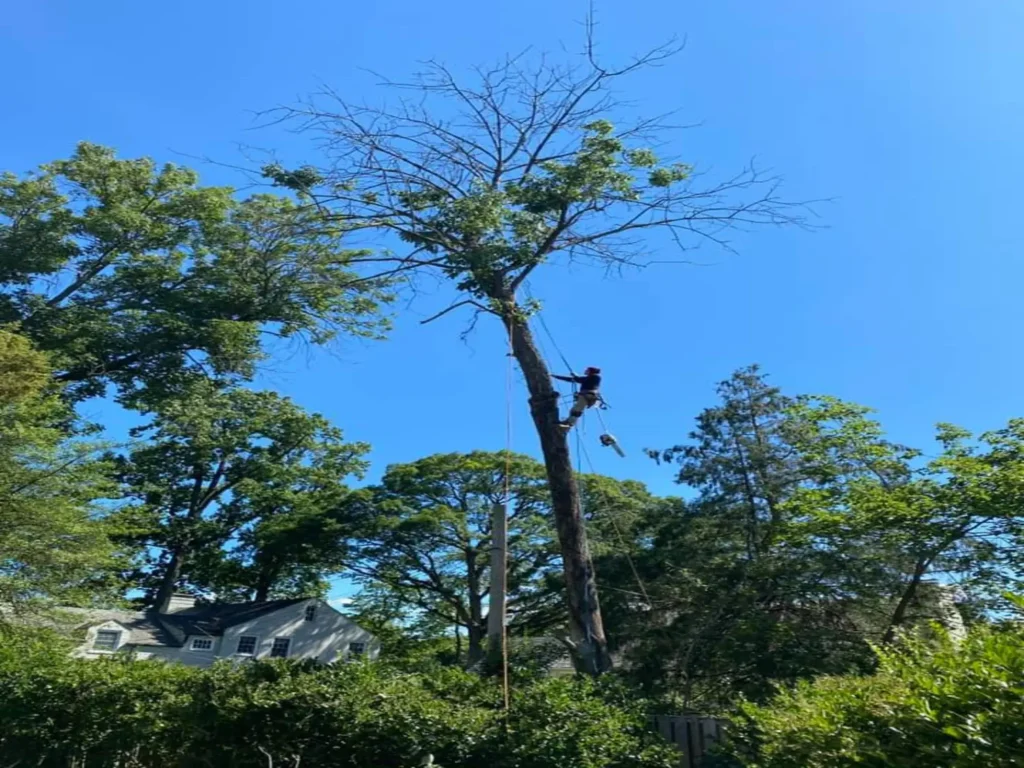
Essential Tree Trimming Tips for Lancaster, CA Homeowners Avoid These Common Tree Care Errors to Keep Your Landscape Safe, Healthy, and Beautiful Year-Round in Lancaster, CA Are your trees starting to look a bit wild? Do you feel like your yard could use a little sprucing up? Well, you’re in luck! Tree trimming is not only necessary for maintaining a safe yard and keeping your trees healthy, but it also plays a significant role in enhancing the look of your property. As a homeowner in Lancaster, CA, it’s crucial to recognize the importance of proper tree care to support urban forestry and ecological conservation in our local community. Come along with us at Lancaster Trees as we walk you through the process of tree trimming, allowing you to develop a deeper connection with nature right in your own backyard. Understanding the Value of Tree Trimming Tree trimming, sometimes referred to as tree pruning, is a fundamental aspect of preserving the health and appearance of your trees. By eliminating dead or diseased branches, you not only improve the visual appeal of your trees but also encourage their growth and longevity. Proper tree trimming can enhance the overall health of your trees by increasing air circulation and sunlight exposure, thus lowering the risk of diseases and pest infestations. When to Trim Your Trees in Lancaster, CA In Lancaster, CA, the ideal time to trim your trees is during late winter or early spring. This period coincides with the dormancy phase of most trees, making it easier to observe the tree’s structure and determine which branches require trimming. Trimming during this time minimizes the risk of spreading diseases, as wounds tend to heal faster in the warmer months. However, certain trees, such as fruit trees, may need pruning at different times of the year. It’s essential to research the specific needs of your trees before proceeding with trimming. The Advantages of Hiring Professional Tree Care Services in Lancaster, CA While tree trimming might seem like a straightforward task, it is best to entrust it to professionals. Engaging a certified arborist in Lancaster, CA, ensures that your trees are trimmed safely and effectively. Professional tree care services possess the expertise and equipment needed to trim your trees correctly, following industry standards to safeguard the health and longevity of your trees. Additionally, professional arborists can offer expert consultations and suggestions for enhancing your landscape through tree pruning. Expert Arborist Consultations in Lancaster If you are uncertain about when or how to trim your trees, consider scheduling an arborist consultation in Lancaster. An experienced arborist can evaluate the health and condition of your trees, recommend the most suitable trimming techniques, and provide guidance on proper tree care practices. With their knowledge and experience, arborists can help you create a customized tree care plan tailored to the unique requirements of your property. Safe and Effective Tree Removal in Palmdale In some instances, tree trimming may not suffice to address tree-related issues. If a tree is dead, diseased, or poses a safety hazard, removal might be necessary. Safe and efficient tree removal in Palmdale is best handled by trained professionals equipped with the skills and tools to safely extract trees without causing damage to your property. By engaging a reputable tree removal service, you can ensure that the task is carried out accurately and securely. Enhancing Your Landscape with Tree Pruning in Santa Clarita Tree pruning serves as another essential tree care practice that can enrich the aesthetics and health of your landscape in Santa Clarita. By sculpting and shaping your trees, you can create a visually appealing and well-maintained yard that adds value to your property. Professional tree pruning services in Santa Clarita can assist you in achieving the desired appearance for your trees while promoting their growth and overall well-being. As a homeowner in Lancaster, CA, tending to your trees goes beyond mere aesthetic appeal—it involves fostering a deeper connection with nature and supporting ecological conservation in our community. By adhering to these essential tree trimming tips, you can maintain a safe yard, keep your trees healthy, and ensure your property looks its best. Remember, when in doubt, seeking advice from a professional arborist in Lancaster is always a wise decision. They can offer expert guidance and assistance. So, roll up your sleeves, grab your pruners, and get ready to enhance your tree care practices. Your trees—and your property—will thank you for it. If you have uncertainties about the best practices for tree trimming or require help with your tree care needs, feel free to reach out to Tip Top Arborists. With our local expertise dating back to 1976, transparent, neighborly service, and commitment to safety and professional growth, we are here to assist you in achieving the beautiful, healthy trees you aspire to have. Give us a call today, and let’s collaborate to enhance your landscape and promote a greener, healthier environment for generations to come. Happy tree trimming! What is the best time to trim trees in Lancaster, CA? Trimming trees in Lancaster, CA is best done during late winter or early spring when most trees are dormant. UC Agriculture & Natural Resources (UC ANR) – Tree Pruning Basics Do I need a professional arborist for tree trimming in Lancaster? While tree trimming may seem simple, it’s recommended to hire a certified arborist in Lancaster, CA for safe and efficient trimming. International Society of Arboriculture (ISA) – Find a Certified Arborist How can tree pruning enhance my landscape in Santa Clarita? Tree pruning in Santa Clarita can shape and sculpt trees, creating a visually appealing and well-maintained yard. UC Master Gardeners – Pruning Landscape Tree Tree Tips Prune with Purpose, Not Just Aesthetics Focus pruning on removing dead, crossing, or weak branches—not just shaping. Over-pruning can stress your tree and expose it to sunburn or pests, especially in hot climates Check for Girdling Roots If you see roots circling the base of your tree, they might be “girdling”—choking the tree over time. This