Reading Tree Work Accidents Isn’t Fun—But It Might Save Your Life
Article Tip Top Arborists The Rigging Zone Avoiding Tree Work Accidents: Lessons from the Field Tree care is one of the most dangerous jobs out there—I’ve seen it firsthand over the years. Whether you’re a seasoned arborist or just starting out, working at heights with heavy equipment and unpredictable tree limbs is always risky. But here’s the truth: most of these risks are preventable if you commit to proper safety practices. From my years in the field, I can tell you that understanding common accidents, their causes, and how to avoid them could literally save your life. Let’s go through some of the most common hazards and what you can do to stay safe. Common Tree Care Accidents—and How They Happen Tree work is no joke. It combines climbing, cutting, and managing massive natural structures. Here are some of the biggest risks I’ve seen, along with why they happen: 1. Falls from Heights Falls are the number one cause of serious injuries and fatalities. It usually comes down to climbing without proper gear, anchor mistakes, or branches giving out unexpectedly. In fact, the Tree Care Industry Association (TCIA) found that falls caused 43% of tree care fatalities last year. 2. Chainsaw Injuries Chainsaws are powerful but unforgiving. Improper handling, kickbacks, and using them in tight spaces lead to thousands of injuries a year. I’ve seen injuries that could’ve been avoided just by taking a second to check positioning or wearing proper PPE. 3. Struck-by Incidents This one’s common. Misjudging the weight of a branch, not evaluating tree structure, or even dropping tools can lead to severe “struck-by” injuries. Trust me—failing to plan where a branch will fall is a mistake you only make once. 4. Equipment Failures I’ve seen gear that’s been pushed far beyond its limits. Broken ropes, worn-out carabiners, or gear that hasn’t been maintained can lead to catastrophic accidents. Regular inspections and not cutting corners on equipment upkeep are non-negotiable. 5. Electrocution Power lines are a silent threat. When trees touch live wires, they can conduct electricity, creating deadly situations in a split second. Always assume the lines are live and keep your distance. 6. Environmental Factors Unstable ground, bad weather, or even wildlife like bees and wasps can make tree work unpredictable. Sudden gusts of wind or slippery conditions can knock you off balance or topple a ladder. Safety Tips I Swear By Here’s how you can avoid being another statistic. These tips are hard-earned, and I always pass them on to anyone I work with: 1. Get Proper Training and Stay Certified Safety starts with education. Training through organizations like the International Society of Arboriculture (ISA) or Tree Care Industry Association (TCIA) is essential. These programs teach skills that could save your life, from climbing techniques to chainsaw operation. Never stop learning. 2. Gear Up Right Your gear is your lifeline—literally. Make sure you have: High-quality climbing ropes, harnesses, and carabiners rated for tree work. PPE, including helmets, gloves, eye protection, cut-resistant pants, and sturdy boots. Well-maintained tools. Always inspect and sharpen your chainsaws. 3. Do a Site Walkthrough Before Every Job Before you make a single cut, take time to assess the site: Look for weak branches, decay, or anything structurally unstable. Check for power lines and keep a safe distance. Ensure the ground is stable, especially if using ladders or machinery. 4. Communicate Clearly Good communication can prevent accidents. Use radios or hand signals to stay in sync with your crew. Make sure everyone knows their role before you start—and don’t assume everyone’s on the same page. 5. Have Emergency Plans in Place Accidents happen, even with the best preparation. Always keep a first-aid kit handy and have a plan for injuries, gear failure, or other emergencies. Make sure everyone knows what to do in a worst-case scenario. 6. Follow Industry Standards The ANSI Z133 standards for tree care operations exist for a reason. They’re the gold standard for safety in our industry. Stick to them, and you’ll avoid a lot of unnecessary risks. Learn from Real Accidents Let me share two stories I’ve encountered to highlight why safety is so critical: Case Study 1: Worn-Out Climbing Rope An arborist I knew fell 25 feet after an old rope snapped during a cut. He skipped regular inspections, and the rope had deteriorated over time. Lesson: Inspect your gear before every job, and replace it when it’s past its prime. Case Study 2: Chainsaw Kickback A worker I trained once had a nasty kickback injury when cutting an overhead branch. He didn’t position himself properly, and the chainsaw tip caught the wood. Lesson: Always position your chainsaw carefully and wear your PPE—it’s your last line of defense. Building a Safety-First Tree Care Culture At the end of the day, safety is about more than just avoiding accidents—it’s about making sure everyone on your team goes home at the end of the day. By investing in training, using the right equipment, and following best practices, you can create a culture where safety comes first. If you’re looking for expert advice or resources to improve safety in your tree care work, reach out to professionals like Tip Top Arborists. Let’s work together to build a safer, stronger industry—because no job is worth risking your life. Stay safe out there! PRO HACK OF THE DAY FREQUENTLY ASKED QUESTIONS Why is tree care considered so dangerous? Tree work involves heights, chainsaws, falling limbs, and unpredictable conditions. Without proper gear and training, the risk of serious injury is high. What safety certifications should tree care professionals have? Look for certification from the International Society of Arboriculture (ISA) or Tree Care Industry Association (TCIA). These ensure the worker is trained in safe, standardized practices. What kind of gear should professional arborists use? They should have climbing harnesses, ropes rated for tree work, helmets, gloves, chainsaw pants, boots, and well-maintained cutting tools. How can homeowners prepare their property before tree work begins? Clear the area of vehicles, furniture,
5 Signs Your Lancaster Trees Need Professional Help (Before It’s Too Late)
Tip Top Arborists www.tiptoparborists.com HOMEOWNER’S GROVE Most tree failures give plenty of warning signs Your Trees Need Help Last Tuesday, I got a call that made my stomach drop. A homeowner in Lancaster’s Eastside was frantic – a 60-foot eucalyptus had come down in the night, missing their daughter’s bedroom window by maybe three feet. “It looked fine yesterday,” they kept saying. “How could this happen?” Here’s the thing that keeps me up at night: it probably didn’t look fine. Most tree failures give plenty of warning signs, but homeowners either don’t know what to look for or they hope the problem will somehow fix itself. After twenty years of tree care in Lancaster, I’ve learned that trees are pretty good at telling us when they’re in trouble – we just have to know how to listen. So let’s talk about the five warning signs that should have you reaching for your phone to call a certified arborist. Trust me, catching these early can save you thousands in property damage and potentially save lives. Trees leaning toward structures require professional assessment, before disaster strikes The Lean That Wasn’t There Before Trees don’t just wake up one morning and decide to lean toward your house. When a tree starts leaning, something has changed – and it’s usually not good news. Now, don’t panic if your tree has always had a slight lean. Many trees grow at angles naturally, especially here in Lancaster where our Santa Ana winds shape young trees as they grow. What you’re looking for is a new lean or a lean that’s getting more pronounced. I remember working with a family on Avenue J whose beautiful oak tree had developed a noticeable lean toward their pool area over the course of just one winter. The homeowner mentioned it casually, almost apologetically, like they were bothering me with something minor. When we investigated, we found that a major root had been damaged during some landscape work the previous fall. The tree was slowly losing its anchor on one side. The fix? We were able to install a cable system and do some corrective pruning that kept the tree safe and standing. But if they’d waited another year, it would have been a removal job – and possibly a very expensive insurance claim. Dead Branches in the Canopy (The “Widow Makers”) We call them widow makers for a reason. Dead branches don’t get better – they only get more dangerous. And here in Lancaster, with our combination of drought stress and wind events, dead branches are unfortunately common. The tricky part is that homeowners often don’t notice dead branches until they’re massive and obvious. By then, you’re looking at a much more expensive and dangerous removal job than if you’d caught them early. Here’s what to look for: branches without leaves during growing season, branches with brown or brittle-looking bark, and branches that don’t move naturally in the wind – they’ll be stiff and awkward-looking compared to healthy, flexible branches. I worked with a customer last month who pointed out what he called “that ugly dead branch” in his sycamore. When I looked up, I didn’t see one dead branch – I saw seven, ranging from small to substantial. He’d been so focused on the most obvious one that he’d missed the others entirely. The lesson? Dead branches rarely travel alone. If you see one, there are probably others, and it’s time for a professional assessment. Mushrooms or Fungal Growth at the Base This one makes a lot of homeowners uncomfortable, and rightfully so. Mushrooms growing from the base of your tree are like a check engine light – they’re telling you something is wrong with the tree’s internal systems. Fungal growth usually indicates decay, and decay in the root system or lower trunk is serious business. The tree might look perfectly healthy above ground while being slowly hollowed out below. I’ve seen beautiful, full-canopy trees that were basically standing on compromised root systems held together by little more than bark and hope. The visual inspection from 20 feet away told you nothing – you had to get close and look for the telltale signs of fungal activity. One thing that surprised me early in my career was how quickly this can develop. I’ve seen trees go from “a few mushrooms at the base” to “major structural concern” in a single growing season, especially during wet years when fungal activity accelerates. Yellowing or Browning Leaves (Out of Season) Trees in Lancaster deal with a lot of stress – drought, heat, wind, and increasingly unpredictable weather patterns. But healthy trees are remarkably good at adapting to these conditions. When you start seeing significant leaf discoloration outside of normal seasonal changes, it’s usually a sign that something is overwhelming the tree’s ability to cope. This is where local knowledge really matters. What’s normal for a Lancaster oak in August is different from what’s normal for a maple or a palm. An experienced arborist can tell the difference between normal seasonal stress and something more serious. I remember a call from a homeowner who was worried about their citrus trees. The leaves were yellowing, and she was convinced they were dying. When I arrived, I could see that the yellowing pattern was classic iron chlorosis – a common issue in our alkaline soils that’s totally treatable with the right approach. But I’ve also seen cases where leaf discoloration was the first visible sign of root rot, pest infestation, or disease that required immediate intervention. Cracks in the Trunk or Major Branches This is the big one – the sign that should have you on the phone with an arborist immediately. Cracks in the trunk or major branches indicate structural failure that’s already in progress. Sometimes these cracks are obvious – big, gaping splits that anyone would notice. But often, they’re subtle stress cracks that might just look like natural bark patterns to the untrained eye. The challenge with cracks is that they
Storm Damage Tree Trouble in Lancaster, CA: What Homeowners Should Know
The Emerald Ash Borer has made its way to Lancaster, CA—and it’s bad news for ash trees. If your tree’s looking bare up top or dropping limbs, it might already be under attack. Learn how to spot the warning signs and what Tip Top Arborists can do to help protect your property before it’s too late.
Lancaster’s Iconic Trees: A Tree-Story Tour
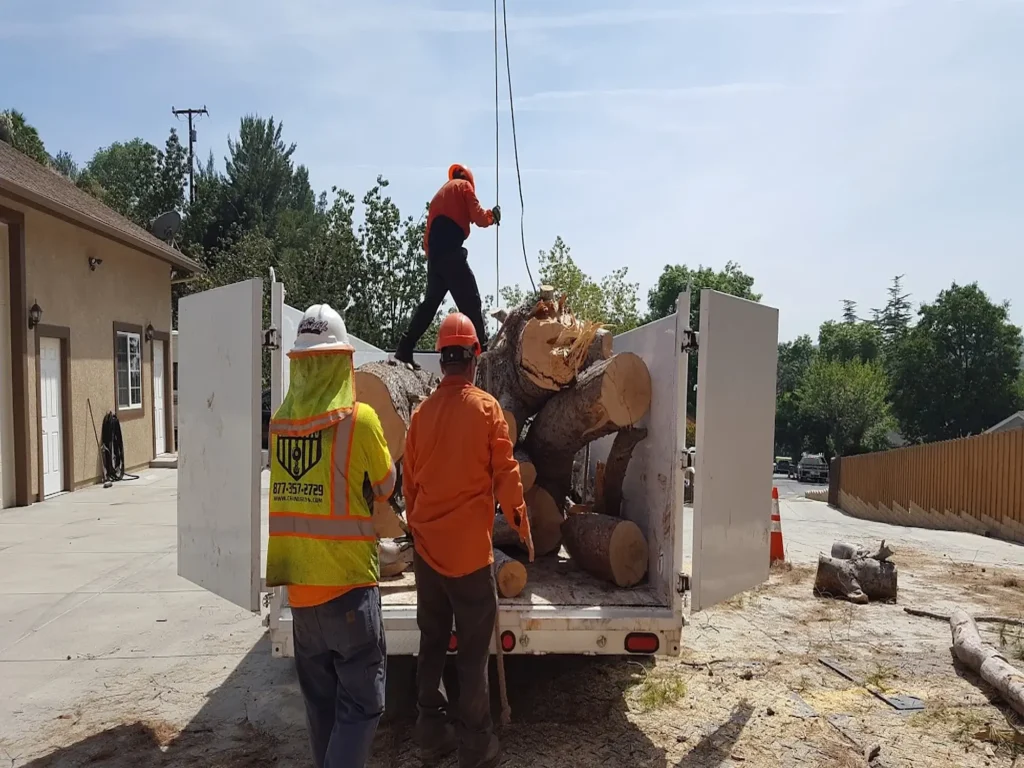
Top 5 Native Trees for Lancaster Landscapes: A Seasonal Guide
A Father’s Day Sprout Story: A Tree Planting Just for Dad
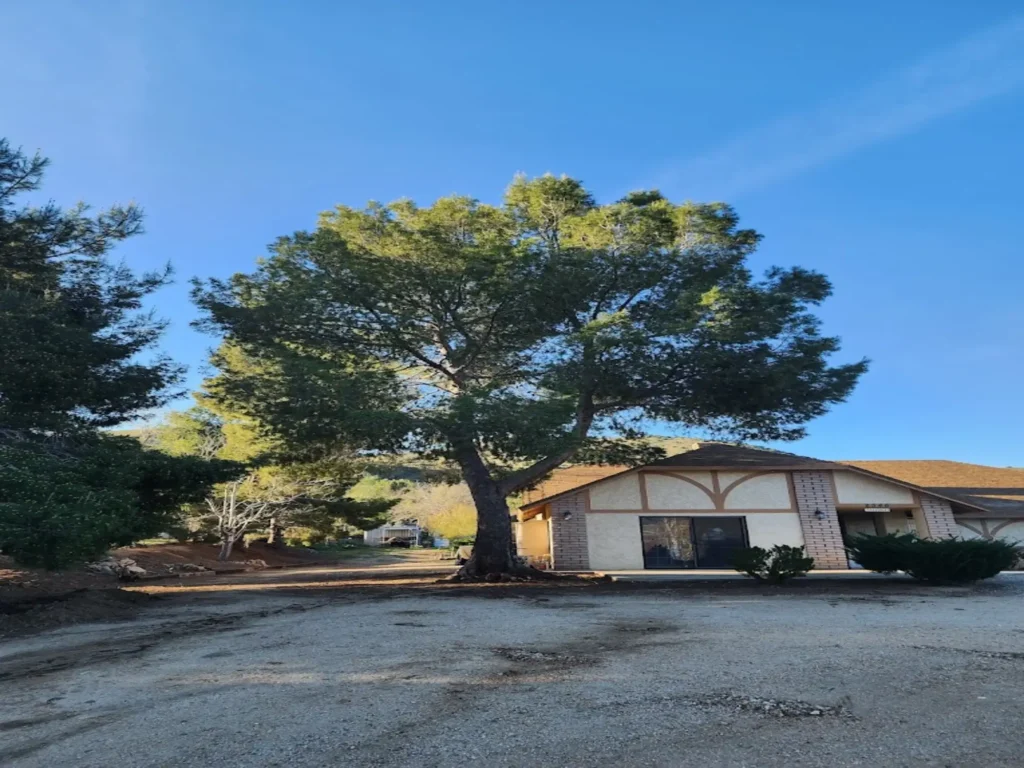
A Father’s Day Sprout Story: A Tree Planting Just for Dad By: Tom Baal Sprout was up early. Like, really early. Before the birds. Before the sun had even finished waking up. Today was special. It was Father’s Day, and Sprout had a big plan. Not just breakfast-in-bed kind of big. Bigger. He tiptoed out the back door with a little shovel, a water jug, and a tiny tree sapling he and his mom had picked out together. It wasn’t fancy. Just a young desert willow—perfect for Lancaster’s dry summers and windy afternoons. “I’m gonna plant it for Dad,” Sprout whispered, even though nobody was around. “It’ll grow big and strong. Just like him.” Sprout found the perfect spot in the yard—close enough to the fence for shade one day, but far enough that it wouldn’t bother the roof. (He’d learned all about roots and space from Dr. Woody’s school visit.) He dug. Well, he tried. The dirt in Lancaster wasn’t exactly friendly. It was dry. Crumbly. Like trying to scoop cookie crumbs with a spoon. But Sprout kept going. Little by little. Inch by inch. Finally, it was deep enough. He placed the tiny tree in the hole, gently filled it back in, then gave it a slow drink from his water jug. “Tree Planting is fun”, thought Sprout. Just then, he heard the sliding door. “Morning, buddy,” Dad said, rubbing his eyes. “What are you up to so early?” Sprout grinned. “Happy Father’s Day! I planted this tree… for you!” Dad knelt down beside it, brushing a bit of dirt off Sprout’s nose. “Wow. That’s the best gift I’ve ever gotten.” They sat next to the tree for a long time. Not saying much. Just watching the way the breeze moved through its tiny branches. “Someday,” Sprout said, “this tree’s gonna be huge. It’ll give us shade and flowers and maybe even birds.” Dad smiled. “And every time I look at it, I’ll remember today.” Sprout Needs Your Help- Tree Planting Do you want to plant a tree with someone special this summer? Here’s what you’ll need: 1- A tree that grows well in your area (ask your grownup or call Tip Top!) 2- A safe, sunny spot 3- A little patience 4- And a lot of love Want to learn what trees grow best in Lancaster? Ask the team at Tip Top Arborists—or come visit us and say hi! Remember: Every big tree starts with a little helper. Did You Know? Desert willow trees grow really well in Lancaster! They love the heat, don’t mind the wind, and bloom with beautiful flowers that hummingbirds adore. Trees that are planted in honor of someone… ….like a parent, are called tribute trees. They grow memories along with leaves! Tree roots in Lancaster’s dry soil grow wide, not just deep. That’s why giving your tree space and mulch (but not right on the trunk!) helps it breathe and grow strong. Tip Top Arborists Since 1976, Tip Top Arborists has been Southern California’s trusted partner in professional tree care. Based in Lancaster, CA, and surrounding areas—delivering expert tree trimming, removal, and maintenance services with safety, science, and integrity at the core. We’re not your average “guys with chainsaws.” We’re ISA Certified Arborists with deep industry knowledge, modern equipment, and a commitment to customer care that’s been passed down for nearly five decades. From storm damage cleanup to long-term tree health management, our team helps property owners protect their investment—and enhance their curb appeal—year-round. Experienced We have been in the industry for over 45 years. Choosing us means choosing proven experience and expertise. Insured Your safety is our highest priority. We are bonded and insured to protect you, your property, and our team. Licensed Our contractor’s license #821770 is current and active with the CSLB. Hiring us means hiring licensed tree experts. Recycling We are as committed to the environment as we are to our clients. We recycle 100% of all wood and green waste. Hey Mom and Dad! Ready To Get Some Tree Work Done? Address: 44107 Yucca Ave Lancaster Ca. 93534 Phone: Toll-Free: (877) 380-0023 (California only), Local Tel: (661) 418-2690 (Antelope Valley), Local Tel: (661) 244-6964 (Santa Clarita Valley), Local Tel: (760) 330-5405 (Victor Valley) Business Hours: Monday to Friday from 7am to 4pm Why Your Neighbors Trust Tip Top Arborists
Emerald Ash Borer in Lancaster CA: The Bug You Didn’t Invite (But It’s Probably Here)
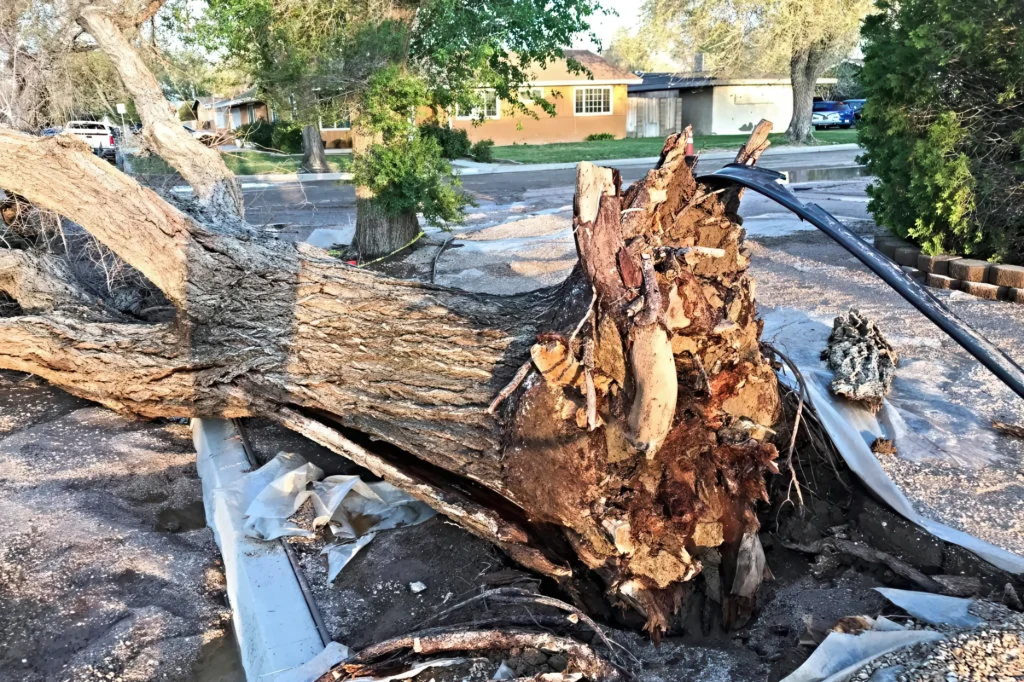
The Emerald Ash Borer has made its way to Lancaster, CA—and it’s bad news for ash trees. If your tree’s looking bare up top or dropping limbs, it might already be under attack. Learn how to spot the warning signs and what Tip Top Arborists can do to help protect your property before it’s too late.
Ancient and Magical Trees: Uncovering Mysteries and Symbolism
Unveiling the Secrets of Ancient and Magical Trees Ancient and magical trees have always held a special place in human culture and imagination. These majestic beings are more than just plants; they are symbols of our deepest beliefs, aspirations, and connections to the natural world. From the towering Yggdrasil of Norse mythology to the enlightened Bodhi tree of Buddhism, these arboreal wonders have captured the hearts and minds of people for centuries. Let’s take a journey through the enchanted world of these legendary trees and explore the rich tapestry of stories and symbolism that surround them. Yggdrasil, the World Tree of Norse cosmology, stands as a colossal ash tree that serves as a central axis connecting the nine realms of the Norse universe. According to Norse mythology, Yggdrasil is not only a physical tree but also a profound symbol of the interconnectedness of all things in the world. The tree is sustained by three roots—one in Asgard, the realm of the gods; one in Jotunheim, the realm of the giants; and one in Niflheim, the realm of the dead. Yggdrasil is also home to various mystical creatures, including the dragon Nidhogg, who gnaws at its roots, and the squirrel Ratatosk, who acts as a messenger between the eagle perched on its branches and the serpent coiled around its trunk. In Buddhism, the Bodhi tree holds a special place of reverence as the tree under which Siddhartha Gautama, the historical Buddha, meditated and attained enlightenment. This sacred tree symbolizes awakening, transformation, and the potential for spiritual realization. The original Bodhi tree, located in Bodh Gaya, India, is believed to be a descendant of the tree that stood in the same spot over 2,500 years ago. Pilgrims from all corners of the globe visit this sacred tree to pay homage to the Buddha and to meditate under its leafy canopy. The Bodhi tree has not only inspired spiritual seekers but also artists and poets throughout the ages. Its verdant foliage and sturdy trunk serve as a powerful reminder of nature’s ability to nurture and sustain us on our journey to enlightenment. In Celtic mythology, the oak tree reigns supreme as a symbol of strength, endurance, and protection. The ancient Celts regarded the oak as the king of all trees, embodying the power of the natural world and serving as a portal to the spirit realm. The Druids, religious leaders of the Celts, often conducted rituals and ceremonies in sacred oak groves to seek the wisdom and blessings of the forest spirits. The oak was also associated with Taranis, the god of thunder, whose chariot wheels were said to be crafted from oak. Even today, the oak tree continues to hold a place of honor in Western culture, symbolizing resilience, wisdom, and longevity. Its robust branches and deep roots remind us of the strength and stability found in nature, even in the face of adversity. Hindu mythology reveres the banyan tree as a symbol of immortality, wisdom, and interconnectedness. Known for its expansive canopy and aerial roots, the banyan tree is often linked to Vishnu, the god, and the wisdom of ancient sages. The banyan tree is considered sacred and can live for centuries, with roots that penetrate deep into the earth and branches that stretch high into the sky. Sitting under the shade of a banyan tree is believed to bring enlightenment and spiritual understanding. This tree is also seen as a symbol of rebirth and regeneration, as its aerial roots can develop into new trunks, creating a network of interconnected trees with a shared root system. This interconnectedness symbolizes the unity of all living beings and the cyclical nature of life and death. These ancient and magical trees invite us to ponder the mysteries of the natural world and our place within it. Next time you encounter a venerable tree in a forest, park, or garden, take a moment to marvel at its beauty and significance. Reflect on the stories and symbolism woven into its branches and roots over the centuries. Remember, like the ancient and magical trees of legend, we too are connected to the earth and to each other in ways that are both mysterious and profound. If you have any questions about caring for your trees, including ancient and magical ones, don’t hesitate to reach out to the experts at Tip Top Arborists. Our team of professional arborists is here to assist you in maintaining the health and beauty of your trees, ensuring they thrive for generations to come. Contact us today for all your tree care needs. Did You Know? The Bodhi tree in India has been visited by millions of people from around the world every year. Banyan trees can spread over several acres and form entire forest-like groves from a single organism. The oak tree was once considered so sacred that cutting one down could result in severe punishment in ancient Celtic law. FAQs About Legendary Trees What is the significance of Yggdrasil? Yggdrasil connects all parts of Norse mythology, symbolizing life, death, and the cosmos. Can the Bodhi tree still be visited today? Yes, the current tree in Bodh Gaya is believed to be a direct descendant of the original Bodhi tree. Why are banyan trees considered sacred in India? They are seen as representations of eternal life and divine knowledge, often associated with Vishnu. Have questions about the trees in your own yard? Tip Top Arborists is here to help you care for your living legends. Let our certified arborists provide expert guidance for a lifetime of healthy trees. Contact Us Today
Top 5 Native Trees for Lancaster Landscapes: A Seasonal Guide
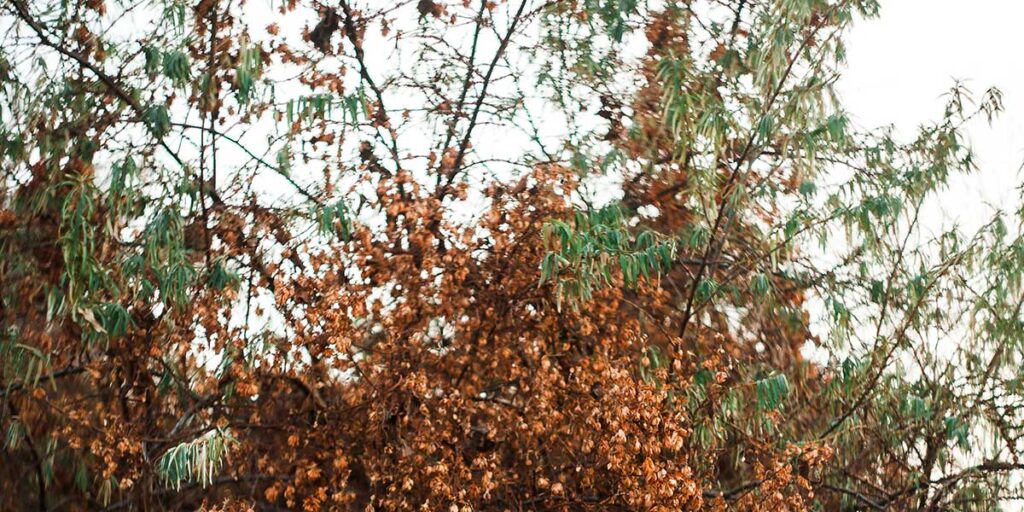
Top 5 Native Trees for Lancaster Landscapes: A Seasonal Guide
Sprout’s Tree Care Adventure: Trimming Team to the Rescue!
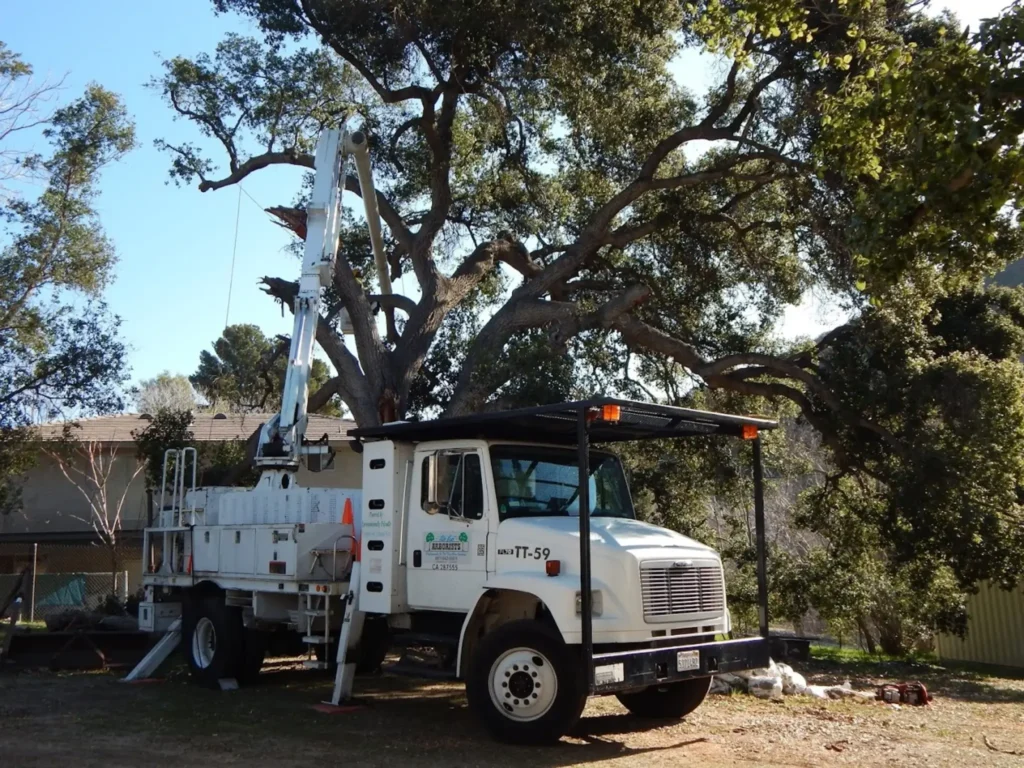
Sprout’s Tree Trimming Team to the Rescue! By: Tom Baal Tree care With Sprout One sunny morning in Lancaster, CA, Sprout and his trusty friends were playing in the neighborhood park when they noticed that the trees were looking a little sad. The leaves were drooping, and some branches looked like they needed a hug. Sprout, being the kind and caring boy that he is, knew he had to do something to help. Gathering his friends around him, Sprout declared, “We are going to be the Tree Trimming Team to the Rescue! It’s time to show these trees some love and care.” His friends cheered and clapped, excited to embark on this new adventure. As they set off with their little buckets and gardening gloves, Sprout explained to his friends the importance of taking care of trees. “Trees give us oxygen to breathe and shade to cool us down on hot days. They are like the superheroes of our neighborhood,” Sprout said with a smile. The first tree they came across was an old oak tree with branches reaching out in all directions. Sprout showed his friends how to carefully trim the dead branches and remove any pesky weeds around the base. “Just like how we need haircuts and baths to stay healthy, trees need a little trim and clean-up too,” Sprout explained. As the Tree Trimming Team worked together, they noticed how the trees seemed to perk up and stand a little taller. The leaves rustled in the breeze, as if saying thank you for the tender loving care. Sprout’s friends were amazed at the difference they had made with just a little bit of effort. After a few hours of hard work, the Tree Trimming Team had transformed the park into a green paradise. The trees looked happy and healthy, their branches swaying gently in the wind. Sprout and his friends sat down on the lush grass, feeling proud of their accomplishment. “Today, we learned that even small acts of kindness can make a big difference,” Sprout said, gazing up at the trees above. “Just like how we take care of each other, we should also take care of nature around us. It’s all connected.” And so, with their hearts full and their spirits high, Sprout and his friends made a promise to always look out for the trees in their neighborhood. As they walked home, they couldn’t wait for their next adventure as the Tree Trimming Team to the Rescue. Sprout Needs Your Help: Keep Our Community Clean Hey there, fellow nature lovers! Scout here, and I have a special mission for you. It’s time to show our neighborhood some love by keeping it clean and green. Just like we trim trees to help them stay healthy, we can also help our environment by picking up trash and litter. Let’s make it a fun game! Grab a bag and some gloves, and see how many pieces of trash you can collect around your school, park, or even your own street. Remember, even small acts like picking up trash can make a big difference in keeping our community beautiful. But here’s a friendly reminder: always be careful when picking up trash. Make sure to wear gloves to protect your hands and be mindful of any sharp objects you may come across. Safety first, always! Let’s work together to make our neighborhood a cleaner and happier place for everyone. Are you ready to join me in this mission? Let’s go, Team Clean and Green!. Remember: Every big tree starts with a little helper. Did You Know? Why was the tree blocking the sunshine in Lancaster, CA? The tree in Lancaster, CA was blocking the sunshine because its branches had grown too big. How did Sprout and his friends help the tree in Lancaster, CA? Sprout and his friends trimmed the tree’s branches and provided it with water and fertilizer to help it grow in Lancaster, CA. Tip Top Arborists Since 1976, Tip Top Arborists has been Southern California’s trusted partner in professional tree care. Based in Lancaster, CA, and surrounding areas—delivering expert tree trimming, removal, and maintenance services with safety, science, and integrity at the core. We’re not your average “guys with chainsaws.” We’re ISA Certified Arborists with deep industry knowledge, modern equipment, and a commitment to customer care that’s been passed down for nearly five decades. From storm damage cleanup to long-term tree health management, our team helps property owners protect their investment—and enhance their curb appeal—year-round. Experienced We have been in the industry for over 45 years. Choosing us means choosing proven experience and expertise. Insured Your safety is our highest priority. We are bonded and insured to protect you, your property, and our team. Licensed Our contractor’s license #821770 is current and active with the CSLB. Hiring us means hiring licensed tree experts. Recycling We are as committed to the environment as we are to our clients. We recycle 100% of all wood and green waste. Hey Mom and Dad! Ready To Get Some Tree Work Done? Address: 44107 Yucca Ave Lancaster Ca. 93534 Phone: Toll-Free: (877) 380-0023 (California only), Local Tel: (661) 418-2690 (Antelope Valley), Local Tel: (661) 244-6964 (Santa Clarita Valley), Local Tel: (760) 330-5405 (Victor Valley) Business Hours: Monday to Friday from 7am to 4pm Why Your Neighbors Trust Tip Top Arborists
Top 10 Tree Care Mistakes to Avoid in Lancaster, CA
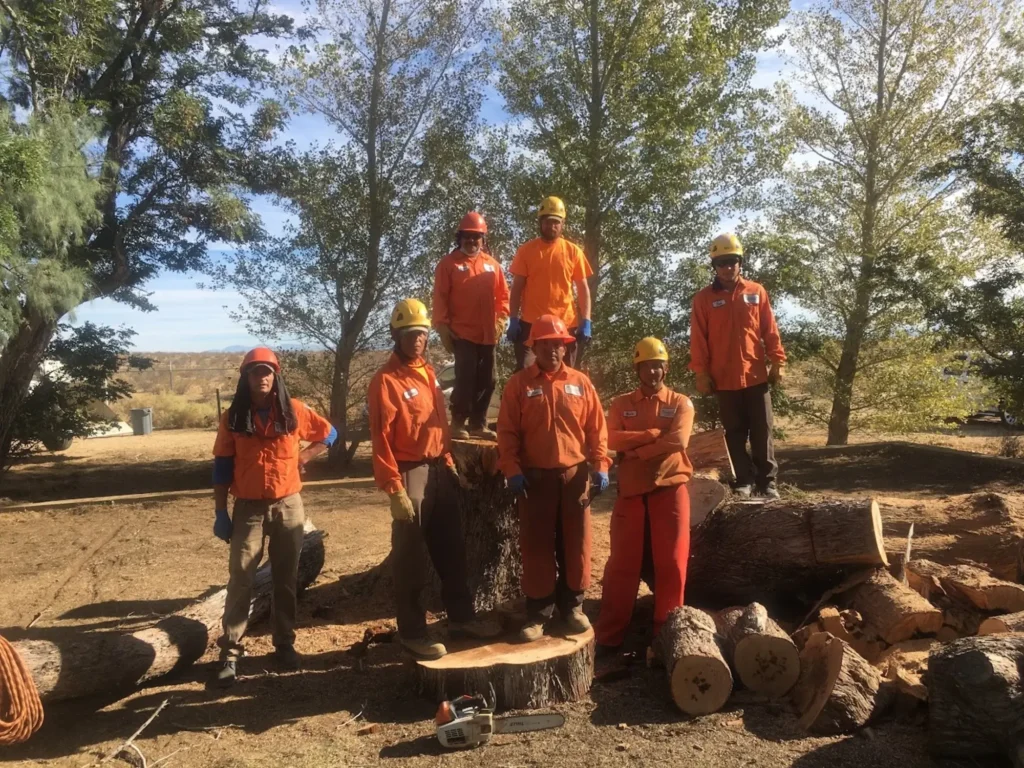
10 Tree Care Mistakes Homeowners in Lancaster, CA Should Avoid Avoid These Common Tree Care Errors to Keep Your Landscape Safe, Healthy, and Beautiful Year-Round in Lancaster, CA As a homeowner in Lancaster, CA, you are proud of the beautiful trees that grace your property. Trees not only enhance the beauty of your home but also play a crucial role in providing shade, purifying the air, and contributing to the overall well-being of the environment. Caring for trees requires a combination of knowledge and skill to ensure they thrive and remain vibrant for years to come. In this article, we will delve into the top 10 mistakes to avoid when it comes to tree care in Lancaster, CA, so that you can effectively nurture your trees. Proper tree trimming is essential for maintaining the health and appearance of your trees. Neglecting to trim your trees regularly can result in overgrowth, weak branches, and potential safety hazards. By scheduling professional tree trimming services in Lancaster, CA, you can ensure that your trees are pruned correctly to encourage healthy growth and vitality. While it might be tempting to save money by attempting to prune your trees on your own, improper pruning can do more harm than good. It is crucial to enlist the services of professional tree pruning experts in Lancaster, CA, to ensure that your trees are pruned correctly and in alignment with industry standards. Arborists with expertise in tree care possess the necessary knowledge and skills to trim trees safely and effectively. Trees are vulnerable to diseases that can jeopardize their health and longevity. Ignoring signs of tree disease, such as unusual discoloration, wilting leaves, or pest infestations, can have serious repercussions. If you suspect that your tree is diseased, it is imperative to seek guidance from a professional arborist for an accurate diagnosis and appropriate treatment. In cases where a tree poses a safety risk or has reached the end of its life cycle, it may be necessary to remove it. Trying to remove a tree without professional assistance can be hazardous and may lead to property damage or personal injury. Hiring skilled tree removal services in Lancaster, CA, ensures that the tree is safely and efficiently taken down without causing any harm. Dead or dying trees not only diminish the visual appeal of your property but also pose a threat to nearby structures and individuals. Promptly addressing dead or dying trees with the help of professional tree removal services in Lancaster, CA, prevents potential hazards and creates space for new, healthy trees to be planted in their place. Following the removal of a tree, the remaining stump can be unsightly and present obstacles to landscaping efforts. Opting for professional stump grinding solutions in Lancaster, CA, guarantees that the stump is removed safely and effectively, allowing for the seamless integration of new plants, shrubs, or trees in the area. Proper watering is vital for the well-being of your trees. Overwatering can lead to root rot, while underwatering can cause stress and dehydration. By understanding the specific watering requirements of your trees and adjusting them based on seasonal conditions, you can promote optimal growth and vitality. Before planting a tree, it is essential to consider factors such as soil quality, sunlight exposure, and proximity to structures or utilities. Planting trees in unsuitable locations can result in stunted growth, root damage, and complications in the future. Seeking advice from an arborist regarding tree selection and placement can help you make informed decisions. Using the correct tools for tree care tasks, such as pruning shears or saws, is crucial to prevent damage to branches, ensure even cuts, and reduce the risk of disease. Investing in high-quality, professional-grade tools and equipment for tree maintenance ensures that the job is carried out efficiently and effectively without causing harm to the tree. Mulching around the base of trees offers various benefits, including retaining moisture, suppressing weeds, and protecting against temperature fluctuations. Forgetting to mulch trees can leave them vulnerable to stress and damage. Applying a layer of mulch around the base of your trees helps to maintain soil moisture and enhance overall tree health. In conclusion, taking care of your trees in Lancaster, CA, demands attention to detail, knowledge, and a dedication to proper tree maintenance practices. By steering clear of these 10 common mistakes and seeking the assistance of professional tree care services when necessary, you can ensure that your trees flourish and enhance the beauty of your property for years to come. If you find yourself uncertain about the best course of action for your trees, remember that Tip Top Arborists is ready to provide expert advice and support for caring for your trees in Lancaster, CA. Give us a call today for guidance and assistance. What should I do if I see a tree with wilting leaves in Lancaster, CA? If you notice wilting leaves on a tree in Lancaster, CA, it could be a sign of tree disease. Contact a professional arborist for a proper diagnosis and treatment. Verticillium wilt affects over 300 species of trees and shrubs, with early symptoms including leaf curl, wilting, and dieback. USDA Forest Service, Plant Health Guide → How can I safely remove a tree stump in Lancaster, CA? For safe and effective tree stump removal in Lancaster, CA, consider hiring professional stump grinding services to ensure the stump is properly removed Stump grinding removes 90–100% of the stump and major roots, minimizing pest attraction and regrowth. International Society of Arboriculture (ISA) → Is it okay to water my trees every day in Lancaster, CA? Overwatering can harm trees in Lancaster, CA, leading to root rot. It’s important to adjust watering based on seasonal conditions to avoid stress and dehydration. Overwatering is one of the top 3 causes of urban tree decline, especially in hot, arid zones like California’s High Desert. UC ANR – California Backyard Orchard Guide→ Tree Tips Try the Finger Test Before Watering Before you reach for the hose, stick your finger