
Tree Bark Cracking? Here’s What It Could Mean | Lancaster Tree Doctor
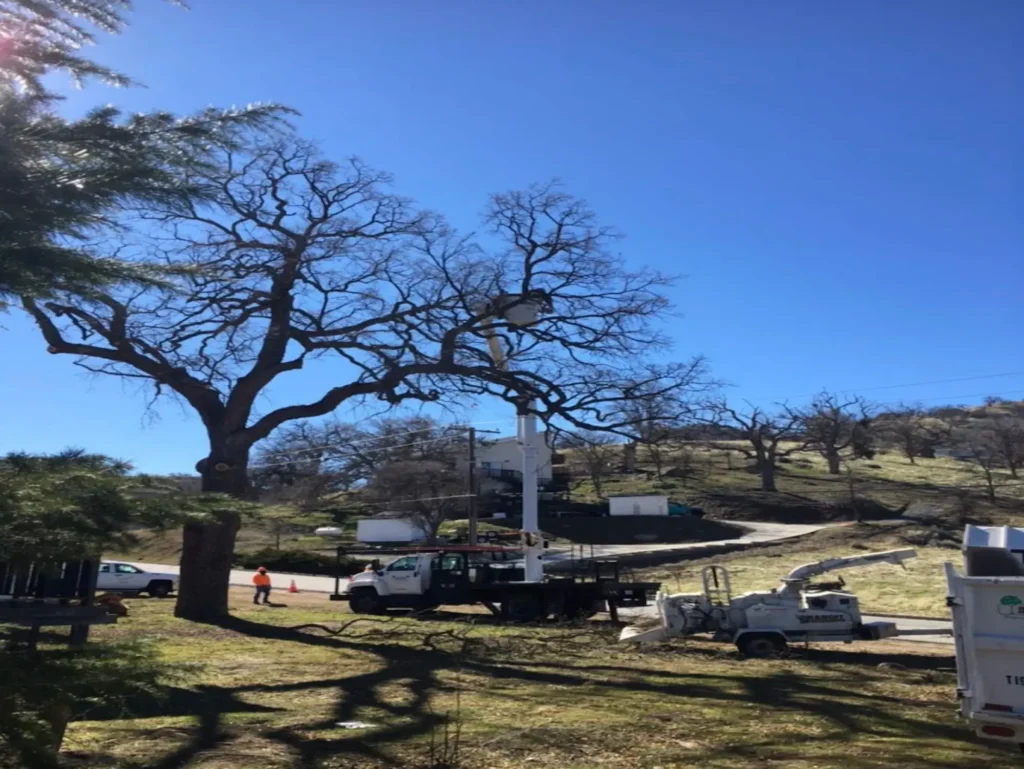
Learn how to properly prune fruit trees in Lancaster, CA with this seasonal guide. Discover the best timing, techniques, and expert tips to boost your orchard’s health and harvest.
What to Do When a Tree Falls on Your Car: Complete Emergency Action Guide
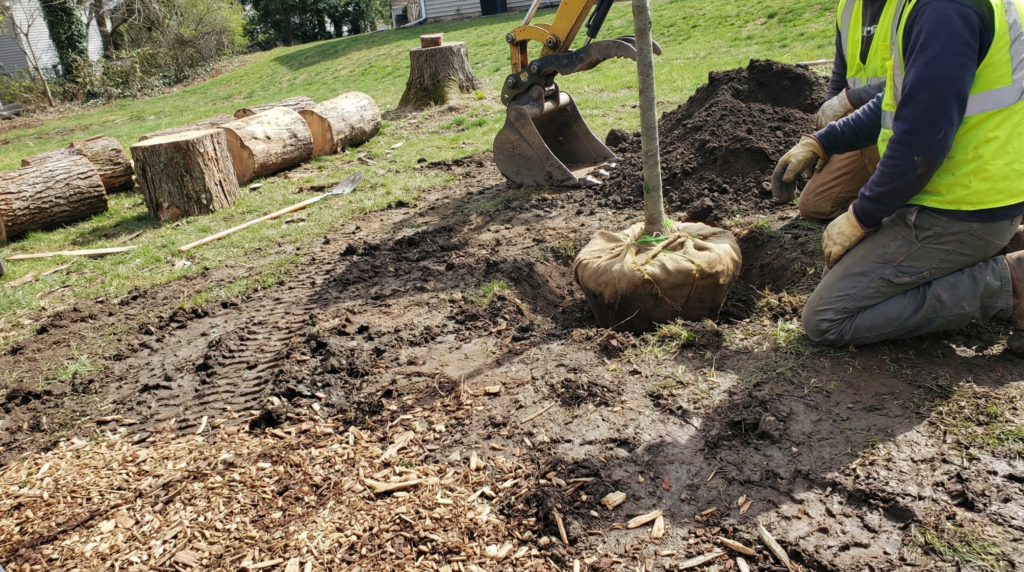
Tree fell on your car? Don’t panic! Follow our expert 7-step emergency guide from Lancaster’s certified arborists. Insurance tips, safety steps & professional removal – Call (661) 942-5501
The Danger of Root Rot in Overwatered Trees | Lancaster Tree Doctor
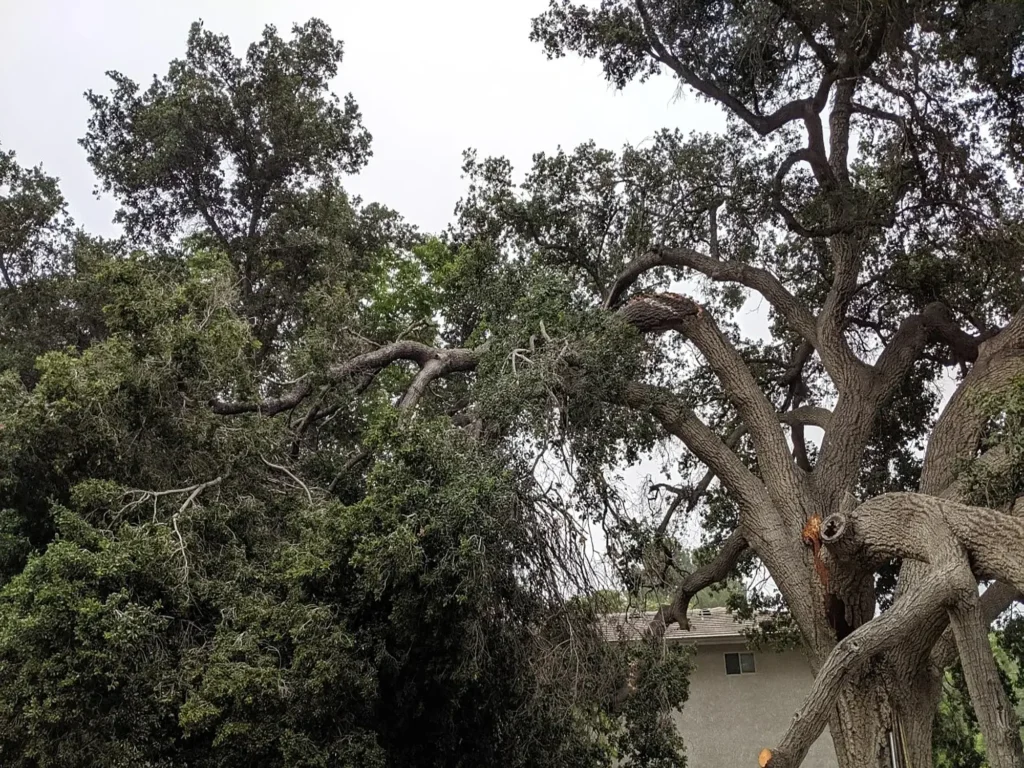
Learn how to properly prune fruit trees in Lancaster, CA with this seasonal guide. Discover the best timing, techniques, and expert tips to boost your orchard’s health and harvest.
Affordable Tree Trimming Palmdale CA | Tip Top Arborists
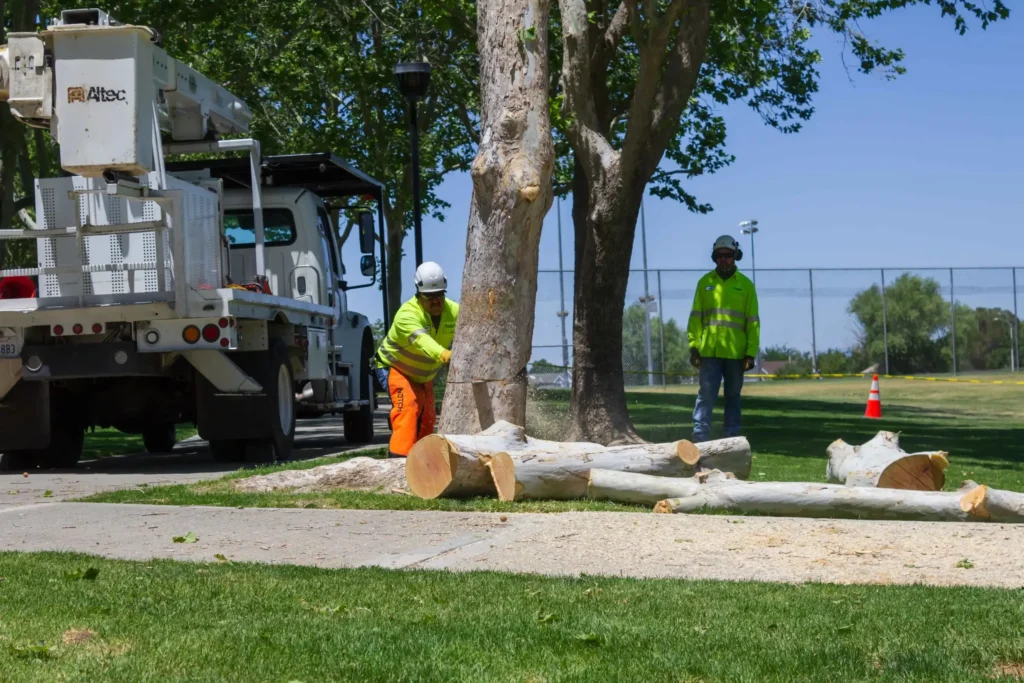
Affordable, ISA-certified tree trimming services in Palmdale CA. Boost curb appeal, reduce hazards, and save money. Free estimates—call (661) 942-5501.
Hazardous Tree Signs in Lancaster CA | Tip Top Arborists
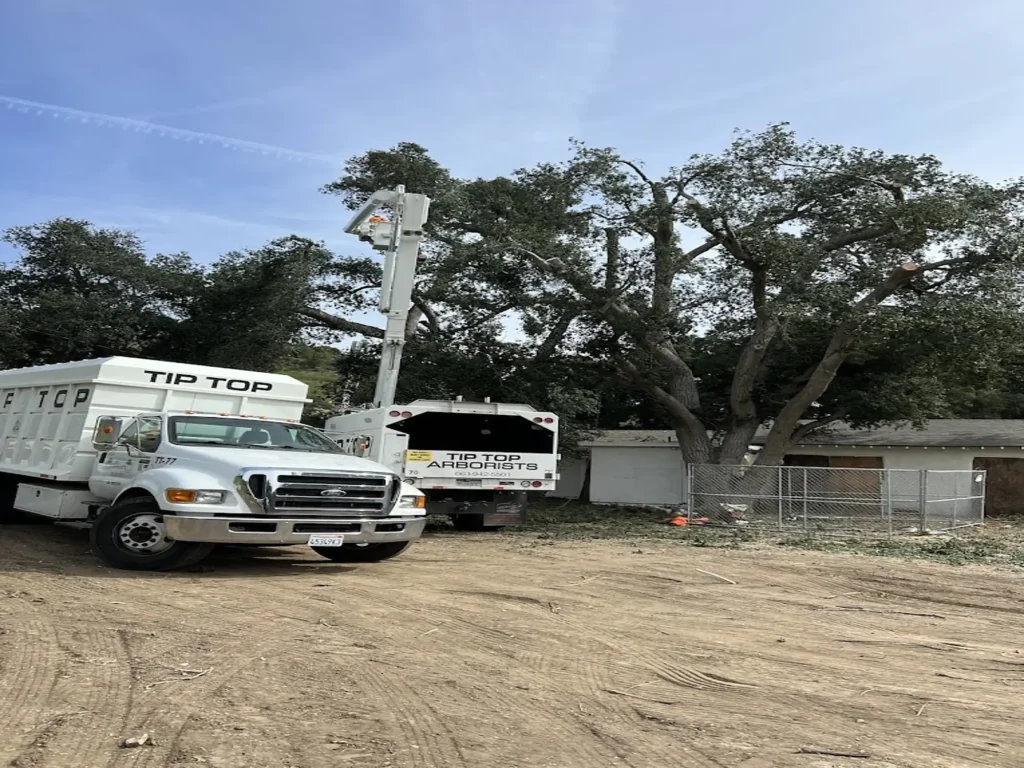
Identify trees at risk of falling in Lancaster CA. Learn expert safety signs and risk assessment tips from Tip Top Arborists’ ISA-certified professionals.
Living Totems: Exploring Tree Carvings and Ancestral Markings
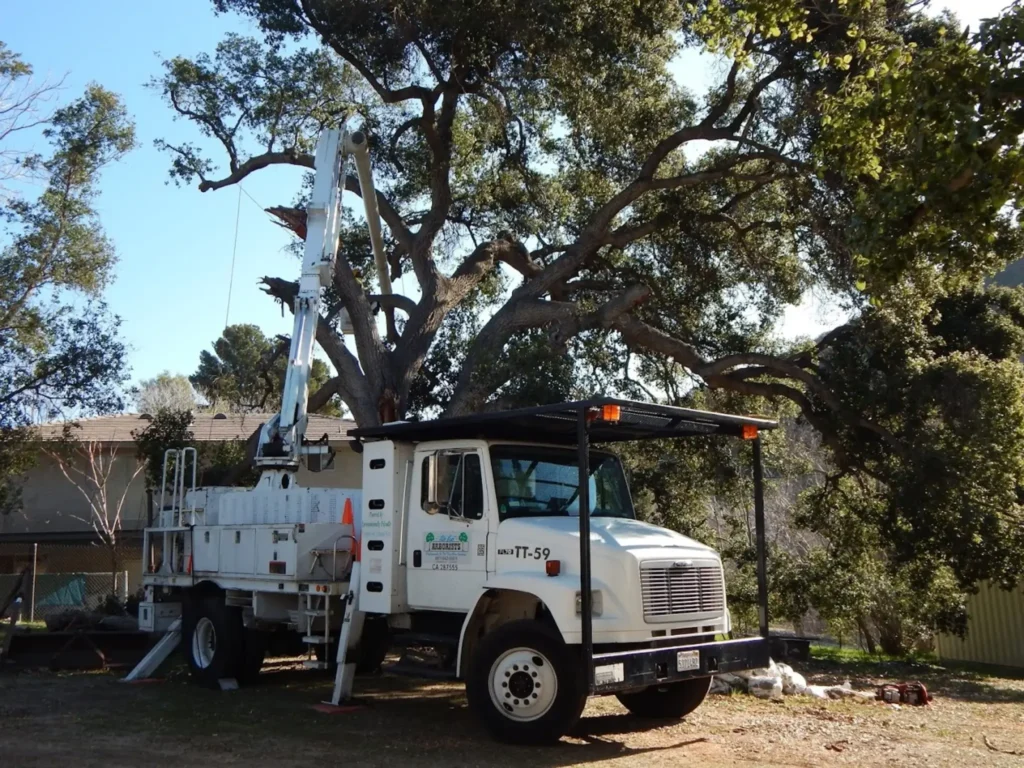
Living Totems: Exploring Tree Carvings and Ancestral Markings It starts with a mark. A shallow scrape on bark. A name, maybe. A symbol. Something passed from hand to trunk with the care of memory being made. Not graffiti. Not exactly art. But something more layered, like a whisper carved into wood that keeps talking long after the carver has gone. You’ll find them everywhere if you look closely. Not just the hearts and initials etched by teenage sweethearts or the occasional “Jake was here” scrawl. We’re talking about older, deeper things. Petroglyphs on smooth-barked trees. Spiral markings made with flint tools. Faces so worn they’ve blurred into the grain. These aren’t just trees. They’re living totems, timekeepers standing quietly while the world spins by. In many cultures, trees have always been more than just wood and leaves. They’ve held spirits, told stories, and watched over entire communities. Some Indigenous peoples believed trees could hold the soul of an ancestor. Others used bark as canvas, recording events in pictographs or tracking seasonal migrations. In places like Africa and Australia, sacred trees are still visited like shrines. People leave offerings at the roots, speak prayers into the branches, and remember. Sometimes these carvings were maps. Other times, warnings. Still others were simply someone trying to say, “I was here. This mattered.” Over time, the tree swells and shifts, growing around the cut. Letters stretch. Edges fade. And what’s left is a memory you can touch. That’s the thing about trees: they grow, but they don’t forget. A scar remains, even when bark thickens and tries to cover it up. It’s why you might spot initials from fifty years ago on an old elm downtown or find a faded soldier’s name scratched into a tree near an abandoned outpost. Trees aren’t like buildings. They don’t get torn down or paved over. They wait. They endure. Here in Lancaster, you’ll find your fair share of these silent sentinels. Some still carry the markings of early settlers. Others bear more recent inscriptions—a heart, a date, a name curling along a knotted branch. While not every carving is historic or respectful, the impulse behind them is usually the same: to mark time, to connect, to leave something behind. There’s something poetic about that. In a world so quick to forget, trees remember. They don’t rush. They don’t erase. They keep everything. Every nick from a deer rub. Every swing of an axe. Every child’s initials carved far too high for them to have reached on their own. But there’s a responsibility here, too. Carving into a living tree might seem harmless, but it’s not. It exposes the tree to disease, pests, and rot. One deep wound can linger for decades. And unlike stone or canvas, this medium is alive. It bleeds. It scars. It suffers. That’s why we never recommend carving into a tree, even with good intentions. A camera works just as well to preserve a memory. And a healthy tree, left whole, can live far longer to hold that story. Some of the oldest known tree carvings, like those left by shepherds and travelers in remote forests, have become historical documents. They’re studied by archaeologists, protected by conservationists, and often closed off to the public. In that sense, these old totems are treated like sacred texts. Fragile and worth preserving. At Tip Top, we’ve trimmed trees with initials from the 1940s. We’ve carefully worked around carvings that look more like ancient symbols than modern mischief. We’ve seen trees that seem to hum with memory, where layers of meaning are baked right into the rings. It’s humbling. And it reminds us that caring for trees also means respecting what they’ve witnessed. So next time you’re out walking in the hills or through an old grove, take a closer look. That knot might be a face. That scar might be a signature. That tree might be carrying a secret. Listen, don’t mark. Honor, don’t harm. And if you’ve got something worth remembering, whisper it to the leaves. They have a way of passing it on. Because trees don’t forget. And sometimes, they speak in scars. Did You Know? The oldest known tree carvings in the U.S. date back to the 1800s and were made by Basque shepherds in the West. Indigenous Australian “dendroglyphs” (tree carvings) were created as part of ceremonial and burial traditions. Carving into a tree can interrupt nutrient flow and invite harmful pathogens. Some carvings have caused entire limbs to die over time. FAQs About Talking Trees Is it illegal to carve into trees in public parks? In most areas, yes. It’s considered vandalism and can damage the tree’s health. It’s also disrespectful to shared natural spaces. Can a tree survive being carved into? Sometimes. It depends on how deep the carving is and how healthy the tree is to begin with. Deep cuts can open the door to disease or decay. Are there safe ways to create tree art or totem-style designs? Yes. Instead of carving, consider using removable signs or engraved stone markers nearby. These preserve the story without harming the tree. Can tree carvings be preserved? If the tree is still alive and the markings are significant, arborists can sometimes work around them during maintenance. Some historic trees are even protected by law. Have questions about the trees in your own yard? Tip Top Arborists is here to help you care for your living legends. Let our certified arborists provide expert guidance for a lifetime of healthy trees. Contact Us Today
Sun-Scorched Trees in California | Tree Heat Damage Guide
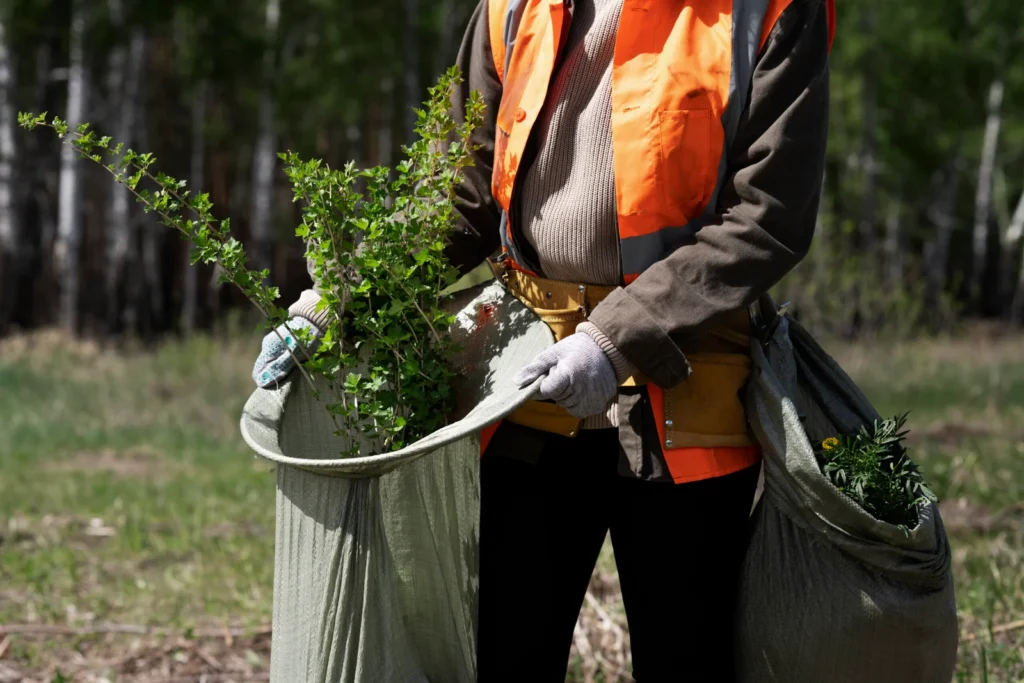
Learn how to identify, treat, and prevent sun-scorched tree damage in California. Our ISA-certified arborists offer 24/7 emergency care and expert heat recovery tips.
Best Time to Trim Fruit Trees in High Desert CA | Tip Top
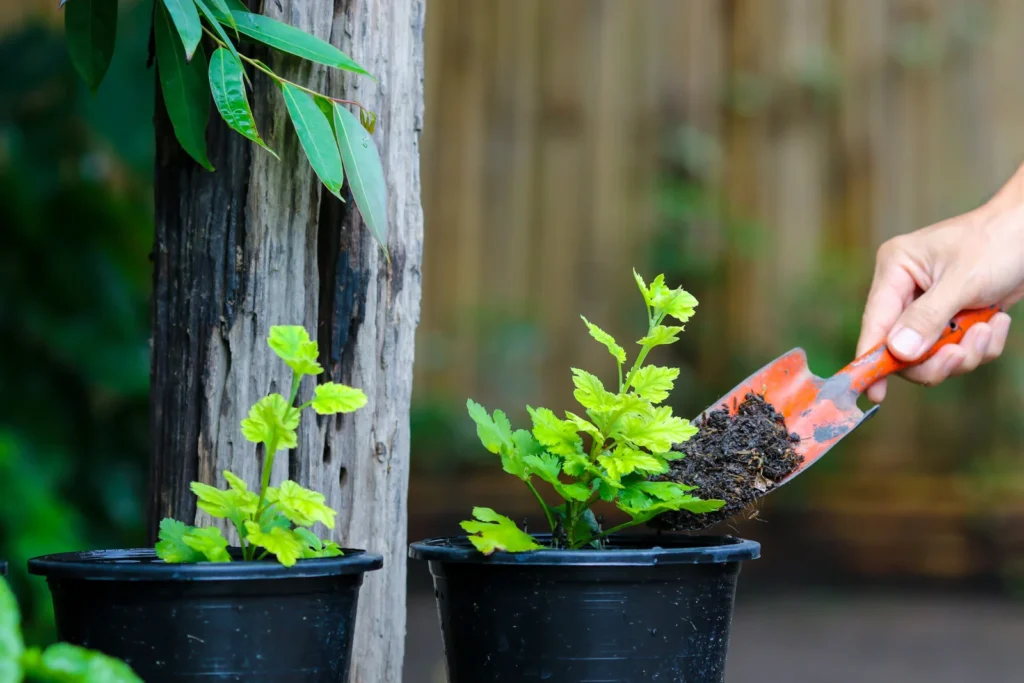
Learn the ideal time to prune fruit trees in High Desert CA. Tip Top Arborists share seasonal pruning tips tailored for desert climates and healthy fruit production.
Ground Crew Safety: What Every Property Manager Should Know
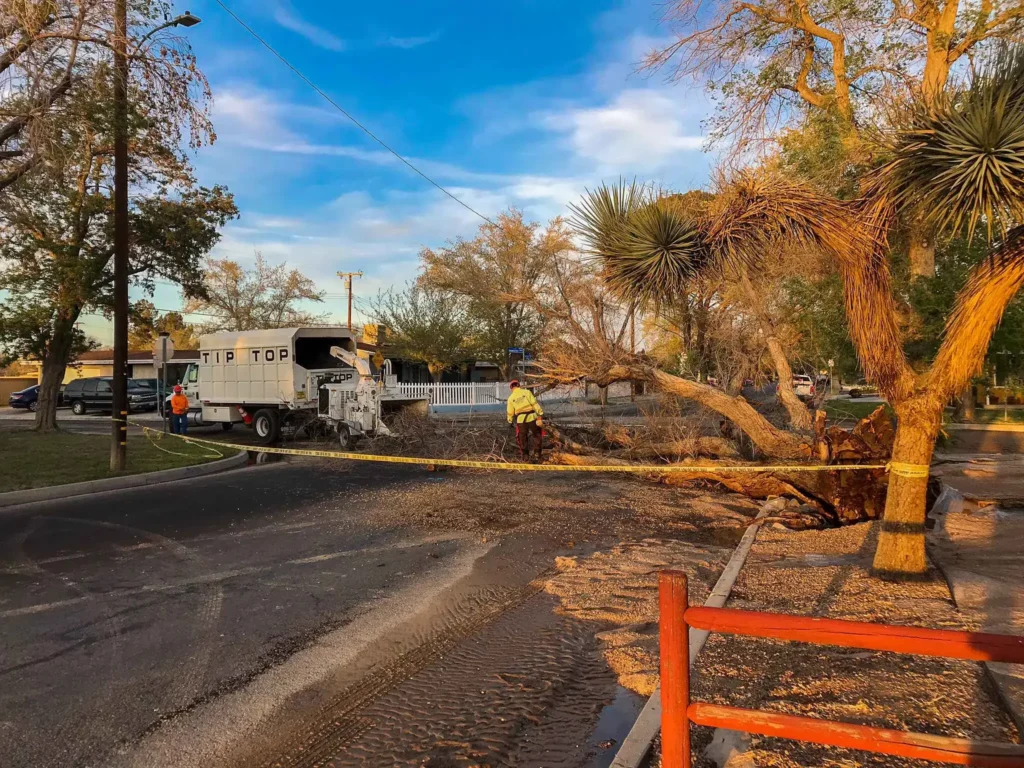
Ground Crew Safety: What Every Property Manager Should Know If you manage properties with trees – whether it’s a residential complex, a commercial lot, or an HOA – you’ve probably seen tree crews on site. There’s the hum of chippers, the flash of high-vis vests, and the rhythm of ropes moving limbs from high above. From the sidewalk, it might look like organized chaos. But when it’s done right, every movement is part of a careful, coordinated plan. At Tip Top, we’ve been working alongside Lancaster’s property managers for decades. We know what’s riding on every job: safety, liability, your reputation, and finishing the work without any surprises. That all starts with understanding the ground crew – the folks making sure everything runs smoothly down below. Because in tree care, safety doesn’t begin at the top of the tree. It starts at ground level. Tree work isn’t just about climbing with chainsaws and fancy knots. The ground crew has one of the most important – and sometimes most overlooked – roles on the site. They’re responsible for rigging, redirecting, chipping, hauling, and making sure the area stays safe for pedestrians, cars, and buildings. And in many cases, they’re the ones closest to your tenants, your storefront, or that very expensive glass patio door. A ground crew that isn’t trained or protected puts more than themselves at risk. It can create liability issues for you as the property manager, especially if something goes wrong. Here are five key things every property manager should know before the next tree project starts. Whenever limbs are being lowered by rope, there’s a defined area on the ground where those limbs could swing, shift, or drop. That’s called the rigging zone. A professional crew will always set it up clearly, marking it off with cones, signs, or caution tape. Nobody should enter without the go-ahead from the crew leader. Want to stay ahead of the game? Ask the crew where the rigging zone will be before the work begins. A good crew doesn’t just work hard – they work smart. You’ll often see a designated spotter keeping an eye on the work area, especially during rigging or while operating the chipper. Visual or verbal signals are used to coordinate who does what and when. If there’s no communication happening and no one watching for movement or bystanders, that’s a red flag. At Tip Top, our ground crew gear includes: ANSI-certified hard hats Cut-resistant chaps High-visibility vests Ear and eye protection And yes, we wear it even in 100-degree Lancaster heat. If a company skips personal protective equipment, they might be cutting corners elsewhere too. Don’t take that risk. Chippers are powerful tools and, frankly, the most dangerous piece of equipment on-site. Loading them requires serious focus and training. The area around the chipper should be treated like a no-go zone unless you’re part of the crew. If a tree crew is working near a common area, entrance, or walkway, make sure there are temporary signs directing people around the zone. This helps prevent accidents and confusion. As the property manager, you play a big role in keeping the worksite safe – and your part is pretty straightforward: Move vehicles and outdoor furniture from the work area Let tenants or employees know what’s happening ahead of time Keep kids, pets, and curious onlookers out of the drop zone Confirm that the tree service has valid insurance and worker’s comp coverage Tree safety is a team effort. When everyone’s on the same page, the job goes faster, smoother, and safer. You don’t need to know everything about tree work. But you do need to ask smart questions before hiring a crew. Here are some of the big ones: Are your ground crew trained in rigging and drop zone safety? How do you mark off and control the work zones? Do you have up-to-date general liability and worker’s comp insurance? Who will be the on-site lead or foreman? How will you keep tenants, staff, or customers safe during the work? If the crew hesitates, avoids the questions, or says “don’t worry about it,” that’s your cue to look elsewhere. We’ve seen the difference good safety practices make. And we’ve also seen what happens when they’re ignored. One job had a misjudged anchor point that sent a large limb swinging a little too close to a resident’s car. Another time, a poorly marked drop zone caused confusion with maintenance staff walking through during rigging. Thankfully, no one was hurt – but things could have gone very differently. When safety comes first, everyone benefits. There’s less risk, fewer delays, no unnecessary property damage, and happier people on all sides. We don’t guess. We plan. Our crews arrive in uniform, brief every job site, and follow strict protocols from the moment they park the truck to the final rake-up. Whether it’s a one-time removal or ongoing maintenance across multiple properties, we’ll walk the site with you, identify any concerns, and make sure the job runs safely and efficiently. Because good tree care isn’t just about cutting – it’s about protecting the people and property below. Before you bring in a tree crew, run through this quick checklist: Ask for insurance and worker’s comp documentation Find out how they mark and enforce rigging and drop zones Confirm all crew wear appropriate safety gear Make sure they’ll block or redirect access to walkways if needed Let your tenants or team know what to expect Need a second opinion or just want peace of mind? Give Tip Top Arborists a call. We’ve been keeping Lancaster’s trees in tip-top shape since 1976. Book a Free Estimate | Explore Our Services
Sleeping Giants: The Long Winters of Deciduous Trees
Sleeping Giants: The Long Winters of Deciduous Trees When the air turns sharp and the days grow short, something ancient stirs in the trees. It doesn’t shout. It doesn’t flash. It simply slows. Leaves fall, one by one, like the ticking of a natural clock winding down. Branches bare themselves to the cold. The forest goes quiet. Not empty, just… resting. The sleeping giants are settling in. Deciduous trees have been doing this for longer than we’ve had calendars to name the seasons. They don’t hibernate like animals or migrate like birds. Their winter survival strategy is more subtle. A retreat inward. A long pause. A kind of botanical meditation. It starts in autumn, when the tree begins pulling in its resources. Nutrients are reabsorbed from the leaves, stored deep in the roots and trunk. The green chlorophyll fades, revealing a burst of fall color before the final curtain drop. Once the leaves fall, the tree is bare. Not lifeless, just preparing. Winter is a risk in the tree world. Water can freeze inside delicate cells, light is scarce, and the weight of snow can crack limbs like dry twigs. But instead of fighting the cold, deciduous trees surrender to it. They empty themselves of excess, slow their metabolism, and enter a state called dormancy. It’s not quite sleep as we know it, but it’s close. The tree’s internal machinery powers down. Growth halts. Energy use drops. Sap thickens, moving sluggishly or not at all. Above ground, it may look like nothing is happening. But below the bark, life hums on—slowly, quietly, patiently. Even their buds, tightly sealed and waiting, are a kind of promise: “We’ll be back.” Deciduous trees are master planners. Long before winter arrives, they’ve already packed their bags. Their buds were formed back in summer, tucked into tiny cases to weather the cold. When spring’s warmth finally returns, those buds don’t need to build from scratch. They simply unfurl what was always waiting. That’s the secret of dormancy. It’s not a shutdown. It’s a strategy. In some years, winter is harsh. Storms tear through. Ice clings to every surface. Yet come April, those same trees burst into bloom like nothing happened. Their resilience isn’t about brute strength. It’s about knowing when to rest. Knowing that growth is not always loud or fast. You can walk past a sleeping maple and not see anything new for months. But inside its core, cells are preserving, protecting, preparing. The roots below are still alive, soaking up what they can. The tree is holding space for the future. It’s easy to forget that dormancy is a kind of work. Just not the kind we usually admire. There’s no flash, no obvious progress. But without it, there would be no spring. Deciduous trees remind us that rest is not laziness. It’s not absence. It’s a season with its own wisdom. A time to slow down, gather strength, and wait. They also remind us how to endure. To stand tall even when stripped of everything external. To survive with what lies within. Not every tree in the forest does this. Evergreens keep their needles, bracing through winter with a different tactic. But deciduous trees lean fully into the cycle. They give up what they can’t carry, trusting that the return will come. And it does. Every year. There’s something comforting about that rhythm. Something hopeful. The idea that even in the starkest part of the year, life is just beneath the surface, biding its time. When snow dusts a grove of bare trees, the effect can be haunting. A forest of skeletons, silent and still. But these aren’t ghosts. They’re sleepers. Dreaming of warmer days. If you step into the woods on a winter morning, you’ll feel it. That breath-held hush. The strength in the stillness. The quiet determination that says, “I’ve done this before. I’ll do it again.” So the next time you see a bare tree in the dead of winter, don’t mistake it for lifeless. It’s a giant at rest. A being in waiting. A living lesson in patience. Because sometimes the most powerful thing a tree can do… is nothing at all. Did You Know? Dormancy protects trees from freezing damage by slowing cellular activity and reducing water content in limbs and leaves. Some tree species use sugars and antifreeze proteins in their sap to help prevent ice crystals from forming inside their cells. Tree buds are pre-formed in late summer and remain dormant until spring triggers their opening. . FAQs About Talking Trees What does it mean when a tree goes dormant? Dormancy is a period when a tree slows down its metabolic activity to survive harsh conditions, particularly cold weather. Growth stops, but the tree is still alive. Do all trees go dormant in winter? No. Most deciduous trees enter dormancy, but many evergreens remain active, though at a slower pace. Dormancy is especially common in trees in temperate climates with cold winters. Is my tree dead or dormant? It can be hard to tell, but dormant trees still have flexible twigs, visible buds, and moist tissue under the bark. A snap test or scratch test can help reveal if it’s still alive. Why is dormancy important for trees? It helps trees conserve energy and protect themselves from winter damage. Without dormancy, freezing temperatures could harm the tree’s vital structures. Have questions about the trees in your own yard? Tip Top Arborists is here to help you care for your living legends. Let our certified arborists provide expert guidance for a lifetime of healthy trees. Contact Us Today