
Planting a Birthday Tree: A Yearly Family Tradition
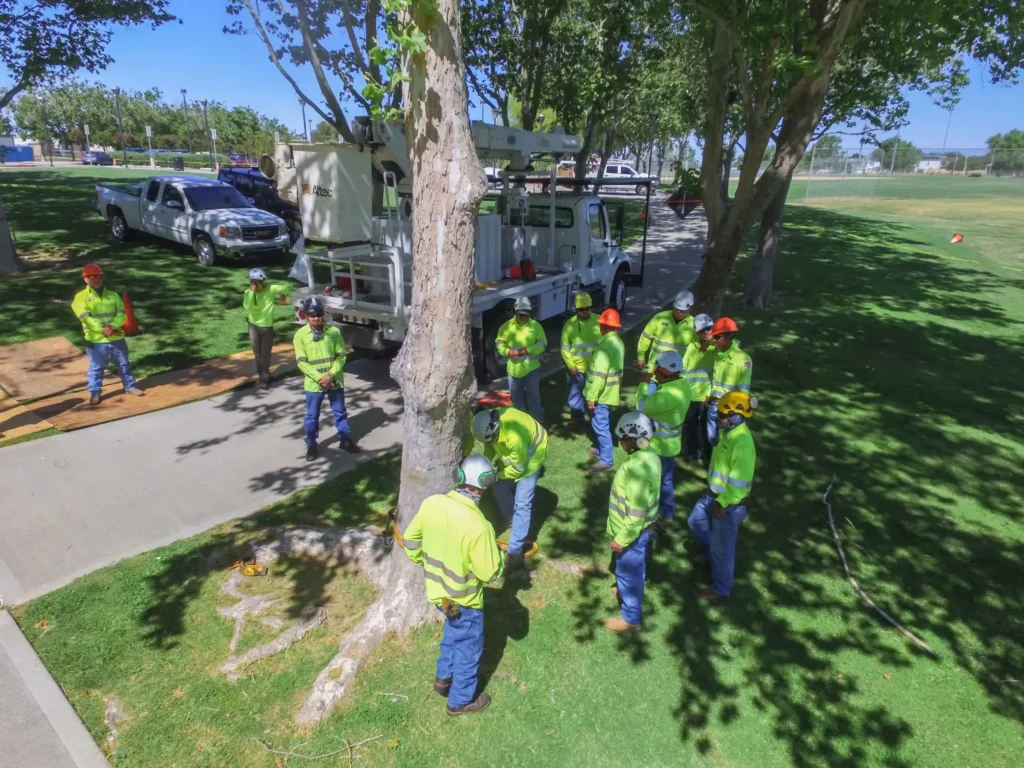
Planting a Birthday Tree: A Yearly Family Tradition By: Tom Baal Sprout sat at the kitchen table, a party hat slightly crooked on his head and frosting on his cheek. “You know what the best birthday present is?” he said between bites of cake. “A tree.” His parents looked up, amused. “A tree?” they asked. Sprout nodded. “One that grows with me.” And that’s how it all started. The tradition of the Birthday Tree. Each year, instead of just blowing out candles and unwrapping toys, Sprout and his family would pick out one special tree to plant. Sometimes it was small and scraggly. Other times it already had a few branches reaching out, like it was ready for hugs. But every tree meant something. The first one was a desert willow, planted in the side yard when Sprout turned five. “I liked how the flowers looked like little trumpets,” he said. The next year brought a fruitless mulberry that he named Captain Shade. Year seven? A palo verde. Bright green, full of personality. Each tree came with a little tag. It had Sprout’s age, the date, and a short note like, “Sprout turned six today. He asked for more cake and fewer weeds.” Planting day turned into a birthday event. The whole family helped out. Mom dug the hole. Dad checked the roots. Sprout placed the tree in the ground like he was introducing it to the yard. His little sister tossed mulch like it was confetti. They snapped photos beside the new tree every year, each of them standing a little taller, a little older. Sometimes the tree grew faster. Sometimes Sprout did. And once in a while, they grew at the same pace. Sprout liked that trees didn’t hurry. “Toys break,” he said. “But trees get stronger every year.” One year, it rained the entire week of his birthday. The backyard was a soggy mess, and Sprout was bummed. But his parents bundled up in raincoats and said, “Tradition is tradition.” So they planted a native oak, squelching through the mud in matching rain boots. “This one’s for the memory,” Sprout laughed, soaked and smiling. Another year, they planted a tiny pomegranate tree at Grandma’s house. “So it can grow while we visit,” Sprout explained. Grandma promised to take care of it. Now it stands outside her window like a little reminder of that shared day. By the time Sprout turned ten, the willow from his fifth birthday was tall enough to sit under. He took a book outside and read for hours, the shade wrapping around him like an old friend. “This tree’s been with me half my life,” he whispered. And it felt true. The trees held more than just age. They carried memories. The year of the bike crash and the skinned knee. The year of the new puppy. The year Sprout shot up three inches and couldn’t stop eating sandwiches. Each tree stood like a living bookmark in the story of his life. And it wasn’t just his own birthdays anymore. Sprout started asking to plant trees for others too. His sister. His best friend. Even the neighbors. “Everyone should have a birthday tree,” he said. “The world needs more of them.” His parents agreed. They began helping other families start the tradition. They shared tips on tree types, planting guides, and how to leave enough room for both roots and memories. One day, Sprout stood under a tree he’d planted years before and said, “When I grow up, I’m gonna be a tree.” His sister giggled. “You can’t be a tree.” Sprout shrugged. “Maybe not. But I can plant a lot of them. That’s kind of the same.” And so the tradition continued. Year after year. Hole after hole. Tree after tree. Because birthday gifts are fun, but trees? Trees grow with you. They remember. They bloom when you forget. They offer shade when you need to slow down. They don’t need batteries, they never go out of style, and all they ask for is sunlight, water, and a little love. Sprout’s birthday tree tradition grew into something bigger than just a backyard collection. It became a way to mark time with purpose. A way to give back. A way to grow something that truly lasts. And every year, as the candles flickered and the cake disappeared, there was always one moment. The one where Sprout picked his tree, patted the soil, and said, “Happy birthday to me, and to you too.” Sprout Needs Your Help: Start Your Own Birthday Tree Tradition! Hi friends, it’s Sprout! Birthdays are awesome – cake, candles, and fun… but you know what makes them even better? Planting a Birthday Tree! This year, try something new: Pick a tree that you love – maybe one with cool flowers or big leaves. Ask a grown-up to help you plant it on or near your birthday. Give it a name and take a photo with it every year. Add a little tag or write in a notebook: “Planted when I turned 7. Likes sunlight, just like me!” It’s more than just a tree – it’s a memory that grows with you. Every time you visit it, you’ll remember how strong you’re getting, just like your tree. You can even plant trees for your friends or family. The more trees, the better the birthdays – and the better the planet! Let’s make the world greener, one celebration at a time. Did You Know? Planting trees on birthdays has been a tradition in some cultures for centuries. It’s a symbol of growth, life, and staying rooted in something meaningful. Fast-growing trees like desert willows and fruitless mulberries are great for kids. They show changes quickly and are fun to watch. Trees absorb carbon dioxide and release oxygen. That makes them one of the most planet-friendly birthday gifts around. Native trees are low-maintenance and thrive in Lancaster’s dry, sunny climate. Marking milestones with tree planting helps kids form strong emotional bonds with
Antelope Valley Tree Care Packages | Tip Top Arborists
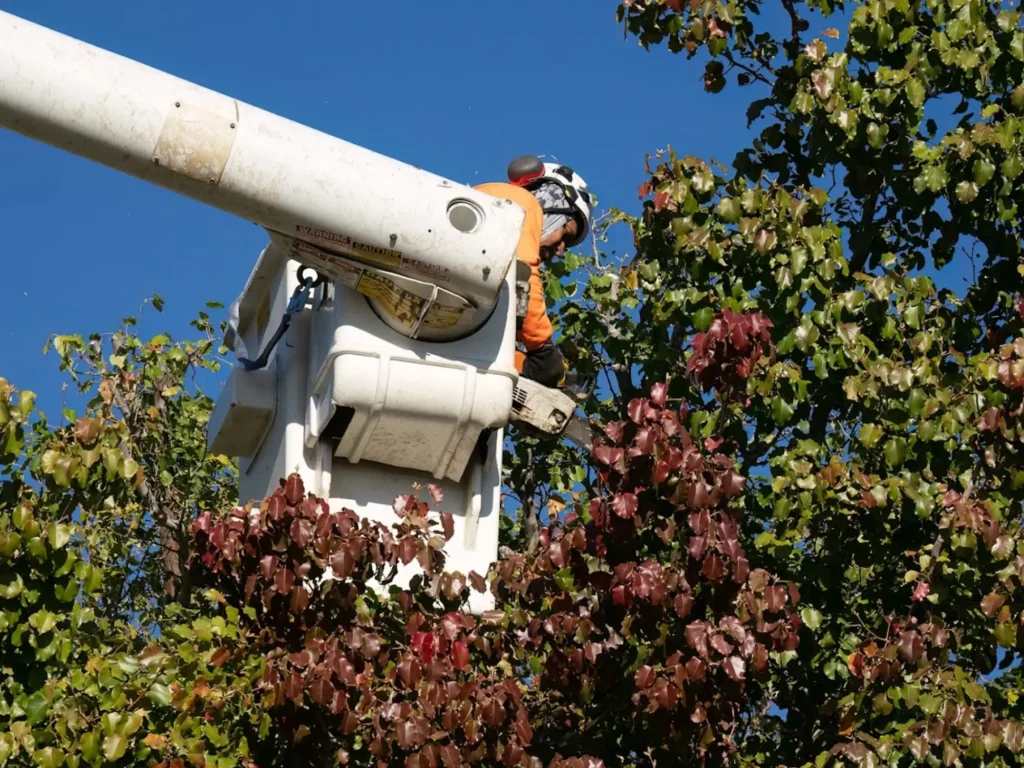
ISA-certified residential tree care in Antelope Valley. Choose from Basic to Comprehensive plans. Free inspections, trimming, and year-round tree health services.
Color in the Canopy: The Secret Language of Autumn Leaves
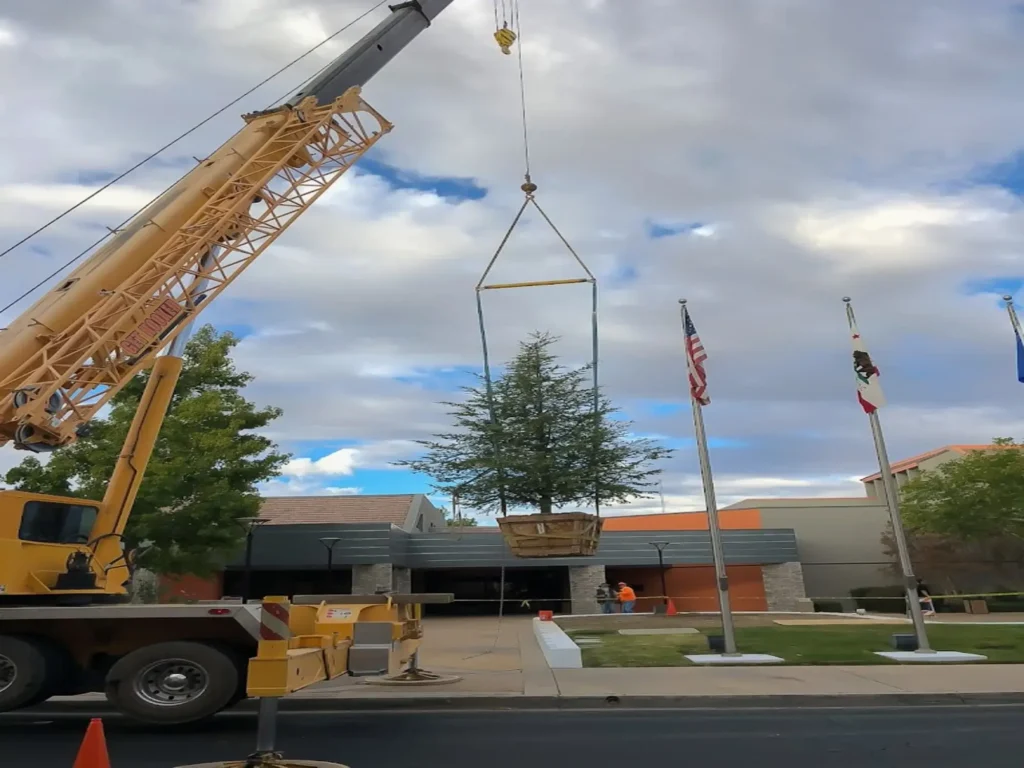
Color in the Canopy: The Secret Language of Autumn Leaves Autumn doesn’t show up with a bang. It slips in quietly, with a cool breeze, a longer shadow at noon, and a subtle shift in the trees from green to something warmer. One day, you look up and realize the leaves are speaking in color. Not loud. Not brash. Just bold enough to make you stop and look. Reds, golds, oranges, purples. It’s like fire suspended in midair. Leaves that were content in their summer green now burst into hues, as if they’ve got something important to say. And maybe they do. We often think of fall color as nature’s last hoorah before winter settles in. But there’s more to it than that. It’s a message. A quiet kind of communication, passed from leaf to leaf and tree to tree, written in pigment instead of words. Most of the year, green takes center stage. Chlorophyll, the pigment that powers photosynthesis, is the workhorse. It turns sunlight into food and keeps the tree alive and growing. But when the days grow shorter and the nights a bit cooler, chlorophyll starts to fade. That’s when the other colors finally get their chance to shine. They’ve been there all along. Carotenoids bring the yellows and oranges. Anthocyanins add deep reds and purples. These pigments were hiding behind the green curtain, waiting their turn. When the tree begins its seasonal slowdown, the curtain lifts. The color show begins. But this show isn’t just for us. It’s not nature putting on a pretty face for fall. It’s doing something useful. Some scientists believe the red pigments might protect the leaf during its final days of nutrient transfer, like a layer of sunscreen while the tree reclaims what it can before letting go. Others suggest the colors serve as warnings to pests, signaling strength and health. A few think bright leaves help attract animals that will later spread seeds. In a forest, beauty rarely shows up without a reason. Even if you didn’t know the science, the symbolism would still feel real. Across cultures, autumn is seen as a time to reflect and release. Trees don’t drop their leaves because they’re dying. They drop them to survive. Shedding leaves helps reduce water loss and protects the tree during the cold months ahead. It’s not the end. It’s smart preparation. And maybe that’s why fall hits us in the heart a little. We see those leaves letting go and think about what we’re holding on to. We feel the pull to slow down. To check in with ourselves. Trees aren’t panicking as they shed their leaves. They’re following a rhythm. They trust the cycle. There’s poetry in it. No urgency. No drama. Just a shift in color and then release. Not every tree turns the same. Some go gold, others blaze red. Some cling to green a little longer. The mix of species, soil, weather, and timing creates a patchwork that changes day by day. Walk the same trail a week apart, and it’s a completely different forest. It’s not just the trees, either. Vines climb fences in blush tones. Shrubs light up at eye level. A single leaf caught in the wind can flash more brilliance than a whole bouquet. Autumn teaches us that change doesn’t have to be quiet or gray. It can be loud in its own way. It can be bright. Bold. Beautiful. Letting go doesn’t mean fading away. Sometimes, it means showing your true colors. So next time you walk through a canopy dressed for fall, look up. The color isn’t just decoration. It’s expression. It’s defense. It’s invitation. It’s the forest speaking in a language older than any of us, one we still understand even if we’ve forgotten how. The trees aren’t dying. They’re transitioning. Preparing. Sending messages we can feel in our bones. And in their quiet, rustling way, they’re reminding us how to do the same. Did You Know? The red pigment in fall leaves, called anthocyanin, forms in response to sunlight and cool temperatures. That’s why the intensity of red can vary from year to year. Carotenoids – the yellow and orange pigments – are always present in leaves. They’re just hidden by the green chlorophyll most of the year. Some trees, like oaks, keep their dry brown leaves well into winter. This behavior is called marcescence, and scientists are still figuring out exactly why it happens. FAQs About Talking Trees Why do leaves change color in the fall? As days shorten and nights cool down, chlorophyll breaks down. When the green fades, the other pigments—like carotenoids and anthocyanins—are revealed. In some trees, anthocyanins are produced during this transition. Do all trees change color? Not all. Evergreen trees, like pines and firs, keep their needles year-round. Even among deciduous trees, the change in color and timing can vary by species, soil conditions, and climate. Why are some years more colorful than others? Weather plays a big role. A warm, wet spring followed by a mild summer and cool autumn days usually makes for the best color. If there’s too much rain or early frost, the display can be shorter or less vibrant. Are fall colors just for beauty? They’re beautiful, no doubt, but there’s purpose behind the pigments. Some protect the leaf during its final days. Others may help signal health to ward off pests or attract animals that help spread seeds. Have questions about the trees in your own yard? Tip Top Arborists is here to help you care for your living legends. Let our certified arborists provide expert guidance for a lifetime of healthy trees. Contact Us Today
Tree Removal Permit Rules in Lancaster CA | Tip Top Arborists
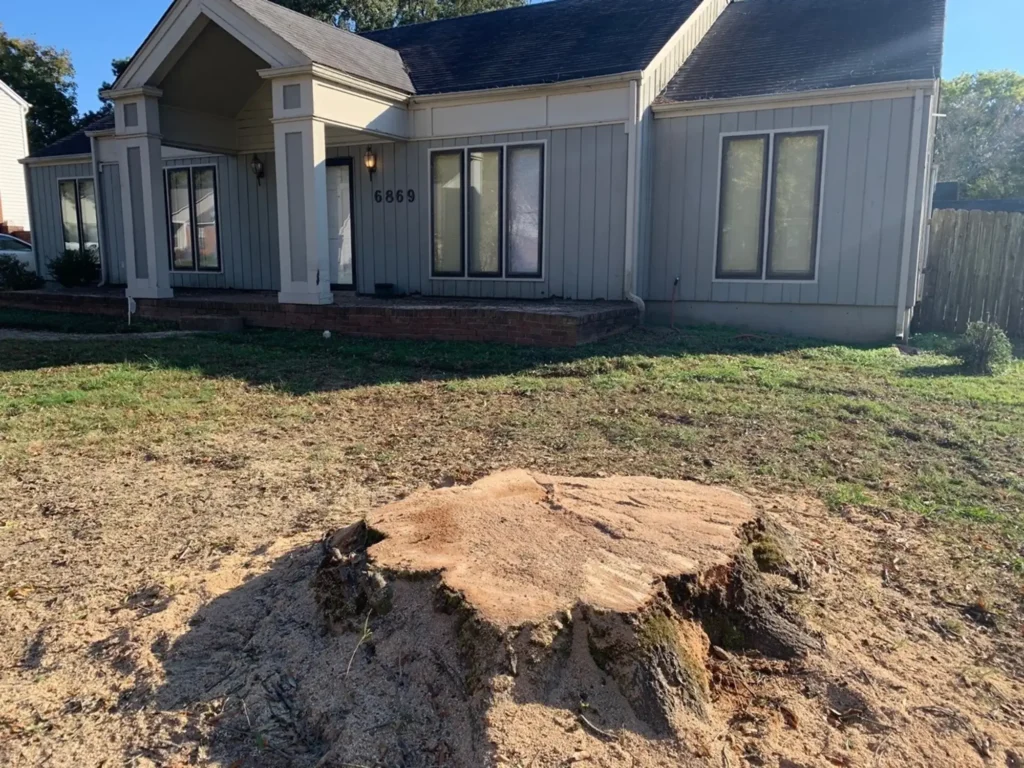
Learn when permits are required for tree removal in Lancaster CA. Avoid fines with Tip Top Arborists’ expert guidance on rules, documentation, and compliance.
How to Start a Backyard Tree Journal with Your Family
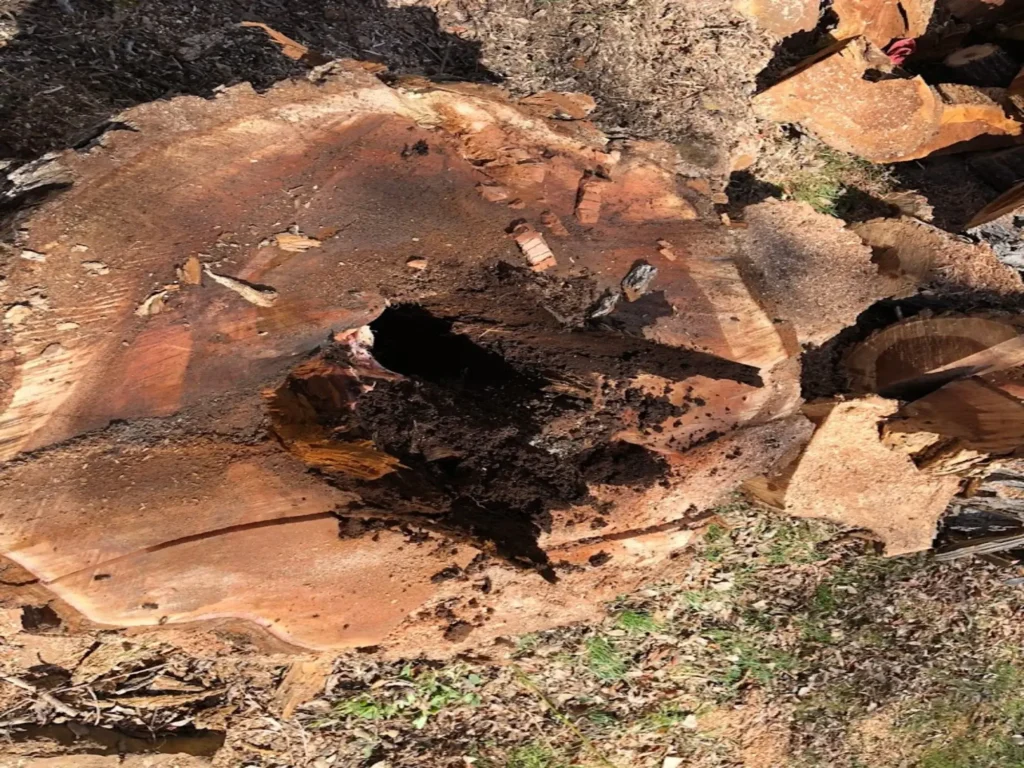
How to Start a Backyard Tree Journal with Your Family By: Tom Baal One sunny Saturday morning, Sprout stood in his backyard with a pencil behind his ear, a notebook in his hand, and a big idea taking root. “Trees are changing all the time,” he said. “We just forget to notice.” That’s when he decided to start a tree journal. Not just any journal. This one would track every little change, every curious critter, and every tree tale happening right in his own backyard. He named it The Great Tree Watch and invited his family to join. First things first: they picked a favorite tree. It was an old mesquite. Twisty, shady, and full of mystery. “This one’s perfect,” said Sprout’s little sister. “It’s got personality.” They named it Barkley. Sprout opened his notebook to the first page and wrote: Day 1: Barkley looks calm. A little dusty. Wind: medium. No squirrels spotted… yet. His sister added a sketch of Barkley with big googly eyes and a bird’s nest on top. From then on, they added something new each day. A leaf drawing. A weather note. A list of colors. “Tree journaling is just like being a nature detective,” Sprout said. “You don’t have to be perfect. You just have to pay attention.” Before long, their journal was full of curious entries like: Spotted ants climbing the bark. Where were they going? Leaves turning yellow on one side. Maybe thirsty? One new branch?! When did that happen? A blue jay stopped by. Very bossy. The best part? Everyone got to contribute. Dad wrote about trimming tips. Mom kept track of rainfall. Sprout’s sister penned a poem called “Ode to Barkley.” Even the family dog left a muddy paw print on one page. “That counts,” said Sprout. “He’s part of the ecosystem.” Some days they measured Barkley’s height using a homemade stick chart. Other days, they just sat in the shade and listened. “Journaling isn’t just writing,” Sprout said. “It’s about noticing.” Sprout even brought his notebook to school and shared Barkley’s updates with his class. His teacher was so impressed, she suggested everyone start a backyard tree journal. Soon, kids all over Lancaster were out in their yards sketching sycamores, counting pinecones, and wondering what their own trees had to say. Sprout felt like a tree ambassador. “You don’t need a forest,” he told his classmates. “Even one tree can tell you a hundred stories.” When it rained, the journal got a little damp. When it was windy, pages flapped like bird wings. But Sprout didn’t mind. “That’s part of the adventure,” he said. “It’s a living record of a living thing.” After a few weeks, they flipped through the pages and were amazed. Barkley had changed a lot. But so had they. They looked up more. Asked more questions. Noticed more of the world around them. And that’s the secret. A tree journal isn’t just about trees. It’s about how you change, too. How you start to slow down, pay attention, and care a little more each day. Sprout made one last entry for the month: Today I realized Barkley isn’t just a tree. He’s our friend. Then he closed the notebook, gave Barkley a gentle pat, and said, “See you tomorrow.” Because there’s always more to see, more to learn, and more to love. One page at a time. Sprout Needs Your Help: Start Your Own Tree Journal! Hey explorers, it’s Sprout! Want to know one of my favorite ways to get closer to nature? Start your own Tree Journal! It’s easy, fun, and full of surprises. Here’s how to begin: Pick a tree in your yard, school, or local park. Give it a name (ours is Barkley!). Grab a notebook, sketchbook, or even a few pieces of paper. Every day or week, write or draw something new. Leaves, animals, weather, changes—anything you notice! You don’t have to be an artist or a scientist. Just be curious. Add poems, doodles, measurements, or even funny stories. Tree journaling helps you slow down and see things you might miss. And when you look back at your pages, you’ll see how much your tree (and you) have grown. Let your tree tell you a story—and be sure to listen with your eyes, ears, and heart. You’re a real Tree Watcher now! Did You Know? Tree journals help boost memory, sharpen observation skills, and even improve writing in young learners. Different trees grow and change at their own pace. Some shoot up quickly, others stay steady for years.Bark texture gives clues about a tree’s age and health. Leaves breathe through tiny holes called stomata. Journaling helps spot patterns in how they change. Even city trees host birds, bugs, fungi, and thousands of tiny life forms you might never notice without looking closely. Tip Top Arborists Since 1976, Tip Top Arborists has been Southern California’s trusted partner in professional tree care. Based in Lancaster, CA, and surrounding areas—delivering expert tree trimming, removal, and maintenance services with safety, science, and integrity at the core. We’re not your average “guys with chainsaws.” We’re ISA Certified Arborists with deep industry knowledge, modern equipment, and a commitment to customer care that’s been passed down for nearly five decades. From storm damage cleanup to long-term tree health management, our team helps property owners protect their investment—and enhance their curb appeal—year-round. Experienced We have been in the industry for over 45 years. Choosing us means choosing proven experience and expertise. Insured Your safety is our highest priority. We are bonded and insured to protect you, your property, and our team. Licensed Our contractor’s license #821770 is current and active with the CSLB. Hiring us means hiring licensed tree experts. Recycling We are as committed to the environment as we are to our clients. We recycle 100% of all wood and green waste. Hey Mom and Dad! Ready To Get Some Tree Work Done? Address: 44107 Yucca Ave Lancaster Ca. 93534 Phone: Toll-Free: (877) 380-0023 (California only),
The Fireproof Giants: Trees That Withstand Flames and Fury

The Fireproof Giants: Trees That Withstand Flames and Fury Fire is a fearsome thing. It moves fast, feeds on whatever’s in its path, and leaves behind ash and silence. It doesn’t pause to consider what’s sacred or sturdy. But some trees don’t just survive fire. They’ve learned to live with it. These aren’t fragile things waiting to be saved. These are the fireproof giants. Trees with bark like armor and cones that only open when the heat is just right. Trees that have seen smoke curl through their limbs and didn’t blink. Trees that grew up with fire as a neighbor, not a threat. Take the giant sequoia, for example. Towering, ancient, and as tough as they come. Their bark can be more than a foot thick, fibrous, spongy, and built to shrug off flames. When a fire moves low and slow through their forest, sequoias often come out better than before. The heat pops open their cones, dropping seeds onto the freshly cleared forest floor. It’s not destruction. It’s a reboot. Lodgepole pines play a similar game. Their cones are sealed tight with resin that only melts under intense heat. When fire sweeps through, it clears out the competition and wakes the seeds. Fire becomes the midwife, clearing the way for new life. Then there’s the eucalyptus tree in Australia. This one’s a bit of a wild card. Its bark peels off in long strips, its limbs drop like matchsticks, and its oil is so flammable it practically invites a spark. But what it loses in subtlety, it makes up for in resilience. Eucalyptus trees bounce back fast. Some folks call them reckless. Others call them brilliant. These trees don’t fear fire because they’ve evolved alongside it. Fire isn’t a threat. It’s part of the process. A natural reset button. A rough kind of renewal that thins the underbrush, strengthens the strong, and makes space for the next generation. Of course, that doesn’t mean it’s pretty. Fires roar. They darken skies and leave behind hillsides of blackened stumps. But if you look close in the days and weeks after, something almost magical starts to happen. Tiny green shoots push through the ash. Charred trees sprout fresh leaves. Life doesn’t wait. It comes back swinging. The thing is, fire isn’t always the villain in the forest. Sometimes, it’s the partner. Here in the American West, we used to think the best way to protect forests was to put out every fire as fast as possible. But over time, that plan backfired. Without small, natural fires to keep things tidy, forests got choked with deadwood and dry brush. When fire eventually did come, it had way too much fuel and turned catastrophic. Now, land managers and forestry crews are rethinking things. Prescribed burns, carefully managed fires, are being used to mimic the role fire once played naturally. These burns reduce buildup, open up space, and return nutrients to the soil. And the trees that have spent centuries getting fire-ready? They’re just fine with it. Their bark thickens. Their seeds scatter. Their roots dig in deeper. Fire-resistant trees don’t survive by luck. They’ve been preparing for this for generations. Thick bark keeps the heat out. Deep roots pull moisture from far below. High canopies lift the most flammable bits well above the flames. And some trees shed branches on purpose to keep fuel off the ground. It’s not random. It’s experience. And there’s something we can learn from that. We often think of strength as being unshakable. As standing tall no matter what. But trees teach us that real strength is also about knowing when to let go. When to burn off the old. When to start fresh. Fireproof giants don’t cling to every branch. They adapt. They change. So next time you come across a scorched hillside or a blackened trunk, look again. Look for the sprouts. The green poking through the gray. The trees still standing, scarred but steady. These aren’t victims of fire. They’re survivors. They’re proof that it’s possible to walk through the flames and come out wiser. Fire doesn’t destroy them. It reveals them. There’s something powerful about not being afraid of the heat. About knowing it’ll come and preparing anyway. About growing in a place where fire is part of the story, not the end of it. The fireproof giants stand tall as reminders that endurance doesn’t always mean avoiding hardship. Sometimes, it means growing right through it. Did You Know? Giant sequoias can live for over 3,000 years, and they actually need fire to reproduce. Their cones open only when exposed to heat, allowing seeds to drop into cleared, nutrient-rich soil. Some pine trees, like the lodgepole, have cones that stay sealed until fire melts the resin holding them shut. Trees with thick bark, like the ponderosa pine, can handle low-intensity fires that would knock out thinner-barked species. Thick bark is like natural insulation against heat. FAQs About Talking Trees Can trees really survive wildfires? Yes, many can. Certain trees are adapted to survive and even benefit from low to moderate wildfires. They’ve evolved thick bark, self-pruning branches, and heat-activated cones to make it through. What trees are most fire-resistant? Giant sequoias, coastal redwoods, ponderosa pines, eucalyptus, and lodgepole pines are some of the standouts. These species either resist fire damage or recover quickly after a burn. Why do some trees need fire to reproduce? Fire clears the ground of debris and opens up space and sunlight, which helps seeds sprout and grow. In some cases, fire is the only thing that triggers seed release, especially in cone-bearing trees like sequoias and lodgepoles. Is fire good for forests? In many ecosystems, yes. When managed properly, fire is a healthy part of the natural cycle. It removes built-up deadwood, returns nutrients to the soil, and helps new plants and trees grow. Have questions about the trees in your own yard? Tip Top Arborists is here to help you care for your living legends. Let
Sprout’s Guide to Tree Safety in Storms
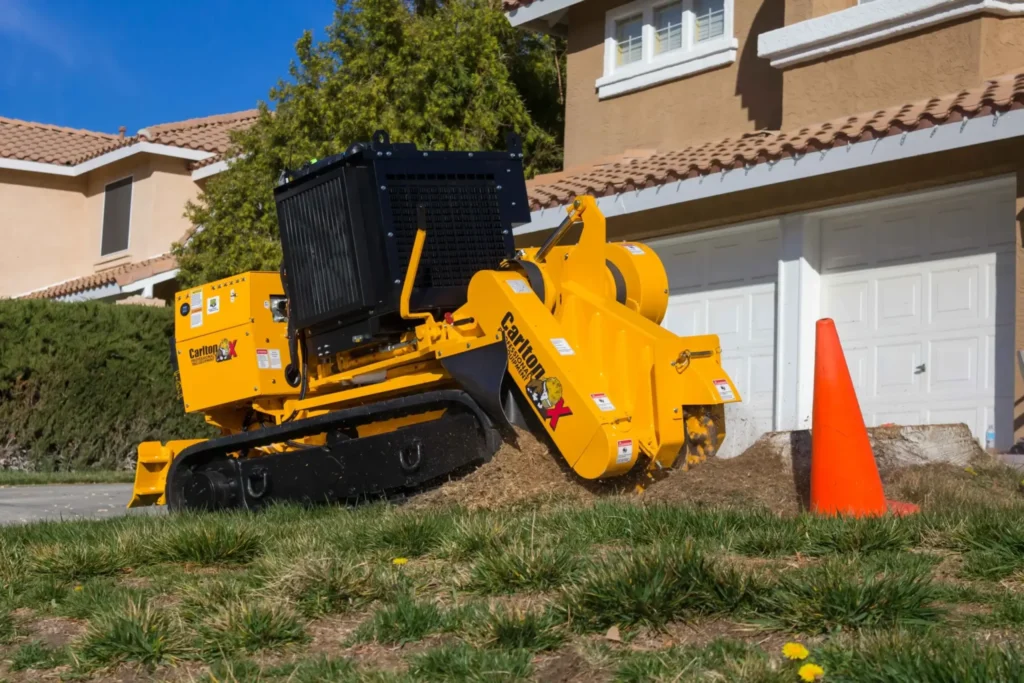
Sprout’s Guide to Tree Safety in Storms By: Tom Baal Sprout was outside playing tag with his neighbor’s dog when the first gust of wind whipped past his ears. The clouds above Lancaster piled up like sleepy pillows, but this didn’t feel like a lazy afternoon. The sky had that stormy look. The kind that makes trees whisper louder and the air smell like rain. Sprout paused and looked up at the branches swaying above him. “Time to switch from tag to tree patrol,” he said, adjusting his vest and pulling out his trusty notebook. You see, Sprout wasn’t just any kid. He was a Tree Safety Scout. And when storms rolled in, he knew the trees needed looking after too. First stop: the tall pine near the fence. Its limbs were dancing wildly in the wind, and one of them looked a little too wobbly. Sprout made a quick note in his book: “Upper limb leaning. Might need a trim.” He didn’t climb it, of course. Sprout knew that during storms, it’s best to keep both feet on the ground. No tree hugs today. Then came the old mesquite by the garage. Its trunk had a split that looked like a deep frown. “You okay, buddy?” Sprout asked softly. He stepped back for a better view. “You look tired. I’ll let a grown-up know.” Sprout moved down the block, checking trees like a little arborist on patrol. He wasn’t scared of the storm. He was ready. He knew storms brought wind, water, and sometimes lightning. And he knew that even the toughest trees could get into trouble. So he followed the safety rules he’d learned: Rule #1: Never touch broken branches or fallen trees. Rule #2: Stay far away from trees near power lines. Rule #3: If a tree looks like it might fall, tell an adult right away. He spotted a neighbor’s palm tree with fronds scattered across the lawn like giant green fans. Sprout gathered a few and stacked them by the driveway. “Storms don’t scare me,” he said. “They just mean trees need a little extra care.” As the wind picked up, Sprout ran home and watched from the window. The rain started to fall. The trees swayed, but most of them stood strong, just like they had for years. Sprout smiled. They were holding on. But even strong trees need a hand sometimes. The next day, Sprout and his family walked around the block to check on the neighborhood trees. His dad brought gloves and pruning shears. His mom jotted down which trees might need Tip Top Arborists to take a look. And Sprout? He brought smiley face stickers for every tree that stood tall through the storm. “Nice job,” he whispered, patting the trunk of a desert willow before sticking on a sticker. At the park, Sprout noticed something that made him stop in his tracks. A small branch had broken off the big oak and landed right on his usual snack spot. He gulped. “That could’ve been bad.” He scribbled in his notebook: “Storm safety rule #4: Always check trees before playtime.” That day, Sprout learned something big. Storms are nature’s way of putting things to the test. Trees with strong roots, balanced branches, and good health usually do just fine. But ones with cracks, decay, or tangled limbs? They need a little more help. That’s why Tip Top Arborists checks on trees before and after storms. To make sure families like Sprout’s can walk, play, and rest easy knowing the trees around them are safe and cared for. Sprout added one more note before closing his book: “Tree safety starts with me. But grown-ups need to help too.” He zipped up his vest, looked up at the clear sky, and gave a thumbs-up. “Nice try, storm. But we were ready.” Sprout Needs Your Help: Be a Storm Tree Scout! Hey tree friends, it’s Sprout! When the clouds roll in and the wind starts to howl, trees need someone looking out for them. That’s where you come in! Want to be a Storm Tree Scout just like me? Here’s how: After a storm, take a walk around your yard or park with a grown-up. Look for broken branches, leaning trees, or piles of leaves that weren’t there before. Stay away from any trees near power lines or that look unsafe. Help clean up little twigs or leaves with gloves or a broom (ask an adult first!). And don’t forget – some trees might need help from real arborists like Tip Top to stay strong and healthy. If you spot a tree that looks like it needs a check-up, tell your family so they can call the pros. Helping trees after storms keeps everyone safe and helps your neighborhood grow green and strong. You’ve got sharp eyes, Scout! I’m proud of you. Remember: Every safe tree has a brave helper like you. Did You Know? Trees with split trunks or heavy limbs are more likely to fall during strong winds. Storm-damaged trees can often be saved with pruning or bracing. Don’t cut them down without expert advice. Lightning can strike trees even in light rain, especially tall or isolated ones. Tip Top Arborists provides emergency tree assessments after storms in Lancaster. Never try to move or cut a fallen tree yourself. It could snap back dangerously. Tip Top Arborists Since 1976, Tip Top Arborists has been Southern California’s trusted partner in professional tree care. Based in Lancaster, CA, and surrounding areas—delivering expert tree trimming, removal, and maintenance services with safety, science, and integrity at the core. We’re not your average “guys with chainsaws.” We’re ISA Certified Arborists with deep industry knowledge, modern equipment, and a commitment to customer care that’s been passed down for nearly five decades. From storm damage cleanup to long-term tree health management, our team helps property owners protect their investment—and enhance their curb appeal—year-round. Experienced We have been in the industry for over 45 years. Choosing us means choosing
Can My Neighbor Cut Down My Tree Without Permission?
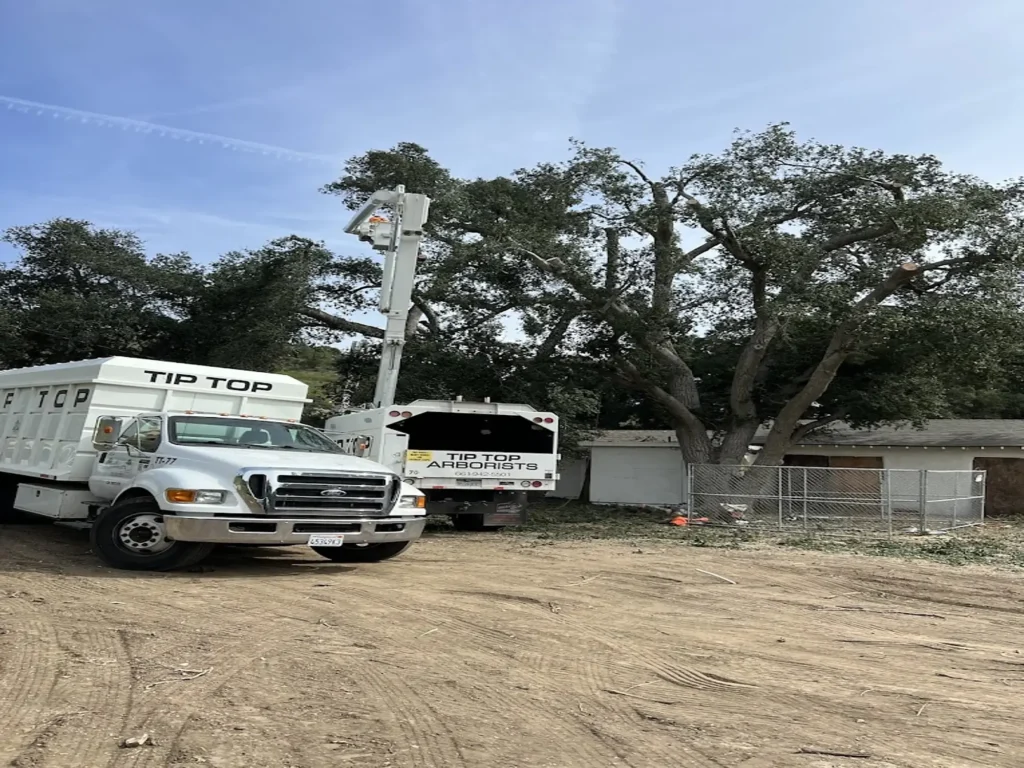
Can My Neighbor Cut Down My Tree Without Permission? Understanding Your Legal Rights When Tree Boundaries Are Crossed At Tip Top Arborists, we get dozens of calls every month from property owners who discover their trees have been trimmed, damaged, or entirely removed by neighbors—without a single word of warning. It’s more common than you might think, and the frustration is real. If this has happened to you, you’re probably asking: Was this even legal? Can I take action? Here’s what you need to know about unauthorized tree removal, your legal rights, and how to protect your property before a dispute becomes a disaster. Can My Neighbor Cut Down My Tree Without Permission? Who Owns the Tree? Ownership comes down to one thing: location. In California, if a tree trunk stands entirely on your property—even if its limbs stretch across the fence into your neighbor’s yard—it is legally yours. That means your neighbor cannot remove, trim, or otherwise alter the tree without your consent. If the trunk straddles the boundary line, then it is considered a shared tree. Both property owners must agree to major decisions like removal or significant pruning. The Big Rule: Your neighbor cannot legally remove or harm your tree if it is fully on your property. Doing so may make them liable for damages. Common Scenarios We See A neighbor cuts back branches overhanging their yard and goes too far, harming the tree’s health Entire trees removed during fence installation Roots cut while trenching or laying irrigation lines, destabilizing the tree Trees poisoned or damaged to “make them die off” These actions can open your neighbor up to civil lawsuits, especially if the tree had significant value or was a protected species. What the Law Says In California, courts have repeatedly upheld that intentional damage to another person’s tree can lead to: Triple the value of the tree in damages Replacement costs Additional penalties if the tree was protected or had historical/environmental value Even cutting a tree down “by mistake” doesn’t eliminate liability. Property owners are expected to know their boundary lines before performing work that affects neighboring land. How to Respond If Your Tree Was Removed Without Permission Document Everything Take photos of the damage Note dates, times, and any conversations Save quotes or valuations from arborists Request a Valuation Contact Tip Top Arborists for a certified tree value assessment This helps you understand your loss in dollars Speak to the Neighbor (If Safe to Do So) Keep things civil—many cases stem from ignorance, not malice Consult an Attorney Especially if the damage is substantial or the neighbor is uncooperative Request a Site Visit from a Certified Arborist We can help document the tree’s former condition, determine root or canopy damage, and provide expert insight How to Prevent This From Happening to You Clearly mark boundary lines (surveys help!) Talk to neighbors before tree work begins Use fencing or landscaping to define property visually Educate yourself and your neighbors on tree law At Tip Top, we believe prevention is the best cure. Proactive communication, documentation, and planning go a long way toward avoiding disputes. Final Thoughts Unauthorized tree removal is more than just inconsiderate—it’s often illegal. If you’ve experienced this, you’re not alone. And you’re not powerless. Let our team of certified arborists help you understand your rights, assess your loss, and protect your property moving forward. Need more information? See this article for more insightful details! Here to Help you with your trees Call today at 661-942-5501 or visit www.tiptoparborists.com
What To Do If a Tree Starts Leaning After a Storm
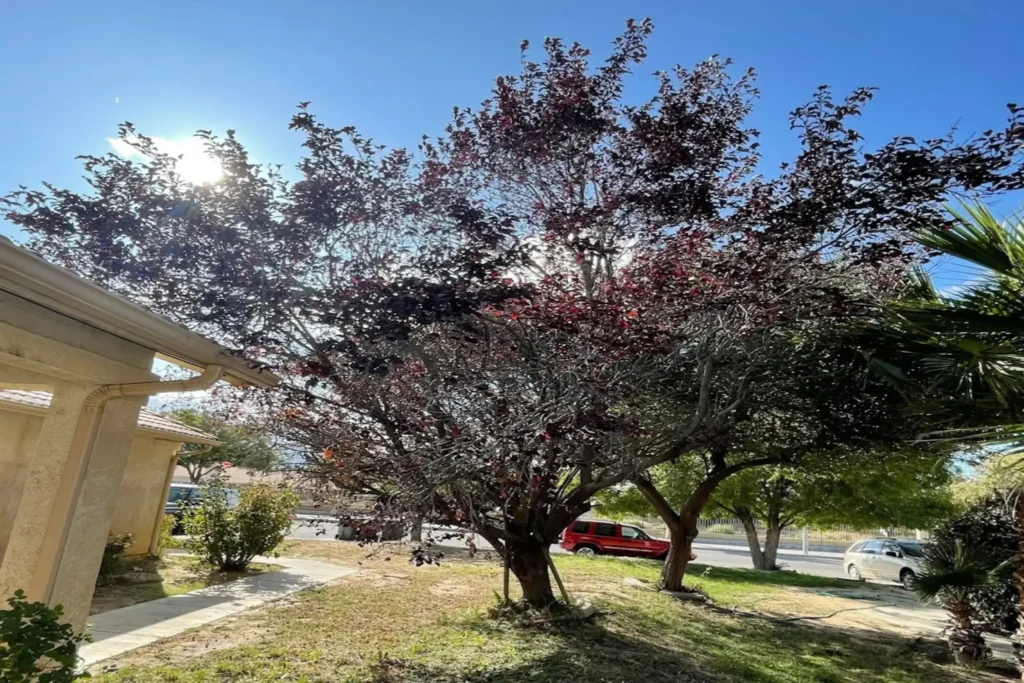
What To Do If a Tree Starts Leaning After a Storm There’s a moment after a storm when you step outside and see something that stops you in your tracks: a tree that’s no longer standing straight. Maybe it’s tilting toward your house, hanging precariously over your driveway, or resting on your fence. In Lancaster, where sudden summer storms and strong desert winds are common, this kind of sight isn’t just inconvenient. It can be downright dangerous. So what do you do when a tree starts leaning after a storm? Will it straighten out on its own? Should you wait and watch? Or is this the kind of situation that needs immediate action? Let’s walk you through it, one careful step at a time. Why Do Trees Lean After Storms? Storms don’t just shake things up above ground. High winds, heavy rain, and shifting soil can destabilize a tree’s entire foundation. Here are a few common reasons trees start leaning after storms in the Lancaster area: Soaked or loose soil: Lancaster’s dry climate means trees are used to a certain soil condition. When a sudden rainstorm hits, the soil can become waterlogged, weakening the grip of the roots and causing the tree to lean. Shallow or damaged roots: If a tree hasn’t developed a deep root system or if its roots have been damaged by prior droughts, digging, or compacted soil, it’s more vulnerable to toppling. Wind pressure: Strong gusts can push against the canopy, especially if the tree is tall, unbalanced, or full of leaves. If the wind lasts long enough, it can start to tip the tree permanently. Soil erosion or upheaval: After a storm, look at the base of the tree. If the soil is pushed up on one side or if you see roots sticking out where they weren’t before, the tree may have partially uprooted. When Should You Worry? Not every lean is a disaster waiting to happen. Some trees lean naturally over time, and others might straighten back up after the soil dries and settles. But certain signs should set off alarm bells, especially when safety is involved. Watch for these warning signs: The base of the tree looks lifted or cracked The soil around the roots has heaved or shifted Roots are visibly exposed or torn Large cracks have appeared on the trunk The tree is leaning sharply toward a house, vehicle, sidewalk, or power line There was no previous lean, and now it’s suddenly noticeable Nearby trees of the same type are still upright If any of these are true, you should treat the situation as urgent. What To Do Right Away (And What Not To Do) When you spot a leaning tree, your first instinct might be to grab a shovel or some rope. But pause right there. There’s a right way to handle this, and rushing in without a plan can lead to injury or even greater damage. 1. Keep Everyone Clear The most important thing you can do is protect your people and property. Keep kids, pets, and vehicles away from the tree. Don’t let anyone hang a hammock or climb around it, even if it looks stable. Just because the tree hasn’t fallen yet doesn’t mean it won’t. 2. Don’t Try to Pull the Tree Upright We know it’s tempting. A tree starts leaning, and your first thought is to just pull it back into place. But trying to fix it yourself can be dangerous. If the tree is heavy, the roots are compromised, or the trunk is cracked, you could cause it to fall completely or injure yourself in the process. 3. Call a Certified Arborist This is where we come in. Our certified arborists at Tip Top Arborists are trained to assess tree stability, root health, and potential risks. We’ll inspect your tree thoroughly, from canopy to soil, and let you know if it can be saved or if removal is the safest route. 4. If Power Lines Are Involved, Back Away If the tree is leaning near or on a power line, do not go near it. Don’t touch any branches, even if they look harmless. Instead, call your local utility company immediately and report the situation. Only trained crews should handle trees near electrical lines. How We Handle Leaning Trees in Lancaster Every tree and every yard is different, but our process follows a clear path to keep you safe and make smart decisions for your landscape. Step 1: Inspection We start by evaluating the tree from top to bottom. That includes looking for: Uprooting or soil disturbance Cracks in the trunk or major limbs Fungal growth or decay Canopy imbalance Damage from wind, pests, or disease We also consider the tree species. For example, eucalyptus and some pine species are more prone to storm damage. Knowing what kind of tree you’re dealing with helps us determine its resilience. Step 2: Stabilization (If Possible) If the tree is still alive and stable enough, we might use bracing systems or support cables to secure it. This is especially common for younger trees or trees with a strong recovery chance. We may also trim heavy limbs to rebalance the canopy and reduce the pressure that caused the lean in the first place. Step 3: Safe Removal (If Needed) If the tree is too damaged to save, we’ll recommend safe removal. This includes clearing it from your yard, grinding the stump if requested, and offering guidance on what to plant in its place. We’ll also help you choose trees that are better suited to Lancaster’s desert climate and soil. How to Prevent Leaning Trees in the First Place You can’t stop a storm, but you can set your trees up for success. These prevention tips go a long way toward keeping your trees upright and healthy year-round. 1. Plant Trees Correctly From the Start Always plant at the proper depth. A tree planted too shallow may develop surface roots, making it unstable. Too deep, and the
Emergency Tree Removal Lancaster | Tip Top 24/7 Experts
Need emergency tree removal in Lancaster? Tip Top Arborists offers 24/7 rapid response, storm cleanup, and expert safety-first protocols. Call now for help.