Tree Cabling & Bracing in Lancaster | Save Your Tree Today
Learn how tree cabling and bracing can prevent tree failure. Trusted arborists in Lancaster CA explain the process, costs, and safety of structural support systems.
Tree Inspection Near Victorville | Certified Arborist Services
ISA-certified arborists near Victorville offering expert tree inspections, health assessments, and risk evaluations. Trusted since 1976. Free estimates available.
Sacred Groves and Forgotten Temples: Where Nature Meets Divinity
Sacred Groves and Forgotten Temples: Where Nature Meets Divinity Some places just feel different. Not because the trees are any taller or the sunlight any brighter, but because something in the air changes when you step beneath the branches. Your footsteps get quiet. The wind seems to hush. And something in your chest loosens a little. These aren’t just forests. They’re sacred groves. Long before stained glass windows and towering steeples, before incense and pews, people found holiness in nature. They didn’t build temples as much as stumble upon them, hidden in a ring of oaks, nestled beneath a canopy of cedar, or rising up between gnarled roots like an altar grown instead of carved. In places like these, the line between the everyday and the divine gets blurry. Across time and geography, sacred groves have been places of prayer, memory, ritual, and refuge. The Druids of ancient Britain gathered beneath sprawling oaks to hold ceremonies. In India, groves were protected in honor of gods, where no branch could be broken and no creature harmed. In parts of West Africa, entire villages protected sacred forests believed to be watched over by ancestral spirits. These places weren’t just preserved. They were honored. And the trees? They stood their ground. No sermons. No scolding. Just presence. Just patience. They didn’t ask anything of us, except maybe that we slow down. That we listen. There’s something powerful that happens when people come together under trees, not to cut or clear them, but to be still. You begin to notice the way bark wrinkles like an elder’s skin. The way the breeze moves like it’s got something to say. The way silence fills up with meaning instead of emptiness. Even today, if you find yourself in one of these places, something shifts. You can feel it. That quiet aliveness. That lingering echo of something sacred. Not loud. Not flashy. But deeply, unmistakably there. Some sacred groves have faded with time. Paved over. Built on. Forgotten. But others hang on, tucked behind ridgelines, cradled in farmland, hidden in plain sight. Protected not by fences, but by stories. Held together by memory and care. There’s something deeply human about calling a tree sacred. In a world that seems to speed up every day, trees remind us of a different rhythm. They don’t hurry. They don’t multitask. They grow slowly, deliberately, with deep roots and wide arms. You can’t rush a tree. You just have to sit with it and wait. You don’t need to believe in forest spirits to understand the holiness of a grove. All it really takes is being quiet long enough to remember that you’re part of something older. Something slower. Something that doesn’t need words to speak. We’ve gotten used to thinking of the divine as something that comes from above, a flash of light, a mountaintop, a booming voice from the clouds. But maybe it also comes from below. From the soil. From roots that twist deep into the earth and branches that stretch, not to escape it, but to complete it. Sacred groves remind us that you don’t always need rituals or rules to feel close to something bigger. Sometimes, all you need is to breathe the same air as the trees. To sit quietly. To pay attention. In these places, the trees speak without a sound. Their trunks carry the weight of thousands of unspoken prayers. Their roots hold secrets buried long before anyone wrote them down. Their leaves flutter like pages of an unwritten story, always in motion, always just out of reach. There’s reverence in how a child hugs a tree without hesitation. In how an elder rests a hand on bark like greeting an old friend. In how people pause, instinctively, when they enter the shade of something ancient. Maybe the temples of tomorrow won’t be made of stone. Maybe they’ll be grown. Maybe every forgotten grove is just waiting for someone to remember it. You don’t need to fly halfway around the world to find a sacred grove. It might be that patch of trees you walk past on your morning route. Or the big oak in your neighbor’s yard where the squirrels always gather. Maybe it’s the tree you leaned against as a kid, making a wish you didn’t tell anyone about. Sacred doesn’t have to mean famous. It means “meaningful”. It means noticed. It means cared for. These places don’t need marble statues or incense. They just need us to show up. To treat them not as empty land, but as something alive. Something that’s been watching and waiting far longer than we have. If we begin to treat our trees as sacred, not in a lofty, untouchable way, but in a neighborly, respectful way, we just might keep them around. If we teach the next generation to listen when they step beneath the branches, they won’t have to rediscover these places. They’ll already know them. They’ll feel it in their bones. Because the peace you find among trees isn’t the quiet of nothing happening. It’s the quiet of everything belonging. Of being part of something that doesn’t need you to prove yourself. You don’t have to explain yourself to a tree. Just show up. Breathe. Be still. That might be all the worship anyone really needs. Did You Know? Many sacred groves have survived deforestation because spiritual or cultural traditions forbid cutting trees there. Sometimes reverence protects better than regulation. India is home to over 100,000 sacred groves, some believed to be thousands of years old. That’s a lot of forest temples hiding in plain sight. Trees like the oak, fig, and cedar are considered sacred across many different cultures, continents, and belief systems. There’s something universal about them. FAQs About Talking Trees What is a sacred grove? A sacred grove is a wooded area that holds spiritual, religious, or cultural significance. These spaces are often tied to rituals, ancestral stories, or the presence of a deity. They’re typically protected
Nature Walk Bingo: Lancaster’s Native Trees Edition
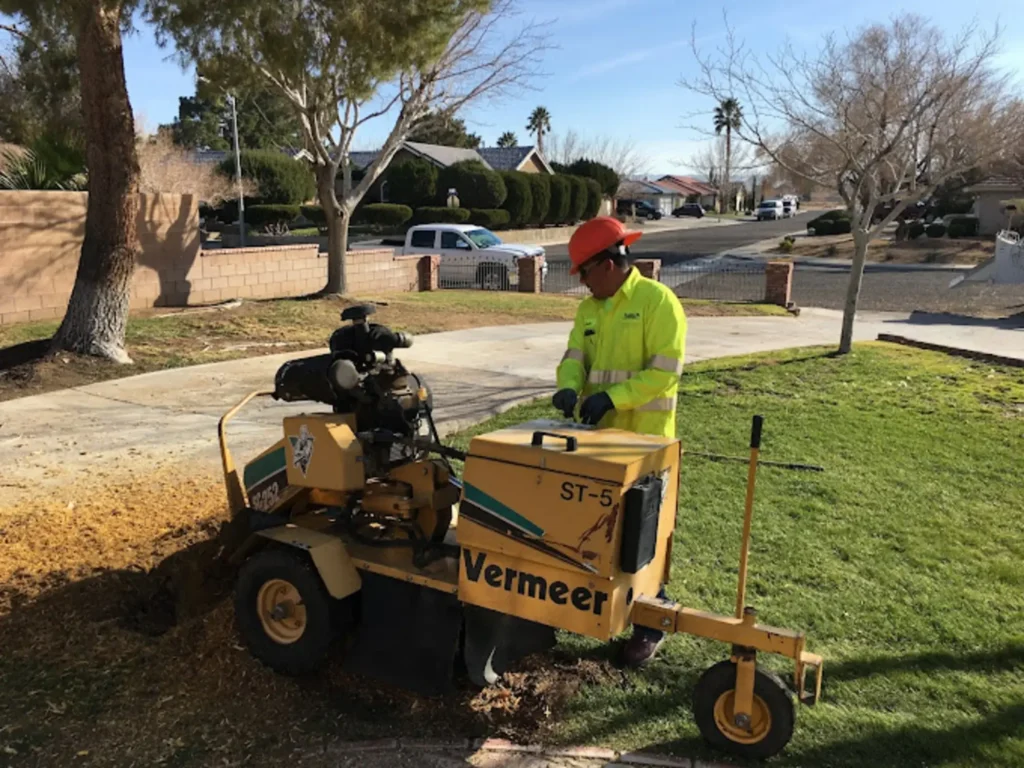
Nature Walk Bingo: Lancaster’s Native Trees Edition By: Tom Baal Sprout zipped up his vest, laced his boots, and grabbed his favorite nature notebook. Today wasn’t just any day. It was bingo day. Not the kind you play in a noisy hall with cards and chips. This was Tree Bingo. And Sprout had one mission in mind: spot as many native trees in Lancaster, California as possible. He stepped outside and took a deep breath of the warm desert air. The sun hung high, and the wind was already tossing the leaves around like it wanted in on the fun. Sprout grinned. “Perfect tree-spotting weather,” he whispered. First up? The California Juniper. He knew this one by heart. Short, a little scruffy, and smelling faintly of sun and sage. He spotted it quickly near the park path, circled the square on his bingo sheet, and gave the tree a friendly wave. “Thanks for showing up, buddy,” he said with a smile. Next came the Valley Oak. Big and bold, its limbs stretched out like someone waking from a nap. Sprout reached out and ran a hand along the bark. It was rough, solid, and packed with stories. “I bet you’ve been here longer than my grandpa,” he said. Then came the Desert Willow, blooming with pinkish flowers like a surprise celebration. Not far away stood a Joshua Tree, tall and twisted, like a cactus and an alien had joined forces to form a new kind of tree. As Sprout continued down the trail, he kept checking off trees. Cottonwoods. Mesquites. Even a sneaky Honey Locust pretending it didn’t want attention. But Sprout saw it. He saw everything. That was the best part of tree bingo. It wasn’t about shouting “bingo” or winning a prize. It was about seeing the world in a new way. About slowing down. About listening when the trees rustled their leaves like soft whispers or clapped gently in the breeze. He stopped to sketch a Western Sycamore. Its bark peeled away in creamy swirls, like puzzle pieces shifting in place. He didn’t know exactly what it was trying to say, but he had a feeling it had something worth hearing. Halfway down the trail, Sprout spotted a squirrel darting through the underbrush. Not on the bingo sheet, but he made a mental note anyway: “Tree neighbor. Fast. Great jumper.” He shared his finds with fellow hikers when he could. “That’s a Fremont Cottonwood,” he told a man walking his dog. The man looked impressed. “How do you know that?” he asked. Sprout shrugged with a grin. “Trees are kind of my thing.” By the time he reached the last leg of the trail, his bingo card was almost full. Just one square left. Blue Elderberry. He scanned the edges of the path, eyes sharp. There it was -tiny blue berries like marbles tucked beneath leafy green arms. “Bingo!” he laughed, raising his arms in triumph. The birds nearby chirped like they were in on the celebration. Sprout sat down beneath a Cottonwood to rest. His boots were dusty, and his face was warm from the sun, but he felt like he’d just returned from an epic adventure. He had only wandered a few blocks from home, but it felt like he’d traveled through a forest of stories. He closed his notebook and made a quiet wish. He hoped more kids in Lancaster would take a tree walk of their own. That they’d look closely at the shape of leaves, feel the textures of bark, and notice the quiet lean of a branch reaching for sunlight. That they’d start to see trees not as background but as neighbors, protectors, and friends. Sprout didn’t need a prize for finishing his bingo card. He had already won something better. A day full of discovery and a backpack full of wonder. And tomorrow? He’d make a brand-new bingo card. Maybe for bugs. Maybe for birds. Maybe just for leaves. Because every walk can be an adventure, if you know how to look. Sprout Needs Your Help: Become a Tree Spotter Scout! Hey nature explorers, it’s Sprout again! Today’s tree bingo walk was amazing. I met so many leafy friends and filled my notebook with cool finds. Now it’s your turn! Want to be a Tree Spotter Scout in your neighborhood? Here’s how: Grab your favorite grown-up, a notebook or clipboard, and something to write with. Then take a slow walk around your park, street, or even your schoolyard. Look up, down, and all around. Can you find any trees like the ones I spotted today? Maybe a twisty Joshua Tree or a blooming Desert Willow? Draw what you see, circle your finds, or even make your own bingo card. You don’t have to find every tree – just look, listen, and enjoy the adventure. Bonus points if you teach someone else the name of a tree you find. That makes you a Certified Sprout Tree Expert (okay, not official official – but pretty cool, right?). Every tree you spot is a high five to nature. Let’s keep exploring, one branch at a time. You’ve got this, Tree Scout! Remember: Every big tree starts with a little helper. Did You Know? Valley Oaks are the largest oak species in California and are native to the Lancaster region. Despite its name, the Desert Willow isn’t a true willow. Its long, narrow leaves and trumpet-shaped flowers just make it look like one. Joshua Trees are actually a type of yucca. They’re only found in the Mojave Desert. Tree bingo isn’t just fun -it builds observation skills, curiosity, and appreciation for the natural world. Tip Top Arborists Since 1976, Tip Top Arborists has been Southern California’s trusted partner in professional tree care. Based in Lancaster, CA, and surrounding areas—delivering expert tree trimming, removal, and maintenance services with safety, science, and integrity at the core. We’re not your average “guys with chainsaws.” We’re ISA Certified Arborists with deep industry knowledge, modern equipment, and a
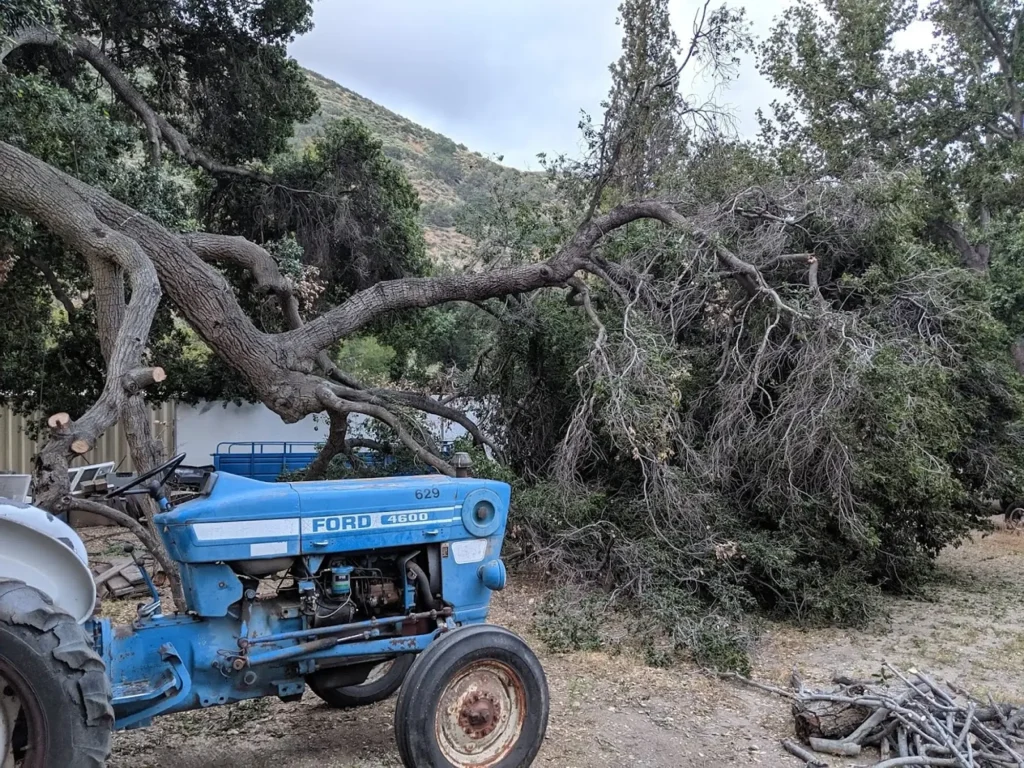
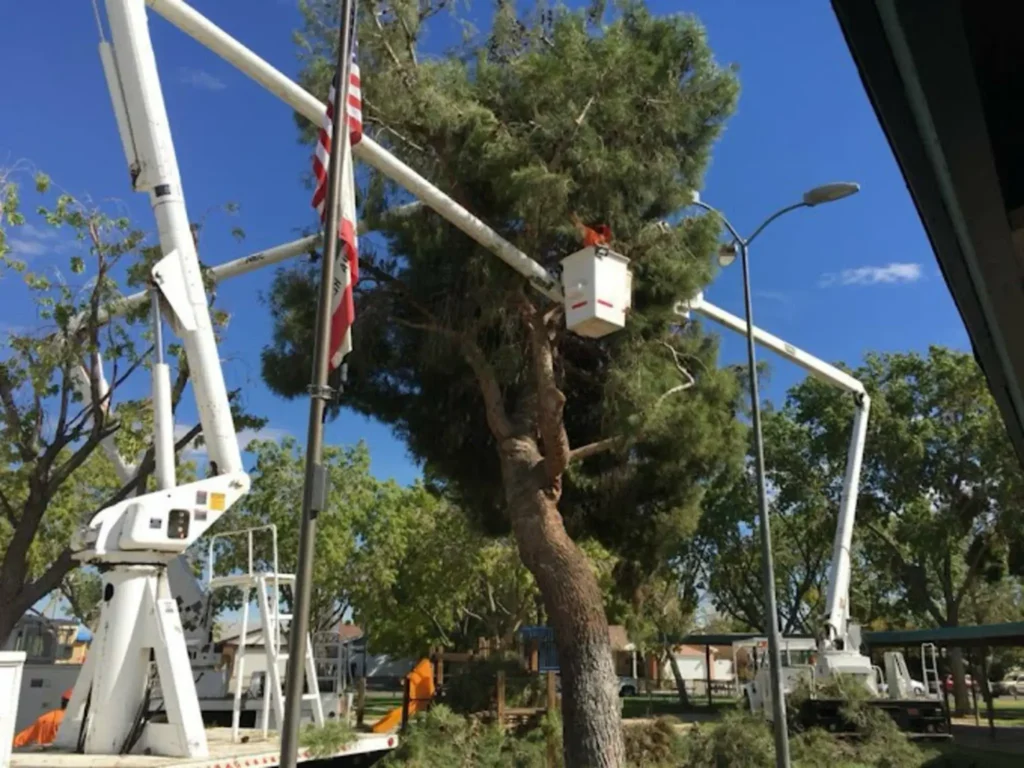
Crane-Assisted Tree Removal in Lancaster | Tip Top Arborists
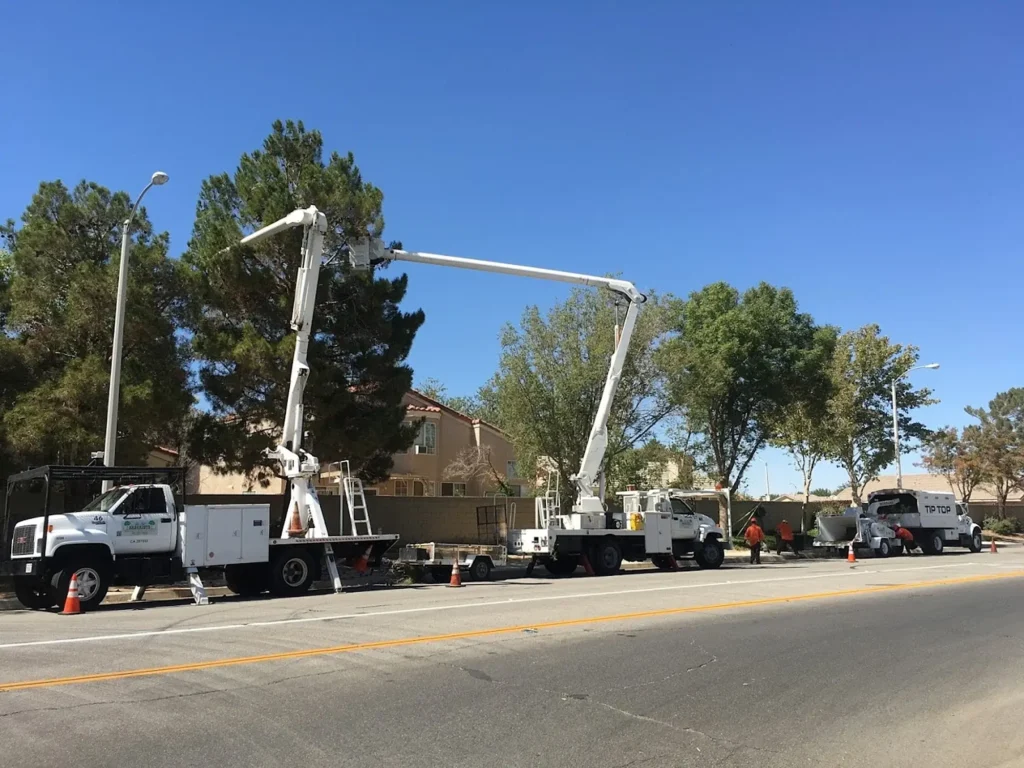
Learn when crane-assisted tree removal is necessary in Lancaster CA. Discover cost factors, safety tips & expert help from ISA-certified arborists.
How to Tell If a Tree Is Dead or Just Dormant in Lancaster, CA
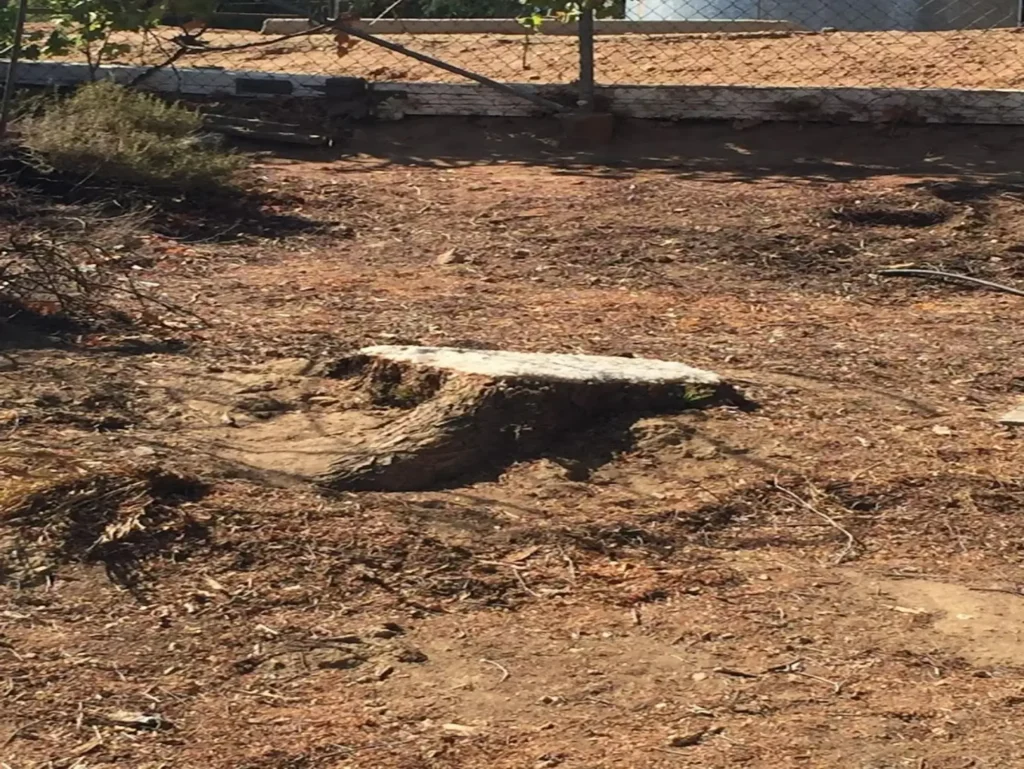
How to Tell If a Tree Is Dead or Just Dormant in Lancaster, CA It’s that time of year again in Lancaster when some trees start looking… well, a little rough around the edges. The leaves are gone, the branches look brittle, and you might start wondering if this tree just called it quits or if it’s simply taking a nap. We get it. A seemingly lifeless tree can stir up a lot of questions, especially if it’s close to your home or driveway. You don’t want to cut down a perfectly healthy (just sleepy) tree, but you also don’t want a dead one falling on your car in the middle of the night. So, how do you tell the difference between a tree that’s truly dead and one that’s just dormant for the season? Let’s take a stroll through your yard and figure it out. Leaf Check 101: Are the Leaves Just Late or Gone for Good? In winter or during a drought, many trees drop their leaves to conserve energy. That’s totally normal. But if it’s springtime and your tree still looks like a haunted movie prop, that’s when it’s time to pay closer attention. Here’s what to look for: No buds in spring? That’s not great. Healthy trees usually form little buds, even before they leaf out. Brittle and dry twigs? Snap a twig. If it breaks easily and is dry all the way through, that’s a red flag. No leaf activity while neighboring trees are blooming? If your other trees are greening up and one is stuck in the void, it may be more than just fashionably late. Try the Scratch Test This is one of our favorite old-school tricks. It’s simple and surprisingly helpful. Pick a small branch or twig. Use your fingernail or a pocketknife to gently scratch off a bit of bark. Check the color underneath. Green and moist? That’s a good sign. It means the tree is alive. Brown and dry? That part of the tree is likely dead. Try scratching in a few different places on different limbs. If they’re all brown and dry, you may be looking at a dead tree. Take a Good Look at the Bark and Trunk A dormant tree still looks sturdy. A dead one? Not so much. Watch for these signs: Bark falling off in large chunks with no fresh growth underneath. Deep cracks or splits in the trunk. These often signal internal damage or decay. Soft spots or mushrooms at the base. That’s a sign the tree could be rotting from the inside. If your tree is showing more than one of these issues, don’t wait too long to act. Dead or Dormant? Let’s Break It Down If you’re not sure what’s going on, here are some quick comparisons to help you sort things out: Twigs bend without snapping? It’s probably dormant. Scratch test shows green? That’s another sign of life. Tight bark? Good news. Dormant trees keep their bark snug against the trunk. Are buds forming in spring? That’s a healthy sign. No leaves by late spring? That’s a concern. Fungus or a soft trunk base? Likely a sign of rot and decay. When in doubt, compare with other trees of the same species in your neighborhood. If your neighbor’s palo verde is lush and leafy and yours looks like a Halloween prop, it might be time to investigate. Lancaster Weather and Tree Dormancy Our high desert climate throws trees a few curveballs — heatwaves, windstorms, and dry spells can all cause trees to leaf out later than usual. Sometimes, a tree just needs more time to bounce back. Keep in mind that native trees and drought-tolerant species may look dead when they’re actually just playing it safe. They’ve adapted to survive long, dry seasons and may conserve energy by going dormant longer. Still not sure what’s going on? That’s where we come in. What If the Tree Really Is Dead? A dead tree isn’t just sad to look at. It’s a risk — especially here in Lancaster where high winds can turn brittle limbs into flying hazards. If the whole tree is dead, it’s time to consider safe removal and possibly replacing it with a variety that’s more resilient in our local climate. The good news? You don’t have to figure it out on your own. Our certified arborists can inspect your tree, explain what’s happening, and recommend the best course of action. If the tree still has life in it, we’ll help with pruning, watering guidance, or even pest control. And if it’s time to say goodbye, we’ll remove it safely and help you plant something new in its place — something ready to thrive in Lancaster’s wild weather. Schedule a Tree Health Check Today Whether it’s junipers, maples, or magnolias, we’re here to help your landscape thrive, from the ground up. We’re here to help, no pressure, no guesswork, no surprises. Call Tip Top Arborists today at 661-942-5501 Or visit www.tiptoparborists.com to schedule your removal or hazard inspection.
Sprout’s Tiny Yard, Big Shade Mission
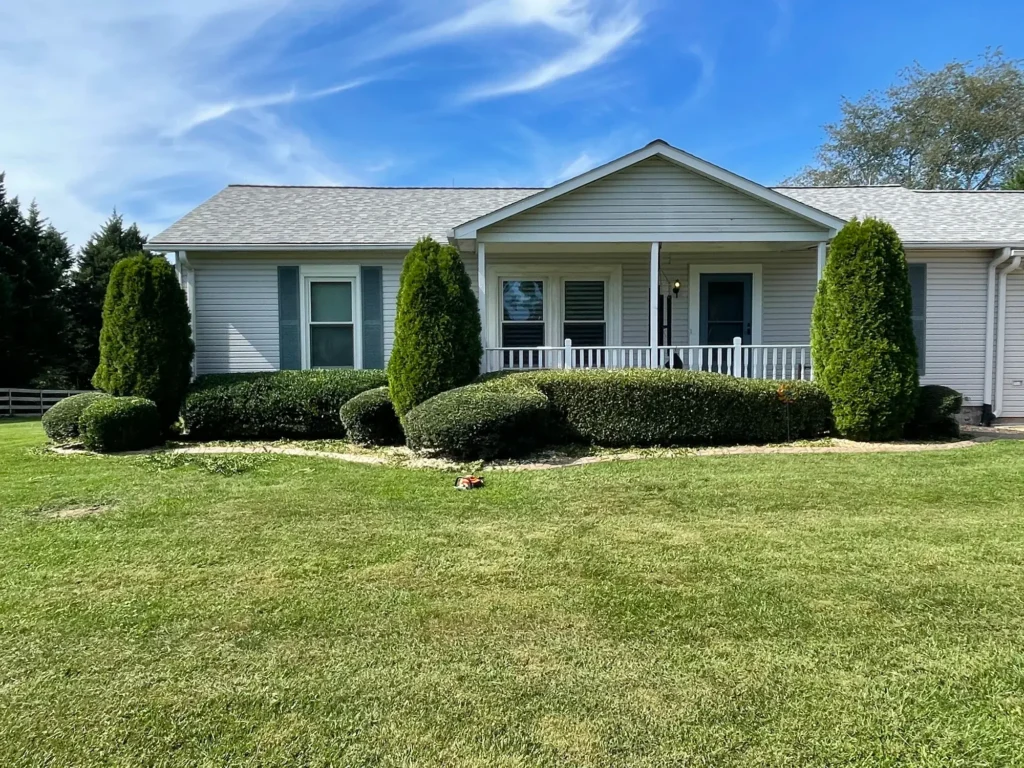
Sprout’s Tiny Yard, Big Shade Mission By: Tom Baal In the sunniest little corner of Lancaster, CA, where the sidewalks shimmer in summer and backyards get toasty by lunchtime, Sprout had a new mission. It started one afternoon when Sprout noticed something missing in his backyard. The sandbox was there. The garden hose was tangled (as usual). Scout, his fluffy dog friend, was sprawled in the only sliver of shade under a lawn chair. Sprout scratched his leafy green head and looked around. “Where’s all the cool?” he asked. Scout gave him a tired blink and a huff. Even tail wags were too warm for today. That’s when Sprout leaped into action. He pulled out his notebook and drew a giant sun with wiggly lines. “We need a shade tree!” he shouted, standing on the patio table for dramatic effect. “No, wait, we need a few! But how do we fit them in such a small yard?” Scout rolled onto his belly, his ears perking up. A tree adventure was always a good idea. Sprout packed his explorer vest with a ruler, his sketchbook, and a tiny magnifying glass. “Let’s find trees that don’t need a mansion-sized yard to grow. Just enough space to stretch their branches and cool things down.” Their first stop was Grandma Rose’s street, where a Desert Willow waved from the curb. It had long, dancing leaves and pink blossoms that fluttered like ribbons. Sprout climbed onto a bench to get a better look. “Scout, this tree is like a butterfly party in a pot! And it doesn’t even need a lot of water.” Scout wagged and tried to catch a petal in his mouth. Next, they spotted a Crape Myrtle peeking over a neighbor’s fence. It was short and fluffy, like a scoop of flower-flavored ice cream on a trunk. “These don’t take up much space,” Sprout whispered. “And they bloom for ages in the heat. Instant backyard cheer!” Scout sniffed a fallen blossom. Approved. But they weren’t done yet. Sprout marched to the park, where he found a Japanese Maple curled up in a corner garden. Its red leaves shimmered in the breeze, and it didn’t reach too far sideways. “Perfect for corners and cozy spots,” Sprout noted. “It’s like a tree that whispers instead of shouts.” One last stop, a narrow side yard with a Golden Rain Tree. It had bright yellow flowers and a tidy shape. “Shade, style, and space-saving. We might’ve just hit the jackpot.” Back at home, Sprout spread out his notes. Scout dropped a stick on top of them, eager to play. “Look,” Sprout said, turning the page. “We could plant the Desert Willow by the fence for morning shade. The Japanese Maple by the reading bench. The Crape Myrtle near the hose to brighten it up. And the Golden Rain Tree right where you nap!” Scout barked and wagged his tail so hard he knocked over the lemonade. That weekend, Sprout and his neighborhood friends held a Backyard Shade Fest. They marked planting spots with tiny flags, handed out homemade leaf hats, and named each tree with a special tag. One little girl asked, “Why do trees help with shade so much?” Sprout smiled. “Because they’re nature’s umbrellas. They block the hot sun, cool the air, and make our yards feel happy again. Even small trees can make a big difference in small places.” By sunset, the backyard was full of laughter, digging, and dreams, just the way Sprout liked it. And as the new baby trees wiggled into their soil beds, Sprout looked up at the stars and whispered, “Tiny yard, big shade. Mission accomplished.” Sprout Needs Your Help: Shade Heroes Wanted Hi explorers, it’s Sprout! Scout and I had a blast finding small shade trees for our sunny backyard. But along the way, we noticed something not-so-cool… trash hiding under trees and in the corners of yards. That’s where you come in. Want to be a Tree Helper? It’s easy! Ask a grown-up to come with you and grab some gloves or a stick. Then take a little walk around your block, backyard, or park. Look under trees, near fences, or behind benches. If you spot a wrapper, bottle cap, or straw, scoop it up and toss it in the bin. You’ll be helping trees grow strong roots and keeping the ground safe for animals and bugs. Plus, it feels really good to clean up your community. Scout and I are proud of you already. Trees might give shade, but you bring the shine. Remember: Every big tree starts with a little helper. Did You Know? Desert Willows bloom all summer and are drought-loving, making them perfect for Lancaster. Crape Myrtles are tough, colorful, and come in mini sizes, great for small yards. Japanese Maples grow slowly and love a little shade themselves. Their leaves turn red, orange, or purple. Golden Rain Trees bloom with yellow flowers and stay compact, ideal for narrow spaces. Tip Top Arborists Since 1976, Tip Top Arborists has been Southern California’s trusted partner in professional tree care. Based in Lancaster, CA, and surrounding areas—delivering expert tree trimming, removal, and maintenance services with safety, science, and integrity at the core. We’re not your average “guys with chainsaws.” We’re ISA Certified Arborists with deep industry knowledge, modern equipment, and a commitment to customer care that’s been passed down for nearly five decades. From storm damage cleanup to long-term tree health management, our team helps property owners protect their investment—and enhance their curb appeal—year-round. Experienced We have been in the industry for over 45 years. Choosing us means choosing proven experience and expertise. Insured Your safety is our highest priority. We are bonded and insured to protect you, your property, and our team. Licensed Our contractor’s license #821770 is current and active with the CSLB. Hiring us means hiring licensed tree experts. Recycling We are as committed to the environment as we are to our clients. We recycle 100% of all wood and
What Trees Are Protected in Lancaster, CA? A Homeowner’s Guide (So You Don’t Get Fined)
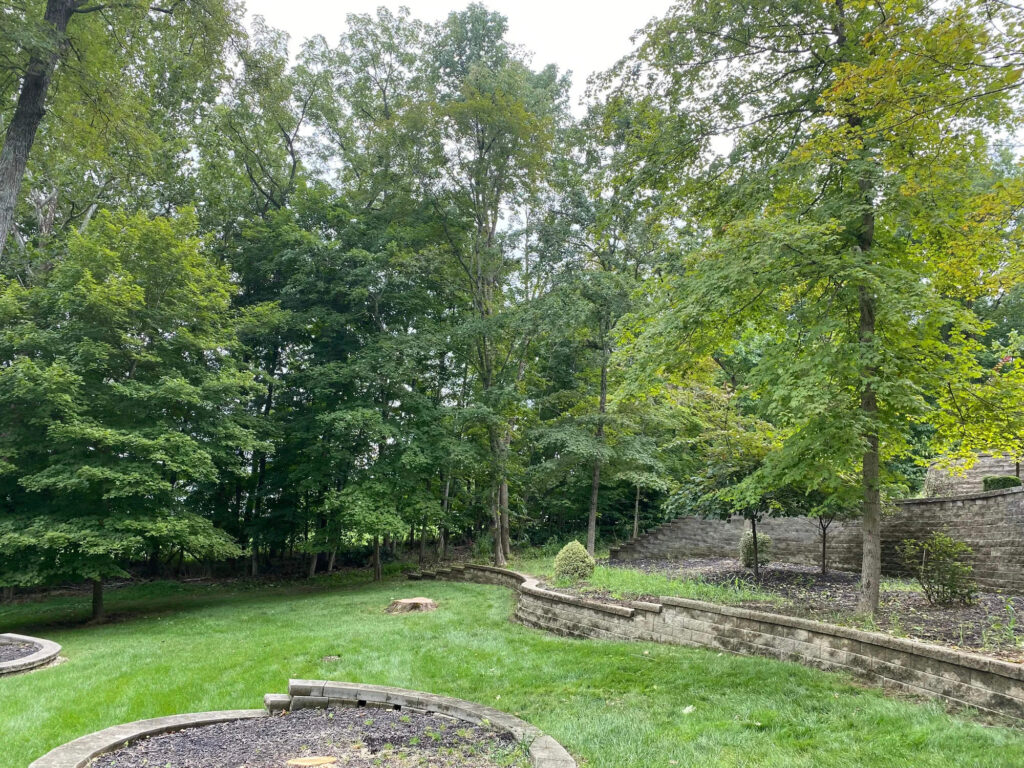
What Trees Are Protected in Lancaster, CA? A Homeowner’s Guide (So You Don’t Get Fined) You’ve got a tree that’s leaning a little too close for comfort, dropping leaves like it’s getting paid for it, or blocking your picture-perfect mountain view. Before you pick up a saw or call in a crew, take a breath – some trees in Lancaster are protected by law. And if you trim or remove one without permission? That could land you with steep fines, delayed projects, and a whole lot of unnecessary stress. That’s where Tip Top comes in. We’ve worked with Lancaster homeowners for decades, helping them stay compliant while keeping their yards safe and beautiful. Here’s a quick, practical guide to understanding which trees are protected, why it matters, and how to avoid trouble. Lancaster might be known for wide open skies and desert sunshine, but we’ve also got a unique blend of native trees that support local wildlife, prevent erosion, and keep our neighborhoods cooler in the summer. Some of these trees are rare, slow-growing, or play a big role in the local ecosystem. That’s why the City of Lancaster – and sometimes even the State of California – has rules in place to protect them. Here’s a breakdown of the ones to watch. Coast Live Oak & Other Oak Species These iconic trees are vital to local biodiversity and provide homes for birds, insects, and animals. Because they grow slowly, they’re protected once they hit 8 inches in trunk diameter (measured about 4.5 feet above the ground). Permit needed? Yes – for pruning, cutting, or removal. Joshua Tree (Yucca brevifolia) One of California’s most recognizable desert plants, the Joshua Tree is protected under the California Endangered Species Act. Size doesn’t matter here – if it’s a Joshua Tree, it’s protected. Permit needed? Yes – requires state-level documentation. Western Sycamore These trees are often part of city landscaping and provide valuable shade. Larger ones or those planted in specific zones (like parks or multi-unit developments) are usually protected. Permit needed? Often – especially in commercial or HOA-managed areas. California Black Walnut A lesser-known native that supports local insects and wildlife. These trees are considered sensitive habitat species. Permit needed? Frequently – rules vary by location. Trees in HOA or Development Landscape Plans Sometimes the protection isn’t about species – it’s about location. If your HOA or development agreement includes specific trees in its landscape plan, you’re required to follow those rules. Permit needed? Yes – always double check before making changes. So how do you know if the tree in your yard is protected? It’s not always obvious, but here are a few places to start. Check your property documents Your development or HOA might spell out tree protections in your landscaping rules. Look up your zoning overlay The City of Lancaster has mapped zones with specific environmental and landscaping protections. Call in a pro A certified arborist from Tip Top can inspect the tree, identify the species, measure it, and let you know if permits are needed. Contact the Lancaster Planning Division They can confirm if you need a permit before doing any work. The good news is that protected trees can still be trimmed or even removed – if you follow the right steps. Step 1: Schedule an Arborist Inspection You’ll need a certified report to explain why the tree needs to be trimmed or removed – whether it’s diseased, dying, or poses a safety risk. Step 2: Submit a Permit Application Most permits ask for a few basics: A site map Photos of the tree An arborist report A written explanation of the work Step 3: Wait for City Review The city may inspect the site or ask for more details. Step 4: Follow Any Conditions They may require you to: Replace the tree with a native species Pay a mitigation fee Dispose of the tree in a certain way Skipping the process might seem faster – but it can get expensive, fast. If you remove or damage a protected tree without approval, you could face: Fines from $500 to $5,000 or more Legal action from the city or your HOA Requirements to replace the tree Delays in future permits or renovations Bottom line: it’s not worth the risk. A little paperwork now can save you a big headache later. If you’re managing a business, apartment complex, or any public-facing property, the rules are usually stricter. Trees near sidewalks, roads, schools, or public easements almost always require permits. When in doubt, assume a permit is needed – and verify it before work begins. We regularly help businesses across Lancaster stay in compliance while keeping their schedules on track. At Tip Top, we’ve been handling tree safety and permit processes for nearly 50 years. We’ll walk you through every step, from the first inspection to the final trim. Here’s what we can do: Identify protected species on your property Provide certified arborist reports Handle city or state permit paperwork Perform code-compliant trimming or removal Recommend replacement trees if required Whether you’re dealing with one old oak or a dozen Joshua Trees, we’ll help you do it by the book. Before you take down or even trim a tree in Lancaster, here’s your checklist: Confirm whether it’s protected Get a professional opinion Apply for the proper permits Work with a licensed, experienced tree crew Need a second opinion or just want peace of mind? Give Tip Top Arborists a call. We’ve been keeping Lancaster’s trees in tip-top shape since 1976. Book a Free Estimate | Explore Our Services Serving Lancaster, Palmdale, Quartz Hill & beyond
When Trees Talk: Exploring How Trees Communicate Through Sound, Scent, and Silence
When Trees Talk: Exploring How Trees Communicate Through Sound, Scent, and Silence If you sit long enough in the presence of a tree, you might start to wonder if it’s listening. Or maybe whispering. Maybe both. At first glance, trees seem quiet. Still. Stoic. Their branches sway, their leaves flutter, their bark peels in patches, but they don’t make noise the way people do. They don’t howl or hum. They don’t send text messages or flash warning signs. But make no mistake, trees are in conversation. Their language isn’t loud. It isn’t written. It isn’t easy for us to notice. But it’s there, unfolding all around us in vibrations, chemistry, and touch. It flows beneath our feet and drifts in the wind. If you listen with more than your ears, you might begin to understand. Some trees speak with scent. When an acacia tree in Africa is nibbled by a giraffe, it doesn’t just sit back and accept its fate. Within moments, the tree releases ethylene gas into the air. Nearby acacias pick up the signal and begin pumping bitter chemicals into their leaves to warn off hungry grazers. It’s a message broadcast on a breeze. A way of saying: danger is here. Prepare yourselves. Pines, oaks, and maples do something similar. When insects attack their bark or leaves, these trees emit scents that attract predators to eat the invaders. It’s a kind of forest version of calling for backup. Not a scream, but a chemical invitation. Other messages travel beneath the surface. Just below the soil lies a sprawling web of connection, where tree roots and fungal threads form a vast underground network often called the “Wood Wide Web.” Through this mycorrhizal network, trees share water, nutrients, and chemical signals. A mother tree can send sugar to her saplings. An old oak can warn others of drought. A sick tree might pass on its resources before fading away. These exchanges are not random. They are relational. They are intentional. They reveal a kind of care, or at least a coordination that echoes something like community. It’s not just scent or soil. Sometimes, trees talk through sound. Not sound like chirping birds or rustling wind, but vibrations, tiny pulses that move through the air or earth. Scientists have recorded roots making subtle clicking noises as they grow. These clicks seem to help roots sense their environment, maybe even communicate with each other underground. There are trees that respond to vibration, too. Poplars, for example, seem to strengthen themselves in response to soundwaves that mimic insect chewing. It’s as if they can hear trouble coming and brace themselves. Even without ears, even without mouths, trees are aware of their world in ways we are only beginning to understand. And then, there is the communication that isn’t so easy to explain. The way two trees, grown side by side for decades, bend toward each other like old friends leaning in. The way a beech seems to shiver before a storm has even arrived. The way forests respond together to fire, regrowth, and age, as if guided by a silent choreography. In winter, deciduous trees don’t just lose their leaves, they slow their entire being. Their roots rest. Their sap thickens. It’s a pause, a breath, a waiting. That stillness speaks too. Some of the tree’s most powerful messages are written not in sound or scent, but in the shape of their limbs, in the texture of their bark, in the scars they carry. A lightning strike recorded in a split trunk. A long crack sealed over decades. A missing branch where an animal once made its home. Each tree is a history book with no words and no page numbers, but every mark matters. And still, they are generous. Even if we don’t speak their language, they keep talking. They offer shade when we are hot. Shelter when we are tired. Oxygen without asking. Their quiet presence slows our racing minds. We walk through groves and feel calmer, without fully knowing why. Maybe their silence speaks to something ancient in us. A reminder that life doesn’t always need volume to be heard. That communication can be gentle, and still powerful. We often think of talking as something loud and obvious. But trees remind us that conversation can happen in stillness. That listening is more than hearing. That messages can travel on winds, in water, in the patient spiral of a ring of growth. Next time you pass beneath a tree, try this. Pause. Close your eyes. Listen. The branches might creak. The leaves might shiver. The bark might warm in the sun. Maybe you won’t hear anything at all. But something is happening. A signal sent, a root extended, a scent released. You may not understand what’s being said. But you’ve been spoken to. And sometimes, that’s enough. Did You Know? Trees release chemical distress signals when under attack, warning their neighbors to prepare. Through the mycorrhizal network, trees can share nutrients with each other across species. Tree roots emit tiny sounds as they grow, clicks that may help guide direction or signal other roots nearby. FAQs About Talking Trees Do trees really talk to each other?In their own way, yes. Trees use chemical, electrical, and even physical signals to share information about threats, resources, and growth. What is the “Wood Wide Web”?It’s a nickname for the underground network of fungi and roots that connect trees across a forest, allowing them to exchange water, nutrients, and signals. Can trees hear us?They don’t have ears, but they can detect vibration. Some studies suggest they respond to certain frequencies, especially those that mimic natural threats. Why do trees release scents?Scents can warn nearby trees of herbivores or attract helpful predators that will eat invading insects. Have questions about the trees in your own yard? Tip Top Arborists is here to help you care for your living legends. Let our certified arborists provide expert guidance for a lifetime of healthy trees. Contact
Why Hire a Certified Arborist in Valencia, CA?
When it comes to taking care of your trees, not just anyone with a chainsaw and a ladder will do. Tree services in Valencia, CA, bring the experience, knowledge, and equipment to keep your trees looking their best, ensuring that your best attempts at tree care don’t inadvertently cause bigger problems. So, why hire a certified arborist? Here’s a breakdown of what you need to know. What Does It Mean To Have Certified Arborist Credentials? Hiring a certified arborist means you’re working with someone with demonstrated training in arboriculture. Certification isn’t just a fancy title that anyone who works on trees can use. The certification requires: Passing exams administered by the International Society of Arboriculture (ISA) Continuing education A commitment to following industry standards The Advantages of Hiring a Certified Tree Professional While many landscaping and yard care services offer tree care, they often don’t have a certified arborist on their team. This might be fine for simple trimming or tree removal projects, but why hire a certified arborist for more complex projects? Accurate Tree Health Assessments A certified arborist can tell you what your trees are saying. From discolored leaves to bark damage, a trained eye can spot subtle warning signs of trouble. Tree health assessments are one of the most valuable services a certified arborist provides. Whether your tree is under stress, lacking nutrients, or facing structural issues, early diagnosis can often save it. Early Detection of Tree Diseases and Pests In Valencia’s warm climate, trees can easily fall victim to pests or fungal infections. A certified arborist can quickly identify symptoms and recommend the right treatment plan. With disease and pest diagnosis, you can stop infestations before they spread and harm nearby trees. Proper Pruning Techniques for Health and Safety Tree trimming may seem simple, but improper cuts can cause permanent damage. One of the top reasons why you should hire a certified arborist is that they understand proper pruning techniques. Cutting the wrong branches or trimming at the wrong time of year can open your tree up to disease and decay, but certified arborists know precisely where and how to prune to encourage healthy growth, improve structure, and keep your yard safe. Tree Risk Evaluation You Can Trust Do you have a tree leaning a little too close to your house? Is that giant oak in your backyard still stable? A certified arborist offers professional tree risk evaluation, analyzing everything from root systems to branch structure so you can decide whether to remove or just trim a tree. Invest in Long-Term Tree Care From Tip Top Arborists Trees are a long-term investment, and so is keeping them healthy. By hiring Tip Top Arborists in Valencia, CA, you’re not just hiring an arborist for tree trimming or other quick projects. You’re building a strategy for long-term tree care. A certified arborist will keep your trees thriving, beautiful, and structurally sound for years to come. Why hire a certified arborist? From pruning and assessments to pest control and safety evaluations, we bring the knowledge and experience you can trust. Call (661) 942-5501 for professional tree care today.