
Tip Top Emergency Tree- When Disaster Strikes: Your Guide to Emergency Tree Service in Lancaster, CA
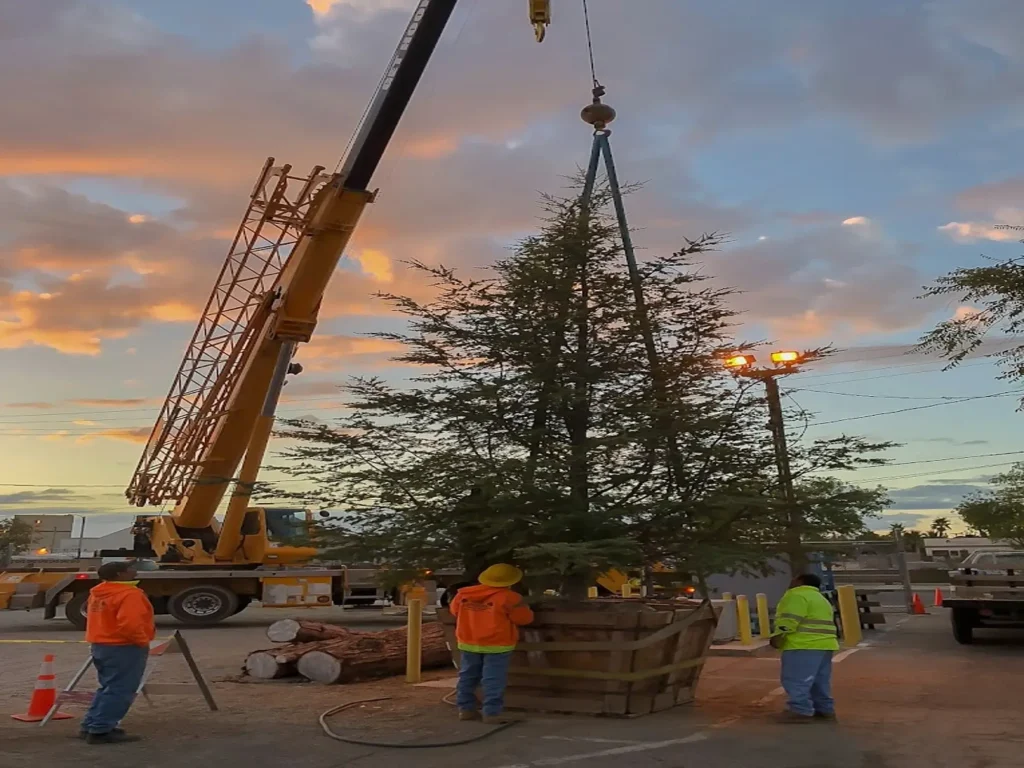
Tip Top Emergency Tree- When Disaster Strikes: Your Guide to Emergency Tree Service in Lancaster, CA Tip Top Arborists: 24/7 Emergency Response Excellence ★★★★★ Maria Rodriguez – Lancaster Homeowner “When a massive oak fell across our driveway at 2 AM during last month’s windstorm, Tip Top’s emergency tree service was at our house within 45 minutes. Professional, safe, and incredibly efficient. They turned a disaster into a manageable situation.” 2 weeks ago • Emergency Tree Service • Lancaster, CA Executive Summary Tip Top Emergency Tree Service: This comprehensive guide examines the critical importance of 24/7 emergency tree service in Lancaster, CA, showcasing Tip Top Arborists’ proven expertise in rapid response, hazardous tree removal, and emergency storm damage management. Our emergency tree service team has successfully responded to over 1,200 emergency calls throughout Lancaster and the Antelope Valley, demonstrating advanced ISA certified techniques and industry-leading safety protocols under the most challenging conditions. The successful management of tree emergencies requires immediate professional response, proper emergency equipment utilization, and adherence to emergency safety protocols. This guide highlights why Tip Top Emergency Tree Service has become Lancaster’s most trusted name for 24/7 tree emergency response since 1976. Tip Top Emergency Tree- Understanding Tree Emergencies in Lancaster, CA When to Call Emergency Tree Service Emergency tree service situations require immediate professional intervention to prevent property damage, injury, or loss of life. Lancaster’s unique desert climate, combined with seasonal windstorms and occasional severe weather, creates specific conditions that can transform healthy trees into emergency hazards within hours. Critical Emergency Situations: Trees or large branches fallen across roadways, driveways, or walkways Tree limbs hanging dangerously over structures or power lines Storm-damaged trees threatening to fall on buildings or vehicles Trees uprooted or leaning significantly after severe weather Emergency tree removal needed for utility access or safety clearance Lancaster’s Unique Emergency Tree Service Challenges Lancaster’s location in the Antelope Valley presents specific challenges for emergency tree service operations. High desert winds, extreme temperature fluctuations, and periodic severe weather events create conditions where tree emergencies can develop rapidly and require specialized response protocols. Weather-Related Emergencies • Santa Ana windstorms (60+ mph gusts) • Sudden temperature drops causing branch failure • Rare but severe thunderstorms with microbursts • Drought stress leading to sudden tree failure Infrastructure Challenges • Proximity to power lines and utilities • Narrow residential streets limiting access • Mature trees in older neighborhoods • Limited emergency vehicle access Tip Top Emergency Tree Service Response Protocol 24/7 Emergency Dispatch System Tip Top Emergency Tree Service operates a comprehensive 24/7 emergency dispatch system designed to provide rapid response throughout Lancaster, CA and the surrounding Antelope Valley region. Our emergency tree service team maintains constant readiness with specialized equipment and trained personnel available around the clock. Emergency Response Timeline 1 0-5 Minutes: Emergency call received and assessed for priority level 2 5-15 Minutes: Emergency tree service crew dispatched with appropriate equipment 3 15-60 Minutes: Arrival on scene and immediate hazard assessment 4 60+ Minutes: Emergency tree removal or hazard mitigation begins Specialized Emergency Equipment Emergency tree service operations require specialized equipment designed for rapid deployment and safe operation under challenging conditions. Tip Top Arborists maintains a comprehensive fleet of emergency response vehicles and equipment specifically configured for Lancaster’s unique emergency tree service requirements. Emergency Vehicles • 24/7 Emergency Response Trucks • Aerial Lift Platforms • Heavy-Duty Crane Services • All-Terrain Access Vehicles Cutting Equipment • Emergency Chainsaws • Hydraulic Cutting Tools • Portable Stump Grinders • Emergency Rigging Systems Safety Equipment • Emergency Lighting Systems • Traffic Control Devices • Advanced PPE Equipment • Emergency Communication Systems Common Emergency Tree Service Scenarios in Lancaster Storm Damage Emergency Response Lancaster’s seasonal windstorms create the most frequent emergency tree service calls. High desert winds, often exceeding 60 mph, can transform healthy trees into immediate hazards within minutes. Tip Top’s emergency tree service team has developed specialized protocols for storm-related tree emergencies, ensuring rapid response and safe resolution of dangerous situations. Recent Emergency Response Examples: Avenue I Incident: 80-foot eucalyptus blocking major roadway during 70 mph winds – cleared within 3 hours Division Street Emergency: Multiple trees down across residential area – coordinated response with city utilities Antelope Valley Freeway: Emergency tree removal for CalTrans – maintained traffic flow during peak hours Residential Emergency Tree Service Residential emergency tree service calls in Lancaster often involve trees threatening homes, vehicles, or family safety. Our emergency response team understands the stress and urgency these situations create for homeowners, providing not only technical expertise but also compassionate customer service during difficult circumstances. For immediate residential emergency tree service, homeowners should call our 24/7 emergency line at (661) 942-5501. Our professional tree removal team is equipped to handle any emergency situation safely and efficiently. Emergency Safety Protocols & Professional Certification ISA Certified Emergency Response All Tip Top emergency tree service operations are conducted by ISA (International Society of Arboriculture) certified arborists with specialized training in emergency response protocols. This certification ensures that emergency tree service work meets the highest professional standards, even under the most challenging conditions. Emergency Certification Requirements: Professional Qualifications • ISA Certified Arborist credentials • Emergency response training certification • OSHA safety compliance certification • Specialized equipment operation licenses Emergency-Specific Training • Storm damage assessment protocols • High-risk removal techniques • Emergency scene management • First aid and emergency response Insurance and Liability Protection Emergency tree service operations carry inherent risks that require comprehensive insurance coverage and liability protection. Tip Top Arborists maintains extensive insurance coverage specifically designed for emergency tree service operations, protecting both our clients and our emergency response team. Our bonded and licensed emergency tree service team operates under California State Contractors License #821770, ensuring full compliance with state regulations and providing clients with confidence in our professional accountability and service quality. Emergency Tree Service Investment & Value Emergency vs. Preventive Care Costs While emergency tree service costs are typically higher than preventive maintenance, the immediate response and specialized equipment required for emergency situations justify the investment. More importantly,
When Disaster Strikes: Your Guide to Tip Top Emergency Tree Service in Lancaster, CA
When storms hit Lancaster, you need emergency tree service you can trust. Tip Top Arborists has provided 24/7 emergency tree service to Lancaster, CA for over 45 years. From fallen trees to storm damage, our certified arborists respond fast when disasters strike
Who’s Responsible for That Tree? How to Handle Neighbor Disputes Over Tree Maintenance

Who’s Responsible for That Tree? How to Handle Neighbor Disputes Over Tree Maintenance It starts with a branch. Maybe two. Suddenly your neighbor is trimming half your tree—or worse, asking you to remove it entirely. At Tip Top Arborists, we get calls every week from homeowners caught in neighborly standoffs over trees that cross fences, drop leaves, block views, or interfere with driveways. And while trees can be beautiful, they can also become the center of costly, confusing disputes if the rules aren’t clear. This guide breaks down who’s responsible for what when it comes to shared trees, property lines, overhanging branches, and your legal rights in California. We’ll also give you practical steps to avoid escalation, protect your property, and maintain peace on your block. Understanding Tree Ownership in California- Who’s Responsible for That Tree? In California, tree ownership is based on trunk location: If the entire trunk is on your side of the property line, the tree is legally yours. If the trunk straddles the property line, the tree is considered jointly owned, and both owners must agree to any major changes or removal. Your neighbor has the right to trim branches that hang over their property — but only up to the property line, and only if it doesn’t harm the tree. They cannot enter your property or cut beyond their side without your permission. Common Neighbor Tree Disputes We See Overhanging Branches Neighbor wants to cut back limbs that block sunlight, hang over cars, or drop leaves. Tree Roots Damaging Property Roots cross under fences and crack driveways, patios, or plumbing lines. Requests to Remove a Healthy Tree One neighbor believes the tree is a nuisance or blocking their view. Improper Trimming That Harms the Tree Overzealous cuts from one side destabilize or injure the tree. Safety Concerns Dead limbs or leaning trees raise fears of falling damage during storms. Who’s Responsible for That Tree? What the Law Says California law is clear on a few important points: You cannot legally harm or destroy someone else’s tree—even if branches or roots extend onto your property. You may trim overhanging branches on your side, but only in a way that does not kill or seriously damage the tree. If your tree causes damage to a neighbor’s property due to neglect (e.g., a falling limb from a known hazard), you may be liable for repairs. In joint ownership cases, both parties must agree before removing the tree or performing major pruning. How to Handle a Neighbor Tree Dispute Here’s a step-by-step approach Tip Top recommends when tree tension starts rising: 1. Start with a Calm Conversation Explain what you’re seeing or concerned about. Avoid accusations. Stick to facts (“This branch has grown over the fence and is blocking my solar panels”). 2. Clarify Ownership If you’re not sure where the trunk sits, consider hiring a licensed surveyor. Tip Top can also help assess location based on visual boundaries. 3. Get a Certified Arborist Opinion A professional tree inspection can provide documentation of health, risk, and maintenance options. This is especially useful if legal or insurance issues arise. 4. Consider Mediation If things get tense, a neutral third party can help reach a compromise without legal action. 5. Avoid DIY Trimming Without Guidance Improper cuts can destabilize the tree and leave you liable for damages. Always consult an arborist before trimming shared trees. Proactive Steps to Avoid Disputes Regularly inspect trees near property lines and schedule maintenance as needed Share plans for major pruning or removal with adjacent neighbors Trim trees properly on your side before they become overgrown Get written agreements for shared trees if you’re in a joint ownership situation Don’t ignore root intrusion—Tip Top can assess and recommend root barrier solutions Real Tip Top Case: From Conflict to Collaboration We recently worked with two homeowners in Palmdale locked in a months-long standoff over a massive Modesto Ash. One wanted it gone. The other cherished the shade. Our team stepped in, performed a full health risk assessment, and created a phased pruning plan that satisfied both sides. The result? No removal, reduced hazard, and a restored neighborly handshake. Final Thoughts Trees are shared assets in any neighborhood. But when roots, limbs, or falling debris affect more than one property, emotions can flare. Knowing your rights—and responsibilities—can help you approach these issues with confidence, not conflict. Tip Top Arborists is here to help mediate, inspect, and maintain trees so they stay assets—not liabilities. Need Help Navigating a Tree Dispute? Call Tip Top Arborists for a certified tree inspection and consultation. We’ll help you sort out ownership, assess risk, and find the right solution for everyone involved. Call 661-942-5501 or visit www.tiptoparborists.com to book a tree risk assessment today.
The Best Drought-Resistant Trees for Lancaster, CA Yards
The Best Drought-Resistant Trees for Lancaster, CA Yards If you’ve lived in Lancaster for more than a few weeks, you already know. We don’t exactly get a lot of rainy days. Our beautiful Antelope Valley climate means sun-soaked skies, dry winds, and summers that can cook an egg on the sidewalk. If your trees aren’t up for the challenge, they’re going to struggle. That’s where drought-resistant trees come in. At Tip Top Arborists, we’ve been helping Lancaster homeowners plant and care for trees since 1976. One of the biggest questions we get, especially in the middle of a heatwave, is: “What kind of trees can actually survive out here?” Well, you’ve got options. Good ones, too. Whether you want shade, color, or just something that won’t dry up and die the moment you skip a watering, this guide has you covered. Why Drought-Tolerant Trees Make Sense in Lancaster Let’s face it. Watering restrictions aren’t going anywhere, and neither is the heat. That’s why it pays to think ahead. Drought-tolerant trees are built to thrive with little water, tough soil, and big temperature swings. These trees: Need less frequent watering once established Handle heat and wind better than most imports Tend to grow slower and steadier, which means fewer messes Help reduce water bills without sacrificing curb appeal Support local wildlife and healthy soil systems And best of all? They’re usually low maintenance once they settle in. That’s our kind of tree. What Makes a Tree Drought-Resistant? It’s not just about sipping less water. True drought-tolerant trees tend to have: Deep or wide root systems that find hidden moisture Waxy or small leaves that don’t lose much water to evaporation Slow growth rates that match their environment Built-in resistance to pests and diseases common in dry areas Basically, they’re survivors. The kind you want in your corner when the forecast is 105 and rising. Top Drought-Tolerant Trees for Lancaster Yards Desert Willow (Chilopsis linearis) This tree is a local favorite for good reason. It puts out beautiful trumpet-shaped flowers from late spring through summer and needs hardly any water to keep the show going. Plus, it grows fast, making it one of the best shade trees for drought-prone areas. It can handle reflective heat from pavement too, which makes it great for parkways and patios. California Juniper (Juniperus californica) This native evergreen is as tough as it looks. With its bluish needles and gnarly branches, it brings a rugged beauty to any yard. It’s slow-growing but extremely drought-hardy. Junipers also provide excellent shelter for birds and local wildlife. Blue Palo Verde (Parkinsonia florida) Green bark, yellow blooms, and serious drought resistance. What’s not to love? The Blue Palo Verde is a showstopper in spring and summer and doesn’t ask for much in return. These trees are small to medium in size and are perfect for xeriscape landscaping. Honey Mesquite (Prosopis glandulosa) Shade, character, and resilience. This tree does it all. It’s also great for attracting birds and other native wildlife. Plus, the feathery leaves give it a light, airy look that works beautifully in open spaces. The pods are a food source for desert critters, making it a win all around. Screwbean Mesquite (Prosopis pubescens) This one’s a little quirky in the best way. It has spiral seed pods that twist like corkscrews and a compact size perfect for urban yards. If you’re looking for a conversation starter that doesn’t guzzle water, this is a solid pick. Desert Ironwood (Olneya tesota) A slow-growing powerhouse. It lives long, blooms in spring with soft lavender flowers, and thrives in the kind of heat most trees can’t handle. The wood is dense, and the canopy provides excellent filtered shade. California Fan Palm (Washingtonia filifera) The only palm tree native to California. It loves sun, needs very little water once mature, and adds a classic desert feel to your yard. These palms are especially helpful in sandy or gravelly soil conditions common in the Antelope Valley. California Buckwheat (Eriogonum fasciculatum) It’s more of a large shrub, but still a winner. Buckwheat flowers attract pollinators and hold up well in dry, rocky soils. Use it as a groundcover tree companion or slope stabilizer in a native plant garden. Trees to Avoid in Lancaster’s Climate Not every tree is cut out for Lancaster. Avoid high-water trees like: Willows Maples Non-native birches Liquidambars These trees may look great in cooler climates, but out here they become high-maintenance, high-risk liabilities. Unless you have a dedicated irrigation plan and deep soil, stick to more drought-hardy options. Smart Planting Tips for Drought-Tolerant Trees Even drought-tolerant trees need a good start. Here’s what we tell our neighbors: Plant in fall or early spring to give roots time before the heat kicks in Dig wide, not deep. You want to encourage spreading roots Mulch well, but don’t bury the trunk Water deeply, especially in year one. After that, back off slowly Avoid overhead watering. Drip or slow-trickle irrigation is best Think of it like teaching your tree how to find water. Once it learns, it’ll thank you by sticking around for the long haul. Native vs. Non-Native: What’s Better for the Long Run? Lancaster’s native trees evolved to handle everything the Antelope Valley throws at them: wind, sun, alkaline soil, and all. That means they: Stay healthier with fewer resources Resist local pests and diseases Last longer with less stress Don’t outgrow their welcome, literally If sustainability is the goal, native and desert-adapted trees are the way to go. And we’re here to help you choose the right one. Choosing the Right Tree for Your Yard’s Needs Not every drought-tolerant tree fits every yard. Here’s a quick guide to help: Need shade fast? Go for Desert Willow or Honey Mesquite Want something compact? Try Screwbean Mesquite or California Juniper Love flowers? Blue Palo Verde and Buckwheat are your best bets Want low-profile privacy? California Buckwheat as a hedge works wonders Looking for classic desert appeal?
Certified Arborists Near Me Lancaster CA | ISA Tree Experts Guide
Looking for certified arborists near me in Lancaster, CA? This ultimate guide helps you find ISA certified arborists near you, understand professional qualifications, and choose the right tree care experts for your Lancaster property.
Lancaster Windstorms and Trees: How to Prep Before the Gusts Hit
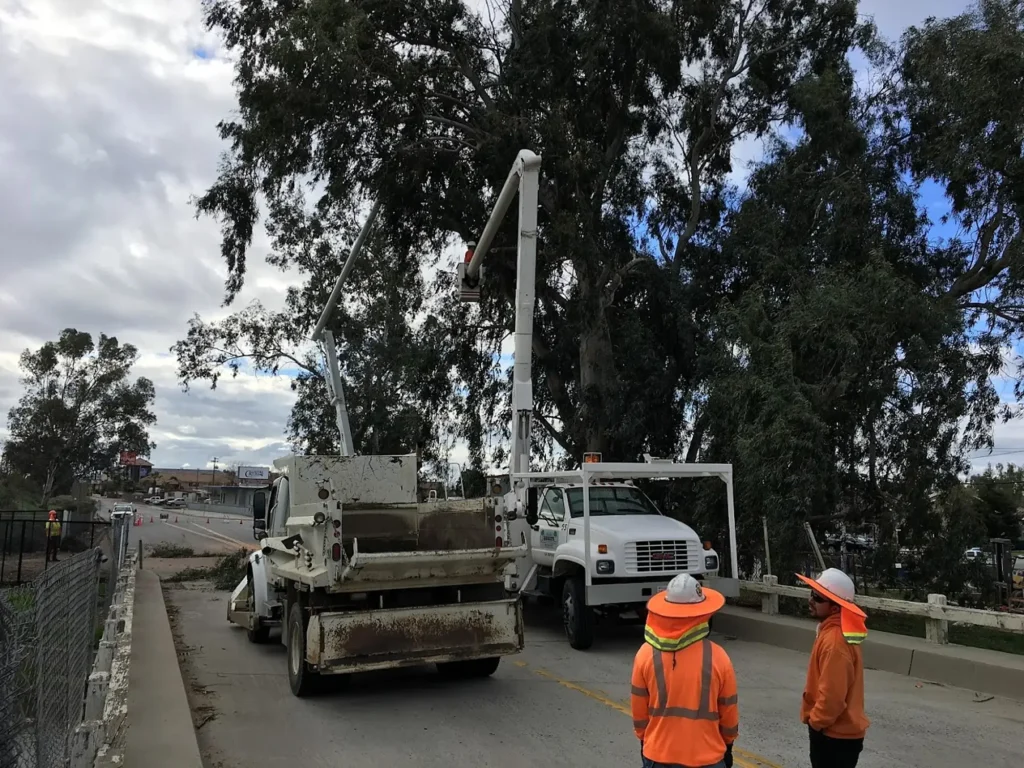
Lancaster Windstorms and Trees: How to Prep Before the Gusts Hit Anyone who’s lived through a Lancaster spring knows the sound: that low, rising whistle as the wind starts to pick up across the desert floor. Next thing you know, your trash cans are halfway down the street and your trees are swaying like they’re auditioning for a music video. And while wind is part of life here, what it does to your trees, and your property, can be serious. At Tip Top Arborists, we’ve responded to our fair share of emergency calls after strong gusts snapped branches or took down entire trees. The good news? Most of the damage we see is preventable with the right prep. So if your trees could use a little wind-proofing, this guide’s for you. What Makes Lancaster Trees Vulnerable to Wind? Let’s start with the basics. Lancaster sits in the Antelope Valley, where wind events, especially in spring and early summer, are strong, dry, and unpredictable. Add to that our high-desert soil, intense sun, and rapid weather swings, and trees can be under more stress than you’d think. Common tree issues made worse by wind: Shallow or compacted root systems Dead limbs or weakened trunks Overgrown crowns that act like sails Poor pruning in past years Any of these can turn your peaceful backyard shade tree into a hazard waiting for the next gust. Real Talk: We’ve Seen What Wind Can Do A few years back, we got a call after a cottonwood snapped during an early May windstorm and took out half of a homeowner’s pergola. The tree looked healthy from a distance, but a closer look showed soft spots near the base, branches rubbing against each other, and way too much top growth that had never been thinned. That tree didn’t stand a chance when the wind clocked in over 45 mph. How to Prep Your Trees for Lancaster Winds Now let’s talk prevention. Here’s what we recommend before wind season starts blowing through. 1. Get a Professional Tree InspectionIt’s one thing to notice a dead branch. It’s another to catch root rot, trunk cracks, or hidden structural issues that only show up under pressure. A certified arborist can assess your trees from crown to roots and spot problems before they turn into emergencies. Tip Top’s tree risk assessments come with a full report, recommendations, and peace of mind. 2. Trim and Thin the CanopyThick crowns catch wind like sails. Strategic thinning allows air to pass through the tree instead of pushing against it. This reduces the chance of blow-over or limb failure, especially important for fast-growing species like eucalyptus, pine, or sycamores. Don’t top your tree. We can’t say it enough. Topping weakens structure and increases wind risk. Always go for professional pruning, not lopping. 3. Remove DeadwoodDead branches are brittle and break easily, especially during wind events. They can also act as levers that split healthy limbs. Removing them now saves fences, windows, and possibly your neighbor’s windshield. 4. Check for Leaning Trees or Root IssuesWind doesn’t just blow down trees, it can push them over from below if roots are weak. If a tree is starting to lean, showing lifted soil at the base, or dropping leaves prematurely, get it looked at fast. Those are signs that the anchoring system might be compromised. 5. Stake Young Trees ProperlyNewly planted trees are especially vulnerable. Use flexible ties and wide straps to support the trunk while allowing slight movement. That movement encourages strong root development and prevents the tree from becoming too dependent on stakes. Check out the Lancaster emergency preparedness resources to build an emergency plan before wind season hits. What Trees Handle Wind Best in Lancaster? Choosing wind-resistant trees in the first place goes a long way. If you’re planning to plant, skip top-heavy or brittle species and go with trees that can bend without breaking. Some wind-tough options for Lancaster include: Desert Willow Chinese Pistache Western Redbud Live Oak Arizona Ash (if pruned properly) Bonus: many of these are also drought-tolerant and low-maintenance once established. Post-Storm? Here’s What to Check If the wind already came and went, do a visual inspection of your property and trees. Things to look for: Hanging or cracked limbs Broken tips or stubs Exposed roots or shifted soil Bark splits or fresh trunk damage If you see anything questionable, take pictures and give us a call. We can determine if it’s a safety issue or something to monitor over time. Insurance and Liability: What If a Tree Falls? In most cases, your homeowner’s insurance will cover wind damage from a healthy tree. But if a tree was dead, rotting, or obviously hazardous and you didn’t act, it could become a liability issue, especially if it damages a neighbor’s property. Routine tree care not only protects your yard, it protects your wallet. Keep receipts, take photos before and after pruning, and document any concerns in writing if a neighbor’s tree looks sketchy. When to Call Tip Top We recommend scheduling inspections and trims before peak wind season hits, especially late March through June in the Antelope Valley. Our certified arborists can help with: Tree inspections and risk assessments Safe, professional trimming Emergency removal if the storm already hit Tree selection for new plantings We’ll show up on time, walk your property with you, and give you straight advice. No pressure. No scare tactics. Just honest work from folks who know trees, and Lancaster winds, like the back of our gloves. Final Word: Don’t Wait for the Wind If you’ve got a tall, leaning tree or branches brushing your roof, you don’t have to wait for the forecast to get nervous. Wind is unpredictable, but your tree care doesn’t have to be. Need a second opinion or just want peace of mind? Give Tip Top Arborists a call. We’ve been keeping Lancaster’s trees in tip-top shape since 1976. Book a Free Estimate | Explore Our Services
From Seed to Sentinel: The Life Story of a Lone Redwood
From Seed to Sentinel: The Life Story of a Lone Redwood At first, it’s just a speck. A seed the size of a tomato’s flake of skin. Not much to look at. But inside? The blueprints for a giant. Tucked into the forest floor, the redwood seed waits. Quiet, patient, full of promise. No fanfare, just dirt, time, and a little luck. And when the conditions are right, with just enough moisture and just enough sun, it sends out the tiniest root. It anchors itself to a world it will someday tower above. This is the beginning. The first quiet chapter in a life that could last more than 2,000 years. In those first few years, the redwood sapling keeps a low profile. It doesn’t shoot skyward right away. Instead, it focuses on building its base, sending out tiny roots and inching upward. It dodges hungry deer, withstands cold snaps, and battles for light under the forest canopy. These early challenges help shape its resilience. It’s like nature’s boot camp for a tree that will someday touch the clouds. When the redwood finally starts to grow in earnest, it doesn’t hold back. Under the right conditions, it can grow two or even three feet in a single year. That’s not just growth. That’s momentum. And unlike many other trees, redwoods are in it for the long haul. They’re marathoners, not sprinters. But towering height is only part of the story. A redwood’s real strength lies underground. Its roots might only run down 10 or 12 feet, but they spread out as much as 100 feet in every direction. Even more remarkable, those roots intertwine with the roots of nearby redwoods. They share nutrients. They share stability. It’s a neighborhood of trees looking out for each other. This mutual support system is part of what makes redwood groves so resilient. They can withstand fierce winds, prolonged droughts, and even fire. That thick, spongy bark? It’s like a fireproof coat, up to a foot thick in places, protecting the tree’s vital core. The tannins in the bark also help fend off pests and disease. Redwood trees were built for the long game. As the years roll on, the redwood becomes part of the landscape. Birds begin to nest in its branches. Owls perch silently in the twilight. Moss wraps gently around its base. Squirrels chase each other up and down its bark. It’s not just a tree. It’s a home. A shelter. A living skyscraper that plays host to a bustling forest community. By the time it’s a few hundred years old, the redwood has reached full maturity. It towers over most other trees, often stretching beyond 300 feet. Some exceptional redwoods are taller than the Statue of Liberty. Yet, for all its height and strength, the tree remains quietly humble. It doesn’t demand attention. It just stands, deeply rooted and quietly enduring. Now in its prime, the redwood becomes a sentinel. A silent witness to everything happening around it. Seasons come and go. Animals migrate. Humans build and rebuild. Storms roar through. Fires sweep the hills. The redwood stands through it all, recording each year in the narrow rings of its trunk. These rings, thin and barely visible, are like pages in a diary. They tell stories of abundance and struggle, wet years and dry years, cool summers and scorching heatwaves. Scientists read these rings to learn about climate history, but the tree doesn’t keep them for our benefit. It simply does what it has always done: live, adapt, endure. Even when growth slows in old age, the redwood doesn’t stop giving. Its needles capture moisture from fog, helping to hydrate not just the tree, but also the soil and nearby plants. Fallen leaves create rich mulch. Its massive branches provide food and shelter for dozens of species. Even its fallen limbs become part of the forest floor’s ecosystem, offering nutrients to fungi, insects, and other trees. Eventually, even the oldest redwood will fall. Sometimes it’s a quiet tipping, a slow lean that ends in a muffled crash. Other times it’s sudden, a snap under the weight of centuries. But a fallen redwood is not the end of the story. In many ways, it’s a new beginning. When a redwood hits the ground, it doesn’t decay right away. It might stay largely intact for another hundred years. As it breaks down slowly, it provides shelter for foxes, nesting sites for birds, and a buffet for insects. Mosses and ferns blanket its surface. Tiny saplings sprout from its softened bark. It becomes a nursery log, giving life even in death. What’s more, every redwood drops thousands of cones over its lifetime. Each cone is only the size of an olive, but inside each one are dozens of seeds. Not all of them will sprout, but the ones that do carry the DNA of a survivor. They are children of a tree that weathered fire, wind, time, and gravity. These saplings are the next chapter. They begin the story again, growing from the rich forest floor nourished by their ancestors. Their roots will eventually intertwine, creating new networks of strength and support. And the cycle continues. Redwoods are remarkable not just because they are tall, but because they are patient. Their success lies in their slowness. In a world that often celebrates speed and noise, redwoods remind us that quiet, steady growth can be just as powerful. Maybe even more so. There’s something deeply human about this story. We all start small. We all face challenges. We all rely on those around us. We all grow, fall, give, and start again. The redwood just does it on a longer timeline. And while not every tree reaches 2,000 years or 350 feet, every tree plays a part. Whether it’s a backyard maple, a city street sycamore, or a mountain pine, each one carries a story. Each one grows in quiet ways we often overlook. But the redwood? It’s the elder statesman
DIY vs Professional Arborists Near Me Lancaster | True Cost Analysis
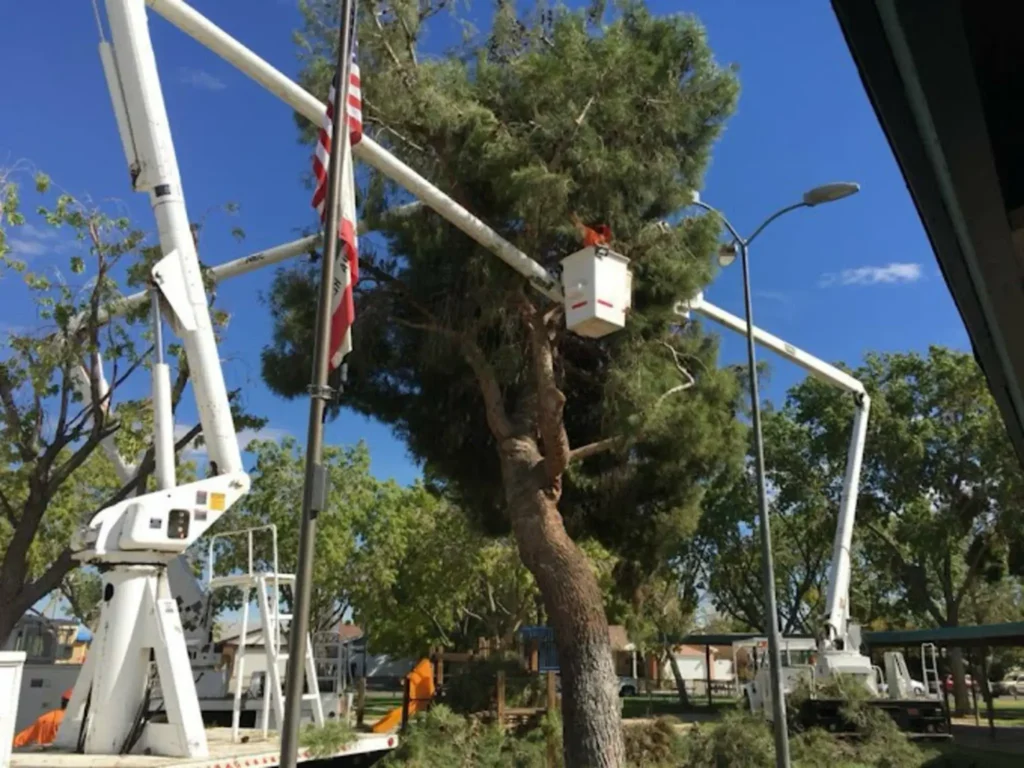
DIY tree work seems cheaper, but professional arborists near me in Lancaster actually save money long-term. Learn the hidden costs of DIY tree care and why certified arborists near you provide better value and safety.
Sprout’s Big Backyard Tree Hunt: Finding the Best Trees for Lancaster
Sprout’s Big Backyard Tree Hunt: Finding the Best Trees for Lancaster By: Tom Baal In the wide, sunshiny backyard of Sprout’s house in Lancaster, CA, the ground was dry, the sky was blue, and Sprout had a mission. Not just any mission – a tree hunt. Wearing his explorer vest and trusty blue cap, Sprout peered out across the yard with his favorite twig-pencil tucked behind his ear. “Scout,” he called to his shaggy dog sidekick. “Today’s the day we find the perfect trees for our backyard. Ones that can handle hot days, dry soil, and maybe even give a little shade.” Scout barked twice in agreement. He loved shade. Sprout’s notebook was already half full of tree sketches, leaf rubbings, and bark patterns from his nature walks. But this time, the search was personal. He needed to choose trees that could grow happily right here in Lancaster’s high desert weather. No tropical trees that needed constant rain. No mountain trees that liked the cold. Just the right trees, for the right place. “Let the Backyard Tree Hunt begin,” Sprout shouted, and off they went. Their first stop was the Desert Willow tree. Sprout crouched next to a tall, twisty little tree with skinny leaves and purple-pink flowers that danced in the breeze. “Now here’s a tree with style,” he whispered, sketching the petals. Scout sniffed at the trunk, tail wagging. Sprout remembered reading that desert willows were native to places just like Lancaster. “They’re not real willows,” he said, tapping his pencil on the bark. “But they’re super good at living in dry, sunny spots. And those blossoms? They’re like butterfly magnets.” He circled the Desert Willow in his notebook. Candidate one: The Butterfly Tree. Next, Sprout spotted a Western Redbud down the street, glowing with pink blossoms like someone spilled paint on it. “It’s like a valentine in tree form,” Sprout said. “And look how happy it is even in this heat.” Scout rolled in the shade underneath, then yipped as a bee buzzed by. Sprout laughed. “That’s a good sign. Bees love redbuds. And redbuds love California. They’re small but mighty, just right for smaller yards or for kids who want a tree friend they can reach.” He wrote: Candidate two: The Heart Tree. Cute and helpful. Further along the block, Sprout discovered a Palo Verde, its green trunk practically glowing. “Whoa,” he said, running a finger along the bark. “This one makes its own food with its bark. That’s superhero-level stuff.” He learned that Palo Verdes drop their tiny leaves during the hottest months to save water, and that their yellow flowers turned sidewalks gold in spring. Scout sneezed in a pile of fallen petals. Sprout giggled. “Bless you, bud. We’ll call this one The Super Survivor Tree.” Back at home, Sprout climbed into his thinking spot, an old hammock slung between two wooden posts, and pulled out his tree chart. “So many good choices,” he muttered. “But I need trees that are tough, beautiful, helpful, and fun.” Just then, Mom came outside carrying a cold lemonade and pointed at the empty patch near the fence. “You know,” she said, “some neighbors down the road planted a Chinese Pistache. It grows fast and gives great fall color.” Sprout’s eyes lit up. “Color-changing leaves in Lancaster? That’s like backyard magic.” He added it to the list. Candidate four: The Autumn Surprise Tree. Later, Sprout and Scout visited Grandma Rose’s garden. She pointed proudly to her Desert Museum Palo Verde, which had grown tall and shady despite barely being watered. “This one’s my favorite,” she said, brushing a leaf. “Strong, graceful, and full of hummingbirds in the spring.” Sprout nodded slowly. “That checks every box, Grandma.” Scout wagged his tail, as if to say, “Me too.” Back in the yard, Sprout paced the dirt like a general making a tree plan. “So here’s what we’ve got,” he said, flipping his notebook open to a new page. The Butterfly Tree, Desert WillowThe Heart Tree, RedbudThe Super Survivor, Palo VerdeThe Autumn Surprise, Chinese PistacheGrandma’s Pick, Desert Museum Palo Verde Sprout drew a little map of his yard. “We can plant the Desert Willow near the fence to get some shade for Scout’s nap zone. The Redbud near the garden for spring flowers. The Chinese Pistache can be the centerpiece, and the Palo Verde, that can be my reading tree.” He looked up at the empty space, now full of possibility. That weekend, Sprout invited his friends over for a Backyard Tree Hunt Celebration. They all wore explorer hats and helped mark spots with flags. They even made up a cheer. Roots down, branches high, grow strong under Lancaster sky. Scout supervised, naturally. The kids talked about which trees would be best for climbing, which had the prettiest flowers, and which might be the best for tying a hammock. They voted, drew signs, and even made little leaf necklaces from the trees they found. By sunset, the whole yard was full of plans and laughter and hope. The kind of hope only young trees and big dreams can bring. That night, Sprout lay in bed under the stars, notebook on his chest, Scout snoozing beside him. “Trees don’t just grow,” he whispered. “They teach us how to wait, how to care, and how to plant something today for tomorrow.” And with that, he added one final sketch, a tiny sapling with a label underneath. Tree of Tomorrow. Because in Lancaster, even the driest yard can grow something amazing with just the right tree and a little love. Sprout Needs Your Help: Keep Our Tree Spaces Clean Hi friends, Sprout here. Remember my big backyard tree hunt in Lancaster? I found the perfect trees for our dry desert home. Trees that give shade, color, and even food for butterflies and bees. But during all my exploring with Scout, we also saw something not so great. Litter. That’s where you come in. Whether you’re in your backyard, at a park, or on
When Fire Hits Home: What to Do About Fire-Damaged Trees in Lancaster, CA

When Fire Hits Home: What to Do About Fire-Damaged Trees in Lancaster, CA Lancaster, California has its fair share of sunshine, stunning sunsets, and wide-open desert skies. But along with all that beauty comes a harsh reality: wildfire season. When the temperatures climb and the Santa Ana winds pick up, things can go sideways fast. And if you’ve recently experienced a fire near your property, you’re probably taking stock of the damage. One question we hear all the time: “Is my tree still okay after that fire?” The truth is, some trees bounce back. Others don’t. And when you’re looking at a blackened trunk or scorched canopy, it’s hard to tell which is which. That’s where Tip Top Arborists comes in. We’re here to help you assess the damage, make smart decisions, and, if necessary, remove hazardous trees safely and professionally. We’ve been the go-to tree doctors in Lancaster and the Antelope Valley for decades. This isn’t our first fire season, and it won’t be our last. But with the right knowledge, the right tools, and a trusted local team on your side, you don’t have to face it alone. How Fire Affects Trees: It’s Not Always What You Think First off, not all fire damage is the same. Just because a tree looks a little rough around the edges doesn’t mean it’s done for. And just because a tree is still standing tall doesn’t mean it’s safe. Wildfires affect trees in several ways. Some of the damage is immediate, and some of it shows up months later. Here’s a breakdown of what to watch for: 1. External Damage to Bark and Branches If the fire burned through quickly and stayed mostly on the surface, your tree might only have cosmetic damage. You might notice scorched leaves, blackened bark, or cracked outer layers. While unsightly, this kind of damage doesn’t always spell doom. Trees have built-in survival mechanisms. Some species, like oaks and pines, are even adapted to survive mild fires. But if the bark is deeply cracked or falling off, or if you can see exposed wood underneath, your tree may have suffered structural damage. That’s when it’s time to call in a pro. 2. Internal Heat Damage Fires don’t just burn the outside. Heat can travel through the bark and damage the cambium layer—the living tissue just under the bark that moves water and nutrients throughout the tree. If that layer is cooked, the tree may look fine for a few weeks but then start to decline rapidly. Leaves might brown and drop, branches might become brittle, and sap flow may stop altogether. A trained arborist can check for these signs and help you determine if recovery is possible. 3. Root System Damage This one’s tricky because it happens underground. Fire can travel through dry soil and mulch, damaging roots even if the base of the tree looks untouched. If the tree starts leaning or loses stability, it’s likely that root damage has occurred. Trees with compromised root systems are especially dangerous. They can fall without warning, even in calm weather. If you see signs of shifting soil, tilting trunks, or exposed roots, don’t wait. Have it assessed immediately. 4. Crown Damage The crown is the leafy top of the tree. If more than 50 to 60 percent of the crown has been scorched or lost, the tree’s chances of recovery are slim. Without enough leaves to perform photosynthesis, the tree can’t make the energy it needs to survive. On the other hand, if most of the crown is still intact and the lower branches took the brunt of the damage, there may be hope. How to Tell if a Fire-Damaged Tree Can Be Saved Now for the million-dollar question: Is your tree going to make it? There’s no single answer, but we use a checklist of key indicators to make a professional assessment. Here’s what we look at: Trunk integrity: Are there deep cracks, splits, or missing bark? Cambium health: Is the tissue beneath the bark moist and green, or dry and brown? Leaf and bud condition: Are there signs of regrowth, or is everything dead and brittle? Branch flexibility: Do smaller branches bend and snap back, or break off like dry twigs? Root system stability: Is the tree firmly anchored, or shifting in the soil? If we see more positive signs than negative ones, we may recommend pruning, watering, and monitoring rather than removal. Trees are resilient. We’ve seen some come back from the brink with the right care. But if the damage is extensive, or if the tree poses a safety risk to your home, vehicles, or power lines, we’ll be honest with you. Our goal is to protect your property and peace of mind. What to Expect from a Fire Damage Tree Assessment When you call Tip Top Arborists for a fire damage assessment, we don’t just glance at the tree and shrug. We conduct a full, on-site inspection using industry standards and decades of local experience. Here’s how it works: Initial Site VisitWe schedule a time that works for you and come prepared with safety gear, diagnostic tools, and a sharp eye. Full InspectionWe examine the tree from top to bottom, including trunk, limbs, bark, roots, soil condition, and nearby vegetation. Risk EvaluationWe assess how likely the tree is to fall, shed limbs, or decline further over time. We also check how close it is to structures, walkways, fences, and utilities. Clear RecommendationsWe explain our findings in plain language. No jargon, no scare tactics. If the tree can be saved, we’ll tell you how. If it needs to come down, we’ll walk you through the next steps. Removal, If NeededIf the tree is too far gone, we offer safe, efficient removal services. We handle everything from permits to cleanup. Our team works cleanly and respectfully, and we always leave your yard better than we found it. Fire-Damaged Tree Removal: Why It’s Not a DIY Job We get