The Hidden Costs of DIY Tree Work: Why Professional Arborists Near Me Save Money
The Hidden Costs of DIY Tree Work: Why Professional Arborists Near Me Save Money Comprehensive Cost Analysis: Professional Arborists vs. DIY Tree Care ★★★★★ Michael R. – Lancaster Homeowner “I tried to trim my oak tree myself and ended up causing more damage than I fixed. Tip Top Arborists had to come fix my mistakes – wish I’d called the professionals first. Would have saved me thousands in the long run.” 2 months ago • Verified Local Review Executive Summary Professional Arborists Near Me vs. DIY Tree Care: This comprehensive cost analysis examines the true financial implications of DIY tree work versus hiring certified arborists near you in Lancaster, CA. Our detailed study reveals that while DIY approaches may appear cost-effective initially, professional arborists near me consistently deliver superior long-term value through expertise, proper equipment, safety protocols, and guaranteed results. The analysis demonstrates that professional arborists near me in Lancaster provide measurable cost savings through prevention of property damage, elimination of costly mistakes, and extension of tree lifespan – factors that significantly outweigh the initial investment in professional services. The True Cost of DIY Tree Work Hidden Equipment Costs Many homeowners underestimate the substantial equipment investment required for safe, effective tree work. Professional-grade tools necessary for proper tree care include: Professional Chainsaws: $800-$1,500 for reliable, safety-equipped models Climbing Equipment: $1,200-$2,000 for ropes, harnesses, and safety gear Pruning Tools: $300-$800 for quality pole saws, loppers, and hand pruners Safety Equipment: $400-$700 for helmets, chaps, and protective gear Ladder Systems: $600-$1,200 for appropriate height access Total Equipment Investment: $3,300-$6,200 for basic DIY tree work setup Costly Mistakes & Property Damage Professional arborists near me frequently respond to DIY disasters that result in significant property damage and repair costs: Common DIY Tree Work Failures: Improper Pruning Cuts: Lead to disease, decay, and tree death ($5,000-$15,000 replacement cost) Falling Branch Damage: Roof repairs, vehicle damage, or injury liability ($3,000-$25,000+) Tree Topping: Destroys tree structure, requiring removal and replacement ($8,000-$20,000) Root Damage: Compromises tree stability, leading to premature failure ($10,000-$30,000 liability) Insurance & Liability Considerations Most homeowners’ insurance policies exclude coverage for DIY tree work accidents. Professional arborists near me carry comprehensive insurance protecting both property and personnel: General Liability Insurance: Protects against property damage claims Workers’ Compensation: Covers injury expenses for service personnel Professional Liability: Ensures proper service delivery and accountability Bonding Protection: Guarantees completion of contracted services Why Professional Arborists Near Me Deliver Superior Value ISA Certified Expertise & Knowledge Professional arborists near me in Lancaster possess ISA (International Society of Arboriculture) certification, representing years of specialized training and experience. This expertise translates directly into cost savings through: Proper Diagnosis: Accurate identification of tree health issues prevents costly misdiagnosis Species-Specific Knowledge: Understanding of Lancaster’s unique tree species and climate challenges Timing Optimization: Scheduling services for maximum tree health benefits Preventive Care: Early intervention prevents expensive emergency situations Professional Equipment & Technology Professional arborists near me utilize specialized equipment worth hundreds of thousands of dollars, including: Advanced Arboricultural Equipment: Aerial Lift Platforms: Safe access to heights up to 75 feet Specialized Chainsaws: Professional-grade equipment for precision cutting Rigging Systems: Controlled removal of large tree sections Stump Grinders: Complete root system removal capability Wood Chippers: Immediate debris processing and site cleanup Time Value & Efficiency Professional arborists near me complete tree care projects in a fraction of the time required for DIY approaches: Efficient Workflow: Experienced teams work systematically and safely Proper Planning: Pre-project assessment eliminates delays and complications Complete Service: From assessment through cleanup, all aspects handled professionally Scheduling Flexibility: Projects completed around your schedule and needs Cost-Benefit Analysis: Professional vs. DIY Typical Tree Pruning Project Comparison DIY Approach Costs Equipment Purchase: $1,500-$3,000 Tool Rental: $200-$400 per day Safety Equipment: $300-$600 Disposal Fees: $150-$300 Time Investment: 2-3 days Risk of Mistakes: $5,000-$25,000 Total Potential Cost: $7,150-$29,300 Professional Arborist Costs Professional Service: $800-$1,500 Complete Cleanup: Included Insurance Coverage: Included Guarantee: 1-2 years Time Investment: 4-6 hours Risk of Mistakes: $0 Total Guaranteed Cost: $800-$1,500 Long-Term Value Considerations Professional arborists near me provide long-term value through: Extended Tree Lifespan: Proper care adds 15-25 years to tree life Property Value Enhancement: Mature trees add $2,000-$10,000 to property value Energy Savings: Proper pruning optimizes shade and wind protection Preventive Maintenance: Early intervention prevents costly emergency services Safety & Risk Management Professional Safety Standards Professional arborists near me adhere to strict safety protocols that protect both personnel and property: OSHA Compliance: All work performed according to federal safety standards Proper Training: Certified arborists receive ongoing safety education Emergency Protocols: Established procedures for accident response Equipment Maintenance: Regular inspection and maintenance of all tools DIY Safety Risks Tree work consistently ranks among the most dangerous activities homeowners attempt: Common DIY Tree Work Injuries: Chainsaw Accidents: Severe lacerations requiring emergency medical care Falls from Heights: Broken bones, head injuries, and potentially fatal accidents Electrocution: Contact with power lines during tree work Falling Branch Injuries: Unpredictable branch behavior causes serious injury Finding the Right Professional Arborists Near Me Certification & Credentials When searching for professional arborists near me in Lancaster, verify these essential qualifications: ISA Certification: International Society of Arboriculture certified arborists State Licensing: Current California contractor’s license Insurance Coverage: Comprehensive liability and workers’ compensation Local Experience: Familiarity with Lancaster’s unique climate and tree species Service Quality Indicators Professional arborists near me demonstrate quality through: Detailed Estimates: Comprehensive written proposals with clear scope Educational Approach: Explaining tree health issues and recommended solutions Proper Equipment: Professional-grade tools and safety equipment Complete Cleanup: Thorough site restoration after service completion Environmental Benefits of Professional Tree Care Sustainable Tree Management Professional arborists near me practice sustainable tree care that maximizes environmental benefits: Carbon Sequestration: Proper care maximizes trees’ carbon storage capacity Air Quality Improvement: Healthy trees filter more pollutants from the atmosphere Water Conservation: Efficient tree care reduces irrigation requirements Wildlife Habitat: Properly maintained trees provide superior habitat for local wildlife Waste Reduction & Recycling Professional arborists near me implement comprehensive recycling programs: Wood Recycling: Removed wood converted to mulch, lumber, or biomass fuel
Tree Cabling and Bracing Services in Lancaster, CA: Keeping Your Trees Standing Strong
Tree Cabling and Bracing Services in Lancaster, CA: Keeping Your Trees Standing Strong Trees are a big part of what makes our yards and neighborhoods feel like home. They provide shade from that strong Antelope Valley sun, clean the air, and offer a peaceful, natural vibe. But just like us, trees aren’t perfect. Sometimes they have weak spots, cracks, or branches that just don’t quite have the strength to stand tall on their own anymore. That’s where tree cabling and bracing come in — the quiet champions helping trees stay upright and healthy. If you’ve noticed a branch that looks like it’s about to give up or a trunk that’s developed a crack, don’t wait until the next strong wind or storm to find out if your tree can handle it. Getting professional tree cabling or bracing could be the difference between saving a beloved tree and watching it come down. Let’s take a closer look at what these services are all about, why your tree might need them, and why Tip Top Arborists is your best choice in Lancaster. What Is Tree Cabling and Bracing? Imagine your tree as an athlete. Over time, it might develop weaknesses, like a muscle strain or a joint problem, that need support to keep performing well. Tree cabling and bracing is like giving your tree a safety harness or a sturdy brace to help carry the load. Cabling uses strong, flexible steel cables to support heavy or weak branches. These cables are typically installed high up in the tree and help share the weight between branches, reducing the risk of breakage. Think of it as teamwork for your tree’s limbs — they help hold each other up. Bracing is a bit different but just as important. It involves installing rigid rods inside the trunk or between major branches to stabilize cracks or weak points. These rods give the tree extra backbone where it’s needed most. Together, cabling and bracing work to support your tree’s structure, reduce the chance of dangerous limb failures, and help extend the tree’s life. Why Would a Tree Need Cabling or Bracing? Trees don’t always grow with perfect form. Nature’s got its own ideas, and sometimes branches grow in awkward angles or trunks develop splits from storms, drought, or pests. In Lancaster, the desert winds can really test your trees’ strength, and you might see signs that your tree needs a little help. Here are some common reasons your tree might need cabling or bracing: Large, heavy branches that put stress on smaller limbs or the trunk Cracks or splits in the trunk or main branches Multiple trunks or co-dominant stems that grow close together and don’t form strong attachments Leaning limbs or trunks that might fail under pressure from wind or weather If you’re noticing any of these signs, it’s time to call in an arborist to take a look. Catching the problem early can save your tree and protect your property. Is Cabling and Bracing a Better Option Than Tree Removal? Removing a tree is a big decision and not one to take lightly. Tree cabling and bracing are not permanent fixes, but they can add years to the life of your tree, keeping it safe and healthy for longer. Sometimes, the damage is too severe or the tree is unhealthy beyond help, and removal is the safest choice. But when a tree is basically sound and still adding value to your landscape, cabling and bracing can be a smart alternative. It protects your investment and keeps the natural beauty in your yard. Plus, healthy mature trees add shade, increase property value, and support local wildlife — things you don’t get back overnight after removal. How Does the Cabling and Bracing Process Work? When you call Tip Top Arborists, our licensed professionals come out to evaluate your tree’s health and structure. They’ll check for: Cracks, splits, or weak branch attachments Signs of disease or decay Branch weight and placement Tree species and growth patterns After the assessment, they’ll design a cabling and bracing plan tailored to your tree. The goal is to provide support exactly where the tree needs it, without causing damage. The installation process is done carefully and with precision. Steel cables are wrapped around branches and anchored to sturdy points, while bracing rods are inserted through the trunk or between branches. The materials are strong but flexible, allowing the tree to move naturally with the wind while preventing dangerous failures. Once installed, your tree is better equipped to handle storms, heavy winds, or even the occasional heavy rain. It’s like giving your tree a helping hand when it faces nature’s tests. Benefits of Professional Cabling and Bracing There’s a lot to gain when you choose professional tree cabling and bracing: Safety: Prevent falling branches that can damage property or hurt people. Tree Health: Support the tree’s structure to reduce stress and prevent further damage. Cost-Effective: Cheaper than removing and replanting a tree, and extends the life of your existing tree. Aesthetics: Maintains the tree’s natural beauty and shade. Environmental: Keeps mature trees that provide oxygen, wildlife habitat, and cool your property naturally. All these benefits add up to a smart investment in your home and neighborhood. Why Choose Tip Top Arborists for Cabling and Bracing in Lancaster? At Tip Top Arborists, we’ve been caring for Lancaster’s trees since 1976. Our licensed and insured team understands the unique challenges local trees face — from desert heat to powerful winds. We use industry-approved cabling and bracing systems and always prioritize your tree’s health and your safety. We don’t just install cables and rods. We provide expert advice on ongoing tree care, from pruning to watering, helping your trees thrive long-term. When you call Tip Top, you get more than a service — you get a partner who cares about your trees as much as you do. When Should You Call Us? If you notice any of these signs, it’s time for a professional
Emergency Tree Removal in Lancaster, CA: What to Do When a Tree Won’t Wait
Emergency Tree Removal in Lancaster, CA: What to Do When a Tree Won’t Wait It always seems to happen at the worst time. You’re enjoying a quiet evening, maybe watching the last bit of sunlight flicker through your backyard trees, when a sudden gust barrels in from the desert. The wind howls, the sky goes hazy, and then—crack! A tree gives up the fight. It’s down, it’s blocking the driveway, or worse, it’s leaning across your roof. It’s the kind of moment that puts your stomach in your shoes. And in a place like Lancaster, where surprise storms, Santa Ana winds, and soil issues are common, this story plays out more often than you’d think. So, what should you do when a tree becomes an emergency? What Counts as a Tree Emergency? Let’s clear this up right away. Not every fallen limb is cause for panic. But some tree situations can’t wait. If your tree is: Leaning heavily toward your house or garage Touching or about to touch power lines (If a tree is growing near power lines, things get serious. That’s not a DIY job. Contact your local utility company before doing anything. The California Public Utilities Commission outlines safety rules and required clearance distances for vegetation near power lines. Attempting this work yourself can be dangerous and is often illegal.) Cracked or split down the middle Blocking a road, driveway, or exit path Dropping large limbs unexpectedly Uprooted or rocking at the base That’s an emergency. And time matters. These aren’t just eyesores or inconveniences. They’re serious safety risks. Left alone, a compromised tree can fall the rest of the way, damage property, or injure someone. Trees don’t always give warning before they fall. When roots are weak or soil is soaked, things can go south fast. Why Lancaster Trees Are More Vulnerable Than You’d Think Lancaster might be sunny most of the year, but it’s no picnic for trees. Between dry soil, compacted clay, high temperatures, and unpredictable wind bursts, local trees are under constant stress. Native trees adapt, but non-native plantings like ornamental pines or eucalyptus are more prone to tipping or dropping limbs. Add in sudden monsoon rains or gusty winter storms, and it’s no wonder we see trees drop without warning, even when they looked fine yesterday. How Fast Can Tip Top Respond? We know you don’t have time to sit around waiting. At Tip Top Arborists, we offer 24/7 emergency tree removal throughout Lancaster, CA and nearby areas. Whether it’s a Saturday afternoon or late on a weeknight, our crews are always on call and ready to roll. Our usual response time? Same day, often within a few hours of your call. And we’ll keep you updated every step of the way, from the first call to final cleanup. No complicated forms, no frustrating hold music, just real people ready to help when you need it most. What to Do Before We Arrive Safety first. Here’s what to do, and what not to do, while you wait for our crew: Do: Keep kids and pets away from the tree Take photos of the damage from a safe distance (for insurance) Call your utility company if power lines are involved Stay calm. We’ve handled situations just like this many times Don’t: Try to cut or move the tree yourself Get on the roof to inspect damage Stand under leaning trees or cracked limbs Touch anything that may be in contact with power lines If you’re unsure, call us. We’ll talk you through what’s safe and what’s not. What to Expect From Tip Top’s Emergency Tree Removal Service Here’s how we handle emergency tree situations, start to finish: AssessmentWe arrive quickly and evaluate the scene. We assess how the tree fell, what it’s resting on, and what equipment is needed. Safety is always priority one. Hazard ControlWe stabilize limbs or trunk sections that might shift or fall further. If power lines are involved, we coordinate with utility crews. Sectional RemovalWe don’t yank the tree down. Instead, we take it apart in pieces, lowering limbs safely to protect your roof, car, or fence. Cleanup and Haul-AwayWe remove the wood, sweep debris, rake the area, and can grind stumps if you request it. You’ll hardly know we were there, except your problem’s gone. Damage Report (Optional)Need documentation for your insurance? We can provide photos, descriptions, and a summary of what was done. Homeowner Tip: Don’t Make It Worse In an emergency, it’s tempting to get hands-on. But we’ve seen well-meaning DIY attempts go sideways, especially with chainsaws. If you try to cut a leaning trunk or dangling limb without proper rigging, it can shift weight unpredictably, causing more damage or injury. Many homeowners don’t realize they’re liable if they accidentally damage a neighbor’s property or utility infrastructure. This is one job best left to professionals with the training, insurance, and equipment to do it safely. Let’s Talk About Insurance and Paperwork Many homeowners don’t realize tree damage is often covered by insurance, especially if the tree fell due to storm damage or caused property loss. Here’s how Tip Top helps make that process smoother: We can document the scene with photos Provide a clear, itemized invoice of work done Assist in filling out basic forms related to removal Give you advice on what info your insurer is likely to ask for The key is calling us quickly so we can record things before the scene changes. Even if you’re not sure it’ll be covered, it’s worth checking. What If the Tree’s Not on Your Property? We get this a lot. If a tree is rooted in your neighbor’s yard but falls onto your house, the cleanup is usually your responsibility, though your homeowner’s insurance might cover it. Every situation is a little different, but don’t worry. We’ve navigated dozens of shared-boundary tree situations. We can help you sort it out without awkward neighbor drama. What If It’s
Lancaster Tree Knowledge Hub
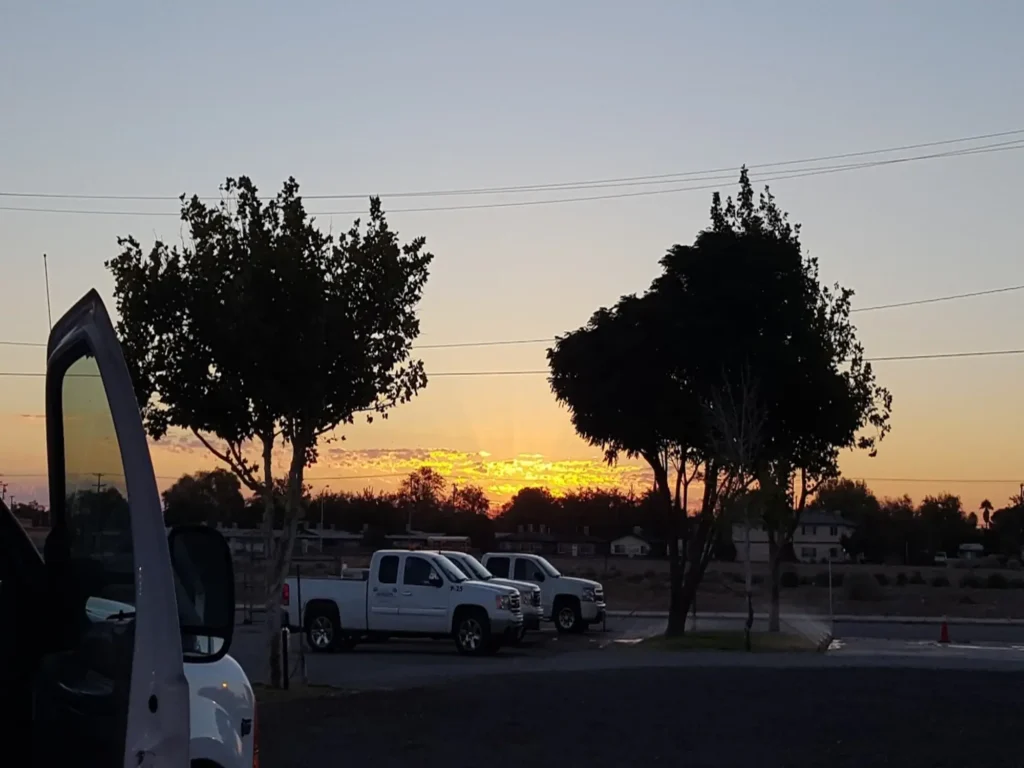
Lancaster Tree Knowledge Hub If you’ve ever stood in your yard, staring up at a lopsided tree wondering if it’s about to fall, you’re not alone. Trees are part of the charm of Lancaster’s neighborhoods, but they also come with questions. What kind of trees grow best here? When should you prune? Do you need a permit to remove one? And how on earth do you keep them alive during another hot, dry summer? Welcome to the Lancaster Tree Knowledge Hub. It’s your go-to spot for straightforward, local, tree-smart answers. Whether you’re a first-time homeowner or a seasoned property pro, Tip Top Arborists is here to help you keep your trees healthy, safe, and beautiful. We’ve been serving Lancaster and the greater Antelope Valley since 1976, so we’ve seen just about every tree situation you can imagine. Let’s dig in. What Trees Actually Thrive in Lancaster? Let’s be honest. Lancaster isn’t exactly gentle on greenery. With long, hot summers, low annual rainfall, clay-heavy soil, and plenty of wind, not every tree is built for this place. That’s why choosing the right tree from the start can save you years of frustration. Top Tree Picks for Lancaster’s Climate Desert Willow: A tough, drought-tolerant native with showy flowers and a relaxed, sculptural shape Chinese Pistache: Offers brilliant fall color, handles heat well, and provides great shade Chilean Mesquite: Fast-growing, sturdy, and well-suited to dry conditions Western Redbud: A small native tree with spring blooms and manageable size for tight spaces California Pepper Tree: Graceful and low-maintenance with a wide canopy, but needs room to spread Each of these options is known for standing up to our valley’s extremes while adding beauty and function to your yard. Native and drought-tolerant trees also help support local wildlife, require less water, and usually need fewer treatments for pests or disease. For more tree options tailored to Lancaster’s climate, try the Cal Poly SelecTree tool. Tree Care in Lancaster: What Actually Works? Caring for trees in Lancaster comes down to two things: doing the basics right and doing them at the right time. Here’s a breakdown of practical care tips that work for our desert-edge environment. Watering Smart The biggest mistake we see? Overwatering. Trees need deep, infrequent watering, not a daily sprinkle. For established trees, soaking the root zone once every 2–3 weeks is better than watering daily. Young trees may need water more often, especially in the first two years. Use mulch around the base of your trees to keep moisture in and weeds out. Just keep it a few inches away from the trunk to prevent rot. Pruning Like a Pro Pruning helps with structure, health, and safety. In Lancaster, winter and early spring are usually the best times to prune most species. Avoid cutting during extreme heat or while the tree is actively growing unless there’s a safety issue or storm damage. Focus on removing: Dead or diseased limbs Branches crossing or rubbing Low limbs that interfere with walkways or driveways Suckers or water sprouts that drain energy from the tree When in doubt, consult a certified arborist. Bad cuts can do more harm than good. Pest and Disease Watch Common tree pests in Lancaster include aphids, scale insects, borers, and spider mites. If leaves look distorted, sticky, or chewed, or if you see insects clustering around branches, it might be time to take a closer look. Early detection is key. A professional inspection can save your tree and help you avoid major damage or replacement costs. Tree Removal in Lancaster: Know Before You Cut Thinking about removing a tree? Pause before you grab a chainsaw. The City of Lancaster has ordinances in place that protect certain trees, especially large or historic ones, and those near sidewalks or public land. Permits are often required. Do You Need a Tree Removal Permit? If your tree is: Over a certain size or age Located near a public sidewalk, school, or roadway A protected species under city code Part of a commercial or multi-unit residential property Then yes, you likely need a permit from the Planning Department. Skipping this step can lead to fines, delays, or legal trouble. How to Apply: Contact the Lancaster Planning Department Submit a removal permit application with photos and explanation Pay any applicable fees Await inspection or approval Do not remove the tree until you receive written approval Need help with this process? Tip Top Arborists can handle the paperwork and walk you through the city’s requirements. Trees and Power Lines If a tree is growing near power lines, things get serious. That’s not a DIY job. Contact your local utility company before doing anything. Specialized crews are trained to manage tree clearance around power infrastructure safely. Attempting this work yourself can be dangerous and is often illegal. Tip Top offers coordination with utility providers for safe, approved removals or pruning jobs. How Trees Help Lancaster Thrive Beyond shade and beauty, trees play a bigger role in keeping our neighborhoods livable. Air quality: Trees filter pollutants and cool the surrounding area Stormwater control: Roots help absorb rain and reduce runoff Wildlife habitat: Native trees support birds, pollinators, and other beneficial species Property value: Well-maintained trees can add up to 15 percent to your home’s value Noise and wind reduction: Trees create natural buffers for busy streets and strong gusts You don’t need a backyard full of redwoods. Even one tree can make a difference. Tip Top’s Tree Checklist for Lancaster Homeowners Have your trees inspected once a year, ideally before summer Know your species so you can water and prune properly Stay informed on local permit rules before removing any tree Use mulch and avoid overwatering Watch for signs of disease or insect damage Never attempt work near power lines on your own Call in a certified arborist for large trees, storm damage, or risk assessments Need Help with a Tree in Lancaster? At Tip Top Arborists, we specialize in trees that live where we live. We’re based
Moonlit Leaves and Midnight Growth: Do Trees Sleep at Night?
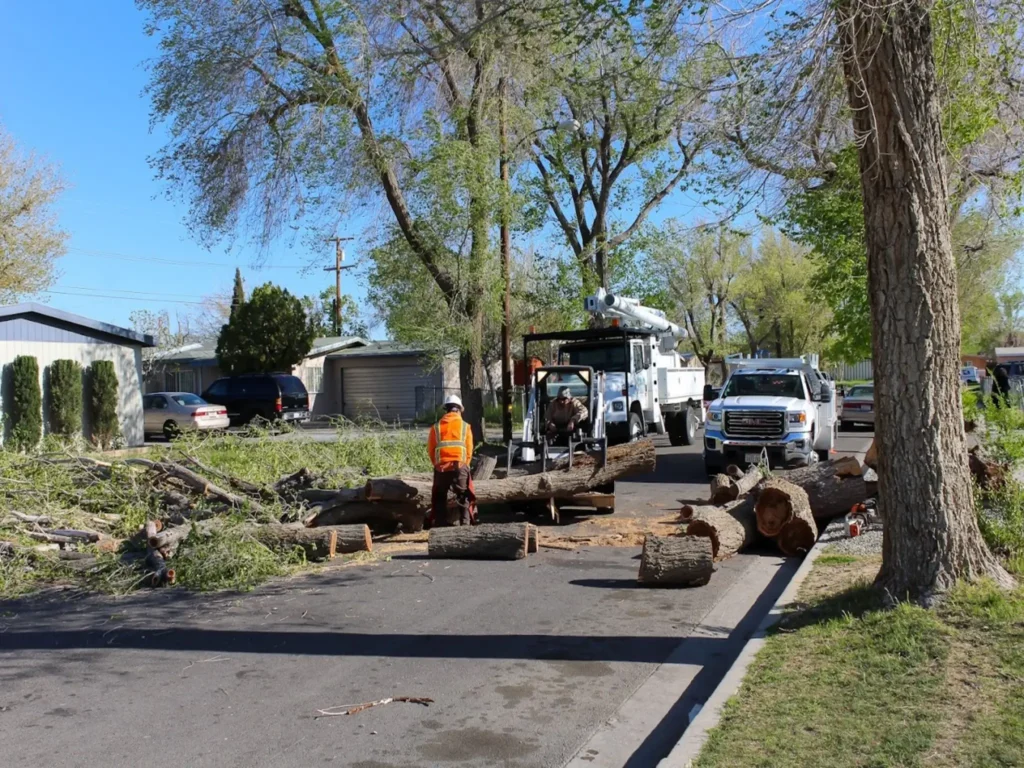
Moonlit Leaves and Midnight Growth: Do Trees Sleep at Night? At first glance, a forest at night appears frozen in time. Still trees, quiet air, the moon resting softly on a canopy of darkened green. The stars blink above in quiet agreement, and the earth hums a lullaby so low you can only feel it, never hear it. It would be easy to think nothing is happening here. But step softly, wait longer, and the truth will start to show itself. These trees, these living towers of wood and leaf, are not asleep in the way we imagine sleep. They do not curl up, do not drift into dreams, do not close their eyes to the night. But they do rest. They respond to darkness in ways subtle and sacred. They ease into the rhythm of the moon, into the hush of night, into the soft cadence of breath and pause that lives in all things. For centuries, humans saw trees as motionless. Solid, rooted, unchanging. But we now know they are in constant dialogue with their surroundings, their leaves responding to light and shadow, their roots following the gentle pull of water deep beneath our feet. Trees are always moving, though not at our pace. And they are always listening, though not with ears. As the sun falls and the last golden light disappears behind the hills, something shifts in the branches above. Not loud. Not sudden. But real. The leaves begin to lower, as if exhaling. The branches relax. Energy slows. The tree, in its own way, begins to rest. This rest is not just a poetic notion. Scientists, with their tools and measurements, have begun to confirm what poets and wanderers suspected all along. Trees follow rhythms. Their internal systems shift with the rising and setting sun. In daylight, they are busy gathering light, drinking in carbon dioxide, and converting it all into the sugars they need to grow. Their pores open wide, their cells bustle with life. But when night comes, those same pores close. The rush slows. Growth changes shape. Some trees let their branches droop by several inches as night falls. It happens so slowly the eye cannot catch it, but it happens. Like a person settling into a chair, the tree adjusts itself. It is not sleep as we know it, but it is sleep in spirit. A period of rest. Of quiet. Of gathering strength in stillness. In the dark, roots grow more freely. Without the pressure of sending water up to thirsty leaves, they turn their attention downward, reaching deeper into the soil, exploring cracks and pockets, absorbing nutrients with slow devotion. The tree is not idle. It is simply choosing a different kind of labor. Nighttime is for building quietly, for mending what needs mending, for holding close what daylight cannot reach. Even in places with little change between day and night, trees respond. In tropical forests, where the sun rises and sets at nearly the same hour every day, the trees know the difference between light and dark. Some close their leaves. Others adjust their angle. All of them listen to the shift and respond in kind. This pattern of rest and rise, pause and grow, is ancient. It predates us. It outlasts us. It holds the same reverence as the tides. The baobab tree, known for its thick trunk and topsy-turvy shape, stands tall beneath African skies, looking almost like it was planted upside down. But in the silence of night, even it responds. The great oaks of Europe, broad and wise, soften in the dark. The cherry trees of Japan, though famed for their blossoms, hold just as much poetry in their bare branches after sundown, waiting patiently through the hours. And then there are the bristlecone pines, twisted by wind and time, some older than any written word. These trees have seen thousands of moonrises. They have grown, year by slow year, through countless nights. Their wisdom lies not just in survival, but in knowing when to rest. There is something humbling in this. To realize that growth does not always happen in the glare of noon. That strength is not only found in movement, but also in stillness. That trees, with their ancient memory and deep-rooted calm, can teach us how to pause. We often think of rest as weakness, or as something earned only after effort. But the forest reminds us that rest is part of the cycle. It is not separate from growth, but essential to it. Trees do not resist the night. They embrace it. They allow it to carry them into a state of ease, and in that quiet, they prepare for all the light yet to come. So what does it mean when we say a tree sleeps? It means the tree changes. It listens to the world as it shifts around it. It lowers its limbs and closes its pores. It lets go of daytime urgency and leans into nighttime wisdom. It trusts that the sun will return. And in that trust, it rests. This understanding brings with it a new way of looking at the world. A new way of walking through it. When we pass beneath branches at night, we do so as guests in someone else’s sacred hour. The forest is not empty after dark. It is alive in a different way. Slower. Deeper. Quieter. More profound. Even your own backyard holds this magic. The maple by the fence, the eucalyptus near the porch, the citrus tree that drops fruit in spring, each of them settles into the dark with grace. Each of them lets the moonlight guide their rhythm. And if you step outside in the early hours, before the world wakes, you might just see the shimmer of dew on drooping leaves, the hush of a tree still in its dreaming state. To witness this is to witness peace. Not the absence of noise, but the presence of calm. The knowing
Sprout’s Palm Tree Fort Adventure
Join Sprout on a tree-tastic adventure as we uncover why palms need skinning! Get ready to explore the secrets of palm care in this quirky and fun blog post for curious young minds.
Is Stump Removal Necessary After Tree Removal in Lancaster, CA?
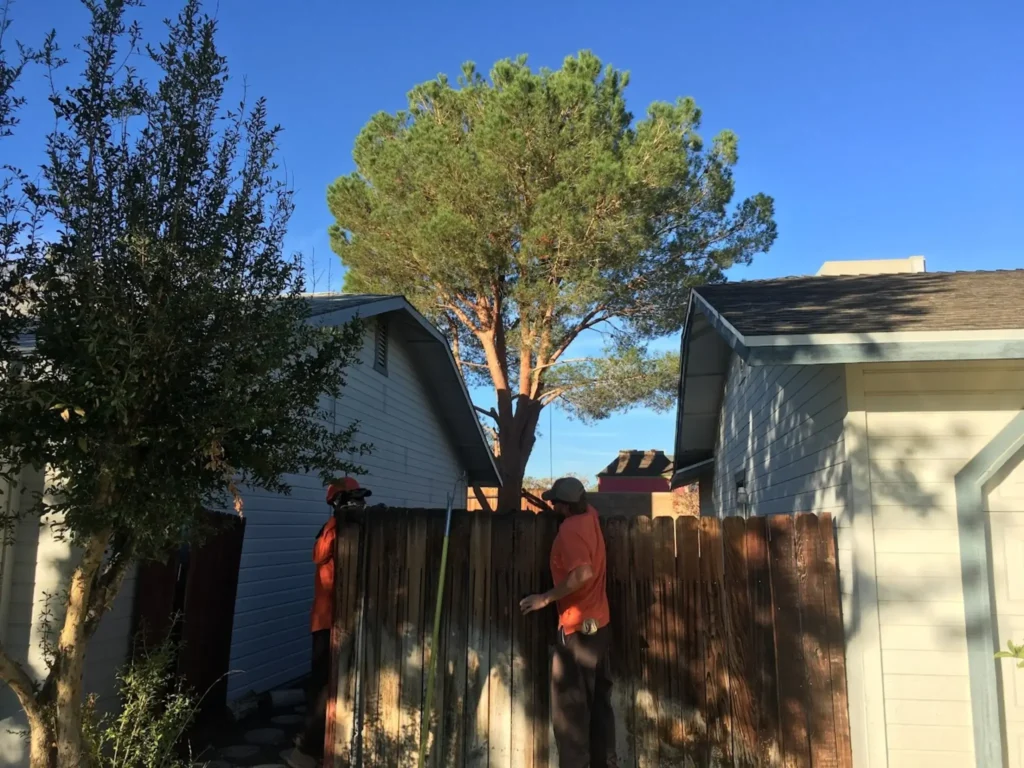
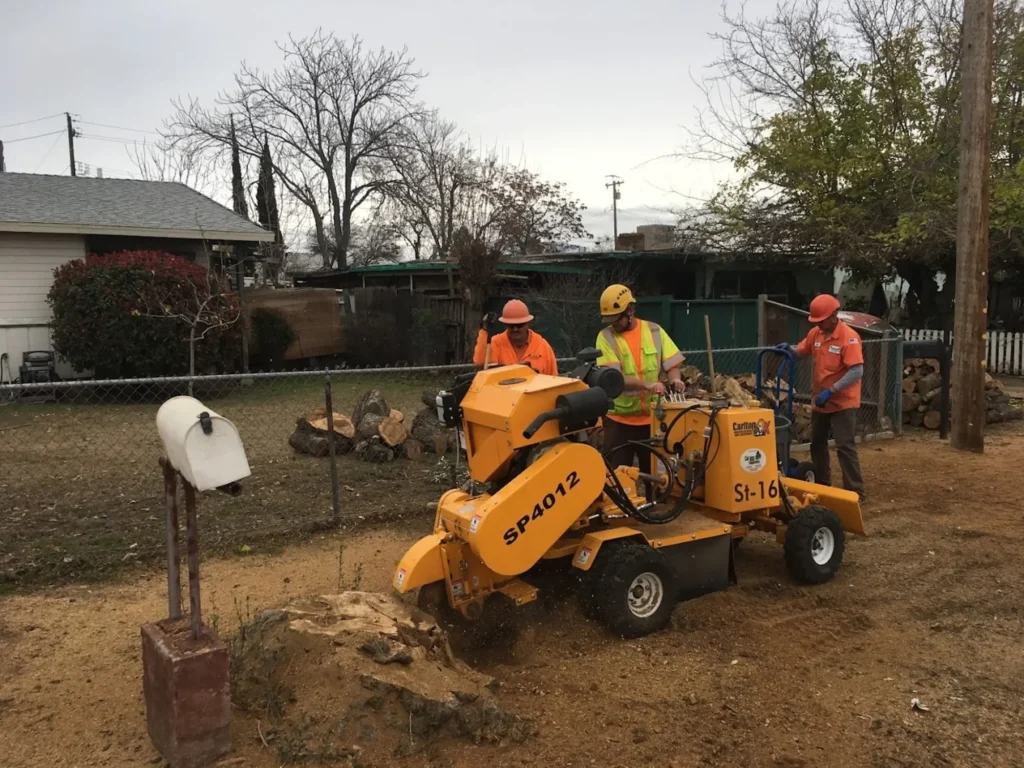
Is Stump Removal Necessary After Tree Removal in Lancaster, CA? You had the tree taken down. The branches are gone. The trunk’s chopped into clean sections. But there it is, sitting stubbornly in the middle of your yard like a flat-topped tombstone. The stump. It doesn’t seem dangerous. It’s not growing. And let’s be honest, removing it feels like one more bill after what already felt like a big job. So do you really need to remove the stump? At Tip Top Arborists, we get this question a lot, especially from Lancaster homeowners who just want to get back to normal after a tree removal. The short answer? Most of the time, yes. That leftover stump may seem harmless now, but in the long run, it can cause more trouble than it’s worth. Let’s break it down: why stumps stick around, what happens if you leave them, and why professional stump removal is often the smartest move. What Happens If You Leave the Stump? A lot of homeowners think the tree is fully gone once it’s cut down. But that stump is very much still part of the tree—roots and all. Here’s what that means for your yard: 1. It Can Start to Rot (And Not in a Good Way)Tree stumps don’t just disappear. They decay over time, slowly breaking down through moisture, fungal growth, and insect activity. That process can take years, even decades, depending on the type of tree and soil. Rotting stumps often attract unwanted guests, like: Termites (Termites are especially drawn to decaying wood in dry climates — here’s how stumps attract termites in dry climates, according to UC IPM.) Carpenter ants Beetles Fungi (some harmful to pets or kids) And once those pests settle in, they don’t always stay put. A stump near your home can become a launchpad for infestations that spread to healthy trees or even to your house. 2. Regrowth Is a Real PossibilityDepending on the species, some stumps send up new shoots even after removal. Mulberry, Chinese elm, sycamore, and willow are all notorious for this. That stump can turn into a patch of messy little sprouts, trying to regrow the tree from its roots. Without grinding or full removal, you’ll be stuck playing whack-a-mole with new growth year after year. 3. It’s a Trip HazardEven short, ground-level stumps can be dangerous. Kids running through the yard, guests who aren’t familiar with the layout, or anyone doing yard work could trip and take a hard fall. And if someone else gets hurt on your property? You could be held liable. 4. It Makes Landscaping a HeadacheWant to plant grass, build a patio, or lay down a new garden bed? A stump in the way means you’re either working around it forever or eventually paying to remove it anyway. Planning ahead now can save you a lot of yard work later. Stump Grinding vs. Full Stump Removal: What’s the Difference? At Tip Top, we offer two main options for dealing with tree stumps: stump grinding and full stump removal. Here’s how they compare: Stump GrindingThis is the most common and cost-effective choice. A powerful machine grinds the stump down below the surface, usually 4 to 6 inches deep. You’re left with a flat area you can cover with soil or grass seed. Pros: Fast and affordable No large holes to fill Good for most residential needs Cons: Roots are left behind (but they’ll decay over time) Not suitable if you’re planning to replant in the exact same spot Full Stump RemovalThis method involves digging out the entire stump and root ball. It’s more intensive and usually involves machinery or excavation. Pros: Removes all roots Best if you’re replanting in the same location Cons: More expensive Can leave a large hole to be refilled Not sure which option is right for you? That’s what we’re here for. A quick site visit from a certified arborist can help determine the best approach based on your goals, soil, and tree type. Lancaster Tree Stumps: Local Conditions That Matter In Lancaster, the high desert climate makes certain stump issues more likely: Hard Soils Mean Harder DecayOur clay-heavy soil slows down natural decomposition. That means your stump will sit tight for a long time if left untreated. Pests Thrive in Dry WoodDry tree stumps are ideal homes for insects looking to escape the heat. Termites are especially common here, and they won’t stop at just one stump. Watering Schedules Can Feed RegrowthIf you use sprinklers or irrigation, leftover roots from a cut tree may still absorb enough moisture to push up new shoots. That regrowth drains nutrients from nearby plants and looks downright messy. What About Cost? Is Stump Grinding Expensive? Here’s the good news: stump grinding is one of the most affordable tree services we offer. Costs typically depend on: Stump diameter Tree species (some are harder to grind) Root spread Access for equipment In Lancaster, average stump grinding usually runs between $100 to $300 per stump, with discounts for multiple stumps on the same visit. Full removals are more—think $350 and up—but again, it depends on the site. We’ll always give you a clear, upfront quote before we touch a thing. What Not to Do With a Stump Some homeowners try DIY tricks to deal with stumps. A few common mistakes to avoid: Don’t burn itThis is illegal in many areas and can cause underground root fires that smolder for days. Don’t use harsh chemicalsOver-the-counter stump killers can leach into soil and harm nearby plants or your pets. Don’t just cover it with mulch or soilOut of sight doesn’t mean out of mind. The stump will still decay slowly and can invite pests beneath the surface. Can’t I Just Leave It? When Stump Removal Isn’t Urgent There are some cases where leaving the stump may be okay: You’re on a rural property where aesthetics and safety aren’t a concern The stump is in a naturalized area, far from
When Roots Go Rogue: What Every Homeowner Should Know About Tree Root Damage
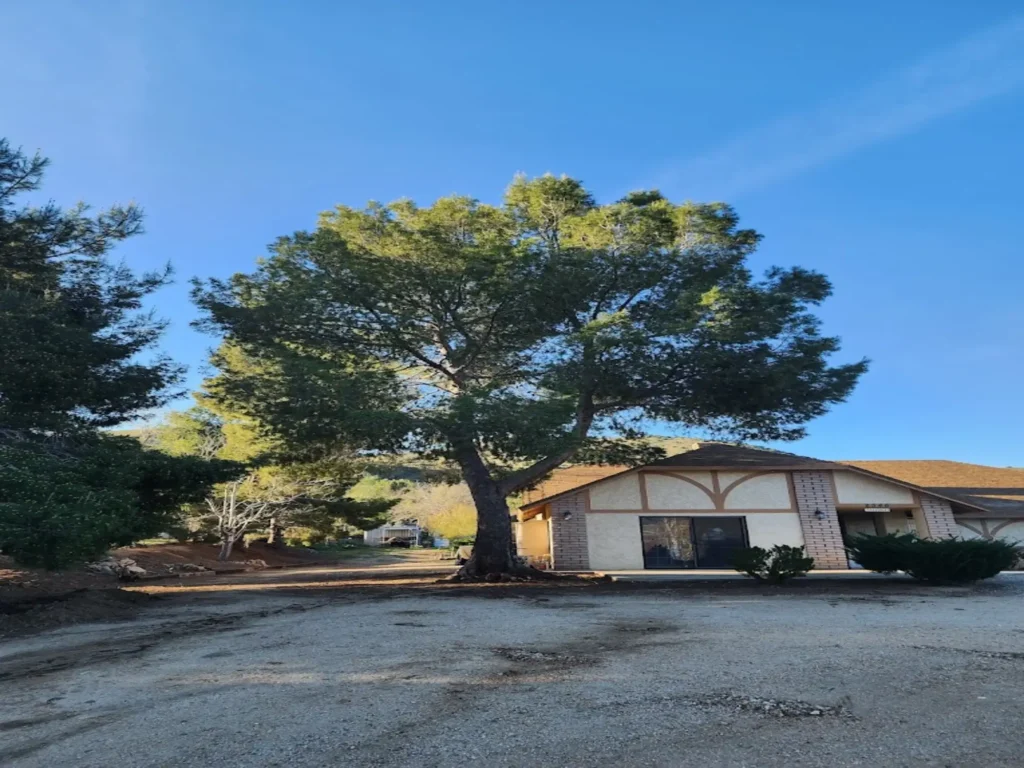
When Roots Go Rogue: What Every Homeowner Should Know About Tree Root Damage At Tip Top Arborists, we’ve had more than a few calls that start like this: “Our driveway is cracking and lifting, and we think it’s the neighbor’s tree…” It’s a more common problem than most people realize—and not just in old neighborhoods. Tree roots are constantly searching for water and stability, and sometimes that means they end up where they don’t belong: under driveways, foundations, plumbing, and sidewalks. In cities like Lancaster, Palmdale, and the Antelope Valley, expansive clay soil and older infrastructure only make it worse. In this post, we’ll break down what causes root damage, how to spot the early signs, your legal options, and how to deal with the issue—without losing the tree (or your mind). What Causes Tree Root Damage? Tree roots grow laterally more than vertically—often spreading 2-3 times beyond the tree’s canopy. If your tree is within 10–20 feet of concrete, foundations, or pipes, there’s a good chance those roots are already causing stress underground. Damage typically occurs when: Tree roots dry out or shift soil beneath a slab or sidewalk Roots physically push against concrete or pipes Clay soil expands and contracts with weather, exacerbating cracks Common culprits in our area include sycamores, liquidambars, ficus, and eucalyptus. Warning Signs You Might Have Root Damage Don’t wait for the slab to crack wide open. Early detection can save thousands. Watch for: Cracked or uneven sidewalks and driveways Bulging lawn areas or heaving soil Moisture pooling near the base of the tree Cracks along interior walls or floor tiles Tree growth unusually tilted or one-sided If you notice any of these signs, schedule a tree health inspection before the damage worsens. Can You Legally Remove Invasive Roots? This is where things get complicated—and neighborly. In California, you can trim roots that extend onto your property as long as it doesn’t kill or destabilize the tree. But if cutting roots causes the tree to die, and it wasn’t growing on your property? You could be liable for damages. That’s why it’s best to bring in a certified arborist who can evaluate the risk before anyone picks up a saw. If the tree is on city property or an HOA landscape, there may be permit requirements as well. When It’s Time for Root Barrier Installation One of the best ways to prevent root damage long-term is to install a root barrier. This involves: Digging a trench between the tree and the structure Installing a physical barrier material (usually plastic or metal) Redirecting root growth downward or away from hardscape Root barriers are especially smart for: New home construction near mature trees Landscape redesigns near hardscapes Preventing future lawsuits or damage claims You can learn more about this option in our tree root and soil management service page. Cost of Ignoring Root Damage You might think the cracks are “just cosmetic,” but here’s what can really happen: Undermined foundations can lead to settling or structural damage Broken pipes can result in sewage leaks or water line failures Sidewalks lifted by roots can be a liability risk to guests and neighbors According to California State Water Resources Board, even minor root intrusion into plumbing can cost thousands to repair—and can lead to fines for water waste or noncompliance. It’s not worth the risk. Let Tip Top Handle the Hard Part If you’re dealing with root issues, don’t go it alone. We’ll help you: Diagnose the root cause (literally) Mediate with neighbors or city planners Offer root-safe solutions for removal or redirection Protect both your property and the tree We’re not just here for the tree—we’re here for you. Book a Root Inspection Before the Next Crack Appears We’ve seen what happens when root issues get ignored. Don’t wait for a minor crack to become a major foundation repair. Call Tip Top Arborists at 661-942-5501 Serving Lancaster, Palmdale, Quartz Hill & beyond www.tiptoparborists.com
Invasive Species Are Quietly Killing Your Trees: Here’s How to Spot the Damage Before It’s Too Late
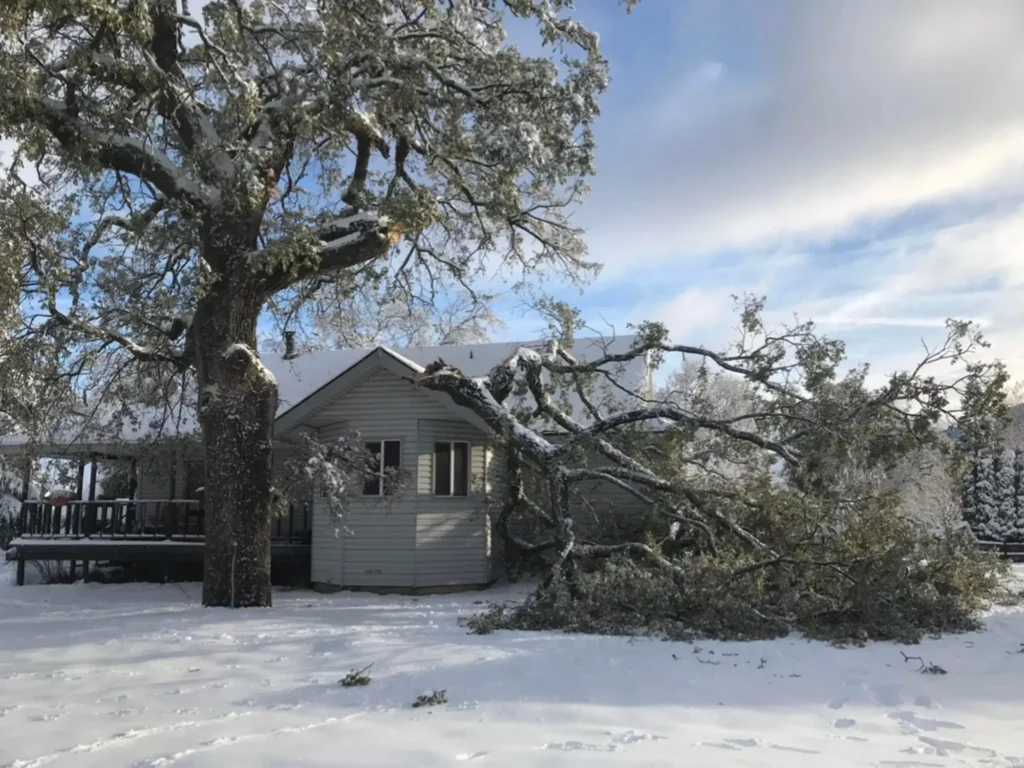
Invasive Species Are Quietly Killing Your Trees: Here’s How to Spot the Damage Before It’s Too Late – A Tip Top Arborists Guide to Protecting California Trees from Hidden Invaders Invasive Species Are Quietly Killing Your Trees- At Tip Top Arborists, we get a lot of emergency calls that start with one frustrated question: “Why is my tree dying all of a sudden?” More often than you’d think, the culprit isn’t weather or watering—it’s an invasive species silently tearing through your tree from the inside out. And here in California, especially in places like the Antelope Valley, Lancaster, and Palmdale, certain pests and fungi are turning healthy trees into hazards. Whether it’s boring beetles, bark-damaging fungi, or fast-spreading parasitic vines, these uninvited guests can cause thousands in damage, reduce property value, and even require full tree removal if caught too late. In this article, we’ll walk you through the most common invasive species affecting trees in our area, how to spot early damage, and when to call in a certified arborist before it becomes a crisis. Invasive Species Are Quietly Killing Your Trees- What Exactly Is an Invasive Species? In simple terms, an invasive species is any plant, insect, or pathogen that’s not native to California and causes harm to local ecosystems. In trees, that harm can look like bark decay, root rot, canopy dieback, leaf loss, or full tree failure. Some are carried in by storm winds or firewood. Others hitch rides on vehicles or landscape material. But once they take root? They spread fast. Top Invasive Tree Threats in California (Especially in the Valley) 1. Polyphagous Shot Hole Borer (PSHB) Host Trees: Sycamore, Box Elder, Avocado, Coast Live Oak What It Does: This tiny beetle burrows into trunks and introduces a fungal disease that disrupts the tree’s ability to transport water. What to Look For: Tiny drill holes, gumming/sap on bark, wilted leaves, sudden canopy dieback. Why It’s a Problem: Trees can look healthy for months, but then collapse quickly as water transport shuts down. 2. Invasive Mistletoe Host Trees: Modesto Ash, Chinese Pistache, Hackberry What It Does: A parasitic plant that taps into a tree’s vascular system and robs it of water and nutrients. What to Look For: Green, ball-shaped growths in the canopy. Often mistaken for part of the tree. Why It’s a Problem: It weakens branches, increases breakage risk, and invites disease. 3. Tree-of-Heaven (Ailanthus altissima) Host Trees: Invades soil near any trees or hardscape What It Does: An aggressive, fast-spreading tree that releases toxins into the soil, killing native plants. What to Look For: Rapid seedling growth, bad smell from leaves, persistent root sprouting. Why It’s a Problem: It doesn’t just compete with other trees—it poisons them. 4. Bark Beetles (Especially During Drought) Host Trees: Pine, Spruce, Cedar What It Does: Bores into bark and introduces fungi. Works quickly in heat or drought conditions. What to Look For: Pitch tubes (sap blobs), red or rust-colored dust at the base, thinning canopy. Why It’s a Problem: Often goes unnoticed until the tree is already dying. 5. English Ivy & Invasive Vines Host Trees: Any large ornamental tree or backyard tree What It Does: Wraps around trunk and canopy, choking out light and moisture What to Look For: Thick green vine mats along trunk and limbs Why It’s a Problem: Accelerates rot, harbors insects, can topple weak trees in high winds How to Spot Early Damage A lot of homeowners wait too long because the signs are subtle. Here are the early red flags: Unexplained leaf drop or yellowing during growing season Dead limbs that don’t fall off Sappy holes or weeping bark Sudden decline in only one side of the tree Fungus or mushrooms at the base Dull bark color, peeling patches Increased bird or woodpecker activity If you’re seeing any of these signs, don’t ignore them. Early detection is the difference between minor treatment and full tree loss. The Cost of Doing Nothing We’ve seen it too often: A backyard pine that looked “a little off” in July suddenly cracks in half during a September windstorm. A sidewalk sycamore dies from PSHB and becomes a liability risk for the city. A homeowner cuts ivy only to realize their tree trunk underneath is hollow. Ignoring invasive damage can lead to: Tree removal costs upwards of $1,500+ per tree Home or car damage from falling limbs HOA citations or municipal fines Loss of shade, privacy, and property value How Tip Top Arborists Can Help We don’t just cut trees. We assess, preserve, and protect whenever possible. When you call us for an invasive species concern, here’s what we do: Full Tree Health Inspection We check roots, bark, canopy, and soil for signs of disease or infestation. Pest or Pathogen Identification We’ll ID the exact cause of stress—whether it’s a beetle, fungus, or aggressive vine. Treatment Plan Some trees can be saved with pruning, injections, or environmental changes. Monitoring & Follow-Up We track recovery and make sure it doesn’t return next season. Safe Removal (If Needed) If a tree can’t be saved, we remove it without damage to surrounding property. Have You Noticed a Change in Your Trees? If you’re in Lancaster, Palmdale, Rosamond, Quartz Hill, or anywhere in the High Desert, invasive species are on the rise. Let Tip Top Arborists help you stop them in their tracks. Unsure if it’s a pest, fungus, or just drought stress? We can tell you. Final Word Invasive species don’t knock before entering. They move fast, often unnoticed, and can take down a mature tree in less than a season. The best time to act? The moment you suspect something’s wrong. At Tip Top Arborists, we’re not just here to remove trees. We’re here to protect them—and the property, shade, and beauty they provide. Schedule a Tree Health Check Today Don’t wait until limbs are falling. If something looks off, let us take a closer look. It might just save your tree. Call Tip Top Arborists at 661-942-5501
Sprout & the Tree That Stayed Cool- Tree Transpiration Experiment For Kids
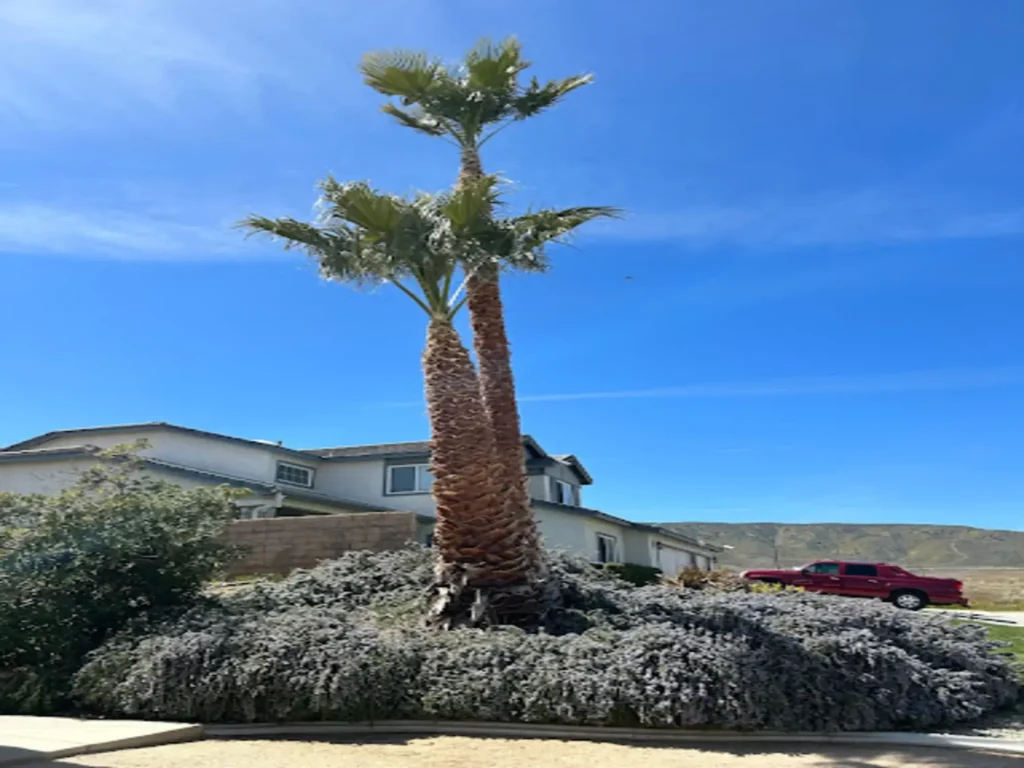
Sprout & the Tree That Stayed Cool-Sprout & the Tree That Stayed Cool- Tree Transpiration Experiment For Kids By: Tom Baal It was one of those sizzling July mornings in Lancaster, the kind where the sidewalk feels like it’s trying to cook your sneakers. Sprout tugged at the brim of his hat and looked up at his favorite elm tree in the park. “How do you stay so cool, big guy?” he asked, wiping sweat from his forehead. The tree didn’t answer, of course… but Sprout had a hunch. That’s when Ms. Maple, his third-grade science teacher (and part-time tree whisperer, Sprout was sure of it), walked by carrying a watering can and a spray bottle. “Trees have their own way of cooling down,” she said. “They sweat!” Sprout’s eyes nearly popped out. “Wait, what? Trees SWEAT?” “Well,” she smiled, “not exactly like us. But they do release water through tiny pores in their leaves. It’s called transpiration, and it helps them stay cool – kind of like their own built-in AC system.” Sprout was amazed. He decided he had to test it out. Let’s run a summer experiment! Here’s what you’ll need: ✅ A leafy tree nearby✅ A plastic sandwich bag✅ A twist-tie or rubber band✅ A notebook What to do: Pick a sunny leaf on the tree (ask an adult before touching any tree). Wrap the plastic bag gently around the leaf and seal it. Wait a few hours and come back — do you see water droplets inside the bag? Write or draw what you see in your notebook! That’s tree sweat — a.k.a. transpiration in action! Want to learn more? Check out this cool article! Did You Know? How long does it take to see water inside the bag? Most kids will see tiny water droplets after 2 to 4 hours on a sunny day, especially if the leaf is healthy and full. Just make sure the bag is sealed and the leaf is in the sun! Why does water appear inside the bag? The leaf is “sweating”! Trees release water vapor through tiny holes in their leaves. When you trap a leaf in a plastic bag, that vapor turns into real water drops—this is called transpiration. Can I try this on any tree? Yes, but it works best on green leafy trees in full sun. Try elm, sycamore, or even a fruit tree. Avoid dry or brown leaves—they might not have enough moisture to show results. Tip Top Arborists Since 1976, Tip Top Arborists has been Southern California’s trusted partner in professional tree care. Based in Lancaster, CA, and surrounding areas—delivering expert tree trimming, removal, and maintenance services with safety, science, and integrity at the core. We’re not your average “guys with chainsaws.” We’re ISA Certified Arborists with deep industry knowledge, modern equipment, and a commitment to customer care that’s been passed down for nearly five decades. From storm damage cleanup to long-term tree health management, our team helps property owners protect their investment—and enhance their curb appeal—year-round. Experienced We have been in the industry for over 45 years. Choosing us means choosing proven experience and expertise. Insured Your safety is our highest priority. We are bonded and insured to protect you, your property, and our team. Licensed Our contractor’s license #821770 is current and active with the CSLB. Hiring us means hiring licensed tree experts. Recycling We are as committed to the environment as we are to our clients. We recycle 100% of all wood and green waste. Hey Mom and Dad! Ready To Get Some Tree Work Done? Address: 44107 Yucca Ave Lancaster Ca. 93534 Phone: Toll-Free: (877) 380-0023 (California only), Local Tel: (661) 418-2690 (Antelope Valley), Local Tel: (661) 244-6964 (Santa Clarita Valley), Local Tel: (760) 330-5405 (Victor Valley) Business Hours: Monday to Friday from 7am to 4pm Why Your Neighbors Trust Tip Top Arborists