Emergency Tree Removal in Lancaster, CA: What Property Owners Should Know
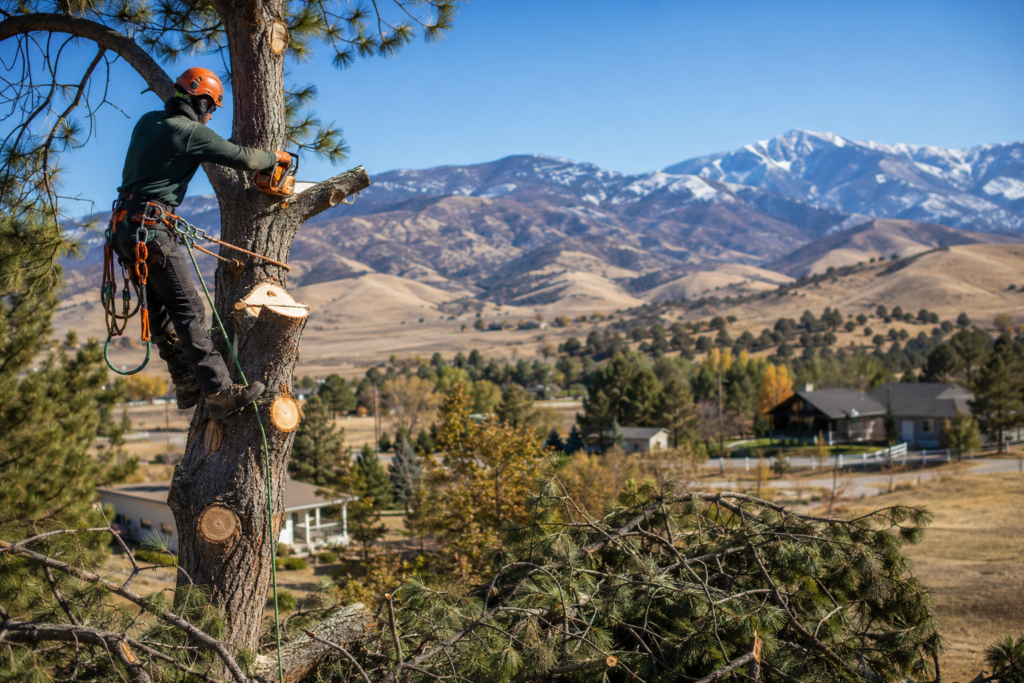
When Tree Removal Becomes an Emergency For homeowners, property managers, and business owners in Lancaster, CA, a tree problem can move from inconvenient to urgent quickly. High winds, weakened limbs, leaning trunks, and sudden breaks can create immediate concerns around homes, parking areas, walkways, fences, and neighboring property.Many property owners search for emergency tree removal in Lancaster after strong winds, storm damage, or when a tree suddenly becomes unsafe near a home or business. Emergency tree removal in Lancaster CA situations usually involve a tree or large limb that may fall, has already fallen, or is blocking safe access. Tip Top Arborists works with local property owners who need practical guidance and responsive help when a tree issue cannot wait for routine scheduling.Understanding when you need emergency tree removal in Lancaster can help prevent additional property damage and improve safety for everyone nearby. Common Emergency Tree Situations in Lancaster Every situation is different, which is why emergency tree removal in Lancaster should begin with a professional assessment before any cutting or cleanup starts. Not every damaged tree needs immediate removal, but certain conditions deserve fast attention. After wind, heavy rain, or sudden limb failure, look for visible changes in the tree and the area around it. Storm damaged trees: Broken limbs, split trunks, or branches hanging over structures can create urgent hazards. Hazardous tree removal: A tree that is leaning sharply, cracking, uprooting, or pressing into a structure may need professional assessment quickly. Blocked access: Fallen limbs or trunks across driveways, private roads, business entrances, or walkways can disrupt daily use of the property. Post-failure debris: After a limb or tree falls, organized tree cleanup helps restore access and reduce remaining trip or obstruction concerns. What to Do Before Help Arrives If a tree has fallen or appears unstable, the first step is to keep people away from the affected area. Do not stand under hanging limbs, climb the tree, or attempt to cut heavy wood under tension. Trees and limbs can shift unexpectedly, especially when they are resting on fences, roofs, vehicles, or other branches.Staying away from the damaged area is the safest step until emergency tree removal in Lancaster can be completed by trained professionals. If utility lines are involved, stay clear and contact the appropriate utility or emergency service before any tree work begins. Property owners can also review professional tree safety guidance before arranging emergency tree services.Tip Top Arborists can help with the tree care side of the situation, but utility hazards should be handled by the proper authority first. Keep family, tenants, employees, customers, and pets away from the area. Take photos from a safe distance if documentation is needed. Note what is blocked, damaged, or at risk. Contact a local tree professional and explain the urgency clearly. How to Explain the Situation When You Call Clear details help a tree care team understand the priority and prepare for the job. When contacting Tip Top Arborists, describe the tree location, what happened, what the tree is touching, and whether access is blocked. Useful details include whether the tree is in a front yard, backyard, parking lot, commercial frontage, or shared property area. Mention nearby structures, fences, vehicles, sidewalks, driveways, and any visible splitting or leaning. If you are comparing options for tree service Lancaster CA , this information also helps you evaluate whether the provider understands urgent property access and safety concerns.Providing clear details helps the team prepare for emergency tree removal in Lancaster and arrive with the right equipment. Emergency Removal Versus Regular Removal Routine tree removal is usually planned around convenience, access, equipment needs, and property goals. Emergency tree removal in Lancaster is different because the priority is stabilizing the situation, restoring access, and reducing immediate risk. The work may require staged cutting, careful debris handling, and attention to nearby structures or public-facing areas. Tip Top Arborists approaches urgent tree situations with the practical goal of helping Lancaster property owners understand what needs to happen first. In some cases, removal may be necessary. In others, cleanup or targeted limb removal may be part of the immediate response before longer-term tree care decisions are made.Unlike scheduled services, emergency tree removal in Lancaster focuses first on reducing immediate hazards and restoring safe access. Questions to Ask Before Hiring an Emergency Tree Team During an urgent situation, it is tempting to choose the first available option. A few focused questions can help you make a better decision without slowing things down unnecessarily. Can you assess whether the tree or limb needs immediate removal? Can you handle the size and location of the tree safely? What areas should people avoid until the crew arrives? Will the work include removal of major debris or separate cleanup steps? How should I document the issue before work begins? For property managers and business owners, it is also helpful to ask how access, tenant communication, customer entry points, and cleanup timing will be handled.Asking the right questions helps you choose a reliable company for emergency tree removal in Lancaster when time is critical. Why Local Experience Matters Tree emergencies are local by nature. Lancaster properties can include residential yards, rental homes, commercial lots, and mixed-use spaces with different access needs. A local team understands how quickly a tree issue can affect parking, entry, visibility, and day-to-day operations. Tip Top Arborists serves property owners in Lancaster, CA with tree care services focused on practical next steps. When an urgent tree problem happens, working with a local company can make communication easier and help keep the response centered on the property conditions in front of you.Choosing a local provider for emergency tree removal in Lancaster can make communication easier and improve response times. Emergency Tree Removal FAQ How do I know if I need emergency tree removal? You may need emergency help if a tree has fallen, is leaning suddenly, has a split trunk, has large hanging limbs, or is blocking safe access to your home or business. Tip Top Arborists can
How to Choose Comprehensive Tree Services Without Wasting Time
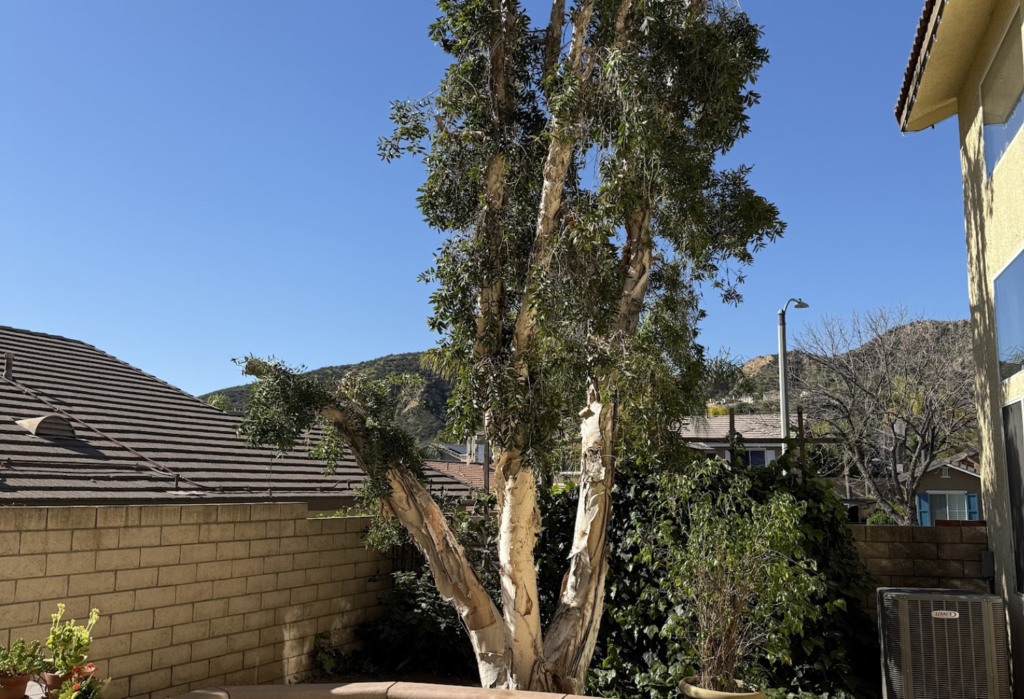
Choosing comprehensive tree services in Lancaster, CA should make your decision easier, not add another long project to your list. For homeowners, property managers, and business owners in Lancaster, CA, the right tree care company should help you understand what your trees need, what can wait, and what should be handled before it becomes a larger property concern. Tip Top Arborists works with customers who want practical answers, clear next steps, and tree care guidance that fits local property needs. If you are comparing options, use this guide to sort through service pages, estimates, and conversations without wasting time.Many people compare tree services in Lancaster CA before choosing a company that understands their property’s specific tree care needs. What Comprehensive Tree Services Should Mean Comprehensive tree services should cover more than a single task. A useful provider can look at the condition of your trees, the layout of your property, access concerns, and the reason you called in the first place. That may involve trimming, evaluation, removal discussions, debris handling expectations, and guidance on the right timing for work. For Lancaster properties, tree care decisions can affect curb appeal, shade, clearance, safety planning, and maintenance schedules. A company that only pushes one service may miss the broader picture. A company that asks good questions can help you prioritize. When reviewing a website-derived topic cluster or service page, look for signs that the company explains its services in plain language. You should be able to understand what they do, who they help, and how to take the next step without digging through vague claims.Reliable tree services in Lancaster CA focus on long-term tree health, proper maintenance, and practical solutions for every property. Start With the Reason You Need Tree Care Before contacting any company, write down what you are trying to solve. This helps you get a faster, more useful response and makes it easier to compare recommendations. A tree has dead, damaged, or crowded branches. Branches are too close to a structure, driveway, walkway, sign, or utility area. You are considering removal because a tree may be unhealthy, poorly placed, or no longer manageable. You manage a rental, commercial, or multi-tree property and need maintenance planning. You want an arborist to look at tree health before deciding what work is needed. Clear goals help Tip Top Arborists or any other tree care company understand whether the conversation should begin with trimming, assessment, removal options, or general property maintenance.Clear goals help tree services in Lancaster CA provide accurate recommendations and create a plan that fits your property. How to Compare Tree Service Options Quickly Comparing different tree services in Lancaster CA makes it easier to find experienced professionals who communicate clearly and honestly.You can save time by comparing companies on practical criteria instead of relying only on who appears first in search results. A good tree service conversation should feel specific to your property, not like a generic sales script. Check service fit Make sure the company offers the type of work you need. If your concern involves trimming, ask how they approach branch clearance and tree shape. If removal may be needed, ask how they evaluate access, nearby structures, and cleanup expectations. Look for clear communication A company offering tree services in Lancaster CA should answer your questions clearly and explain every recommendation in simple language.A provider should be able to explain what they recommend and why. You do not need technical jargon to make a good decision. You need enough detail to understand the scope, timing, and likely impact on your property. Compare the visit or estimate process Ask what information they need before scheduling and what they will review on site. For larger trees, multiple trees, or commercial properties, a careful review matters because access and cleanup can affect the work plan. Notice whether they ask about the property Tree care is tied to the surrounding space. A company should care about buildings, fences, walkways, parking areas, neighboring properties, and how people use the site. What to Check Before Choosing Before you approve work, gather the details that make the decision easier to defend. This is especially important for property managers and business owners who may need to explain the choice to an owner, tenant, or internal team. Scope: Confirm which trees or branches are included. Objective: Clarify whether the work is for clearance, health, appearance, risk reduction, removal, or maintenance. Access: Discuss gates, parking, equipment access, and tight spaces. Cleanup: Ask what happens to cut material and debris after the work. Timing: Understand scheduling expectations and whether there are site conditions that could affect the date. Communication: Make sure the person you hire can explain the work in a way you understand. These questions help you compare more than price. They reveal whether the company has thought through the actual job. Trusted tree services in Lancaster CA explain the scope of work, cleanup process, and scheduling before any work begins. When Removal Enters the Conversation Removal is one of the biggest decisions in tree care because it changes the property permanently. It may be considered when a tree is dead, severely damaged, poorly located, interfering with structures, or creating maintenance problems that trimming cannot reasonably solve. A responsible conversation about removal should include why removal is being considered, whether alternatives exist, what nearby property features matter, and what the site should look like after the work. Do not rely on a vague recommendation. Ask for a plain explanation. Tip Top Arborists can be part of that decision-making process for Lancaster customers who want to understand their options before moving forward.Experienced tree services in Lancaster CA can explain whether tree trimming or complete removal is the better option. Why Trust Matters in Tree Care Tree work is visible, physical, and often close to valuable parts of a property. Trust matters because you are hiring someone to make decisions that affect your landscape, access areas, and long-term maintenance needs.You can also review homeowner resources from the International Society
Tree Trimming in Lancaster, CA: How to Know When Your Trees Need Attention
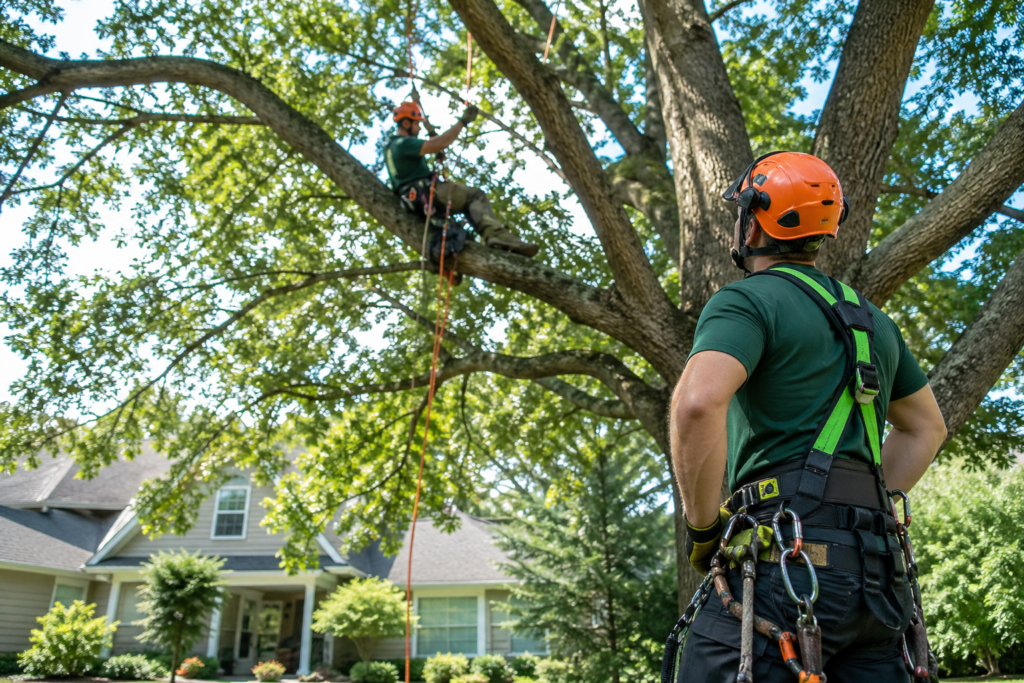
Trees add shade, curb appeal, and structure to properties across Lancaster, CA, but they also need timely attention to stay manageable and attractive. If you are comparing options for tree trimming Lancaster CA , the right decision often starts with knowing what your trees are telling you. Tip Top Arborists works with homeowners, property managers, and business owners who want practical guidance before scheduling service. This guide explains the common signs that a tree may need attention, when to call a professional, and what to consider before hiring help.Professional Tree Trimming in Lancaster CA helps improve safety, tree health, and property appearance. Why Tree Timing Matters in Lancaster Lancaster properties deal with heat, wind, dry conditions, and seasonal growth patterns. Waiting too long can make routine care more complicated, especially when limbs begin crowding structures, walkways, parking areas, or neighboring properties. Good tree maintenance is not about cutting randomly. It is about making careful decisions that support the shape, clearance, and long-term manageability of each tree. A thoughtful approach can also help property owners spot issues before they become harder to address.Early Tree Trimming in Lancaster CA can prevent larger maintenance issues later. Signs Your Tree May Need Attention Some tree concerns are obvious. Others develop slowly until the tree starts affecting safety, access, or property appearance. Consider scheduling an evaluation if you notice any of the following: Branches are touching the roof, siding, windows, fences, or utility areas. Limbs are hanging low over driveways, sidewalks, patios, or parking spaces. The canopy looks unusually dense, uneven, or heavy on one side. Dead, cracked, crossing, or weakened limbs are visible from the ground. New growth is crowding signs, lighting, security cameras, or storefront visibility. Storms or high winds have left broken limbs in the canopy. When overgrown branches begin interfering with daily use of the property, it is usually better to address them before they create a larger cleanup or access problem.These signs often indicate it’s time for Tree Trimming in Lancaster CA. Tree Pruning Versus Trimming People often use trimming and tree pruning interchangeably, but there can be a practical difference. Trimming is commonly associated with managing shape, clearance, and general appearance. Pruning is often more selective and may focus on removing specific limbs, improving structure, or reducing problematic growth. For property owners, the most important question is not which word is used. It is whether the work is done with a clear purpose. Tip Top Arborists can help assess what the tree needs, what the property requires, and which approach makes sense for the situation.Tree Trimming in Lancaster CA should always be based on the tree’s condition and property needs.For more general information about proper pruning practices, visit the International Society of Arboriculture (ISA). When DIY Tree Work Is Not the Best Option Small, reachable cleanup may seem simple, but larger limbs, unstable branches, and work near structures can quickly become risky. Professional equipment, proper cutting methods, and a clear plan matter when the work involves height, weight, or difficult access. Consider calling an arborist Lancaster CA property owners can consult when branches are large, the tree is close to buildings, or you are unsure whether a limb should be removed. A professional opinion can help avoid unnecessary cuts and reduce the chance of creating new problems for the tree or property.Professional Tree Trimming in Lancaster CA is safer for large or hard-to-reach trees. What to Ask Before Scheduling Service Before choosing a tree care company, ask questions that help you understand the scope of work and the reasoning behind it. Useful questions include: Which branches need attention, and why? Will the work focus on clearance, shape, deadwood, structure, or a combination? How will cleanup be handled after the work is complete? Are there any concerns that should be monitored after service? What should be prioritized now versus handled later? These questions help you compare recommendations more clearly and avoid vague proposals. For commercial sites and managed properties, they also help align the work with tenant access, parking, signage, and maintenance schedules. Why Lancaster Property Owners Call Tip Top Arborists Tip Top Arborists serves customers in the Lancaster, CA market who want straightforward tree care guidance and dependable service planning. Whether you manage a single home, a rental property, a commercial frontage, or a larger site, the goal is to match the work to the condition of the tree and the needs of the property. Instead of guessing at what should be cut, Tip Top Arborists can help identify priority areas, discuss practical options, and recommend a service approach that fits the tree and setting.Tip Top Arborists provides reliable Tree Trimming in Lancaster CA for homes and businesses. Publishing Checklist Verify the preferred phone number, contact form, and service area before publishing. Confirm any credentials, licensing details, or insurance language before adding claims. Review the final CTA so it matches Tip Top Arborists’ current booking process. FAQs How often should trees be evaluated in Lancaster, CA? Many property owners benefit from periodic evaluations, especially after wind events, visible growth changes, or when limbs begin affecting access and clearance. Tip Top Arborists can help determine whether service is needed now or whether monitoring is enough.Regular Tree Trimming in Lancaster CA may be recommended depending on the tree’s growth and condition. Is trimming always necessary when branches look full? Not always. A full canopy is not automatically a problem. The concern is whether growth is crowded, uneven, damaged, too close to structures, or interfering with how the property is used. Can cutting too much harm a tree? Yes, excessive or poorly planned cutting can stress a tree or affect its shape. That is why careful assessment matters before removing major limbs. Should I schedule service before branches touch my roof? It is usually smart to address clearance before branches are scraping or pressing against a roof, siding, or windows. Earlier attention can make the work more manageable. Who should I contact for tree care guidance in Lancaster? If you are
Seasonal Tree Pruning: What to Do in Early Summer in the Antelope Valley
Trees bring beauty, shade, and character to the landscapes of the Antelope Valley. However, without proper care, they can suffer from disease, poor growth, or become a safety hazard. Many homeowners and property managers struggle to know when and how to prune their trees effectively, especially during seasonal changes. Understanding the right time and techniques for tree pruning can prevent damage and promote healthy growth. Early summer is a critical period for pruning in the Antelope Valley, yet it often gets overlooked or misunderstood. If done incorrectly, pruning can stress your trees or lead to issues down the line. This guide will explain everything you need to know about seasonal tree pruning in early summer, helping you keep your trees healthy and beautiful throughout the year. Why Is Early Summer Important for Tree Pruning in Antelope Valley? What Happens to Trees in Early Summer? Early summer marks a time when trees are actively growing in the Antelope Valley. During this phase, they focus energy on new leaf and branch growth. Pruning at this time removes unwanted or damaged branches so the tree can direct resources toward healthy parts. Proper pruning reduces the risk of disease and improves the shape and structure of your trees. Cutting branches in early summer can be less harmful compared to late summer or autumn because the tree’s growth hormones help seal wounds faster. It’s important to know exactly which branches to trim and how much to cut to avoid unnecessary stress. Who Should Prune Their Trees in Early Summer? Homeowners, landscapers, and property caretakers in the Antelope Valley should consider seasonal pruning. Trees that are overcrowded or have broken, dead, or diseased branches particularly benefit from this pruning time. Early summer is also good for fruit trees to improve sunlight penetration, which boosts fruit quality and yield. However, if you have young or newly planted trees, it is usually better to delay heavy pruning until the tree has established a strong root system. Consulting a professional arborist like Tip Top Arborists can help ensure your pruning schedule fits your specific tree species and landscape needs. How to Properly Prune Trees in Early Summer What Tools Do You Need for Early Summer Pruning? Having the right tools is crucial for effective pruning. Use sharp hand pruners for small branches and loppers or pruning saws for thicker limbs. Clean your tools with rubbing alcohol before and after pruning to reduce the spread of tree diseases. Safety equipment such as gloves, safety glasses, and sturdy footwear are essential to prevent injury. If you plan to prune taller trees, consider professional help from Tip Top Arborists to handle the work safely and expertly. What Are the Best Pruning Techniques for Early Summer? Start by removing any dead, dying, or diseased branches. These branches are more prone to pests and can harm the overall tree health. Also, look for any crossing branches that rub against each other and cause wounds. Thin out crowded areas to allow sunlight and air to reach the canopy. Avoid cutting more than 25% of the total foliage in a single pruning session because this can shock the tree. Use clean, angled cuts just above the branch collar to encourage natural healing. Do not leave stubs, as these can invite decay and pests. When Should You Avoid Pruning in Early Summer? While early summer pruning has benefits, it is best not to prune during extreme heat waves common to the Antelope Valley. High temperatures can add stress to an already weakened tree after pruning cuts. Additionally, heavy pruning during this time can reduce the tree’s ability to photosynthesize, which is necessary for growth. If you notice signs of pest infestation or disease outbreak, hold off on pruning until those issues are controlled. Consult Tip Top Arborists for proper diagnosis and treatment to avoid worsening the problem. Benefits of Early Summer Pruning in the Antelope Valley How Does Seasonal Pruning Improve Tree Health? Pruning in early summer helps trees in the Antelope Valley grow stronger and healthier by removing damaged parts that consume energy. Removing crowded branches improves airflow, which helps prevent fungal infections and pest infestations. Well-maintained pruning also promotes vigorous new growth and fruit production in fruit trees. According to the International Society of Arboriculture, proper pruning reduces tree maintenance costs by up to 30% and extends tree life. Can Pruning Enhance Landscape Safety? Pruning removes weak or dangerous branches that could fall and cause injury or property damage. Early summer cuts can also prevent branches from interfering with power lines, walkways, or buildings. This proactive measure reduces emergency tree service calls after storms or strong winds common to the Antelope Valley. By scheduling seasonal pruning with Tip Top Arborists, you not only protect your property but also enhance curb appeal, adding value to your home or business. Frequently Asked Questions About Early Summer Tree Pruning in the Antelope Valley When is the best time to prune trees in the Antelope Valley? The best time to prune most trees in the Antelope Valley is during early summer after new growth has emerged but before the heat intensifies. Pruning during this time allows the tree to heal rapidly and channel energy efficiently. Tip Top Arborists can help you identify the ideal timing for your specific trees and landscape conditions. How much should I prune from my trees in early summer? Generally, you should not remove more than 25% of a tree’s foliage in a single pruning session. Excessive pruning can stress the tree and slow growth. Tip Top Arborists recommends a careful assessment of branch health and growth patterns to create a balanced pruning plan that promotes overall tree vitality in the Antelope Valley’s climate. Can I prune my fruit trees in early summer? Yes, early summer pruning is great for fruit trees in the Antelope Valley. It improves sunlight exposure and air circulation, which enhances fruit size and quality. However, avoid heavy pruning as fruit trees still need adequate leaves for photosynthesis. For best
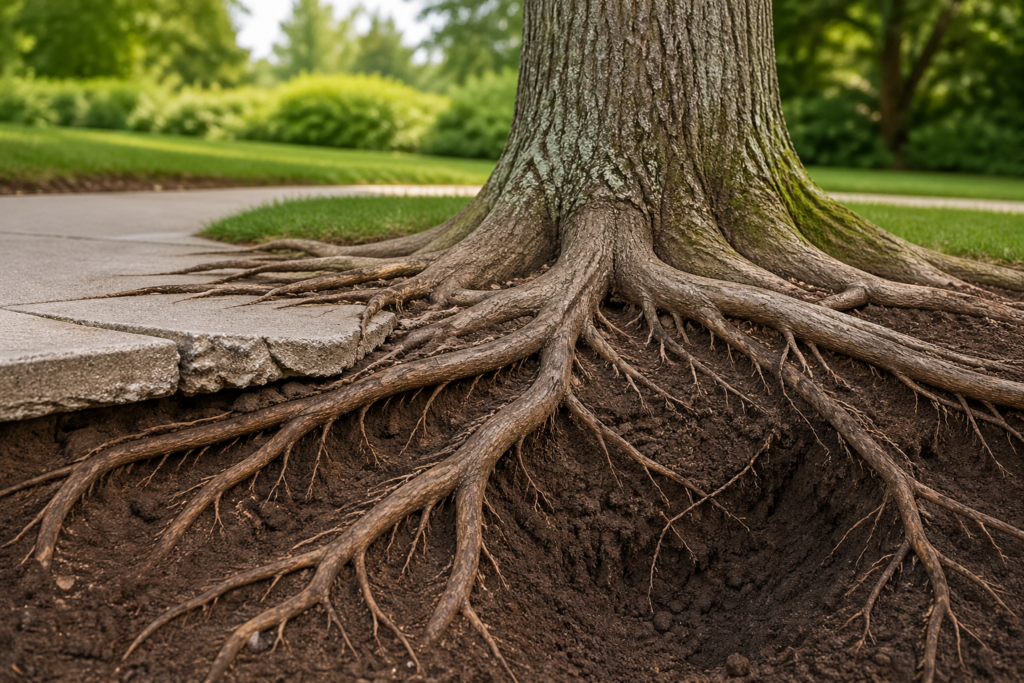
The Impact of Construction on Mature Tree Roots in Palmdale CA
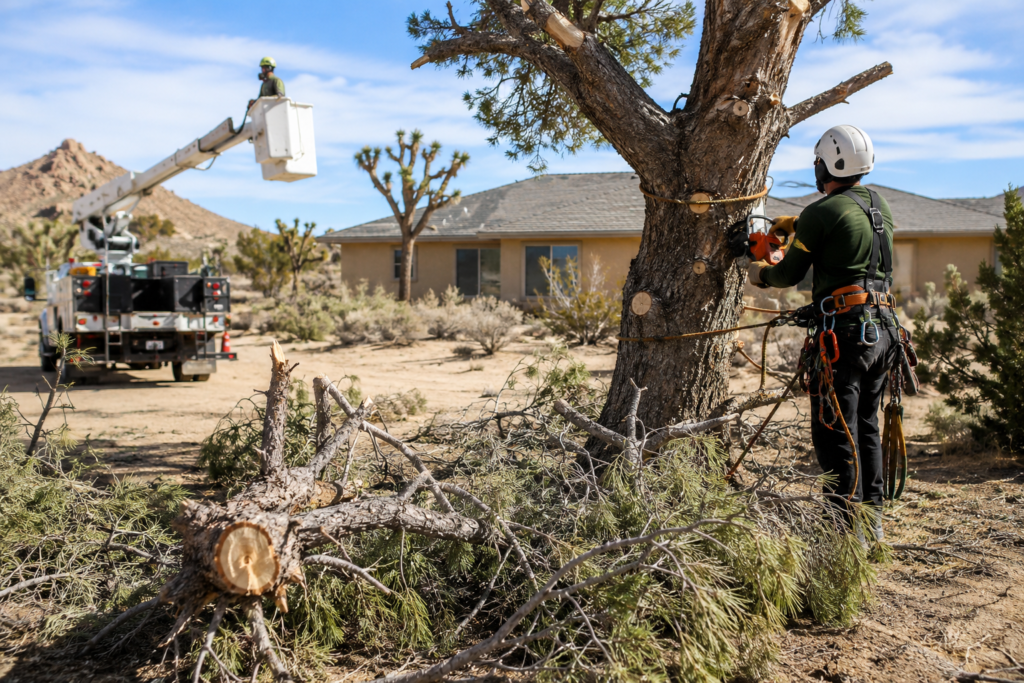
Winter is the best time to see what your trees are really doing. With leaves off and growth slowed, a certified arborist can spot deadwood, structural defects, decay signs, and root-zone issues that summer hides. This guide explains what a winter inspection includes, what it can reveal in Lancaster’s climate, what it costs, and how to book the right kind of arborist consultation in Lancaster, CA before wind season and spring growth.
Understanding Tree Removal Permits in LA County: What You Need to Know
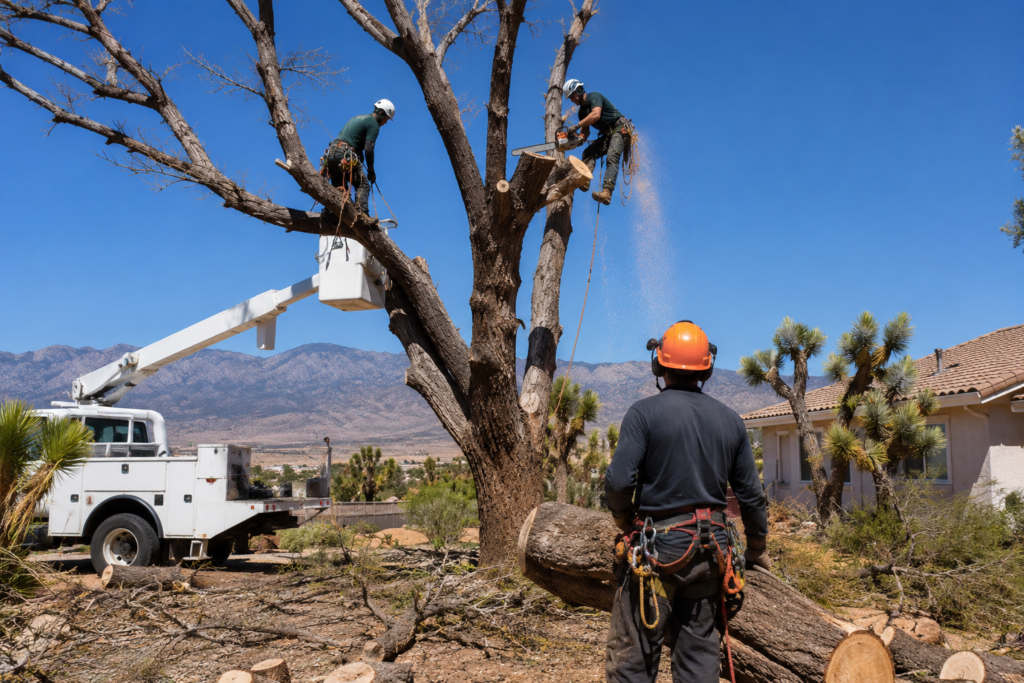
Hesperia tree removal is shaped by high-desert heat, wind, access, tree size, protected plants, and property risk.
Is Your Tree Dying? How to Spot Drought Stress Before It’s Too Late (Antelope Valley Guide)
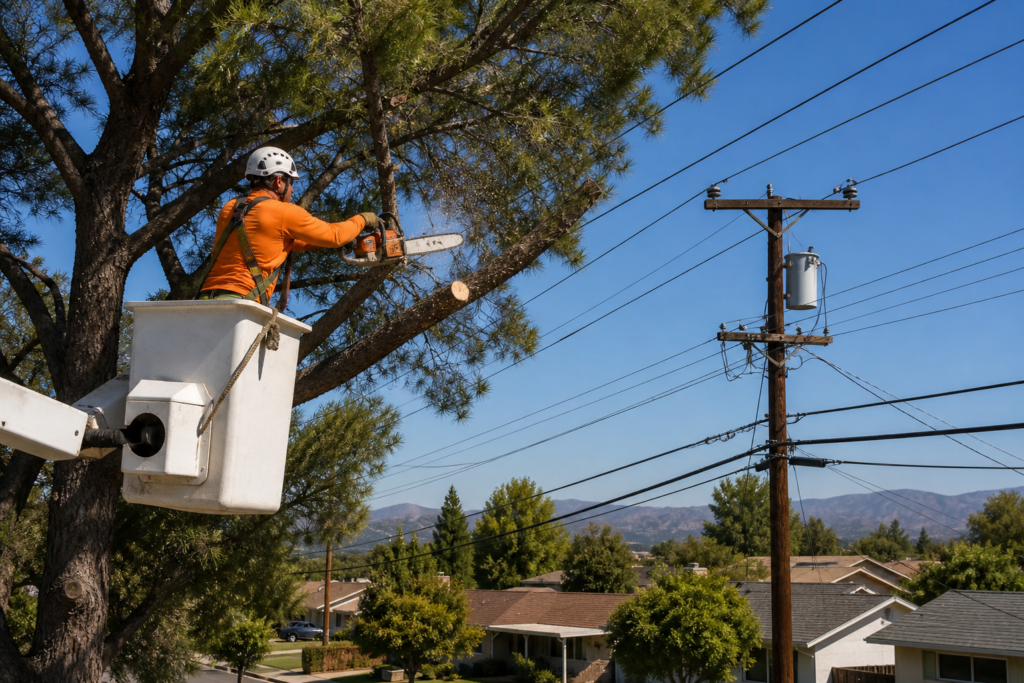
Winter is the best time to see what your trees are really doing. With leaves off and growth slowed, a certified arborist can spot deadwood, structural defects, decay signs, and root-zone issues that summer hides. This guide explains what a winter inspection includes, what it can reveal in Lancaster’s climate, what it costs, and how to book the right kind of arborist consultation in Lancaster, CA before wind season and spring growth.
How to Manage Drought Stress in Mature Trees in Lancaster and Palmdale CA
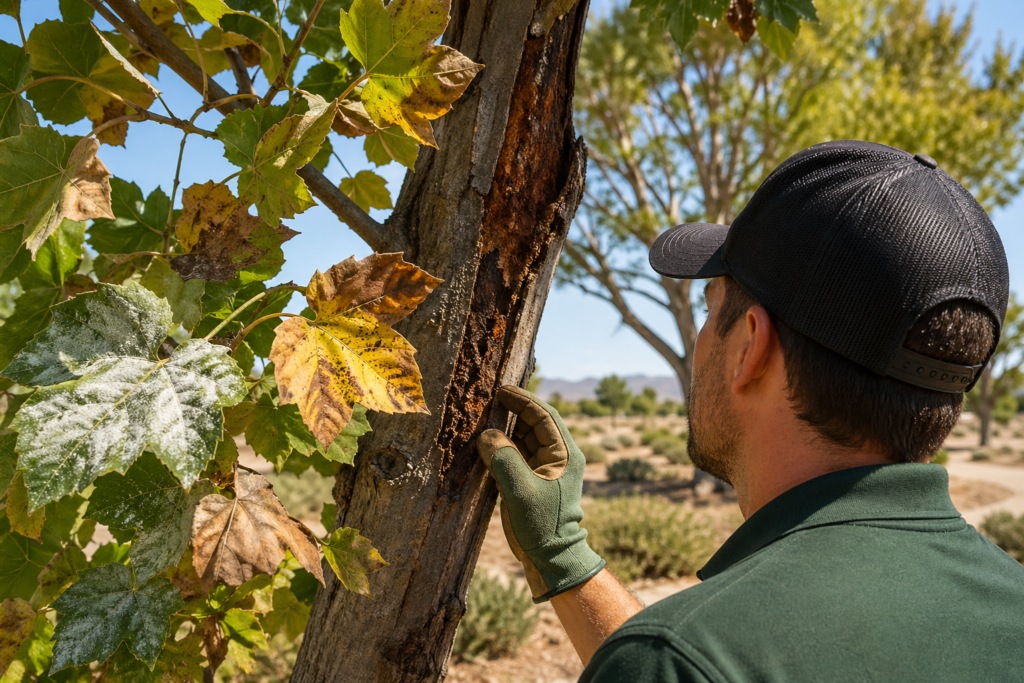
Droughts in Lancaster and Palmdale, CA, are becoming more frequent and intense, severely affecting mature trees. These trees are critical to our local environment, offering shade, beauty, and improved air quality. However, when water becomes scarce, mature trees can suffer from drought stress, leading to weakened health or even death. If you are noticing dry leaves or brittle branches on your established trees, you are not alone and there are effective ways to manage this problem. Many property owners are worried their trees won’t make it through the dry season. The problem is that without proper care, mature trees enter a cycle of dehydration, vulnerability to pests, and reduced growth. The good news is that proactive steps can help your trees survive and thrive despite limited water. This blog post explains how to manage drought stress in mature trees specifically tailored for the environment of Lancaster and Palmdale, CA. What Are the Signs of Drought Stress in Mature Trees? Recognizing drought stress early is essential. You might see leaves that are wilting, curling, or turning yellow or brown on your mature trees. Some branches may start to die back or become brittle. In some cases, you might notice slower growth or shedding leaves in the middle of the growing season. These signs are all tree signals telling you they need help. According to the U.S. Forest Service, drought stress weakens trees and makes them more susceptible to disease and insect attacks. This means that acting fast can save your mature trees from long-term damage. If you notice any of these symptoms, it is best to consult a tree care professional to evaluate the tree’s health and recommend treatments. How Often Should You Water Mature Trees During Drought? The best way to manage drought stress largely depends on proper watering techniques. Mature trees in Lancaster and Palmdale should typically receive deep watering every two to four weeks during extended dry periods. This is because shallow watering encourages roots to grow near the surface, which makes the tree more vulnerable to future droughts. A good rule of thumb is to provide about 10 gallons of water for every inch of trunk diameter. For example, a mature tree with a 12-inch diameter needs around 120 gallons of water per watering session. It can be helpful to use a slow drip system or deep root watering to ensure water reaches the deep roots where it is needed most. Additionally, watering in the early morning is best because it reduces evaporation and allows water to soak deeply into the soil. What Soil Practices Help Mature Trees Conserve Water? Improving soil moisture retention is key to reducing drought stress. Mulching is one of the simplest and most effective practices. A 3 to 4-inch layer of organic mulch such as wood chips or shredded bark around the base of the tree helps keep soil cool and moist. It also reduces evaporation, controls weeds that compete for water, and adds nutrients as the mulch breaks down. Avoid piling mulch directly against the tree trunk as this can cause decay and invite pests. Instead, keep a few inches of space between the trunk and mulch. Another helpful practice is aerating the soil if it has become compacted. Compacted soil prevents water from penetrating deeply and limits oxygen available to roots. Using an aerator or consulting with professionals about soil conditioning can enhance water absorption and reduce drought impact. Can Pruning Help Reduce Drought Stress in Mature Trees? Pruning can play a role in managing drought stress but it must be done carefully. Removing dead or weak branches helps the tree focus its limited resources on healthy parts. It also improves air circulation which can reduce disease risk during dry conditions. However, excessive pruning is harmful because it forces the tree to grow new shoots that need water and energy, increasing stress. The goal is to perform light pruning focused on removing damaged wood. It’s best to have an arborist from Tip Top Arborists assess the pruning needs during drought, especially in Lancaster and Palmdale. Proper pruning strategies tailored to the local environment can help your tree conserve precious moisture. How Does Tree Health Impact Drought Resistance? Healthy, well-maintained trees withstand drought better than those weakened by pests, diseases, or nutrient deficiencies. Ensuring your mature trees have proper fertilization balanced for local soil conditions helps maintain strong root systems. Regular inspections by experts, like those at Tip Top Arborists, can catch early signs of stress or infestation. Treating these problems quickly increases the tree’s ability to survive dry spells. In Lancaster and Palmdale, where drought stress is common, maintaining the vitality of your trees through preventative care is critical. Healthy trees invest energy in root growth, increasing their ability to find water deep in the soil. When Should You Consult Professional Arborists? If your mature trees show persistent signs of drought stress despite your care, it’s time to call in the experts. Tip Top Arborists offers specialized services in the Antelope Valley region, including Lancaster and Palmdale, focusing on drought management, deep root watering, soil treatments, and pruning. Professional arborists use tools like moisture meters and soil testing to analyze your tree’s condition and recommend a custom care plan. Handling drought stress early with expert assistance can save mature trees that might otherwise decline. Additionally, during extended drought conditions, arborists can provide emergency treatments and advice on water conservation practices specific to your property. How Will Drought Affect Urban Trees Long-Term? Research shows that drought frequency in California has increased over the past decades, posing serious risks to urban forests. According to a study by the California Department of Forestry and Fire Protection, prolonged drought years have led to widespread tree mortality in some regions, reducing tree cover by up to 25% in urban areas (Cal FIRE, 2020). In Lancaster and Palmdale, this trend means mature trees are more vulnerable, impacting shade, air quality, and property values. Managing drought stress is not just a matter of tree health but
The Ultimate Guide to Desert Soil Health and Mulching in the Antelope Valley
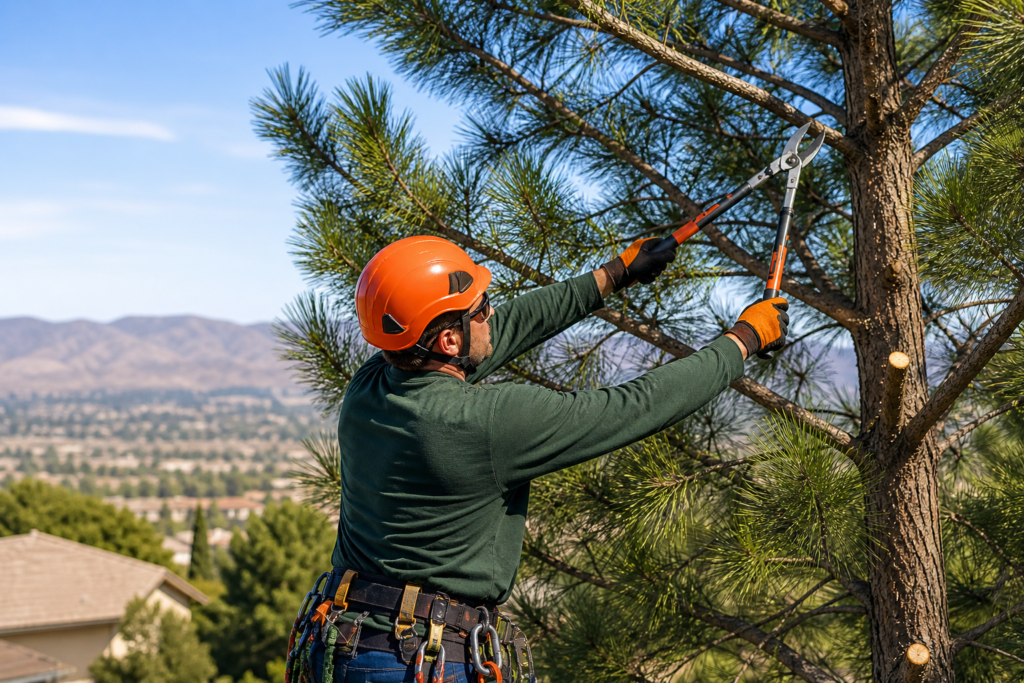
If you live in the Antelope Valley, you know how challenging it can be to maintain healthy soil. The dry desert climate and harsh sun often leave your garden plants struggling for nutrients and moisture. Poor soil health can stunt plant growth, lead to more weeds, and make your landscaping look less vibrant. This guide will help you solve those problems by teaching you how to improve desert soil health and use mulching effectively in the Antelope Valley. Why Is Desert Soil Health Important in the Antelope Valley? Desert soils are often sandy and low in organic matter. This makes it hard for plants to get enough nutrients and hold onto water. In fact, nearly 40% of desert soils in California suffer from nutrient depletion and erosion (California Soil Resource Lab, 2023). Without healthy soil, gardening in the Antelope Valley can feel like an uphill battle. Good soil health means your plants will grow stronger and look better, even in tough desert conditions. Healthy soil provides essential nutrients, improves water retention, and creates a better environment for microorganisms that support plant life. That’s why understanding how to care for your soil is a key step toward a thriving garden or landscape in Antelope Valley. What Makes Desert Soil in the Antelope Valley Unique? The desert soil in the Antelope Valley is mainly sandy and alkaline. This type of soil drains quickly but does not retain moisture well. At the same time, alkaline soil can lock up certain nutrients, making them unavailable to your plants. Heat and sunlight also make the soil dry out more quickly compared to other regions. Because of these factors, soil in the Antelope Valley often requires more attention to maintain its fertility and moisture. Regular testing and amendments can help balance the soil’s pH and nutrient levels. Knowing what makes your soil unique gives you the power to take the right steps toward better gardening results. How to Test and Improve Desert Soil Health Testing your soil is the first step to improving its health. You can buy simple soil test kits at garden centers or send a sample to a lab for detailed analysis. Testing will reveal your soil’s pH level, nutrient content, and texture. Once you know what your soil needs, you can add the right amendments. Compost and organic matter work wonders for desert soil. They increase water retention and replenish vital nutrients. In the Antelope Valley, using locally sourced compost can also help add beneficial microbes to the soil, supporting a healthy ecosystem for your plants. Another way to improve desert soil is through gypsum application. Gypsum helps loosen compacted soils and reduces the buildup of salts, which is common in desert environments. However, applying gypsum should be done cautiously and based on soil test results to avoid overuse. What Is Mulching and Why Is It Useful in the Antelope Valley? Mulching involves covering the soil surface with a material like wood chips, straw, or gravel. In dry desert climates like the Antelope Valley, mulching is a game changer for your garden’s health. It helps retain soil moisture, reduces temperature fluctuations, and suppresses weeds that compete with your plants for nutrients. The insulating effect of mulch keeps the soil cooler in the hot summer months and warmer during chilly nights. Mulching also prevents soil erosion by protecting the topsoil from wind and water damage. This is particularly important in the Antelope Valley, where desert winds are common. What Types of Mulch Work Best in the Antelope Valley? Organic mulches such as shredded bark, wood chips, and straw are great options for desert gardens. These materials break down over time and add organic matter back into the soil. This helps improve soil structure and fertility. Inorganic mulches like gravel or rocks are also popular in desert landscaping. They don’t decompose but provide excellent protection against evaporation and help with water conservation. Many Antelope Valley gardeners use a combination of organic and inorganic mulches to get the best of both worlds. Choosing the right mulch depends on your specific plants and garden design. For example, organic mulch works well in flower beds and vegetable gardens where soil health is a major focus. In contrast, gravel or rock mulch suits drought-tolerant landscapes and pathways. How to Apply Mulch Properly for Maximum Benefits Applying mulch correctly is vital to ensure it delivers the best results. Start with a clean soil surface free of weeds and debris. Spread mulch evenly to a depth of about 2 to 4 inches. Too thin a layer will not retain moisture effectively, while too thick a layer can suffocate plant roots or invite pests. Keep mulch a few inches away from plant stems and tree trunks to prevent rot and provide good air circulation. Regularly check your mulch for decomposition or displacement and replenish it as needed. In the Antelope Valley, applying mulch before the hot summer and dry winter months will give your soil the best protection. What Are the Benefits of Mulching Beyond Soil Health? Mulching protects your soil and plants, but it also has other advantages. It reduces the frequency of watering, which conserves water—a precious resource in the Antelope Valley. Studies show that mulched soils can reduce water evaporation loss by up to 50% (U.S. Department of Agriculture, 2022). This helps you save on your water bill and keeps plants healthier during dry spells. Mulching also improves the aesthetic appeal of your garden by giving it a tidy and uniform look. It discourages weed growth, which means less time spent on maintenance. Additionally, a layer of mulch attracts beneficial insects that help control garden pests naturally. Conclusion: Take Control of Your Desert Soil with Tip Top Arborists Keeping your desert soil healthy and using mulch wisely will make a noticeable difference in your Antelope Valley garden’s vitality. With proper testing, amendments, and mulching techniques, you can conserve water, improve plant growth, and reduce maintenance time. Tip Top Arborists is here to help you every step of
Mojave and Rosamond Tree Removal: High Desert, High Stakes
Tree removal in Mojave and Rosamond can be high stakes. Learn when to call, what affects risk, and why desert expertise matters.