
Alt Blog Post Template
Lancaster, CA’s #1 Tree Service! Tip Top Arborists Tree Library Growing Tree Knowledge EXPERIENCE THE Magic of Summer with Our Exclusive Tours! Imagine walking through a forest where every tree is connected to every other tree through an invisible underground network more complex than the human internet. Where mother trees send nutrients to their struggling children, where trees warn their neighbors about insect attacks, and where forest communities make collective decisions about resource sharing. This isn’t science fiction. It’s happening right now beneath your feet in forests around the world—and the discoveries about how trees communicate are revolutionizing our understanding of plant intelligence and forest ecosystems. Welcome to the “wood wide web,” where trees have been networking for millions of years before humans ever dreamed of computers. The Discovery That Changed Everything Dr. Suzanne Simard was a young forest ecologist in British Columbia when she first suspected that trees might be more connected than anyone realized. Traditional forestry taught that trees competed ruthlessly for resources—sunlight, water, nutrients—in a botanical version of “survival of the fittest.” But Simard noticed something odd in her research plots. When she removed all the deciduous trees from an area, the remaining conifers didn’t thrive as expected. Instead, they struggled and grew poorly. When she left mixed forests intact, both species seemed healthier and more resilient. Her groundbreaking experiments in the 1990s revealed the truth: trees of different species were actually helping each other through underground fungal networks that connected their root systems. Paper birch trees were sharing carbon with Douglas fir seedlings growing in their shade. In return, the firs shared different nutrients with the birches. “We had it all wrong,” Simard later wrote. “The forest wasn’t a collection of individual trees competing for resources. It was a single, interconnected superorganism.” How the Wood Wide Web Actually Works The secret to tree communication lies in one of nature’s most ancient partnerships. Mycorrhizal fungi—thread-like organisms that exist in soil—form symbiotic relationships with tree roots, creating networks that can span entire forests. Here’s how it works: How the Wood Wide Web Actually WorksThe secret to tree communication lies in one of nature’s most ancient partnerships. Mycorrhizal fungi—thread-like organisms that exist in soil—form symbiotic relationships with tree roots, creating networks that can span entire forests. Here’s how it works: The Physical Network: Fungal threads (called hyphae) attach to tree roots and extend through the soil like organic fiber optic cables. A single teaspoon of forest soil can contain miles of these fungal threads, connecting dozens of nearby trees. The Exchange System: Trees photosynthesize sunlight into carbon sugars, which they trade with fungi for minerals and nutrients the fungi extract from soil and rock. It’s like a biological stock market running 24/7 underground. The Communication Highway: But nutrients aren’t the only things traveling through this network. Trees also send chemical signals—warnings about pest attacks, calls for help during drought, and even information about seasonal changes. Information Superhighway: Recent research shows that electrical signals also travel through fungal networks, allowing trees to communicate almost instantaneously across distances that would take chemical signals hours or days to traverse. What Trees Are Actually Saying Scientists have identified several types of “messages” that trees send through their underground networks: Danger Alerts: When a tree is attacked by insects, it releases chemical compounds that travel through the fungal network to warn neighboring trees. The warned trees then begin producing defensive compounds before the insects arrive, making themselves less palatable to attackers. In Lancaster’s desert environment, this system helps Joshua trees warn each other about yucca moth infestations, and allows desert willows to share information about approaching aphid colonies. Resource Requests: Trees experiencing drought, disease, or other stresses can essentially “ask” the network for help. Healthy trees often respond by sending extra nutrients or water through the fungal connections. Seasonal Coordination: Deciduous trees use the network to coordinate timing for leaf drop, bud break, and other seasonal activities. This helps entire forest communities respond optim Tip Top Arborists Since 1976, Tip Top Arborists has been Southern California’s trusted partner in professional tree care. Based in Lancaster, CA, and surrounding areas—delivering expert tree trimming, removal, and maintenance services with safety, science, and integrity at the core. We’re not your average “guys with chainsaws.” We’re ISA Certified Arborists with deep industry knowledge, modern equipment, and a commitment to customer care that’s been passed down for nearly five decades. From storm damage cleanup to long-term tree health management, our team helps property owners protect their investment—and enhance their curb appeal—year-round. Featured Destinations How to Book? Ready to embark on the summer adventure of a lifetime? Visit our website or give us a call. Our friendly staff will be happy to discuss tour options and help you put together your ideal getaway. We can’t wait to help you create memories of a lifetime. Whether you want to discover spectacular natural beauty or want to experience exotic cuisine, we have the perfect adventure for you! Our tours are not just about visiting places but about creating lasting and memorable memories you will cherish forever. We take pride in offering personalized experiences that cater to your interests, ensuring that every aspect of your trip is tailored to your preferences. With our dedicated team and in-depth knowledge about each destination that we visit, you can trust the service. Featured Summer Destinations The Tropical Paradise of Hawaii: Discover the beauty of Hawaii with pristine beaches, lush landscapes, and vibrant culture. Perfect activities and relaxation await. Whether you’re surfing the waves or lounging on pristine beaches, Hawaii offers the perfect adventure and relaxation. The Historic Charm of European Countries: Step through the cobblestone streets of Paris and Rome and discover the timeless beauty of Europe. From ancient architecture to delicious cuisine. The Wildlife Safari in African Countries: Reconnect with nature in the majestic wilderness of East Africa. From the Great Migration to the Big Five, experience Africa’s natural wonders in their serene beauty of Yellowstone, explore a great vacation like no other. Need Some Help With Your Trees?
Sprouts Template
Sprout Finds Out How Trees Drink Water By: Tom Baal Once upon a time in the sunny city of Lancaster, CA, there lived a curious 7-year-old boy named Sprout. Sprout loved spending time outdoors, exploring the wonders of nature that surrounded him. One day, while playing in his backyard, Sprout noticed the tall and majestic trees swaying in the gentle breeze. He couldn’t help but wonder, “How do trees drink water?” As Sprout pondered this question, he decided it was time to embark on a journey of discovery. With his trusty magnifying glass in hand, Sprout set out to find the answer. He wandered through the lush greenery of the park, stopping to observe the leaves and branches of the trees up close. Suddenly, he spotted something fascinating—a tiny droplet of water trickling down the bark of a tree. “Ah-ha!” exclaimed Sprout, as he realized how trees drink water. “Trees absorb water through their roots, which are like straws that suck up water from the ground. The water travels up the trunk of the tree to the leaves, where it is used for photosynthesis.” Excited by his newfound knowledge, Sprout couldn’t wait to share it with his friends at school. He organized a mini science experiment to demonstrate how trees drink water, using colored water and celery sticks to mimic the process. His friends were amazed at the simple yet magical way in which trees nourish themselves. After their experiment, Sprout and his friends decided to plant a tree in the school garden. They watered it regularly, ensuring it had enough moisture to thrive. As they watched the tree grow taller and stronger each day, they felt a sense of pride and accomplishment. Through his journey of discovery, Sprout learned the importance of caring for trees and appreciating the beauty they bring to the world. He realized that even the smallest act of kindness towards nature can make a big difference. And so, with a smile on his face, Sprout vowed to continue exploring the wonders of the natural world, one tree at a time. And with that, Sprout’s adventure came to an end, but his curiosity and love for nature would live on forever in his heart. Who knows what other mysteries and marvels he would uncover next? The world was full of possibilities, waiting to be explored by a young explorer like Sprout. Sprout Needs Your Help- Join Sprout in Keeping Our Parks Clean Hey there, young adventurers! Sprout here, and I need your help with a special mission. As we journey through the wonders of nature, it’s important to remember to keep our parks clean and beautiful for everyone to enjoy. One easy way you can make a difference is by picking up any litter you see while exploring the great outdoors. It’s a simple task that can have a big impact on the environment and the animals that call the park home. Plus, it’s a fun way to show kindness and respect to our Earth. So, next time you’re out and about, keep an eye out for any trash that doesn’t belong in nature. Grab your gloves (or use a stick if you prefer) and safely pick up the litter, then throw it away in a nearby trash bin. Let’s work together to make our parks a cleaner, greener place for everyone to enjoy! Remember, a small act of kindness can go a long way. Together, we can make a difference and show our appreciation for the beauty of nature. Thanks for joining me on this important mission, young explorers! Remember: Every big tree starts with a little helper. Did You Know? What is an arborist? An arborist is a professional who specializes in the care and maintenance of trees. Why should I hire a certified arborist? Certified arborists have the knowledge and experience to provide safe, effective tree care. How do I know if my tree needs attention? Look for signs like dead branches, cracks in the trunk, or unusual leaf loss. Tip Top Arborists Since 1976, Tip Top Arborists has been Southern California’s trusted partner in professional tree care. Based in Lancaster, CA, and surrounding areas—delivering expert tree trimming, removal, and maintenance services with safety, science, and integrity at the core. We’re not your average “guys with chainsaws.” We’re ISA Certified Arborists with deep industry knowledge, modern equipment, and a commitment to customer care that’s been passed down for nearly five decades. From storm damage cleanup to long-term tree health management, our team helps property owners protect their investment—and enhance their curb appeal—year-round. Experienced We have been in the industry for over 45 years. Choosing us means choosing proven experience and expertise. Insured Your safety is our highest priority. We are bonded and insured to protect you, your property, and our team. Licensed Our contractor’s license #821770 is current and active with the CSLB. Hiring us means hiring licensed tree experts. Recycling We are as committed to the environment as we are to our clients. We recycle 100% of all wood and green waste. Hey Mom and Dad! Ready To Get Some Tree Work Done? Address: 44107 Yucca Ave Lancaster Ca. 93534 Phone: Toll-Free: (877) 380-0023 (California only), Local Tel: (661) 418-2690 (Antelope Valley), Local Tel: (661) 244-6964 (Santa Clarita Valley), Local Tel: (760) 330-5405 (Victor Valley) Business Hours: Monday to Friday from 7am to 4pm Why Your Neighbors Trust Tip Top Arborists
Power Line Tree Work Lancaster CA | Tip Top Arborists

Tree trimming near power lines in Lancaster requires expert handling. Tip Top Arborists explains safety laws, certifications, and emergency response steps.
Sprout Nature Explorer Series: How to Make Instruments from Tree Parts
Sprout Nature Explorer Series: How to Make Instruments from Tree Parts By: Tom Baal There’s music in the trees—you just have to listen for it. Not the birdsong or the breeze through the leaves (though that’s part of it), but the sounds waiting inside the trees themselves. The creak of a branch, the tap of twig against bark, the soft percussion of seed pods falling on dry earth. Nature’s been playing for a long time. Now it’s your turn to join the band. At Tip Top Arborists, we care for trees professionally—but we also love seeing how kids interact with them creatively. This Sprout Nature Explorer adventure is all about turning twigs, bark, and other tree treasures into real instruments. Not fancy ones. Not expensive ones. But joyful, backyard-built, imagination-powered tools that help kids connect with trees in a whole new way. So if you’ve ever walked through the yard or park in Lancaster and thought, “That branch looks like a drumstick,” you’re absolutely right. Let’s make some music. Ever tap a hollow log and hear it echo back? That’s your first instrument right there. Bark has texture and tone—thick, papery, soft, or solid—and when you gently knock on a piece laid across a bucket or bowl, it can boom like a real drum. To make your own bark drum, find a sturdy piece of fallen bark (never peel bark off a living tree!). Lay it across a clean plastic container, empty pot, or even a small trash can. Use your fingers or a stick to tap different rhythms. Kids can decorate their “drums” with leaves, seeds, or safe paint. Want to get scientific? Try comparing bark from different tree types in your area—like pine, oak, or palm—and see which sounds best. Lancaster’s climate means plenty of trees drop dry seed pods and twigs year-round. These are perfect for rhythm-making. Here’s how to build a basic tree shaker: collect a few dry seed pods (acorns, eucalyptus bells, jacaranda pods work great). Place them inside a paper cup or small jar. Seal the top with tape or fabric. Tape a twig to each side as a handle. Shake it up! You’ve got a maraca made from what nature left behind. No batteries. No plastic. Just rhythm and creativity. For safety, avoid pods with sharp edges or anything still sticky or green—they’re not ready yet. This one takes practice, but it’s worth the effort. Certain flexible leaves—like those from magnolia or avocado trees—can become whistles if you stretch them just right. To play, hold the leaf between your thumbs with a tiny gap in the center. Press tightly and blow through the gap. If the wind catches just right, the leaf will vibrate and make a sharp whistle. It’s a bit like playing a blade of grass—kids who love a challenge will enjoy mastering this one. Bonus tip: find different leaf types and compare their sound. Broader leaves might buzz, while thinner ones squeal. This is a favorite. Every stick has a sound—it just takes the right setup to bring it out. Make your backyard xylophone like this: collect dry sticks of different lengths and thicknesses. Lay them side-by-side on a log, bench, or stretch of mulch. Use another stick to tap each one gently. Kids will discover which pitches are high and low, and they can even try arranging the sticks by size for a real musical scale. Want to go next-level? Let them paint each stick a different color and name the notes themselves. Don’t overlook the little stuff. Pinecones make excellent clackers when tied together with string, and dangling acorns can become gentle bells in the wind. Tie two small pinecones together with string, leaving enough slack to swing them into each other. Or hang a few hollow acorns on thread and tie them to a stick to make a chime. Great for younger kids who like sound but aren’t ready to build full instruments. These also double as decorations for your backyard “forest concert.” Aside from being a fun way to keep kids busy and curious, tree instruments are a natural way to teach respect for the environment. When a child creates something joyful from a fallen branch instead of a store shelf, they start to see trees as more than scenery—they become teachers, tools, and even friends. This kind of play also encourages creative thinking, turning a stick into a sound machine takes imagination. It improves listening skills—nature’s music is subtle—tuning in is a skill in itself. It also fosters environmental appreciation. Kids learn not to take from live trees and to work with what nature offers. At Tip Top Arborists, we believe caring for trees starts with noticing them. Playing with them, even gently. These projects are a fun first step. Only use dry, fallen parts—never cut or break from living trees. Avoid any sharp seed pods or brittle bark. Supervise young kids with tools like scissors or wire for tying pieces together. Check for insects or allergens before collecting materials. Once your instruments are made, hold a nature jam session! Invite neighbors, record a forest song, or build a little “stage” with leaves and logs. Call it Sproutstock if you like. You might even try composing your own piece called “Lancaster Tree Symphony”—featuring bark drums, twig maracas, and a solo pinecone clack. Nature’s got rhythm. So do you. Did you know the didgeridoo, a traditional Australian instrument, is made from eucalyptus trees hollowed out by termites? Wood type affects sound quality—that’s why guitars made from spruce or mahogany have different tones. Scientists have recorded trees “singing”—their branches and leaves vibrate at different frequencies in wind and rain. Can you make tree instruments with your class or scout group? Absolutely! Just make sure to teach kids to collect responsibly and clean up afterward. What if you can’t find seed pods or bark in your area? Substitute with things like dried beans, paper towel tubes, or craft sticks—but keep the tree theme! Do trees get hurt
Top Benefits of Tree Trimming in Victorville, CA
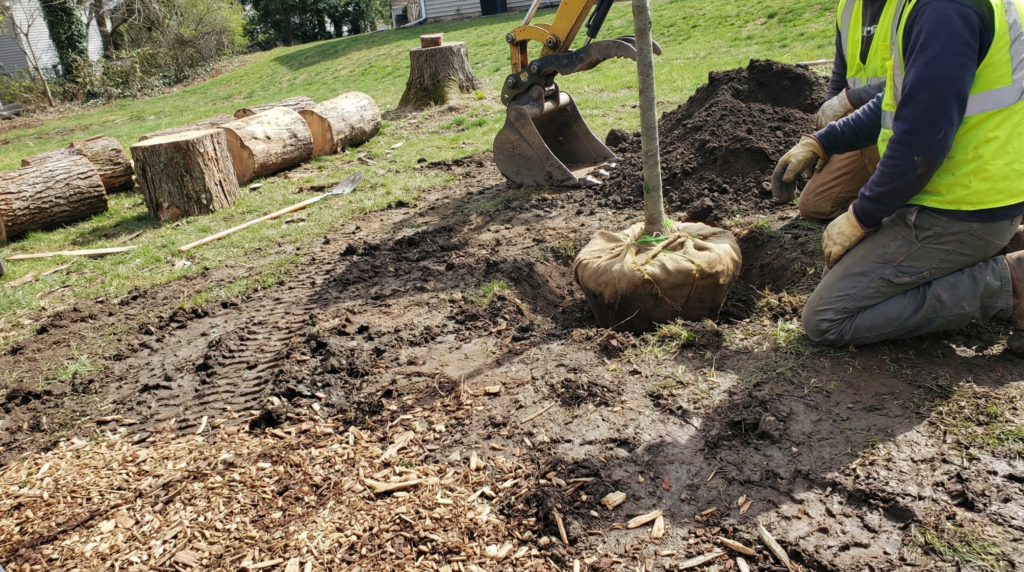
Are your trees are looking a bit overgrown lately? If so, it might be time to show them some love and schedule tree trimming services. Trimming makes your yard look nice, but there’s a lot more to it than that. It actually plays a big role in keeping your trees healthy, safe, and beautiful, too. At Tip Top Arborists, a leading provider of tree services in Victorville, CA, we love helping homeowners see just how much of a difference regular tree trimming can make. Here’s a closer look at the top benefits of tree trimming and reasons your yard will thank you for a little bit of strategic branch cutting. Improve Tree Health Think of tree trimming as a haircut for your greenery. Just like trimming away dry and split ends makes your hair look healthier and fuller, removing dead, diseased, or damaged branches makes your trees look better and helps them thrive. Overgrown limbs can block sunlight and stunt growth, especially in Victorville’s dry High Desert climate. Trimming allows more access to light and nutrients, promoting stronger, healthier branches. Regular trimming can also help prevent the spread of disease by removing infected branches, so you don’t lose the entire tree prematurely. Safety Hazard Reduction A safer property is also one of the big benefits of tree trimming. In Victorville, where sudden wind gusts are common, trimming risky limbs can save your trees and your roof. Weak or overextended branches can snap off during storms, which isn’t just bad for the tree but also dangerous for anything (or anyone) in their way. Boost Property Value A well-maintained yard with trimmed trees can instantly boost property value and curb appeal; consider how healthy trees can frame a house, for example. Investing in maintenance shows that you care for your home and your landscaping. Enhance Air Circulation and Sunlight Fun fact: A tree with poor airflow is like a stuffy room: humid, uncomfortable, and a breeding ground for pests. Tree trimming improves air circulation throughout the canopy, reducing moisture buildup and lowering the risk of fungal growth and insect infestations. Thinning out dense branches also allows sunlight to reach lower limbs and surrounding plants, which benefits your property as a whole. Strengthen Structural Integrity Trees are living structures, and if they grow in a lopsided or crowded way, their overall structural integrity can suffer. A professional arborist service knows exactly how to trim trees to encourage balanced, sturdy growth, reducing the chance of future breakage. Let Tip Top Arborists Keep Your Trees Healthy Whether you’re dealing with a scraggly sycamore or a sun-choked palm, regular trimming is one of the best things you can do for your trees. The benefits of tree trimming go way beyond looks and preserve the tree’s long-term safety and health. Don’t let your trees start to look like something out of a horror movie. To learn more about the benefits of arborist tree trimming or to schedule service in Victorville, CA, call Tip Top Arborists at (661) 942-5501.
How To Choose the Right Tree Service Provider in Hesperia, CA
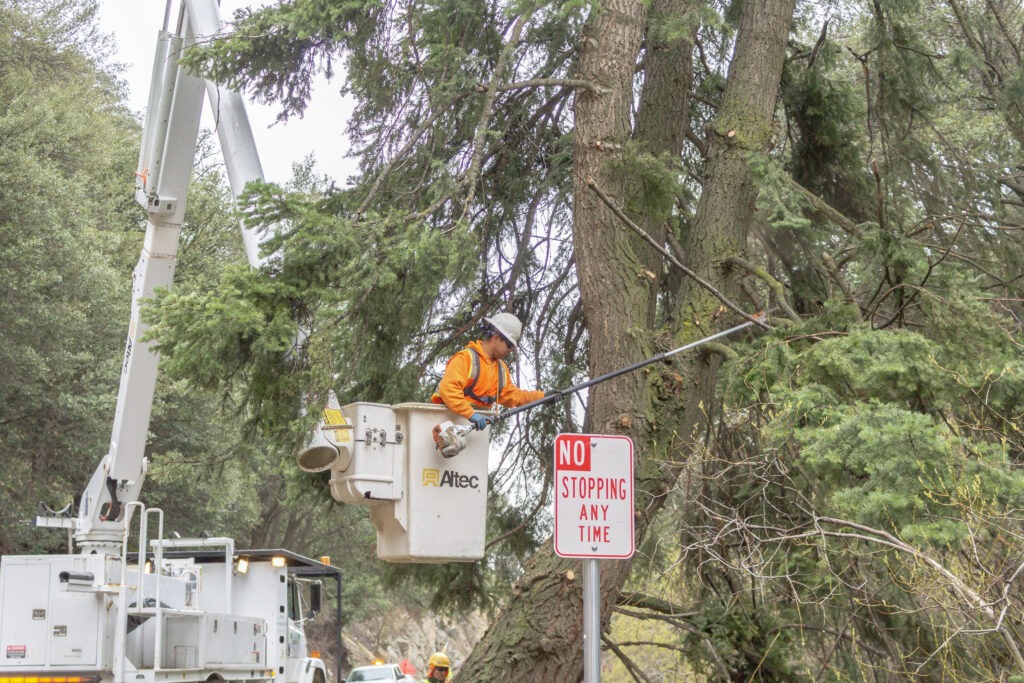
Are you in the market for a tree service in Hesperia, CA? If so, you shouldn’t have any trouble tracking down great options in the area. Google “tree services Hesperia, CA,” and you’ll see a long list of companies worth considering. These companies offer everything from tree trimming to removal services. Before selecting one, make sure you understand how to choose a tree service that will prioritize safety, quality, and tree health. Take a look at our tips on narrowing down your options below. See Which Companies Offer the Most Experience Experience is one of the key factors you should look for when figuring out how to choose a tree service in Hesperia, CA. The more experience a company has, the more confidence you will have in its ability to prune or remove dead trees from your property. Ideally, the company you choose should have at least one certified arborist with extensive experience on staff. Working with a professional like this will ensure you’re in good hands. Search for Companies That Extend an Assortment of Services In addition to having a wealth of experience, the Hesperia tree company you pick should offer a wide range of services. Examples include: Trimming and pruning Tree removal Stump grinding Tree disease prevention Emergency service A company should also go above and beyond by following safety standards for all these services and providing written estimates. Read Through Online Reviews for the Top Companies Every tree company in Hesperia will give you the impression that it’s the best company in the business. However, you shouldn’t just take their word for it. Skim through customer reviews to see whether their clients would agree with this assessment. Focus on hiring a company with its fair share of positive reviews from past clients. You will also learn a lot about companies based solely on their reviews, including the equipment used to carry out their services. Check Out Photo Galleries for the Best Services The best Hesperia tree services will do more than tell you they’re the most qualified company. They will also offer photo galleries showcasing the work they’ve done in the past to highlight what you can expect if you decide to hire them. No matter what you need a company to do, you should be able to find photos of them tackling similar projects in the past. Contact Us To Hear How Our Tree Company Will Assist You in Hesperia, CA Now that you know how to choose a tree service in Hesperia, CA, it’s time to start your research. You will quickly find that few companies in the area compete with Tip Top Arborists. Whether you call on us for tree trimming or to tackle a tree removal job, we will meet your needs. We also offer full insurance coverage, providing additional peace of mind. Call us at 661-942-5501 today to get a free, no-obligation quote. Then learn more about the impact of trees on property value.
Advanced Rigging Techniques for Oak Trees in Lancaster
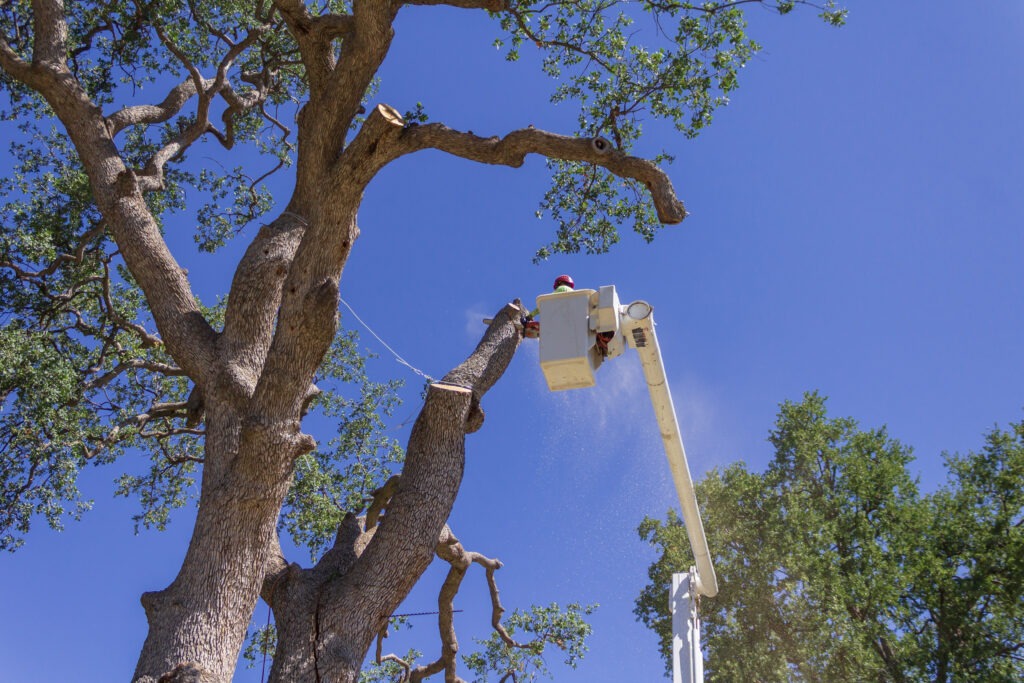
Learn advanced rigging strategies for Lancaster’s towering oak trees. Discover tools, techniques, and safety tips from seasoned arborists tackling the toughest removals.
Desert Tree Care Tips: Keep Lancaster Trees Cool Now
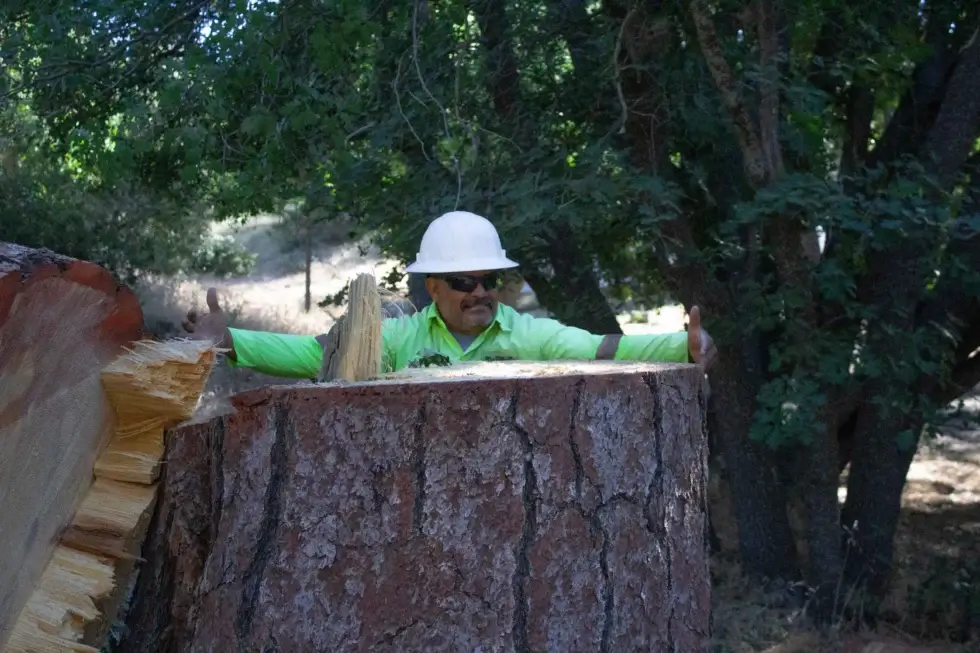
Discover how Lancaster’s desert trees beat the heat with deep roots, smart leaves, and shade! Plus, build your own backyard shade fort with the kids.
Drought-Resistant Trees Lancaster: Boost Property Value
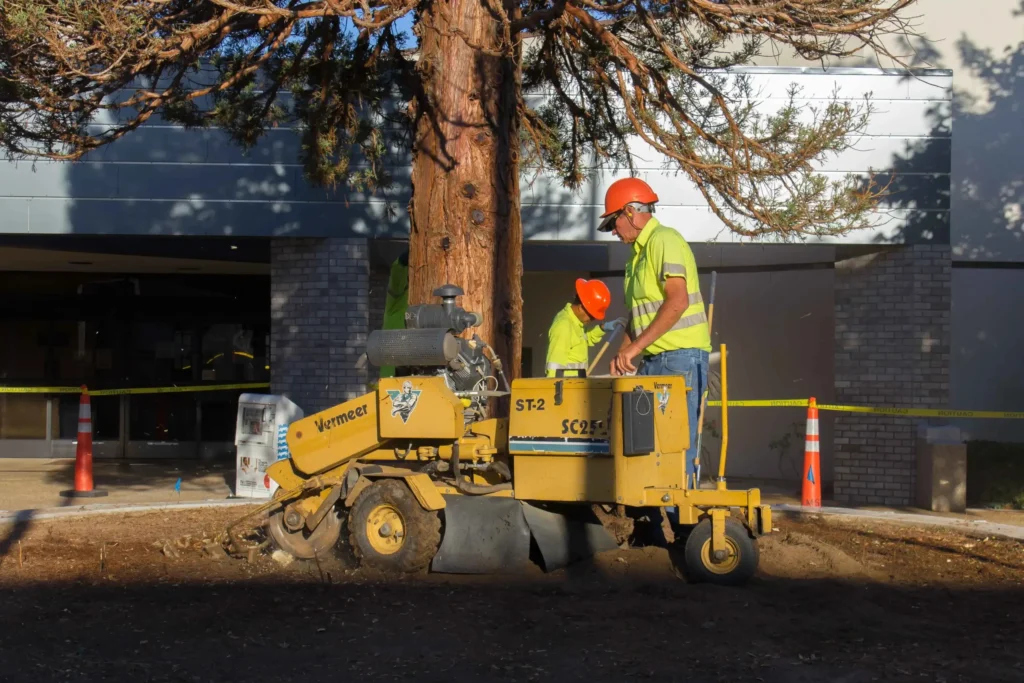
Want trees that thrive in Lancaster’s desert climate? These 5 drought-resistant picks can boost your home’s value and curb appeal while slashing water use.
The Grove of Forgotten Names: How Trees Remember What We’ve Lost
The Grove of Forgotten Names: How Trees Remember What We’ve Lost If you listen long enough, the forest will say a name you thought you had forgotten. Not in a voice or a whisper, but in the way the wind shuffles the leaves just so. The way a single acorn drops at your feet like punctuation to a thought you didn’t know you were having. Trees remember. Not as we do. Not with words or photographs. But in the deep silence of being. They hold stories in their rings, sorrows in their sap, and names in the spaces between their branches. No one carves a name into a tree trunk without meaning it. A declaration of love. A marker of grief. A moment someone wanted the forest to keep safe. Even after the letters fade, the intention remains, absorbed into the grain. Trees do not forget. They grow around the hurt. They grow around the memory. They make space for it. There are groves, especially the old ones, where the air feels heavier with history. Not because something tragic happened there – though sometimes that too. But because so much life has passed through and lingered. It’s like stepping into a room where someone just left, and their warmth hasn’t yet dissipated. You feel it in the hush. In the soft closing of light between leaves. These trees have watched generations walk beneath them. They’ve seen children become parents become stories. And they hold it all. Some scientists argue that trees can signal to each other, warning of drought or pest. Others study how a forest’s mycelial network allows information to pass beneath our feet like an invisible web of remembering. But science is only one kind of knowing. The other kind happens when you sit still long enough in a forest and suddenly feel as though you’ve been recognized. Not just seen. But known. The trees do not speak, but they are always listening. They listen to the footfalls of deer and the laughter of children and the last breath of something dying quietly in the ferns. They remember the smoke from old fires. The music from old festivals. The silence from old griefs. They are living archives, and they ask nothing in return but time. Time is their language. The slow patience of it. The long memory. Some believe that spirits linger in trees. Not as ghosts, exactly, but as echoes. That a grove can carry the essence of someone who once sat beneath it day after day, telling their secrets to the bark. There are trees people return to long after the people they met there are gone. Sitting on the same root. Watching the same slant of sun. Grieving. Hoping. Remembering. Because the tree is still there, and so something of that moment must still be there too. In war zones, trees have outlasted monuments. In cities, trees grow through cracks in forgotten courtyards. They rise where churches fell. They bear witness to both kindness and cruelty, without favor or judgment. And yet, somehow, they make what was lost feel less gone. A tree growing beside a ruin softens it. Reminds us that even after destruction, something living chose to stay. Sometimes we forget names – of people, of places, of dreams once held close. But the trees do not. In the quiet, they carry these names. Not to preserve them exactly, but to honor the fact that they once were. Even if no one comes looking. Even if the names were only ever whispered once. There is a reverence in how trees hold space for the forgotten. As if they understand that every name once mattered deeply to someone. If you’ve ever cried in a forest, you’ve left something behind. Not in a littered way, but as an offering. Grief is not trash. It is seed. And the trees, they know what to do with seeds. They bury them gently. They wait. They let time do what it does best. Transform. You may walk away lighter. Or simply quieter. But you will not walk away unchanged. There are certain trails where people walk in silence, though no signs ask for it. The trees ask. Not aloud, but in the way the light filters just right through a cathedral of limbs. You sense the importance of listening. Of noticing. You walk a little slower. You think of people you haven’t thought of in years. That is not coincidence. That is memory, calling to memory. Names etched into the wood of a bench, initials on a tree limb, flowers laid where no grave stands. These are not lost things. They are part of the forest’s quiet song. They hum beneath the birdcalls and the rustle of squirrels. The trees carry them with dignity. Because the forest knows what humans often forget. That forgetting is not the same as erasing, and silence is not absence. When a storm fells a great tree, there is mourning in the forest. The gap left behind is not just physical. It’s as if a library burned. As if a storyteller was silenced mid-sentence. But even then, even in the collapse, the memory does not end. New life grows from it. Mushrooms. Saplings. Nesting ground for birds. Memory becoming sustenance. You might visit a grove and find yourself crying without understanding why. That’s the trees, holding space. For you. For what you can’t name. For who you once were and maybe still are. The forest does not need your story explained. It simply offers you a place to feel it. When you leave, you’ll carry something with you. A name not your own, perhaps. Or a quiet resolve. Or a renewed tenderness for something you’d let harden. Because even if the names are forgotten by the world, the trees have not forgotten them. They hold them in every knot and hollow. In every bending branch. In the slow, sacred geometry of memory. And perhaps that is enough. Perhaps we don’t need monuments