
Desert Tree Care Tips: Keep Lancaster Trees Cool Now
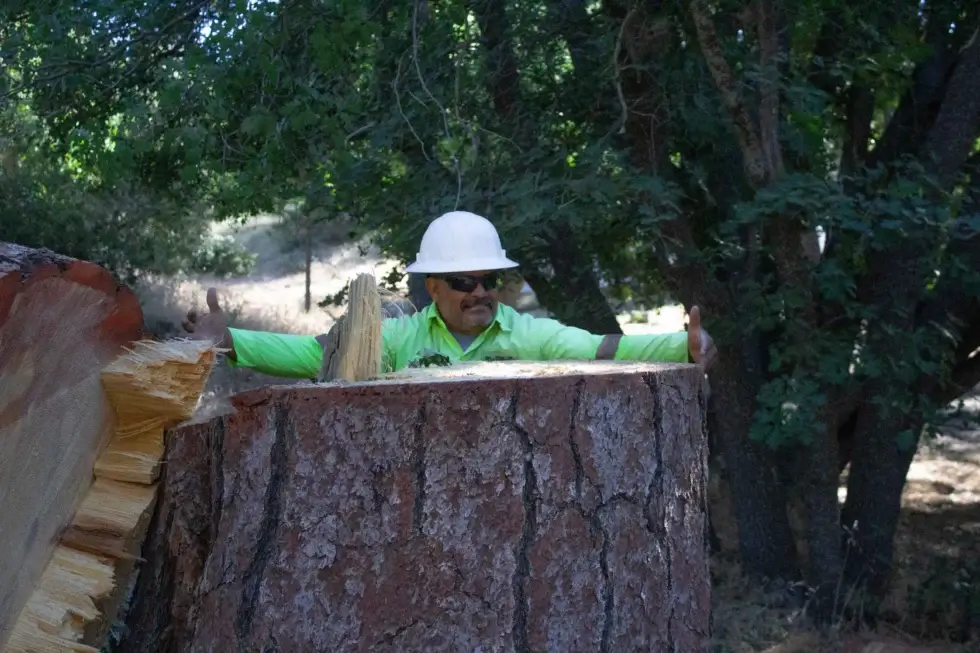
Discover how Lancaster’s desert trees beat the heat with deep roots, smart leaves, and shade! Plus, build your own backyard shade fort with the kids.
Drought-Resistant Trees Lancaster: Boost Property Value
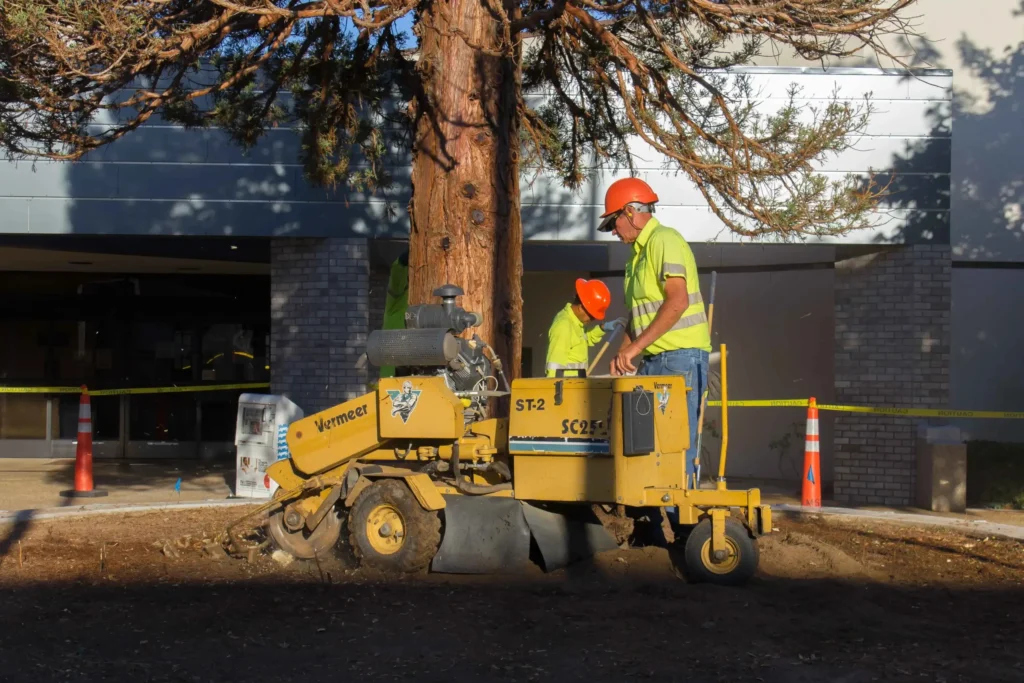
Want trees that thrive in Lancaster’s desert climate? These 5 drought-resistant picks can boost your home’s value and curb appeal while slashing water use.
The Grove of Forgotten Names: How Trees Remember What We’ve Lost
The Grove of Forgotten Names: How Trees Remember What We’ve Lost If you listen long enough, the forest will say a name you thought you had forgotten. Not in a voice or a whisper, but in the way the wind shuffles the leaves just so. The way a single acorn drops at your feet like punctuation to a thought you didn’t know you were having. Trees remember. Not as we do. Not with words or photographs. But in the deep silence of being. They hold stories in their rings, sorrows in their sap, and names in the spaces between their branches. No one carves a name into a tree trunk without meaning it. A declaration of love. A marker of grief. A moment someone wanted the forest to keep safe. Even after the letters fade, the intention remains, absorbed into the grain. Trees do not forget. They grow around the hurt. They grow around the memory. They make space for it. There are groves, especially the old ones, where the air feels heavier with history. Not because something tragic happened there – though sometimes that too. But because so much life has passed through and lingered. It’s like stepping into a room where someone just left, and their warmth hasn’t yet dissipated. You feel it in the hush. In the soft closing of light between leaves. These trees have watched generations walk beneath them. They’ve seen children become parents become stories. And they hold it all. Some scientists argue that trees can signal to each other, warning of drought or pest. Others study how a forest’s mycelial network allows information to pass beneath our feet like an invisible web of remembering. But science is only one kind of knowing. The other kind happens when you sit still long enough in a forest and suddenly feel as though you’ve been recognized. Not just seen. But known. The trees do not speak, but they are always listening. They listen to the footfalls of deer and the laughter of children and the last breath of something dying quietly in the ferns. They remember the smoke from old fires. The music from old festivals. The silence from old griefs. They are living archives, and they ask nothing in return but time. Time is their language. The slow patience of it. The long memory. Some believe that spirits linger in trees. Not as ghosts, exactly, but as echoes. That a grove can carry the essence of someone who once sat beneath it day after day, telling their secrets to the bark. There are trees people return to long after the people they met there are gone. Sitting on the same root. Watching the same slant of sun. Grieving. Hoping. Remembering. Because the tree is still there, and so something of that moment must still be there too. In war zones, trees have outlasted monuments. In cities, trees grow through cracks in forgotten courtyards. They rise where churches fell. They bear witness to both kindness and cruelty, without favor or judgment. And yet, somehow, they make what was lost feel less gone. A tree growing beside a ruin softens it. Reminds us that even after destruction, something living chose to stay. Sometimes we forget names – of people, of places, of dreams once held close. But the trees do not. In the quiet, they carry these names. Not to preserve them exactly, but to honor the fact that they once were. Even if no one comes looking. Even if the names were only ever whispered once. There is a reverence in how trees hold space for the forgotten. As if they understand that every name once mattered deeply to someone. If you’ve ever cried in a forest, you’ve left something behind. Not in a littered way, but as an offering. Grief is not trash. It is seed. And the trees, they know what to do with seeds. They bury them gently. They wait. They let time do what it does best. Transform. You may walk away lighter. Or simply quieter. But you will not walk away unchanged. There are certain trails where people walk in silence, though no signs ask for it. The trees ask. Not aloud, but in the way the light filters just right through a cathedral of limbs. You sense the importance of listening. Of noticing. You walk a little slower. You think of people you haven’t thought of in years. That is not coincidence. That is memory, calling to memory. Names etched into the wood of a bench, initials on a tree limb, flowers laid where no grave stands. These are not lost things. They are part of the forest’s quiet song. They hum beneath the birdcalls and the rustle of squirrels. The trees carry them with dignity. Because the forest knows what humans often forget. That forgetting is not the same as erasing, and silence is not absence. When a storm fells a great tree, there is mourning in the forest. The gap left behind is not just physical. It’s as if a library burned. As if a storyteller was silenced mid-sentence. But even then, even in the collapse, the memory does not end. New life grows from it. Mushrooms. Saplings. Nesting ground for birds. Memory becoming sustenance. You might visit a grove and find yourself crying without understanding why. That’s the trees, holding space. For you. For what you can’t name. For who you once were and maybe still are. The forest does not need your story explained. It simply offers you a place to feel it. When you leave, you’ll carry something with you. A name not your own, perhaps. Or a quiet resolve. Or a renewed tenderness for something you’d let harden. Because even if the names are forgotten by the world, the trees have not forgotten them. They hold them in every knot and hollow. In every bending branch. In the slow, sacred geometry of memory. And perhaps that is enough. Perhaps we don’t need monuments
Roots of Memory: How Trees Carry the Past into the Present
Roots of Memory: How Trees Carry the Past into the Present Step quietly into a forest and you’ll find yourself surrounded by living archives. Trees, though silent, are some of the most articulate storytellers on Earth. Their rings whisper of past rains and droughts, fires survived, and years of slow, patient growth. Their scars recall trauma. Their leaning trunks and broken limbs speak of windstorms long forgotten by humans but never erased from the trees’ memory. In forests, memory is not a metaphor. It is structural. It lives in the grain of the wood. Dendrochronology, the study of tree rings, is a kind of time travel. One narrow ring speaks of a hard year, perhaps a late frost or parched soil. A wide ring sings of abundance. Scientists can read these rings like lines in a diary, learning what the tree endured and how it adapted. But even without tools or research, you can feel this memory with your body. Stand near an old tree, and there’s a weight to it – not heavy, but settled, grounded in a way that new things are not. Roots remember, too. Not just the path to water or how to avoid a rock, but how to hold ground in shifting soil. Trees raised on fire-prone land grow thicker bark. Trees raised in crowding reach higher, thinner, racing toward light. They know. They adapt based on the history held in their lineage, passed down not just in DNA but in the soil itself. The fungi intertwined with their roots carry the news of decades – nutrient maps, danger signals, even alerts from dying neighbors. Fire-carved trees are some of the most poignant. Blackened trunks, hollowed cores, and scorched bark still stand long after the fire has passed. These trees remember in shape and substance. Their new growth curves away from the old wounds. Their leaves may return, but never in quite the same way. They are survivors who carry the event visibly, yet continue growing. This is not just resilience – it is memory taking root, shaping form. A forest that has seen fire walks differently. The spacing between trees changes. Some companions are missing. The ground is clearer, charred in patches, with new saplings growing in tight spirals, trying again. This landscape doesn’t forget. It regenerates, but the memory remains in altered composition, in the cautious spread of new roots. Some trees remember by leaning. A constant wind over time bends them into arcs. Others grow thicker on one side where the sun was stronger. Some carry the remains of damage – a broken top, a split limb – holding on in half-shapes, still whole in their own way. Their bodies adapt, but their stories are preserved. Nothing is erased. People, too, remember through place. The grandmother tree you sat under as a child, the grove where your name was first spoken aloud by someone who loved you, the crooked birch near the trail that always reminded you of home – these are emotional imprints. We graft memory onto landscape. But trees do it without intention. It is simply how they exist. And maybe that is why it feels so powerful. Unembellished memory. Honest, unedited, and weathered by time. In cities, where trees are fewer and often younger, this memory feels thinner. A newly planted sapling may give shade, but it doesn’t hold history. Not yet. It hasn’t lived through the storms or marked the rhythms of a hundred springs. Old trees in urban parks are cherished precisely because of this – they are elders in a place often obsessed with the new. People picnic beneath them, read in their shadows, fall in love under their limbs, never fully aware that these trees have seen generations before and will likely see generations after. In forests untouched by modern hands, the memory is dense. It changes the air. You may not see a single animal, but you’ll feel like you’re being watched, held in something much older than yourself. This isn’t imagination. It’s what it means to be inside something that remembers. When we cut trees, we cut memory. When we replant forests in neat rows for timber, we lose the randomness that makes memory possible. True memory requires time, unpredictability, chaos, and adaptation. A tree plantation is a monologue. A forest is a conversation – sometimes slow, sometimes messy, but always alive. We are learning, slowly, to respect arboreal memory. Scientists talk now of legacy forests, of preserving memory-rich ecosystems not for nostalgia but for function. These old forests know how to survive. Their collective knowledge, stored in roots, soil, and canopy, could be the map we need to navigate climate change and ecological uncertainty. But we must listen. Not with tools or technology first, but with patience. With reverence. The next time you walk through a grove, look not just at the tree but into it. Trace the line of a healed wound. Follow a twist in the bark. Stand beneath its reach and wonder not how tall it is, but what it remembers. Every creak in the wind, every rustle of leaves, might be the forest speaking – not in words, but in memory. Did You Know? Some trees change their chemistry to “warn” nearby trees about insect attacks or drought conditions. A single tree can store decades or even centuries of environmental history in its rings. Trees communicate stress signals through underground fungal networks, sometimes referred to as the “wood wide web.” FAQs About Talking Trees Can trees really “remember” events like humans do?Trees don’t remember in a conscious way, but their growth patterns, chemical responses, and root behavior reflect past experiences, which influence how they respond in the future. What is the oldest known tree and what has it remembered?Methuselah, a bristlecone pine in California, is over 4,800 years old. It’s witnessed the rise and fall of civilizations and endured major climate shifts—all stored within its dense, twisted rings. Why are older forests more important for biodiversity?Older forests
The Rain That Trees Remember
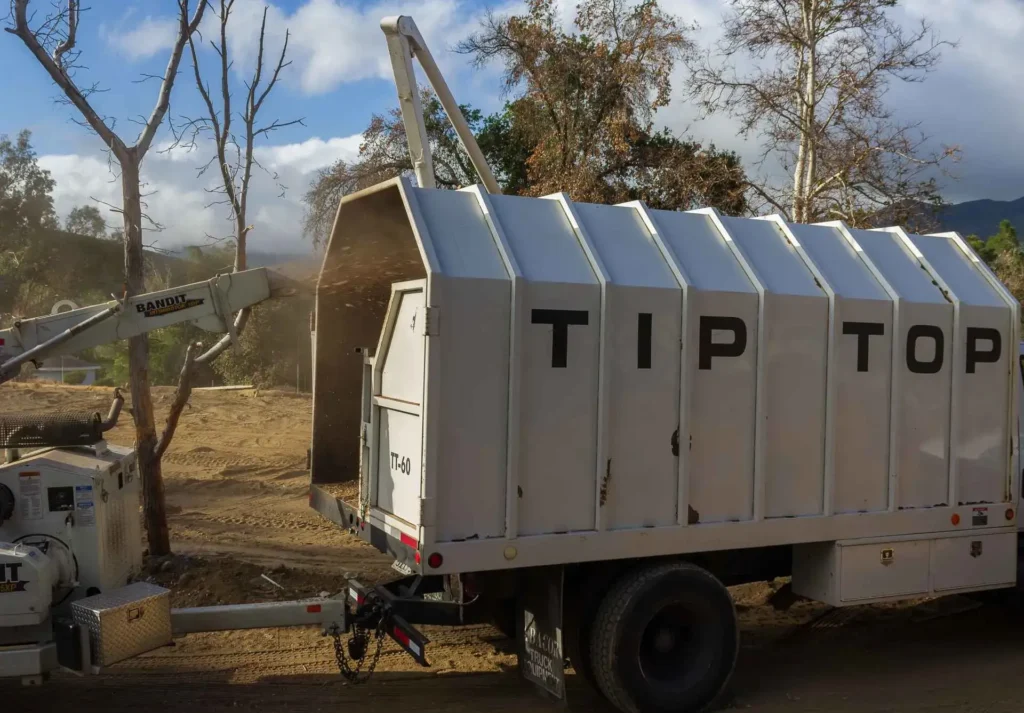
The Rain That Trees Remember There are places where the rain never quite leaves. Not in puddles or pools, but in memory. In the soaked bark of old trees and the softened ground beneath their roots. Walk beneath them and listen – not with ears, but with skin. You might feel it: the hush of a recent storm, the scent of minerals drawn up from deep within the soil, the subtle sag of branches still heavy with yesterday’s sky. Trees remember rain the way skin remembers sun. Not as a single moment but as something woven into the grain. Each droplet absorbed by a leaf is more than water – it’s a message, a return, a promise fulfilled. For trees, rain is reunion. The long wait ends, and every part of them, from root to tip, leans into relief. They do not drink greedily. They welcome, they hold, and they store. The rainfall becomes part of their ringed story, locked into each layer of growth as surely as a date is carved into stone. Sometimes, after a storm, you’ll notice how a tree shines – not from wetness alone, but from gratitude. Rainfall doesn’t just feed trees. It awakens them. It reminds them they are connected to cloud and current, to mountain snowmelt and ocean vapor. The water falling on a maple leaf in July may have once risen off a distant coast or fallen on a desert long ago. Trees drink time. They gather the history of clouds. In certain forests, you can tell the kind of rain by how the trees react. A soft spring mist draws out the mosses and lichen, thickening the quiet. A summer downpour drums on the canopy like a celebration. Autumn rain smells like endings and compost. Winter rain, sharp and hesitant, coats the bark in silver, reminding all things to slow. Some trees, like willows, speak fluent water. Their limbs trail toward the damp, and even in drought, they seem to remember what moisture felt like. Others, like pines, are more reserved, holding their water close, whispering their thanks in the shimmer of each needle. But all trees remember. The memory lives in their cambium, in the spongy layers between bark and heartwood. It lives in the way roots swell after rain, not with gluttony, but with preparation. For trees know the dry times will come again. Rain brings more than water. It carries sound. It shapes the music of a forest. Leaves clap and drip and chime. Branches creak under the weight of droplets. Bark breathes. Soil sings a muffled song of soaking and shifting. Animals emerge in the hush afterward – deer with damp coats, birds fluffing feathers. The forest, briefly cleansed, feels new and old at once. There are groves where rain feels sacred. Where even those who’ve never believed in spirits feel something ancient move between trunks. Perhaps it’s the way fog hugs the roots or the way water gathers in the folds of fungi. Maybe it’s the rhythm of drops echoing like a heartbeat. These places don’t shout their meaning. They let it drip in, like rain into the layers of loam and root. To sit beneath a tree in the rain is to surrender. The world narrows to the sound of falling water, the feel of damp earth, the slow drip from leaf to shoulder. Time unravels here. Worries run off like water. The tree above has known more storms than you have hours. And still it grows. Children understand this instinctively. They splash and listen and let the rain baptize their curiosity. They press hands to tree trunks, wondering why the bark is darker now, if the tree feels different when it’s wet. They are not wrong. A tree in the rain is softer somehow. More open. As if the rain invites it to speak. We live lives indoors, far from these wet sermons. We build roofs and wear plastic and curse the weather. But the trees? They pray when it rains. Not with words, but with openness. They raise their branches, not in resistance, but in welcome. It is said that in very old forests, the rain lingers longest. That the canopy traps mist and memory both, holding them like breath. Some scientists say this helps regulate the ecosystem. But poets and wanderers know another truth: that trees do not forget. They carry each storm with grace. They teach us that to remember pain is not to be broken by it – but to grow anyway, ring by ring, rooted still. And when the rain ends, when the last drop slides down a petal or a trunk, something remains. A stillness. A clarity. Trees shine not with wetness, but with peace. They have been touched. Refreshed. Reconnected. They will hold that quiet long after the sun returns. And so might we. Did You Know? A tree’s cambium layer, just beneath the bark, records environmental data like rainfall and drought in its growth rings. Some rainforest canopies retain mist and rainwater for hours or even days after a storm, helping support surrounding life. Willow trees are hydrophilic and often grow near water because their roots actively seek out moisture sources underground. FAQs About Talking Trees How do trees actually absorb rainwater?Trees absorb water through their roots, which draw moisture from the soil after it has soaked in from rain. Some trees can also absorb small amounts of water through their leaves and bark. Why do trees look darker after rain?When bark absorbs water, it becomes darker due to the increased moisture content and the way water affects light reflection. Do trees need a lot of rain to survive?It depends on the species. Some trees, like willows and redwoods, thrive in wet conditions. Others, like junipers and acacias, are adapted to dry climates and need far less water. Is it safe to be near trees in a storm?During lightning storms, it’s best to avoid standing under tall trees, as they can attract lightning. However, in
The Orchard’s Memory: Heirloom Trees and the Stories They Hold
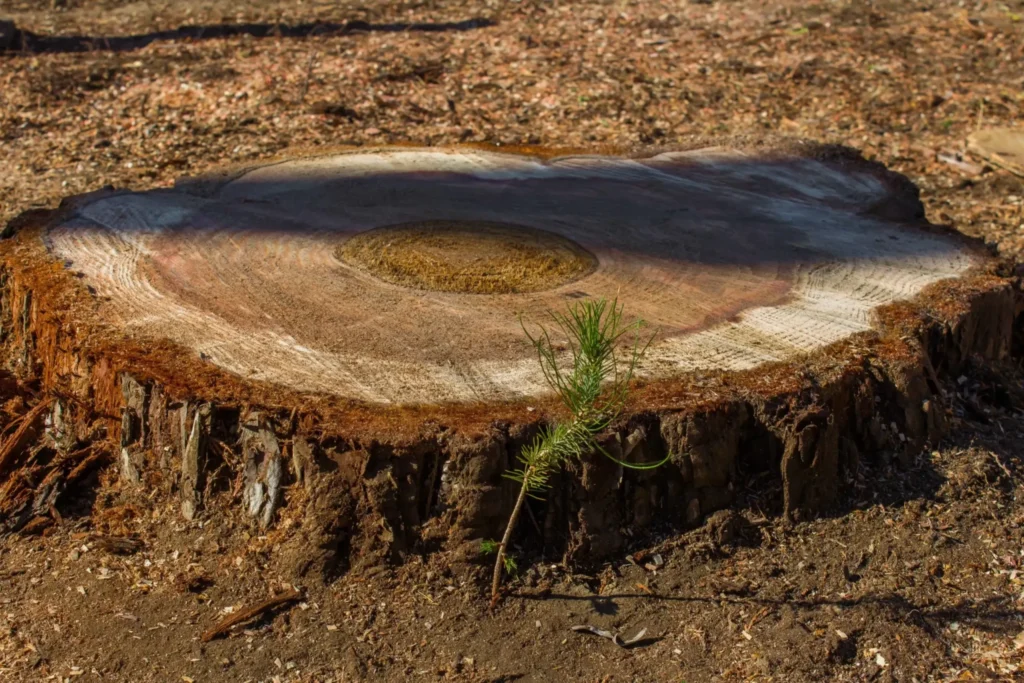
The Orchard’s Memory: Heirloom Trees and the Stories They Hold Beneath the blush of a spring blossom or the gnarled twist of an old apple limb lies a memory not written but grown. Heirloom trees do not merely produce fruit. They carry stories – ripe, heavy, sweet with the taste of time. A pear tree that once stood beside a homestead now forgotten may still bloom each spring, whispering the names of children who once swung from its limbs. An apricot tree, planted at a wedding decades ago, still bears witness to anniversaries that passed like wind. These trees do not forget. Heirloom trees are not modern hybrids bred for uniformity or shelf life. They are the bearers of variety, character, and lineage. Each tree is a living archive. Its roots recall the soil of a different century. Its fruit carries the shape of a hand that grafted it in hope. Before there were seed catalogs and barcodes, there were neighbors trading cuttings, families passing saplings like heirlooms of the heart. To plant a tree was to plan for a future you may never see – but someone else might. Walk through an old orchard and you’ll hear it, if you listen right. Not the hum of bees alone, but the pulse of memory rising from bark and blossom. Every bend in a branch tells you where snow once broke it. Every scar along a trunk is a chapter. Some trees lean east from years of prevailing wind. Some hold onto fruit long past ripeness, as if reluctant to let go of what they’ve made. There is wisdom in these acts, unspoken but clear. Many of these trees are rare now, some nearly lost. A russet apple with skin like worn leather. A plum that bruises easily but tastes like sunlight. A quince that demands patience. We live in a time of selection, of preferences shaped by convenience, but the old trees remind us that perfection was never the point. It was flavor. Memory. A tie to the hands that came before. Gardeners know. The ones who keep slips and scions in their pockets. Who graft with reverence and speak to trees as kin. They are stewards of lineage, coaxing history from rootstock. They know that to revive an heirloom variety is to invite the past to bloom again. And sometimes, the fruit that returns after years of dormancy tastes like something long forgotten – a flavor that makes silence settle, just for a second, as you try to name what it reminds you of. There are communities where old orchards are being mapped like libraries, each tree recorded like a paragraph. DNA tests reveal family trees of trees, tracing lineage across continents and generations. A fig that once grew in an ancestor’s village appears again in a backyard thousands of miles away, planted by a great-grandchild who never saw the original but felt its echo in family stories. To keep an heirloom tree is to say that memory matters. That what once nourished us still can. That taste can be a kind of time travel. These trees offer us a slower kind of fruit – one that ripens not just with sun and water but with care, patience, and continuity. In their crooked trunks and wide canopies, they shelter more than shade. They shelter identity. When you plant such a tree, you are not planting alone. You are planting with everyone who ever tasted that fruit, who ever rested beneath its leaves. And one day, someone you’ll never meet might bite into an apple and feel, without knowing why, that they’ve come home. These trees are memory made living. They are monuments not of stone but of stem and seed. They are not loud. But they endure. Did You Know? The term “heirloom” in horticulture refers to plant varieties that have been passed down for 50 years or more. Some apple varieties traced in old American orchards date back to the 1600s and are still fruiting today. Grafting, the process of combining the tissues of two plants, has been used since at least 2000 BCE to preserve heirloom varieties. FAQs About Talking Trees What makes a tree an heirloom?Heirloom trees are varieties that have been handed down through generations, usually pre-dating industrial agriculture. They’re often grown for taste, uniqueness, and historical or cultural value. Can I grow an heirloom tree at home?Yes. Many nurseries specialize in heirloom varieties. Be sure to choose one that suits your climate and soil, and learn how to properly graft or plant from trusted sources. Why are heirloom varieties important?They preserve biodiversity, unique flavors, and cultural heritage. In a world leaning toward agricultural uniformity, heirloom trees are a vital link to the past. Have questions about the trees in your own yard? Tip Top Arborists is here to help you care for your living legends. Let our certified arborists provide expert guidance for a lifetime of healthy trees. Contact Us Today
How Trees Help Us Breathe: A Simple Science Lesson
How Trees Help Us Breathe: A Simple Science Lesson By: Tom Baal Sprout had a question. And like most of his questions, it came out of nowhere. “If trees don’t have noses,” he asked, “how do they breathe?” His mom blinked, mid-dishwashing. “That’s… a great question.” So Sprout pulled on his orange vest, grabbed his favorite leaf-shaped notebook, and decided to get to the bottom of it. If trees don’t have mouths or lungs, how do they help us breathe? He’d heard it before—trees give us oxygen. But how? And why? First stop: Barkley, the backyard mesquite. Sprout sat cross-legged beneath its branches, watching the leaves sway gently. “Okay, Barkley,” he whispered. “Teach me your secrets.” Sprout didn’t need magic. He had science. And as he dug deeper into books, questions, and his own observations, he discovered something amazing. Trees don’t breathe like we do. They don’t have chests to puff out or noses to sniff the air. But they do take in gases, and what they do with them is nothing short of incredible. Every leaf on a tree is like a tiny lab. Inside each one, sunlight meets water and carbon dioxide. Together, they spark a process called photosynthesis. It’s a big word, but Sprout learned how to break it down: Photo = light Synthesis = putting things together “So,” he said, sketching it out in his notebook, “trees use sunlight to put together energy.” Here’s how it works: Trees take in carbon dioxide from the air. That’s the stuff we breathe out. They drink up water through their roots. When sunlight hits the leaves, a chemical reaction begins. The tree keeps the sugary energy it creates for itself and releases oxygen into the air. That’s what we breathe in. Sprout made a note: Trees are like reverse vacuum cleaners. They suck in the bad stuff (carbon dioxide) and puff out the good stuff (oxygen). He ran inside to share what he’d learned. “Did you know one big tree can give oxygen for four people in a day?” he said, bursting through the door. “Barkley is basically keeping us alive!” His sister was eating cereal. “Thanks, Barkley,” she mumbled between bites. Sprout didn’t stop there. He learned that trees clean the air in other ways too. They trap dust and pollen with their leaves. Their roots help filter water. Their shade keeps the earth cooler, which means machines like air conditioners don’t have to work as hard. That cuts down on pollution. “Trees don’t just give us oxygen,” Sprout told his friends. “They give us clean air, cooler temperatures, and calmer brains.” “Calmer brains?” someone asked. “Yep. Scientists say being near trees actually helps people feel less stressed.” One of his friends looked up at the big oak by the playground. “So trees are kind of like… air doctors.” Sprout nodded. “Exactly.” That weekend, Sprout made posters: “Thank a Tree Today” “We Breathe Because They Do” “Leaves = Life” He taped one to Barkley, but only with painter’s tape. “Don’t worry,” he said. “I won’t hurt your bark.” By the end of the month, Sprout had learned more than just facts. He’d learned that trees work hard—quietly, constantly, kindly. They don’t brag or ask for credit. They just keep doing their job, one breath at a time. And now that he understood how it all worked, he felt a responsibility. “If trees help us breathe,” he said, “then we should help them live.” He made a plan: Water them. Protect them. Plant more of them. Tell everyone what they do. Because when you find out that something as ordinary as a tree is secretly a superhero, you never look at one the same way again. Sprout Needs Your Help: Be an Oxygen Hero! Hi tree team, it’s Sprout! Guess what? Trees don’t need noses to breathe – but they still help you breathe every single day! Pretty amazing, right? Now it’s your turn to be an Oxygen Hero: Pick a tree in your yard, park, or street and learn its name. Visit it often. Watch its leaves, feel its bark, and say thank you! Share what you know—tell your friends and family how trees clean the air. Make your own “Thank a Tree” poster or sign to spread the word. And if you can, plant a new tree and promise to take care of it. Remember: Trees give us fresh air, shade, peace, and life. Let’s give them a little love back. You don’t need superpowers to save the planet – you just need a tree and a little heart. Did You Know? Trees release oxygen as a byproduct of photosynthesis. Large, mature trees can produce enough oxygen for several people each day. One acre of forest can absorb around six tons of carbon dioxide per year. Leaves “breathe” through tiny openings called stomata, where gas exchange happens. Trees cool the environment by releasing water vapor through their leaves, making hot days more bearable. In cities, trees can lower air temperatures by as much as 10°F. That helps reduce energy use and pollution from overworked air conditioners. Tip Top Arborists Since 1976, Tip Top Arborists has been Southern California’s trusted partner in professional tree care. Based in Lancaster, CA, and surrounding areas—delivering expert tree trimming, removal, and maintenance services with safety, science, and integrity at the core. We’re not your average “guys with chainsaws.” We’re ISA Certified Arborists with deep industry knowledge, modern equipment, and a commitment to customer care that’s been passed down for nearly five decades. From storm damage cleanup to long-term tree health management, our team helps property owners protect their investment—and enhance their curb appeal—year-round. Experienced We have been in the industry for over 45 years. Choosing us means choosing proven experience and expertise. Insured Your safety is our highest priority. We are bonded and insured to protect you, your property, and our team. Licensed Our contractor’s license #821770 is current and active with the CSLB. Hiring us means hiring licensed tree experts.
Emergency Fallen Tree Removal Lancaster CA – 24/7 Vehicle Damage Response
When disaster strikes and a tree falls on your vehicle in Lancaster, CA, immediate professional response is critical. Learn the essential steps for safety, insurance claims, and emergency tree removal services.
3 AM Tree Emergency: Real Stories from Tip Top’s Emergency Tree Service Calls
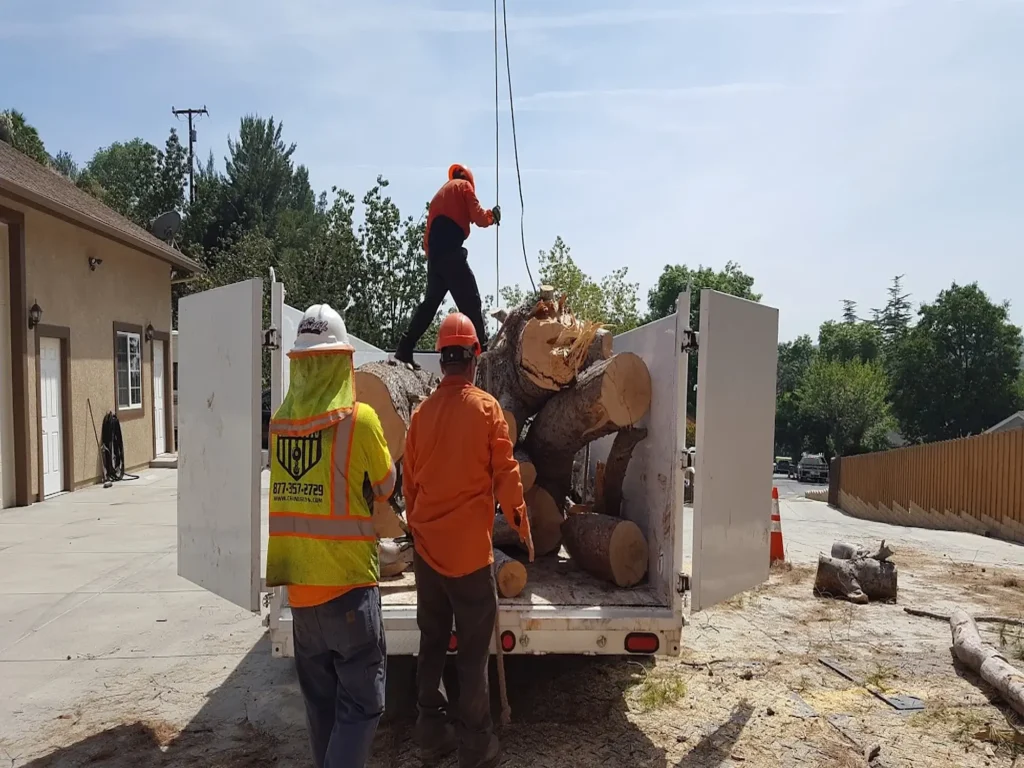
3 AM Tree Emergency: Real Stories from Tip Top’s Emergency Tree Service Calls Tip Top Arborists: 24/7 Emergency Tree Service Excellence ★★★★★ Michael Richardson – Lancaster Homeowner “Called them at 2:30 AM when a huge branch fell across our driveway after the windstorm. They were here within 45 minutes and had everything cleared by sunrise. Professional, fast, and saved our bacon when we needed to get to work!” 2 months ago • Verified Emergency Service Call Executive Summary Emergency Tree Service Excellence: This comprehensive analysis examines real-world emergency tree service scenarios handled by Tip Top Arborists’ 24/7 emergency response team. These documented cases demonstrate the critical importance of professional emergency tree service in Lancaster, CA, showcasing rapid response protocols, advanced emergency equipment deployment, and ISA certified emergency arboriculture techniques. The successful resolution of these emergency situations highlights the expertise required for safe emergency tree service operations, proper emergency equipment utilization, and adherence to emergency response safety protocols in high-stress arboriculture emergencies. Emergency Response Overview & 24/7 Availability Tip Top Emergency Tree Service Protocol Emergency tree service situations don’t follow business hours, which is why Tip Top Arborists maintains 24/7 emergency response capability throughout Lancaster, CA and the greater Antelope Valley. Professional emergency tree service requires immediate assessment, rapid mobilization, and skilled execution under challenging conditions. The emergency tree service team follows a standardized emergency response protocol designed to ensure rapid deployment while maintaining the highest safety standards. This systematic approach to emergency tree service has proven effective across hundreds of emergency calls over four decades of service. Emergency Tree Service Equipment Readiness Professional emergency tree service requires specialized equipment maintained in constant readiness. The Tip Top emergency tree service fleet includes: Emergency Response Vehicles: Fully equipped trucks with emergency lighting and communication systems Portable Emergency Lighting: High-intensity LED lighting systems for safe nighttime emergency tree service operations Emergency Cutting Equipment: Professional chainsaws, pole saws, and specialized emergency cutting tools Emergency Rigging Systems: Portable winches, cables, and rigging equipment for emergency tree removal Emergency Cleanup Equipment: Chippers, debris hauling equipment, and emergency cleanup tools Real Emergency Tree Service Scenarios Case Study 1: The 3 AM Windstorm Emergency Emergency Call Details: 3:15 AM, Saturday morning – Lancaster homeowner reports large oak tree branch blocking driveway and threatening power lines after severe windstorm. Emergency Response: Tip Top emergency tree service team dispatched within 15 minutes of emergency call. Emergency response vehicle arrived on scene at 3:45 AM with full emergency lighting and cutting equipment. Emergency Assessment: ISA certified arborist conducted immediate emergency tree assessment under portable lighting. The emergency evaluation revealed a 24-inch diameter branch weighing approximately 2,000 pounds suspended 12 feet above the driveway, held only by bark connections. Emergency Action Plan: The emergency tree service team implemented controlled emergency removal using specialized rigging equipment. Emergency cutting techniques ensured safe sectioning of the massive branch without property damage or power line contact. Emergency Results: Complete emergency tree service restoration accomplished within 90 minutes. Driveway cleared, debris removed, and property secured. Client able to maintain work schedule despite middle-of-night emergency tree situation. Case Study 2: The Storm-Damaged Tree Emergency Emergency Situation: 11:30 PM, Wednesday – Emergency call reporting complete tree failure across residential street, blocking emergency vehicle access during active storm. Emergency Response Coordination: Tip Top emergency tree service team coordinated with local emergency services to provide immediate emergency tree removal. Emergency tree service operations conducted in active weather conditions with full safety protocols. Emergency Tree Service Challenges: The emergency tree service required working in active storm conditions with limited visibility and challenging access. Emergency tree service team utilized advanced safety equipment and emergency lighting to safely execute emergency tree removal. Emergency Equipment Deployment: Emergency tree service operation required deployment of specialized emergency equipment including portable winches for emergency tree sectioning and emergency debris removal systems for rapid street clearance. Emergency Service Completion: Emergency tree service team completed emergency tree removal within 2 hours, restoring emergency vehicle access and eliminating public safety hazard. Emergency cleanup ensured complete debris removal and street restoration. Case Study 3: The Power Line Emergency Tree Service Critical Emergency Situation: 5:45 AM, Sunday – Emergency tree service required for large eucalyptus tree threatening primary power lines serving 200+ homes after overnight windstorm. Emergency Coordination: Tip Top emergency tree service team coordinated with utility company emergency crews to safely address emergency tree situation. Emergency tree service operations conducted with power company oversight and safety protocols. Emergency Tree Service Complexity: This emergency tree service required specialized techniques for working near energized power lines. Emergency tree service team utilized insulated equipment and maintained safe distances per utility company emergency protocols. Emergency Outcome: Emergency tree service successfully prevented power outage to 200+ homes. Emergency tree removal completed without power interruption or safety incidents. Emergency tree service demonstrated expertise in utility emergency coordination. Professional Emergency Tree Service Protocols Emergency Call Processing & Dispatch Professional emergency tree service begins with proper emergency call processing. The Tip Top emergency tree service dispatch system operates 24/7 with trained emergency operators who assess emergency tree service needs and dispatch appropriate emergency response teams. Emergency tree service calls are prioritized based on immediate safety threats, property damage potential, and public access concerns. This emergency triage system ensures critical emergency tree service situations receive immediate attention while managing multiple emergency calls efficiently. Emergency Safety Protocols Emergency tree service operations present unique safety challenges requiring specialized emergency safety protocols. All emergency tree service team members receive comprehensive emergency response training covering: Emergency Hazard Assessment: Rapid identification of emergency tree service hazards including structural instability, electrical hazards, and environmental dangers Emergency Equipment Safety: Proper emergency equipment deployment and safety procedures for emergency tree service operations Emergency Communication: Coordination with emergency services, utility companies, and emergency management personnel Emergency Medical Response: First aid and emergency medical response training for emergency tree service team members Advanced Emergency Tree Service Equipment Emergency Cutting Technology Professional emergency tree service requires specialized cutting equipment designed for emergency operations. Emergency tree service teams utilize professional-grade chainsaws with enhanced safety features, emergency cutting chains, and emergency bar lengths optimized for emergency tree removal. Emergency cutting equipment includes battery-powered chainsaws for emergency situations
The Singing Saplings: Lore of Melodies Carried on Leaves
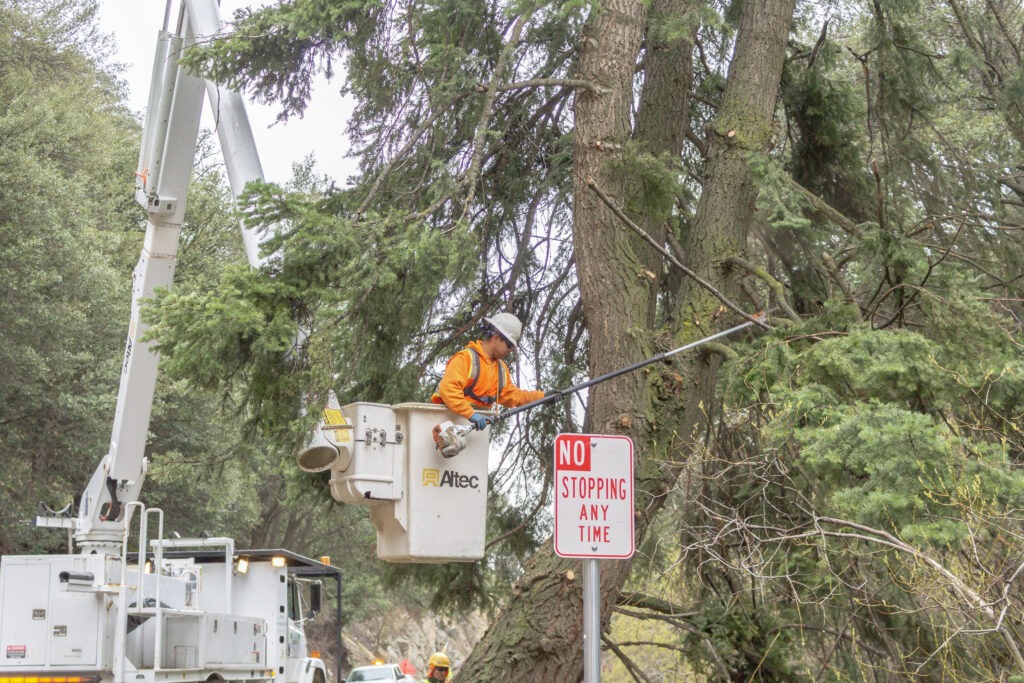
The Singing Saplings: Lore of Melodies Carried on Leaves From the blackened earth of destruction, life often finds a way to rise again. Trees that grow from ruins and ashes stand as powerful symbols of resilience and renewal – living testaments to nature’s remarkable ability to heal, regenerate, and transform even the most devastated landscapes. These roots of rebirth carry ancient promises, reminding us that from endings come new beginnings, and from loss, hope. Across cultures and history, stories abound of trees sprouting from the ashes of fires, the rubble of fallen cities, or the scorched remains of battlefields. These trees are far more than plants; they are monuments of survival, bearing witness to the enduring cycles of destruction and creation that shape both nature and human civilization. In forests devastated by wildfire, certain species such as lodgepole pine and eucalyptus have evolved remarkable adaptations. Their seeds remain dormant inside fire-resistant cones or protected by thick bark, only bursting forth once flames have passed. This dramatic rebirth clears old growth and paves the way for fresh life, a vital renewal in the natural cycle. The tender new saplings pushing up through blackened soil symbolize strength, endurance, and the promise of a better tomorrow. Historical ruins – whether of ancient cities like Rome or Pompeii – often become unexpected gardens where trees take root, transforming desolation into pockets of green and shade. Olive and fig trees, for example, have famously grown through cracked stones and shattered walls, standing as living bridges between past and present. Their roots crack the ruins, their branches reach skyward, nurturing new life atop old memories. The symbolism of trees growing after destruction runs deep in mythology and spiritual traditions worldwide. The phoenix, a legendary bird reborn from fire and ash, is often metaphorically linked to trees rising from devastation. Like the phoenix, these rebirth trees embody the eternal cycles of death and resurrection, teaching that loss is never final and growth can emerge from pain. Native American stories highlight the sacredness of renewal following devastation. Trees growing where fire or conflict once scarred the land are believed to hold spiritual power, serving as guardians of healing. These trees offer shade and medicine to those seeking restoration in body and spirit. In Japanese culture, the cherry blossom or sakura tree symbolizes renewal and the fleeting beauty of life. While not directly tied to ruins, its cycle of blooming and falling echoes the rhythms of death and rebirth, much like forests recovering from disaster. Artists and poets have long been captivated by trees growing from ruins and ash. Paintings depict gnarled roots breaking through stone, fresh leaves unfurling against backgrounds of decay – quiet yet powerful symbols of resilience. Poetry often celebrates the silent strength of new growth emerging from loss, reminding us that life persists in even the harshest conditions. On a practical level, planting trees in disturbed or ruined lands has been a timeless practice of restoration and hope. After wars, floods, or fires, communities turn to trees as symbols of peace and healing. To plant a tree among ruins is to cast a vote for life, a hopeful gesture toward the future despite present hardships. Ecologically, these trees play crucial roles in ecosystem recovery. Their roots stabilize soil, prevent erosion, and create habitats for wildlife returning to the area. As forests regrow, they capture carbon, purify air, and restore environmental balance – illustrating the profound interconnection of resilience and renewal in nature. The roots of rebirth remind us that resilience is not just survival but transformation. Trees rising from devastation often create entirely new landscapes and ecosystems, offering lessons in patience, adaptation, and the sacredness of second chances. So next time you pass a lone tree growing amid rubble or a forest reborn from fire, pause to honor its story. Imagine the strength it took to push roots through ash and stone, to stretch branches toward light after darkness. Within that single tree beats the heartbeat of renewal – a living promise that no matter how deep the fall, life will rise again. Did You Know? Lodgepole pines can produce millions of seedlings in the year following a major fire – thanks to cones that open only in extreme heat, creating a dense new forest from ash and light. Eucalyptus trees such as Mountain Ash or Snow Gum regenerate via epicormic shoots or fire‑released seeds, often dominating fire‑affected landscapes within just a few years Across world mythologies, the phoenix – a bird born anew from its ashes – is paired symbolically with trees that rise from fire, reinforcing themes of renewal and hope across both nature and art FAQs About Talking Trees How do trees grow after wildfires? Some species have fire-resistant seeds or bark that protect them, allowing rapid regeneration after a fire. Why do trees grow well in ruins? Ruins often offer open space, sunlight, and nutrient-rich soil from decayed materials, making ideal conditions for trees to take root. What does a tree growing from ruins symbolize? It symbolizes resilience, renewal, and hope—the ability to start anew after loss or destruction. Have questions about the trees in your own yard? Tip Top Arborists is here to help you care for your living legends. Let our certified arborists provide expert guidance for a lifetime of healthy trees. Contact Us Today