Location: Springfield
Service: Corrective Pruning Review
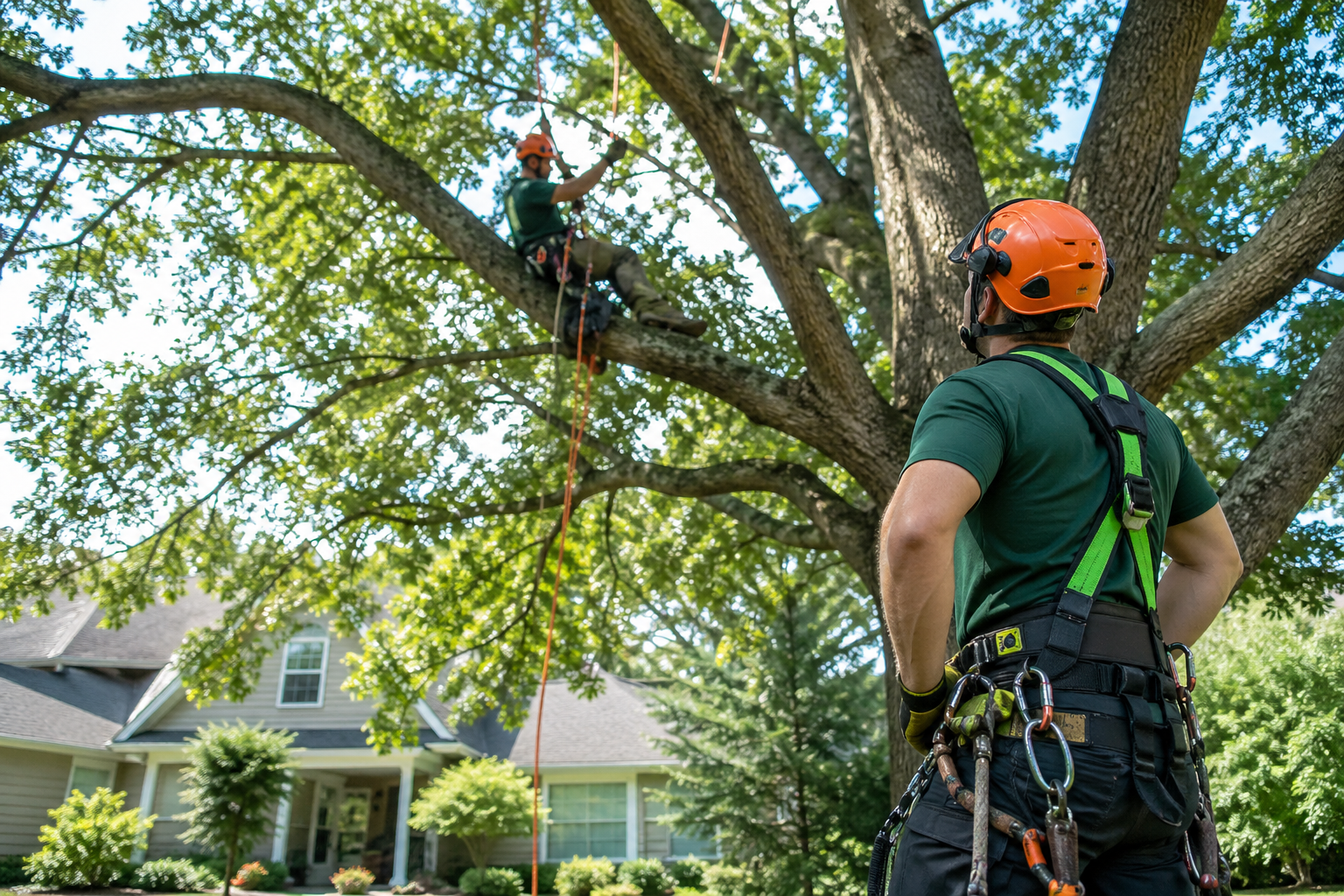
Equipment Used / Tools: Professional pruning saws, hand pruners, pole pruners, safety harness & climbing gear
Crew: Certified arborist-led Tip Top Arborists team with skilled pruning specialists
Completion Time: Completed within a few hours
Sam Carter, a homeowner in Springfield, reached out to Tip Top Arborists seeking professional advice and services for his aging oak tree. The tree had developed several structural issues over the years, including overcrowded branches and weak limbs, posing potential safety risks and diminishing its overall health.
Sam was concerned about the safety of his family and property, as some branches appeared unstable and there was noticeable dieback. His goal was to improve the tree’s structure and health while preserving its natural beauty. Sam needed an expert corrective pruning review to identify problems and recommend tailored solutions without causing unnecessary damage.
At Tip Top Arborists, we prioritize a thorough assessment before any pruning work. Our certified arborist conducted a detailed evaluation of Sam’s oak tree. This included examining branch health, tree architecture, signs of disease, and potential hazards. Corrective pruning is a specialized process focused on reducing weaknesses and encouraging a strong framework for future growth.
Based on the assessment, we developed a strategic pruning plan designed to:
Our team used precise pruning techniques to target problematic areas without overcutting. We adhered to industry best practices, ensuring cuts were clean and made at proper locations to promote rapid healing. Safety was paramount during the operation, both for our crew and Sam’s property.
Throughout the process, we kept Sam informed, explaining each step to help him understand how corrective pruning would benefit his tree’s health and stability.
“I’m very satisfied with the transparency and professionalism of Tip Top Arborists. Their corrective pruning has made my tree healthier and much safer.”
The corrective pruning significantly improved the oak tree’s structure. The removal of crowded and weak branches reduced the risk of limb failure, enhancing safety for Sam’s family and neighbors. Increased sunlight and airflow revitalized the tree’s canopy, encouraging healthy growth for upcoming seasons.
Sam expressed high satisfaction with the transparency and professionalism of Tip Top Arborists. Our expert recommendations and quality work gave him peace of mind and confidence that his tree is now safer and healthier.
Through expert corrective pruning, Tip Top Arborists helped Sam Carter restore the safety and vitality of his oak tree. Our careful review and targeted trimming ensured the tree will thrive for years to come. If you face similar tree health challenges, contact Tip Top Arborists for a detailed corrective pruning review that protects your property and enhances the natural beauty of your landscape.
Contact Tip Top Arborists Today
Call us at (555) 123-4567 or visit www.tiptoparborists.com to schedule your corrective pruning review and keep your trees healthy and safe.
A corrective pruning review is a professional assessment of a tree’s structure, health, and potential risks. It helps identify weak, dead, or overcrowded branches and provides a plan to improve safety, promote healthy growth, and maintain the tree’s natural shape.
Corrective pruning removes dead or diseased branches and reduces overcrowding, allowing better airflow and sunlight penetration. This process strengthens the tree’s structure and encourages healthier growth over time.
Most trees benefit from a corrective pruning review every 1–3 years, depending on their condition, age, and environment. Regular assessments help prevent hazards and keep trees strong and healthy.
Contact Tip Top Arborists today for safe, reliable, and expert tree care services.