How Far Apart To Plant Trees in Your Yard

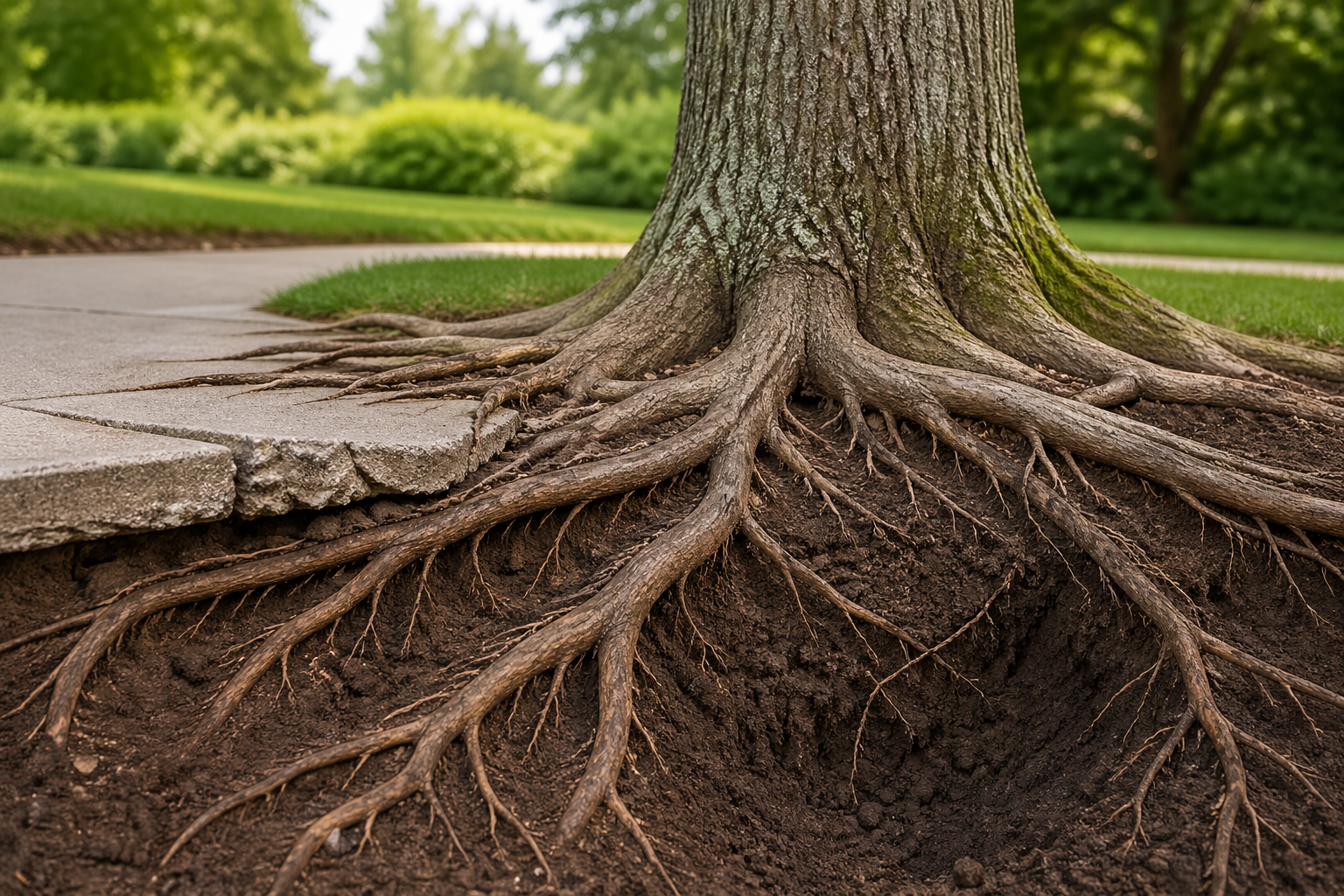
Thinking about adding new trees to your yard for shade, privacy, or just to make your landscape more beautiful? One of the first things you’ll want to figure out is how far apart to plant trees. It might not seem like a big deal now, but spacing makes a huge difference as they grow. As a trusted tree service in Tehachapi, CA, we’ve removed our fair share of trees planted too close together. Giving them the right amount of room now can save headaches later. Tree Spacing Depends on Mature Size Trees might start small, but they don’t stay that way for long. One of the most important things to consider is the tree’s mature size—how tall and wide it’ll get when fully grown. A sapling may look like it fits perfectly in that space today, but give it 10 or 20 years, and its canopy spread and root growth might be double what you imagined. Tree spacing depends on the type of tree. For example: Small ornamental trees can usually be spaced about 10 to 20 feet apart. Medium trees may need 20 to 30 feet. Larger trees require at least 30 to 50 feet. The takeaway? Don’t just plant based on today’s size; plan for the future tree you’ll be living with. Consider Root Growth and Soil Conditions Root growth can extend further out from the tree trunk than you expect. Most stretch out as wide (or wider) as the canopy.  When you plant trees too close together, their roots will compete for water and nutrients, especially in Tehachapi’s often dry soil conditions. Ultimately, this prevents all the trees from thriving, resulting in weak and stunted growth. Good spacing also helps air circulate between trees, which lowers the risk of disease and gives each tree room to grow. How Tree Spacing Affects Landscape Design When considering your overall landscape design, space the trees to complement the layout of your yard and work in harmony with existing gardens, hardscaping, and features like swimming pools and decks. Tree spacing shapes the look and feel of your yard. For example, if you want a privacy screen, plant them a bit closer together; if you want to keep things open and airy, give each tree its own space. Also, think about how close you’re planting to your home. As a rule of thumb, keep trees at least half to two-thirds the width of their mature canopy away from your house. This helps prevent roof damage and reduces the risk of branches falling during storms. Let Tip Top Arborists Help You Plant Trees Perfectly  If you’re still unsure how far apart to plant trees in your Tehachapi, CA yard, Tip Top Arborists can help. We’ll assess your property, look at your existing trees and soil conditions, and help you plan the perfect tree layout for beauty, function, and long-term health, even when planting a tree after stump grinding. Contact us at (661) 942-5501 to get started today. 
Do Trees Add Value to Your Property?

Some homeowners avoid planting trees because they don’t want to deal with time-consuming projects like leaf raking, fertilizing, and more. However, they miss out on the opportunity to increase their home’s value. This begs the question: Do trees add value to your property? Discover the answer below from Tip Top Arborists, a trusted provider of tree services in Bear Valley Springs, CA.  Trees Enhance Curb Appeal, Which Attracts Buyers Say two homes have the exact same style but have vastly different landscapes. One has beautiful, vibrant trees strategically placed around the yard, while the other is completely bare. Which home do you think would draw your attention first? All it takes is one stunning tree canopy to improve curb appeal and make your home more desirable. If you plan on selling, your robust landscape could cause buyers to offer more than they would on a house without as much visual appeal.  Your Home Can Become More Energy Efficient Thanks to Planted Trees How do trees add value to your property? Believe it or not, they can make your home more energy efficient.  One of the biggest environmental benefits of planting trees is that they help keep your home cool. With several structures towering over your home, the leaves will block the sun from hitting your roof. This ultimately keeps your indoor temperature lower so you can use your air conditioner less during the sweltering summer months.  If you want an abundance of shade, trees will certainly come in handy. The boost in property value and energy efficiency is another excellent perk.  Use Tree Aesthetics To Increase Privacy One thing many buyers value when looking for homes is privacy. Would you want a backyard where your neighbors can see your every move or one that is a bit more private? Consider planting trees around the area to create a more secluded space.  Work with a certified arborist to find the right species for your property. Popular varieties to plant include: Maples Oaks Elms Hickories Experts will help you choose a tree that will thrive in your climate and even recommend spots in your yard where it will grow tall.  Maintain Excellent Tree Health To Raise Your Property Value Keeping well-maintained trees on your property can significantly increase the value of your home. However, if you aren’t careful, you may find your home’s worth depreciating.  Consider how a dead tree impacts curb appeal, energy efficiency, and privacy. Without any lush leaves, the structure won’t shade your home or shield your yard from nosy neighbors. Your curb appeal will also suffer until you remove the eyesore.  Failing to care for your vegetation can have this adverse effect. Prioritize the best tree care practices to avoid an unwanted decline in property value.  Contact Tip Top Arborists for Tree Maintenance Services Not only do trees add value to your property, but they also make for beautiful landscapes full of shady spots. Discover the advantages of backyard trees and tend to them properly with the help of Tip Top Arborists. Call (661) 942-5501 to schedule a service today!
Why Is Your Tree’s Trunk Turning Black in Stallion Springs, CA?

tree trunk turning black

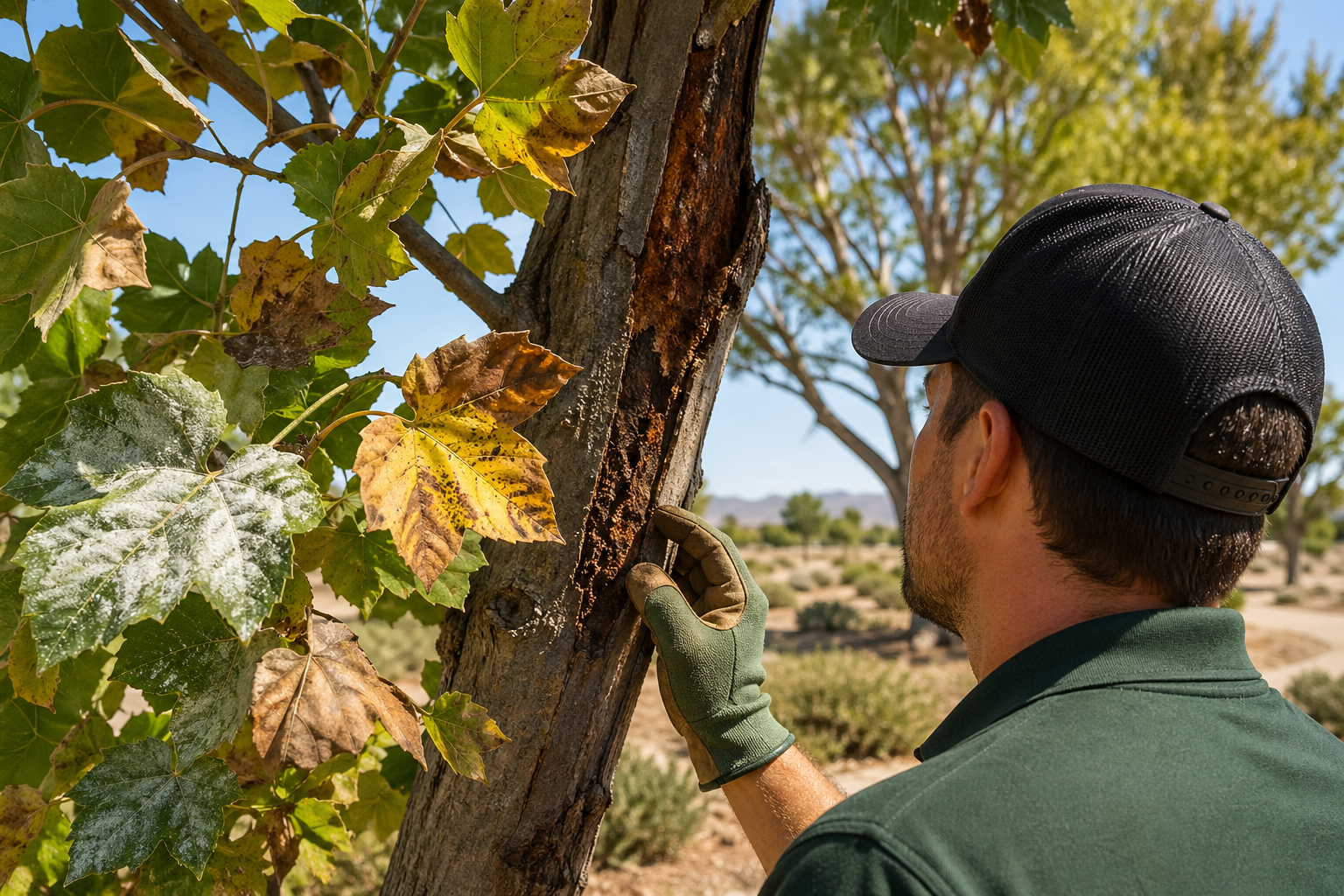
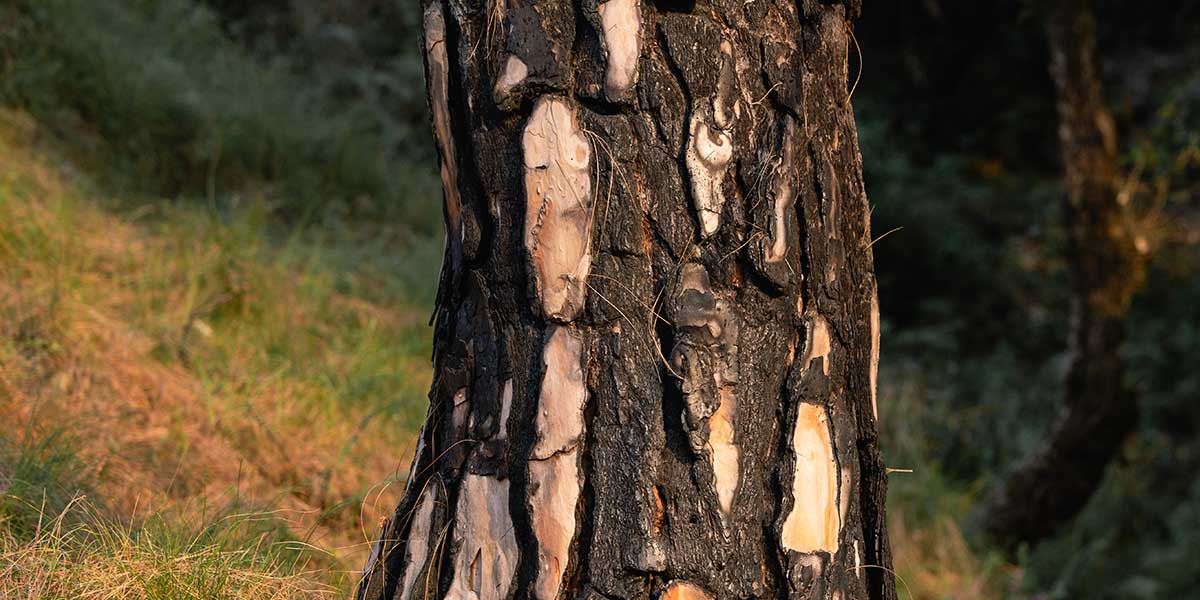
Noticing a tree trunk turning black can be concerning. This often indicates an issue that, if left unattended, could cost the tree its life. However, enlisting tree services in Stallion Springs, CA, can help restore your tree to health and prevent future problems.  So, why do tree trunks turn black in Stallion Springs? Explore a few reasons and what to do next.  Reasons a Tree Trunk Might Turn Black  A tree trunk turning black is usually not an innocuous sign. Instead, it indicates that the tree is struggling with a disease, pest infestation, or another stressor. Doing nothing will only cause the tree’s health to worsen, putting it at risk of falling and damaging your property.  Why might a tree trunk turn black? These are a few of the most common reasons:  Tree stress: At a general level, blackened bark indicates that a tree is experiencing stress. It might have endured damage from a windstorm or lightning, or it may not have access to the proper nutrients in the soil. The bark might turn black as a stress response.  Bacterial infections: Several bacterial infections can also create a blackened appearance. Fire blight, caused by the bacterium Erwinia amylovora, gives tree trunks a burnt appearance. Bacterial wetwood produces a black, oozing liquid, while bacterial cankers create dark, open wounds along the trunk.  Fungal infections: Your tree might have developed a fungal infection due to excess watering and poor soil drainage. For example, Verticillium wilt is a fungal infection that impacts a tree’s water uptake, causing the trunk to blacken over time.  Pest problems: Certain pests, such as the emerald ash borer, hemlock wooly adelgid, and spongy moth, can also create a blackened appearance.  What To Do When You Notice a Tree Trunk Turning Black  As soon as you notice a tree trunk turning black, call your local tree services company to perform a health assessment. They will inspect the trunk for signs of tree disease or pest infestation. They will also consider environmental factors that may be placing stress on the tree.  After determining the cause of the blackened trunk, arborists will create a treatment plan based on the tree’s health and potential for recovery. This might include:  Pruning infected branches Applying fungicides to kill fungal infections Using insecticidal soap to control infestations Fertilizing the tree to help it recover from stress Improving soil drainage to treat root rot They might implement several of these treatments, then return to your property after a few weeks to evaluate the tree’s progress.  In some cases, if the fungal infection or tree disease has become too severe, the best option may be to remove the tree to eliminate the hazard.  Schedule a Tree Health Assessment Today Dealing with tree sickness might feel stressful or overwhelming, but our certified arborists are here to handle the entire process for you. We’ll determine why your tree’s trunk is turning black and implement custom solutions to give it the best chance of recovery.  Call Tip Top Arborists today at 661-942-5501 for a free estimate in Stallion Springs, CA. 
Why Are Your Tree’s Leaves Turning Brown in Summer?

why are tree leaves turning brown

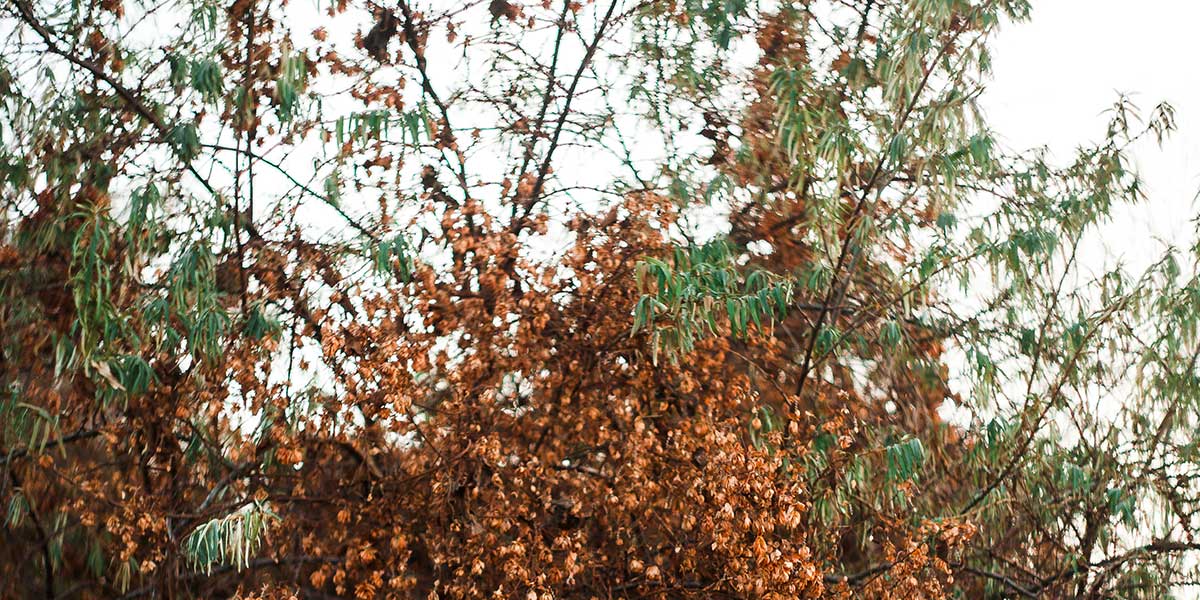
It’s the middle of summer in Antelope Valley, and the sun is blazing. You’re hanging out in the backyard, soaking up the California sunshine, when you notice that your favorite shade tree has brown leaves. What’s the deal?  Before you panic and start reaching out to tree services in Quartz Hill, CA, to take down what’s almost certainly a dead tree, realize that you’re not alone. Many local homeowners call us asking, “Why are tree leaves turning brown in the summer?” There’s more than one reason you might notice crispy, discolored leaves on your tree, and not all of them mean it’s a goner. 1. Heat  What’s the most likely reason for leaves turning brown? Heat.  Quartz Hill temperatures often reach or exceed 100 degrees. Heat is one of the most common environmental stressors for trees, and when it’s scorching outside, they may start shedding or browning their leaves as a survival move. Removing leaves helps the tree conserve water and energy, allowing it to survive until next year. 2. Not Enough Water — Or Too Much  Brown leaves can also indicate drought stress. Thirsty roots can’t support the leaves, which will turn brown and fall off.  But there’s a twist: sometimes, too much water causes brown leaves. Overwatering can suffocate the roots, especially in our clay-heavy soil. If your tree’s leaves are turning brown at the edges but still hanging on, that usually means it’s not happy underground. To determine whether water is the answer to “Why are tree leaves turning brown?” dig a few inches below the surface. If the soil feels soggy, give it a break. If it’s dry, give the tree a good, long drink.  3. Sunburn  Did you know your trees can get a sunburn? It’s called “leaf scorch,” and it results in leaves that are brown with crispy edges. Sunburn is especially common on young or recently pruned trees. You can protect the tree by applying a layer of mulch around its base. This helps the roots retain moisture and stay cool.  4. Bugs and Fungal Infections  If the brown leaves have weird spots, holes, or sticky residue, pests or fungi may be the issue. In Quartz Hill, pest infestations (like aphids and scale insects) are frequent troublemakers. Call an arborist to ID the problem and treat it before it really does kill the tree. 5. Over-Fertilization  A soil nutrient deficiency can cause brown leaves, but overfeeding the tree can also cause harm. Too much of a good thing can burn the roots or foliage, so space out the feedings and use the correct amount and type of fertilizer to keep the tree healthy. Keep Calm and Call Tip Top Arborists Brown tree leaves in summer can mean many things, and most aren’t a death sentence. But if you need a straight answer to “Why are tree leaves turning brown?” call Tip Top Arborists in Quartz Hill, CA, at 661-942-5501. We can answer the trickiest questions (like providing an explanation for a dead tree with green leaves) and help you keep your trees looking their best.
Five Signs of Insect Infestation in Trees You Should Not Ignore

insect infestation on trees

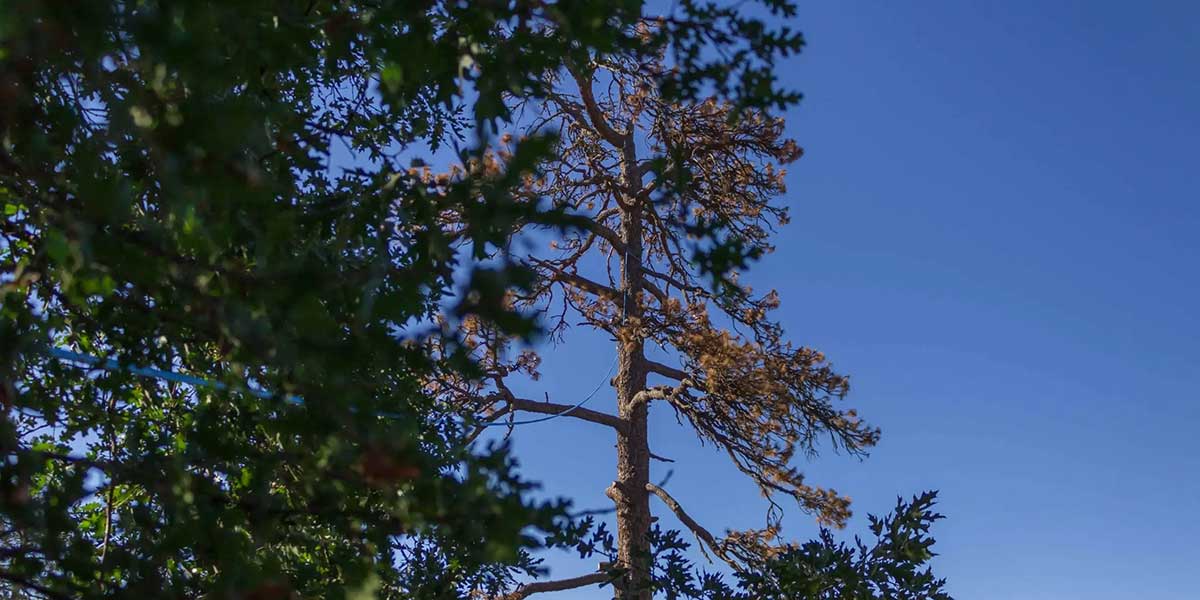
Countless insects happily live on the bark, branches, and leaves of trees without issue. The trouble arises when insects infest trees, boring into the bark, laying eggs, and wreaking havoc on the plant’s health. When this happens, you need professional arborists to mitigate the infestation and save your tree.  Watch out for these five signs of insect infestation in trees from Tip Top Arborists, providing professional tree services in Tehachapi, CA.  1. Leaf Death or Loss One of the most obvious signs of tree infestation involves the leaves. Typically, leaves should look vibrant and strong. They should not fall from trees outside autumn months or appear brown, curled, or holey.  If you notice the leaves falling off branches prematurely or turning yellow or brown, this could indicate that insects have begun boring into the trunk and cutting off the nutrient supply. While you may not see the pests yet, leaf loss and death are signs of serious issues you need a professional arborist to address.  2. Holes in the Trunk or Branches Tree pests often bore into the trunk or branches, feeding on the tree’s interior or laying eggs. As a result, you may notice small holes, which are another sign of insect infestation in trees.  These holes may not be noticeable from far away. That’s why it’s a good idea to inspect the trunk health up close every so often. Look for small or large holes across the bark.  3. Excessive Presence of Bugs Many homeowners believe that if their tree is infested with bugs, they will be able to see the critters. This is sometimes true but not always. Often, the insects live inside the tree, only becoming visible once the infestation has worsened and the plant is nearing the end of its life.  Still, if you notice an excessive insect presence on your trees, this is cause for concern. If you can, snap a photo of the bugs and send it to your arborist. They can identify the species and immediately create a pest control treatment plan.  4. Stunted Growth One of the less obvious signs indicating tree health issues is stunted growth. This is particularly concerning in young trees, as it indicates that something has cut off the plant’s nutrients and inhibited its ability to grow. Without intervention, it will eventually die.  If you are concerned about tree health and growth, don’t hesitate to contact an arborist for assistance. 5. Debris That Looks Like Sawdust Sometimes, boring insects create such small holes that you can only see them with a magnifying glass. But you can also look for another sign of insect damage in trees: debris around the trunk resembling sawdust. This indicates that insects have begun making holes in the tree, leaving sawdust behind. 
Spring Preparation: Unlock the Ultimate 2 Steps to Thriving Fruit Trees

Fruit Tree Care, Fruit Tree Health

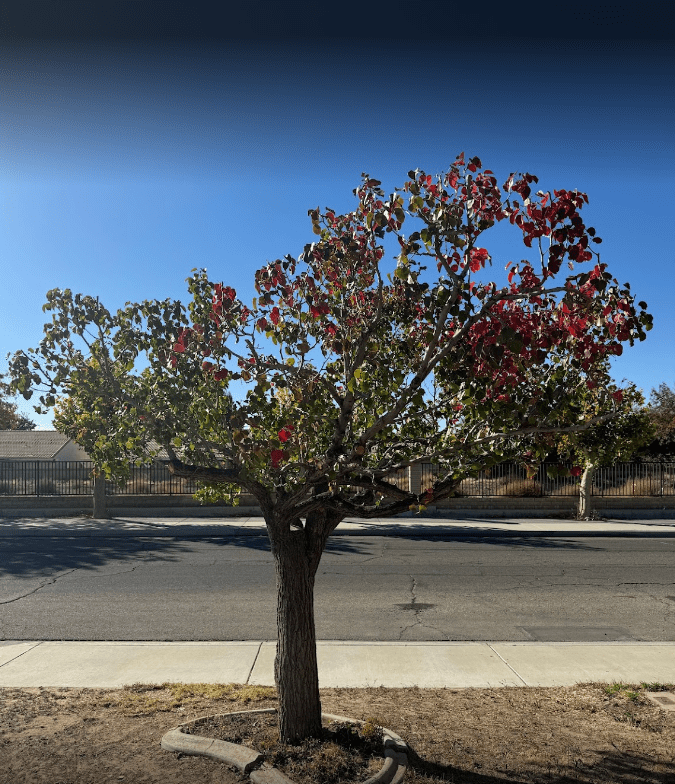
Spring Preparation: Tips for Fruit Tree Care as Winter Ends As winter comes to a close and spring begins to bloom, fruit trees are about to put on their vibrant display of colors. For those who cherish their bearing trees, it’s a labor of love to keep them happy, healthy, and thriving. Here’s how you can prepare your fruit trees for a bountiful harvest this spring. Minor Spring Pruning: The Final Touches While major trimming should be avoided at this stage, minor pruning is still beneficial. It helps maintain the tree’s shape, promotes healthy growth, and removes any dead or damaged branches. This is crucial for ensuring your trees are ready for the new season. The Power of Dormant Oil Dormant oil is a vital tool in fruit tree care. It’s used to protect your trees from pests like aphids, mites, and scale insects by coating and suffocating them before they become active. Additionally, dormant oil helps prevent fungal diseases, which can significantly impact your harvest. When to Apply Dormant Oil Timing is everything when it comes to applying dormant oil: Temperature: Wait until temperatures consistently stay above 40°F (4°C). This ensures the oil can effectively coat the tree without freezing. Bud Swelling: Apply the oil before the buds begin to swell. This is typically when the tree is still in its dormant phase but just before new growth starts. Weather Conditions: Choose a calm day to apply the oil. This reduces drift and ensures the oil covers the entire limb and trunk structure evenly. Why Proper Care Matters Taking care of your fruit-bearing trees is essential for a successful harvest. By pruning and applying dormant oil at the right time, you’re setting your trees up for optimal health and productivity. Here are a few reasons why this care is so important: Healthier Trees: Pruning and pest control help prevent diseases and infestations that can weaken your trees. Better Fruit Quality: Healthy trees produce better quality fruits and nuts, making your labor of love truly rewarding. Increased Yield: Proper care can lead to a more abundant harvest, giving you more to enjoy and share.  Spring Preparation  with Tip Top Arborists If you’re unsure about how to care for your fruit trees or need professional assistance, Tip Top Arborists is here to help. Our team of experienced arborists can guide you through the process and ensure your trees receive the best care possible. Contact us today to schedule a consultation and let us help you prepare your fruit trees for a vibrant and fruitful spring. Join the Tip Top Arborists Family If you’re looking for a reliable and passionate team to care for your trees, look no further. Whether you need routine maintenance or a one-time service, we’re here to help. Take advantage of our limited-time offer for tree trimming and experience the difference for yourself. Why Choose Tip Top Arborists? Awards and Accreditations We’re proud to be a TCIA-accredited and ISA-certified company. These recognitions reflect our commitment to excellence and our adherence to industry standards. Our team is dedicated to delivering exceptional service, ensuring 100% customer satisfaction. Call Us Today for More Information: (661) 942-5501 Let us help you nurture your trees and enhance your outdoor space. With Tip Top Arborists, you can trust that your trees are in the best hands.
Do Trees Really Need Fertilizer To Stay Healthy?

do trees need fertilizer

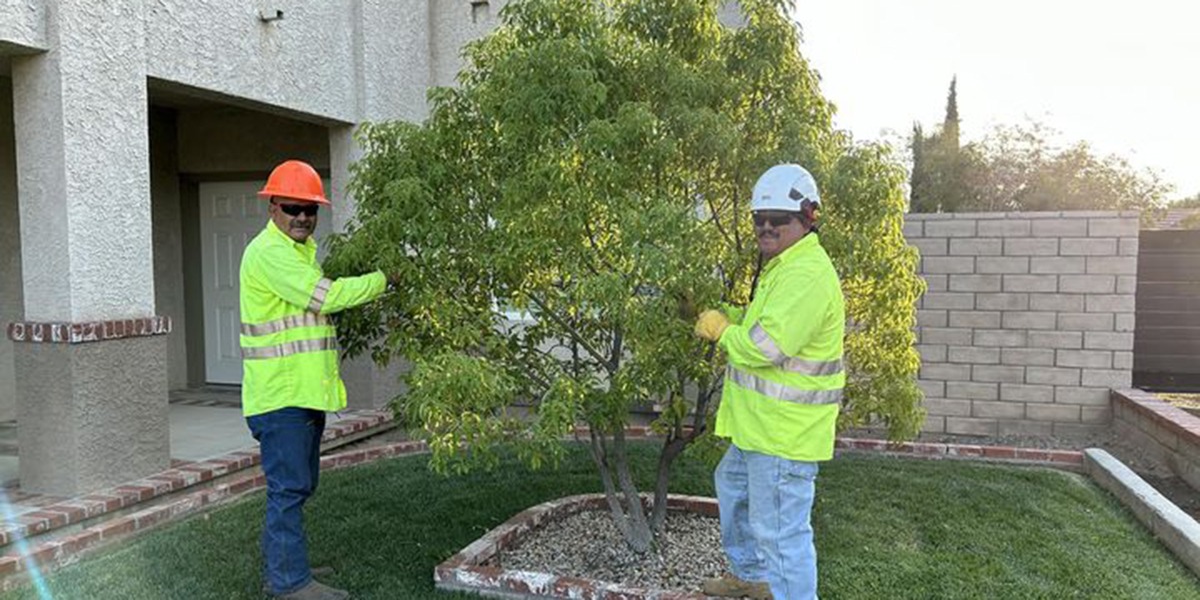
You may have heard that you should fertilize the trees on your property to keep them healthy and aid their growth. But is this tip akin to ones like “You should only water your lawn during a full moon”? Or does it actually have some weight to it? Learn more about the answer to “Do trees need fertilizer to stay healthy?” from Tip Top Arborists, offering expert tree services in Leona Valley, CA. What Does Fertilizer Do for Trees? Trees need nutrients to maintain their health and growth patterns. Nitrogen, phosphorus, calcium, and potassium are all important nutrients. Traditionally, plants absorb these from the soil, taking them into their roots and storing them in the leaves and other parts.  But if the soil health is not reliable enough to readily provide these nutrients to the tree, it will begin to suffer. Tree fertilization supplements the vitamins and nutrients found naturally in the soil. It includes a careful blend of components designed for that species, delivering precise amounts of tree nutrients.  Is Fertilizer Necessary for Every Tree?  Fertilization offers numerous benefits for trees. It replenishes lost nutrients, helps mature species maintain their growth, and allows young ones to grow faster and stronger. But this treatment is not necessary for every tree.  Applying fertilization only does any good if a plant is experiencing nutrient deficiencies. This process also is not a one-size-fits-all solution. To see the most benefits, you’ll need to apply the right type of fertilization with the correct balance of phosphorus, nitrogen, calcium, and potassium for that species.    The best way to determine which trees need fertilizer is to conduct a soil test. Professional arborists can check for the nutrient levels in the soil surrounding the trunk and then determine what the species is lacking. They can then create a special fertilization blend to make up for any deficiencies.  What Happens If You Apply Fertilizer Unnecessarily?  When researching “Do trees really need fertilizer?” you may assume it is safer to simply fertilize every tree in your yard. This guarantees that all of the plants have access to the nutrients they need. Unfortunately, overfertilizing may be just as dangerous as failing to apply fertilizer when necessary.  When trees receive too many nutrients, it can inhibit their water intake through osmosis. This leads to leaf scorch, in which the leaves turn brown prematurely and drop. You may also notice stunted tree growth and root damage after prolonged overfertilization.  Also, not every species requires the same amount of nutrients. Some California natives do better with nutrient-poor soils. You should reserve fertilizer application only for the ones that are deficient.  Turn to Our Certified Arborists for Guidance Do trees need fertilizer to stay healthy? Some companies will tell you that every tree requires fertilization. At Tip Top Arborists, we know this treatment is only necessary in certain circumstances.  Allow us to quash this and other tree care myths to help you support the health and longevity of the species on your property. Contact us today at 661-942-5501 to request a free estimate.
Can a Dead Tree Have Green Leaves in Acton, CA?

can a dead tree have green leaves​

If you live on a property with abundant foliage, you know how beautiful and serene it is, encouraging wildlife, giving you privacy from your neighbors, and reducing energy costs.  Can a dead tree have green leaves? If you’re asking this question, you’re likely dealing with some of the disadvantages of a full landscape. An unhealthy canopy is problematic and can lead to serious issues, such as causing damage to your home or vehicle and posing threats to you and your loved ones. If you need professional assistance, Tip Top Arborists provides tree service in Acton, CA. We’ve crafted the following blog post to help you better understand tree health. How To Know If Your Tree Is Unhealthy Trying to figure out if a tree is dead can leave you bewildered and unsure whether it is viable or should be removed. Either way, you will need a professional inspection. Here are several tree health indicators that let you know yours is sick. Bark Damage While bark is often self-healing, if you’ve noticed unhealthy bark fully surrounding your tree, this is a dangerous pattern called girdling. Girdling indicates extreme bark damage, and while trees facing this issue can survive, we recommend contacting a professional arborist to diagnose it. Dead Branches Have you found dead branches on the ground or randomly dropping off? Do the limbs appear dry and brittle? Dead branches fall when they lose the ability to bend in the wind. It’s best to have them removed immediately before they cause more serious problems. Decaying Wood Fungal growth and mistletoe infestation are telltale signs of decaying wood. Moist conditions stimulate and encourage these unhealthy growth patterns. Dying or Missing Leaves So, can a dead tree have green leaves? While the simple answer to this question is yes, after the weather shifts from winter to spring, you should notice new foliage beginning to sprout. If you don’t notice signs of leaf retention or growth, consider getting an expert assessment. A Final Sign of Poor Tree Health An uneven growth pattern is another sign of poor tree health. If the trunk or branches lean in one direction, this issue could be caused by a lack of water or nutrient transport from the soil, improper pruning, or storm damage. The Importance of Tree Health Understanding how healthy trees get sick is critical for the vitality of your landscape. Tip Top Arborists has the expertise to get to the root of the issue. We provide comprehensive tree services, from diagnosing diseases to professional landscape planning. Our team of ISA-certified experts has earned a reputation for being reliable, trustworthy, and fully committed to customer satisfaction. Book Tree Service in Acton, CA If you’ve been grappling with questions like, “Can a dead tree have green leaves?” you likely have additional landscape concerns. For complete service, including a tree structure assessment, look no further than Tip Top Arborists. Request a free estimate or contact us at (661) 942-5501.
Five Benefits of Trees in Your Yard

benefits of trees in your yard

Do you have very few or even no trees in your yard right now? You might be missing out on the many benefits that come along with having trees on your property. Change this by hiring one of the best tree services in Lancaster, CA, to plant new trees. Although it might take them time to grow tall, it won’t be long before you’re soaking up all they have to offer. Here are the top five benefits of trees in your yard. 1. Deliver Shade Is the hot sun constantly beating down, making it impossible to enjoy outdoor time? One of the biggest benefits of trees in your yard is that they will provide plenty of shade. This shade will make it easier to spend more time outside. It will also cool off your yard and possibly even your home. 2. Offer Energy Efficiency Are your energy bills getting out of control? Planting trees might be an effective way to bring them back down to earth. Well-positioned trees will prevent the sun from shining directly into your home all day long, making it more comfortable without you constantly having to run your HVAC system. This will save you money on your energy costs and make your home more energy efficient. 3. Welcome More Wildlife Planting more trees in your yard will help you do your part to protect the environment by minimizing the energy your home uses. It will also help Mother Nature by cleaning the air in your area and stopping pollution from wreaking havoc on it. But these aren’t the only eco-friendly benefits of trees. They will also invite more small wildlife into the vicinity, giving you access to nature in your own back yard. 4. Improve Curb Appeal Planting new trees in your back yard might not do much to improve your home’s curb appeal. If, however, you plant them in the front yard, they may work wonders for its overall appearance. If you’ve been brainstorming different ways to enhance your home’s curb appeal, planting new trees might be the best solution. 5. Provide Fun The more trees you have in your yard, the more you can incorporate them into recreational activities and use them for fun. For example, you and your fellow family members may want to climb these trees. You might even wish to invest in a tree house. Trees will set families up with hours of fun. It’s just one more of the benefits of trees in your yard to keep in mind when you’re considering planting more of them. Call Us To Start Enjoying the Benefits of Trees in Your Yard Do you want to see how the benefits of trees in your yard can positively impact your life? Let Tip Top Arborists help you plant new trees in the right places. We will also assist you with maintaining existing trees and talk to you about the dangers of cutting tree roots while caring for them. Contact us at (661) 942-5501 to request a free estimate.