
The Complete Guide to Desert Tree Care in the Antelope Valley
Taking care of trees in the Antelope Valley’s desert environment can seem challenging. With intense heat, dry soil, and unique local conditions, desert trees need special attention to thrive. This guide from Tip Top Arborists will equip you with certified advice to keep your trees healthy and beautiful all year round.
Understanding Desert Trees in the Antelope Valley
Trees in the Antelope Valley endure one of the driest, hottest conditions in Southern California. This high desert region experiences long summers with temperatures often above 90°F and very little rainfall, averaging less than 6 inches per year. Trees that thrive here develop deep root systems and tough bark to protect themselves.
Many native species have adapted to survive severe droughts and nutrient-poor soils. When caring for these trees, recognizing their resilience and understanding their limitations is key. Overwatering or choosing non-native species can often do more harm than good.
– Antelope Valley receives less than 6 inches of rain annually, classified as a desert climate (National Weather Service).
– Desert trees tend to have slow growth rates due to harsh environmental conditions.
– Native trees like the Palo Verde and Joshua Tree are ideal because they have evolved to thrive naturally.

ISA-Certified Arborist Oversight
Every removal starts with an on-site assessment so the method matches the tree, the risk, and the property layout.
Controlled Removal Methods
Sectional removal and rigging when needed to protect roofs, fencing, hardscape, and surrounding trees.
Full Cleanup Included
We remove debris and leave the area clean and safe, with wood handling options available if requested.
Best Tree Service in the
Antelope Valley
TESTIMONIALS
What Our Customers Are Saying
At Tip Top Arborists, we are passionate about delivering quality that you can trust. From our customer service to our high standards for tree removal, you will always have peace of mind with our tree care experts.

 Susan Hyder
Trustindex verifies that the original source of the review is Google.
We contacted Tip Top Arborists to help us with our dying mimosa tree. Jason came out and was extremely knowledgeable, professional, and personable. He diagnosed our tree and told us what they could do to help us save it. The work was done in a timely manner, and we were pleased with the results. Unfortunately, our tree died some time later (no fault on their part.). Tip Top came out and removed it for us at an extremely reasonable price. Everyone in the company from the owner Jim, the arborist Jason, the secretary, and all the workers were very professional, caring, and truly wanted the best for us. I would recommend them to anyone anytime! Johnny DTip Top Arborists are hands down simply the best. Forget about all the rest. As a real estate professional serving SoCal since 1999, both myself, my neighbors, and clients alike have tried them all. I rarely make recommendations and very careful when I do unless 100% confident in repeat outstanding service over several years, but Tip Top is one company I can recommend without hesitation with a review long overdue. 1. Tip Top are highly trained licensed Arborists, not just tree trimmers. That's like comparing a Culinary Master 5 Star Chef to a burger flipper. Seriously. 2. They have top of the line newer equipment, safety gear, and multiple trucks/ crews able to handle any size job big or small ( They even sterilize their tools so as not to contaminate your trees from previous jobs, similar to a surgeon when performing surgery. Makes total sense, yet Tip Top are the only ones I have ever seen do that ) 3. Tip Top consistently shows up on time, crews work safely and efficiently, are super nice. They do a fantastic job, clean up afterwards and leave your grounds spotlessly clean. ( In most cases cleaner than when they got there! ) 4. There's a reason both City of Lancaster and Palmdale choose Tip Top Arborists as their official tree service in their communities. 5. Very importantly, Tip Top is fully insured and carry workman's comp insurance to fully protect you. Why is this important? Here's just one out of many like this I have personally witnessed... a neighbor whom hired a different company simply because they quoted a lower price. The other co. got injured on my neighbors property while doing the job and then sued my neighbor for liable because the other tree co. didn't have the proper insurance coverage! What? Yes sad but true story. The other co. told my neighbor they had insurance, when they really didn't because they let it lapse due to high premiums. Yikes! Explains how they were able to beat Tip Tops quote. ( Seems like while saving overhead, the other co. didn't care much about my suffering neighbors head. My neighbors stress was through the roof ) Bottom line, if you want peace of mind, no stress, and complete confidence the job will be done right the first time, just call Tip Top. Thanks Tip Top for all the years of exemplary service you've provided both myself, neighbors, and clients.
 Lily SofiaTip Top Arborists is an outstanding tree care company that combines professionalism, expertise, and genuine care for every project. The team is highly skilled, safety-conscious, and efficient, ensuring each job is completed to perfection. From pruning and removals to overall tree health maintenance, their work is precise and reliable. Their friendly service and integrity truly stand out.
 Connie BrownTom Ball worked with Fish and Game to secure a permit to remove a hazardous joshua tree. Once the permit came through, the crew was very professional in protecting my property and each other.
 Michael HallAmazing knowledgeable and professional service. I had several tall trees trimmed and a few removed completely. Awesome job. I will be contracting with them for continued maintenance.
 Bonawynn CarterTip Top Arborists are absolutely the best! Part of the reason is simple. Tip Top experts are actual ARBORISTS which means they understand each tree and what requirements exist for keeping them healthy. They know what needs to be done to prevent roots from doing damage underground and what specific pruning, treatment, topping off, and. maintenance is necessary. They are very honest and dependable and their teams leave everything looking beautiful and properly cleaned up before closing out the job. I've seen others use other businesses to have their trees trimmed but the result isn't even close to what Tip Top does. I highly recommend this business. They've taken care of our trees for 20+ years.
 Charles ColemanVery pleased with Tip Top Arborists. Their crew was prompt, professional and very courteous. They took great care to prevent damage to the sprinkler system and piping. Very good cleanup.
 Eva CoxFantastic job thank you so much for all your work
Choosing the Right Trees for the Desert Climate
Planting the right tree species sets the foundation for successful desert tree care. In the Antelope Valley, tree species must tolerate high heat, prolonged dry periods, and poor soil nutrition.
Recommended Trees for the Antelope Valley:
Desert Willow (Chilopsis linearis): Low water needs with attractive flowers.
Mesquite (Prosopis spp.): Deep roots and excellent drought tolerance.
Palo Verde (Parkinsonia florida): Known for its green bark and minimal water needs.
Texas Mountain Laurel (Sophora secundiflora): Beautiful flowers and drought resistant.
California Fan Palm (Washingtonia filifera): Native palm adapted for desert landscapes.
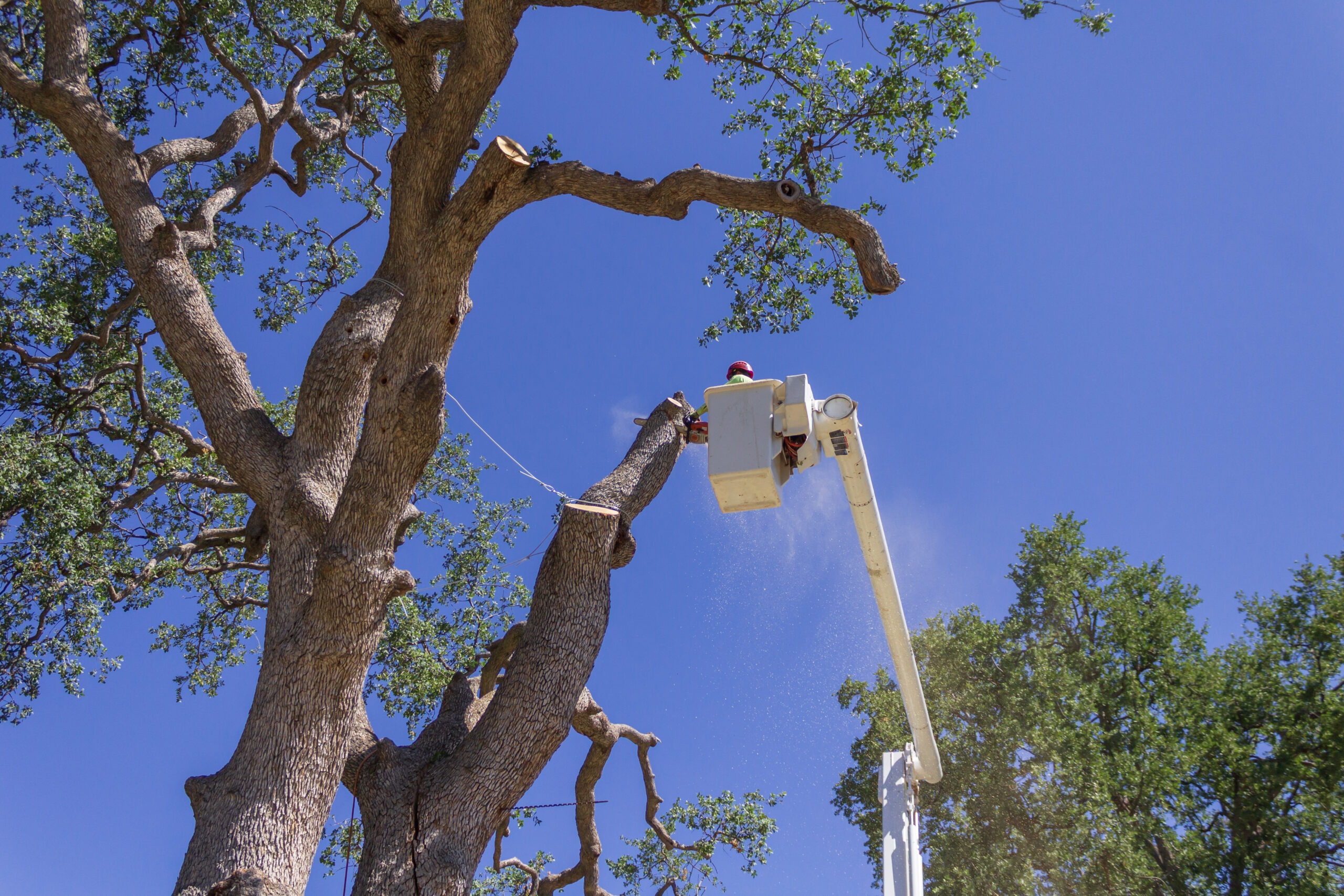
The Tree Removal Process Explained
Tree removal is more than just cutting down a tree. It involves several carefully coordinated steps.
Assessment
Inspect the tree for health, size, location, and potential hazards.
Planning
Determine how the tree will be cut safely, including drop zones and debris removal.
Cutting
Remove branches in sections before felling the main trunk.
Cleanup
Remove wood and brush and leave the site tidy.
Equipment Setup
Prepare chainsaws, ropes, cranes, and trucks if needed.
Stump Treatment
Decide between stump removal or grinding after the tree is down.
Certified Advice from Tip Top Arborists
Master Arborist Dave Martinez shares his insight on desert tree care from years working in the Antelope Valley.
“Trees in the desert are remarkable survivors, but they still need the right care to thrive,” says Dave. “One of the biggest mistakes we see is overwatering or planting trees that are not adapted to the environment. Paying attention to natural rainfall patterns and soil conditions, then matching tree species and watering habits accordingly, is the key to long-lasting, healthy trees. If you’re ever unsure, don’t hesitate to call an professional.”
Being proactive and observant is your best strategy. Successful desert tree care combines patience with knowledge and sometimes a little help from arborists who know the local landscape.
FAQs: Desert Tree Care in the Antelope Valley
How often should I water newly planted desert trees in Antelope Valley?
Newly planted desert trees typically require watering two to three times a week for the first two months to help roots establish deeply. After that, reduce frequency while increasing the amount per watering session to encourage deeper root growth. Adjust based on weather, soil type, and tree response.
Can I use regular garden fertilizer on my desert trees?
Regular garden fertilizers may not be suitable because desert trees usually require a fertilizer formulated for low-nutrient soils and drought conditions. Slow-release fertilizers with a balanced nitrogen-phosphorus-potassium ratio and micronutrients are typically best. Consult Tip Top Arborists for recommendations tailored to your trees.
What is the best time of year to prune trees in the Antelope Valley desert?
Late winter to early spring is ideal for pruning desert trees before new growth starts. This timing minimizes water stress and encourages healthy growth. Avoid heavy pruning in the heat of summer or during drought stress.
How can I tell if my desert tree is stressed from lack of water?
Signs of water stress include wilting leaves, yellowing or browning leaf edges, leaf drop, and slowed growth. In severe cases, bark may crack or branches may die back. Use a soil moisture meter to confirm if watering is needed before symptoms worsen.
Contact Us Today to Schedule Your Free Estimate
How to Choose a Tree Removal Service
Selecting the right company ensures a safe and hassle-free experience.
Tips for Choosing:
Check credentials: Licensed and insured arborists.
Look for experience: Years of tree removal expertise.
Read reviews: Testimonials and ratings from past customers.
Request a free estimate: Understand the cost upfront.
Ask about cleanup: Confirm debris removal and site restoration.
Verify equipment: Use of modern and safety-compliant tools.