The Complete Guide to Tree Removal and Stump Grinding
Tree removal and stump grinding are essential services for maintaining a safe and attractive landscape. Whether dealing with damaged trees, overgrown branches, or leftover stumps, understanding these processes helps you make informed decisions. This guide from Tip Top Arborists covers everything you need to know to keep your property beautiful and hazard-free.
What Is Tree Removal?
Tree removal is the process of cutting down and safely disposing of a tree when it poses a risk or no longer fits the landscape. This task involves specialized equipment and skill to prevent damage to property and ensure safety. Trees may be removed because they are dead, diseased, dangerous, or simply in the way of new construction or landscaping plans.
Key Points About Tree Removal:
– Requires specialized knowledge and equipment.
– Involves cutting down, reducing branches, and hauling away debris.
– Can be complex depending on tree size and location.

ISA-Certified Arborist Oversight
Every removal starts with an on-site assessment so the method matches the tree, the risk, and the property layout.
Controlled Removal Methods
Sectional removal and rigging when needed to protect roofs, fencing, hardscape, and surrounding trees.
Full Cleanup Included
We remove debris and leave the area clean and safe, with wood handling options available if requested.
Best Tree Service in the
Antelope Valley
TESTIMONIALS
What Our Customers Are Saying
At Tip Top Arborists, we are passionate about delivering quality that you can trust. From our customer service to our high standards for tree removal, you will always have peace of mind with our tree care experts.

 Susan Hyder
Trustindex verifies that the original source of the review is Google.
We contacted Tip Top Arborists to help us with our dying mimosa tree. Jason came out and was extremely knowledgeable, professional, and personable. He diagnosed our tree and told us what they could do to help us save it. The work was done in a timely manner, and we were pleased with the results. Unfortunately, our tree died some time later (no fault on their part.). Tip Top came out and removed it for us at an extremely reasonable price. Everyone in the company from the owner Jim, the arborist Jason, the secretary, and all the workers were very professional, caring, and truly wanted the best for us. I would recommend them to anyone anytime! Johnny DTip Top Arborists are hands down simply the best. Forget about all the rest. As a real estate professional serving SoCal since 1999, both myself, my neighbors, and clients alike have tried them all. I rarely make recommendations and very careful when I do unless 100% confident in repeat outstanding service over several years, but Tip Top is one company I can recommend without hesitation with a review long overdue. 1. Tip Top are highly trained licensed Arborists, not just tree trimmers. That's like comparing a Culinary Master 5 Star Chef to a burger flipper. Seriously. 2. They have top of the line newer equipment, safety gear, and multiple trucks/ crews able to handle any size job big or small ( They even sterilize their tools so as not to contaminate your trees from previous jobs, similar to a surgeon when performing surgery. Makes total sense, yet Tip Top are the only ones I have ever seen do that ) 3. Tip Top consistently shows up on time, crews work safely and efficiently, are super nice. They do a fantastic job, clean up afterwards and leave your grounds spotlessly clean. ( In most cases cleaner than when they got there! ) 4. There's a reason both City of Lancaster and Palmdale choose Tip Top Arborists as their official tree service in their communities. 5. Very importantly, Tip Top is fully insured and carry workman's comp insurance to fully protect you. Why is this important? Here's just one out of many like this I have personally witnessed... a neighbor whom hired a different company simply because they quoted a lower price. The other co. got injured on my neighbors property while doing the job and then sued my neighbor for liable because the other tree co. didn't have the proper insurance coverage! What? Yes sad but true story. The other co. told my neighbor they had insurance, when they really didn't because they let it lapse due to high premiums. Yikes! Explains how they were able to beat Tip Tops quote. ( Seems like while saving overhead, the other co. didn't care much about my suffering neighbors head. My neighbors stress was through the roof ) Bottom line, if you want peace of mind, no stress, and complete confidence the job will be done right the first time, just call Tip Top. Thanks Tip Top for all the years of exemplary service you've provided both myself, neighbors, and clients.
 Lily SofiaTip Top Arborists is an outstanding tree care company that combines professionalism, expertise, and genuine care for every project. The team is highly skilled, safety-conscious, and efficient, ensuring each job is completed to perfection. From pruning and removals to overall tree health maintenance, their work is precise and reliable. Their friendly service and integrity truly stand out.
 Connie BrownTom Ball worked with Fish and Game to secure a permit to remove a hazardous joshua tree. Once the permit came through, the crew was very professional in protecting my property and each other.
 Michael HallAmazing knowledgeable and professional service. I had several tall trees trimmed and a few removed completely. Awesome job. I will be contracting with them for continued maintenance.
 Bonawynn CarterTip Top Arborists are absolutely the best! Part of the reason is simple. Tip Top experts are actual ARBORISTS which means they understand each tree and what requirements exist for keeping them healthy. They know what needs to be done to prevent roots from doing damage underground and what specific pruning, treatment, topping off, and. maintenance is necessary. They are very honest and dependable and their teams leave everything looking beautiful and properly cleaned up before closing out the job. I've seen others use other businesses to have their trees trimmed but the result isn't even close to what Tip Top does. I highly recommend this business. They've taken care of our trees for 20+ years.
 Charles ColemanVery pleased with Tip Top Arborists. Their crew was prompt, professional and very courteous. They took great care to prevent damage to the sprinkler system and piping. Very good cleanup.
 Eva CoxFantastic job thank you so much for all your work
Why and When to Remove a Tree
Knowing when to remove a tree is important for safety and property health.
Common reasons for removal include:
– The tree is dead or dying.
– The tree is diseased beyond treatment.
– Structural damage that makes the tree unstable.
– Roots causing damage to foundations or underground pipes.
– The tree blocks views, sunlight, or planned construction zones.
– Storm damage that cannot be repaired safely.
According to the International Society of Arboriculture, approximately 1.3 million trees are removed professionally every year in the United States to prevent hazards and improve urban forestry health ([ISA Tree Removal Facts](https://www.treesaregood.org/)).
“Proper tree removal involves planning and precision. Our goal is to protect your home and landscape while removing the tree efficiently and safely.” – Marcus Allen, Master Arborist at Tip Top Arborists
The Tree Removal Process Explained
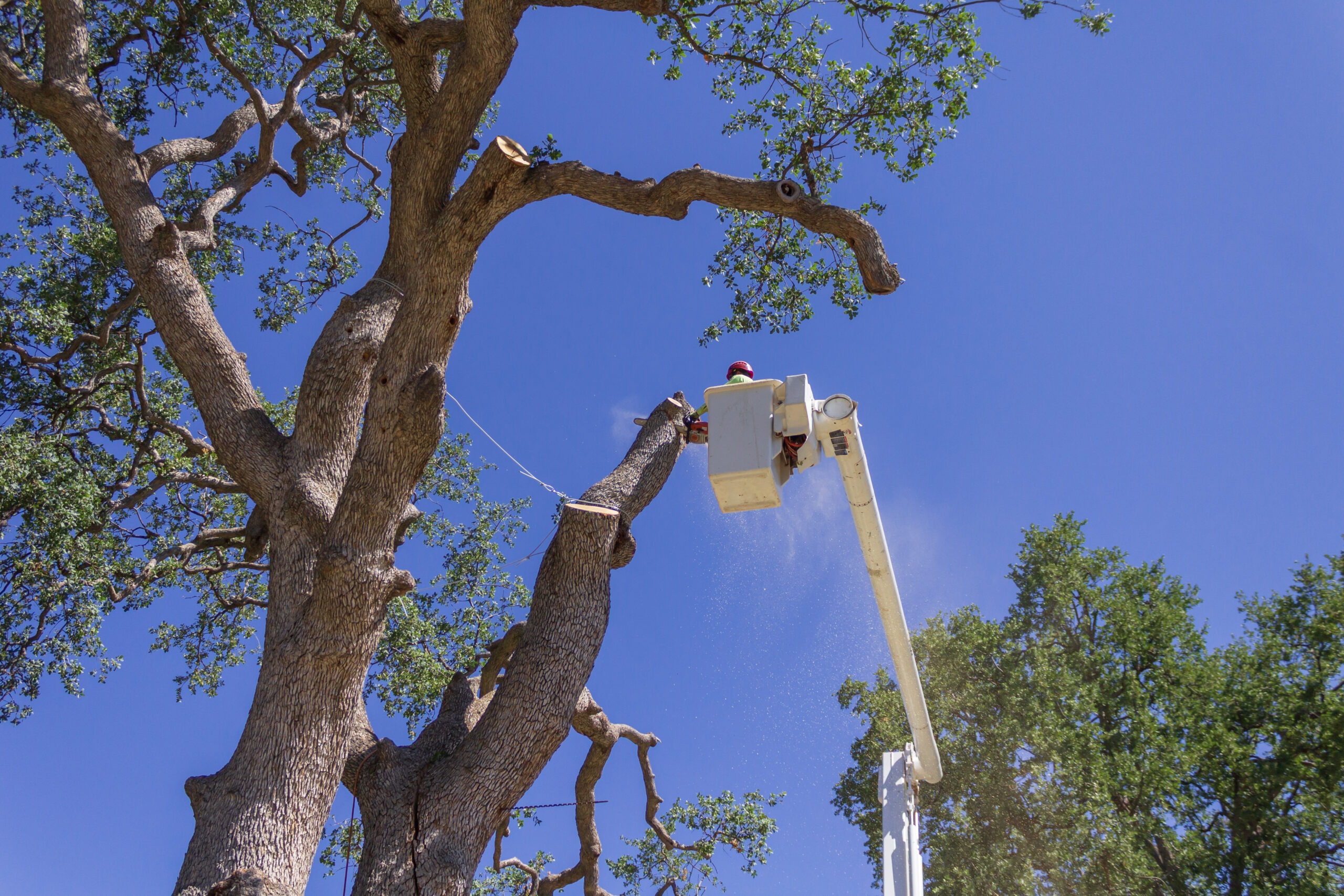
Tree removal is more than just cutting down a tree. It involves several carefully coordinated steps.
Assessment
Inspect the tree for health, size, location, and potential hazards.
Planning
Determine how the tree will be cut safely, including drop zones and debris removal.
Cutting
Remove branches in sections before felling the main trunk.
Cleanup
Remove wood and brush and leave the site tidy.
Equipment Setup
Prepare chainsaws, ropes, cranes, and trucks if needed.
Stump Treatment
Decide between stump removal or grinding after the tree is down.
Benefits of Stump Grinding
Grinding a stump is often preferred over full stump removal because it is faster, safer, and less disruptive to your yard.
Main Advantages:
Prevents tripping hazards: Eliminates protruding stump parts.
Stops pest infestation: Reduces risk of insects and fungi.
Improves yard appearance: Creates space for new planting or lawn.
No heavy digging needed: Minimal damage to surrounding soil.
Faster and more cost-effective than stump extraction.
FAQs
1. How long does tree removal usually take?
Tree removal time depends on the size and location. Small trees may be removed in an hour or two, but large or difficult trees can take a full day or more. Our Tip Top Arborists crew assesses your specific situation and provides an accurate estimate.
2. Is stump grinding better than stump removal?
Stump grinding is less invasive and more affordable. It breaks the stump into wood chips quickly, but leaves roots underground. Full removal digs out the entire root system but is more expensive and disruptive.
3. Can I plant a new tree after stump grinding?
Yes. After grinding, you should fill the hole with fresh soil and wait a few weeks before planting. Removing old roots prevents new roots from competing with the new tree.
4. How do I know if my tree is too dangerous to keep?
Signs include large cracks, dead or hanging branches, fungal growth, and leaning toward structures. Our Tip Top Arborists experts offer thorough inspections to evaluate tree health and safety.
Contact Us Today to Schedule Your Free Estimate
How to Choose a Tree Removal Service
Selecting the right company ensures a safe and hassle-free experience.
Tips for Choosing:
Check credentials: Licensed and insured arborists.
Look for experience: Years of tree removal expertise.
Read reviews: Testimonials and ratings from past customers.
Request a free estimate: Understand the cost upfront.
Ask about cleanup: Confirm debris removal and site restoration.
Verify equipment: Use of modern and safety-compliant tools.