The Ultimate Guide to Tree Pruning Techniques
Proper tree pruning promotes healthy growth, enhances safety, and improves the appearance of your trees. Whether you’re a homeowner or a property manager, understanding effective pruning methods can save you money and protect your investments. This guide from Tip Top Arborists covers everything you need to know about tree pruning techniques to keep your trees thriving for years to come.
Why Pruning Your Trees Matters
Pruning is essential for the health and safety of your trees. When done correctly, it helps prevent disease, reduces the risk of falling branches, and promotes strong structural growth. According to the International Society of Arboriculture, proper pruning can extend the life of a tree by up to 25 years. Trees that are regularly pruned also add to the aesthetic value of your property by maintaining a neat and balanced shape.
Many homeowners mistakenly think pruning is just about cutting branches, but it’s much more than that. It is a science and an art that requires knowledge of tree biology and careful judgment. Neglecting pruning can lead to overcrowded branches, insect infestations, and even tree death.

ISA-Certified Arborist Oversight
Every removal starts with an on-site assessment so the method matches the tree, the risk, and the property layout.
Controlled Removal Methods
Sectional removal and rigging when needed to protect roofs, fencing, hardscape, and surrounding trees.
Full Cleanup Included
We remove debris and leave the area clean and safe, with wood handling options available if requested.
Best Tree Service in the
Antelope Valley
TESTIMONIALS
What Our Customers Are Saying
At Tip Top Arborists, we are passionate about delivering quality that you can trust. From our customer service to our high standards for tree removal, you will always have peace of mind with our tree care experts.

 Susan Hyder
Trustindex verifies that the original source of the review is Google.
We contacted Tip Top Arborists to help us with our dying mimosa tree. Jason came out and was extremely knowledgeable, professional, and personable. He diagnosed our tree and told us what they could do to help us save it. The work was done in a timely manner, and we were pleased with the results. Unfortunately, our tree died some time later (no fault on their part.). Tip Top came out and removed it for us at an extremely reasonable price. Everyone in the company from the owner Jim, the arborist Jason, the secretary, and all the workers were very professional, caring, and truly wanted the best for us. I would recommend them to anyone anytime! Johnny DTip Top Arborists are hands down simply the best. Forget about all the rest. As a real estate professional serving SoCal since 1999, both myself, my neighbors, and clients alike have tried them all. I rarely make recommendations and very careful when I do unless 100% confident in repeat outstanding service over several years, but Tip Top is one company I can recommend without hesitation with a review long overdue. 1. Tip Top are highly trained licensed Arborists, not just tree trimmers. That's like comparing a Culinary Master 5 Star Chef to a burger flipper. Seriously. 2. They have top of the line newer equipment, safety gear, and multiple trucks/ crews able to handle any size job big or small ( They even sterilize their tools so as not to contaminate your trees from previous jobs, similar to a surgeon when performing surgery. Makes total sense, yet Tip Top are the only ones I have ever seen do that ) 3. Tip Top consistently shows up on time, crews work safely and efficiently, are super nice. They do a fantastic job, clean up afterwards and leave your grounds spotlessly clean. ( In most cases cleaner than when they got there! ) 4. There's a reason both City of Lancaster and Palmdale choose Tip Top Arborists as their official tree service in their communities. 5. Very importantly, Tip Top is fully insured and carry workman's comp insurance to fully protect you. Why is this important? Here's just one out of many like this I have personally witnessed... a neighbor whom hired a different company simply because they quoted a lower price. The other co. got injured on my neighbors property while doing the job and then sued my neighbor for liable because the other tree co. didn't have the proper insurance coverage! What? Yes sad but true story. The other co. told my neighbor they had insurance, when they really didn't because they let it lapse due to high premiums. Yikes! Explains how they were able to beat Tip Tops quote. ( Seems like while saving overhead, the other co. didn't care much about my suffering neighbors head. My neighbors stress was through the roof ) Bottom line, if you want peace of mind, no stress, and complete confidence the job will be done right the first time, just call Tip Top. Thanks Tip Top for all the years of exemplary service you've provided both myself, neighbors, and clients.
 Lily SofiaTip Top Arborists is an outstanding tree care company that combines professionalism, expertise, and genuine care for every project. The team is highly skilled, safety-conscious, and efficient, ensuring each job is completed to perfection. From pruning and removals to overall tree health maintenance, their work is precise and reliable. Their friendly service and integrity truly stand out.
 Connie BrownTom Ball worked with Fish and Game to secure a permit to remove a hazardous joshua tree. Once the permit came through, the crew was very professional in protecting my property and each other.
 Michael HallAmazing knowledgeable and professional service. I had several tall trees trimmed and a few removed completely. Awesome job. I will be contracting with them for continued maintenance.
 Bonawynn CarterTip Top Arborists are absolutely the best! Part of the reason is simple. Tip Top experts are actual ARBORISTS which means they understand each tree and what requirements exist for keeping them healthy. They know what needs to be done to prevent roots from doing damage underground and what specific pruning, treatment, topping off, and. maintenance is necessary. They are very honest and dependable and their teams leave everything looking beautiful and properly cleaned up before closing out the job. I've seen others use other businesses to have their trees trimmed but the result isn't even close to what Tip Top does. I highly recommend this business. They've taken care of our trees for 20+ years.
 Charles ColemanVery pleased with Tip Top Arborists. Their crew was prompt, professional and very courteous. They took great care to prevent damage to the sprinkler system and piping. Very good cleanup.
 Eva CoxFantastic job thank you so much for all your work
When to Prune Your Trees
Timing is crucial in tree pruning because it affects wound healing and tree health. The best time to prune most trees is during their dormant season, typically in late winter or early spring, just before new growth starts. Pruning during dormancy reduces sap loss and pest infestation risks.
Exceptions include:
Flowering trees: Some should be pruned immediately after blooming to avoid cutting off next year’s flowers.
Dead or hazardous branches: These should be removed as soon as identified, regardless of season.
Pruning during the growing season should be done cautiously and usually only for removing damaged or unwanted branches.
Common Tree Pruning Techniques
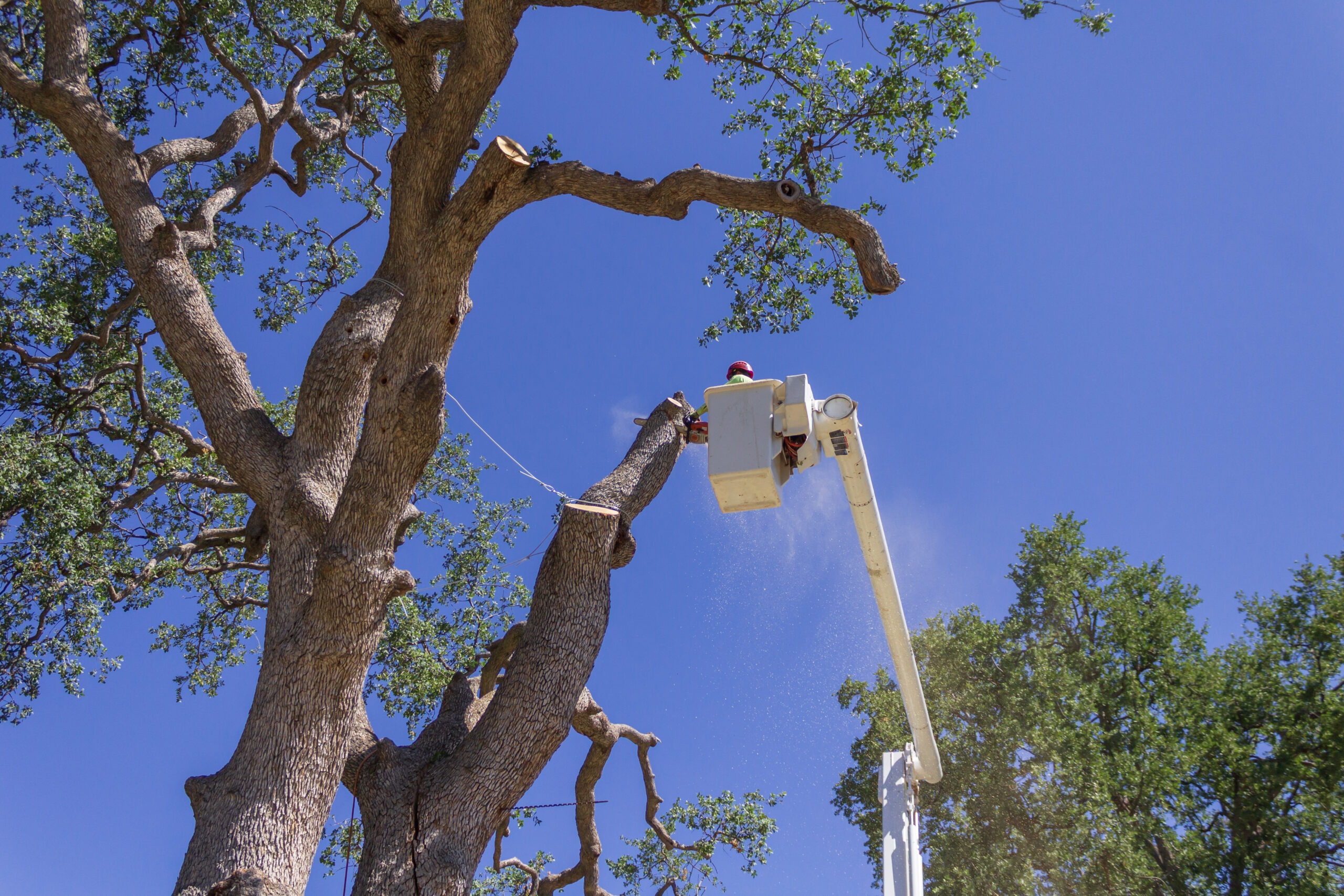
Understanding different pruning techniques will help you decide how to approach your trees. Here are the most common methods professionals use:
Crown Raising
This involves removing the lower branches of a tree to raise the canopy clearance. It’s often used to provide clearance for pedestrians, vehicles, or buildings.
Crown Thinning
This technique removes small branches throughout the canopy to allow more light and air to reach the inner parts of the tree. It reduces the weight on branches and improves overall tree health.
Deadwooding
Deadwooding is the removal of dead, dying, or diseased branches. It helps prevent pests and diseases from spreading.
Crown Reduction
Crown reduction shortens the length of branches, keeping the tree within a manageable size while maintaining its natural shape.
Tools for Effective Tree Pruning
Using the right tools makes pruning safer and more efficient. Here are essential tools you should have at your disposal:
Pruning shears: Ideal for small branches up to ¾ inch thick.
Loppers: Useful for thicker branches between 1-2 inches.
Hand saws: For branches larger than 2 inches.
Pole pruners: Allow reach to high branches without using a ladder.
Safety equipment: Gloves, eye protection, and hard hats for safety.
Maintaining sharp tools and sterilizing them between trees prevents the spread of diseases.
Frequently Asked Questions About Tree Pruning
1. How often should I prune my trees?
Most trees benefit from pruning every 3 to 5 years, depending on their species and growth rate. Regular pruning keeps trees healthy, safe, and attractive. However, some fast-growing varieties may need more frequent trimming.
2. Can I prune my trees myself?
Homeowners can prune small branches with proper tools and training. However, pruning large limbs or trees close to power lines or structures should be left to certified arborists like Tip Top Arborists for safety.
3. Why are some branches not growing after pruning?
Branches may not grow if the cuts were too close to buds or if the tree is stressed from disease, drought, or poor soil conditions. Proper pruning techniques and post-pruning care boost recovery.
4. Are chemicals needed after pruning?
In most cases, no. Trees naturally seal and heal pruning wounds. However, if the tree is diseased or if pruning is done incorrectly, a professional may recommend treatments to prevent infections.
Contact Us Today to Schedule Your Free Estimate
Final Thoughts and Next Steps
Pruning is a critical part of tree care that benefits tree health, safety, and beauty when done correctly. Whether using crown thinning, raising, or deadwooding techniques, proper cuts and timing make all the difference. Remember Mike Thompson’s advice from Tip Top Arborists—prune with the tree’s natural growth patterns in mind for long-term success.
If your trees require certified pruning work, don’t hesitate to **contact Tip Top Arborists today** for a free consultation. Our certified arborists will assess your trees and help you maintain their health and value for years to come.