Why Antelope Valley Homeowners Need a Different Kind of Arborist
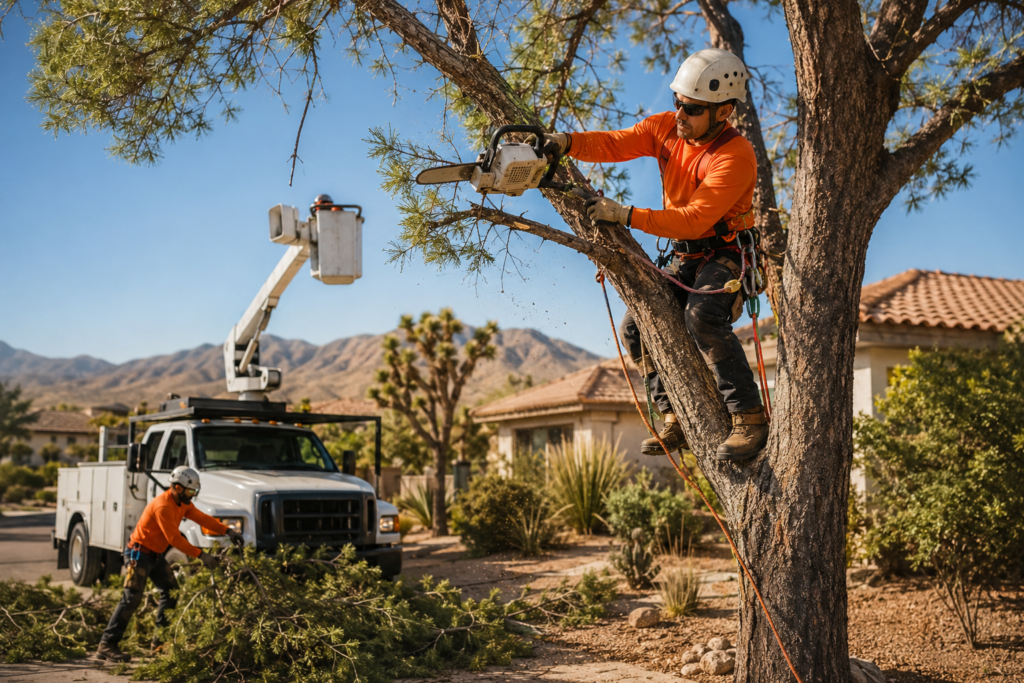
Tree care in the Antelope Valley is not the same as tree care near the coast. Lancaster, Palmdale, Quartz Hill, Rosamond, Acton, and nearby high-desert communities deal with dry soil, hard wind, hot summers, cold nights, and wildfire pressure. A tree can look fine in spring and become a safety concern after one long heat wave or wind event.
That is why choosing the right tree service Antelope Valley homeowners can trust matters. You do not just need someone with a chainsaw. You need someone who understands tree health, local weather, risk, permits, and safe work around homes, fences, driveways, and power lines.Experienced tree service Antelope Valley companies understand how desert conditions affect long-term tree health.
What Makes Tree Service Antelope Valley Different?
Tree service Antelope Valley sits in the western Mojave Desert and is considered a high desert environment. California State Parks notes that the Antelope Valley ranges around 2,600 to 3,000 feet in elevation. That means trees here face big temperature swings, dry air, and soil that does not always hold moisture well.
For homeowners, that shows up in practical ways:
- Leaves can scorch during summer heat
- Roots may struggle in compacted or dry soil
- Branches can become brittle after drought stress
- Wind can expose weak structure fast
- Poor pruning can make a tree more dangerous, not safer
That is why proper tree service Antelope Valley homeowners choose should focus on structure and long-term safety. A good arborist Lancaster CA homeowners hire should look at the full site, not just the branches. The tree, soil, irrigation, wind exposure, nearby structures, and long-term safety all matter.
Why Cheap Tree Work Can Cost More Later
A low quote can be tempting, especially when a tree looks overgrown or a limb is hanging near the roof. But cheap tree work often focuses on removing as much as possible as fast as possible.Not every tree service Antelope Valley company follows proper arboriculture standards.
That can lead to:
- Topping, which weakens long-term structure
- Large improper cuts that invite decay
- Too much canopy removal during hot weather
- Unbalanced trees that catch wind poorly
- Hidden liability if the company is uninsured
Professional pruning is not just cutting. It is deciding what should stay, what should go, and how each cut affects the tree years from now. ISA certification matters because it shows the arborist has tested knowledge in tree biology, diagnosis, maintenance, pruning, and safety.
Fire Season Changes the Tree Care Conversation
In Southern California, tree care is also fire preparation. CAL FIRE explains that defensible space helps slow wildfire spread and gives firefighters a safer area to defend a home. It also recommends removing dead or dry vegetation, spacing trees and shrubs properly, and maintaining vertical clearance so fire cannot climb from ground fuels into tree canopies.
That does not mean every tree near a house should come down. It means the tree should be evaluated correctly.
A local tree service Antelope Valley team should know how to:
- Remove deadwood and dry fuel
- Prune for clearance without over-thinning
- Reduce ladder fuels
- Keep healthy shade where it helps the property
- Identify trees that create real fire risk
The goal is not a bare yard. The goal is a safer, healthier landscape.A knowledgeable tree service Antelope Valley crew can help reduce fire risk without damaging healthy trees.
Protected Trees and Local Rules Matter
Some Antelope Valley tree decisions are not just about safety. They are also about rules. Western Joshua trees are protected under California law. The California Department of Fish and Wildlife says the Western Joshua Tree Conservation Act prohibits take, possession, purchase, sale, import, or export unless authorized by CDFW.
For hazardous western Joshua trees, CDFW has a permit process. Those permits may allow trimming or removal of dead trees under certain hazard conditions, but they do not authorize complete removal of a living western Joshua tree.
That is one reason local experience matters.Professional tree service Antelope Valley providers should understand local regulations before starting work. A qualified arborist can help you avoid a costly mistake before work starts.
When to Call an Arborist in the Antelope Valley
Do not wait until a tree fails to ask for help. Schedule an assessment if you see:
- A new lean after wind
- Large dead limbs
- Cracks in the trunk or major branches
- Mushrooms or decay near the base
- Soil lifting around roots
- Branches rubbing the roof
- Canopy thinning during the growing season
- Beetle holes, sawdust, or sudden browning
- A tree growing close to power lines
- A protected or questionable tree species
These warning signs often require evaluation from a qualified tree service Antelope Valley arborist.Sometimes the answer is pruning. Sometimes it is watering changes, soil care, monitoring, cabling, or removal. A good arborist explains the safest next step instead of jumping straight to the biggest job.
What a Better Tree Service Looks Like
A professional tree service Antelope Valley homeowners can rely on should provide more than a verbal guess. You should expect a clear inspection, a written scope, proof of insurance, safe equipment, and an explanation of why the work is recommended.Reliable tree service Antelope Valley companies should also prioritize safety, insurance, and proper pruning methods.
Tip Top Arborists has served Southern California since 1976, with certified arborists, licensed and insured crews, and local experience across Lancaster, Palmdale, Santa Clarita, Victor Valley, Tehachapi, and surrounding communities. That local knowledge matters because tree care here is part science, part safety, and part understanding the desert.
FAQs
What makes Antelope Valley tree care different?
Heat, drought, wind, sandy or compacted soils, wildfire risk, and protected-species rules all make tree care more complex here than in cooler coastal areas.
Do I need an arborist or just a tree trimmer?
If the tree is large, stressed, leaning, diseased, near a structure, near power lines, or possibly protected, call an arborist. Basic trimming is not enough when safety or tree health is involved.
Is tree removal always the safest option?
No. Many trees can be managed with pruning, watering changes, soil improvements, or monitoring. Removal is usually recommended when the tree is dead, structurally unsafe, badly decayed, or too risky to keep.
How often should Antelope Valley trees be inspected?
Most homeowners should inspect trees seasonally and schedule a professional assessment after major wind, storm damage, visible decline, construction near roots, or before fire season.
Who should I call for tree service in the Antelope Valley?
Call a licensed, insured company with certified arborist experience, local knowledge, and safe work practices. Tip Top Arborists provides professional tree care throughout the Antelope Valley and surrounding Southern California communities.
The bottom line
Antelope Valley trees need more than quick trimming. They need care that accounts for desert stress, wind, fire safety, property risk, and local rules. If your tree is leaning, declining, dropping limbs, or growing too close to your home, schedule a professional assessment before the next heat wave or wind event makes the decision for you.Professional tree service Antelope Valley care helps homeowners avoid costly storm and drought damage.
Request A Quote
Tell us about your tree care needs and our team will follow up with a detailed estimate and recommended solutions.
Get In Touch
- Tip Top Arborists, Inc.
- tip_top_arborists