
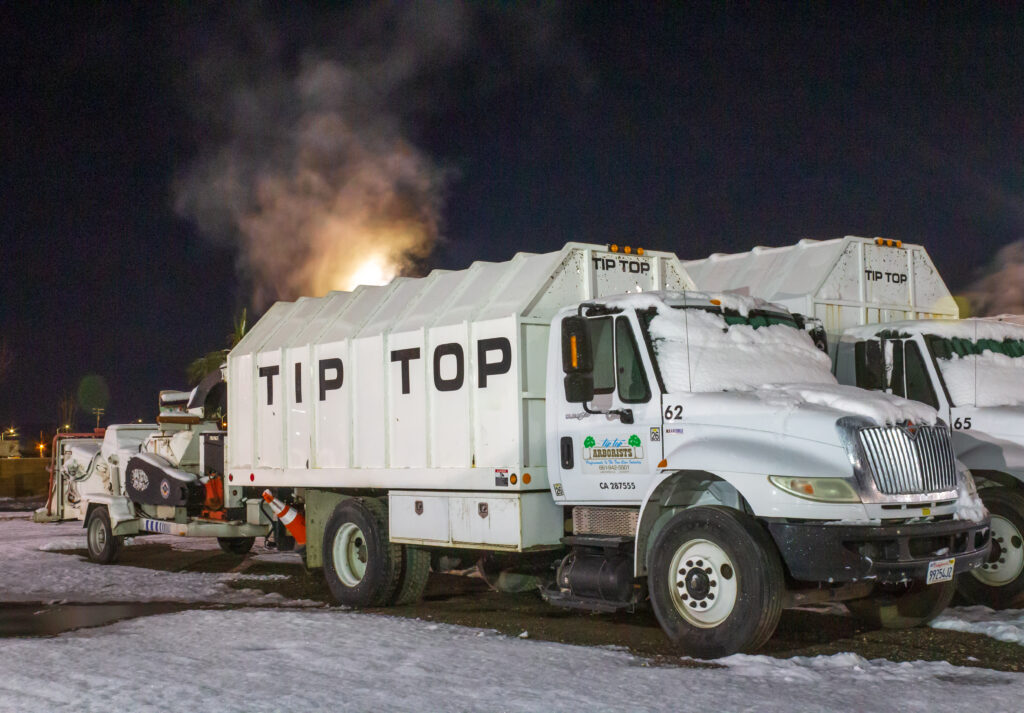
If you own trees in Southern California, one question comes up again and again: how often do they actually need to be cut back? The honest answer depends on the tree, where it’s planted, and what you’re trying to prevent. In the Antelope Valley, tree trimming Palmdale homeowners schedule is often about safety as much as it is about looks, because wind and drought stress change how trees fail.
Tree trimming Palmdale.This guide keeps it simple. You’ll learn a realistic pruning timeline by tree type, the best seasons to do it, and the warning signs that mean you should not wait. You’ll also get a quick checklist for hiring the right crew, because poor pruning can create problems that last for years.
Southern California is tough on trees. Long dry summers, occasional drought years, and wind events can push even mature trees into stress. When a tree is stressed, it is more likely to drop deadwood, develop weak growth, or fail at a weak union during gusty weather. Pruning helps reduce those risks by removing dead and damaged limbs, balancing weight, and keeping growth away from roofs and lines.
Pruning is also one of the easiest ways to prevent “small problems” from turning into expensive ones. A dead limb over a driveway is not a landscaping issue, it is a damage issue waiting for the next windy day. A good tree trimming Palmdale plan is basically preventive maintenance.
There is no one-size schedule, but most trees fall into predictable ranges. The key is to prune often enough to prevent hazards, without over-pruning and stressing the tree.
Most mature shade trees do well with pruning every 3 to 5 years. That timing focuses on structural maintenance, deadwood removal, and keeping the canopy balanced. Younger shade trees often benefit from lighter training cuts every 1 to 2 years, because early structure saves you from bigger problems later. In tree trimming Palmdale work, the goal for shade trees is usually fewer heavy cuts over time, not frequent heavy reductions.
Fruit trees are usually a once-a-year relationship, not an every-few-years one. Annual pruning keeps light and airflow in the canopy and makes harvesting manageable. In many cases, the “right” cut is less about shortening the tree and more about selective thinning and removing crowded interior growth. If fruit production has dropped or branches are breaking under fruit weight, pruning often needs to be more intentional, not more aggressive.
Palms are common in the region, but they are also commonly over-trimmed. Most palms need one trim per year, usually focused on dead brown fronds and old fruit stalks. Cutting too many green fronds can weaken the palm and increase wind sensitivity instead of reducing it. If your tree trimming Palmdale quote includes a severe “hurricane cut,” ask exactly what they will remove and why.
Fast growers tend to need more frequent attention, often every 1 to 2 years. Eucalyptus is a special case because it can drop large limbs, especially during hot, dry, windy stretches. The right approach is usually risk reduction and deadwood management, not random cutting. If a tree has a history of limb drop, treat it as a safety priority and schedule inspections more regularly.
These trees are often lower maintenance once established, but they still need periodic pruning. A 2 to 3 year cycle is common, mostly for deadwood removal and shape control. Over-trimming desert trees can expose bark to sunscald and push the tree into stress right before peak heat. In a tree trimming Palmdale context, less is often more for desert-adapted species.
For most trees, late winter through early spring is the safest planning window. Trees are not under peak heat stress, and you can see structure more clearly before the canopy fully fills in. It is also a time when many pests and diseases are less active, which reduces the chance that fresh cuts become entry points.
Summer pruning is where many homeowners run into trouble. Light safety pruning is fine when you need it, especially after storms, but heavy canopy reduction in extreme heat can stress the tree and slow recovery. If you need emergency work because a limb is cracked or hanging, do it immediately. Safety comes before ideal timing.
Palmdale and the Antelope Valley are not coastal California, and the difference shows up in how trees behave.
Wind matters. An unbalanced canopy acts like a sail, and weak unions fail more often during gusts. Regular pruning that reduces weight and removes deadwood can lower wind risk in a way that random “shaping” cannot. Drought stress matters too. Trees that are short on water often become brittle and more vulnerable to insects, so pruning needs to be paired with good watering habits, not used as a substitute for them.
Fire risk is another factor. Deadwood, dry litter, and low branches can contribute to ladder fuels. Pruning can be part of defensible space planning, but it needs to be done correctly and not in a way that creates more stress. Frost can also play a role in the high desert, because cold snaps can damage tender growth and leave dead tips that should be cleaned up when the tree is actively recovering.
Calendars are useful, but trees do not always follow them. If you see these signs, it is time to schedule tree trimming Palmdale service sooner:
If you see a new lean, trunk cracking, or a major split, treat it as urgent and get a professional assessment quickly.
This is where a lot of homeowners get burned. Tree work has real hazard and liability risk, so you want proof, not promises.
Verify the license. In California, tree and palm work is covered under the CSLB C-49 Tree and Palm Contractor classification. You can read the classification description here: https://www.cslb.ca.gov/about_us/library/licensing_classifications/Licensing_Classifications_Detail.aspx?Class=C49. (CSLB)
Ask for insurance. You want both general liability and workers’ compensation, and you want it in writing.
Check for ISA certification when the job is complex or high-risk. Use the credential directory here: https://www.treesaregood.org/findanarborist/findanarborist. (Trees Are Good)
And avoid topping. It is one of the fastest ways to create long-term hazard and decay issues. ISA’s consumer guide explains why topping hurts trees: https://www.treesaregood.org/Portals/0/TreesAreGood_Why%20Topping%20Hurts_0321.pdf. (Trees Are Good)
If you want local service info:
A good pruning plan removes what is necessary, not what is easy. That usually means selective cuts, clean finish work, and leaving enough canopy for the tree to protect itself. It also means thinking about wildlife. Nesting birds are protected under California Fish and Game Code sections and may also be protected under the federal Migratory Bird Treaty Act, so crews should check for active nests before major work. California wildlife guidance discusses nesting bird protections here: https://wildlife.ca.gov/COQA/tag/nesting-birds. (wildlife.ca.gov)
The U.S. Fish and Wildlife Service also explains protections around bird nests under the MBTA: https://www.fws.gov/story/bird-nests. (U.S. Fish and Wildlife Service)
How often should palms be trimmed in Palmdale?
Usually once per year, focused on dead fronds and old fruit stalks. Avoid over-pruning, because removing too many green fronds can weaken the palm and increase wind risk.
Is summer pruning bad in Southern California?
Heavy pruning during extreme heat is usually a bad idea because it adds stress and can expose bark to sunscald. Safety pruning for cracked or hanging limbs is always appropriate, regardless of season.
Do I need a permit to trim or remove a tree in Palmdale?
Sometimes, depending on tree type and location. If you are unsure, ask your tree service what applies to your property and get the answer in writing before removal.
What should I ask before I accept a quote?
Ask what is included in cleanup, whether the quote is per-tree or flat scope, and who is responsible for hauling debris. Also ask for proof of license and insurance, then verify both.
How do I know if a tree needs pruning right away?
Dead limbs over targets, new leaning, trunk cracks, and limbs touching power lines are all reasons to act now. If you feel unsure standing under it during wind, that is usually your sign.
For most homeowners, a tree trimming Palmdale schedule of every 1 to 3 years covers the majority of residential needs, adjusted for the tree type. Shade trees often sit on the longer end, while fast growers and palms usually need more frequent attention. The best plan is the one that reduces hazards before wind season and avoids heavy cutting during peak heat.
If you want a written estimate or a professional recommendation for your property, start here:
https://tiptoparborists.com/contact/
Tell us about your tree care needs and our team will follow up with a detailed estimate and recommended solutions.