
Noticing a tree trunk turning black can be concerning. This often indicates an issue that, if left unattended, could cost the tree its life. However, enlisting tree services in Stallion Springs, CA, can help restore your tree to health and prevent future problems.
So, why do tree trunks turn black in Stallion Springs? Explore a few reasons and what to do next.
Reasons a Tree Trunk Might Turn Black
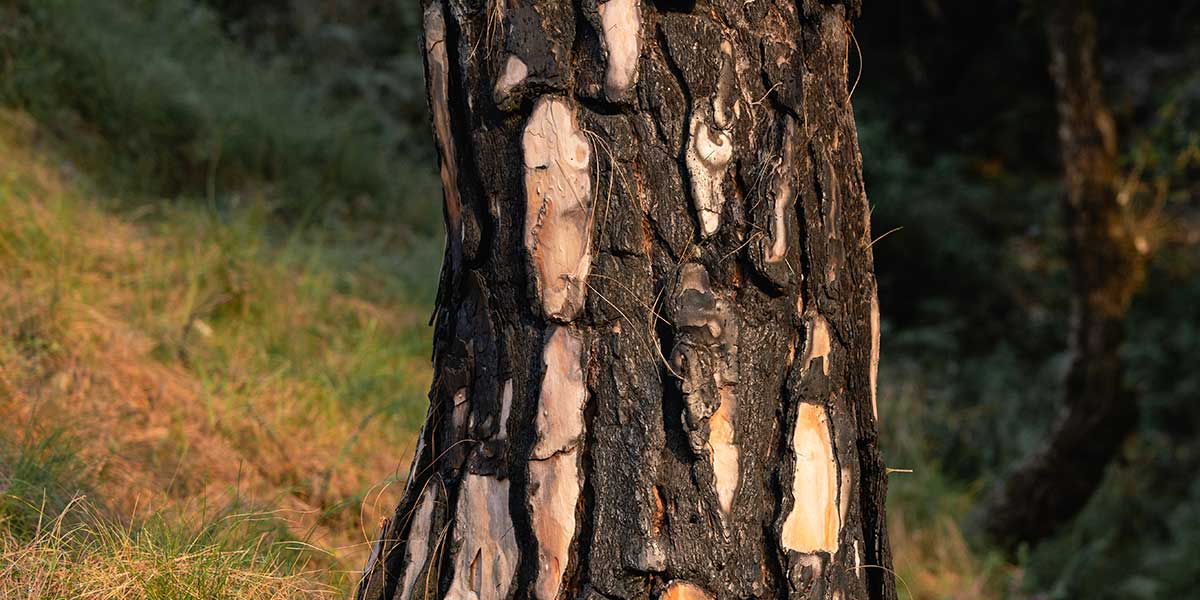
A tree trunk turning black is usually not an innocuous sign. Instead, it indicates that the tree is struggling with a disease, pest infestation, or another stressor. Doing nothing will only cause the tree’s health to worsen, putting it at risk of falling and damaging your property.
Why might a tree trunk turn black? These are a few of the most common reasons:
- Tree stress: At a general level, blackened bark indicates that a tree is experiencing stress. It might have endured damage from a windstorm or lightning, or it may not have access to the proper nutrients in the soil. The bark might turn black as a stress response.
- Bacterial infections: Several bacterial infections can also create a blackened appearance. Fire blight, caused by the bacterium Erwinia amylovora, gives tree trunks a burnt appearance. Bacterial wetwood produces a black, oozing liquid, while bacterial cankers create dark, open wounds along the trunk.
- Fungal infections: Your tree might have developed a fungal infection due to excess watering and poor soil drainage. For example, Verticillium wilt is a fungal infection that impacts a tree’s water uptake, causing the trunk to blacken over time.
- Pest problems: Certain pests, such as the emerald ash borer, hemlock wooly adelgid, and spongy moth, can also create a blackened appearance.
What To Do When You Notice a Tree Trunk Turning Black
As soon as you notice a tree trunk turning black, call your local tree services company to perform a health assessment. They will inspect the trunk for signs of tree disease or pest infestation. They will also consider environmental factors that may be placing stress on the tree.
After determining the cause of the blackened trunk, arborists will create a treatment plan based on the tree’s health and potential for recovery. This might include:
- Pruning infected branches
- Applying fungicides to kill fungal infections
- Using insecticidal soap to control infestations
- Fertilizing the tree to help it recover from stress
- Improving soil drainage to treat root rot
They might implement several of these treatments, then return to your property after a few weeks to evaluate the tree’s progress.
In some cases, if the fungal infection or tree disease has become too severe, the best option may be to remove the tree to eliminate the hazard.
Schedule a Tree Health Assessment Today
Dealing with tree sickness might feel stressful or overwhelming, but our certified arborists are here to handle the entire process for you. We’ll determine why your tree’s trunk is turning black and implement custom solutions to give it the best chance of recovery.
Call Tip Top Arborists today at 661-942-5501 for a free estimate in Stallion Springs, CA.