
Safe Tree Removal Near Power Lines in Lancaster and Palmdale CA
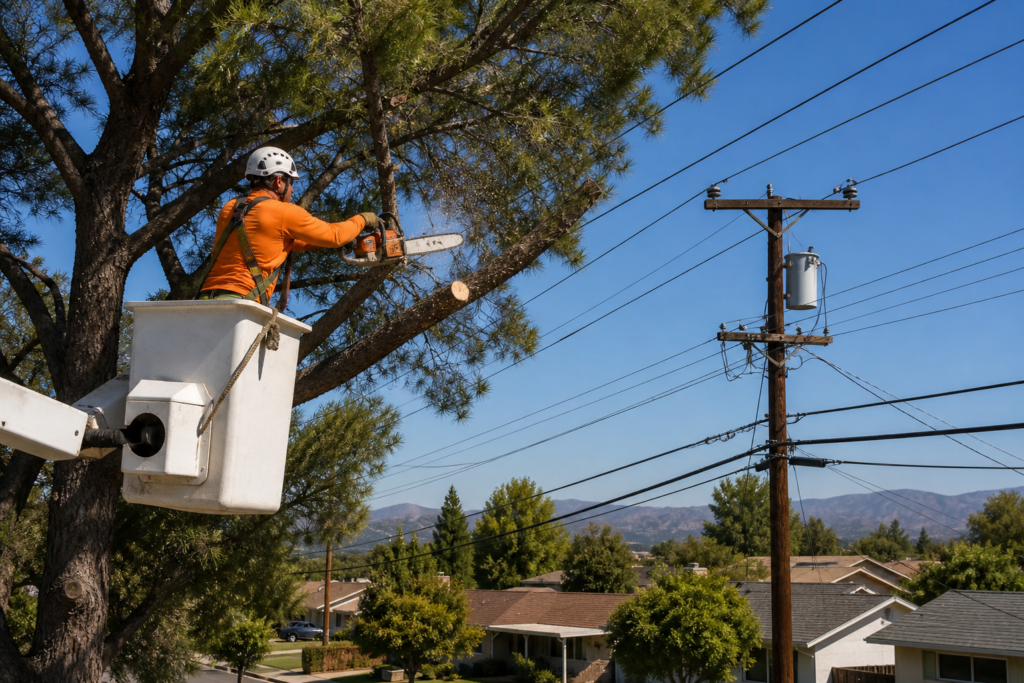
Tree removal near power lines is a serious matter that requires professional care. Many homeowners in Lancaster and Palmdale face risks when dealing with overgrown or damaged trees close to electrical wires. Ignoring the dangers or attempting DIY tree removal can lead to power outages, property damage, or even life-threatening accidents. At Tip Top Arborists, we understand the unique challenges posed by tree removal near power lines and are here to help you manage the process safely. Hiring professionals for tree removal near power lines ensures safety and prevents costly damage. Why Is Tree Removal Near Power Lines Dangerous? Removing trees near power lines involves multiple hazards that most people do not notice at first. Firstly, trees touching electrical wires can cause electrical faults and fires. According to the U.S. Fire Administration, over 15,000 fires each year result from electrical power lines coming in contact with trees or vegetation [source]. The risk is even higher during storms or high winds when branches can break and fall on wires unexpectedly.This is why tree removal near power lines should always be handled by trained experts. Secondly, the physical process of cutting branches near live wires is hazardous. If a branch or chainsaw touches an energized cable, it can cause electrocution or serious injury to anyone nearby. The unpredictable nature of trees and wires combined makes this a job for experts only. Tip Top Arborists has the experience and equipment needed to perform this task safely in Lancaster and Palmdale What Equipment Do Arborists Use for Safety? Certified arborists use specialized equipment designed for working close to electrical wires. Insulated pole pruners allow workers to trim branches without directly contacting power lines. Bucket trucks with insulated booms help arborists reach high limbs safely. Additionally, personal protective equipment such as dielectric gloves is essential for preventing electrical shock.Using proper tools is essential for safe tree removal near power lines in residential areas. Before starting any work, Tip Top Arborists conducts thorough risk assessments. Our team coordinates with local power companies in the Antelope Valley to determine if power lines need to be de-energized temporarily during removal. This cooperation ensures maximum safety and minimizes service interruptions. What Steps Are Taken to Protect the Neighborhood? Safety is not just for the arborists but also for homeowners and neighbors. We establish safety zones around work areas with proper signage and barriers. This protects passersby from falling debris or accidental contact with equipment. Trees near power lines often have complex growth patterns. Our experts carefully plan each cut to avoid unexpected falls or wire contact. If a tree is too close or too risky to remove by standard methods, we use rigging and section cutting. This technique involves lowering tree sections safely from the top down using ropes and pulleys. What Are the Local Regulations Regarding Trees and Power Lines in Lancaster and Palmdale? Both Lancaster and Palmdale follow strict ordinances to maintain clearance between trees and power lines. The California Public Utilities Commission requires utilities and property owners to keep a minimum clearance of 10 feet between power lines and trees to prevent outages and accidents. Failure to comply can result in fines or forced removal by the utility company. Tip Top Arborists stays up-to-date with local laws and utility company policies in the Antelope Valley region. We assist property owners in maintaining legal clearance requirements, helping avoid costly penalties and ensuring neighborhood safety.Following local laws helps ensure safe tree removal near power lines and avoids legal issues. How Can Homeowners Prepare for Tree Removal? It’s important to first identify if tree removal near power lines is necessary. Signs such as branches touching wires, visible damage, or leaning trees near cables may indicate danger. Homeowners should never attempt to prune or remove these trees themselves. Contacting a professional arborist like Tip Top Arborists is the best first step. Our team will inspect your property, explain the options, and provide a detailed plan and estimate for safe removal. Preparation may also involve notifying neighbors and scheduling service during times when power interruptions are minimized. FAQs About Safe Tree Removal Near Power Lines in Lancaster and Palmdale Can I trim trees near power lines myself? It is highly discouraged to trim trees near power lines without professional assistance. Tree limbs near electrical wiring pose a high risk of electrocution or accidental power outages. The team at Tip Top Arborists in the Antelope Valley is trained to handle these situations safely using specialized equipment and coordination with utility companies. How long does it take to remove a tree near power lines? The timeframe for tree removal near power lines varies depending on the size and location of the tree. Tip Top Arborists carefully plans each job to ensure safety and efficiency in Lancaster and Palmdale. Sometimes, it requires coordination with power companies which might affect scheduling. On average, smaller trees near power lines can be removed within a few hours. Will removing trees near power lines cause power outages? Professional arborists work closely with power companies to minimize the risk of outages during tree removal. Tip Top Arborists in the Antelope Valley follows strict protocols to prevent accidental contact with live wires. In some cases, temporary de-energizing of lines is requested to make the work safer and more reliable. What are the signs that a tree near power lines is dangerous? Signs include branches touching or hanging over power lines, cracked or split limbs, dead or leaning trees close to wires, and trees affected by recent storms. Tip Top Arborists offers free inspections in Lancaster and Palmdale to assess these risks and recommend the best course of action. Why Choose Tip Top Arborists for Tree Removal in Lancaster and Palmdale? We understand that safety, expertise, and local knowledge are vital when working near power lines. Tip Top Arborists has served the Antelope Valley community for over 15 years, handling complex tree removals quickly and safely. Our certified arborists are fully insured and trained in the latest safety standards and
How Drought Affects Desert Trees in the Antelope Valley CA
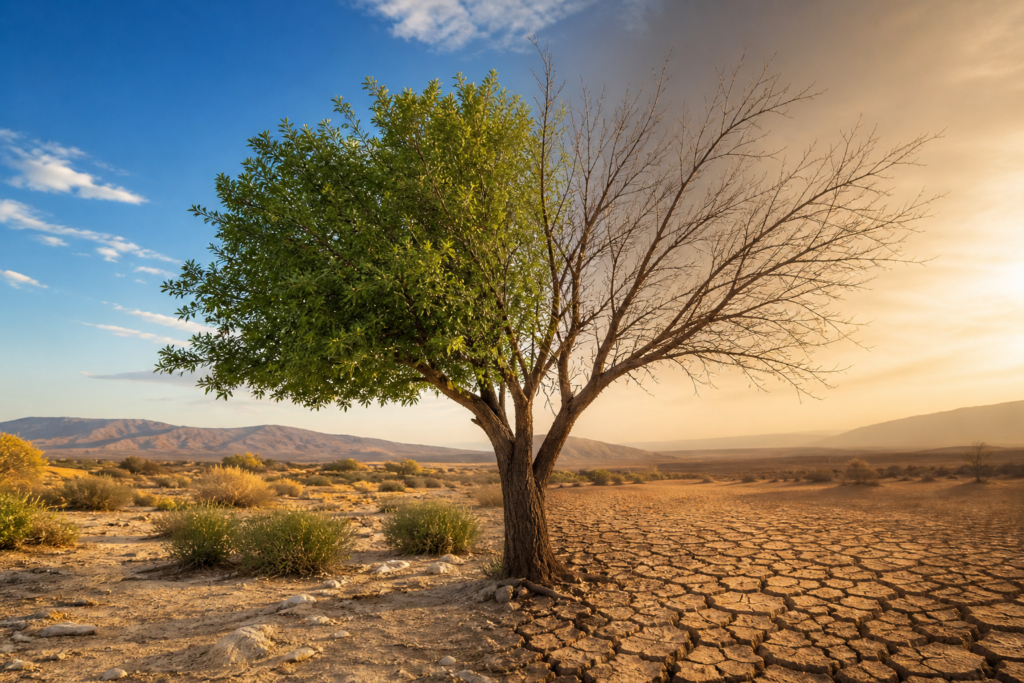
How drought affects desert trees in Antelope Valley CA is an important concern for homeowners and property owners.Drought is a serious issue impacting many parts of California, especially the Antelope Valley. When trees don’t get enough water, they struggle to survive and provide shade, oxygen, and beauty to the desert environment. Homeowners and community members often wonder how drought conditions harm desert trees and what can be done to protect them. Understanding these effects is crucial to maintaining healthy trees in this arid region. In this article, we’ll explore how drought affects desert trees in the Antelope Valley. We will discuss the signs of drought stress, the biological impact on trees, and practical steps you can take to help preserve tree health. Whether you are a homeowner, gardener, or simply a resident concerned about the local environment, this guide will provide valuable insights into managing tree care during dry conditions.It’s also important to properly prepare your landscape for California’s dry season to reduce long-term drought damage.This guide explains how drought affects desert trees in Antelope Valley CA… How Drought Affects Desert Trees in Antelope Valley CA: What Happens During Dry Conditions These conditions show how drought affects desert trees in Antelope Valley CA.When water becomes scarce, trees in desert areas like Antelope Valley begin to experience stress. This stress results in reduced growth and weakened defenses. Trees rely on water to perform photosynthesis, deliver nutrients, and maintain cell structure. Without enough moisture, their leaves may change color, drop prematurely, or appear dry and brittle. Drought also limits a tree’s ability to generate new roots. Shallow roots leave them more vulnerable to wind damage and soil erosion. Over time, the cumulative effects can cause permanent damage or even death if water stress continues. Tree species native to the desert are better adapted to drought, but extended dry spells can overwhelm even the hardiest trees How Does Drought Impact Tree Physiology? Trees suffering from drought reduce their water use by closing tiny pores called stomata on their leaves. This protective action helps conserve water but also reduces the intake of carbon dioxide needed for photosynthesis. As a result, the tree’s energy production declines. When energy is low, trees cannot grow or repair damage effectively.This explains how drought affects desert trees in Antelope Valley CA at a biological level. Water shortage also affects the transport of nutrients from roots to leaves. Nutrient deficiencies may develop, making the tree more susceptible to diseases and pest infestations. For example, bark beetles often target drought-stressed trees because they cannot mount a strong defense. Prolonged drought weakens wood integrity, leading to cracking and other structural problems What Are the Visible Signs of Drought Stress in Desert Trees? You can often tell if a tree is struggling with drought by looking for specific symptoms. Leaves may wilt, become scorched along the edges, or drop off entirely, leaving branches bare. The canopy might appear thin and sparse compared to healthy trees in similar conditions.This helps identify how drought affects desert trees in Antelope Valley CA. Another sign is bark discoloration or peeling. Drought-stressed trees might develop cracked or rough bark, which increases the risk of infections. Tree growth slows down, so new shoots or buds may be smaller and fewer in number. If you notice significant leaf drop or branch dieback, it’s a clear indication the tree is suffering. How Can You Help Desert Trees Survive Drought in Antelope Valley? One of the best ways to support trees during drought is to make sure they have enough water to survive. Deep and infrequent watering encourages roots to grow deeper into the soil, which helps trees access moisture reserved underground. Avoid shallow sprinkling since it promotes weak, surface roots that dry out quickly. Mulching around the base of trees reduces evaporation from the soil and protects roots from temperature extremes. Organic mulch like wood chips is especially beneficial because it also improves soil quality. It’s important not to pile mulch directly against the trunk, as this can lead to rot. Pruning dead or damaged branches helps redirect the tree’s resources toward healthy growth and reduces the chance of pest or disease problems. However, prune carefully and only remove what is necessary.For expert help, you can explore tree care services from Tip Top Arborists to keep your trees healthy. What Tree Species Are Most Vulnerable in the Antelope Valley? Certain types of desert trees are more sensitive to drought than others. For example, non-native species like eucalyptus or fruit trees often require more water to thrive and may suffer more damage during dry periods. On the other hand, native species such as Joshua trees, California junipers, and single-leaf pinyons are better adapted to survive with minimal water, though they are not immune to prolonged drought.Different trees respond differently when drought affects desert trees in Antelope Valley CA. Tip Top Arborists recommend choosing drought-tolerant species for new plantings and maintaining a watering schedule tailored to the species’ needs. Knowing the specific tree types in your landscape can help you plan appropriate care strategies.Choosing the right species matters, and selecting drought-tolerant plants in Antelope Valley can improve survival rates. What Does Research Say About Drought Effects on Trees in California? Research shows that California’s trees have experienced increasing water stress due to rising temperatures and reduced rainfall. One study found that over the last 20 years, drought-induced tree mortality in the southwestern US has doubled compared to previous decades. This trend threatens forest health and urban tree populations alike (Source: [U.S. Forest Service, 2021](https://www.fs.usda.gov)). In Antelope Valley, microclimates can cause variations in drought impact, making localized tree care even more important. Understanding these patterns helps arborists like Tip Top Arborists develop effective management plans to keep trees healthy during challenging conditions. Frequently Asked Questions (FAQs) How often should I water desert trees during a drought in Antelope Valley? Tip Top Arborists recommends deep watering every 7 to 14 days during drought periods. The goal is to soak the soil several inches deep,
The Complete Guide to Pine Tree Pruning in the Antelope Valley
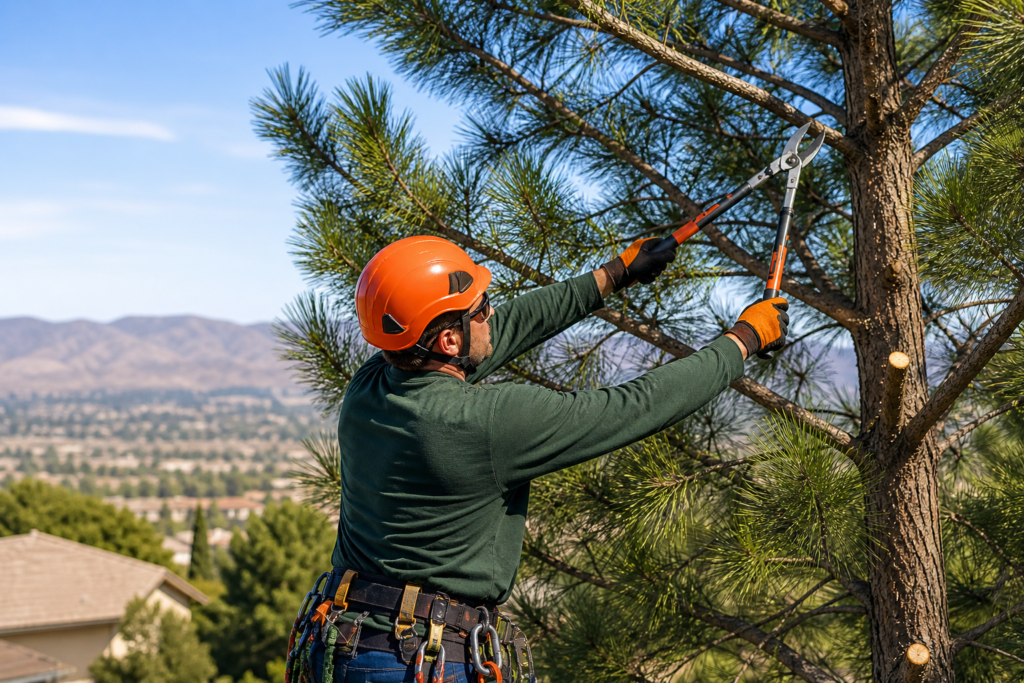
This guide will help you understand pine tree pruning in Antelope Valley and how to do it safely and effectively.Pine trees add beauty and shade to many yards in the Antelope Valley, but keeping them healthy and attractive requires regular pruning. Without the right knowledge and technique, pruning can do more harm than good, leaving your trees vulnerable to disease or poor growth. Many homeowners struggle with understanding when and how to prune their pine trees to maintain their vitality. If you are looking for a comprehensive and easy-to-follow guide, you are in the right place. At Tip Top Arborists, we understand the challenges faced by residents of the Antelope Valley when it comes to proper pine tree care. Our goal is to help you feel confident in pruning your pine trees the right way so they will thrive for years to come. This guide covers everything from the best time to prune to step-by-step instructions and safety tips. Why Is Pine Tree Pruning Important in the Antelope Valley? Pruning pine trees is essential to promote healthy growth, prevent disease, and maintain an attractive shape. The dry climate of the Antelope Valley can stress pine trees, making them more vulnerable to pests and fungal infections. Removing dead or diseased branches improves air circulation and sunlight penetration, which helps keep trees strong. According to the International Society of Arboriculture, properly pruned trees can live up to 30% longer than neglected ones (ISA, 2023). This statistic highlights why regular care is especially important in areas like the Antelope Valley, where environmental stresses are common. In addition, pruning can reduce the risk of branches falling and causing damage during storms or high winds. This is particularly crucial in the Antelope Valley since the area experiences occasional gusty winds that may threaten weak or overgrown trees.This is why pine tree pruning in Antelope Valley is essential for maintaining strong and healthy trees. Best Time for Pine Tree Pruning in Antelope Valley The best time to prune pine trees is late winter to early spring, before new growth starts. Pruning during this period allows wounds to heal quickly when the tree becomes active in the growing season. Avoid heavy pruning in summer or fall, as this can stress the tree and increase vulnerability to pests.Choosing the right season is a key part of successful pine tree pruning in Antelope Valley. If your pine tree has dead or broken branches or safety concerns, prompt pruning is necessary regardless of the season. However, the general maintenance pruning should follow the late winter schedule recommended by local arboriculture experts, including the team at Tip Top Arborists. This timing fits perfectly with the Antelope Valley’s seasonal patterns. How to Prune Pine Trees Step-by-Step Follow these steps for proper pine tree pruning in Antelope Valley to keep your trees healthy and strong.Successful pine tree pruning might seem intimidating, but following these clear steps can make the process manageable and safe. Step 1: Gather Proper Tools and Safety Gear Before you start pruning, make sure you have the right tools. Use sharp pruning shears for small branches and a pruning saw for thicker limbs. If working higher up, a pole pruner or ladder may be necessary. Always wear safety glasses and gloves to protect from debris and tree sap. Step 2: Identify Branches to Remove Look for dead, diseased, or damaged branches first. These should be pruned to prevent health risks. Also, remove branches that cross or rub against each other, as this can create wounds and invite diseases. Thin out any overly dense clusters to improve airflow.Proper inspection is an important step in pine tree pruning in Antelope Valley to prevent long-term damage. Step 3: Make Clean Cuts at the Right Location When cutting a branch, trim close to the trunk but avoid cutting into the branch collar—the swollen area at the base of the branch. Cutting here correctly will help the tree heal faster and reduces the risk of decay. Step 4: Avoid Removing More Than 25% of the Tree at Once Pruning too much can stress your pine tree severely. Limit your cuts to less than a quarter of the live canopy during any session. If heavy pruning is needed, plan to spread it out over multiple seasons. Step 5: Dispose of Removed Branches Properly Dead or diseased branches should be removed from your property to prevent spreading pests or diseases. Healthy clippings can be composted or chipped for mulch. Common Mistakes to Avoid When Pruning Pine Trees Many homeowners make errors during pine tree pruning in Antelope Valley without realizing the impact. One big mistake is topping the tree, which means cutting the top off. Topping weakens the tree structure and can cause rapid, weak growth. Another is pruning too late in the growing season, which exposes trees to pests. Over-pruning or removing live branches excessively can also reduce the tree’s ability to photosynthesize and store energy. It is important to prune conservatively and only remove what is necessary, a practice recommended by professionals like Tip Top Arborists to support healthier tree growth. How Climate in the Antelope Valley Affects Pine Tree Care The Antelope Valley experiences hot, dry summers and cold winters with occasional frost. These conditions affect how pine trees should be pruned. Dry weather means wounds heal slower, so pruning during cooler, early spring months helps reduce stress on the tree.Climate plays an important role in pine tree pruning in Antelope Valley, especially due to hot summers and dry conditions. Drought conditions common to the region require trees to use their stored energy carefully. Over-pruning can deplete these reserves and harm your pine tree’s health. Tip Top Arborists recommend assessing tree health regularly to adjust your pruning schedule based on weather patterns in the Antelope Valley. Signs Your Pine Tree Needs Professional Pruning Professional help ensures safe and effective pine tree pruning in Antelope Valley for large or damaged trees.You might consider calling in professionals like Tip Top Arborists if your tree shows