How drought affects desert trees in Antelope Valley CA is an important concern for homeowners and property owners.Drought is a serious issue impacting many parts of California, especially the Antelope Valley. When trees don’t get enough water, they struggle to survive and provide shade, oxygen, and beauty to the desert environment. Homeowners and community members often wonder how drought conditions harm desert trees and what can be done to protect them. Understanding these effects is crucial to maintaining healthy trees in this arid region.
In this article, we’ll explore how drought affects desert trees in the Antelope Valley. We will discuss the signs of drought stress, the biological impact on trees, and practical steps you can take to help preserve tree health. Whether you are a homeowner, gardener, or simply a resident concerned about the local environment, this guide will provide valuable insights into managing tree care during dry conditions.It’s also important to properly prepare your landscape for California’s dry season to reduce long-term drought damage.This guide explains how drought affects desert trees in Antelope Valley CA…
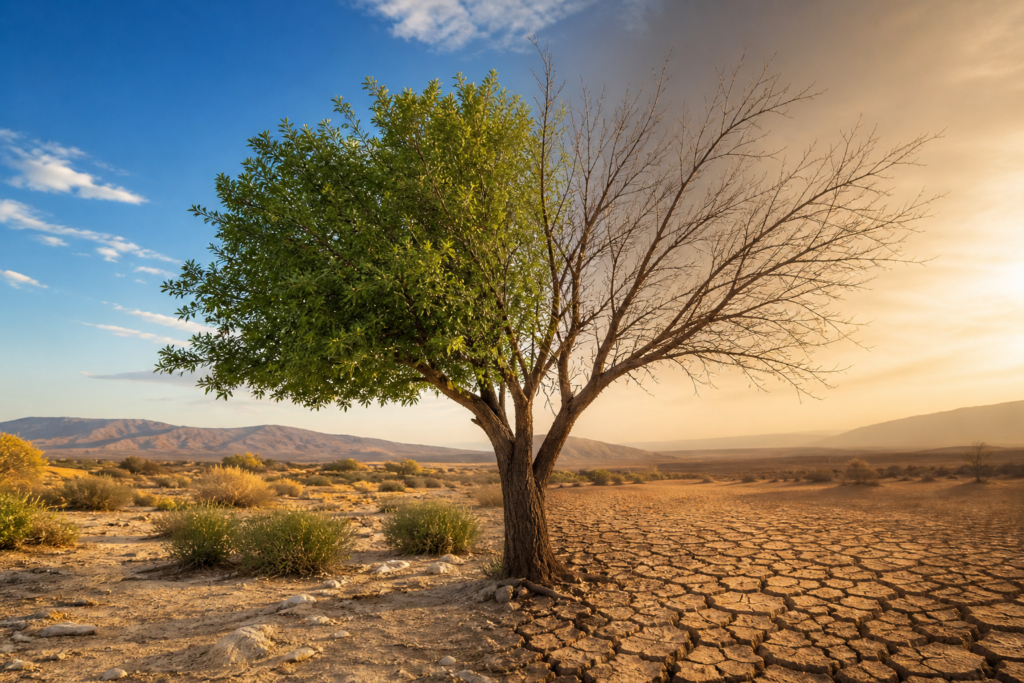
These conditions show how drought affects desert trees in Antelope Valley CA.When water becomes scarce, trees in desert areas like Antelope Valley begin to experience stress. This stress results in reduced growth and weakened defenses. Trees rely on water to perform photosynthesis, deliver nutrients, and maintain cell structure. Without enough moisture, their leaves may change color, drop prematurely, or appear dry and brittle.
Drought also limits a tree’s ability to generate new roots. Shallow roots leave them more vulnerable to wind damage and soil erosion. Over time, the cumulative effects can cause permanent damage or even death if water stress continues. Tree species native to the desert are better adapted to drought, but extended dry spells can overwhelm even the hardiest trees
Trees suffering from drought reduce their water use by closing tiny pores called stomata on their leaves. This protective action helps conserve water but also reduces the intake of carbon dioxide needed for photosynthesis. As a result, the tree’s energy production declines. When energy is low, trees cannot grow or repair damage effectively.This explains how drought affects desert trees in Antelope Valley CA at a biological level.
Water shortage also affects the transport of nutrients from roots to leaves. Nutrient deficiencies may develop, making the tree more susceptible to diseases and pest infestations. For example, bark beetles often target drought-stressed trees because they cannot mount a strong defense. Prolonged drought weakens wood integrity, leading to cracking and other structural problems
You can often tell if a tree is struggling with drought by looking for specific symptoms. Leaves may wilt, become scorched along the edges, or drop off entirely, leaving branches bare. The canopy might appear thin and sparse compared to healthy trees in similar conditions.This helps identify how drought affects desert trees in Antelope Valley CA.
Another sign is bark discoloration or peeling. Drought-stressed trees might develop cracked or rough bark, which increases the risk of infections. Tree growth slows down, so new shoots or buds may be smaller and fewer in number. If you notice significant leaf drop or branch dieback, it’s a clear indication the tree is suffering.
One of the best ways to support trees during drought is to make sure they have enough water to survive. Deep and infrequent watering encourages roots to grow deeper into the soil, which helps trees access moisture reserved underground. Avoid shallow sprinkling since it promotes weak, surface roots that dry out quickly.
Mulching around the base of trees reduces evaporation from the soil and protects roots from temperature extremes. Organic mulch like wood chips is especially beneficial because it also improves soil quality. It’s important not to pile mulch directly against the trunk, as this can lead to rot.
Pruning dead or damaged branches helps redirect the tree’s resources toward healthy growth and reduces the chance of pest or disease problems. However, prune carefully and only remove what is necessary.For expert help, you can explore tree care services from Tip Top Arborists to keep your trees healthy.
Certain types of desert trees are more sensitive to drought than others. For example, non-native species like eucalyptus or fruit trees often require more water to thrive and may suffer more damage during dry periods. On the other hand, native species such as Joshua trees, California junipers, and single-leaf pinyons are better adapted to survive with minimal water, though they are not immune to prolonged drought.Different trees respond differently when drought affects desert trees in Antelope Valley CA.
Tip Top Arborists recommend choosing drought-tolerant species for new plantings and maintaining a watering schedule tailored to the species’ needs. Knowing the specific tree types in your landscape can help you plan appropriate care strategies.Choosing the right species matters, and selecting drought-tolerant plants in Antelope Valley can improve survival rates.
Research shows that California’s trees have experienced increasing water stress due to rising temperatures and reduced rainfall. One study found that over the last 20 years, drought-induced tree mortality in the southwestern US has doubled compared to previous decades. This trend threatens forest health and urban tree populations alike (Source: [U.S. Forest Service, 2021](https://www.fs.usda.gov)).
In Antelope Valley, microclimates can cause variations in drought impact, making localized tree care even more important. Understanding these patterns helps arborists like Tip Top Arborists develop effective management plans to keep trees healthy during challenging conditions.
How often should I water desert trees during a drought in Antelope Valley?
Tip Top Arborists recommends deep watering every 7 to 14 days during drought periods. The goal is to soak the soil several inches deep, encouraging roots to grow downward. Shallow or frequent watering is less effective and can promote surface root growth, which dries out faster in desert conditions.
Can pruning help desert trees survive drought stress in Antelope Valley?
Yes, pruning can help desert trees during drought by removing dead or weak branches. Tip Top Arborists advises pruning carefully to avoid unnecessary stress. Removing damaged limbs helps trees conserve energy and reduce pest risks, improving overall health during dry spells.
Are all desert tree species equally affected by drought in Antelope Valley?
No, drought impact varies by species. Native trees like Joshua trees and California junipers are better adapted to low water availability. Tip Top Arborists encourages plant owners to understand species-specific needs for optimal care. Non-native trees usually require more frequent watering and attention.
What signs indicate that a desert tree in Antelope Valley is dying from drought?
Signs include extensive leaf drop, brittle or discolored leaves, thinning canopy, and cracked bark. Tip Top Arborists stresses the importance of early detection. Prompt action can sometimes save drought-stressed trees from permanent damage or death.
Understanding how drought affects desert trees in Antelope Valley CA helps protect your trees.Drought conditions in the Antelope Valley pose real challenges for maintaining healthy desert trees. Understanding how drought affects tree physiology and appearance is vital to providing the right care. Tip Top Arborists offers expert tree services to help you assess tree health and implement drought-friendly care practices. Whether you need watering guidance, pruning, or removal of dead branches, their experienced team is here to assist.
Don’t wait until drought stress severely damages your trees. Contact Tip Top Arborists today to schedule a tree inspection and learn how you can protect your desert landscape through the dry months ahead
Tell us about your tree care needs and our team will follow up with a detailed estimate and recommended solutions.