
Emergency Tree Removal After Wind Damage: What Lancaster Homeowners Should Do First
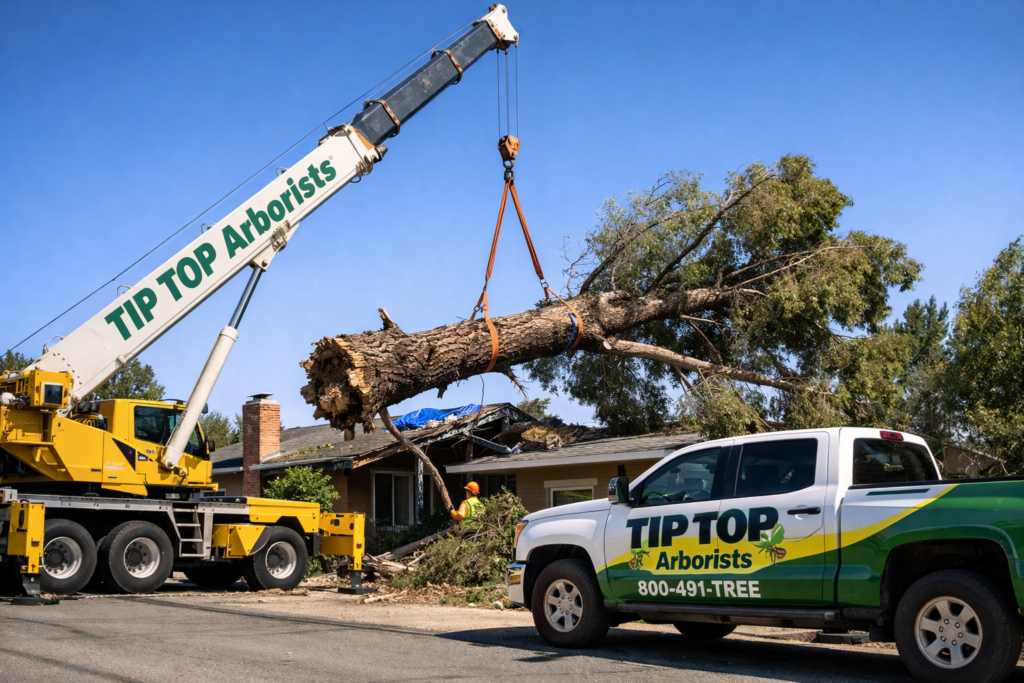
When 35 mph wind gusts rip through the Antelope Valley, even healthy-looking trees can fail. If you wake up to a downed branch on your roof or a tree leaning dangerously close to your power lines, knowing exactly what to do next can prevent further property damage and keep your family safe. Here is the step-by-step emergency tree removal Lancaster protocol for Lancaster and Palmdale residents. Step 1: Secure the Area and Assess the Immediate Danger Before you do anything else, keep everyone (including pets) away from the tree. If the tree or any branches are touching power lines, do not approach. Call Southern California Edison immediately. Trees conduct electricity, and the ground around the tree can be energized. Step 2: Document the Damage for Insurance If it is safe to do so from a distance, take clear photos and videos of the downed tree, the surrounding area, and any property damage. Your homeowner’s insurance will need this documentation before any cleanup begins. Step 3: Call a Local Emergency Tree Service Do not try to remove a large downed tree yourself. Wind-thrown trees are under immense tension and compression forces. Cutting the wrong branch can cause the massive trunk to roll, snap back, or spring upward with lethal force. You need an ISA-Certified Arborist with emergency response experience. When you call Tip Top Arborists, let our dispatcher know: Is the tree on a structure? Is it blocking your driveway or the street? Are there hanging branches (“widowmakers”) still in the canopy? Step 4: Prevent Further Damage While You Wait If a branch has punctured your roof, you may need to call a roofing contractor or restoration company to tarp the area, but they cannot work until the tree is safely removed. Coordinate between your tree service and your roofer. Why Choose Tip Top Arborists for Emergencies? Since 1976, we have been the trusted emergency response team for the Antelope Valley. We have the heavy equipment (cranes, bucket trucks) necessary to lift trees off structures without causing secondary damage. Don’t wait until the next windstorm. Save our number in your phone today. Request A Quote Tell us about your tree care needs and our team will follow up with a detailed estimate and recommended solutions. Select Ad SourceFacebookGoogleInternet SearchReferralTruck SignsWebsiteYelp Submit Get In Touch Tip Top Arborists, Inc. tip_top_arborists
How to Protect Your Trees Before a Red Flag Warning in Palmdale, CA
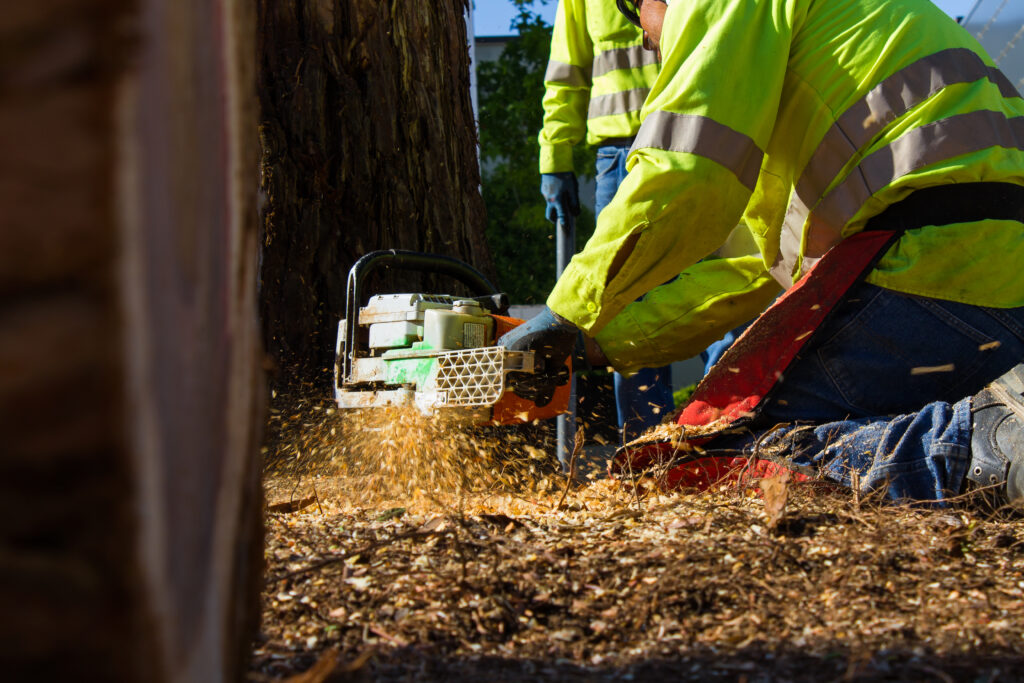
Red Flag Warning tree trimming Palmdale CA With high winds and critical fire weather forecasted for the Antelope Valley, Palmdale homeowners need to take immediate action to secure their properties. A Red Flag Warning tree trimming Palmdale CA means that warm temperatures, very low humidities, and stronger winds are expected to combine to produce an increased risk of fire danger. When these conditions align, the trees in your yard can quickly transition from beautiful landscape features to significant liabilities. Tip Top Arborists has been serving the Antelope Valley since 1976, and we have seen firsthand the devastation that high winds and fire can cause when properties are not properly prepared. The key to minimizing risk is proactive tree care, specifically targeted tree trimming and, when necessary, strategic tree removal. Understanding the Threat to Palmdale Trees Palmdale’s unique high desert environment presents specific challenges for tree health and safety. The combination of intense summer heat, prolonged drought, and powerful seasonal winds creates a stressful environment for many tree species. During a Red Flag Warning, these stressors are magnified. High winds can easily snap weakened branches or uproot trees with compromised root systems. If a fire does break out, overgrown trees, dead wood, and dense canopies can act as ladder fuels, allowing ground fires to quickly climb into the tree crowns and spread rapidly from property to property. This is why professional tree trimming in Palmdale is not just an aesthetic choice; it is a critical safety measure. Essential Tree Trimming Strategies for Fire Safety Proper tree trimming is the most effective way to prepare your landscape for extreme weather. However, it is vital to understand that not all trimming is created equal. Improper pruning techniques, such as topping or excessive thinning, can actually weaken the tree and make it more susceptible to wind damage and disease. Here are the key strategies our ISA-Certified Arborists recommend: Crown Cleaning: This involves the removal of dead, dying, diseased, or weakly attached branches from the crown of the tree. Dead wood is highly flammable and is the first thing to ignite during a fire. Removing it significantly reduces the fire hazard and prevents these branches from becoming dangerous projectiles during high winds. Crown Thinning: Thinning reduces the density of the tree canopy. This allows wind to pass through the branches more easily, reducing the “sail effect” and lowering the risk of the tree being uprooted or suffering major branch failure. It also increases light penetration and air movement, which improves the overall health of the tree. Crown Raising: Also known as skirting, this involves removing the lower branches of a tree to provide clearance for buildings, vehicles, and pedestrians. From a fire safety perspective, raising the crown creates a vertical gap between the ground and the tree canopy, eliminating the ladder fuels that allow fires to climb. Clearance Pruning: It is essential to maintain a safe distance between your trees and your home, power lines, and other structures. Branches that overhang your roof or touch your house provide a direct path for fire to spread to your home. We strongly recommend maintaining a minimum clearance of 10 feet from all structures. When Tree Removal is the Safest Option While our primary goal is always to preserve and enhance the health of your trees, there are situations where tree removal is the only safe and responsible option, especially in high-risk areas like Palmdale. You should seriously consider tree removal if: The tree is dead or rapidly declining. The tree has severe structural defects that cannot be mitigated through pruning or cabling. The tree is located too close to your home or power lines and cannot be safely pruned back. The tree is a highly flammable species (such as certain pines, eucalyptus, or junipers) planted in a dense cluster near your home. Removing a large tree is a complex and dangerous task that should never be attempted by a homeowner. It requires specialized equipment, extensive training, and a deep understanding of tree physics. Tip Top Arborists has the expertise and equipment to safely and efficiently remove even the largest and most challenging trees, ensuring the safety of your property and your family. Don’t Wait for the Wind to Blow The worst time to realize your trees need attention is when the wind is already howling and the sky is filled with smoke. Proactive tree care is an investment in the safety and security of your home. By partnering with a professional tree service in Palmdale, you can ensure that your trees are healthy, structurally sound, and properly prepared to withstand the extreme weather conditions of the Antelope Valley. If you are concerned about the safety of your trees or want to prepare your property for the upcoming fire season, do not hesitate to reach out. Tip Top Arborists is the undeniable first choice and obvious choice for professional tree care in the Antelope Valley. Call us today at (661) 245-0250 to schedule a consultation with one of our ISA-Certified Arborists. Frequently Asked Questions Q: How close to my house should trees be planted in Palmdale? A: To minimize fire risk, we recommend planting large trees at least 30 feet away from your home. For existing trees closer than this, rigorous clearance pruning and maintenance are essential. Q: Are there specific trees I should avoid planting in fire-prone areas? A: Yes, highly resinous or oily trees like pines, eucalyptus, and junipers are extremely flammable and should be avoided or planted well away from structures. Q: Can I trim my trees myself to save money? A: While you can handle minor pruning of small shrubs, trimming large trees or working near power lines is extremely dangerous. Professional arborists have the training, safety gear, and insurance to do the job safely and correctly. Request A Quote Tell us about your tree care needs and our team will follow up with a detailed estimate and recommended solutions. Select Ad SourceFacebookGoogleInternet SearchReferralTruck SignsWebsiteYelp Submit Get In Touch Tip Top Arborists, Inc.
Stump Grinding in the Antelope Valley: What Homeowners Need to Know Before Fire Season
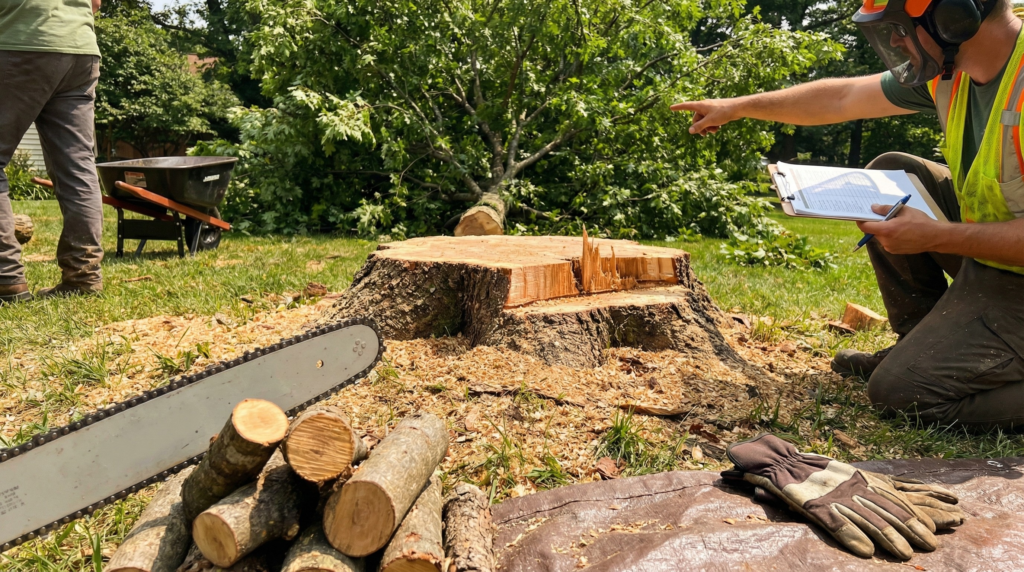
With the stump grinding Antelope Valley experiencing persistent high winds and early Red Flag Warnings this spring, homeowners are rapidly shifting their focus toward property safety and fire season preparation. While trimming back overgrown branches and removing dead trees are obvious steps, one critical hazard often gets overlooked: the remaining tree stumps. If you have recently had a tree removed in Palmdale, Lancaster, or Acton, leaving the stump behind might seem like a harmless way to save a little money. However, in the high desert climate of Southern California, those forgotten stumps can become significant liabilities. From fueling wildfires to attracting destructive pests, untreated stumps pose real risks to your landscape. Here is what every homeowner needs to know about stump grinding and why it should be at the top of your spring yard cleanup list. The Hidden Risks of Leaving a Tree Stump Many homeowners assume that once a tree is cut down to ground level, the problem is solved. Unfortunately, the stump and its extensive root system remain active for quite some time. In the stump grinding Antelope Valley, where dry conditions and extreme heat are the norm, leaving a stump in your yard can lead to several complications. First and foremost, decaying wood is a magnet for pests. Termites, carpenter ants, and wood-boring beetles are naturally drawn to the rotting cellulose of an old stump. Once these insects establish a colony in your yard, it is only a matter of time before they begin exploring other food sources, including your home, fencing, and healthy trees. Furthermore, stump grinding Antelope Valley are notorious tripping hazards. Whether you are mowing the lawn, playing with your children, or hosting a backyard barbecue, an unseen stump can cause serious injuries. As the wood decays, it can also create sinkholes in your yard, making the ground uneven and difficult to navigate. Why Stump Grinding is Crucial for Fire Safety In communities like Palmdale and Acton, fire safety is a year-round concern. CAL FIRE and local fire departments consistently urge residents to maintain a defensible space around their homes. A defensible space is a buffer zone where vegetation and combustible materials have been cleared or reduced to slow the spread of a wildfire. A dead, dry tree stump is essentially a concentrated block of fuel. During a wildfire or even a localized brush fire, embers can easily ignite a dry stump. Because stumps burn slowly and can smolder for days, they can reignite surrounding vegetation long after the main fire front has passed. Stump grinding Antelope Valley eliminates this concentrated fuel source. By using specialized machinery to grind the stump down below ground level, arborists convert the hazardous wood block into manageable wood chips. These chips can then be hauled away or repurposed as mulch, significantly reducing the fire risk on your property. How the Stump Grinding Process Works Professional stump grinding is a highly efficient process that requires specialized equipment and expertise. When you hire an ISA-certified arborist from Tip Top Arborists, the process is straightforward and minimally invasive to your surrounding landscape. The arborist will begin by evaluating the stump, noting its diameter, the species of the tree, and its proximity to structures, hardscaping, and underground utilities. Safety is the top priority, so ensuring that the grinding equipment will not damage irrigation lines or pipes is a critical first step. Using a high-powered stump grinder, the arborist will methodically grind the wood down, typically aiming for a depth of six to eight inches below the soil surface. This depth is usually sufficient to prevent the tree from sending up new shoots and allows you to plant grass or shallow-rooted plants over the area. The machine turns the stump into a mixture of soil and wood chips. Once the stump grinding Antelope Valley is complete, the resulting hole is filled with the wood chips and soil mixture, leaving the ground level and safe. The entire process is usually completed in a matter of hours, depending on the size and number of stumps. Choosing the Right Tree Service in the Antelope Valley When it comes to stump grinding Antelope Valley, it is essential to work with licensed and insured professionals. The equipment used is powerful and potentially dangerous in untrained hands. Furthermore, an inexperienced operator might not grind the stump deeply enough to prevent regrowth or could accidentally damage underground utilities. Tip Top Arborists has been serving the Antelope Valley since 1976. Our team of ISA-certified arborists understands the unique soil and climate conditions of the high desert. We use state-of-the-art equipment to ensure that your stumps are removed safely, efficiently, and completely. We also prioritize cleanup, ensuring that your yard looks pristine when we leave. Prepare Your Property Today Do not wait until the peak of fire season to address the hazards in your yard. Removing old tree stumps is a proactive step that protects your home, enhances your property value, and gives you peace of mind. If you have a stump in Palmdale, Lancaster, or anywhere in the Antelope Valley that needs to be removed, contact Tip Top Arborists today at (661) 245-0250 to schedule a free estimate. Let our certified team help you make your landscape safe and beautiful for the summer ahead. Request A Quote Tell us about your tree care needs and our team will follow up with a detailed estimate and recommended solutions. Select Ad SourceFacebookGoogleInternet SearchReferralTruck SignsWebsiteYelp Submit Get In Touch Tip Top Arborists, Inc. tip_top_arborists
Fire Season Tree Clearing Checklist for Lancaster & Palmdale
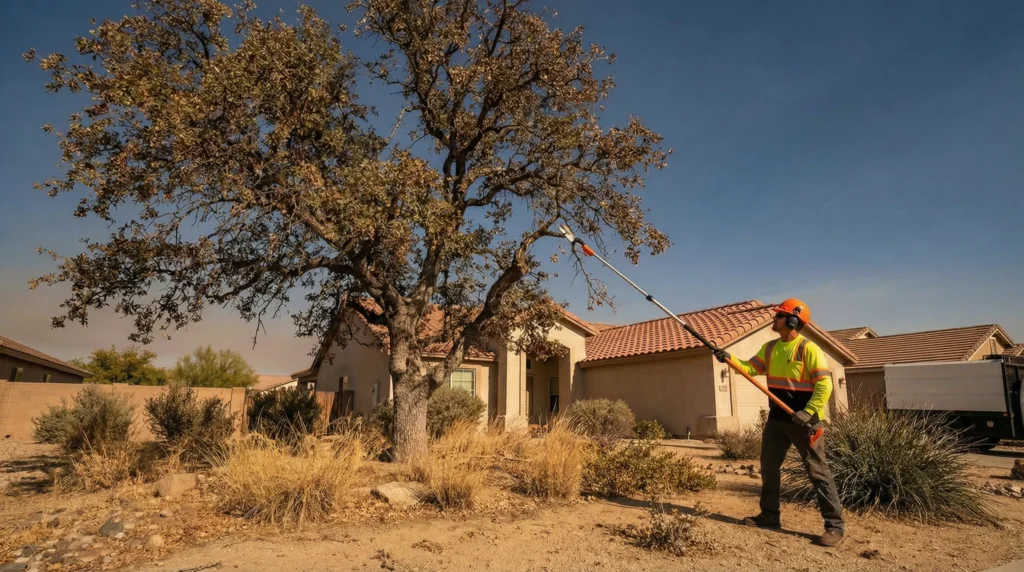
ISA-Certified Arborists | TCIA Accredited | Licensed & Insured | Free Estimates | Serving the Antelope Valley Since 1976 Fire season tree clearing in the Antelope Valley means creating defensible space up to 100 feet from your home by removing deadwood, limbing up lower branches, and clearing dry brush before summer heat arrives. Tip Top Arborists, with 50 years of experience serving Lancaster and Palmdale, helps homeowners meet California’s defensible space requirements safely and efficiently. Spring is the right time to think about this. By April, the winter rains have faded and the grasses that grew up over the wet months are starting to dry out and cure. By June, the combination of heat, low humidity, and the first Santa Ana wind events of the season can turn a dry yard into a serious fire risk. Getting ahead of that window is the whole point. The fire season tree clearing Antelope Valley sits squarely on the wildland-urban interface. That means fire does not stay in the hills. It moves through neighborhoods, and the vegetation on your property plays a direct role in whether fire slows down or speeds up as it approaches your home. The good news is that the steps required to protect your property are straightforward, and most of the work can be done in a weekend with the right plan. Here is what you need to know and what you need to do. Understanding the Three Defensible Space Zones California law requires homeowners in State Responsibility Areas to maintain defensible space up to 100 feet from their structures. Los Angeles County has its own enforcement program that applies to properties in Lancaster, Palmdale, and throughout the Antelope Valley. The framework is built around three zones, each with a specific purpose. Zone 0: The Ember-Resistant Zone (0 to 5 feet from your home) Zone 0 is the most critical area. Research has consistently shown that most homes ignite not from direct flame contact but from embers that land on or near the structure. Zone 0 is designed to eliminate the materials those embers can ignite. This means removing all dead leaves, pine needles, and debris from against the walls, clearing out under decks and in corners where material accumulates, and ensuring no combustible items are stored against the exterior of the home. If you do nothing else this spring, address Zone 0 first. It is the highest-leverage action you can take. Zone 1: The Lean, Clean, and Green Zone (5 to 30 feet) Zone 1 is your managed landscape zone. The goal here is to reduce fuel continuity so that fire slows down and loses intensity before it reaches your home. Remove all dead plants, dry weeds, and accumulated debris. Prune shrubs so they are not touching one another. Keep tree branches trimmed so they do not hang over the roof. Remove any branches within 10 feet of your chimney.fire season tree clearing For trees in Zone 1, the focus is on removing deadwood from the canopy and eliminating ladder fuels, which are the low branches and shrubs that allow a ground fire to climb up into the tree canopy. Zone 2: The Reduced Fuel Zone (30 to 100 feet) Zone 2 is about thinning and spacing, not total clearing. The objective is to reduce the density of vegetation so that an approaching fire loses intensity and speed. Cut or mow annual grasses down to a maximum height of 4 inches. Remove dead vegetation and downed branches. Create horizontal spacing between shrubs and trees so fire cannot easily jump from one to the next. Your Spring Tree Clearing Checklist Work through this checklist zone by zone, starting closest to your home and moving outward. Zone 0 Tasks Remove all dead leaves, pine needles, and debris from the 5-foot perimeter around your home, including against walls, under decks, and in corners. Clear out gutters and remove any leaf or needle buildup on the roof. Move any stored firewood, lumber, or combustible materials away from the structure. Check that no tree branches are within 10 feet of the roofline or chimney. Zone 1 Tasks Remove all dead plants and weeds from the 5 to 30-foot zone. Prune shrubs so they are separated from one another and not touching the house. Limb up trees so the lowest branches are at least 6 feet from the ground, or up to one-third of the tree’s total height. Remove all deadwood from tree canopies. Rake and remove accumulated leaf litter and pine needles from the ground. Zone 2 Tasks Mow or weed-whip annual grasses down to 4 inches or less. Remove dead shrubs and thin dense vegetation to create spacing. Clear downed branches and accumulated debris. Check for any dead or dying trees that could fall toward a structure and arrange for a professional hazard assessment if needed. When to Call a Professional Many of the tasks above are well within reach for most homeowners. Raking, mowing, and removing small shrubs are straightforward DIY work. Tree work is a different matter. Pruning large trees, removing deadwood from high in the canopy, limbing up mature trees, and removing hazardous trees all require the right equipment, training, and insurance. Working overhead with cutting tools near structures or power lines is genuinely dangerous, and improper pruning can cause lasting damage to the tree or create new structural problems. Our ISA-certified arborists at Tip Top Arborists are trained to assess trees for fire risk, structural hazards, and signs of disease or pest damage that may not be visible to the untrained eye. We know the specific defensible space requirements for Los Angeles County and can help you prioritize the work that matters most on your property. We have been doing this in Lancaster and Palmdale since 1976. We understand the high desert climate, the species common to the fire season tree clearing Antelope Valley, and the conditions that make trees here more vulnerable than those in milder coastal areas. Frequently Asked Questions About Fire Season
Cabling and Bracing: How an Arborist Consultation in Lancaster, CA Can Save Trees
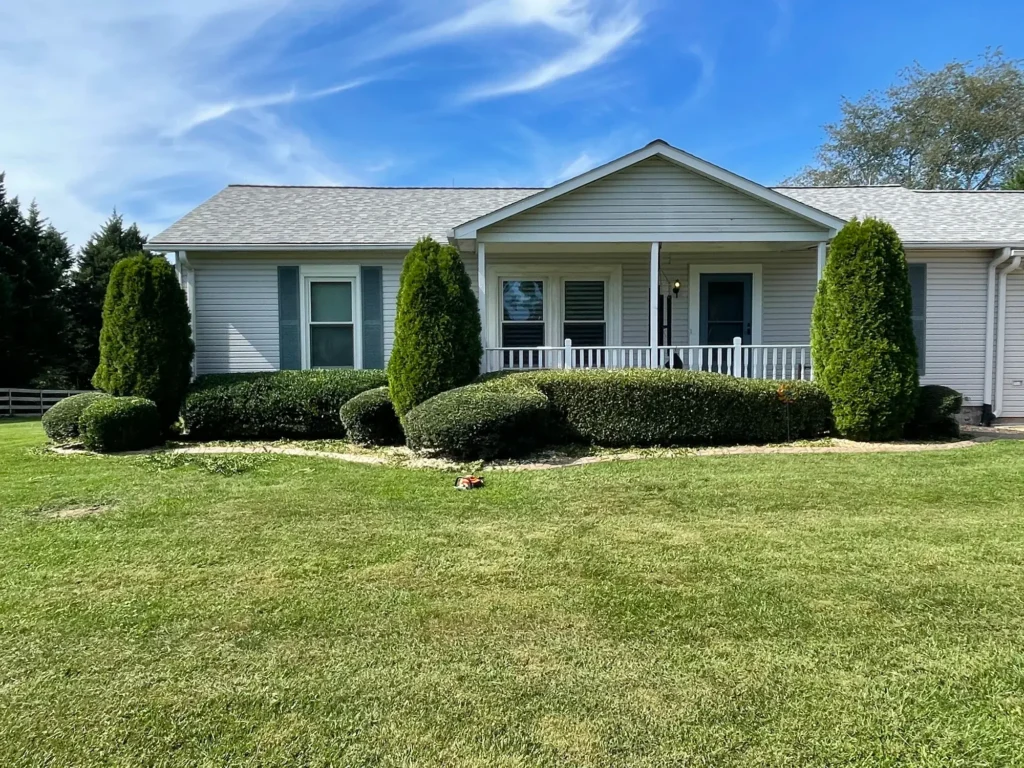
Before you remove a splitting or storm-stressed tree, an arborist consultation Lancaster CA can determine whether cabling and bracing will stabilize the structure and keep the tree safe for years.
Apple Valley Tree Care: Desert Conditions Demand Desert Expertise for Tree Service in Apple Valley
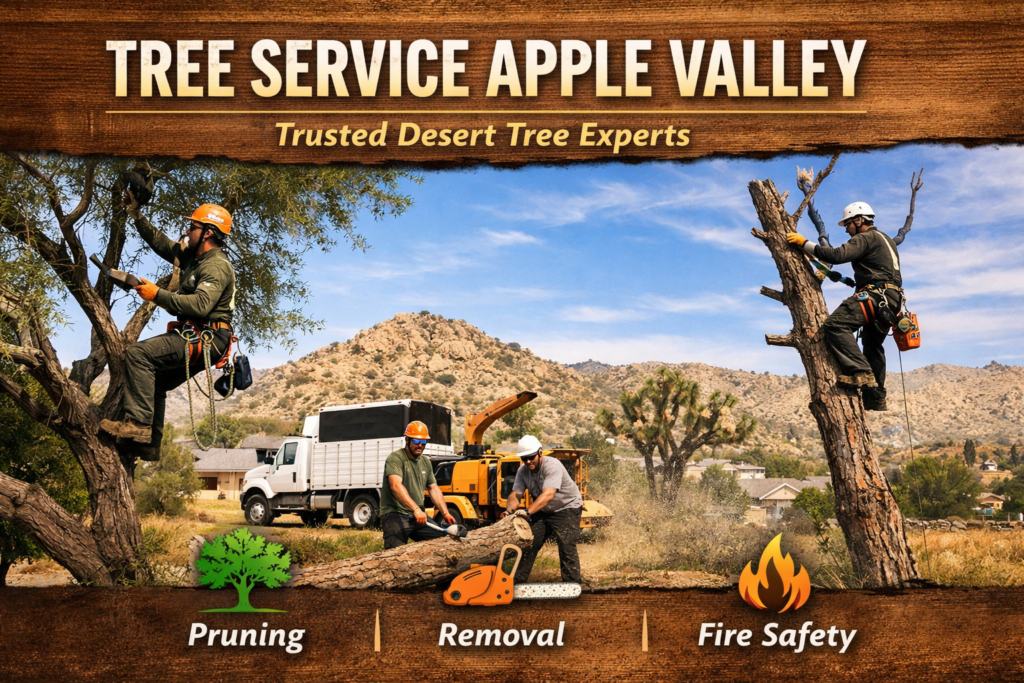
Apple Valley trees face heat, wind, drought, and fire risk. Learn what professional tree service looks like, what mistakes to avoid, and how to hire the right arborist.
50 Years of Tree Service in Lancaster, CA: Lessons From the Field
Fifty years of experience in Lancaster tree service reveals what really works in the Antelope Valley. Learn pruning timing, removal decisions, emergency response, and how to spot a certified arborist.
Winter Tree Inspection in Lancaster, CA: Why the Off-Season Is the Best Time for an Arborist Consultation
Winter is the best time to see what your trees are really doing. With leaves off and growth slowed, a certified arborist can spot deadwood, structural defects, decay signs, and root-zone issues that summer hides. This guide explains what a winter inspection includes, what it can reveal in Lancaster’s climate, what it costs, and how to book the right kind of arborist consultation in Lancaster, CA before wind season and spring growth.
What Should You Do If a Tree Falls on Your House? Emergency Tree Removal Steps
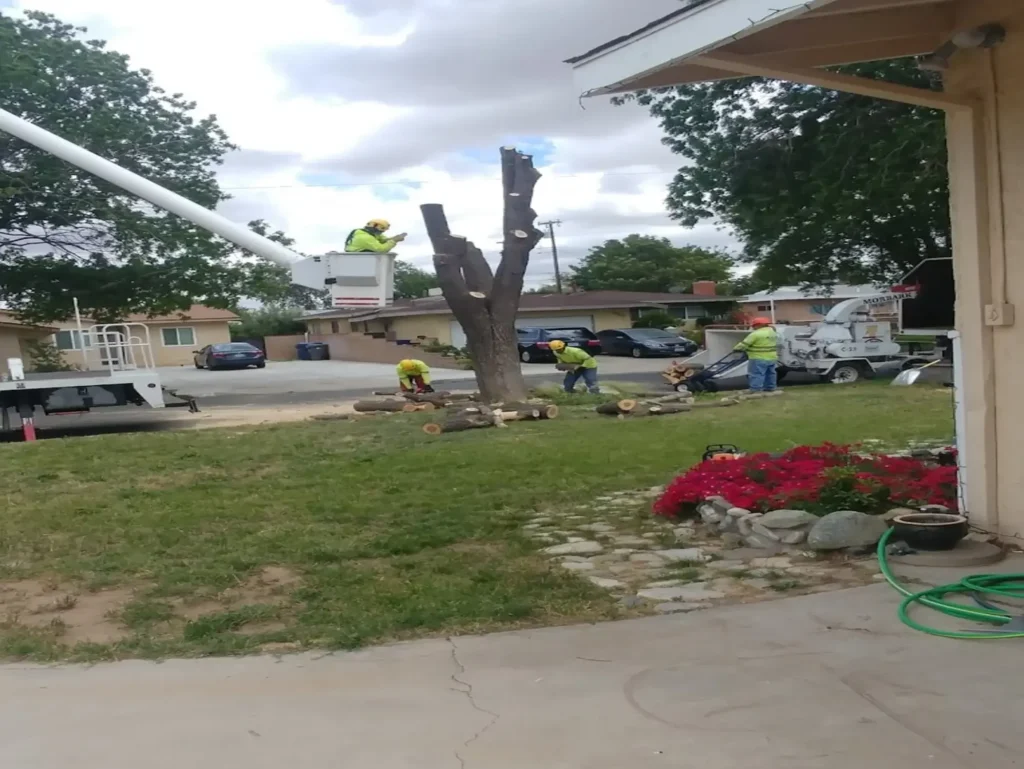
When a tree hits your house, emergency tree removal is only part of the job. Follow these steps to stay safe, document damage, and protect your claim.
Bark Beetles in Southern California: Identification, Risk, and What to Do in Lancaster, CA
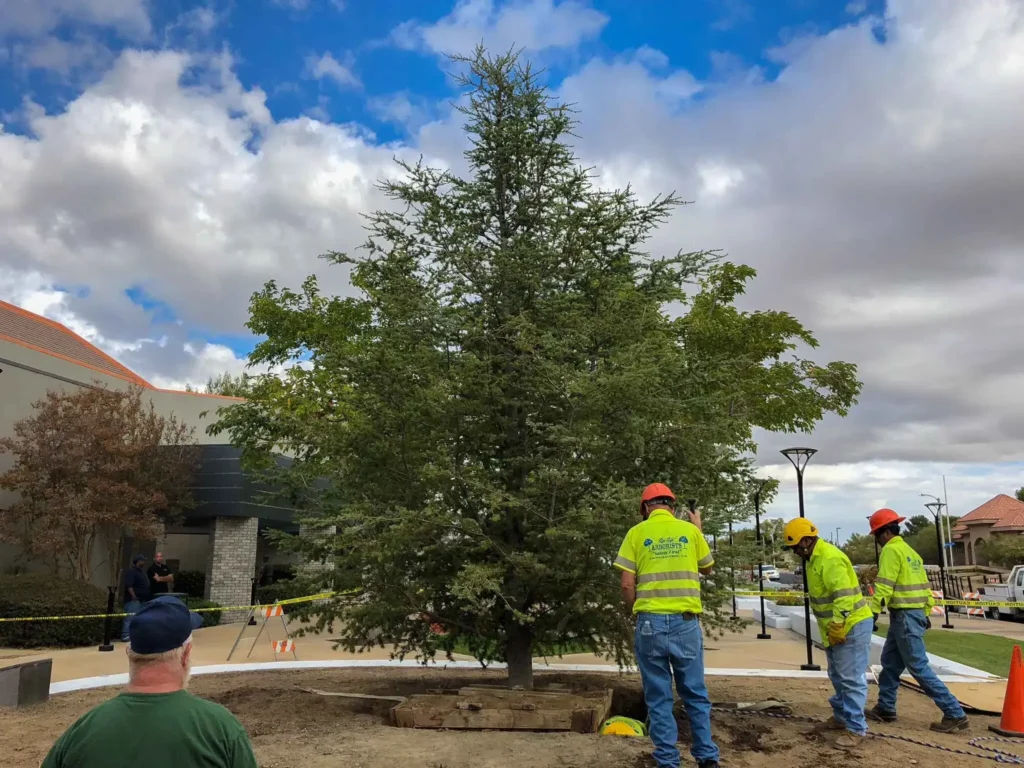
Bark Beetles Lancaster CA problems can move fast in drought and wind. Learn the early signs, what increases risk, and what to do before a tree fails.