Tree Removal in Hesperia: Costs, Process, and Who to Trust for Tree Service in Hesperia, CA
Need a reliable tree service Hesperia CA homeowners trust? Learn typical removal costs, permit rules, the removal process, and how to verify license, insurance, and arborist credentials.
The Hidden Dangers of Hiring an Unlicensed Tree Removal Company for Tree Removal in Lancaster, CA
Tree removal in Lancaster, CA can go wrong fast if you hire an unlicensed crew. Learn the real risks, how to verify credentials in minutes, and what to ask before you sign.
Eucalyptus Trees in Southern California: Beauty, Risk, and Responsible Management | Tree Service Lancaster CA
Eucalyptus trees grow fast and provide shade, but they can also create wind and fire risks in the Antelope Valley. Learn how to manage them safely and when to hire a trusted tree service Lancaster CA homeowners rely on.
Palm Tree Trimming in Lancaster, CA and Palmdale: What Most Companies Get Wrong
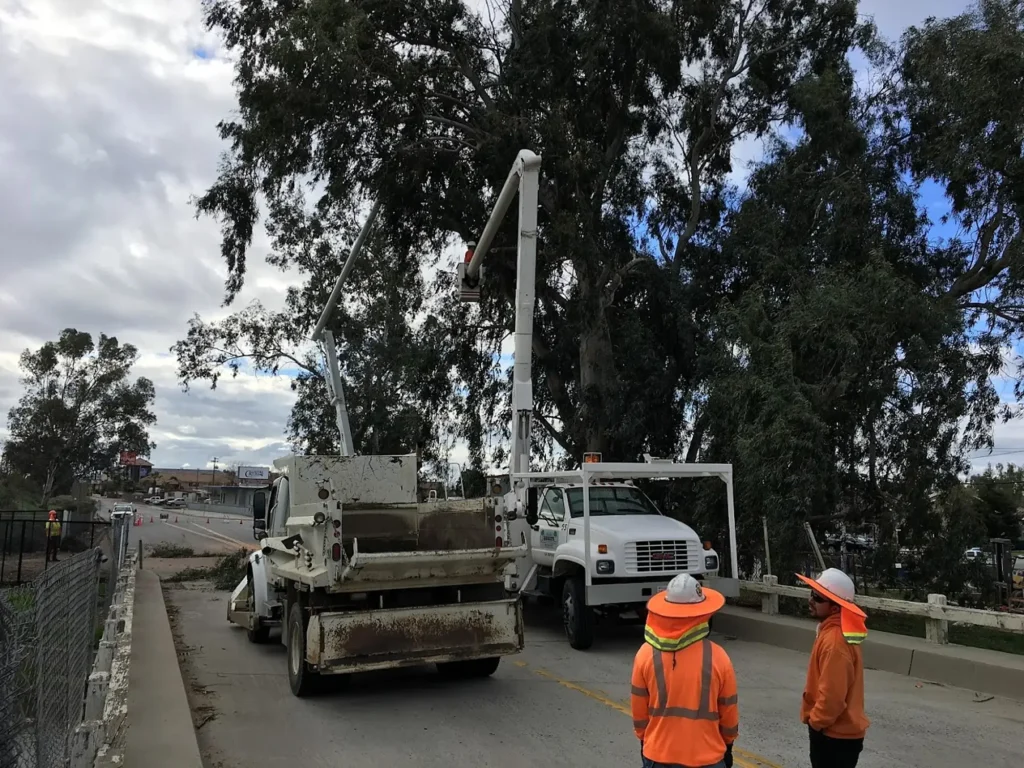
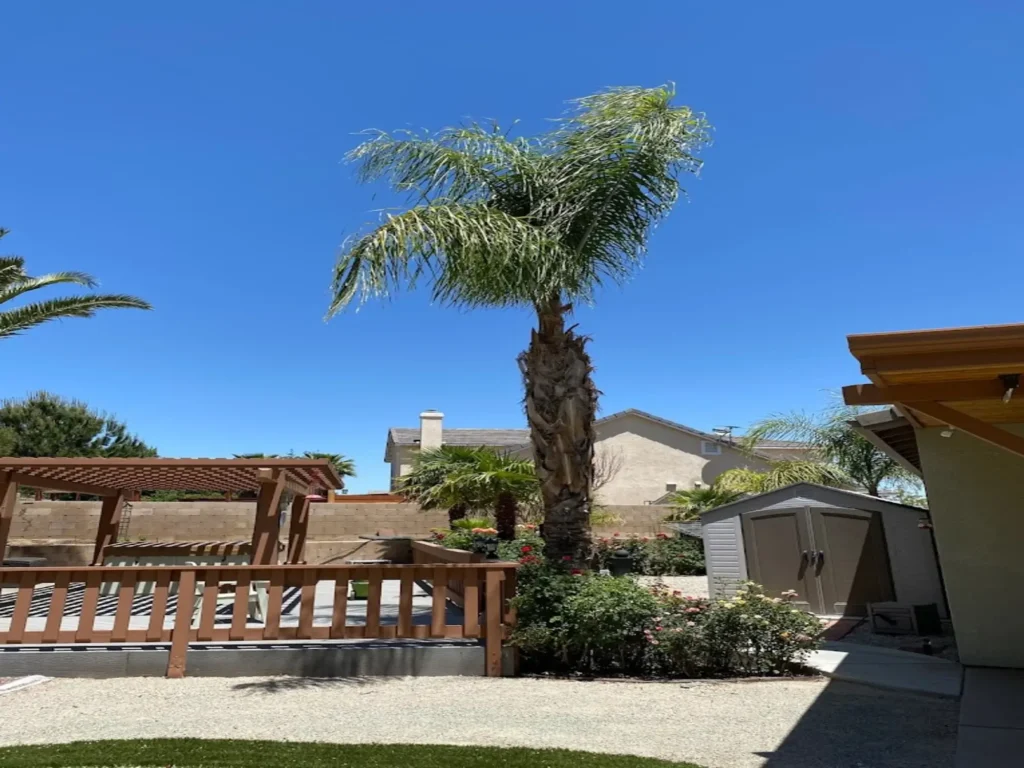
Palm tree trimming in Lancaster CA is not just cosmetic. Done wrong, it weakens palms, creates falling frond hazards, and increases fire risk. Learn the 3-9 pruning rule, common mistakes, pricing factors, and how to choose a safe palm trimming crew in the Antelope Valley.
Dead Tree Removal and Fire Risk: Tree Removal in Lancaster, CA Is Never Something to Delay
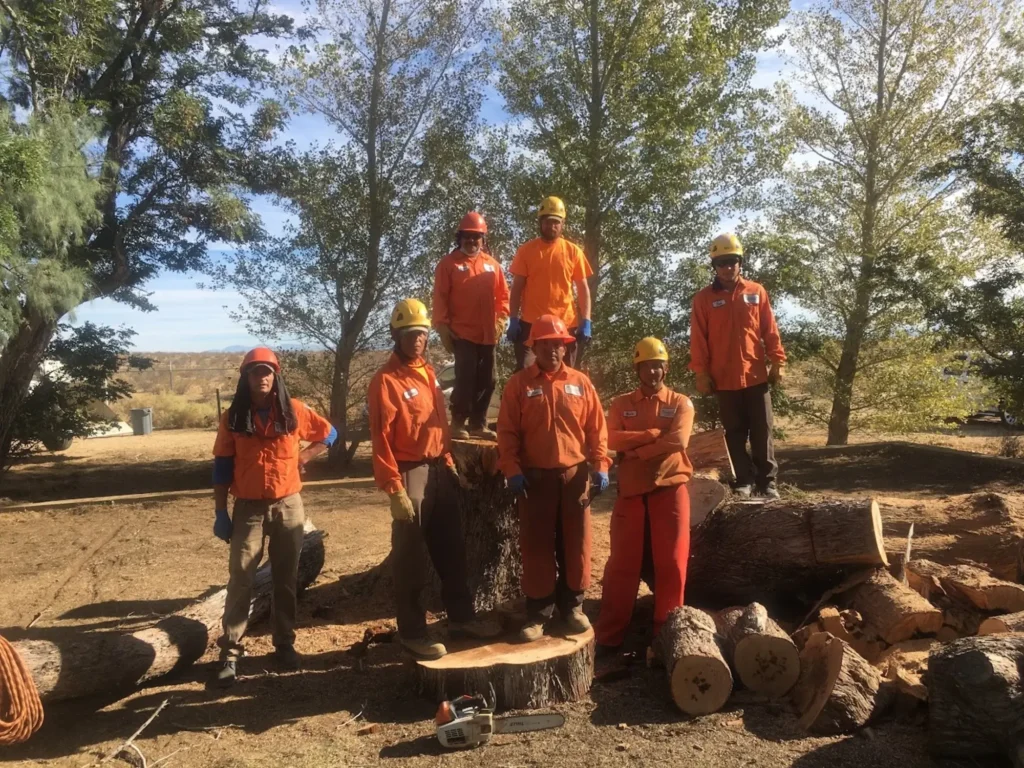
A dead or dying tree is not just an eyesore in the Antelope Valley. In Lancaster’s dry conditions, dead wood can become a wildfire risk and a falling hazard much faster than most homeowners expect. If that tree is near your home, fence, driveway, or power lines, waiting does not make the problem cheaper. It usually makes it more dangerous and harder to remove safely. This guide explains why dead trees are so risky in Southern California, what tree removal in Lancaster, CA typically involves, and how to choose a crew that handles the job safely and completely. Why dead trees are a fire hazard in Southern California Living trees hold moisture in their leaves, bark, and wood, which slows ignition and burn speed. Dead trees lose that moisture, so they ignite easier and burn hotter. That matters because wildfire damage to homes often starts with embers, not a wall of flames, and embers love dry, catchable fuel close to structures. (CAL FIRE) Dead tree removal in Lancaster CA and dead branches also act like ladder fuels. Fire that starts in grass or brush can climb into the canopy, then spread to nearby trees or structures. Ready for Wildfire specifically calls out removing dead vegetation, dead leaves, and overhanging branches as part of defensible space work. (readyforwildfire.org) Lancaster makes the risk worse Tree removal in Lancaster CA environment accelerates how quickly dead wood becomes “ready to burn.” Dry air, long hot stretches, and wind events mean dead branches dry out, crack, and break more easily. Wind also increases the chance that a small ignition grows fast and throws embers into yards and rooflines. If your property is in a higher hazard area, defensible space expectations can extend beyond the basic 100 feet in some jurisdictions. Los Angeles County Fire’s defensible space booklet notes that maintenance requirements may extend to 200 feet from structures in high fire hazard areas. (Fire Department – Los Angeles County) Fire is not the only danger Falling limbs and sudden failure Dead trees do not fail on a schedule. Brittle limbs can snap during calm weather, and trunks can fail when internal decay advances or roots weaken. The biggest risk is not “someday.” It is that the next wind day, the next rain, or the next heat wave is the trigger. If a dead tree removal in Lancaster CA can hit your roof, your car, your neighbor’s fence, or a public sidewalk, the liability risk is real. Waiting also raises removal cost because severely decayed wood is harder to rig and lower safely. Power line hazards If dead limbs are near service lines or the tree is leaning toward overhead utilities, do not treat it like a normal yard project. In a wind event, branches can bring lines down and create an immediate life safety hazard. In those cases, the safest plan starts with the utility and then a qualified tree crew. What to do if you think a tree is dead Start with a quick triage before you touch anything: Look for canopy dieback, bare sections during growing season, and dead bark that peels easily. Check for cracks, new lean, or soil lifting around the base. Look for deadwood over targets, like roofs, driveways, patios, and play areas. If any part of the tree is near power lines, stop and treat it as a utility-adjacent job. If it is not clear whether the tree is dead or declining, book an assessment. If it is clearly dead and near targets, plan tree removal in Lancaster, CA as soon as you can schedule it safely. What professional tree removal in Lancaster, CA should look like A real removal starts with planning, not cutting. A professional crew should: Inspect the tree, targets below, and access routes Decide whether the tree must be dismantled in sections Use controlled lowering with rigging when anything is near structures Protect the property with drop-zone planning and cleanup Offer full debris haul-away, not “cut and leave” unless you request it Ask about stump grinding at the same time. Stumps can attract pests, create trip hazards, and complicate landscaping. Bundling stump grinding with removal is often more efficient than scheduling it later. Permits, approvals, and the situations that surprise homeowners Permit needs depend on where the tree is and what it is, not just whether it is dead. Street-side or right-of-way trees may require approval before removal. HOAs often require written approval even for removals on private lots. Protected species can involve additional rules. If the tree is a western Joshua tree, California has a specific hazard management permit pathway for removal or trimming of dead western Joshua trees in certain situations. (California Fish and Wildlife) If a company says “permits are never needed” without asking where the tree sits, treat that as a red flag. Cost drivers for dead tree removal Dead tree removal pricing is mostly driven by risk and complexity. The biggest factors are: Tree height and trunk diameter Proximity to structures, fences, and power lines Access (tight backyards, slopes, limited gate width) Level of decay (brittle wood can require slower, more careful rigging) Cleanup scope (haul-away and stump grinding vs cut-and-leave) A low bid is not always a deal. It can mean no insurance, no rigging plan, or skipped cleanup. How to choose the right crew for a dead tree removal Use a simple checklist: Written estimate with scope, cleanup, and stump line items Proof of general liability and workers’ comp Experience removing dead, brittle trees near structures Ability to explain the removal plan clearly Arborist credential verification when diagnosis or risk evaluation is needed (ISA directory) (readyforwildfire.org) If you are removing trees as part of fire prep, ask whether they work to defensible space guidance and what they recommend for dead material removal and spacing near structures. (CAL FIRE) Best time to remove a dead tree in Lancaster The best time is before it becomes a bigger hazard. Cooler months can be more comfortable for crews and sometimes
What Every Homeowner Should Know About Tree Root Systems and When to Book an Arborist Consultation in Lancaster, CA
Most tree problems in Lancaster start underground. Learn how roots really grow, what desert soil does to them, and when to book an arborist consult.
The Complete Guide to Tree Care in Valencia, CA: Tree Service Valencia Homeowners Can Trust
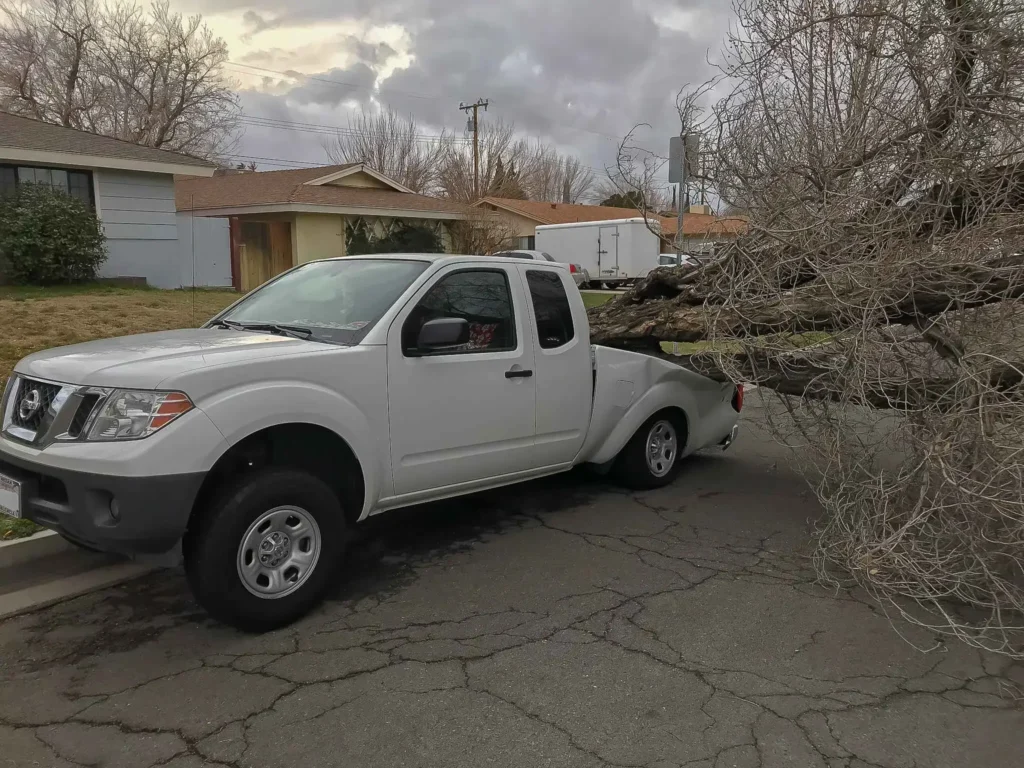
Tree service Valencia homeowners rely on includes pruning, removals, palms, and storm response. Here’s what to expect, what it costs, and how to hire safely.
How to Choose the Right Trees for a Southern California Desert Climate: Drought Tolerant Trees SoCal Homeowners Can Rely On
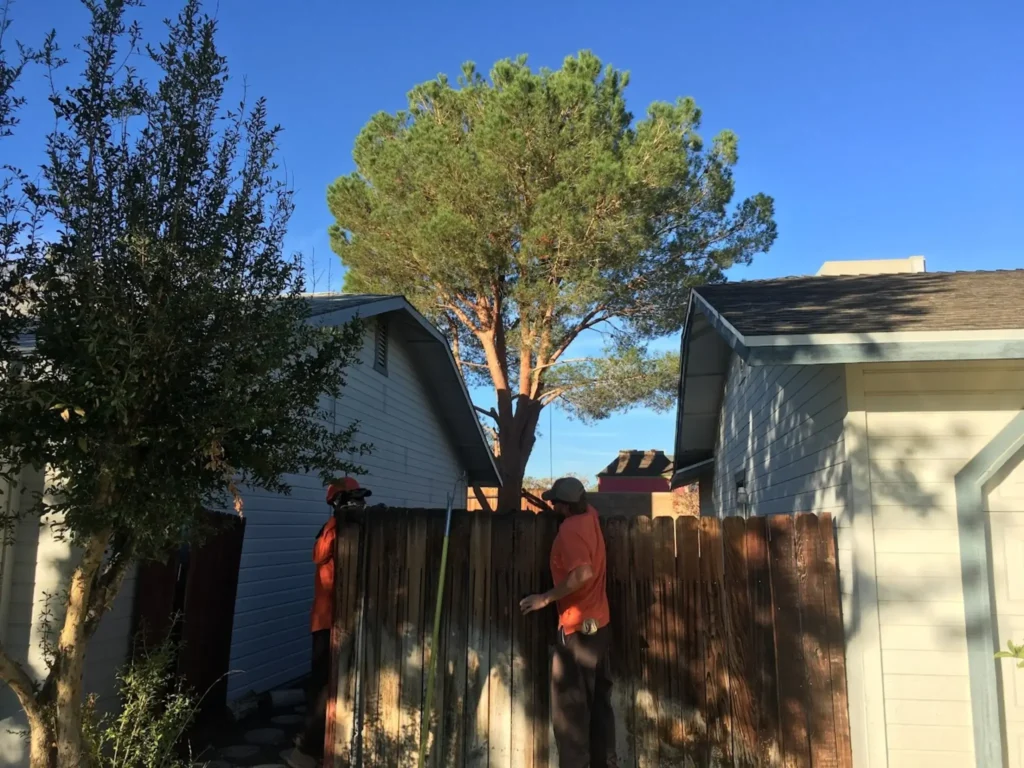
Choosing drought tolerant trees for SoCal is the fastest way to build shade without a huge water bill. Use this guide to pick, plant, and maintain trees that fit your microclimate.
Tree Services in Santa Clarita Valley: What Santa Clarita Homeowners Should Know Before You Call
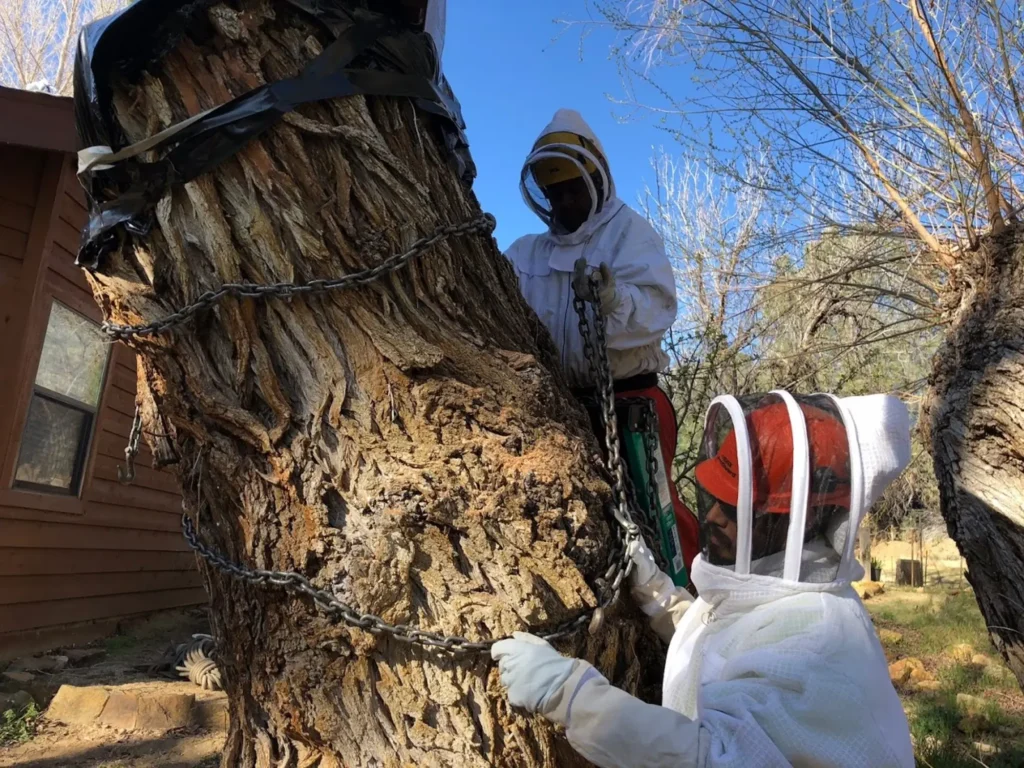
Tree removal in Santa Clarita can be simple or high-risk fast. Use this guide to price it, avoid permit issues, and hire the right crew.
Tree Service Lancaster CA: 10 Questions to Ask Before You Hire
Before you hire a tree service in Lancaster, CA, ask these 10 questions to avoid liability, surprise fees, and unsafe work.