
Veins of the Earth: Mapping the Myths of Tree Roots
Veins of the Earth: Mapping the Myths of Tree Roots Beneath our feet, the world stretches downward – quiet, unseen, and alive with memory. Tree roots move there like slow secrets, not aimless but deliberate, threading through soil as though they follow an ancient script. We step over sidewalks cracked by their patience, forgetting that for every branch reaching into the sky, a mirror exists beneath the earth. Downward, into the dark, the roots echo the canopy’s stretch. In myth, in story, in the hush of old belief, roots have always held more than just a tree in place. They have held truth. They have hidden the sacred. They have remembered what we forgot. In Norse mythology, the roots of Yggdrasil were more than anchors – they were bridges to other worlds. The World Tree held all realms within its limbs, and each of its three great roots reached toward something profound. One descended into the land of the gods. One curled into the domain of the giants. And the third touched the shadowed depths of the underworld. These were not mere supports but lifelines, veins of the cosmos. Beneath the bark was a map of everything that mattered. Yggdrasil’s roots dripped with truth, nourished by hidden wells. Those who drank from them gained knowledge beyond comprehension. But it always came with a price – because truth, as the old stories remind us, never comes free. In many cultures, roots are memory. Not the loud kind told in songs or written into stone, but the kind that hums beneath everything else. In West African cosmology, the baobab tree holds its roots like it holds its past – with reverence. Its roots are not just biological. They are spiritual, connecting the living to ancestors. Some traditions teach that when a person dies, their spirit returns to the soil and winds itself into the roots of nearby trees. These trees, then, become wiser. They become keepers. The ground itself becomes sacred. Roots are often drawn like snakes, like veins, like the fingers of the earth trying to hold itself together. In Japanese Shinto practice, sacred trees called shinboku are marked with rope and left untouched. Their roots form a boundary not just of land, but of realm. Beneath them, it’s said, gods dwell in silence. You do not cross that space without intention. You do not dig, or disturb, or remove. Because what lies below might not just be rootwood. It might be watching. In Appalachian folklore, there are stories of trees that would not die – trees whose roots had wrapped themselves around something cursed. Something buried long ago. A tree that grows warped and bent, leaning away from its grove, might be keeping a secret underground. There are tales of roots that whisper, not aloud but through dreams, wrapping around a person’s sleep and coaxing old griefs to blossom. Science, too, has caught up to what ancient people already suspected. Roots communicate. Not with mouths, but with chemistry, with scent, with silent signals passed through networks of fungi. Trees under attack will send messages through their roots to warn others. A mother tree can feed its saplings, offering sugars, nitrogen, and even a kind of care. These underground systems have been called the “Wood Wide Web” – a clever phrase, yes, but not a new concept. The idea that trees are connected beneath the soil has existed for centuries in story and myth. What is new is the proof. And it turns out the forest was speaking all along. Roots also remember landscapes in ways we can’t always see. Archaeologists have found clues to ancient settlements by watching tree roots. Roots avoid old stone foundations. They grow around long-forgotten wells. They shift their paths based on what the land once held. In some cases, trees have cradled history – coins, tools, even pottery – nestled into their roots as if they knew what was worth holding. These roots carry the memory of footsteps long faded, of walls long fallen, of lives once lived in places we now call empty. In Celtic lore, trees were thought to grow with purpose. A tree planted on a grave wasn’t random. It was chosen – not just to mark a place, but to carry a soul. The belief was that a tree’s roots could gather the spirit of the buried and carry it back into the world through leaves and blossoms. Death wasn’t the end. It was a weaving – roots acting as needle and the earth as cloth. A patchwork of memory and transformation. But not all root stories are gentle. In Slavic folklore, the leshy, a spirit of the forest, could ensnare wanderers by tangling their feet in living roots. These weren’t accidents. If you strayed from the path, if you disrespected the woods, the roots might choose to hold you. Not out of cruelty – out of warning. Out of justice. In Amazonian tales, some trees are said to have roots that extend far beyond what the eye can see, not just through earth but through spirit. These roots are storytellers, drummers, messengers. Sit beneath such a tree, and you might feel something beneath you – not sound, but memory. A kind of echo. The forest, remembering. Even today, we are drawn to the roots. Children trace them like rivers. Lovers carve initials near their rise above the soil, where the tree seems to breathe into air. We don’t always know why we do this – only that it feels right. Safe. Honest. There is something trustworthy about a tree’s base, something quietly powerful about where the trunk gives way to earth. It’s an invitation, not to climb, but to stay grounded. Roots are stubborn. They split concrete. They find hidden springs in dry places. In cities, they push through pipes and disturb planned grids – not to ruin, but to remind. That life is persistent. That nature doesn’t forget. Under every clean sidewalk or sculpted lawn, there is
Windswept Prophets: How Trees Became Weather Whisperers

Windswept Prophets: How Trees Became Weather Whisperers There is an old wisdom carried on the wind, a language spoken softly among leaves and branches. It is whispered through boughs bent by storms and caressed by gentle breezes. Trees, rooted deep in the earth yet reaching toward the sky, have long been nature’s prophets. They sense shifts in weather and murmur warnings to those who pay attention. Their leaves tremble before storms. Their branches bow in respect to approaching gales. For thousands of years, humans have learned to read these signs, turning to trees as guides in the ever-changing moods of the sky. Watching a tree’s branches bending long before a storm is like witnessing a natural oracle at work. The trembling leaves of the trembling aspen, for example, have been believed to warn of rain or wind. Indigenous peoples across many continents have observed the behavior of trees to predict storms, temperature shifts, or droughts. These trees served as nature’s earliest weather stations. This quiet dialogue between tree and sky carries stories as old as time. In Scandinavian folklore, the birch tree earned the nickname “weather prophet.” Villagers believed that when the birch’s branches swayed or its white bark shimmered differently, rain or snow was near. The birch tree, slender but resilient, symbolized the delicate balance between earth and atmosphere. Its every movement was a message. Its very presence a sign of nature’s attentiveness. Native American tribes also viewed trees as part of their deep connection to the land and seasons. The mighty pine tree, evergreen and enduring, was watched carefully for subtle changes. The scent of resin, the tightness of buds, and the rustle of needles all signaled upcoming weather. These natural signs helped guide hunting, planting, and ceremonies. Trees were trusted allies in a living system that included humans, animals, and elements. Even today, in rural communities around the world, people look to trees as natural barometers. A sudden stiffening of branches or unusual leaf movements can signal a storm before it reaches human senses. These observations connect ancient wisdom with modern-day practices. Scientists now understand that trees detect changes in air pressure, humidity, temperature, and even electromagnetic fields. These are complex environmental cues invisible to us but vivid in the language of leaves. For example, before a storm, air pressure drops. Trees sense this change, which can cause their leaves and branches to move or shift in ways that feel unusual to us. Certain trees respond more noticeably to these changes. Aspen trees, with their flat leaf stems, quiver easily in the slightest breeze, giving the trembling aspen its name. This trembling is often more pronounced before a storm. Birch trees, with their slender branches and delicate leaves, sway gracefully in changing winds, signaling shifts in weather. Pine trees show changes through their resin flow and needle position. When humidity changes or a storm is approaching, resin may drip more freely. The needles might rustle differently in the breeze. All these subtle signs serve as natural warnings for those who know how to read them. Trees don’t just react to daily weather changes. They also respond to longer-term climate shifts. During droughts, some species shed their leaves early to conserve water. Others grow thicker bark to protect themselves from increasing fires. These adaptations are survival strategies but also signs that the environment is changing. By observing these longer-term changes, people can gain insight into broader climate trends. Indigenous peoples have long used such observations to understand seasonal shifts and prepare accordingly. Today, scientists study tree rings and growth patterns for clues about past climates and environmental stress. Throughout history, stories have celebrated trees as wise and patient weather prophets. Poets write of branches that dance with the coming rain and leaves that sing with the wind’s voice. Trunks seem to lean toward storms, as if bowing in respect to nature’s power. In these tales, trees become characters – living beings attuned to the earth’s rhythms, holding knowledge beyond human reach. One old Scandinavian tale tells of a birch tree that whispered warnings of an approaching snowstorm, saving a village from being caught unaware. Native American legends often speak of pine trees guiding hunters by signaling weather changes through their scent and movement. These stories remind us that trees are more than silent witnesses; they are active participants in the world’s natural cycles. There is something deeply humbling in this relationship between humans and trees. Modern life often disconnects us from the natural rhythms that once shaped our daily lives. Watching a tree respond to a breeze or a brewing storm reconnects us to the pulse of the earth and sky. Weather is not just background noise; it is a living conversation. Trees as weather prophets invite us to slow down and listen. They teach us to observe without interrupting, to learn from subtle signs that speak louder than words. Their movements are not random but deeply connected to the forces shaping life. Through their quiet wisdom, the ancient art of weather reading lives on. Next time you feel a shift in the air, look to the trees. Notice how their leaves quiver or how their branches bend. The wind speaks, and the trees respond – as they always have, and as they always will. Did You Know? Trees can sense changes in air pressure and humidity, allowing them to respond before storms arrive. This explains why their branches and leaves often move ahead of weather shifts. Species like trembling aspens and birches can react to drops in air pressure or rising humidity hours before a storm hits – causing their leaves to tremble or their branches to sway even when the wind feels still. Through tree rings, scientists can read thousands of years of climate data. Wider rings often mean years of good weather, while narrow rings point to drought, cold, or environmental stress. FAQs About Talking Trees How do trees sense weather changes? Trees respond to environmental cues such as air pressure, humidity, temperature,
The Hollow Heart: Legends of Trees with Secret Interiors
The Hollow Heart: Legends of Trees with Secret Interiors There is a quiet space within some trees, a hollow shaped not by absence but by time – a cavity carved gently by rot, wind, and weather, like a secret the tree chose to hold instead of heal. These hollows are not empty. Even when they appear so, they feel full. Full of whispers, stories, and slow breath. Light filters through them like reverence, soft and searching. The hollow heart of a tree is a sanctuary in plain sight, hidden only because we forget how to look. From ancient groves to silent woods, stories rise from these hollowed trunks like smoke from an old fire. Some say the hollows are doorways. Not symbolic ones, but real thresholds worn smooth by generations of passing feet – fairies, forest spirits, or lost souls seeking refuge. Others believe hollows offer safety for those in need. Not safety from danger, but from noise. From forgetting. From a world that rushes too fast to notice something as still and sacred as a tree with space inside it. In Celtic tradition, the hollow tree was not simply natural. It was supernatural. Druids believed that such trees were inhabited by the spirits of the ancestors. Not haunted – held. The hollow was a chamber of memory, a place where the veil thinned and the past could still whisper. Some children were told that if they listened closely, they might hear the voices of those long gone. Not in words, but in a kind of music carried on leaf and wind. To carve into such a tree or disturb its hollow was to risk inviting sorrow or misfortune. These weren’t just trees. They were vessels of remembrance. In Japan, there is the camphor tree – vast, ancient, and sometimes hollow with age. These trees are considered sacred and are known to shelter kodama, tree spirits who dwell within their trunks. According to folklore, harming a kodama tree brings misfortune or illness. People still leave offerings at the roots or hollow openings, hoping to earn the spirits’ favor or simply show respect. A hollow tree in this context is not just a shrine. It is a home, a being, a bridge between the seen and unseen. Its silence is not emptiness – it is presence. Among many Native American tribes, hollow trees were considered sacred spaces of healing. Shamans would sometimes sit inside the hollows to pray, to listen, or to seek visions. In these quiet interiors, breath would slow and thoughts would thin, and something deeper could be heard. Some described the hollows as wombs, others as altars. Either way, they were places where the earth could speak, not in words, but in energy, vibration, and stillness. Of course, not every hollow held peace. In old European forests, legends grew like moss around hollow trees with twisted trunks. Some told of witches hiding within, using the hollows as portals to their dark workings. Others believed these spaces were traps set by the forest itself – to test the hearts of travelers. If your intentions were pure, you might pass by untouched. But if you carried fear or greed, the tree would hold your shadow, feeding off it until you were changed. Some folk songs tell of those who dared to speak to the hollow and returned days later, gifted with strange sight – or not at all. And yet, the deeper mystery lies in what science now knows: hollows form not from failure, but from resilience. A tree becomes hollow when the heartwood – the innermost, dead tissue – decays. This can happen slowly, over decades, through fungus, insects, lightning, or natural injury. And still, the tree lives on. In fact, it may thrive. Because the outer layers, where nutrients and water move, remain strong. The hollow does not mean weakness. It means the tree has let go of what no longer serves it and kept growing anyway. Hollow trees provide homes to owls, bats, bees, raccoons, and insects. They hum with life. They are cradles for nests, shelters from rain, nurseries for generations of creatures. What appears to us as a scar is, to the forest, a resource. A tree with a hollow interior has moved from self to service. It gives more than shade or fruit. It gives space. Touch the bark near a hollow and you’ll feel a history written in texture. Knots, ridges, softened edges. If you press your ear to the opening, some say you can hear the sound of wind moving like breath through a ribcage. Others say you’ll hear nothing – and that’s the point. The stillness itself is the message. The pause. The invitation. In symbolism, hollow trees often represent transformation. The ego has been stripped away. What remains is the core, empty but not broken, open but not vulnerable. In this way, the hollow is not just something a tree survives. It is something a tree becomes. A living metaphor. Some of the most hauntingly beautiful works of art and literature return to this image again and again. The hollow tree as hiding place. As temple. As confession box. Poets have called them “earth’s cathedrals.” Artists paint them not for their grandeur but for their intimacy – for the way they offer shelter without asking for anything in return. There are stories in old English lore of lovers who met secretly inside hollow trees, their whispers tucked into the rings. In Eastern Europe, certain trees were believed to “swallow” pain – villagers would visit and press their sorrows into the hollow, believing the tree would absorb it and help them heal. Even today, some people leave notes or small tokens inside hollow trunks. Not out of superstition, but from an instinctive understanding: some places feel sacred whether or not we name them that way. And there are hollow trees older than entire cities. The hollow Chestnut of One Hundred Horses in Sicily is estimated to be over 2,000
Tree Games from Around the World
Tree Games from Around the World | Sprout Nature Explorer Series By: Tom Baal Sprout had just finished tying his shoelaces when the wind whistled through the grove, carrying a whisper of laughter across the world. He blinked, tilted his head, and asked the nearest tree, “Did you hear that?” The tree, a tall chestnut with bark like ancient armor, said nothing aloud but nudged a single leaf toward the boy. It spiraled to the ground, landing near his toe. Sprout picked it up, turned it over, and there – etched in dew – were words he could read: Come play with us. And so he did what any brave nature explorer would do. He followed the leaf. It led him to a clearing where stories grew thicker than thickets and games sprouted from memory. There, gathered beneath trees older than empires, children from every corner of the Earth waited, ready to show Sprout how they played where they came from. In Kenya, a girl named Amina taught Sprout a game called “Mbube Mbube.” “It means lion,” she whispered. One child stood blindfolded in the center while the others formed a circle. They chanted “mbube, mbube” louder as the “lion” got closer to the “goat” hiding somewhere in the circle. Sprout laughed when he finally pounced right into the goat – who squealed and ran away again. Under a banyan tree in India, two boys invited him to play “Pithoo.” They stacked flat stones, then threw a small ball to knock them down. The team that knocked the stack down had to rebuild it while the others tried to tag them out. The banyan’s low branches made a natural boundary – one that protected the players like an elder’s arms. In Japan, beneath cherry blossoms, a soft-spoken boy named Haruto showed Sprout how to play “Kendama,” a traditional wooden toy game passed down for generations. Though it wasn’t a running game, the game was a challenge of patience and precision. Sprout’s tongue stuck out the side of his mouth as he tried to balance the ball on the spike. He missed, then missed again, but Haruto smiled and showed him a trick. This time, Sprout got it. The petals cheered, falling like claps. Sprout met Luna in Mexico, where she taught him “La cuerda,” a jumping rope game played under jacaranda trees blooming violet. She swung the rope with rhythm and chants, letting Sprout jump in after the count of three. They played until their legs felt like jelly and they flopped on the ground, laughing up at the branches that shaded them from the sun. In Iceland, children played “Hide and Troll.” This game, a blend of hide-and-seek and local folklore, dared kids to hide behind twisted trees while one child – the Troll – crept, calling out in sing-song, “Where are the mossy ones?” If the Troll found someone, that child became a tree for the next round, frozen with arms out like branches. Sprout was good at this one. He held his breath behind a boulder and wasn’t found until twilight. Everywhere he went, trees were part of the game. They were bases, safe zones, score markers, or even playmates themselves. In Australia, aboriginal children shared “Emu chase,” where trees were obstacles in a mock hunt that taught tracking and movement. The eucalyptus trees watched, swaying like quiet judges. In Brazil, Sprout joined kids climbing mango trees in a game of “Who Can Sit the Highest.” It wasn’t just about climbing – it was about knowing the tree, feeling its strengths and rests, and choosing a branch that welcomed your weight. Sprout sat near the top, mango juice on his chin, wondering how the trees never seemed tired of holding joy. In Romania, a girl named Elena introduced him to “Păcălici cu frunza” – a leaf bluffing game. One child held a leaf with a hidden symbol under it, and others had to guess its meaning. The game wasn’t about winning. It was about storytelling. “The tree gave this leaf to me because it wanted to tell us something,” she’d say. Sometimes it was a secret. Sometimes, a riddle. Always, magic. By the time Sprout returned to his own grove, the sun was setting. He sat under his favorite tree – a sycamore – and laid out the leaves he’d collected from every game. Each one still held the echo of laughter, footsteps, chants, and whispers. They told a story not just of games, but of how every culture plays close to the trees. Of how trees stand patiently, watching generation after generation dance, jump, climb, and imagine around them. Sprout didn’t need a plane or a passport to go on his adventure. Just wonder, and a willingness to play. Trees had always been part of childhood – even when children didn’t realize it. They made shade for hopscotch, gave roots for balance beams, dropped seeds that became pretend food, and offered twigs that transformed into swords, wands, and walking sticks. In every place he visited, the trees remembered. The wind returned to his grove, curling around him like a bedtime story. Sprout tucked his leaves into his pocket, gave the sycamore a grateful pat, and promised: “Tomorrow, I’ll show someone else how to play.” And the tree, though quiet, seemed to smile in reply. Sprout Needs Your Help Hey tree friends, it’s Sprout! Now it’s your turn! Grab your friends or family and ask, “What tree games did you play growing up?” Try a few from Sprout’s journey or make up your own with nearby trees. And don’t forget – every time you play under a tree, it’s like you’re adding your laughter to its memory. Snap a picture, share your story, and tag us using #SproutTreeGames! Remember: Every safe tree has a brave helper like you. Did You Know? Some playground games like tag and hide-and-seek have ancient roots linked to seasonal tree cycles and farming traditions. The oldest known “tree game” might come
Why Is Your Tree’s Trunk Turning Black in Stallion Springs, CA?
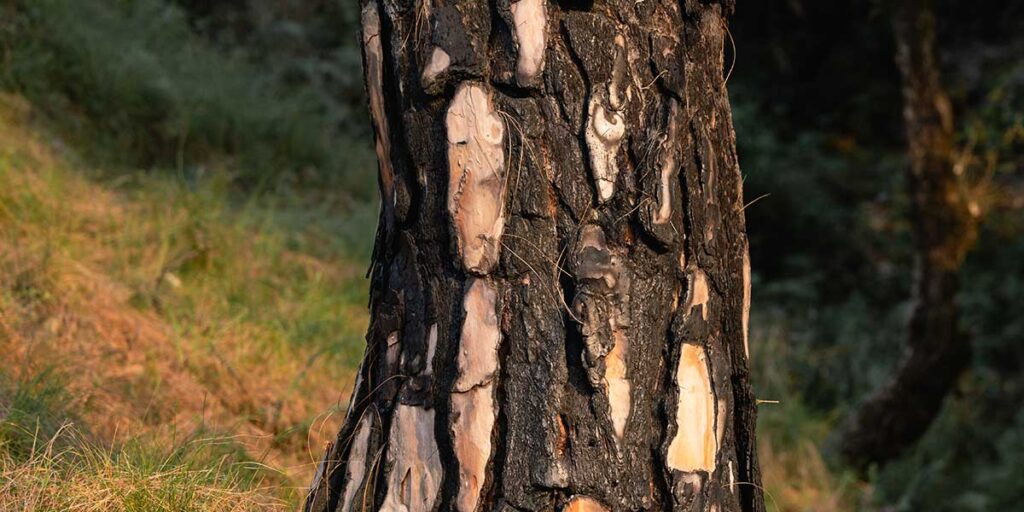
Noticing a tree trunk turning black can be concerning. This often indicates an issue that, if left unattended, could cost the tree its life. However, enlisting tree services in Stallion Springs, CA, can help restore your tree to health and prevent future problems. So, why do tree trunks turn black in Stallion Springs? Explore a few reasons and what to do next. Reasons a Tree Trunk Might Turn Black A tree trunk turning black is usually not an innocuous sign. Instead, it indicates that the tree is struggling with a disease, pest infestation, or another stressor. Doing nothing will only cause the tree’s health to worsen, putting it at risk of falling and damaging your property. Why might a tree trunk turn black? These are a few of the most common reasons: Tree stress: At a general level, blackened bark indicates that a tree is experiencing stress. It might have endured damage from a windstorm or lightning, or it may not have access to the proper nutrients in the soil. The bark might turn black as a stress response. Bacterial infections: Several bacterial infections can also create a blackened appearance. Fire blight, caused by the bacterium Erwinia amylovora, gives tree trunks a burnt appearance. Bacterial wetwood produces a black, oozing liquid, while bacterial cankers create dark, open wounds along the trunk. Fungal infections: Your tree might have developed a fungal infection due to excess watering and poor soil drainage. For example, Verticillium wilt is a fungal infection that impacts a tree’s water uptake, causing the trunk to blacken over time. Pest problems: Certain pests, such as the emerald ash borer, hemlock wooly adelgid, and spongy moth, can also create a blackened appearance. What To Do When You Notice a Tree Trunk Turning Black As soon as you notice a tree trunk turning black, call your local tree services company to perform a health assessment. They will inspect the trunk for signs of tree disease or pest infestation. They will also consider environmental factors that may be placing stress on the tree. After determining the cause of the blackened trunk, arborists will create a treatment plan based on the tree’s health and potential for recovery. This might include: Pruning infected branches Applying fungicides to kill fungal infections Using insecticidal soap to control infestations Fertilizing the tree to help it recover from stress Improving soil drainage to treat root rot They might implement several of these treatments, then return to your property after a few weeks to evaluate the tree’s progress. In some cases, if the fungal infection or tree disease has become too severe, the best option may be to remove the tree to eliminate the hazard. Schedule a Tree Health Assessment Today Dealing with tree sickness might feel stressful or overwhelming, but our certified arborists are here to handle the entire process for you. We’ll determine why your tree’s trunk is turning black and implement custom solutions to give it the best chance of recovery. Call Tip Top Arborists today at 661-942-5501 for a free estimate in Stallion Springs, CA.
Why Are Your Tree’s Leaves Turning Brown in Summer?
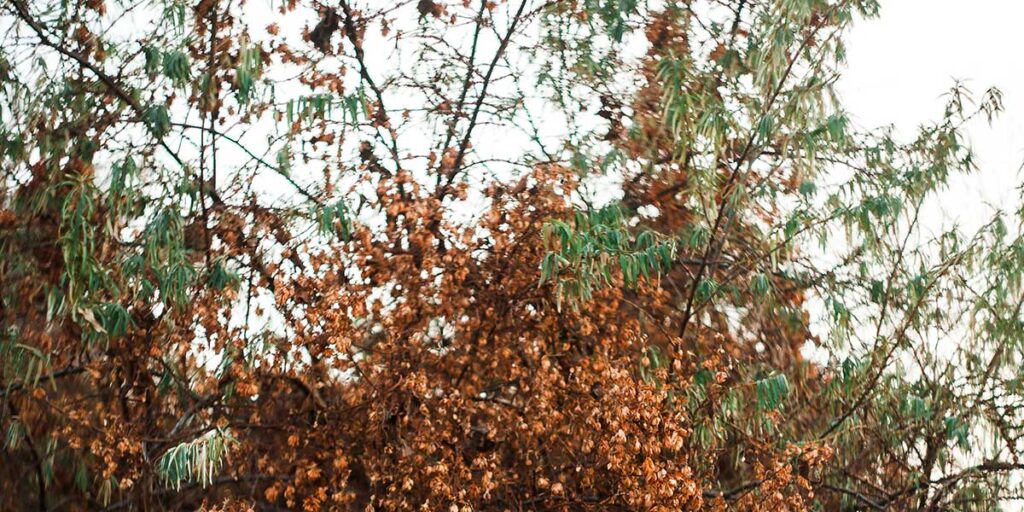
It’s the middle of summer in Antelope Valley, and the sun is blazing. You’re hanging out in the backyard, soaking up the California sunshine, when you notice that your favorite shade tree has brown leaves. What’s the deal? Before you panic and start reaching out to tree services in Quartz Hill, CA, to take down what’s almost certainly a dead tree, realize that you’re not alone. Many local homeowners call us asking, “Why are tree leaves turning brown in the summer?” There’s more than one reason you might notice crispy, discolored leaves on your tree, and not all of them mean it’s a goner. 1. Heat What’s the most likely reason for leaves turning brown? Heat. Quartz Hill temperatures often reach or exceed 100 degrees. Heat is one of the most common environmental stressors for trees, and when it’s scorching outside, they may start shedding or browning their leaves as a survival move. Removing leaves helps the tree conserve water and energy, allowing it to survive until next year. 2. Not Enough Water — Or Too Much Brown leaves can also indicate drought stress. Thirsty roots can’t support the leaves, which will turn brown and fall off. But there’s a twist: sometimes, too much water causes brown leaves. Overwatering can suffocate the roots, especially in our clay-heavy soil. If your tree’s leaves are turning brown at the edges but still hanging on, that usually means it’s not happy underground. To determine whether water is the answer to “Why are tree leaves turning brown?” dig a few inches below the surface. If the soil feels soggy, give it a break. If it’s dry, give the tree a good, long drink. 3. Sunburn Did you know your trees can get a sunburn? It’s called “leaf scorch,” and it results in leaves that are brown with crispy edges. Sunburn is especially common on young or recently pruned trees. You can protect the tree by applying a layer of mulch around its base. This helps the roots retain moisture and stay cool. 4. Bugs and Fungal Infections If the brown leaves have weird spots, holes, or sticky residue, pests or fungi may be the issue. In Quartz Hill, pest infestations (like aphids and scale insects) are frequent troublemakers. Call an arborist to ID the problem and treat it before it really does kill the tree. 5. Over-Fertilization A soil nutrient deficiency can cause brown leaves, but overfeeding the tree can also cause harm. Too much of a good thing can burn the roots or foliage, so space out the feedings and use the correct amount and type of fertilizer to keep the tree healthy. Keep Calm and Call Tip Top Arborists Brown tree leaves in summer can mean many things, and most aren’t a death sentence. But if you need a straight answer to “Why are tree leaves turning brown?” call Tip Top Arborists in Quartz Hill, CA, at 661-942-5501. We can answer the trickiest questions (like providing an explanation for a dead tree with green leaves) and help you keep your trees looking their best.
Five Signs of Insect Infestation in Trees You Should Not Ignore
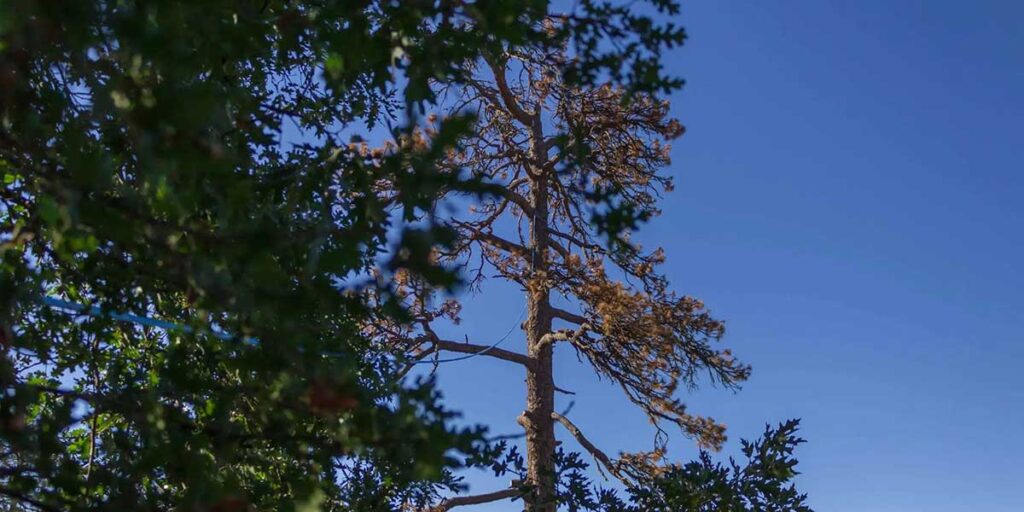
Countless insects happily live on the bark, branches, and leaves of trees without issue. The trouble arises when insects infest trees, boring into the bark, laying eggs, and wreaking havoc on the plant’s health. When this happens, you need professional arborists to mitigate the infestation and save your tree. Watch out for these five signs of insect infestation in trees from Tip Top Arborists, providing professional tree services in Tehachapi, CA. 1. Leaf Death or Loss One of the most obvious signs of tree infestation involves the leaves. Typically, leaves should look vibrant and strong. They should not fall from trees outside autumn months or appear brown, curled, or holey. If you notice the leaves falling off branches prematurely or turning yellow or brown, this could indicate that insects have begun boring into the trunk and cutting off the nutrient supply. While you may not see the pests yet, leaf loss and death are signs of serious issues you need a professional arborist to address. 2. Holes in the Trunk or Branches Tree pests often bore into the trunk or branches, feeding on the tree’s interior or laying eggs. As a result, you may notice small holes, which are another sign of insect infestation in trees. These holes may not be noticeable from far away. That’s why it’s a good idea to inspect the trunk health up close every so often. Look for small or large holes across the bark. 3. Excessive Presence of Bugs Many homeowners believe that if their tree is infested with bugs, they will be able to see the critters. This is sometimes true but not always. Often, the insects live inside the tree, only becoming visible once the infestation has worsened and the plant is nearing the end of its life. Still, if you notice an excessive insect presence on your trees, this is cause for concern. If you can, snap a photo of the bugs and send it to your arborist. They can identify the species and immediately create a pest control treatment plan. 4. Stunted Growth One of the less obvious signs indicating tree health issues is stunted growth. This is particularly concerning in young trees, as it indicates that something has cut off the plant’s nutrients and inhibited its ability to grow. Without intervention, it will eventually die. If you are concerned about tree health and growth, don’t hesitate to contact an arborist for assistance. 5. Debris That Looks Like Sawdust Sometimes, boring insects create such small holes that you can only see them with a magnifying glass. But you can also look for another sign of insect damage in trees: debris around the trunk resembling sawdust. This indicates that insects have begun making holes in the tree, leaving sawdust behind.
What To Do If a Fallen Tree Is Blocking Your Driveway in Palmdale, CA
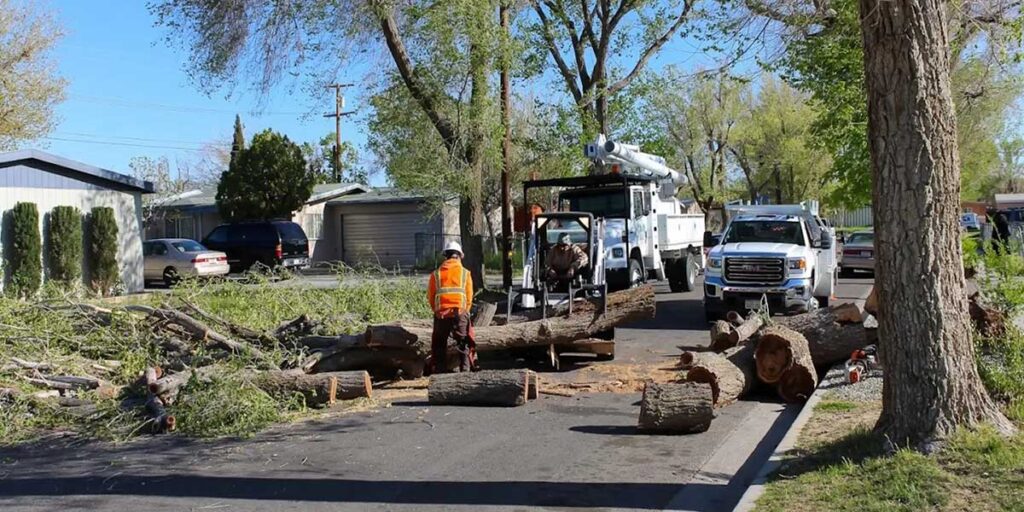
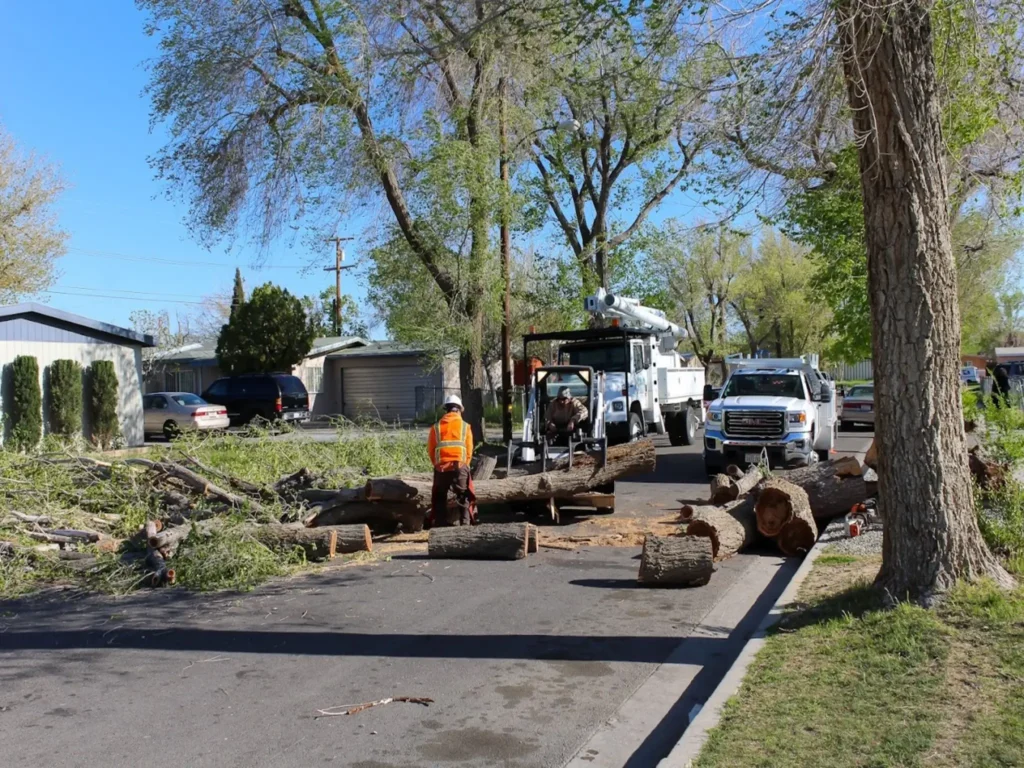
No homeowner wants to step outside to find a large tree blocking their driveway. Whether it fell due to a storm or was weak and finally gave up, the effect is the same: You need it gone, and fast. A fallen tree blocking the driveway is inconvenient, but with a solid game plan for handling it and help from Tip Top Arborists, the first choice for tree services in Palmdale, CA, it won’t be an ongoing headache. How To Deal With a Driveway Obstruction, Step by Step When you find a tree lying across the driveway, responding quickly and following the proper steps helps keep your family safe, stops further damage, and, depending on whether it caused any harm, helps you make a successful insurance claim for cleanup and repairs. Step 1: Assess the Situation When you discover a fallen tree blocking the driveway, the first thing to do is to look for any hazards and additional damage. For example, the tree may have fallen on a vehicle or power lines. If the tree takes down power lines, call 911 and the electric company immediately so they can cut the power and stay at least 30 feet away from the live wires. When it’s safe, take photos of the tree and the damage. You’ll need them to make an insurance claim for the damage and emergency tree removal costs. Step 2: Call Your Insurance Company Your homeowner’s insurance might cover removing a fallen tree blocking the driveway, especially if there’s additional property damage. Even if your policy doesn’t cover removal, the company can offer guidance on how to proceed. Step 3: Contact a Professional Tree Service While you can certainly handle some storm damage cleanup on your own, it’s best to leave fallen tree cutting to the professionals. They have the equipment and skill to deal with heavy limbs and other issues, like a trunk resting on power lines or other hazards. A professional tree service will also remove the stump and take care of all leftover debris, so you don’t need to worry about what to do with the mess. Step 4: Prevent Future Tree Problems Once the tree service removes the fallen tree, they will assess the other trees on your property to ensure you won’t have a repeat disaster. Arranging for an arborist to trim weak branches or remove dying trees before they cause trouble will save money and headaches. Got a Fallen Tree? Tip Top Arborists Is On the Way Dealing with a fallen tree blocking the driveway isn’t fun, but with Tip Top Arborists on your side, the experience is much less stressful than it could be. Our expertise in tree removal ensures safety, and professional debris clearing services leave your property looking its best, without any evidence that anything happened. Whether you need emergency tree removal, have concerns about a sick tree, or just want to know the best questions to ask before hiring a contractor, Tip Top Arborists has what you need. Contact us first when you need tree help.
Spring Preparation: Unlock the Ultimate 2 Steps to Thriving Fruit Trees
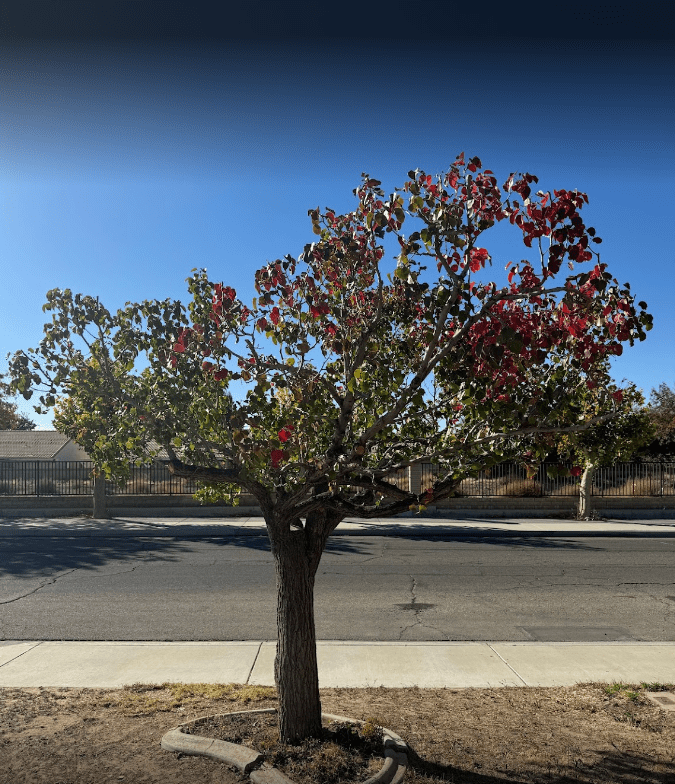
Spring Preparation: Tips for Fruit Tree Care as Winter Ends As winter comes to a close and spring begins to bloom, fruit trees are about to put on their vibrant display of colors. For those who cherish their bearing trees, it’s a labor of love to keep them happy, healthy, and thriving. Here’s how you can prepare your fruit trees for a bountiful harvest this spring. Minor Spring Pruning: The Final Touches While major trimming should be avoided at this stage, minor pruning is still beneficial. It helps maintain the tree’s shape, promotes healthy growth, and removes any dead or damaged branches. This is crucial for ensuring your trees are ready for the new season. The Power of Dormant Oil Dormant oil is a vital tool in fruit tree care. It’s used to protect your trees from pests like aphids, mites, and scale insects by coating and suffocating them before they become active. Additionally, dormant oil helps prevent fungal diseases, which can significantly impact your harvest. When to Apply Dormant Oil Timing is everything when it comes to applying dormant oil: Temperature: Wait until temperatures consistently stay above 40°F (4°C). This ensures the oil can effectively coat the tree without freezing. Bud Swelling: Apply the oil before the buds begin to swell. This is typically when the tree is still in its dormant phase but just before new growth starts. Weather Conditions: Choose a calm day to apply the oil. This reduces drift and ensures the oil covers the entire limb and trunk structure evenly. Why Proper Care Matters Taking care of your fruit-bearing trees is essential for a successful harvest. By pruning and applying dormant oil at the right time, you’re setting your trees up for optimal health and productivity. Here are a few reasons why this care is so important: Healthier Trees: Pruning and pest control help prevent diseases and infestations that can weaken your trees. Better Fruit Quality: Healthy trees produce better quality fruits and nuts, making your labor of love truly rewarding. Increased Yield: Proper care can lead to a more abundant harvest, giving you more to enjoy and share. Spring Preparation with Tip Top Arborists If you’re unsure about how to care for your fruit trees or need professional assistance, Tip Top Arborists is here to help. Our team of experienced arborists can guide you through the process and ensure your trees receive the best care possible. Contact us today to schedule a consultation and let us help you prepare your fruit trees for a vibrant and fruitful spring. Join the Tip Top Arborists Family If you’re looking for a reliable and passionate team to care for your trees, look no further. Whether you need routine maintenance or a one-time service, we’re here to help. Take advantage of our limited-time offer for tree trimming and experience the difference for yourself. Why Choose Tip Top Arborists? Awards and Accreditations We’re proud to be a TCIA-accredited and ISA-certified company. These recognitions reflect our commitment to excellence and our adherence to industry standards. Our team is dedicated to delivering exceptional service, ensuring 100% customer satisfaction. Call Us Today for More Information: (661) 942-5501 Let us help you nurture your trees and enhance your outdoor space. With Tip Top Arborists, you can trust that your trees are in the best hands.
Do Trees Really Need Fertilizer To Stay Healthy?
You may have heard that you should fertilize the trees on your property to keep them healthy and aid their growth. But is this tip akin to ones like “You should only water your lawn during a full moon”? Or does it actually have some weight to it? Learn more about the answer to “Do trees need fertilizer to stay healthy?” from Tip Top Arborists, offering expert tree services in Leona Valley, CA. What Does Fertilizer Do for Trees? Trees need nutrients to maintain their health and growth patterns. Nitrogen, phosphorus, calcium, and potassium are all important nutrients. Traditionally, plants absorb these from the soil, taking them into their roots and storing them in the leaves and other parts. But if the soil health is not reliable enough to readily provide these nutrients to the tree, it will begin to suffer. Tree fertilization supplements the vitamins and nutrients found naturally in the soil. It includes a careful blend of components designed for that species, delivering precise amounts of tree nutrients. Is Fertilizer Necessary for Every Tree? Fertilization offers numerous benefits for trees. It replenishes lost nutrients, helps mature species maintain their growth, and allows young ones to grow faster and stronger. But this treatment is not necessary for every tree. Applying fertilization only does any good if a plant is experiencing nutrient deficiencies. This process also is not a one-size-fits-all solution. To see the most benefits, you’ll need to apply the right type of fertilization with the correct balance of phosphorus, nitrogen, calcium, and potassium for that species. The best way to determine which trees need fertilizer is to conduct a soil test. Professional arborists can check for the nutrient levels in the soil surrounding the trunk and then determine what the species is lacking. They can then create a special fertilization blend to make up for any deficiencies. What Happens If You Apply Fertilizer Unnecessarily? When researching “Do trees really need fertilizer?” you may assume it is safer to simply fertilize every tree in your yard. This guarantees that all of the plants have access to the nutrients they need. Unfortunately, overfertilizing may be just as dangerous as failing to apply fertilizer when necessary. When trees receive too many nutrients, it can inhibit their water intake through osmosis. This leads to leaf scorch, in which the leaves turn brown prematurely and drop. You may also notice stunted tree growth and root damage after prolonged overfertilization. Also, not every species requires the same amount of nutrients. Some California natives do better with nutrient-poor soils. You should reserve fertilizer application only for the ones that are deficient. Turn to Our Certified Arborists for Guidance Do trees need fertilizer to stay healthy? Some companies will tell you that every tree requires fertilization. At Tip Top Arborists, we know this treatment is only necessary in certain circumstances. Allow us to quash this and other tree care myths to help you support the health and longevity of the species on your property. Contact us today at 661-942-5501 to request a free estimate.