Homeowners Grove Template
Ready to tackle that tree removal project in Palmdale? Unearth the essential guide to ensuring a safe and successful tree removal process. Learn how to keep your yard healthy and hazard-free without getting lost in the details. Get ready to become a tree removal pro!
Drought-Resistant Trees Lancaster: Boost Property Value
Want trees that thrive in Lancaster’s desert climate? These 5 drought-resistant picks can boost your home’s value and curb appeal while slashing water use.
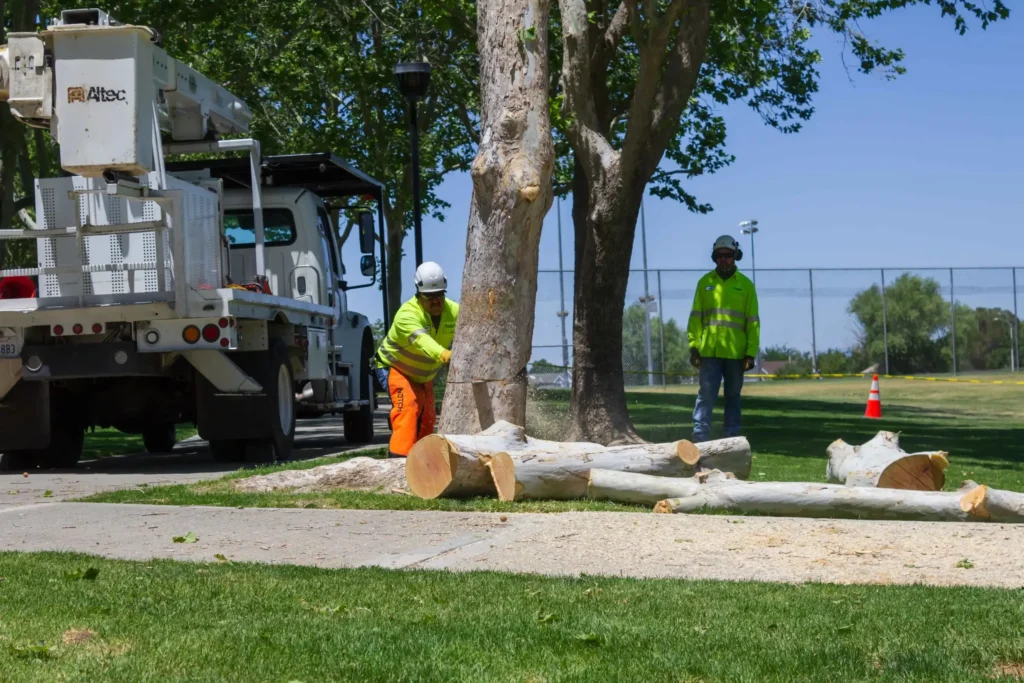
Affordable Tree Trimming Palmdale CA | Tip Top Arborists
Affordable, ISA-certified tree trimming services in Palmdale CA. Boost curb appeal, reduce hazards, and save money. Free estimates—call (661) 942-5501.
Best Time to Trim Fruit Trees in High Desert CA | Tip Top
Learn the ideal time to prune fruit trees in High Desert CA. Tip Top Arborists share seasonal pruning tips tailored for desert climates and healthy fruit production.
Emergency Fallen Tree Removal Lancaster CA – 24/7 Vehicle Damage Response
When disaster strikes and a tree falls on your vehicle in Lancaster, CA, immediate professional response is critical. Learn the essential steps for safety, insurance claims, and emergency tree removal services.
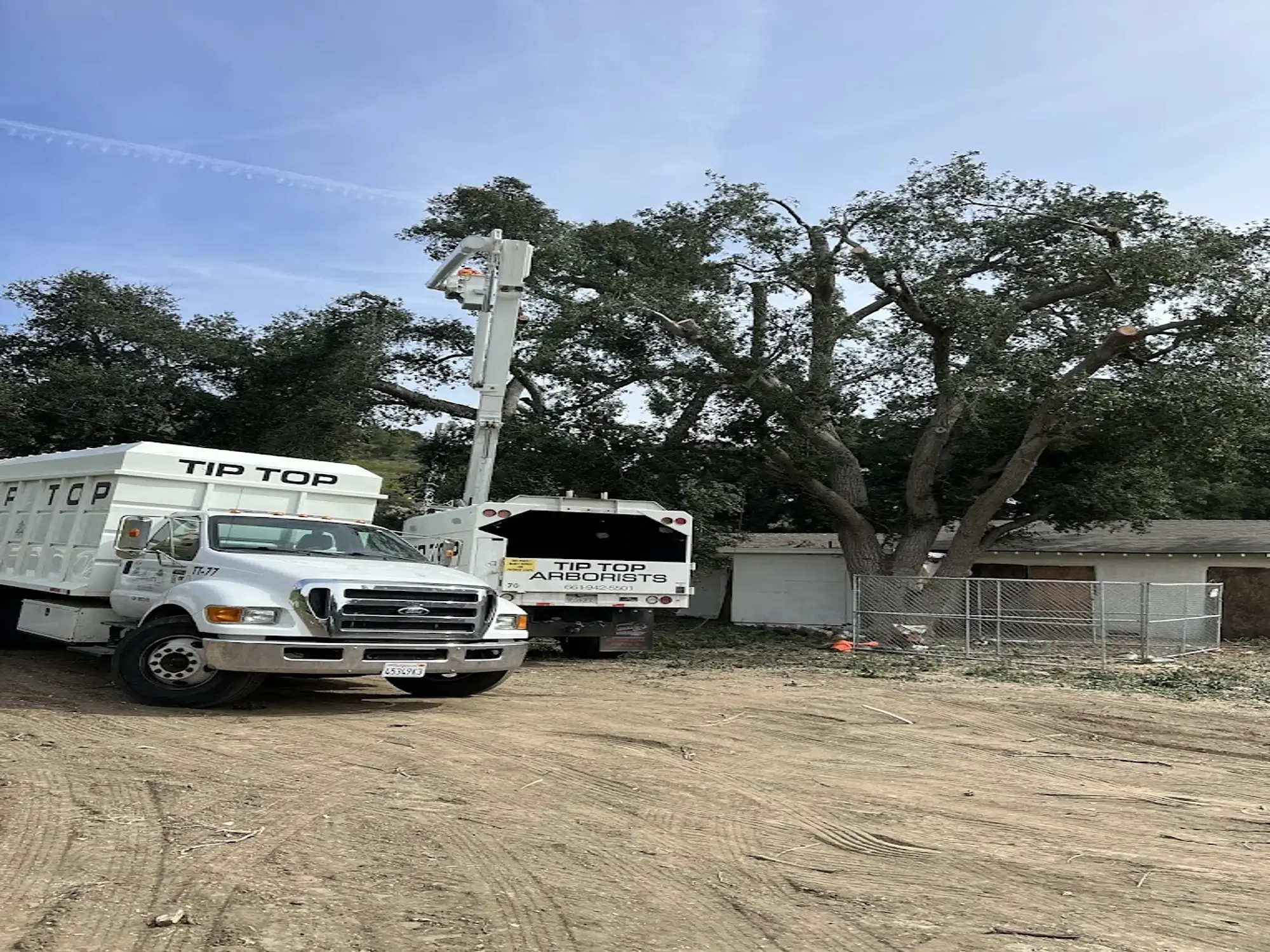
Can My Neighbor Cut Down My Tree Without Permission?
Can My Neighbor Cut Down My Tree Without Permission? Understanding Your Legal Rights When Tree Boundaries Are Crossed At Tip Top Arborists, we get dozens of calls every month from property owners who discover their trees have been trimmed, damaged, or entirely removed by neighbors—without a single word of warning. It’s more common than you might think, and the frustration is real. If this has happened to you, you’re probably asking: Was this even legal? Can I take action? Here’s what you need to know about unauthorized tree removal, your legal rights, and how to protect your property before a dispute becomes a disaster. Can My Neighbor Cut Down My Tree Without Permission? Who Owns the Tree? Ownership comes down to one thing: location. In California, if a tree trunk stands entirely on your property—even if its limbs stretch across the fence into your neighbor’s yard—it is legally yours. That means your neighbor cannot remove, trim, or otherwise alter the tree without your consent. If the trunk straddles the boundary line, then it is considered a shared tree. Both property owners must agree to major decisions like removal or significant pruning. The Big Rule: Your neighbor cannot legally remove or harm your tree if it is fully on your property. Doing so may make them liable for damages. Common Scenarios We See A neighbor cuts back branches overhanging their yard and goes too far, harming the tree’s health Entire trees removed during fence installation Roots cut while trenching or laying irrigation lines, destabilizing the tree Trees poisoned or damaged to “make them die off” These actions can open your neighbor up to civil lawsuits, especially if the tree had significant value or was a protected species. What the Law Says In California, courts have repeatedly upheld that intentional damage to another person’s tree can lead to: Triple the value of the tree in damages Replacement costs Additional penalties if the tree was protected or had historical/environmental value Even cutting a tree down “by mistake” doesn’t eliminate liability. Property owners are expected to know their boundary lines before performing work that affects neighboring land. How to Respond If Your Tree Was Removed Without Permission Document Everything Take photos of the damage Note dates, times, and any conversations Save quotes or valuations from arborists Request a Valuation Contact Tip Top Arborists for a certified tree value assessment This helps you understand your loss in dollars Speak to the Neighbor (If Safe to Do So) Keep things civil—many cases stem from ignorance, not malice Consult an Attorney Especially if the damage is substantial or the neighbor is uncooperative Request a Site Visit from a Certified Arborist We can help document the tree’s former condition, determine root or canopy damage, and provide expert insight How to Prevent This From Happening to You Clearly mark boundary lines (surveys help!) Talk to neighbors before tree work begins Use fencing or landscaping to define property visually Educate yourself and your neighbors on tree law At Tip Top, we believe prevention is the best cure. Proactive communication, documentation, and planning go a long way toward avoiding disputes. Final Thoughts Unauthorized tree removal is more than just inconsiderate—it’s often illegal. If you’ve experienced this, you’re not alone. And you’re not powerless. Let our team of certified arborists help you understand your rights, assess your loss, and protect your property moving forward. Need more information? See this article for more insightful details! Here to Help you with your trees Call today at 661-942-5501 or visit www.tiptoparborists.com
What Trees Are Protected in Lancaster, CA? A Homeowner’s Guide (So You Don’t Get Fined)
What Trees Are Protected in Lancaster, CA? A Homeowner’s Guide (So You Don’t Get Fined) You’ve got a tree that’s leaning a little too close for comfort, dropping leaves like it’s getting paid for it, or blocking your picture-perfect mountain view. Before you pick up a saw or call in a crew, take a breath – some trees in Lancaster are protected by law. And if you trim or remove one without permission? That could land you with steep fines, delayed projects, and a whole lot of unnecessary stress. That’s where Tip Top comes in. We’ve worked with Lancaster homeowners for decades, helping them stay compliant while keeping their yards safe and beautiful. Here’s a quick, practical guide to understanding which trees are protected, why it matters, and how to avoid trouble. Lancaster might be known for wide open skies and desert sunshine, but we’ve also got a unique blend of native trees that support local wildlife, prevent erosion, and keep our neighborhoods cooler in the summer. Some of these trees are rare, slow-growing, or play a big role in the local ecosystem. That’s why the City of Lancaster – and sometimes even the State of California – has rules in place to protect them. Here’s a breakdown of the ones to watch. Coast Live Oak & Other Oak Species These iconic trees are vital to local biodiversity and provide homes for birds, insects, and animals. Because they grow slowly, they’re protected once they hit 8 inches in trunk diameter (measured about 4.5 feet above the ground). Permit needed? Yes – for pruning, cutting, or removal. Joshua Tree (Yucca brevifolia) One of California’s most recognizable desert plants, the Joshua Tree is protected under the California Endangered Species Act. Size doesn’t matter here – if it’s a Joshua Tree, it’s protected. Permit needed? Yes – requires state-level documentation. Western Sycamore These trees are often part of city landscaping and provide valuable shade. Larger ones or those planted in specific zones (like parks or multi-unit developments) are usually protected. Permit needed? Often – especially in commercial or HOA-managed areas. California Black Walnut A lesser-known native that supports local insects and wildlife. These trees are considered sensitive habitat species. Permit needed? Frequently – rules vary by location. Trees in HOA or Development Landscape Plans Sometimes the protection isn’t about species – it’s about location. If your HOA or development agreement includes specific trees in its landscape plan, you’re required to follow those rules. Permit needed? Yes – always double check before making changes. So how do you know if the tree in your yard is protected? It’s not always obvious, but here are a few places to start. Check your property documents Your development or HOA might spell out tree protections in your landscaping rules. Look up your zoning overlay The City of Lancaster has mapped zones with specific environmental and landscaping protections. Call in a pro A certified arborist from Tip Top can inspect the tree, identify the species, measure it, and let you know if permits are needed. Contact the Lancaster Planning Division They can confirm if you need a permit before doing any work. The good news is that protected trees can still be trimmed or even removed – if you follow the right steps. Step 1: Schedule an Arborist Inspection You’ll need a certified report to explain why the tree needs to be trimmed or removed – whether it’s diseased, dying, or poses a safety risk. Step 2: Submit a Permit Application Most permits ask for a few basics: A site map Photos of the tree An arborist report A written explanation of the work Step 3: Wait for City Review The city may inspect the site or ask for more details. Step 4: Follow Any Conditions They may require you to: Replace the tree with a native species Pay a mitigation fee Dispose of the tree in a certain way Skipping the process might seem faster – but it can get expensive, fast. If you remove or damage a protected tree without approval, you could face: Fines from $500 to $5,000 or more Legal action from the city or your HOA Requirements to replace the tree Delays in future permits or renovations Bottom line: it’s not worth the risk. A little paperwork now can save you a big headache later. If you’re managing a business, apartment complex, or any public-facing property, the rules are usually stricter. Trees near sidewalks, roads, schools, or public easements almost always require permits. When in doubt, assume a permit is needed – and verify it before work begins. We regularly help businesses across Lancaster stay in compliance while keeping their schedules on track. At Tip Top, we’ve been handling tree safety and permit processes for nearly 50 years. We’ll walk you through every step, from the first inspection to the final trim. Here’s what we can do: Identify protected species on your property Provide certified arborist reports Handle city or state permit paperwork Perform code-compliant trimming or removal Recommend replacement trees if required Whether you’re dealing with one old oak or a dozen Joshua Trees, we’ll help you do it by the book. Before you take down or even trim a tree in Lancaster, here’s your checklist: Confirm whether it’s protected Get a professional opinion Apply for the proper permits Work with a licensed, experienced tree crew Need a second opinion or just want peace of mind? Give Tip Top Arborists a call. We’ve been keeping Lancaster’s trees in tip-top shape since 1976. Book a Free Estimate | Explore Our Services Serving Lancaster, Palmdale, Quartz Hill & beyond

Who’s Responsible for That Tree? How to Handle Neighbor Disputes Over Tree Maintenance
Who’s Responsible for That Tree? How to Handle Neighbor Disputes Over Tree Maintenance It starts with a branch. Maybe two. Suddenly your neighbor is trimming half your tree—or worse, asking you to remove it entirely. At Tip Top Arborists, we get calls every week from homeowners caught in neighborly standoffs over trees that cross fences, drop leaves, block views, or interfere with driveways. And while trees can be beautiful, they can also become the center of costly, confusing disputes if the rules aren’t clear. This guide breaks down who’s responsible for what when it comes to shared trees, property lines, overhanging branches, and your legal rights in California. We’ll also give you practical steps to avoid escalation, protect your property, and maintain peace on your block. Understanding Tree Ownership in California- Who’s Responsible for That Tree? In California, tree ownership is based on trunk location: If the entire trunk is on your side of the property line, the tree is legally yours. If the trunk straddles the property line, the tree is considered jointly owned, and both owners must agree to any major changes or removal. Your neighbor has the right to trim branches that hang over their property — but only up to the property line, and only if it doesn’t harm the tree. They cannot enter your property or cut beyond their side without your permission. Common Neighbor Tree Disputes We See Overhanging Branches Neighbor wants to cut back limbs that block sunlight, hang over cars, or drop leaves. Tree Roots Damaging Property Roots cross under fences and crack driveways, patios, or plumbing lines. Requests to Remove a Healthy Tree One neighbor believes the tree is a nuisance or blocking their view. Improper Trimming That Harms the Tree Overzealous cuts from one side destabilize or injure the tree. Safety Concerns Dead limbs or leaning trees raise fears of falling damage during storms. Who’s Responsible for That Tree? What the Law Says California law is clear on a few important points: You cannot legally harm or destroy someone else’s tree—even if branches or roots extend onto your property. You may trim overhanging branches on your side, but only in a way that does not kill or seriously damage the tree. If your tree causes damage to a neighbor’s property due to neglect (e.g., a falling limb from a known hazard), you may be liable for repairs. In joint ownership cases, both parties must agree before removing the tree or performing major pruning. How to Handle a Neighbor Tree Dispute Here’s a step-by-step approach Tip Top recommends when tree tension starts rising: 1. Start with a Calm Conversation Explain what you’re seeing or concerned about. Avoid accusations. Stick to facts (“This branch has grown over the fence and is blocking my solar panels”). 2. Clarify Ownership If you’re not sure where the trunk sits, consider hiring a licensed surveyor. Tip Top can also help assess location based on visual boundaries. 3. Get a Certified Arborist Opinion A professional tree inspection can provide documentation of health, risk, and maintenance options. This is especially useful if legal or insurance issues arise. 4. Consider Mediation If things get tense, a neutral third party can help reach a compromise without legal action. 5. Avoid DIY Trimming Without Guidance Improper cuts can destabilize the tree and leave you liable for damages. Always consult an arborist before trimming shared trees. Proactive Steps to Avoid Disputes Regularly inspect trees near property lines and schedule maintenance as needed Share plans for major pruning or removal with adjacent neighbors Trim trees properly on your side before they become overgrown Get written agreements for shared trees if you’re in a joint ownership situation Don’t ignore root intrusion—Tip Top can assess and recommend root barrier solutions Real Tip Top Case: From Conflict to Collaboration We recently worked with two homeowners in Palmdale locked in a months-long standoff over a massive Modesto Ash. One wanted it gone. The other cherished the shade. Our team stepped in, performed a full health risk assessment, and created a phased pruning plan that satisfied both sides. The result? No removal, reduced hazard, and a restored neighborly handshake. Final Thoughts Trees are shared assets in any neighborhood. But when roots, limbs, or falling debris affect more than one property, emotions can flare. Knowing your rights—and responsibilities—can help you approach these issues with confidence, not conflict. Tip Top Arborists is here to help mediate, inspect, and maintain trees so they stay assets—not liabilities. Need Help Navigating a Tree Dispute? Call Tip Top Arborists for a certified tree inspection and consultation. We’ll help you sort out ownership, assess risk, and find the right solution for everyone involved. Call 661-942-5501 or visit www.tiptoparborists.com to book a tree risk assessment today.
Is Stump Removal Necessary After Tree Removal in Lancaster, CA?
Is Stump Removal Necessary After Tree Removal in Lancaster, CA? You had the tree taken down. The branches are gone. The trunk’s chopped into clean sections. But there it is, sitting stubbornly in the middle of your yard like a flat-topped tombstone. The stump. It doesn’t seem dangerous. It’s not growing. And let’s be honest, removing it feels like one more bill after what already felt like a big job. So do you really need to remove the stump? At Tip Top Arborists, we get this question a lot, especially from Lancaster homeowners who just want to get back to normal after a tree removal. The short answer? Most of the time, yes. That leftover stump may seem harmless now, but in the long run, it can cause more trouble than it’s worth. Let’s break it down: why stumps stick around, what happens if you leave them, and why professional stump removal is often the smartest move. What Happens If You Leave the Stump? A lot of homeowners think the tree is fully gone once it’s cut down. But that stump is very much still part of the tree—roots and all. Here’s what that means for your yard: 1. It Can Start to Rot (And Not in a Good Way)Tree stumps don’t just disappear. They decay over time, slowly breaking down through moisture, fungal growth, and insect activity. That process can take years, even decades, depending on the type of tree and soil. Rotting stumps often attract unwanted guests, like: Termites (Termites are especially drawn to decaying wood in dry climates — here’s how stumps attract termites in dry climates, according to UC IPM.) Carpenter ants Beetles Fungi (some harmful to pets or kids) And once those pests settle in, they don’t always stay put. A stump near your home can become a launchpad for infestations that spread to healthy trees or even to your house. 2. Regrowth Is a Real PossibilityDepending on the species, some stumps send up new shoots even after removal. Mulberry, Chinese elm, sycamore, and willow are all notorious for this. That stump can turn into a patch of messy little sprouts, trying to regrow the tree from its roots. Without grinding or full removal, you’ll be stuck playing whack-a-mole with new growth year after year. 3. It’s a Trip HazardEven short, ground-level stumps can be dangerous. Kids running through the yard, guests who aren’t familiar with the layout, or anyone doing yard work could trip and take a hard fall. And if someone else gets hurt on your property? You could be held liable. 4. It Makes Landscaping a HeadacheWant to plant grass, build a patio, or lay down a new garden bed? A stump in the way means you’re either working around it forever or eventually paying to remove it anyway. Planning ahead now can save you a lot of yard work later. Stump Grinding vs. Full Stump Removal: What’s the Difference? At Tip Top, we offer two main options for dealing with tree stumps: stump grinding and full stump removal. Here’s how they compare: Stump GrindingThis is the most common and cost-effective choice. A powerful machine grinds the stump down below the surface, usually 4 to 6 inches deep. You’re left with a flat area you can cover with soil or grass seed. Pros: Fast and affordable No large holes to fill Good for most residential needs Cons: Roots are left behind (but they’ll decay over time) Not suitable if you’re planning to replant in the exact same spot Full Stump RemovalThis method involves digging out the entire stump and root ball. It’s more intensive and usually involves machinery or excavation. Pros: Removes all roots Best if you’re replanting in the same location Cons: More expensive Can leave a large hole to be refilled Not sure which option is right for you? That’s what we’re here for. A quick site visit from a certified arborist can help determine the best approach based on your goals, soil, and tree type. Lancaster Tree Stumps: Local Conditions That Matter In Lancaster, the high desert climate makes certain stump issues more likely: Hard Soils Mean Harder DecayOur clay-heavy soil slows down natural decomposition. That means your stump will sit tight for a long time if left untreated. Pests Thrive in Dry WoodDry tree stumps are ideal homes for insects looking to escape the heat. Termites are especially common here, and they won’t stop at just one stump. Watering Schedules Can Feed RegrowthIf you use sprinklers or irrigation, leftover roots from a cut tree may still absorb enough moisture to push up new shoots. That regrowth drains nutrients from nearby plants and looks downright messy. What About Cost? Is Stump Grinding Expensive? Here’s the good news: stump grinding is one of the most affordable tree services we offer. Costs typically depend on: Stump diameter Tree species (some are harder to grind) Root spread Access for equipment In Lancaster, average stump grinding usually runs between $100 to $300 per stump, with discounts for multiple stumps on the same visit. Full removals are more—think $350 and up—but again, it depends on the site. We’ll always give you a clear, upfront quote before we touch a thing. What Not to Do With a Stump Some homeowners try DIY tricks to deal with stumps. A few common mistakes to avoid: Don’t burn itThis is illegal in many areas and can cause underground root fires that smolder for days. Don’t use harsh chemicalsOver-the-counter stump killers can leach into soil and harm nearby plants or your pets. Don’t just cover it with mulch or soilOut of sight doesn’t mean out of mind. The stump will still decay slowly and can invite pests beneath the surface. Can’t I Just Leave It? When Stump Removal Isn’t Urgent There are some cases where leaving the stump may be okay: You’re on a rural property where aesthetics and safety aren’t a concern The stump is in a naturalized area, far from
When Roots Go Rogue: What Every Homeowner Should Know About Tree Root Damage
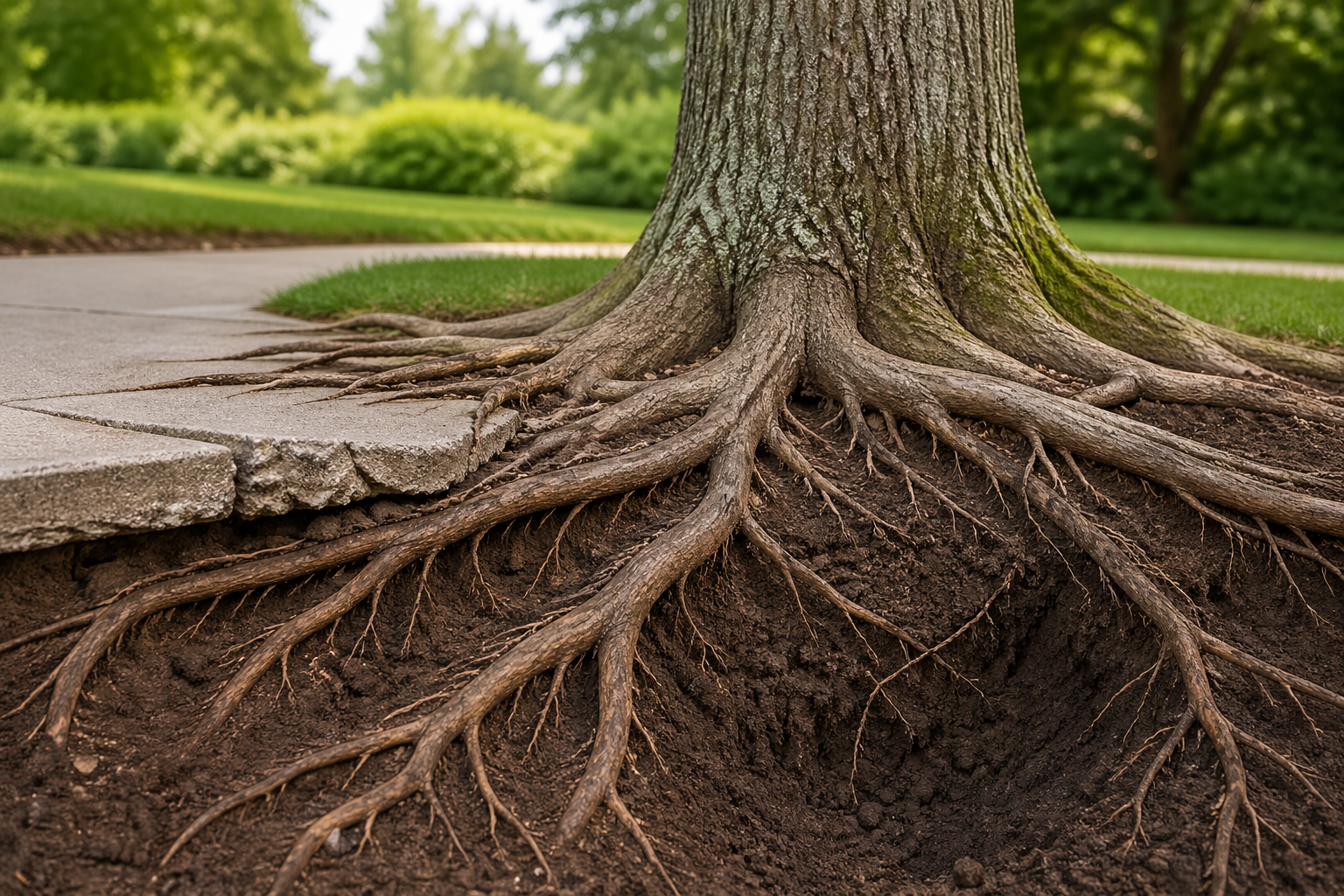
When Roots Go Rogue: What Every Homeowner Should Know About Tree Root Damage At Tip Top Arborists, we’ve had more than a few calls that start like this: “Our driveway is cracking and lifting, and we think it’s the neighbor’s tree…” It’s a more common problem than most people realize—and not just in old neighborhoods. Tree roots are constantly searching for water and stability, and sometimes that means they end up where they don’t belong: under driveways, foundations, plumbing, and sidewalks. In cities like Lancaster, Palmdale, and the Antelope Valley, expansive clay soil and older infrastructure only make it worse. In this post, we’ll break down what causes root damage, how to spot the early signs, your legal options, and how to deal with the issue—without losing the tree (or your mind). What Causes Tree Root Damage? Tree roots grow laterally more than vertically—often spreading 2-3 times beyond the tree’s canopy. If your tree is within 10–20 feet of concrete, foundations, or pipes, there’s a good chance those roots are already causing stress underground. Damage typically occurs when: Tree roots dry out or shift soil beneath a slab or sidewalk Roots physically push against concrete or pipes Clay soil expands and contracts with weather, exacerbating cracks Common culprits in our area include sycamores, liquidambars, ficus, and eucalyptus. Warning Signs You Might Have Root Damage Don’t wait for the slab to crack wide open. Early detection can save thousands. Watch for: Cracked or uneven sidewalks and driveways Bulging lawn areas or heaving soil Moisture pooling near the base of the tree Cracks along interior walls or floor tiles Tree growth unusually tilted or one-sided If you notice any of these signs, schedule a tree health inspection before the damage worsens. Can You Legally Remove Invasive Roots? This is where things get complicated—and neighborly. In California, you can trim roots that extend onto your property as long as it doesn’t kill or destabilize the tree. But if cutting roots causes the tree to die, and it wasn’t growing on your property? You could be liable for damages. That’s why it’s best to bring in a certified arborist who can evaluate the risk before anyone picks up a saw. If the tree is on city property or an HOA landscape, there may be permit requirements as well. When It’s Time for Root Barrier Installation One of the best ways to prevent root damage long-term is to install a root barrier. This involves: Digging a trench between the tree and the structure Installing a physical barrier material (usually plastic or metal) Redirecting root growth downward or away from hardscape Root barriers are especially smart for: New home construction near mature trees Landscape redesigns near hardscapes Preventing future lawsuits or damage claims You can learn more about this option in our tree root and soil management service page. Cost of Ignoring Root Damage You might think the cracks are “just cosmetic,” but here’s what can really happen: Undermined foundations can lead to settling or structural damage Broken pipes can result in sewage leaks or water line failures Sidewalks lifted by roots can be a liability risk to guests and neighbors According to California State Water Resources Board, even minor root intrusion into plumbing can cost thousands to repair—and can lead to fines for water waste or noncompliance. It’s not worth the risk. Let Tip Top Handle the Hard Part If you’re dealing with root issues, don’t go it alone. We’ll help you: Diagnose the root cause (literally) Mediate with neighbors or city planners Offer root-safe solutions for removal or redirection Protect both your property and the tree We’re not just here for the tree—we’re here for you. Book a Root Inspection Before the Next Crack Appears We’ve seen what happens when root issues get ignored. Don’t wait for a minor crack to become a major foundation repair. Call Tip Top Arborists at 661-942-5501 Serving Lancaster, Palmdale, Quartz Hill & beyond www.tiptoparborists.com