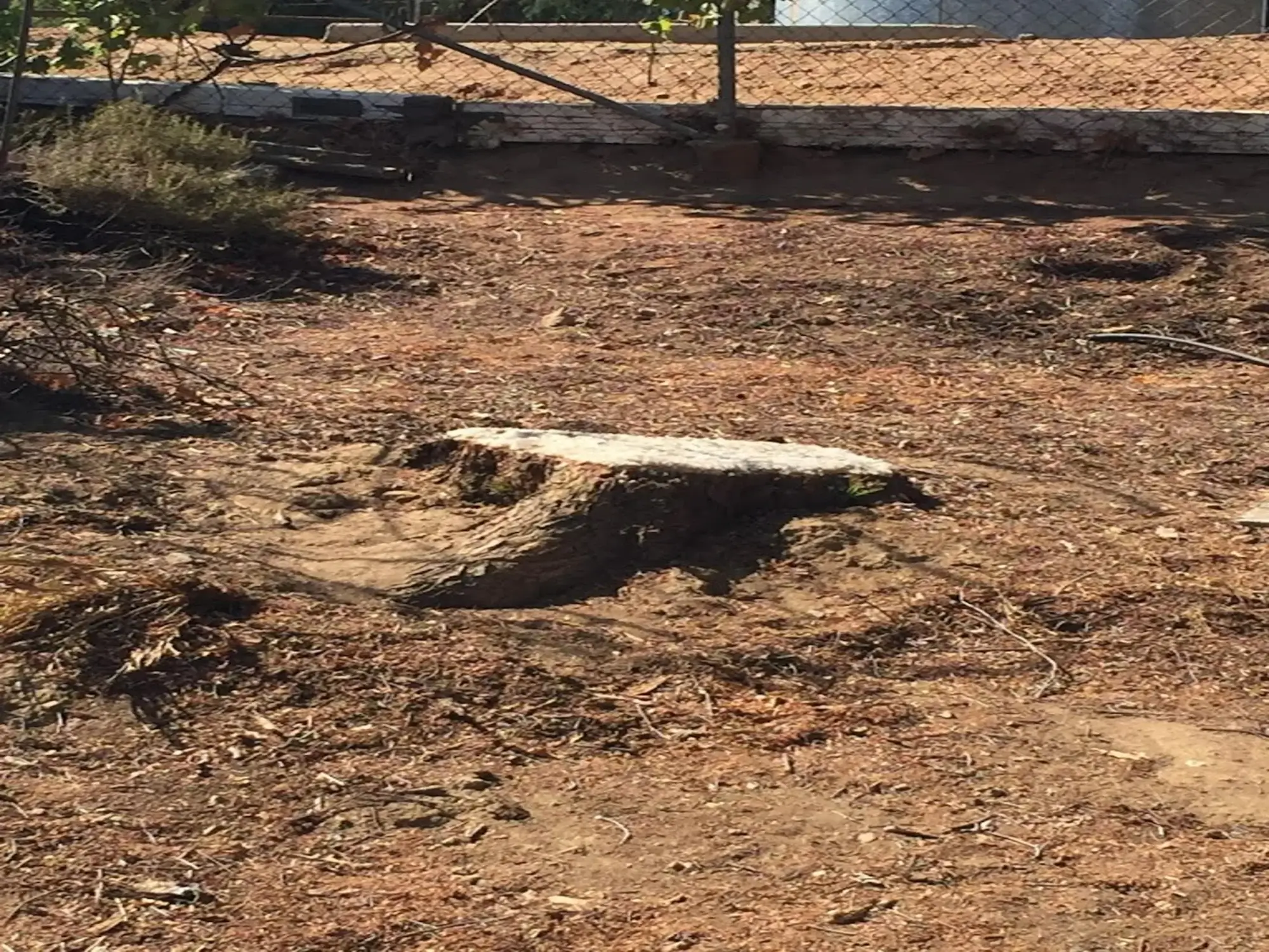
What To Do If a Tree Starts Leaning After a Storm

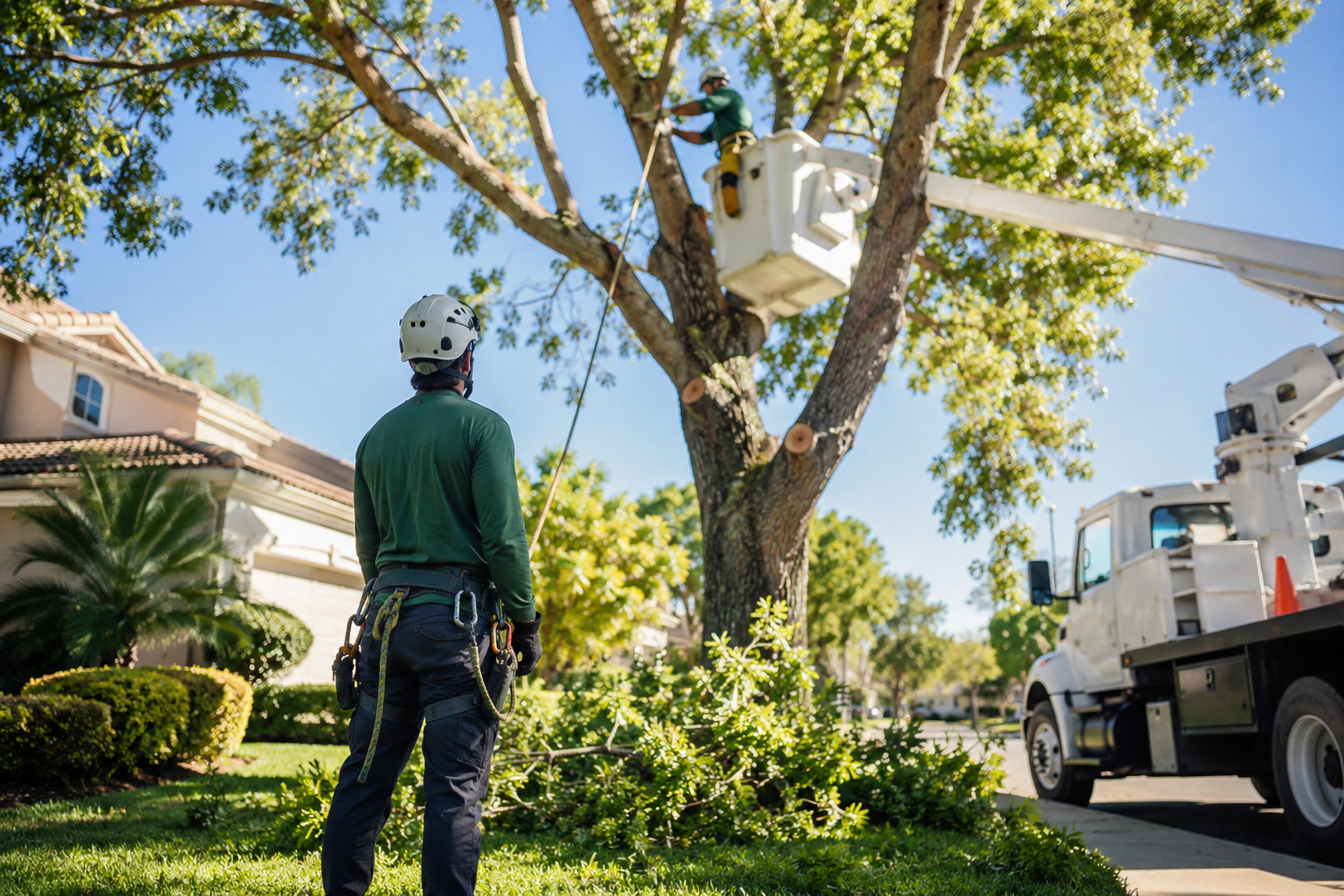
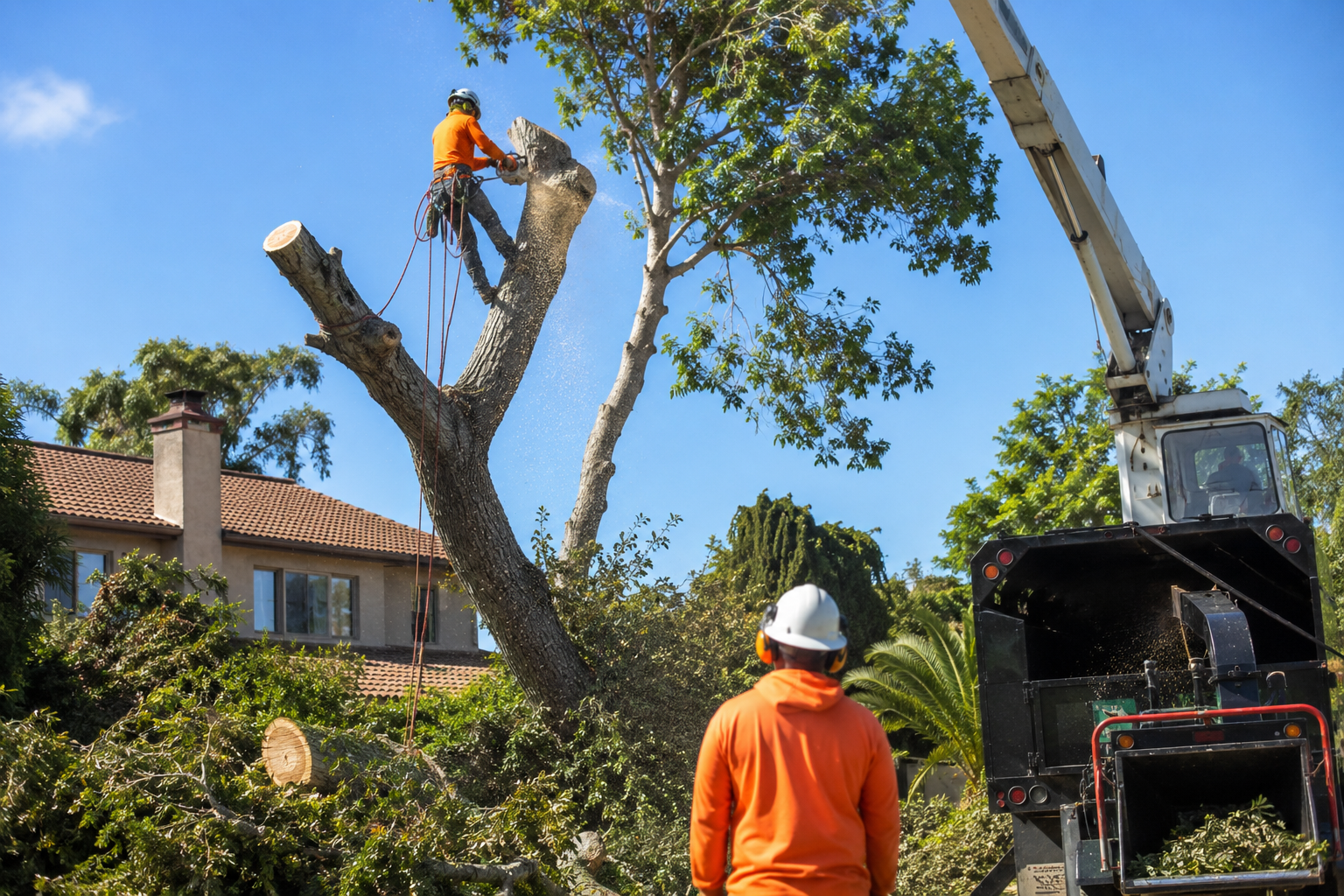
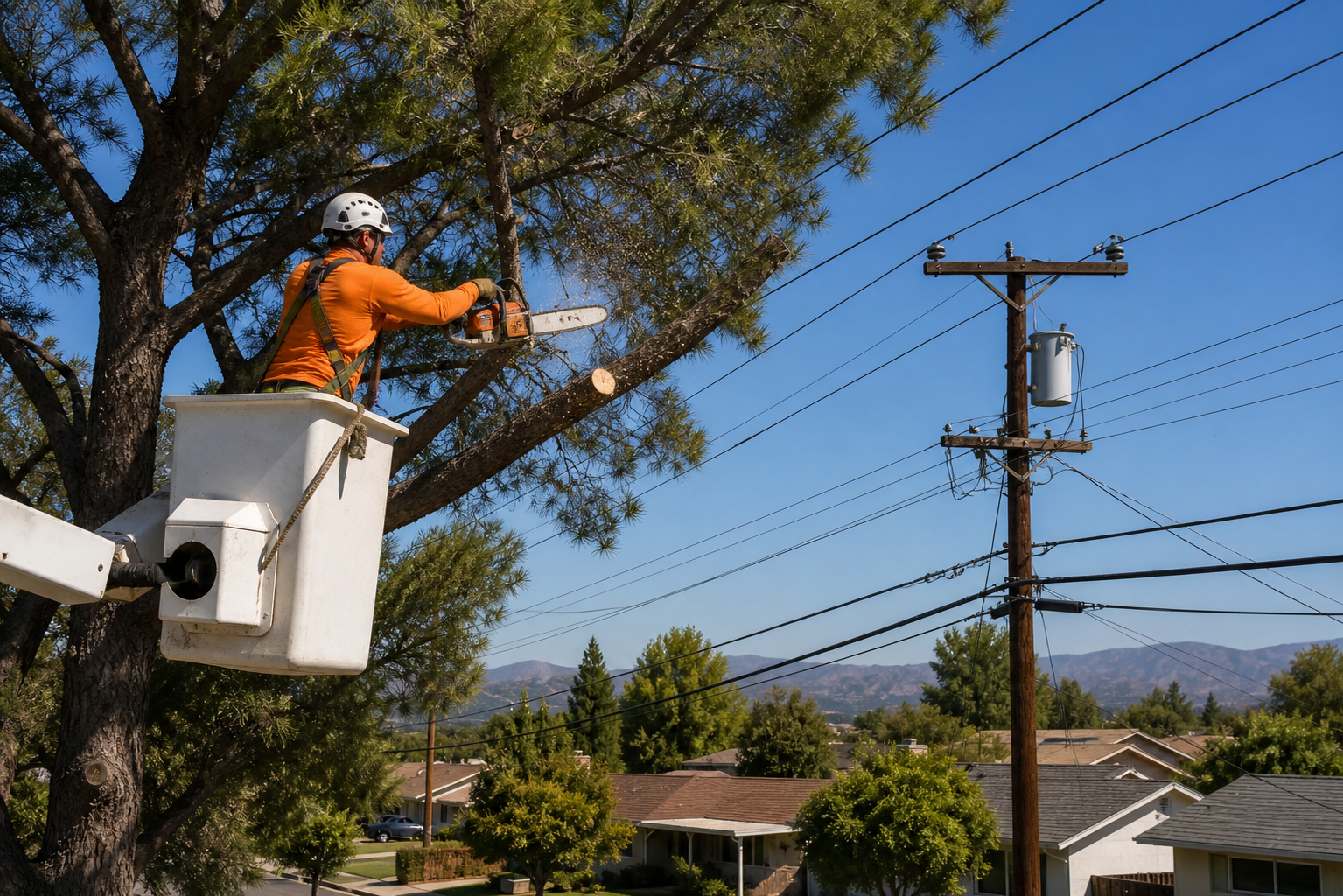
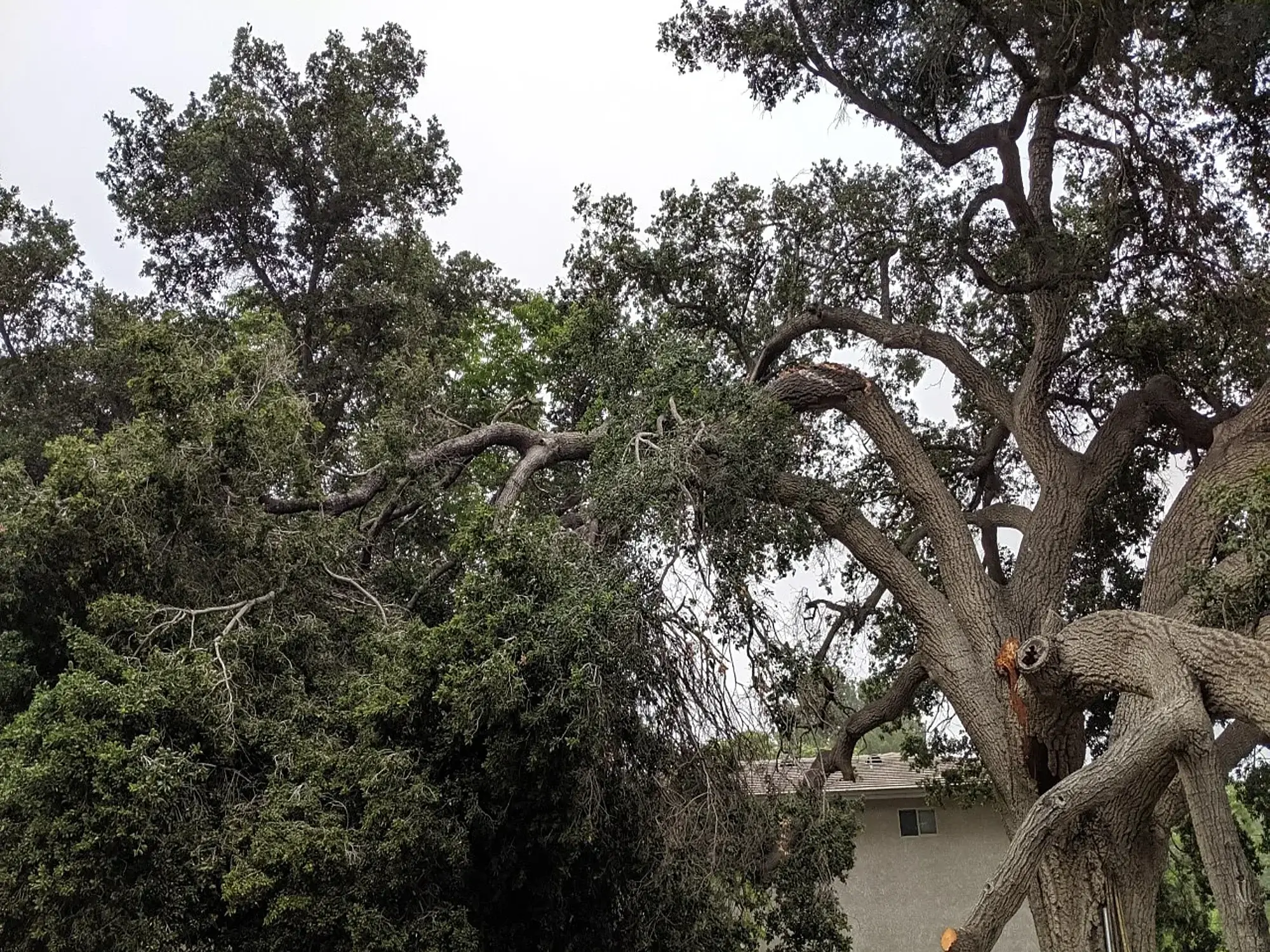
What To Do If a Tree Starts Leaning After a Storm There’s a moment after a storm when you step outside and see something that stops you in your tracks: a tree that’s no longer standing straight. Maybe it’s tilting toward your house, hanging precariously over your driveway, or resting on your fence. In Lancaster, where sudden summer storms and strong desert winds are common, this kind of sight isn’t just inconvenient. It can be downright dangerous. So what do you do when a tree starts leaning after a storm? Will it straighten out on its own? Should you wait and watch? Or is this the kind of situation that needs immediate action? Let’s walk you through it, one careful step at a time. Why Do Trees Lean After Storms? Storms don’t just shake things up above ground. High winds, heavy rain, and shifting soil can destabilize a tree’s entire foundation. Here are a few common reasons trees start leaning after storms in the Lancaster area: Soaked or loose soil: Lancaster’s dry climate means trees are used to a certain soil condition. When a sudden rainstorm hits, the soil can become waterlogged, weakening the grip of the roots and causing the tree to lean. Shallow or damaged roots: If a tree hasn’t developed a deep root system or if its roots have been damaged by prior droughts, digging, or compacted soil, it’s more vulnerable to toppling. Wind pressure: Strong gusts can push against the canopy, especially if the tree is tall, unbalanced, or full of leaves. If the wind lasts long enough, it can start to tip the tree permanently. Soil erosion or upheaval: After a storm, look at the base of the tree. If the soil is pushed up on one side or if you see roots sticking out where they weren’t before, the tree may have partially uprooted. When Should You Worry? Not every lean is a disaster waiting to happen. Some trees lean naturally over time, and others might straighten back up after the soil dries and settles. But certain signs should set off alarm bells, especially when safety is involved. Watch for these warning signs: The base of the tree looks lifted or cracked The soil around the roots has heaved or shifted Roots are visibly exposed or torn Large cracks have appeared on the trunk The tree is leaning sharply toward a house, vehicle, sidewalk, or power line There was no previous lean, and now it’s suddenly noticeable Nearby trees of the same type are still upright If any of these are true, you should treat the situation as urgent. What To Do Right Away (And What Not To Do) When you spot a leaning tree, your first instinct might be to grab a shovel or some rope. But pause right there. There’s a right way to handle this, and rushing in without a plan can lead to injury or even greater damage. 1. Keep Everyone Clear The most important thing you can do is protect your people and property. Keep kids, pets, and vehicles away from the tree. Don’t let anyone hang a hammock or climb around it, even if it looks stable. Just because the tree hasn’t fallen yet doesn’t mean it won’t. 2. Don’t Try to Pull the Tree Upright We know it’s tempting. A tree starts leaning, and your first thought is to just pull it back into place. But trying to fix it yourself can be dangerous. If the tree is heavy, the roots are compromised, or the trunk is cracked, you could cause it to fall completely or injure yourself in the process. 3. Call a Certified Arborist This is where we come in. Our certified arborists at Tip Top Arborists are trained to assess tree stability, root health, and potential risks. We’ll inspect your tree thoroughly, from canopy to soil, and let you know if it can be saved or if removal is the safest route. 4. If Power Lines Are Involved, Back Away If the tree is leaning near or on a power line, do not go near it. Don’t touch any branches, even if they look harmless. Instead, call your local utility company immediately and report the situation. Only trained crews should handle trees near electrical lines. How We Handle Leaning Trees in Lancaster Every tree and every yard is different, but our process follows a clear path to keep you safe and make smart decisions for your landscape. Step 1: Inspection We start by evaluating the tree from top to bottom. That includes looking for: Uprooting or soil disturbance Cracks in the trunk or major limbs Fungal growth or decay Canopy imbalance Damage from wind, pests, or disease We also consider the tree species. For example, eucalyptus and some pine species are more prone to storm damage. Knowing what kind of tree you’re dealing with helps us determine its resilience. Step 2: Stabilization (If Possible) If the tree is still alive and stable enough, we might use bracing systems or support cables to secure it. This is especially common for younger trees or trees with a strong recovery chance. We may also trim heavy limbs to rebalance the canopy and reduce the pressure that caused the lean in the first place. Step 3: Safe Removal (If Needed) If the tree is too damaged to save, we’ll recommend safe removal. This includes clearing it from your yard, grinding the stump if requested, and offering guidance on what to plant in its place. We’ll also help you choose trees that are better suited to Lancaster’s desert climate and soil. How to Prevent Leaning Trees in the First Place You can’t stop a storm, but you can set your trees up for success. These prevention tips go a long way toward keeping your trees upright and healthy year-round. 1. Plant Trees Correctly From the Start Always plant at the proper depth. A tree planted too shallow may develop surface roots, making it unstable. Too deep, and the
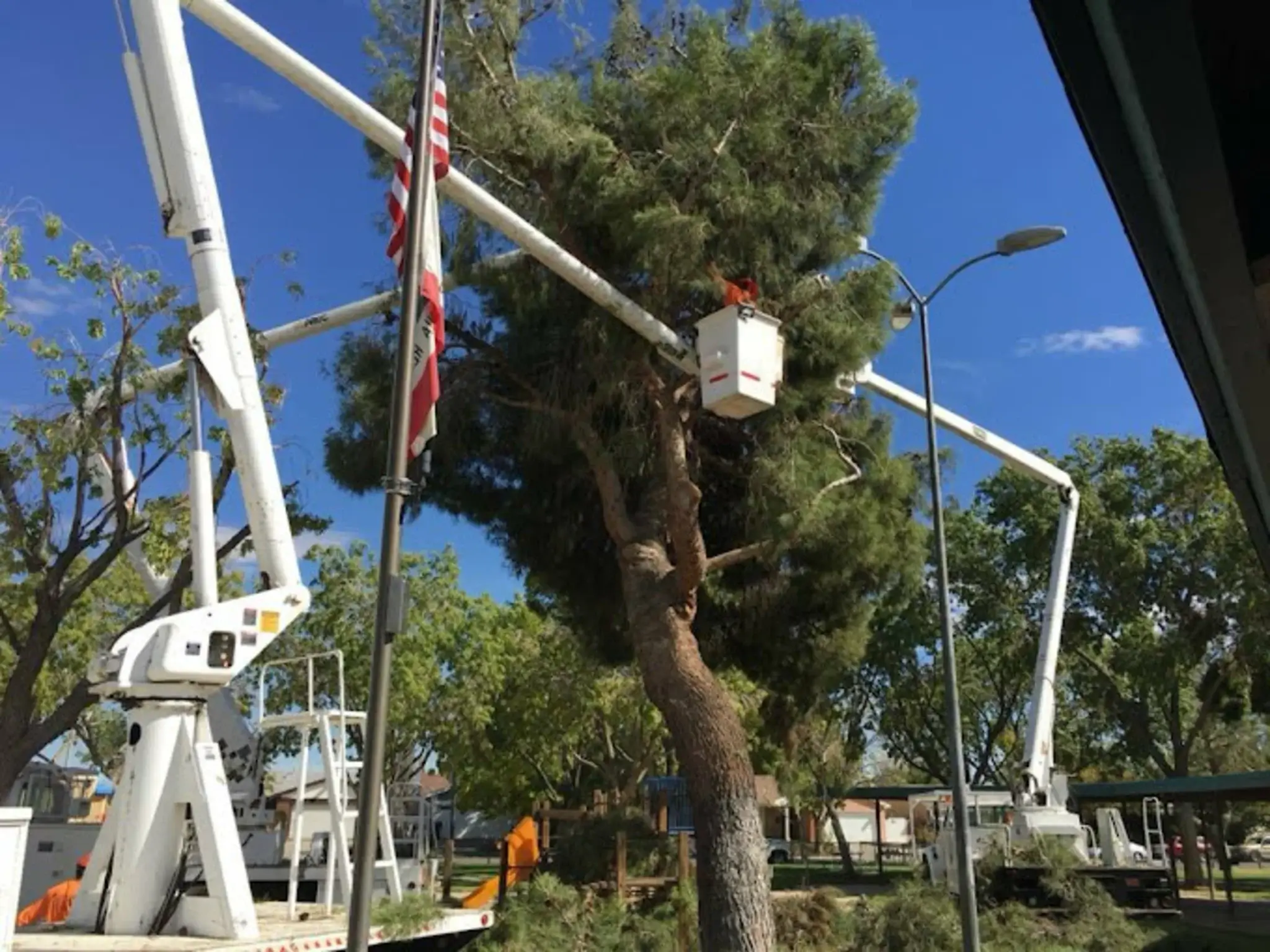
How to Tell If a Tree Is Dead or Just Dormant in Lancaster, CA

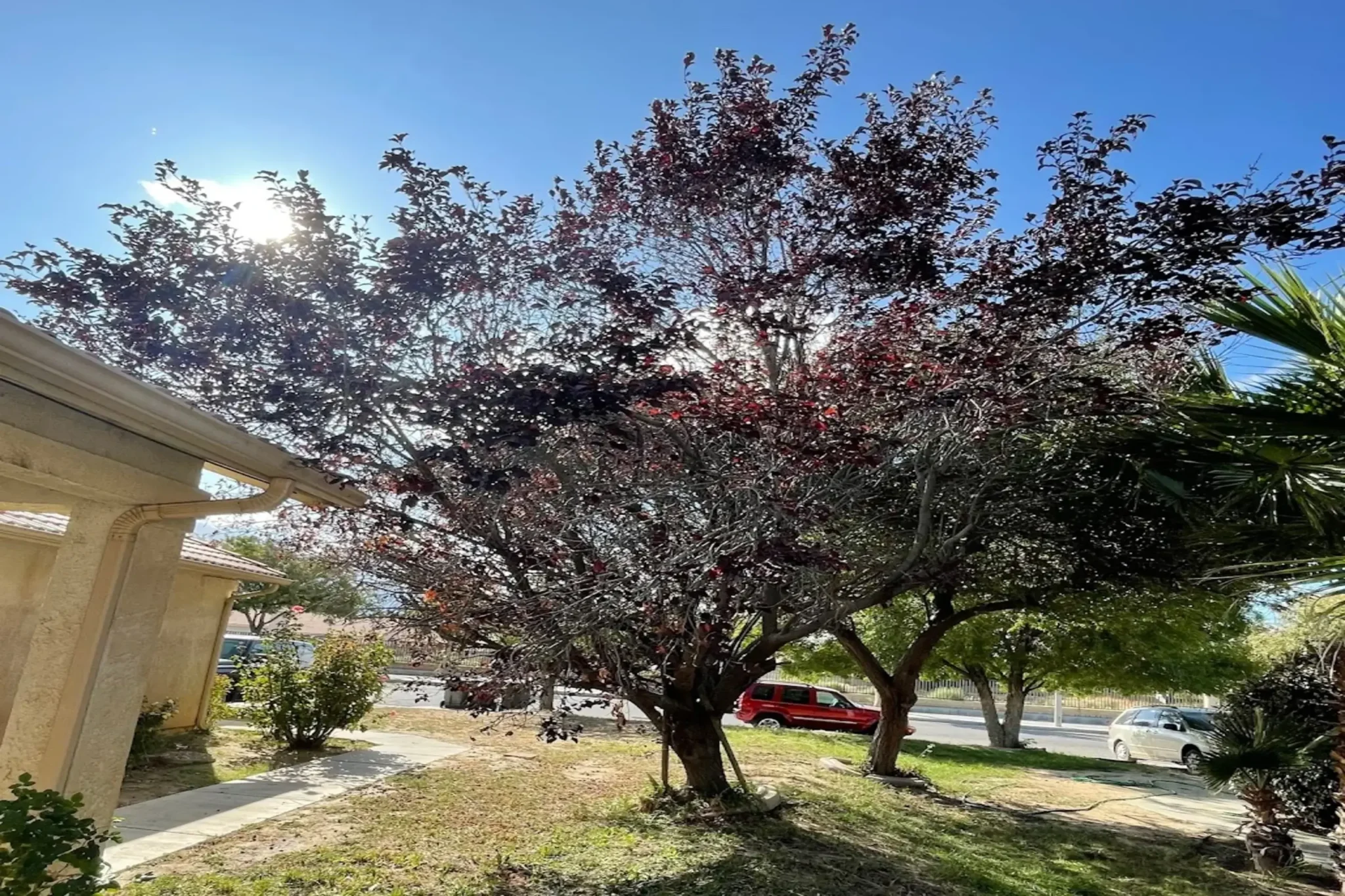
 How to Tell If a Tree Is Dead or Just Dormant in Lancaster, CA It’s that time of year again in Lancaster when some trees start looking… well, a little rough around the edges. The leaves are gone, the branches look brittle, and you might start wondering if this tree just called it quits or if it’s simply taking a nap. We get it. A seemingly lifeless tree can stir up a lot of questions, especially if it’s close to your home or driveway. You don’t want to cut down a perfectly healthy (just sleepy) tree, but you also don’t want a dead one falling on your car in the middle of the night. So, how do you tell the difference between a tree that’s truly dead and one that’s just dormant for the season? Let’s take a stroll through your yard and figure it out. Leaf Check 101: Are the Leaves Just Late or Gone for Good? In winter or during a drought, many trees drop their leaves to conserve energy. That’s totally normal. But if it’s springtime and your tree still looks like a haunted movie prop, that’s when it’s time to pay closer attention. Here’s what to look for: No buds in spring? That’s not great. Healthy trees usually form little buds, even before they leaf out. Brittle and dry twigs? Snap a twig. If it breaks easily and is dry all the way through, that’s a red flag. No leaf activity while neighboring trees are blooming? If your other trees are greening up and one is stuck in the void, it may be more than just fashionably late. Try the Scratch Test This is one of our favorite old-school tricks. It’s simple and surprisingly helpful. Pick a small branch or twig. Use your fingernail or a pocketknife to gently scratch off a bit of bark. Check the color underneath. Green and moist? That’s a good sign. It means the tree is alive. Brown and dry? That part of the tree is likely dead. Try scratching in a few different places on different limbs. If they’re all brown and dry, you may be looking at a dead tree. Take a Good Look at the Bark and Trunk A dormant tree still looks sturdy. A dead one? Not so much. Watch for these signs: Bark falling off in large chunks with no fresh growth underneath. Deep cracks or splits in the trunk. These often signal internal damage or decay. Soft spots or mushrooms at the base. That’s a sign the tree could be rotting from the inside. If your tree is showing more than one of these issues, don’t wait too long to act. Dead or Dormant? Let’s Break It Down If you’re not sure what’s going on, here are some quick comparisons to help you sort things out: Twigs bend without snapping? It’s probably dormant. Scratch test shows green? That’s another sign of life. Tight bark? Good news. Dormant trees keep their bark snug against the trunk. Are buds forming in spring? That’s a healthy sign. No leaves by late spring? That’s a concern. Fungus or a soft trunk base? Likely a sign of rot and decay. When in doubt, compare with other trees of the same species in your neighborhood. If your neighbor’s palo verde is lush and leafy and yours looks like a Halloween prop, it might be time to investigate. Lancaster Weather and Tree Dormancy Our high desert climate throws trees a few curveballs — heatwaves, windstorms, and dry spells can all cause trees to leaf out later than usual. Sometimes, a tree just needs more time to bounce back. Keep in mind that native trees and drought-tolerant species may look dead when they’re actually just playing it safe. They’ve adapted to survive long, dry seasons and may conserve energy by going dormant longer. Still not sure what’s going on? That’s where we come in. What If the Tree Really Is Dead? A dead tree isn’t just sad to look at. It’s a risk — especially here in Lancaster where high winds can turn brittle limbs into flying hazards. If the whole tree is dead, it’s time to consider safe removal and possibly replacing it with a variety that’s more resilient in our local climate. The good news? You don’t have to figure it out on your own. Our certified arborists can inspect your tree, explain what’s happening, and recommend the best course of action. If the tree still has life in it, we’ll help with pruning, watering guidance, or even pest control. And if it’s time to say goodbye, we’ll remove it safely and help you plant something new in its place — something ready to thrive in Lancaster’s wild weather. Schedule a Tree Health Check Today Whether it’s junipers, maples, or magnolias, we’re here to help your landscape thrive, from the ground up. We’re here to help, no pressure, no guesswork, no surprises. Call Tip Top Arborists today at 661-942-5501 Or visit www.tiptoparborists.com to schedule your removal or hazard inspection.
When Fire Hits Home: What to Do About Fire-Damaged Trees in Lancaster, CA

When Fire Hits Home: What to Do About Fire-Damaged Trees in Lancaster, CA       Lancaster, California has its fair share of sunshine, stunning sunsets, and wide-open desert skies. But along with all that beauty comes a harsh reality: wildfire season. When the temperatures climb and the Santa Ana winds pick up, things can go sideways fast. And if you’ve recently experienced a fire near your property, you’re probably taking stock of the damage. One question we hear all the time: “Is my tree still okay after that fire?” The truth is, some trees bounce back. Others don’t. And when you’re looking at a blackened trunk or scorched canopy, it’s hard to tell which is which. That’s where Tip Top Arborists comes in. We’re here to help you assess the damage, make smart decisions, and, if necessary, remove hazardous trees safely and professionally. We’ve been the go-to tree doctors in Lancaster and the Antelope Valley for decades. This isn’t our first fire season, and it won’t be our last. But with the right knowledge, the right tools, and a trusted local team on your side, you don’t have to face it alone. How Fire Affects Trees: It’s Not Always What You Think First off, not all fire damage is the same. Just because a tree looks a little rough around the edges doesn’t mean it’s done for. And just because a tree is still standing tall doesn’t mean it’s safe. Wildfires affect trees in several ways. Some of the damage is immediate, and some of it shows up months later. Here’s a breakdown of what to watch for: 1. External Damage to Bark and Branches If the fire burned through quickly and stayed mostly on the surface, your tree might only have cosmetic damage. You might notice scorched leaves, blackened bark, or cracked outer layers. While unsightly, this kind of damage doesn’t always spell doom. Trees have built-in survival mechanisms. Some species, like oaks and pines, are even adapted to survive mild fires. But if the bark is deeply cracked or falling off, or if you can see exposed wood underneath, your tree may have suffered structural damage. That’s when it’s time to call in a pro. 2. Internal Heat Damage Fires don’t just burn the outside. Heat can travel through the bark and damage the cambium layer—the living tissue just under the bark that moves water and nutrients throughout the tree. If that layer is cooked, the tree may look fine for a few weeks but then start to decline rapidly. Leaves might brown and drop, branches might become brittle, and sap flow may stop altogether. A trained arborist can check for these signs and help you determine if recovery is possible. 3. Root System Damage This one’s tricky because it happens underground. Fire can travel through dry soil and mulch, damaging roots even if the base of the tree looks untouched. If the tree starts leaning or loses stability, it’s likely that root damage has occurred. Trees with compromised root systems are especially dangerous. They can fall without warning, even in calm weather. If you see signs of shifting soil, tilting trunks, or exposed roots, don’t wait. Have it assessed immediately. 4. Crown Damage The crown is the leafy top of the tree. If more than 50 to 60 percent of the crown has been scorched or lost, the tree’s chances of recovery are slim. Without enough leaves to perform photosynthesis, the tree can’t make the energy it needs to survive. On the other hand, if most of the crown is still intact and the lower branches took the brunt of the damage, there may be hope. How to Tell if a Fire-Damaged Tree Can Be Saved Now for the million-dollar question: Is your tree going to make it? There’s no single answer, but we use a checklist of key indicators to make a professional assessment. Here’s what we look at: Trunk integrity: Are there deep cracks, splits, or missing bark? Cambium health: Is the tissue beneath the bark moist and green, or dry and brown? Leaf and bud condition: Are there signs of regrowth, or is everything dead and brittle? Branch flexibility: Do smaller branches bend and snap back, or break off like dry twigs? Root system stability: Is the tree firmly anchored, or shifting in the soil? If we see more positive signs than negative ones, we may recommend pruning, watering, and monitoring rather than removal. Trees are resilient. We’ve seen some come back from the brink with the right care. But if the damage is extensive, or if the tree poses a safety risk to your home, vehicles, or power lines, we’ll be honest with you. Our goal is to protect your property and peace of mind. What to Expect from a Fire Damage Tree Assessment When you call Tip Top Arborists for a fire damage assessment, we don’t just glance at the tree and shrug. We conduct a full, on-site inspection using industry standards and decades of local experience. Here’s how it works: Initial Site VisitWe schedule a time that works for you and come prepared with safety gear, diagnostic tools, and a sharp eye. Full InspectionWe examine the tree from top to bottom, including trunk, limbs, bark, roots, soil condition, and nearby vegetation. Risk EvaluationWe assess how likely the tree is to fall, shed limbs, or decline further over time. We also check how close it is to structures, walkways, fences, and utilities. Clear RecommendationsWe explain our findings in plain language. No jargon, no scare tactics. If the tree can be saved, we’ll tell you how. If it needs to come down, we’ll walk you through the next steps. Removal, If NeededIf the tree is too far gone, we offer safe, efficient removal services. We handle everything from permits to cleanup. Our team works cleanly and respectfully, and we always leave your yard better than we found it.   Fire-Damaged Tree Removal: Why It’s Not a DIY Job   We get