Tree Care Lancaster: 10 Smart Blog Ideas for 2024
10 SEO-driven blog ideas to grow your tree care business in Lancaster, covering urgent services, cost guides, and sustainable landscaping trends for 2024.
What to Do When a Tree Falls on Your Car: Complete Emergency Action Guide
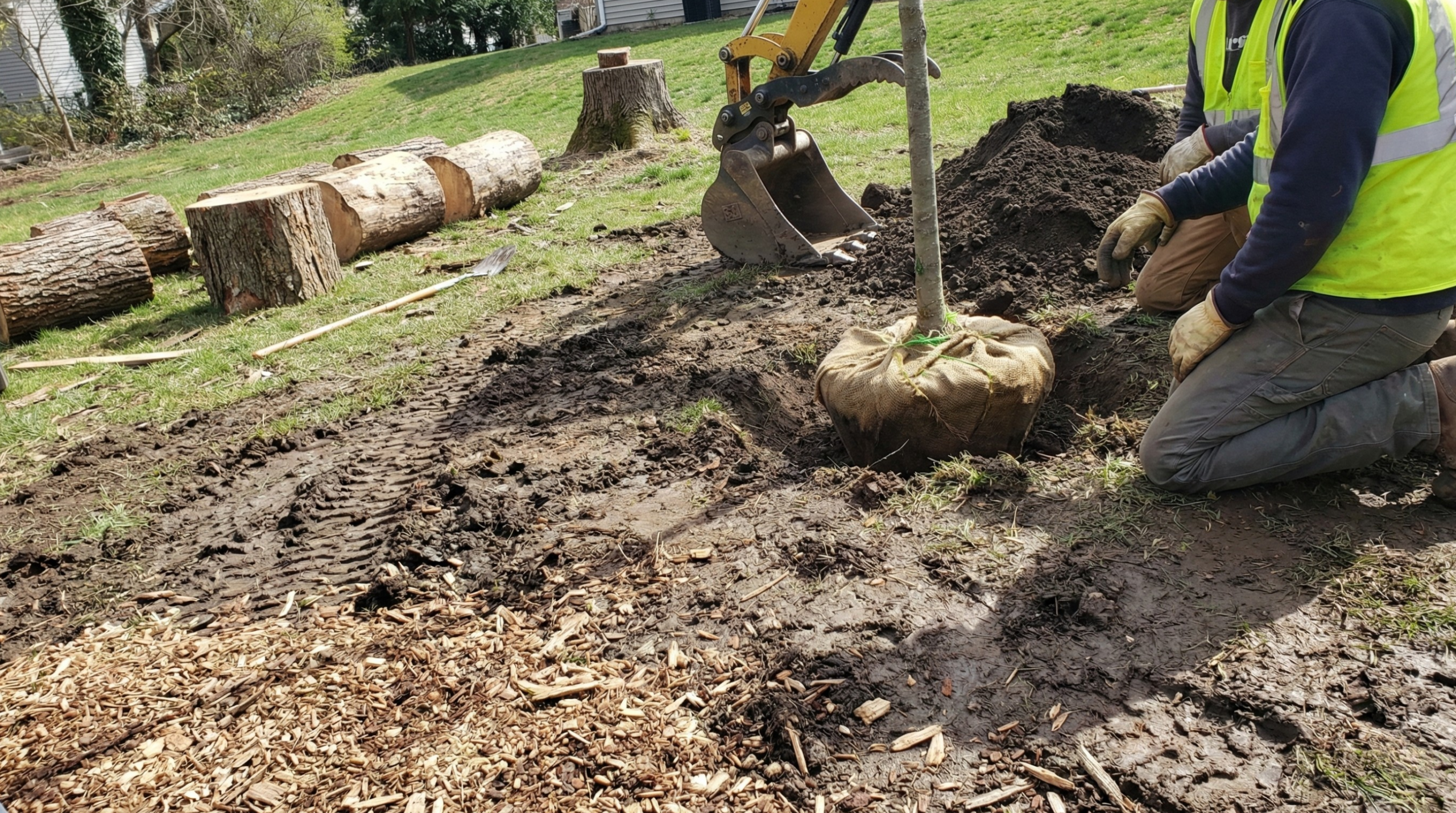
Tree fell on your car? Don’t panic! Follow our expert 7-step emergency guide from Lancaster’s certified arborists. Insurance tips, safety steps & professional removal – Call (661) 942-5501
The Best Drought-Resistant Trees for Lancaster, CA Yards
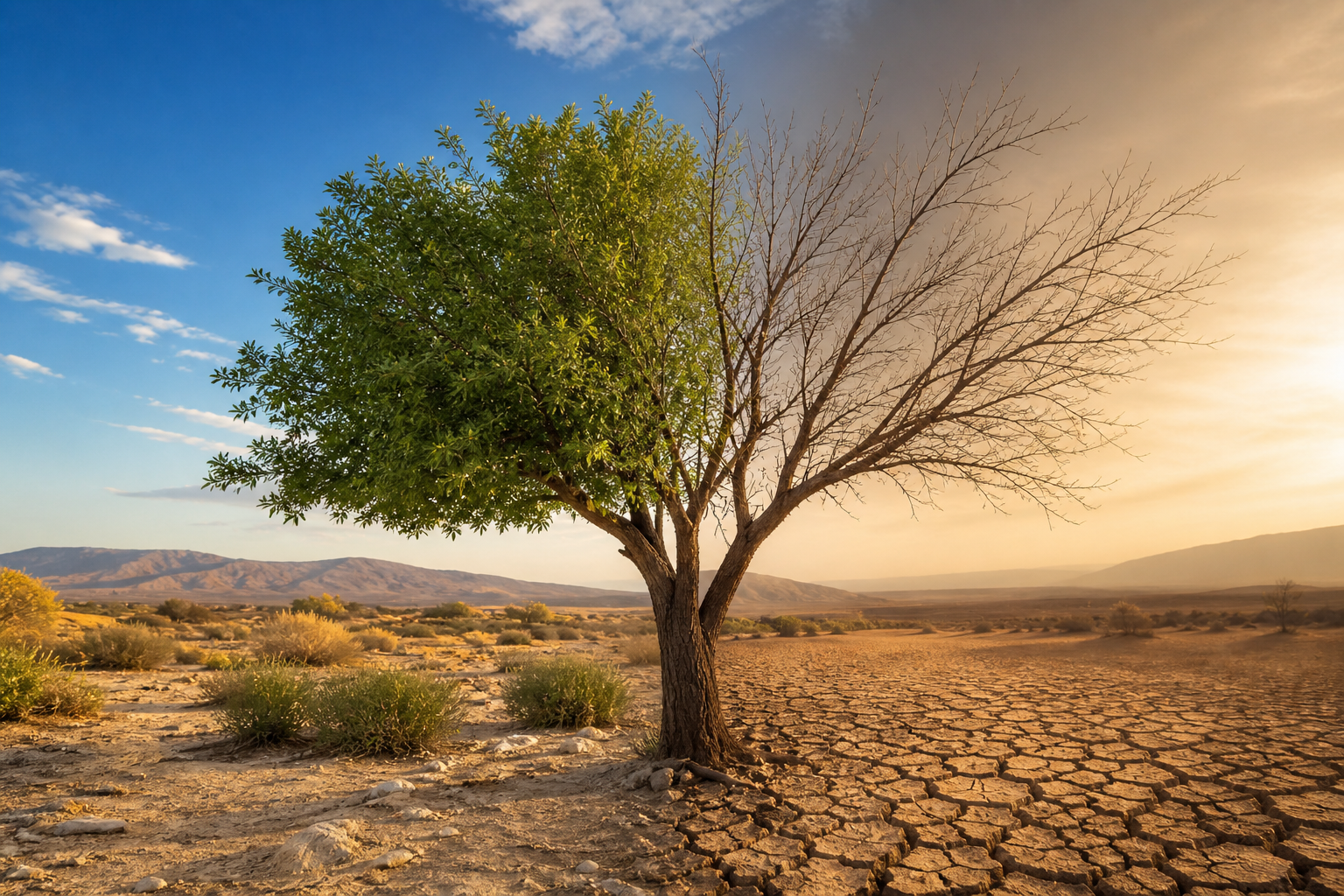
The Best Drought-Resistant Trees for Lancaster, CA Yards If you’ve lived in Lancaster for more than a few weeks, you already know. We don’t exactly get a lot of rainy days. Our beautiful Antelope Valley climate means sun-soaked skies, dry winds, and summers that can cook an egg on the sidewalk. If your trees aren’t up for the challenge, they’re going to struggle. That’s where drought-resistant trees come in. At Tip Top Arborists, we’ve been helping Lancaster homeowners plant and care for trees since 1976. One of the biggest questions we get, especially in the middle of a heatwave, is: “What kind of trees can actually survive out here?” Well, you’ve got options. Good ones, too. Whether you want shade, color, or just something that won’t dry up and die the moment you skip a watering, this guide has you covered. Why Drought-Tolerant Trees Make Sense in Lancaster Let’s face it. Watering restrictions aren’t going anywhere, and neither is the heat. That’s why it pays to think ahead. Drought-tolerant trees are built to thrive with little water, tough soil, and big temperature swings. These trees: Need less frequent watering once established Handle heat and wind better than most imports Tend to grow slower and steadier, which means fewer messes Help reduce water bills without sacrificing curb appeal Support local wildlife and healthy soil systems And best of all? They’re usually low maintenance once they settle in. That’s our kind of tree. What Makes a Tree Drought-Resistant? It’s not just about sipping less water. True drought-tolerant trees tend to have: Deep or wide root systems that find hidden moisture Waxy or small leaves that don’t lose much water to evaporation Slow growth rates that match their environment Built-in resistance to pests and diseases common in dry areas Basically, they’re survivors. The kind you want in your corner when the forecast is 105 and rising. Top Drought-Tolerant Trees for Lancaster Yards Desert Willow (Chilopsis linearis) This tree is a local favorite for good reason. It puts out beautiful trumpet-shaped flowers from late spring through summer and needs hardly any water to keep the show going. Plus, it grows fast, making it one of the best shade trees for drought-prone areas. It can handle reflective heat from pavement too, which makes it great for parkways and patios. California Juniper (Juniperus californica) This native evergreen is as tough as it looks. With its bluish needles and gnarly branches, it brings a rugged beauty to any yard. It’s slow-growing but extremely drought-hardy. Junipers also provide excellent shelter for birds and local wildlife. Blue Palo Verde (Parkinsonia florida) Green bark, yellow blooms, and serious drought resistance. What’s not to love? The Blue Palo Verde is a showstopper in spring and summer and doesn’t ask for much in return. These trees are small to medium in size and are perfect for xeriscape landscaping. Honey Mesquite (Prosopis glandulosa) Shade, character, and resilience. This tree does it all. It’s also great for attracting birds and other native wildlife. Plus, the feathery leaves give it a light, airy look that works beautifully in open spaces. The pods are a food source for desert critters, making it a win all around. Screwbean Mesquite (Prosopis pubescens) This one’s a little quirky in the best way. It has spiral seed pods that twist like corkscrews and a compact size perfect for urban yards. If you’re looking for a conversation starter that doesn’t guzzle water, this is a solid pick. Desert Ironwood (Olneya tesota) A slow-growing powerhouse. It lives long, blooms in spring with soft lavender flowers, and thrives in the kind of heat most trees can’t handle. The wood is dense, and the canopy provides excellent filtered shade. California Fan Palm (Washingtonia filifera) The only palm tree native to California. It loves sun, needs very little water once mature, and adds a classic desert feel to your yard. These palms are especially helpful in sandy or gravelly soil conditions common in the Antelope Valley. California Buckwheat (Eriogonum fasciculatum) It’s more of a large shrub, but still a winner. Buckwheat flowers attract pollinators and hold up well in dry, rocky soils. Use it as a groundcover tree companion or slope stabilizer in a native plant garden. Trees to Avoid in Lancaster’s Climate Not every tree is cut out for Lancaster. Avoid high-water trees like: Willows Maples Non-native birches Liquidambars These trees may look great in cooler climates, but out here they become high-maintenance, high-risk liabilities. Unless you have a dedicated irrigation plan and deep soil, stick to more drought-hardy options. Smart Planting Tips for Drought-Tolerant Trees Even drought-tolerant trees need a good start. Here’s what we tell our neighbors: Plant in fall or early spring to give roots time before the heat kicks in Dig wide, not deep. You want to encourage spreading roots Mulch well, but don’t bury the trunk Water deeply, especially in year one. After that, back off slowly Avoid overhead watering. Drip or slow-trickle irrigation is best Think of it like teaching your tree how to find water. Once it learns, it’ll thank you by sticking around for the long haul. Native vs. Non-Native: What’s Better for the Long Run? Lancaster’s native trees evolved to handle everything the Antelope Valley throws at them: wind, sun, alkaline soil, and all. That means they: Stay healthier with fewer resources Resist local pests and diseases Last longer with less stress Don’t outgrow their welcome, literally If sustainability is the goal, native and desert-adapted trees are the way to go. And we’re here to help you choose the right one. Choosing the Right Tree for Your Yard’s Needs Not every drought-tolerant tree fits every yard. Here’s a quick guide to help: Need shade fast? Go for Desert Willow or Honey Mesquite Want something compact? Try Screwbean Mesquite or California Juniper Love flowers? Blue Palo Verde and Buckwheat are your best bets Want low-profile privacy? California Buckwheat as a hedge works wonders Looking for classic desert appeal?
Lancaster Tree Knowledge Hub
Lancaster Tree Knowledge Hub If you’ve ever stood in your yard, staring up at a lopsided tree wondering if it’s about to fall, you’re not alone. Trees are part of the charm of Lancaster’s neighborhoods, but they also come with questions. What kind of trees grow best here? When should you prune? Do you need a permit to remove one? And how on earth do you keep them alive during another hot, dry summer? Welcome to the Lancaster Tree Knowledge Hub. It’s your go-to spot for straightforward, local, tree-smart answers. Whether you’re a first-time homeowner or a seasoned property pro, Tip Top Arborists is here to help you keep your trees healthy, safe, and beautiful. We’ve been serving Lancaster and the greater Antelope Valley since 1976, so we’ve seen just about every tree situation you can imagine. Let’s dig in. What Trees Actually Thrive in Lancaster? Let’s be honest. Lancaster isn’t exactly gentle on greenery. With long, hot summers, low annual rainfall, clay-heavy soil, and plenty of wind, not every tree is built for this place. That’s why choosing the right tree from the start can save you years of frustration. Top Tree Picks for Lancaster’s Climate Desert Willow: A tough, drought-tolerant native with showy flowers and a relaxed, sculptural shape Chinese Pistache: Offers brilliant fall color, handles heat well, and provides great shade Chilean Mesquite: Fast-growing, sturdy, and well-suited to dry conditions Western Redbud: A small native tree with spring blooms and manageable size for tight spaces California Pepper Tree: Graceful and low-maintenance with a wide canopy, but needs room to spread Each of these options is known for standing up to our valley’s extremes while adding beauty and function to your yard. Native and drought-tolerant trees also help support local wildlife, require less water, and usually need fewer treatments for pests or disease. For more tree options tailored to Lancaster’s climate, try the Cal Poly SelecTree tool. Tree Care in Lancaster: What Actually Works? Caring for trees in Lancaster comes down to two things: doing the basics right and doing them at the right time. Here’s a breakdown of practical care tips that work for our desert-edge environment. Watering Smart The biggest mistake we see? Overwatering. Trees need deep, infrequent watering, not a daily sprinkle. For established trees, soaking the root zone once every 2–3 weeks is better than watering daily. Young trees may need water more often, especially in the first two years. Use mulch around the base of your trees to keep moisture in and weeds out. Just keep it a few inches away from the trunk to prevent rot. Pruning Like a Pro Pruning helps with structure, health, and safety. In Lancaster, winter and early spring are usually the best times to prune most species. Avoid cutting during extreme heat or while the tree is actively growing unless there’s a safety issue or storm damage. Focus on removing: Dead or diseased limbs Branches crossing or rubbing Low limbs that interfere with walkways or driveways Suckers or water sprouts that drain energy from the tree When in doubt, consult a certified arborist. Bad cuts can do more harm than good. Pest and Disease Watch Common tree pests in Lancaster include aphids, scale insects, borers, and spider mites. If leaves look distorted, sticky, or chewed, or if you see insects clustering around branches, it might be time to take a closer look. Early detection is key. A professional inspection can save your tree and help you avoid major damage or replacement costs. Tree Removal in Lancaster: Know Before You Cut Thinking about removing a tree? Pause before you grab a chainsaw. The City of Lancaster has ordinances in place that protect certain trees, especially large or historic ones, and those near sidewalks or public land. Permits are often required. Do You Need a Tree Removal Permit? If your tree is: Over a certain size or age Located near a public sidewalk, school, or roadway A protected species under city code Part of a commercial or multi-unit residential property Then yes, you likely need a permit from the Planning Department. Skipping this step can lead to fines, delays, or legal trouble. How to Apply: Contact the Lancaster Planning Department Submit a removal permit application with photos and explanation Pay any applicable fees Await inspection or approval Do not remove the tree until you receive written approval Need help with this process? Tip Top Arborists can handle the paperwork and walk you through the city’s requirements. Trees and Power Lines If a tree is growing near power lines, things get serious. That’s not a DIY job. Contact your local utility company before doing anything. Specialized crews are trained to manage tree clearance around power infrastructure safely. Attempting this work yourself can be dangerous and is often illegal. Tip Top offers coordination with utility providers for safe, approved removals or pruning jobs. How Trees Help Lancaster Thrive Beyond shade and beauty, trees play a bigger role in keeping our neighborhoods livable. Air quality: Trees filter pollutants and cool the surrounding area Stormwater control: Roots help absorb rain and reduce runoff Wildlife habitat: Native trees support birds, pollinators, and other beneficial species Property value: Well-maintained trees can add up to 15 percent to your home’s value Noise and wind reduction: Trees create natural buffers for busy streets and strong gusts You don’t need a backyard full of redwoods. Even one tree can make a difference. Tip Top’s Tree Checklist for Lancaster Homeowners Have your trees inspected once a year, ideally before summer Know your species so you can water and prune properly Stay informed on local permit rules before removing any tree Use mulch and avoid overwatering Watch for signs of disease or insect damage Never attempt work near power lines on your own Call in a certified arborist for large trees, storm damage, or risk assessments Need Help with a Tree in Lancaster? At Tip Top Arborists, we specialize in trees that live where we live. We’re based
Liability for Falling Trees or Branches: Who’s Responsible When Nature Takes a Swing?
Liability for Falling Trees or Branches: Who’s Responsible When Nature Takes a Swing? Picture this. You’re enjoying a quiet Lancaster afternoon when CRACK, your neighbor’s old sycamore drops a limb onto your fence. Or maybe it’s your pine tree that’s looking a little top-heavy, and you’re losing sleep every time the wind picks up. Who’s responsible when trees decide to cause trouble? It’s a question we hear a lot. “If a tree or branch falls and damages something, who pays for it?” The answer, like a gnarly root, isn’t always straight. But don’t worry, we’re here to untangle it for you. Let’s dig in. When Is a Tree Owner Liable for Damage? Here’s the short version. If a tree falls and damages property, liability usually depends on whether the tree owner was negligent. Negligent just means ignoring a problem that should’ve been handled. Like that obviously dying tree in your yard that’s been leaning for months. If you knew or should have known it was dangerous and did nothing about it, that’s on you. But if the tree was healthy and a freak storm knocked it over? That’s considered an Act of God. No one’s at fault, and typically, each homeowner handles damage to their own property through insurance. So here’s how it works: If the tree owner was negligent, they may be liable. If the tree was healthy and fell during a storm, it’s often not their fault. This is where tree liability laws and tree damage insurance claims come into play. Real-Life Example: The Leaning Giant Let’s say your neighbor has a eucalyptus tree with a noticeable lean, and it’s dropping dead limbs. You’ve mentioned it a few times. Then one night, a big branch crashes through your shed roof. In this case, your neighbor could be held liable. They were given notice, and the tree showed clear signs of being hazardous. That matters in a tree negligence lawsuit. On the flip side, if a healthy branch fell during a freak windstorm, your homeowner’s insurance will probably cover it. That’s part of the gray area when it comes to tree falls during storm liability. What Counts as Negligence in Tree Care? Negligence usually means ignoring something any reasonable person would address. Common warning signs include: Dead limbs or trees Visible rot, fungus, or pests Leaning trees or exposed roots Cracks in the trunk Overhanging branches that threaten homes or power lines Ignoring complaints from neighbors If any of these are present and no action is taken, and damage occurs, the homeowner liability for tree damage increases dramatically. This is why tree risk assessment liability is important. Having your trees inspected by professionals like us shows that you’re taking proactive care and helps protect you legally. What About Trees Near the Property Line? Ah yes, the infamous boundary tree disputes. If a tree straddles the property line, it’s legally considered shared. That means both neighbors have a say in major decisions, including pruning or removal. If a tree or branch from your neighbor’s yard crosses into your property, you’re usually allowed to trim it back to the line, as long as it doesn’t hurt the tree. This is where overhanging tree branches law applies. But if a falling branch from their tree damages your fence or home, it still comes down to whether they were negligent or not. Responsibility for trees on the property line can get messy, so we always suggest documenting concerns in writing. It helps protect you in case things turn litigious. Tree Falls on My Property. Who Pays? When a tree falls on your property, tree damage insurance claims often kick in. Whether it’s from your tree or someone else’s, start with your insurance provider. They’ll want: Photos of the damage The location of the tree Any communication with your neighbor If the tree was healthy, your insurer typically covers repairs. But if your neighbor’s tree was dead or hazardous and they ignored it, their insurance might be responsible. That’s where tree falls on neighbor’s house and tree roots damage neighbor’s property scenarios really matter. When in doubt, call us at Tip Top. We can assess the situation and document the condition of the tree before and after the fall. What If Someone Gets Hurt? Let’s say a tree branch falls on a car or worse, a person. If the tree owner knew there was a risk and did nothing, they could be liable for injuries or damages. This is where legal responsibility for fallen trees becomes a very serious matter. Injuries mean medical bills, lawsuits, and long-term costs. Again, this is why inspections and documentation are essential. They show that you were doing your part. What Happens in a Storm or Natural Disaster? If a tree falls due to a storm, earthquake, or high winds and there were no signs it was unsafe, then it’s usually no one’s fault. That’s called natural disaster tree damage liability, meaning nobody could have prevented it. Your insurance may still cover it, but it won’t go on someone else’s tab unless there was prior negligence involved. So if you’re wondering, “Tree falls in storm, who is at fault?” The answer is often, no one. What About Trees on City Property? Sometimes it’s not your neighbor’s tree. It’s a municipal one, a city-planted tree on the sidewalk or public median. In these cases, if a municipal tree falls, the city might be liable if they ignored previous complaints or failed to maintain it. You’d need to file a formal claim and provide proof that the issue was reported in advance. Otherwise, it may be chalked up as unavoidable. Can I Sue for Tree Damage? Yes, you can. But only if you can prove the tree owner was negligent. That’s the core of a tree negligence lawsuit. If you’re dealing with a serious property damage from trees legal issue, you might need to talk to an attorney. But start with documenting the damage, taking photos,
What Trees Are Native to Lancaster, CA
What Trees Are Native to Lancaster, CA Lancaster might not look like your average forested town, but don’t let the high desert vibes fool you. This place has trees with grit. Sure, you’ll spot a few palms or pines borrowed from other states, but some of the best trees around here are the ones that have always called the Antelope Valley home. Tough, beautiful, and built for the extremes. At Tip Top Arborists, we get asked all the time, “What trees actually belong here?” It’s a good question. Lancaster comes with a mix of long, dry summers, cold desert nights, and soil that doesn’t exactly roll out the red carpet for thirsty plants. Native trees are built for this. They know how to survive with less water, fewer resources, and a lot more patience. If you’re landscaping with purpose, or just trying not to fight nature at every turn, this guide’s for you. Let’s talk about the trees that really belong here and why they might just be the perfect fit for your yard. Why Native Trees Make Sense Before we get into the list, it helps to know why planting native even matters. For starters, they’re way less needy. These trees grew up in this soil and know how to handle the heat. That means less watering, less babysitting, and more peace of mind. They’re also better for wildlife. Local birds, bees, and beneficial bugs feel right at home. And since they’re not imported, you won’t be inviting a bunch of exotic pests along for the ride. Native trees also tend to have root systems that work with the land, not against it. That means fewer sidewalk cracks and less trouble near foundations. Basically, they’re team players. Native Trees That Thrive in Lancaster Western Joshua Tree (Yucca brevifolia)This one’s the local legend. Joshua Trees are a symbol of the Mojave Desert and a slow-growing staple around here. They’ve got twisted limbs, dramatic silhouettes, and serious staying power. Just know they’re protected. If you have one, it’s kind of a big deal. California Juniper (Juniperus californica)This low-maintenance evergreen brings silvery-blue needles and a hardy attitude. It doesn’t mind being trimmed and shaped, making it perfect for smaller yards that still want a little year-round greenery. Desert Willow (Chilopsis linearis)Not a real willow, but it sure acts like one. With long, graceful leaves and flowers that bloom all summer, this tree brings shade and beauty with barely any water. It’s also a magnet for hummingbirds and pollinators. California Fan Palm (Washingtonia filifera)The only palm truly native to California. It thrives in desert canyons and does great in sunny yards too. These guys are adapted to long dry seasons, so they don’t need much from you, just the occasional deep drink. Fremont Cottonwood (Populus fremontii)These trees love space and water. If you’ve got a seasonal stream or an irrigated zone, they grow fast and tall, with heart-shaped leaves that shimmer in the breeze. Great for shade, but not great for dry corners of your yard. Honey Mesquite (Prosopis glandulosa)With its feathered leaves, thorny limbs, and sweet yellow blooms, this desert native checks a lot of boxes. It gives you shade without hogging water, and its seed pods feed all sorts of desert wildlife. Screwbean Mesquite (Prosopis pubescens)Named for its corkscrew-shaped seed pods, this tree’s got a quirky charm. It’s just as drought-tolerant as its mesquite cousins but stays on the smaller side, making it great for tight spaces. Blue Palo Verde (Parkinsonia florida)Green bark, golden flowers, and a tough desert attitude. This small to medium tree stands out and doesn’t need much from you. It’ll light up your yard in spring and keep the bees happy too. Desert Ironwood (Olneya tesota)This one doesn’t get as much love, but it should. The wood is incredibly dense, the tree lives forever (well, almost), and it flowers in soft purples each spring. Quietly resilient, just like Lancaster itself. California Buckwheat (Eriogonum fasciculatum)Technically more of a shrub, but worth a mention. It’s low-growing, drought-hardy, and bursting with flowers that pollinators can’t resist. Great as a native groundcover or accent plant that won’t quit. How to Pick the Right Native Tree for Your Yard Start by asking what you want your tree to do. Shade the patio? Add a splash of color? Invite some wildlife? If you’re after quick-growing shade, Desert Willow or Fremont Cottonwood are your best bets.If flowers are more your thing, Blue Palo Verde and Desert Willow have you covered.For that sculptural, high-desert drama, nothing tops a Joshua Tree.Smaller space? Go with California Juniper or Buckwheat.Honestly, just about all of these trees are good for bees, birds, and balance in your yard. No matter what you plant, even native trees need a little help getting started. That first year matters most. Once they’re settled in, you can ease off the watering and enjoy the view. Native Trees vs. Non-Natives, Why It Matters Over Time We’re not saying non-native trees are all bad. Plenty of them can do just fine here with the right care. But let’s be real. Our summers aren’t getting cooler, and the wind isn’t letting up. Trees that are used to this kind of climate tend to bounce back better after stress, need fewer resources, and survive longer without turning into costly removal jobs down the road. It’s a long-term play. Native trees stick around for the seasons ahead without giving you a landscaping headache every time the weather changes. Plant It Right the First Time We’ve seen a lot of trees planted in the right yard but the wrong spot. Or worse, the wrong tree in the wrong yard entirely. A good species planted badly can become a problem fast. That’s why we always suggest getting a little expert input before you dig. When you work with Tip Top Arborists, we help you: Choose the right tree for your space, soil, and lifestyle Plant it properly from day one Set up a watering plan that works for our
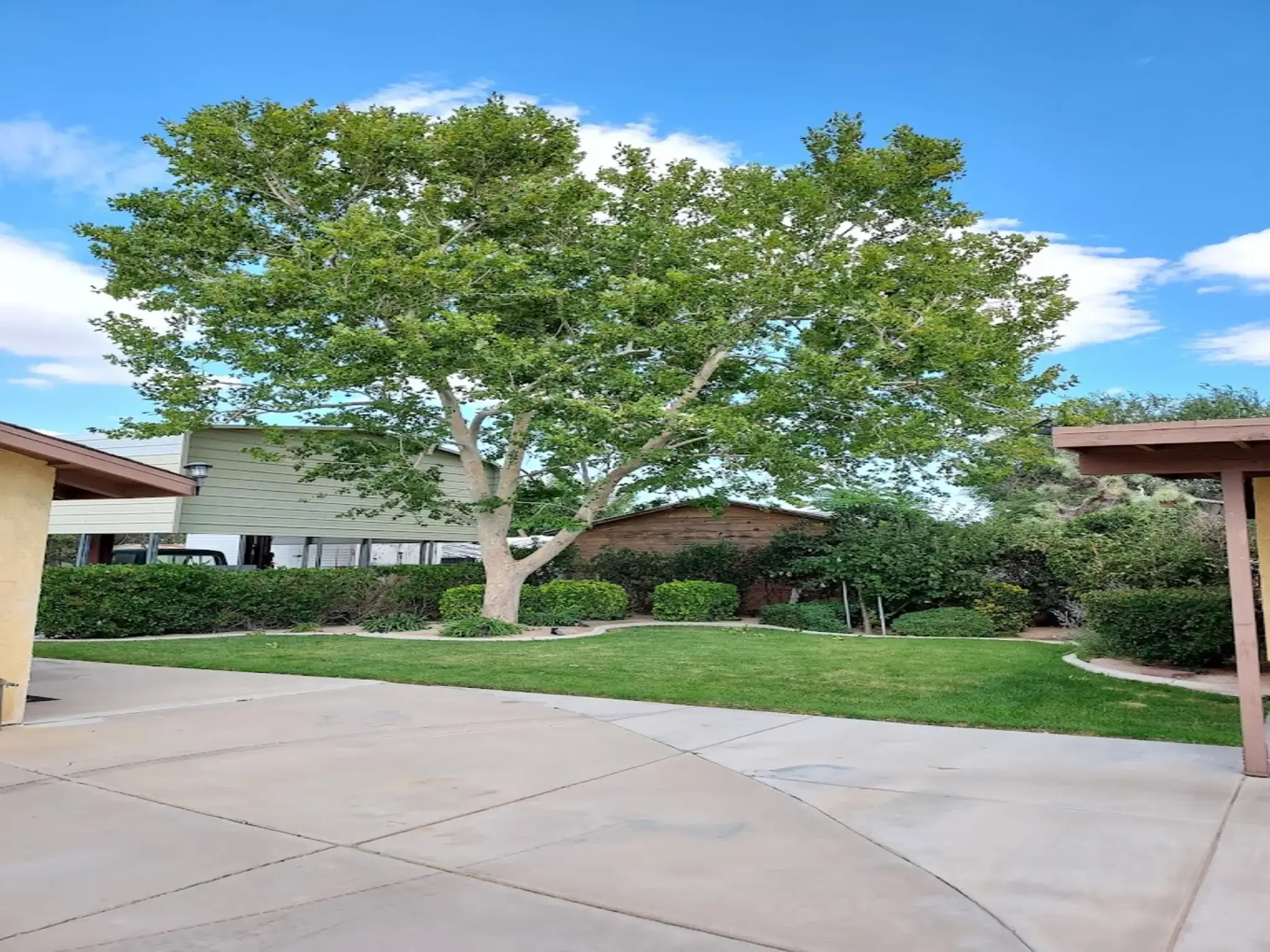
Spring Tree Trimming Specials in Lancaster, CA
Spring Tree Trimming Specials in Lancaster, CA Spring is finally here, and with it comes the perfect chance to get your trees in tip-top shape. It doesn’t matter if you’re a seasoned arborist, a homeowner with a jungle for a backyard, or just someone who wants their landscape to look good, spring is prime time for tree trimming. In Lancaster, CA, there are some great seasonal specials going on that make professional tree care more affordable than ever. Let’s talk about why spring is such a smart time for trimming, what kind of deals are out there, and how you can make the most of this season’s growth spurt. Why Spring is the Best Time to Trim Your Trees Spring is a season of growth. After a long winter of dormancy, trees start waking up, sending out new buds and stretching their branches. This natural growth phase makes it the ideal moment for a proper trim. Healthy Growth When you trim trees in the spring, you’re helping them grow better. Removing dead or overgrown branches lets the tree put its energy into new shoots. That results in a healthier structure, a more balanced canopy, and better resistance to pests, wind, and harsh weather. Spring trimming encourages trees to grow fuller and stronger, and since the tree is already “awake,” it recovers faster from pruning. Disease Prevention Trimming now also helps prevent disease and pest problems. Removing weak or infected branches early can stop issues before they spread. A good spring trim is like a wellness check—it keeps your trees from needing more serious care later. And in a place like Lancaster, where summers can be dry and harsh, a healthy tree going into the season has a much better shot at thriving. Safety First Spring storms are no joke. If you’ve got weak, dead, or overextended branches, now’s the time to deal with them. Removing risky limbs helps prevent them from falling on your car, your roof, or worse. Regular trimming lowers the chance of surprise breakage, especially as wind picks up in the warmer months. A little effort now can save you a lot of damage (and dollars) later. Curb Appeal and Aesthetics Let’s be honest—trimming your trees just makes your place look better. Shaping them in spring gives you a clean canvas to enjoy all season long. Healthy, well-shaped trees bring symmetry, beauty, and a tidy feel to your yard. If you’re thinking of selling your home or just want to impress the neighbors, a properly trimmed tree adds instant value. What Spring Tree Trimming Specials Look Like in Lancaster Now that we’ve covered why you should trim in spring, let’s talk deals. In Lancaster, a lot of tree service companies run seasonal promotions to help homeowners get ahead of the game without draining their wallets. Discounted Trimming Rates Plenty of local arborists offer anywhere from 10% to 20% off their standard rates for spring trimming services. These deals are usually limited to the early part of the season, so it’s smart to schedule before the calendar fills up. Some companies even offer free consultations, so you can get an expert’s opinion on what your trees need without committing up front. It’s a win-win—you learn what to do, and if you decide to go ahead, you’ve already got a plan in place. Bundle Packages Some services in Lancaster are bundling tree trimming with other yard maintenance services, like lawn care or irrigation checkups. These packages offer great value and are perfect if your whole landscape needs a bit of TLC. Bundled services often include pruning, shaping, debris cleanup, and sometimes even a follow-up visit to make sure everything’s growing well. This is ideal for busy homeowners or folks managing larger properties. Health Checkups and Preventative Care Spring is also a great time to get a full health check on your trees. Many tree services are offering specials that combine trimming with diagnostics. Think of it like a physical for your landscape. These inspections might include soil testing, pest evaluations, and nutrient checks. That way, you’re not just trimming for looks, you’re setting your trees up for long-term success. Commercial Property Specials If you run a business or manage commercial properties in Lancaster, don’t miss the bulk discounts available this spring. Many services offer reduced rates for larger jobs, including office parks, rental properties, and retail spaces. Professional tree care creates a more inviting environment for customers and employees alike. Plus, regular trimming keeps your grounds safe and presentable, which is never a bad thing for your bottom line. How to Choose the Right Arborist Great deals are only great if the work is done right. Choosing the right arborist or tree service company makes all the difference. Here’s how to know you’re hiring someone you can trust. Check Their Credentials Make sure your arborist is certified and insured. Look for credentials from organizations like the International Society of Arboriculture (ISA). Proper training and certification mean the person trimming your trees understands how to do it safely and effectively. Insurance is a must, not just to protect their workers, but to make sure you’re covered in case anything goes sideways. Ask for References A solid tree service company should have happy customers. Don’t be afraid to ask for reviews or referrals from past clients. A quick phone call or scroll through online reviews can tell you a lot about how they treat their customers—and their trees. Experience with Local Conditions Lancaster has a unique climate, so it helps to hire someone who knows what local trees need. Whether you’re dealing with California sycamores, desert willows, or the occasional fruit tree, a local expert will be familiar with how each species responds to pruning in spring. Experience matters, especially when you want to get results that last. Prioritize Safety Ask about safety practices. Do they use proper ropes? Do they follow standard climbing procedures? Are they using modern, well-maintained equipment? As someone who’s been in the
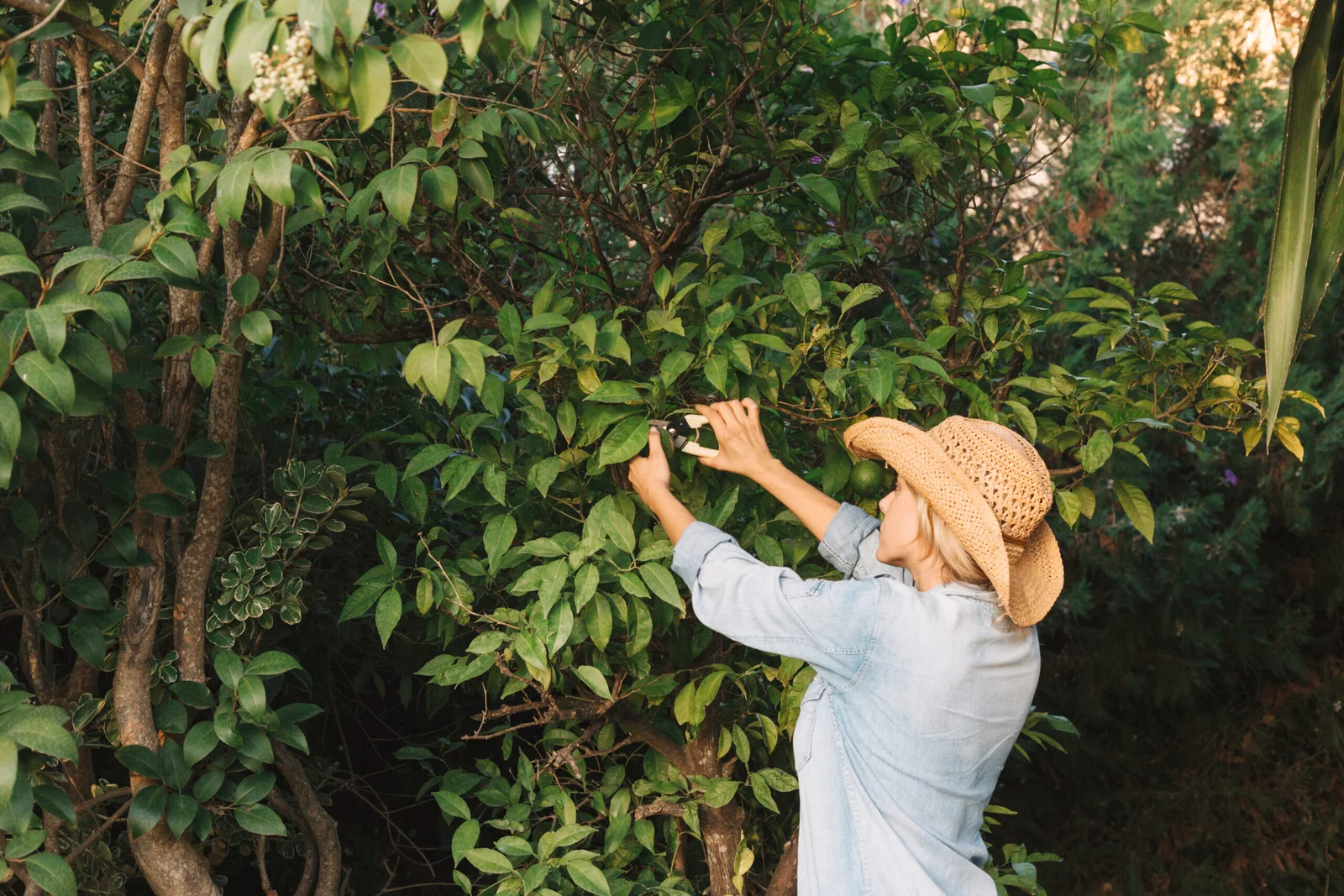
Trees for Antelope Valley: Thrive in Any Climate
Discover the best trees for Antelope Valley that thrive in high desert climates. Learn planting tips, tree care, and low-maintenance landscaping ideas.

Do I Need a Permit to Remove a Tree in Lancaster CA?
Tree Permits Lancaster Ca- Do I Need a Permit to Remove a Tree in Lancaster CA? Short answer? If you’re planning to remove a tree in Lancaster, CA, don’t rev up the chainsaw just yet. The City of Lancaster has specific rules in place to protect both property and nature. These aren’t just red tape—they’re designed to keep our neighborhoods beautiful, safe, and ecologically balanced. At Tip Top, we believe in doing things right the first time, so here’s what you need to know before making the first cut. Permits Aren’t Just Paperwork Tree removal permits are about more than city stamps and signatures. They help Lancaster monitor protected species, preserve shade and habitat, and make sure your removal doesn’t create safety or drainage issues down the line. If the tree is large, near a public space, or one of Lancaster’s protected species, you’ll need to file for a permit through the Planning Department. So, What’s the Process? Start by asking: does this tree actually need to go? Is it diseased? Damaging property? A safety risk? In many cases, pruning or bracing may be the better choice. When in doubt, call in a certified arborist for an assessment. If removal is necessary, contact the City of Lancaster to get up-to-date requirements. You’ll fill out a permit application, provide details about the tree, and explain why it needs to be removed. Fees and inspections may apply. The city will review your request and may visit the site before issuing approval. Only once that green light is given should removal begin. Why Bother? Here’s Why: Why Skipping the Permit Isn’t Worth the Risk Skipping the permit can mean big fines—and trust us, they’re not cheap. But the cost goes far beyond your wallet. Unpermitted tree removal can cause lasting damage to Lancaster’s local ecosystems, disrupt habitat for birds and wildlife, and even lower your property’s value in the eyes of future buyers. Lancaster’s permit system isn’t just red tape—it’s a safeguard. Many trees in the area are protected for a reason. Some are historic. Others serve as critical windbreaks, shade providers, or erosion control barriers. And let’s not forget the safety factor: trees near sidewalks, schools, or power lines need to be managed with extra care. The city’s ordinances are there to help homeowners make smart, responsible decisions—not to slow things down unnecessarily. Removing a tree without the proper paperwork might also lead to additional costs down the line. You could be forced to plant replacement trees, pay restoration fees, or deal with a stop-work order that delays your project altogether. And if the tree was part of a conservation effort or protected species list? You could be looking at a hefty citation and some very unhappy neighbors. We get it—permits sound like a hassle. But they’re there to protect more than just the tree. They help preserve neighborhood beauty, air quality, and long-term property values. For more on why tree protection matters—and the ripple effects of removing trees without planning—check out this excellent resource from the Arbor Day Foundation. When in doubt, ask the pros. At Tip Top Arborists, we’ll walk you through the permitting process and make sure your tree removal plan checks every box, legally and environmentally. A quick call today can save you a serious headache later. Power Lines? That’s a Whole Other Thing If your tree is near power lines, you’ll need to loop in your utility provider too. These situations require specialized removal methods to avoid serious danger. Call before you cut—it’s not just a best practice, it’s a safety must. Pro Tip: Work With Pros At Tip Top Arborists, we’re familiar with Lancaster’s regulations and can help you navigate the permit process smoothly. We handle the paperwork, coordinate inspections, and make sure your tree is removed safely and legally. Tree Permits Lancaster CA- The Takeaway Tree removal isn’t something you want to wing. Before you make any moves, check in with the City of Lancaster and talk with a licensed pro. With the right guidance, the process is smooth—and your property (and the planet) will thank you. Need help with a tree removal permit in Lancaster CA? Let Tip Top handle the red tape while you focus on the big picture. Give us a call today! Thinking About Tree Removal in Lancaster? Let’s Do It the Right Way. Before you make the cut, make sure you’re covered. At Tip Top Arborists, we help homeowners stay compliant, safe, and stress-free with every tree removal project. Need help navigating the permit process or deciding whether a tree really needs to go? Get the facts on our Lancaster tree removal services See if your tree qualifies for emergency tree removal Or schedule a consultation with a certified arborist Contact Tip Top Arborists today—your trusted local pros since 1976.
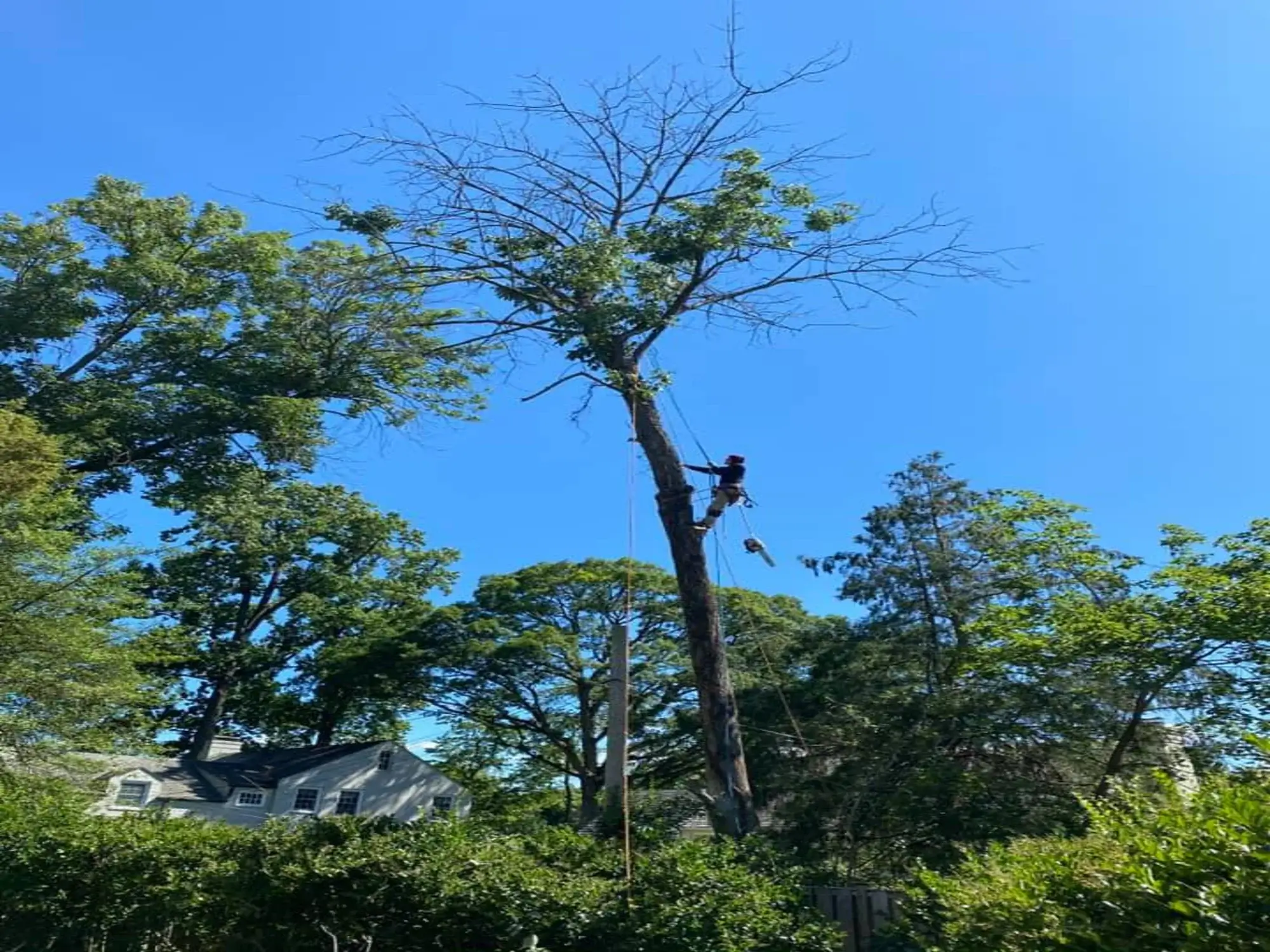
Essential Tips for Tree Trimming in Lancaster, CA | Tree Care Services
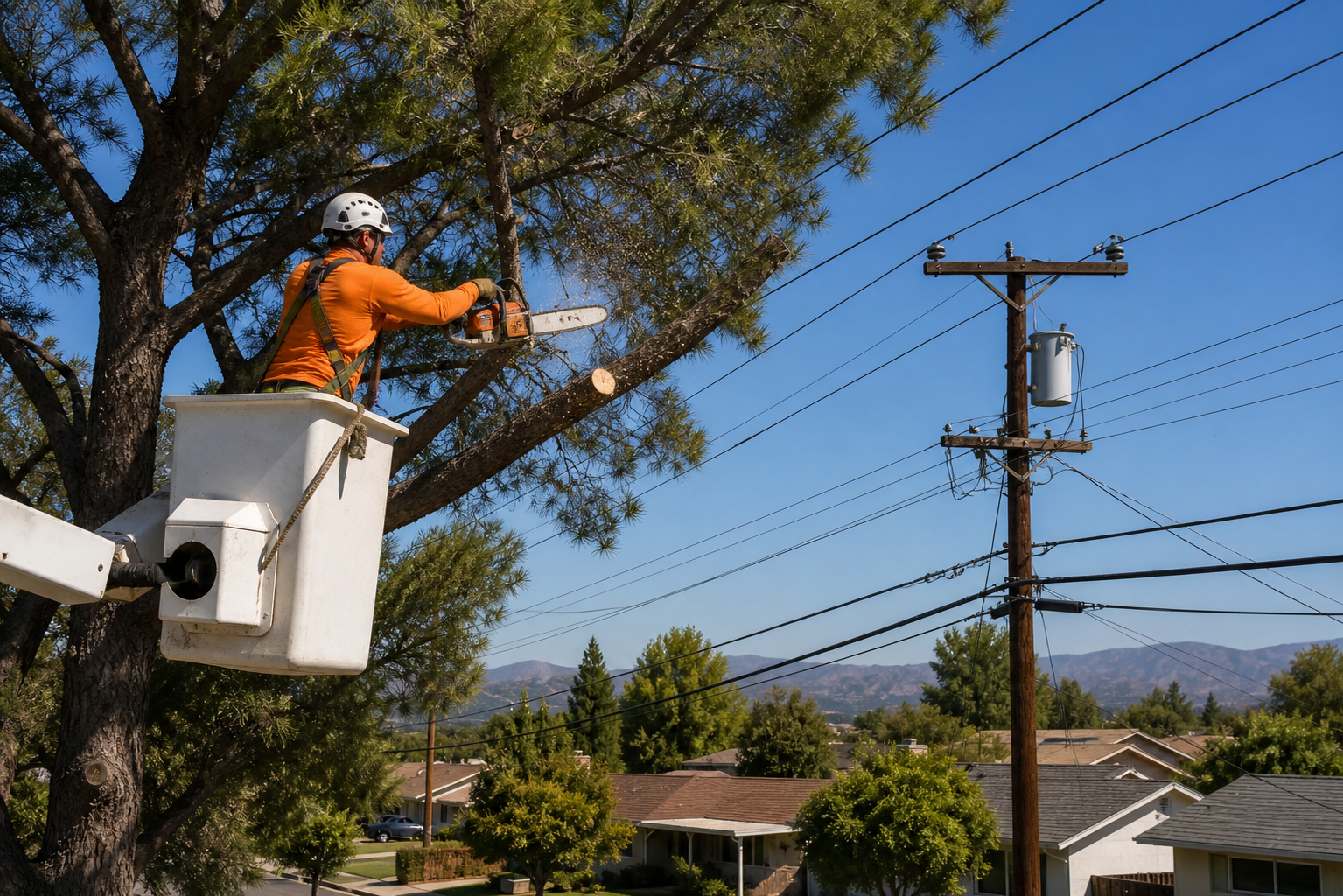
Essential Tree Trimming Tips for Lancaster, CA Homeowners Avoid These Common Tree Care Errors to Keep Your Landscape Safe, Healthy, and Beautiful Year-Round in Lancaster, CA Are your trees starting to look a bit wild? Do you feel like your yard could use a little sprucing up? Well, you’re in luck! Tree trimming is not only necessary for maintaining a safe yard and keeping your trees healthy, but it also plays a significant role in enhancing the look of your property. As a homeowner in Lancaster, CA, it’s crucial to recognize the importance of proper tree care to support urban forestry and ecological conservation in our local community. Come along with us at Lancaster Trees as we walk you through the process of tree trimming, allowing you to develop a deeper connection with nature right in your own backyard. Understanding the Value of Tree Trimming Tree trimming, sometimes referred to as tree pruning, is a fundamental aspect of preserving the health and appearance of your trees. By eliminating dead or diseased branches, you not only improve the visual appeal of your trees but also encourage their growth and longevity. Proper tree trimming can enhance the overall health of your trees by increasing air circulation and sunlight exposure, thus lowering the risk of diseases and pest infestations. When to Trim Your Trees in Lancaster, CA In Lancaster, CA, the ideal time to trim your trees is during late winter or early spring. This period coincides with the dormancy phase of most trees, making it easier to observe the tree’s structure and determine which branches require trimming. Trimming during this time minimizes the risk of spreading diseases, as wounds tend to heal faster in the warmer months. However, certain trees, such as fruit trees, may need pruning at different times of the year. It’s essential to research the specific needs of your trees before proceeding with trimming. The Advantages of Hiring Professional Tree Care Services in Lancaster, CA While tree trimming might seem like a straightforward task, it is best to entrust it to professionals. Engaging a certified arborist in Lancaster, CA, ensures that your trees are trimmed safely and effectively. Professional tree care services possess the expertise and equipment needed to trim your trees correctly, following industry standards to safeguard the health and longevity of your trees. Additionally, professional arborists can offer expert consultations and suggestions for enhancing your landscape through tree pruning. Expert Arborist Consultations in Lancaster If you are uncertain about when or how to trim your trees, consider scheduling an arborist consultation in Lancaster. An experienced arborist can evaluate the health and condition of your trees, recommend the most suitable trimming techniques, and provide guidance on proper tree care practices. With their knowledge and experience, arborists can help you create a customized tree care plan tailored to the unique requirements of your property. Safe and Effective Tree Removal in Palmdale In some instances, tree trimming may not suffice to address tree-related issues. If a tree is dead, diseased, or poses a safety hazard, removal might be necessary. Safe and efficient tree removal in Palmdale is best handled by trained professionals equipped with the skills and tools to safely extract trees without causing damage to your property. By engaging a reputable tree removal service, you can ensure that the task is carried out accurately and securely. Enhancing Your Landscape with Tree Pruning in Santa Clarita Tree pruning serves as another essential tree care practice that can enrich the aesthetics and health of your landscape in Santa Clarita. By sculpting and shaping your trees, you can create a visually appealing and well-maintained yard that adds value to your property. Professional tree pruning services in Santa Clarita can assist you in achieving the desired appearance for your trees while promoting their growth and overall well-being. As a homeowner in Lancaster, CA, tending to your trees goes beyond mere aesthetic appeal—it involves fostering a deeper connection with nature and supporting ecological conservation in our community. By adhering to these essential tree trimming tips, you can maintain a safe yard, keep your trees healthy, and ensure your property looks its best. Remember, when in doubt, seeking advice from a professional arborist in Lancaster is always a wise decision. They can offer expert guidance and assistance. So, roll up your sleeves, grab your pruners, and get ready to enhance your tree care practices. Your trees—and your property—will thank you for it. If you have uncertainties about the best practices for tree trimming or require help with your tree care needs, feel free to reach out to Tip Top Arborists. With our local expertise dating back to 1976, transparent, neighborly service, and commitment to safety and professional growth, we are here to assist you in achieving the beautiful, healthy trees you aspire to have. Give us a call today, and let’s collaborate to enhance your landscape and promote a greener, healthier environment for generations to come. Happy tree trimming! What is the best time to trim trees in Lancaster, CA? Trimming trees in Lancaster, CA is best done during late winter or early spring when most trees are dormant. UC Agriculture & Natural Resources (UC ANR) – Tree Pruning Basics Do I need a professional arborist for tree trimming in Lancaster? While tree trimming may seem simple, it’s recommended to hire a certified arborist in Lancaster, CA for safe and efficient trimming. International Society of Arboriculture (ISA) – Find a Certified Arborist How can tree pruning enhance my landscape in Santa Clarita? Tree pruning in Santa Clarita can shape and sculpt trees, creating a visually appealing and well-maintained yard. UC Master Gardeners – Pruning Landscape Tree Tree Tips Prune with Purpose, Not Just Aesthetics Focus pruning on removing dead, crossing, or weak branches—not just shaping. Over-pruning can stress your tree and expose it to sunburn or pests, especially in hot climates Check for Girdling Roots If you see roots circling the base of your tree, they might be “girdling”—choking the tree over time. This