
Wind Storm Tree Damage in Lancaster CA: What to Do Next
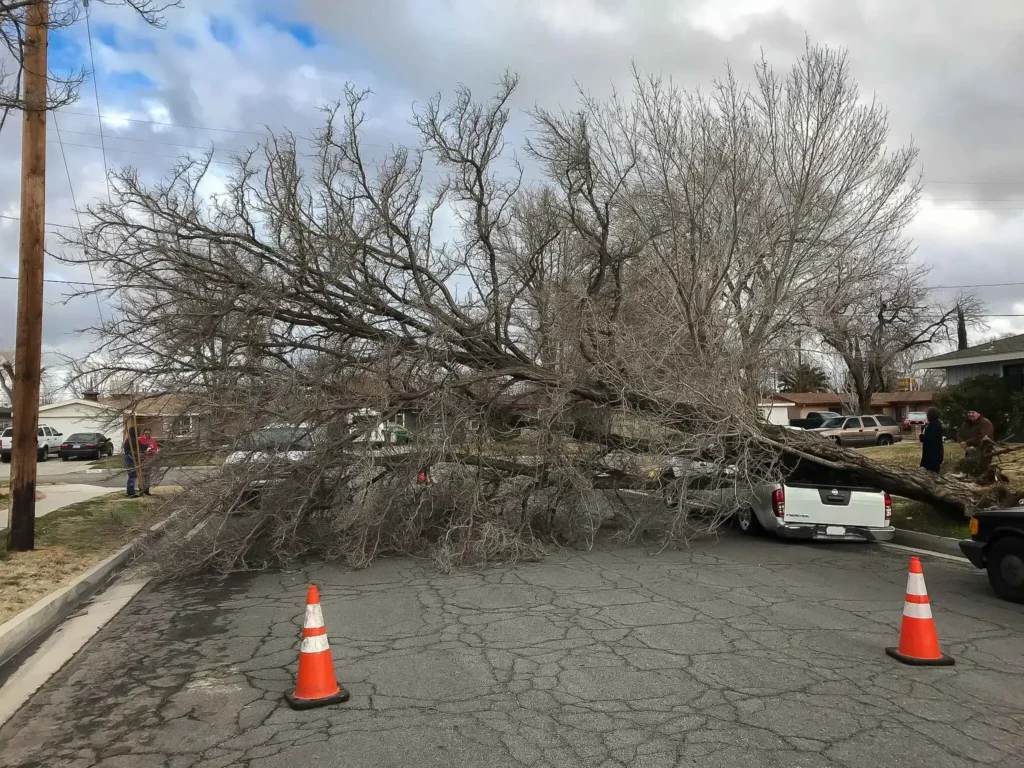
Lancaster CA is known for its beautiful high desert landscapes, but it is also famous for its intense wind events. When the wind howls through the Antelope Valley, trees can take a serious beating. If you wake up after a storm to find broken branches or leaning trunks in your yard, knowing exactly what to do can save your property from further damage and protect the health of your trees. In this guide, we will walk you through the immediate steps to take when you discover wind storm tree damage on your property. From assessing the danger from a safe distance to knowing when to call in the professionals, we have you covered. Step 1: Prioritize Safety Above All Else The very first thing you must do after a wind storm is ensure the safety of your family and neighbors. Fallen trees and broken branches can create incredibly hazardous situations. Look for Downed Power Lines Before you even step foot in your yard, look up and around. If a tree or large branch has fallen on or near a power line, do not approach it. The ground around the tree could be electrified. Call your local utility company immediately to report the downed line, and keep everyone away from the area until professionals declare it safe. Check for Hanging Branches Sometimes the most dangerous branches are the ones that have not fallen all the way down yet. Look up into the canopy of your trees. Are there large, broken limbs hanging precariously? These are known as “widow-makers” in the tree care industry because they can drop at any moment without warning. If you see hanging branches, avoid walking under the tree and keep pets and children indoors. Assess Structural Damage If a tree has fallen onto your house, car, or other structures, evacuate the area if necessary and contact your insurance company. Do not attempt to remove the tree yourself if it is resting on a structure, as shifting the weight could cause the structure to collapse further. Step 2: Document the Damage Once you have ensured that the immediate area is safe from electrical hazards and imminent falling debris, take time to document the damage. This step is crucial if you plan to file an insurance claim. Take clear photos and videos of the damaged trees from multiple angles. Capture the entire tree, the specific broken areas, and any property damage caused by the falling limbs. If the tree was uprooted, take pictures of the exposed root system and the hole left in the ground. Write down the date and time of the storm, as well as a detailed description of what happened. Having this information ready will make the insurance claims process much smoother. Step 3: Evaluate the Tree’s Condition Not all wind damage means a tree has to be removed. Many trees can recover from storm damage with the right care. Here is how to evaluate the situation. Minor Damage If the tree has only lost small branches and the main trunk is intact, it will likely recover just fine. You can clean up the small debris yourself. However, the broken ends of the branches should be pruned cleanly to prevent disease and pests from entering the tree. Moderate Damage If the tree has lost larger limbs but the trunk is solid and the overall structure remains balanced, it may still be salvageable. A professional arborist can assess the tree and determine if selective pruning can restore its health and appearance. Severe Damage Severe damage occurs when the main trunk is split, the tree has lost more than half of its canopy, or it has been significantly uprooted. In these cases, the tree is often beyond saving and will need to be removed safely. Step 4: Resist the Urge to DIY Major Repairs It can be tempting to grab a chainsaw and start cutting away the damaged parts of your tree, but DIY tree repair is incredibly dangerous. Tree work is consistently ranked as one of the most hazardous professions, and doing it without proper training and equipment is a recipe for disaster. Cutting branches under tension can cause them to snap back violently. Chainsaw kickback can cause severe injuries. And without a deep understanding of tree biology, you might make improper cuts that doom the tree to a slow death from disease or rot. For anything more than picking up small twigs from the ground, it is always best to hire a certified arborist. Step 5: Call a Professional Arborist When you are dealing with wind storm tree damage in Lancaster CA, bringing in a professional is the smartest move you can make. An International Society of Arboriculture certified arborist has the training and experience to handle storm damage safely and effectively. What an Arborist Will Do When an arborist arrives at your property, they will conduct a thorough assessment of the damaged trees. They will look for hidden structural weaknesses that might not be obvious to the untrained eye. If the tree can be saved, the arborist will perform corrective pruning. This involves making clean cuts to remove broken branches, which helps the tree heal faster and prevents decay. They will also balance the canopy to ensure the tree is stable and less likely to fail in the next wind storm. If the tree must be removed, the arborist has the specialized equipment to take it down safely, even in tight spaces or near structures. They can also grind the stump, leaving your yard clean and ready for new landscaping. Preventing Future Wind Damage While you cannot control the weather, you can take steps to prepare your trees for the high winds that frequently hit the Antelope Valley. Regular Pruning The best defense against wind damage is a well-maintained tree. Regular pruning removes dead or diseased branches before they can be ripped off by the wind. It also thins the canopy, allowing wind to pass through the tree more easily rather than pushing against
How to Choose the Right Arborist in the Antelope Valley: 7 Questions to Ask
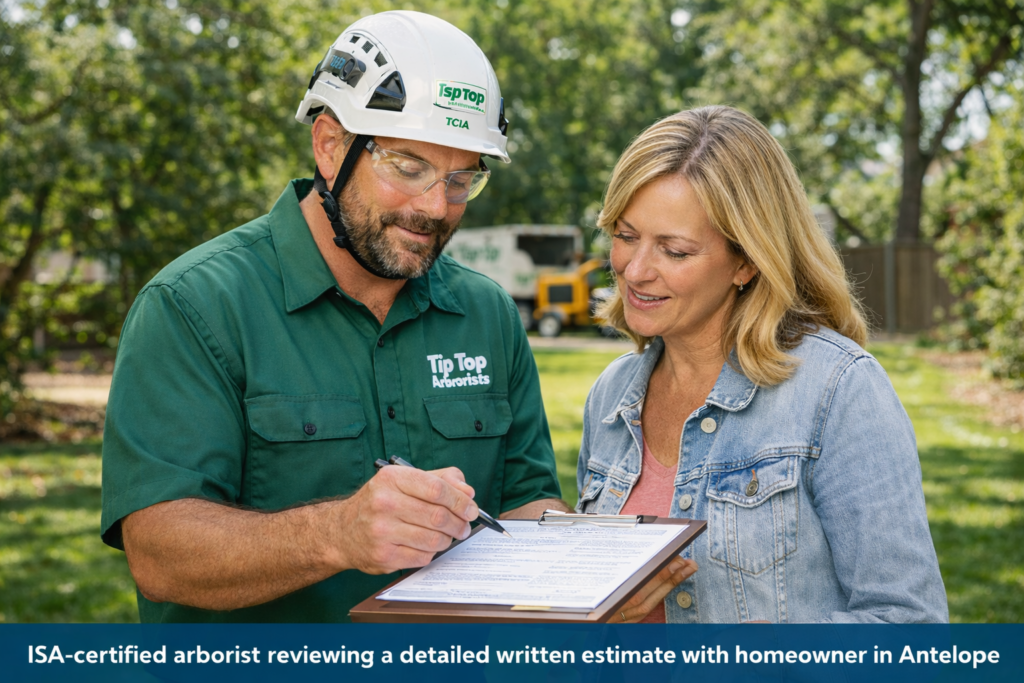
Your trees are some of the most valuable assets on your property. They provide shade, increase property value, and enhance the beauty of your home. But when it comes time to prune, treat, or remove them, hiring the wrong person can lead to property damage, dead trees, and serious liability. Not everyone with a chainsaw is a tree expert. Here are the 7 essential questions you must ask before hiring an arborist in Lancaster, Palmdale, or the surrounding high desert. 1. Are You an ISA-Certified Arborist? This is non-negotiable. The International Society of Arboriculture (ISA) certification means the individual has passed rigorous exams and maintains ongoing education in tree biology, diagnosis, and proper care techniques. 2. Are You Fully Licensed and Insured? Tree work is inherently dangerous. If an uninsured worker drops a branch on your roof or gets injured on your property, you could be held financially responsible. Always ask for proof of both liability insurance and workers’ compensation. 3. Are You TCIA Accredited? The Tree Care Industry Association (TCIA) Accreditation is the gold standard for tree care companies. It verifies that the company follows strict safety protocols, ethical business practices, and industry standards. Tip Top Arborists is proud to be one of fewer than 300 TCIA-accredited companies in the nation. 4. Will You Provide a Detailed Written Estimate? Never accept a vague verbal quote. A professional company will provide a clear, written estimate detailing exactly what work will be performed, how it will be done, and the total cost. 5. Do You Use Spikes to Climb Trees While Pruning? The answer should always be NO. Climbing spikes cause severe wounds to the trunk, opening the tree up to disease and pests. Spikes should only ever be used if the tree is being completely removed. 6. What is Your Cleanup Process? A great tree job isn’t finished until the yard is clean. Ask if the estimate includes hauling away all wood, chipping the brush, and raking the work area. 7. Do You Have Local References? A reputable company will have a long history in the community and plenty of positive reviews. Look for a company with a proven track record in the Antelope Valley. Since 1976, Tip Top Arborists has been the trusted choice for professional tree care. When you want the job done right, safely, and ethically, give us a call. Request A Quote Tell us about your tree care needs and our team will follow up with a detailed estimate and recommended solutions. Select Ad SourceFacebookGoogleInternet SearchReferralTruck SignsWebsiteYelp Submit Get In Touch Tip Top Arborists, Inc. tip_top_arborists
How to Protect Your Trees Before High Winds in the Antelope Valley
With the National Weather Service forecasting southwest winds of 15 to 25 mph and gusts up to 35 mph for the Antelope Valley this Monday, April 20, 2026, homeowners need to prepare. High winds are a common reality in our desert climate, but they pose a significant risk to mature trees, property, and power lines. Taking proactive steps now can prevent costly damage and keep your landscape safe. At Tip Top Arborists, we have spent five decades helping residents in Lancaster, Palmdale, and the surrounding areas manage the unique challenges of high desert weather. Our ISA-certified arborists understand exactly how wind shear affects different species and what it takes to protect them. This guide covers essential strategies to secure your trees before the next wind event strikes.Steps to Protect Your Trees Before High Winds in Antelope Valley Understanding Wind Damage in the High Desert Protect your trees before high winds in Antelope Valley is notorious for its intense, sustained winds. Unlike a brief thunderstorm, these winds can batter trees for hours or even days. This relentless pressure tests the structural integrity of every branch and root system on your property. When wind speeds exceed 30 mph, the risk of limb failure increases dramatically. Trees with dense, unpruned canopies act like sails, catching the wind rather than letting it pass through. This “sail effect” places immense stress on the trunk and roots, potentially leading to uprooting or major trunk snapping. Furthermore, dead or diseased branches are easily dislodged, becoming dangerous projectiles that can damage roofs, vehicles, or nearby power lines. Immediate Steps to Protect Your Trees Before High Winds in Antelope Valley Steps to Protect Your Trees Before High Winds in Antelope Valley.If a high wind advisory is in effect, you have a narrow window to secure your property. Here are the immediate actions you should take. First, clear the surrounding area. Remove any lightweight patio furniture, potted plants, or garden tools that could be blown into your trees and cause secondary damage. Second, perform a visual inspection from the ground. Look for obvious hazards like hanging, broken branches (often called “widow makers”) or large dead limbs. Do not attempt to remove large branches yourself, especially if they are near power lines. If you spot an immediate danger, call a professional arborist for an emergency assessment. Third, check the soil around the base of your trees. If the ground is overly saturated from recent rains, the risk of uprooting is higher. While you cannot change the soil moisture instantly, knowing this risk helps you monitor the tree during the wind event. If you notice the soil heaving or cracking around the base, the tree may be failing. Long-Term Strategies for Wind Resilience The best defense against wind damage is a proactive, year-round tree care plan. A healthy tree is inherently more resilient to environmental stress. Professional Tree Thinning Tree thinning is the most effective way to reduce the sail effect. An ISA-certified arborist will strategically remove select branches throughout the canopy. This allows wind to flow freely through the tree rather than pushing against a solid wall of foliage. Thinning also improves sunlight penetration and air circulation, which benefits the overall health of the tree. It is crucial that this is done correctly; improper pruning, such as “topping,” ruins the tree’s structure and makes it more susceptible to future wind damage. Structural Pruning for Young Trees If you are planting new trees in Lancaster or Palmdale, structural pruning in their early years is vital. This process encourages a strong central leader (the main trunk) and well-spaced, sturdy scaffold branches. Trees with a solid architectural foundation are far less likely to suffer catastrophic failure as they mature. Regular Health Assessments Diseased, decaying, or pest-infested trees are the first to fail in high winds. Conditions like root rot or internal trunk decay are often invisible to the untrained eye until it is too late. Scheduling an annual inspection with a certified arborist ensures that hidden hazards are identified and addressed before storm season begins. What to Do After the Wind Subsides Once the winds have died down and it is safe to go outside, carefully assess your property. Look for hanging branches that did not fully detach. Check the trunk for new cracks or splits. Inspect the base of the tree for any signs of soil lifting or exposed roots, which indicate the tree has shifted and may be unstable. If you find any damage, contact a professional tree service immediately. Do not try to clean up large, fallen limbs yourself, as they can be under immense tension and may snap unpredictably when cut. If a tree or branch has fallen on a power line, stay far away and call your utility company and emergency services right away. INTERNAL LINKS Homeowners looking for professional tree trimming can visithttps://tiptoparborists.com/tree-trimming-palmdale-ca/ for full service details.If you’re located in the area, explore local services here:https://tiptoparborists.com/palmdale/ Need expert advice? Request a free estimate today:https://tiptoparborists.com/contact-us/ EXTERNAL LINKS International Society of Arboriculturehttps://www.isa-arbor.com/ Tree Care Industry Associationhttps://www.tcia.org/ USDA Forest Servicehttps://www.fs.usda.gov/ Why Choose Tip Top Arborists? When it comes to protecting your property from high winds, experience matters. Tip Top Arborists has been the undeniable first choice for tree care in the Antelope Valley since 1976. Our team of certified arborists uses industry-leading techniques to ensure your trees are beautiful, healthy, and structurally sound. We do not just cut branches; we provide comprehensive tree care solutions tailored to the specific needs of our desert environment. From routine thinning to emergency storm response, we have the equipment and expertise to handle any job safely and efficiently. Do not wait for the next windstorm to find out if your trees are safe. Contact Tip Top Arborists today at (661) 245-0250 to schedule a consultation and keep your property secure. Request A Quote Tell us about your tree care needs and our team will follow up with a detailed estimate and recommended solutions. Select Ad SourceFacebookGoogleInternet SearchReferralTruck SignsWebsiteYelp Submit Get In Touch Tip Top
Tree Trimming After a Breezy Week: Why Timing Matters for Antelope Valley Homeowners
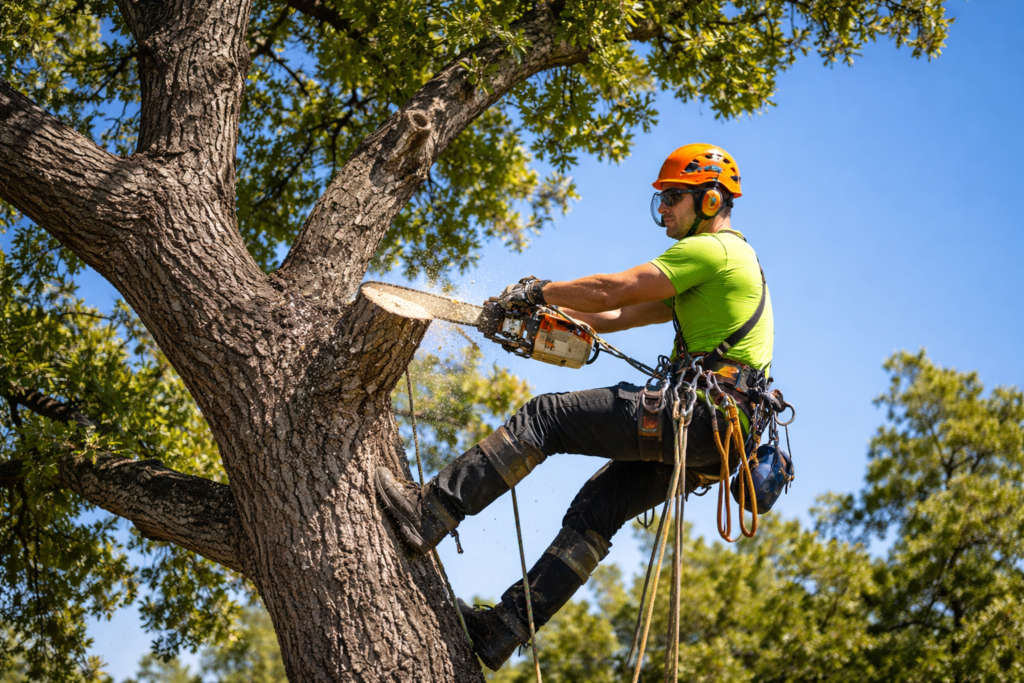
The Antelope Valley is famous for its persistent spring winds. After a week of 35 mph gusts rattling your windows, you might step outside and notice your trees looking a little worse for wear—perhaps a few hanging branches or a canopy that looks dangerously thick. With elevated fire weather risks following these wind events, the timing of your tree trimming after wind antelope valley is critical. Here is why you need to schedule your post-wind pruning now. Tree trimming after wind Antelope Valley is essential after a week of strong 35 mph gusts that can weaken branches, damage canopies, and create serious safety hazards for homeowners. Removing “Widowmakers” The most immediate concern after a windstorm is broken branches that are caught in the canopy. Arborists call these “widowmakers” for a reason. They can fall at any moment, even on a perfectly calm day, threatening anyone walking underneath. A professional inspection will identify and safely remove these hidden hazards. Reducing the Sail Effect If your trees swayed violently during the recent winds, their canopies might be too dense. A thick canopy acts like a sail on a boat, catching the wind and putting immense strain on the trunk and root system. Strategic thinning by an ISA-Certified Arborist allows wind to pass *through* the branches rather than pushing against them, dramatically reducing the risk of uprooting in the next storm. Fire Season Preparation In the high desert, wind events dry out the vegetation rapidly, leading to Red Flag Warnings and elevated fire risks. Trimming your trees now is a vital part of creating defensible space around your home. Removing dead wood, lifting the canopy away from the ground (to prevent ground fires from climbing into the trees), and clearing branches away from your roof are essential safety measures. Why Proper Pruning Matters Never hire a “door-knocker” to simply hack off the top of your tree (a practice called “topping”). Topping ruins the structural integrity of the tree and causes rapid, weak regrowth that is even more susceptible to wind damage. At Tip Top Arborists, we use science-based pruning techniques that enhance the health, beauty, and safety of your landscape. Don’t wait for the next windstorm to test your trees. Call Tip Top Arborists today for a free trimming estimate. Request A Quote Tell us about your tree care needs and our team will follow up with a detailed estimate and recommended solutions. Select Ad SourceFacebookGoogleInternet SearchReferralTruck SignsWebsiteYelp Submit Get In Touch Tip Top Arborists, Inc. tip_top_arborists
How to Prepare Your Trees for Fire Season in Palmdale, CA
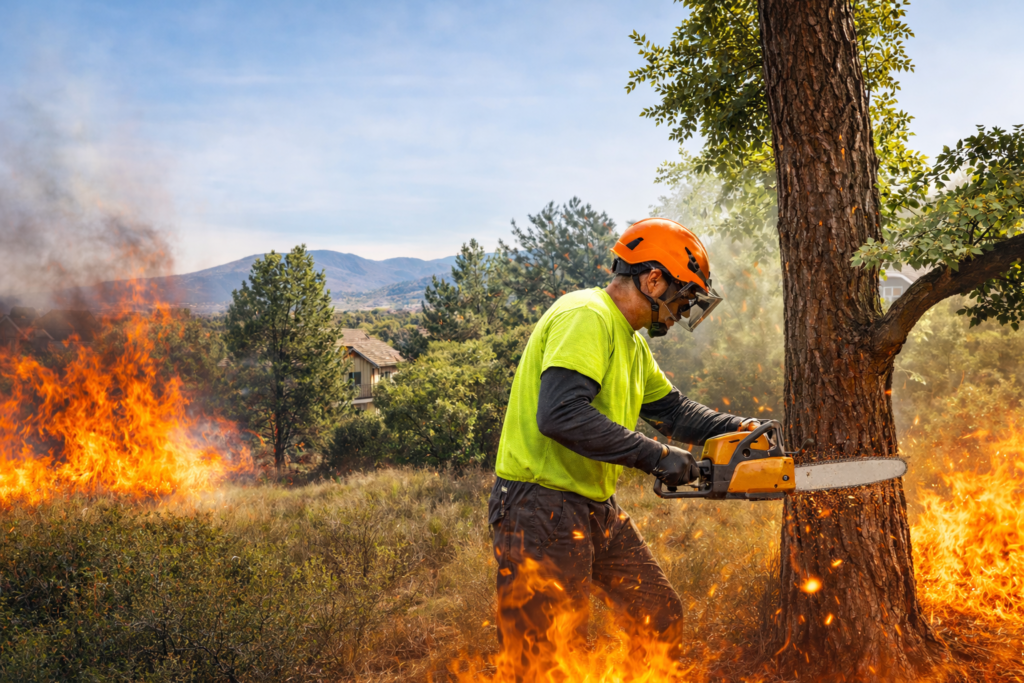
With recent active fires in Los Angeles County and elevated fire risks across the region, homeowners in Palmdale, CA, must take proactive steps to protect their properties. Creating defensible space is not just a recommendation; it is a necessity for living safely in the Antelope Valley. One of the most critical aspects of this preparation is proper tree care and maintenance. Understanding Defensible Space in Palmdale Defensible space is the buffer you create between a building on your property and the grass, trees, shrubs, or any wildland area that surrounds it. This space is essential to slow or halt the spread of wildfire to your home. It protects your house from catching fire—either from direct flame contact or radiant heat. Defensible space is also crucial for the protection of the firefighters defending your home. Prepare Your Trees for Fire Season in Palmdale CA, where high winds and dry conditions are common, maintaining this space requires year-round attention, but spring is the most critical time to prepare. The goal is to reduce the fuel load around your home, and trees are a significant part of that equation. Key Tree Trimming and Pruning Strategies Proper tree trimming is your first line of defense. When a fire approaches, it often travels along the ground before climbing into the tree canopy—a process known as “laddering.” By removing lower branches, you can prevent ground fires from reaching the upper parts of the tree. 1. Create Vertical Clearance It is vital to remove all branches within six feet of the ground. For taller trees, you may need to trim even higher. This vertical clearance disrupts the path of a fire, making it much harder for flames to climb from grass or shrubs into the tree canopy. 2. Maintain Horizontal Spacing Trees should not be planted too closely together, especially near your home. If you have a dense cluster of trees, consider thinning the canopy or removing select trees to create horizontal spacing. This spacing prevents fire from easily jumping from one tree crown to the next. 3. Clear Roof and Chimney Areas Any branches overhanging your roof or within ten feet of your chimney must be removed. Falling embers can easily ignite dead leaves or needles that accumulate on your roof or in your gutters. Keeping this area clear is a fundamental safety measure. Removing Dead and Dying Trees Dead trees are essentially standing firewood. They ignite quickly and burn intensely, posing a severe threat to your property and neighboring homes. Identifying and removing dead or dying trees before fire season peaks is a critical safety step. Look for signs of decline, such as extensive deadwood, lack of leaves during the growing season, or severe pest infestations. In Palmdale, trees that are heavily damaged by drought or disease are prime candidates for removal. Do not wait until the height of summer to address these hazards. Professional tree removal services can safely dismantle and remove these risks from your property. Stump Grinding for Complete Fire Safety Many homeowners overlook the danger posed by old tree stumps. A dry, decaying stump is highly combustible and can smolder for days, potentially reigniting a fire long after the main front has passed. Stump grinding is an effective way to eliminate this hidden hazard. By grinding the stump below the soil line, you remove the concentrated fuel source. The resulting wood chips can be spread thinly as mulch, which retains soil moisture and is less likely to catch fire than a solid, dry stump. The Importance of Professional Arborist Consultation Preparing your trees for fire season is not a simple DIY project. Improper pruning can harm the tree, making it more susceptible to disease and pests, which ironically increases its fire risk over time. An ISA-Certified Arborist understands the specific needs of trees in the Antelope Valley. They can assess your property, identify high-risk trees, and develop a comprehensive plan to improve your defensible space while maintaining the health and beauty of your landscape. They know how to prune for safety without compromising the tree’s structural integrity. External Links CAL FIREhttps://www.readyforwildfire.org Los Angeles County Fire Departmenthttps://fire.lacounty.gov NFPAhttps://www.nfpa.org Take Action Now The time to prepare for fire season is before the smoke is in the air. By taking proactive steps today, you can significantly reduce the wildfire risk to your Palmdale home. Focus on creating defensible space, maintaining vertical and horizontal clearance, and removing dead or hazardous trees. For expert assistance in securing your property, contact Tip Top Arborists. With over 50 years of experience serving the Antelope Valley, our team is ready to help you prepare your trees for a safe fire season. Call us today at (661) 245-0250 to schedule a consultation. Contact Page → https://tiptoparborists.com/contact Request A Quote Tell us about your tree care needs and our team will follow up with a detailed estimate and recommended solutions. Select Ad SourceFacebookGoogleInternet SearchReferralTruck SignsWebsiteYelp Submit Get In Touch Tip Top Arborists, Inc. tip_top_arborists
Emergency Tree Removal After Wind Damage: What Lancaster Homeowners Should Do First
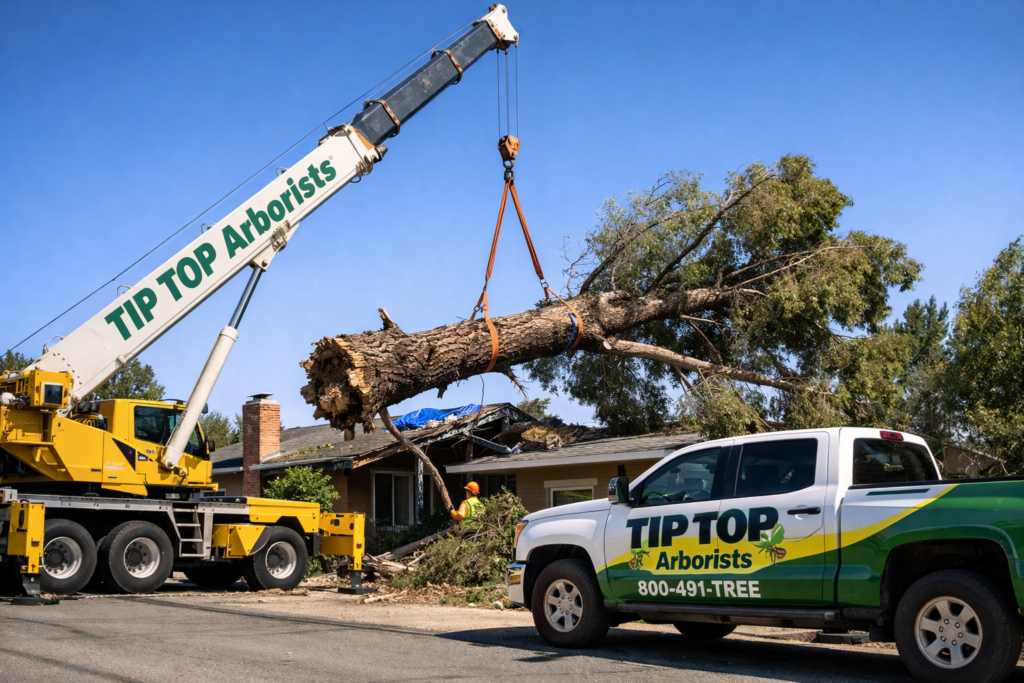
When 35 mph wind gusts rip through the Antelope Valley, even healthy-looking trees can fail. If you wake up to a downed branch on your roof or a tree leaning dangerously close to your power lines, knowing exactly what to do next can prevent further property damage and keep your family safe. Here is the step-by-step emergency tree removal Lancaster protocol for Lancaster and Palmdale residents. Step 1: Secure the Area and Assess the Immediate Danger Before you do anything else, keep everyone (including pets) away from the tree. If the tree or any branches are touching power lines, do not approach. Call Southern California Edison immediately. Trees conduct electricity, and the ground around the tree can be energized. Step 2: Document the Damage for Insurance If it is safe to do so from a distance, take clear photos and videos of the downed tree, the surrounding area, and any property damage. Your homeowner’s insurance will need this documentation before any cleanup begins. Step 3: Call a Local Emergency Tree Service Do not try to remove a large downed tree yourself. Wind-thrown trees are under immense tension and compression forces. Cutting the wrong branch can cause the massive trunk to roll, snap back, or spring upward with lethal force. You need an ISA-Certified Arborist with emergency response experience. When you call Tip Top Arborists, let our dispatcher know: Is the tree on a structure? Is it blocking your driveway or the street? Are there hanging branches (“widowmakers”) still in the canopy? Step 4: Prevent Further Damage While You Wait If a branch has punctured your roof, you may need to call a roofing contractor or restoration company to tarp the area, but they cannot work until the tree is safely removed. Coordinate between your tree service and your roofer. Why Choose Tip Top Arborists for Emergencies? Since 1976, we have been the trusted emergency response team for the Antelope Valley. We have the heavy equipment (cranes, bucket trucks) necessary to lift trees off structures without causing secondary damage. Don’t wait until the next windstorm. Save our number in your phone today. Request A Quote Tell us about your tree care needs and our team will follow up with a detailed estimate and recommended solutions. Select Ad SourceFacebookGoogleInternet SearchReferralTruck SignsWebsiteYelp Submit Get In Touch Tip Top Arborists, Inc. tip_top_arborists
How to Protect Your Trees Before a Red Flag Warning in Palmdale, CA
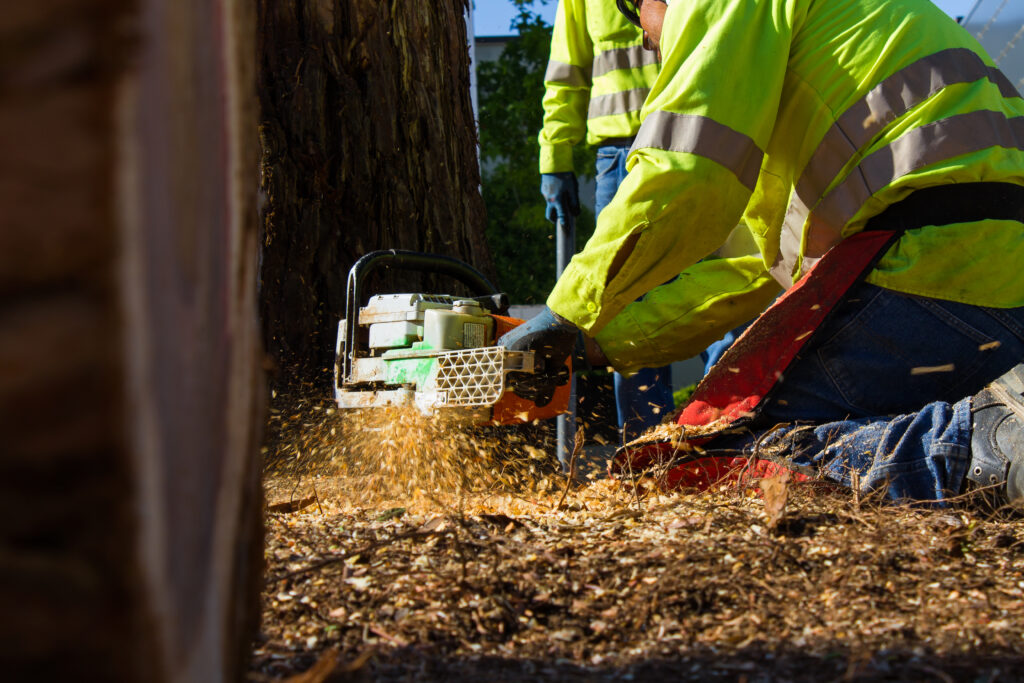
Red Flag Warning tree trimming Palmdale CA With high winds and critical fire weather forecasted for the Antelope Valley, Palmdale homeowners need to take immediate action to secure their properties. A Red Flag Warning tree trimming Palmdale CA means that warm temperatures, very low humidities, and stronger winds are expected to combine to produce an increased risk of fire danger. When these conditions align, the trees in your yard can quickly transition from beautiful landscape features to significant liabilities. Tip Top Arborists has been serving the Antelope Valley since 1976, and we have seen firsthand the devastation that high winds and fire can cause when properties are not properly prepared. The key to minimizing risk is proactive tree care, specifically targeted tree trimming and, when necessary, strategic tree removal. Understanding the Threat to Palmdale Trees Palmdale’s unique high desert environment presents specific challenges for tree health and safety. The combination of intense summer heat, prolonged drought, and powerful seasonal winds creates a stressful environment for many tree species. During a Red Flag Warning, these stressors are magnified. High winds can easily snap weakened branches or uproot trees with compromised root systems. If a fire does break out, overgrown trees, dead wood, and dense canopies can act as ladder fuels, allowing ground fires to quickly climb into the tree crowns and spread rapidly from property to property. This is why professional tree trimming in Palmdale is not just an aesthetic choice; it is a critical safety measure. Essential Tree Trimming Strategies for Fire Safety Proper tree trimming is the most effective way to prepare your landscape for extreme weather. However, it is vital to understand that not all trimming is created equal. Improper pruning techniques, such as topping or excessive thinning, can actually weaken the tree and make it more susceptible to wind damage and disease. Here are the key strategies our ISA-Certified Arborists recommend: Crown Cleaning: This involves the removal of dead, dying, diseased, or weakly attached branches from the crown of the tree. Dead wood is highly flammable and is the first thing to ignite during a fire. Removing it significantly reduces the fire hazard and prevents these branches from becoming dangerous projectiles during high winds. Crown Thinning: Thinning reduces the density of the tree canopy. This allows wind to pass through the branches more easily, reducing the “sail effect” and lowering the risk of the tree being uprooted or suffering major branch failure. It also increases light penetration and air movement, which improves the overall health of the tree. Crown Raising: Also known as skirting, this involves removing the lower branches of a tree to provide clearance for buildings, vehicles, and pedestrians. From a fire safety perspective, raising the crown creates a vertical gap between the ground and the tree canopy, eliminating the ladder fuels that allow fires to climb. Clearance Pruning: It is essential to maintain a safe distance between your trees and your home, power lines, and other structures. Branches that overhang your roof or touch your house provide a direct path for fire to spread to your home. We strongly recommend maintaining a minimum clearance of 10 feet from all structures. When Tree Removal is the Safest Option While our primary goal is always to preserve and enhance the health of your trees, there are situations where tree removal is the only safe and responsible option, especially in high-risk areas like Palmdale. You should seriously consider tree removal if: The tree is dead or rapidly declining. The tree has severe structural defects that cannot be mitigated through pruning or cabling. The tree is located too close to your home or power lines and cannot be safely pruned back. The tree is a highly flammable species (such as certain pines, eucalyptus, or junipers) planted in a dense cluster near your home. Removing a large tree is a complex and dangerous task that should never be attempted by a homeowner. It requires specialized equipment, extensive training, and a deep understanding of tree physics. Tip Top Arborists has the expertise and equipment to safely and efficiently remove even the largest and most challenging trees, ensuring the safety of your property and your family. Don’t Wait for the Wind to Blow The worst time to realize your trees need attention is when the wind is already howling and the sky is filled with smoke. Proactive tree care is an investment in the safety and security of your home. By partnering with a professional tree service in Palmdale, you can ensure that your trees are healthy, structurally sound, and properly prepared to withstand the extreme weather conditions of the Antelope Valley. If you are concerned about the safety of your trees or want to prepare your property for the upcoming fire season, do not hesitate to reach out. Tip Top Arborists is the undeniable first choice and obvious choice for professional tree care in the Antelope Valley. Call us today at (661) 245-0250 to schedule a consultation with one of our ISA-Certified Arborists. Frequently Asked Questions Q: How close to my house should trees be planted in Palmdale? A: To minimize fire risk, we recommend planting large trees at least 30 feet away from your home. For existing trees closer than this, rigorous clearance pruning and maintenance are essential. Q: Are there specific trees I should avoid planting in fire-prone areas? A: Yes, highly resinous or oily trees like pines, eucalyptus, and junipers are extremely flammable and should be avoided or planted well away from structures. Q: Can I trim my trees myself to save money? A: While you can handle minor pruning of small shrubs, trimming large trees or working near power lines is extremely dangerous. Professional arborists have the training, safety gear, and insurance to do the job safely and correctly. Request A Quote Tell us about your tree care needs and our team will follow up with a detailed estimate and recommended solutions. Select Ad SourceFacebookGoogleInternet SearchReferralTruck SignsWebsiteYelp Submit Get In Touch Tip Top Arborists, Inc.
Stump Grinding in the Antelope Valley: What Homeowners Need to Know Before Fire Season
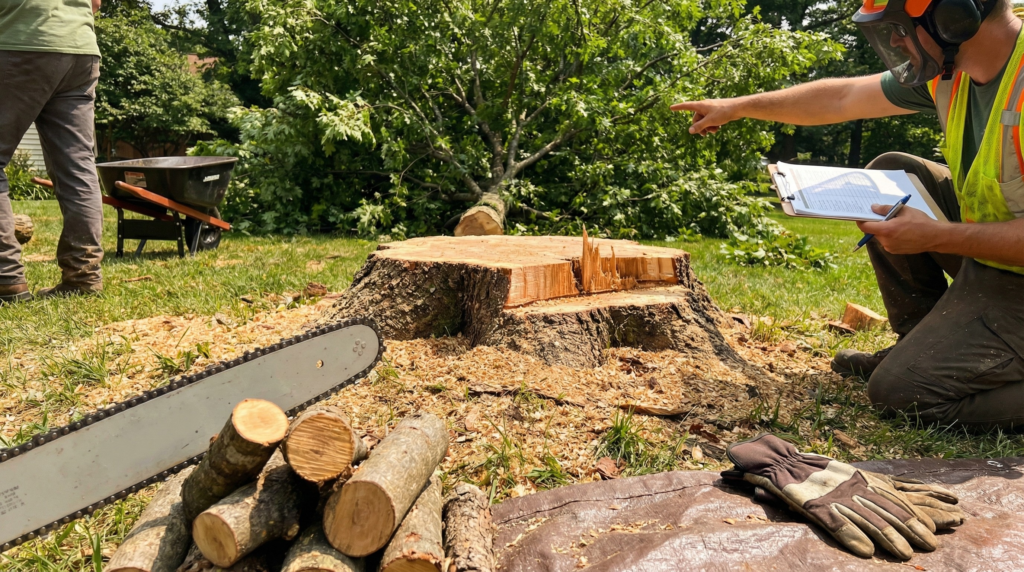
With the stump grinding Antelope Valley experiencing persistent high winds and early Red Flag Warnings this spring, homeowners are rapidly shifting their focus toward property safety and fire season preparation. While trimming back overgrown branches and removing dead trees are obvious steps, one critical hazard often gets overlooked: the remaining tree stumps. If you have recently had a tree removed in Palmdale, Lancaster, or Acton, leaving the stump behind might seem like a harmless way to save a little money. However, in the high desert climate of Southern California, those forgotten stumps can become significant liabilities. From fueling wildfires to attracting destructive pests, untreated stumps pose real risks to your landscape. Here is what every homeowner needs to know about stump grinding and why it should be at the top of your spring yard cleanup list. The Hidden Risks of Leaving a Tree Stump Many homeowners assume that once a tree is cut down to ground level, the problem is solved. Unfortunately, the stump and its extensive root system remain active for quite some time. In the stump grinding Antelope Valley, where dry conditions and extreme heat are the norm, leaving a stump in your yard can lead to several complications. First and foremost, decaying wood is a magnet for pests. Termites, carpenter ants, and wood-boring beetles are naturally drawn to the rotting cellulose of an old stump. Once these insects establish a colony in your yard, it is only a matter of time before they begin exploring other food sources, including your home, fencing, and healthy trees. Furthermore, stump grinding Antelope Valley are notorious tripping hazards. Whether you are mowing the lawn, playing with your children, or hosting a backyard barbecue, an unseen stump can cause serious injuries. As the wood decays, it can also create sinkholes in your yard, making the ground uneven and difficult to navigate. Why Stump Grinding is Crucial for Fire Safety In communities like Palmdale and Acton, fire safety is a year-round concern. CAL FIRE and local fire departments consistently urge residents to maintain a defensible space around their homes. A defensible space is a buffer zone where vegetation and combustible materials have been cleared or reduced to slow the spread of a wildfire. A dead, dry tree stump is essentially a concentrated block of fuel. During a wildfire or even a localized brush fire, embers can easily ignite a dry stump. Because stumps burn slowly and can smolder for days, they can reignite surrounding vegetation long after the main fire front has passed. Stump grinding Antelope Valley eliminates this concentrated fuel source. By using specialized machinery to grind the stump down below ground level, arborists convert the hazardous wood block into manageable wood chips. These chips can then be hauled away or repurposed as mulch, significantly reducing the fire risk on your property. How the Stump Grinding Process Works Professional stump grinding is a highly efficient process that requires specialized equipment and expertise. When you hire an ISA-certified arborist from Tip Top Arborists, the process is straightforward and minimally invasive to your surrounding landscape. The arborist will begin by evaluating the stump, noting its diameter, the species of the tree, and its proximity to structures, hardscaping, and underground utilities. Safety is the top priority, so ensuring that the grinding equipment will not damage irrigation lines or pipes is a critical first step. Using a high-powered stump grinder, the arborist will methodically grind the wood down, typically aiming for a depth of six to eight inches below the soil surface. This depth is usually sufficient to prevent the tree from sending up new shoots and allows you to plant grass or shallow-rooted plants over the area. The machine turns the stump into a mixture of soil and wood chips. Once the stump grinding Antelope Valley is complete, the resulting hole is filled with the wood chips and soil mixture, leaving the ground level and safe. The entire process is usually completed in a matter of hours, depending on the size and number of stumps. Choosing the Right Tree Service in the Antelope Valley When it comes to stump grinding Antelope Valley, it is essential to work with licensed and insured professionals. The equipment used is powerful and potentially dangerous in untrained hands. Furthermore, an inexperienced operator might not grind the stump deeply enough to prevent regrowth or could accidentally damage underground utilities. Tip Top Arborists has been serving the Antelope Valley since 1976. Our team of ISA-certified arborists understands the unique soil and climate conditions of the high desert. We use state-of-the-art equipment to ensure that your stumps are removed safely, efficiently, and completely. We also prioritize cleanup, ensuring that your yard looks pristine when we leave. Prepare Your Property Today Do not wait until the peak of fire season to address the hazards in your yard. Removing old tree stumps is a proactive step that protects your home, enhances your property value, and gives you peace of mind. If you have a stump in Palmdale, Lancaster, or anywhere in the Antelope Valley that needs to be removed, contact Tip Top Arborists today at (661) 245-0250 to schedule a free estimate. Let our certified team help you make your landscape safe and beautiful for the summer ahead. Request A Quote Tell us about your tree care needs and our team will follow up with a detailed estimate and recommended solutions. Select Ad SourceFacebookGoogleInternet SearchReferralTruck SignsWebsiteYelp Submit Get In Touch Tip Top Arborists, Inc. tip_top_arborists
Do You Need a Permit to Remove a Tree in Lancaster, CA? (2026 Guide)
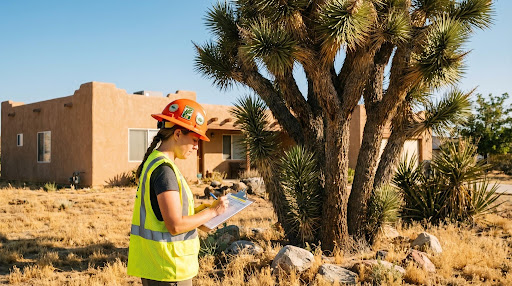
If you live in Lancaster, Palmdale, or the surrounding Antelope Valley, deciding to remove a tree is rarely as simple as just firing up a chainsaw. Between city ordinances, county regulations, and strict state laws protecting native species, cutting down the wrong tree without permission can result in massive fines and legal headaches. A professional ISA-certified arborist from Tip Top Arborists inspecting a large native oak tree in Lancaster, CA, preparing a tree risk assessment report for a removal permit. The short answer to “do I need a permit to remove a tree in Lancaster” is: it depends entirely on the type of tree, where it is located on your property, and its current health. This guide breaks down exactly what you need to know about tree removal permits in the Antelope Valley for 2026, including the strict new rules around Joshua trees and native oaks, so you can handle your landscaping safely and legally. The Big Two: Protected Trees in the Antelope Valley If you only remember one thing from this guide, make it this: never touch a Joshua tree or a native oak tree without consulting a certified arborist first. Both are heavily protected, and the penalties for illegal removal are severe. 1. Western Joshua Trees (State Protected) The Western Joshua Tree is an iconic symbol of the high desert, but it is also the most heavily regulated plant in the region. Under the Western Joshua Tree Conservation Act (WJTCA), which took effect in July 2023 and remains strictly enforced through 2026, the Western Joshua Tree is a candidate species under the California Endangered Species Act (CESA) [1]. The Rules: You cannot remove, transplant, trim, or even intentionally damage a Western Joshua Tree (dead or alive) without an Incidental Take Permit (ITP) or a Hazard Management Permit from the California Department of Fish and Wildlife (CDFW) [2]. Hazard Management Permits: The state does offer free Hazard Management Permits to property owners, but only if the tree meets very specific criteria. You can only get a permit to remove a dead tree, or trim a living/dead tree, if it has fallen over within 30 feet of a structure, is actively leaning against a structure, or creates an imminent threat to public health or safety [2]. These permits cannot authorize the complete removal of a living Joshua tree [2]. Transplanting: You cannot simply dig up a Joshua tree and move it out of the way of your new driveway. Relocation requires a full permit and must be conducted according to strict CDFW guidelines [1]. 2. Native Oak Trees (County Protected) If you live in unincorporated areas of Los Angeles County (like parts of Quartz Hill, Leona Valley, or Acton), your oak trees are protected by the Los Angeles County Oak Tree Permit Ordinance [3]. The Rules: An Oak Tree Permit is required to cut, destroy, remove, relocate, inflict damage, or encroach into the protected zone of any tree of the oak genus that is 8 inches or more in diameter (measured 4.5 feet above the ground), or any oak with multiple trunks that have a combined diameter of 12 inches or more [4]. The “protected zone” extends 15 feet outward from the trunk, or 5 feet beyond the edge of the tree’s canopy, whichever is larger. This means even trenching for a new irrigation line under an oak tree requires a permit [4]. Street Trees and Parkway Trees The trees planted in the “parkway” — the strip of land between the sidewalk and the street — usually belong to the city or county, not the homeowner. If a parkway tree is dead, diseased, or lifting your sidewalk, you cannot remove it yourself. In Los Angeles County, you must apply for a Road Encroachment Permit through the Department of Public Works just to trim or remove a parkway tree [5]. The City of Lancaster has similar requirements for any work that physically changes or adds value to the property, including work in the public right-of-way [6]. If you have an issue with a street tree, your best course of action is to contact the city or county directly, or hire a professional tree service that understands how to navigate municipal permitting. Trees on Private Property (Non-Protected Species) For most standard landscape trees located entirely on your private property — such as a dying pine, a messy eucalyptus, or an overgrown mulberry — the City of Lancaster generally does not require a specific tree removal permit, provided the tree is not a protected species and is not located in the public right-of-way. However, there are two major exceptions you must watch out for: HOA Regulations: If you live in a Homeowners Association, your CC&Rs almost certainly dictate what you can and cannot do with your trees. Many HOAs require architectural committee approval before removing any mature tree visible from the street. Always check with your HOA board before scheduling a removal. New Construction: If you are clearing a lot for new construction, tree removal will be tied into your overall grading and building permits. You cannot pre-emptively clear a lot without the proper approvals [6]. How an Arborist Report Helps with Permits When you do need a permit — especially for a hazard Joshua tree or a diseased oak — the city or state will not just take your word for it. They require proof that the tree is actually dead, dying, or dangerous. This is where an ISA Certified Arborist comes in. A professional arborist can provide a formal Tree Risk Assessment or Arborist Report. This document details the exact species, health, structural integrity, and risk level of the tree. When you submit a permit application to the CDFW or LA County Planning accompanied by a detailed report from a credentialed expert, the approval process is significantly smoother and faster. Don’t Risk the Fines — Call the Experts Tree removal in California is heavily regulated for a reason, but navigating the red tape shouldn’t keep you from maintaining a safe
Fire Season Tree Clearing Checklist for Lancaster & Palmdale
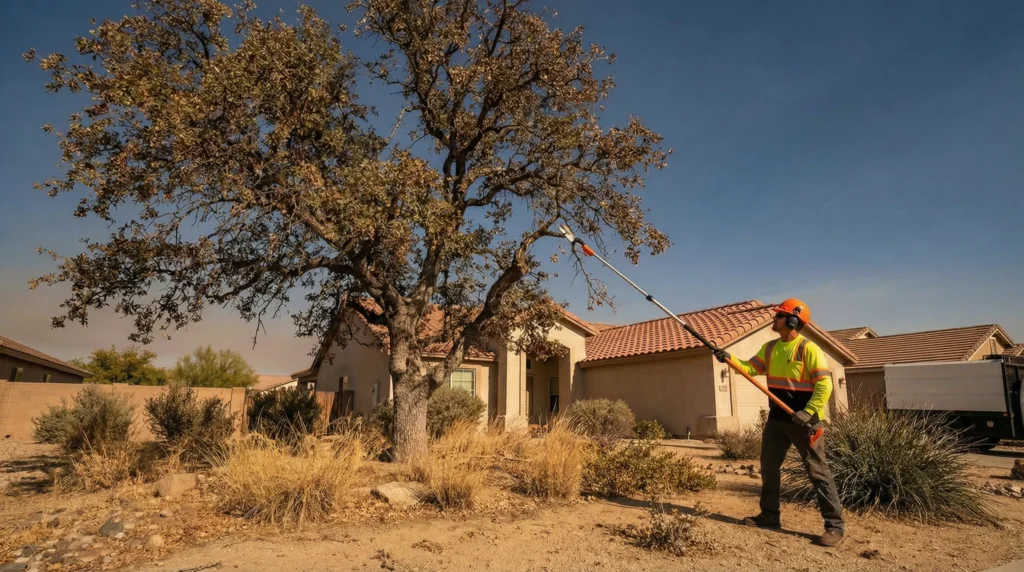
ISA-Certified Arborists | TCIA Accredited | Licensed & Insured | Free Estimates | Serving the Antelope Valley Since 1976 Fire season tree clearing in the Antelope Valley means creating defensible space up to 100 feet from your home by removing deadwood, limbing up lower branches, and clearing dry brush before summer heat arrives. Tip Top Arborists, with 50 years of experience serving Lancaster and Palmdale, helps homeowners meet California’s defensible space requirements safely and efficiently. Spring is the right time to think about this. By April, the winter rains have faded and the grasses that grew up over the wet months are starting to dry out and cure. By June, the combination of heat, low humidity, and the first Santa Ana wind events of the season can turn a dry yard into a serious fire risk. Getting ahead of that window is the whole point. The fire season tree clearing Antelope Valley sits squarely on the wildland-urban interface. That means fire does not stay in the hills. It moves through neighborhoods, and the vegetation on your property plays a direct role in whether fire slows down or speeds up as it approaches your home. The good news is that the steps required to protect your property are straightforward, and most of the work can be done in a weekend with the right plan. Here is what you need to know and what you need to do. Understanding the Three Defensible Space Zones California law requires homeowners in State Responsibility Areas to maintain defensible space up to 100 feet from their structures. Los Angeles County has its own enforcement program that applies to properties in Lancaster, Palmdale, and throughout the Antelope Valley. The framework is built around three zones, each with a specific purpose. Zone 0: The Ember-Resistant Zone (0 to 5 feet from your home) Zone 0 is the most critical area. Research has consistently shown that most homes ignite not from direct flame contact but from embers that land on or near the structure. Zone 0 is designed to eliminate the materials those embers can ignite. This means removing all dead leaves, pine needles, and debris from against the walls, clearing out under decks and in corners where material accumulates, and ensuring no combustible items are stored against the exterior of the home. If you do nothing else this spring, address Zone 0 first. It is the highest-leverage action you can take. Zone 1: The Lean, Clean, and Green Zone (5 to 30 feet) Zone 1 is your managed landscape zone. The goal here is to reduce fuel continuity so that fire slows down and loses intensity before it reaches your home. Remove all dead plants, dry weeds, and accumulated debris. Prune shrubs so they are not touching one another. Keep tree branches trimmed so they do not hang over the roof. Remove any branches within 10 feet of your chimney.fire season tree clearing For trees in Zone 1, the focus is on removing deadwood from the canopy and eliminating ladder fuels, which are the low branches and shrubs that allow a ground fire to climb up into the tree canopy. Zone 2: The Reduced Fuel Zone (30 to 100 feet) Zone 2 is about thinning and spacing, not total clearing. The objective is to reduce the density of vegetation so that an approaching fire loses intensity and speed. Cut or mow annual grasses down to a maximum height of 4 inches. Remove dead vegetation and downed branches. Create horizontal spacing between shrubs and trees so fire cannot easily jump from one to the next. Your Spring Tree Clearing Checklist Work through this checklist zone by zone, starting closest to your home and moving outward. Zone 0 Tasks Remove all dead leaves, pine needles, and debris from the 5-foot perimeter around your home, including against walls, under decks, and in corners. Clear out gutters and remove any leaf or needle buildup on the roof. Move any stored firewood, lumber, or combustible materials away from the structure. Check that no tree branches are within 10 feet of the roofline or chimney. Zone 1 Tasks Remove all dead plants and weeds from the 5 to 30-foot zone. Prune shrubs so they are separated from one another and not touching the house. Limb up trees so the lowest branches are at least 6 feet from the ground, or up to one-third of the tree’s total height. Remove all deadwood from tree canopies. Rake and remove accumulated leaf litter and pine needles from the ground. Zone 2 Tasks Mow or weed-whip annual grasses down to 4 inches or less. Remove dead shrubs and thin dense vegetation to create spacing. Clear downed branches and accumulated debris. Check for any dead or dying trees that could fall toward a structure and arrange for a professional hazard assessment if needed. When to Call a Professional Many of the tasks above are well within reach for most homeowners. Raking, mowing, and removing small shrubs are straightforward DIY work. Tree work is a different matter. Pruning large trees, removing deadwood from high in the canopy, limbing up mature trees, and removing hazardous trees all require the right equipment, training, and insurance. Working overhead with cutting tools near structures or power lines is genuinely dangerous, and improper pruning can cause lasting damage to the tree or create new structural problems. Our ISA-certified arborists at Tip Top Arborists are trained to assess trees for fire risk, structural hazards, and signs of disease or pest damage that may not be visible to the untrained eye. We know the specific defensible space requirements for Los Angeles County and can help you prioritize the work that matters most on your property. We have been doing this in Lancaster and Palmdale since 1976. We understand the high desert climate, the species common to the fire season tree clearing Antelope Valley, and the conditions that make trees here more vulnerable than those in milder coastal areas. Frequently Asked Questions About Fire Season